
Luxury here means great vineyard sites and Grand Crus, mature vintages, large formats, organic and biodynamic viticulture, and producers we know personally. Most purchases fall up to around 150 euros, and even at that level you will find Alsatian Grand Crus, Premiers Crus from Burgundy and mature grower Champagnes.
- Insured against breakage
- Shipping paused in heat and frost
- 30-day right of return
- DHL Express available
- Free shipping within Germany from €250
- Advice via WhatsApp: +49 172 8222076
Vintage: … – 2009

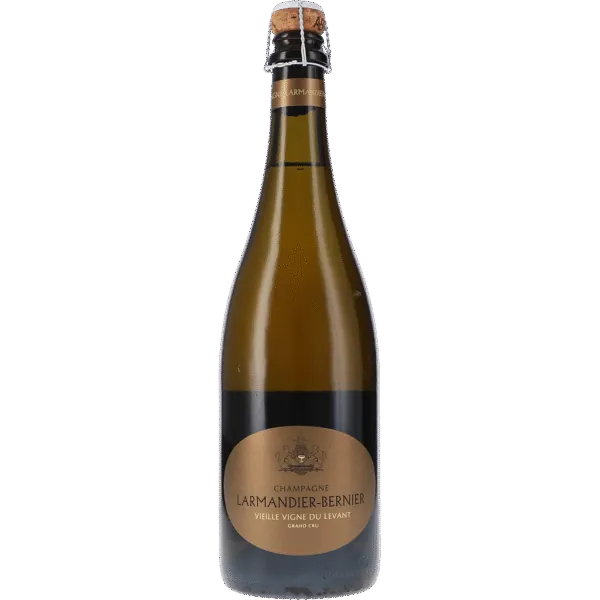
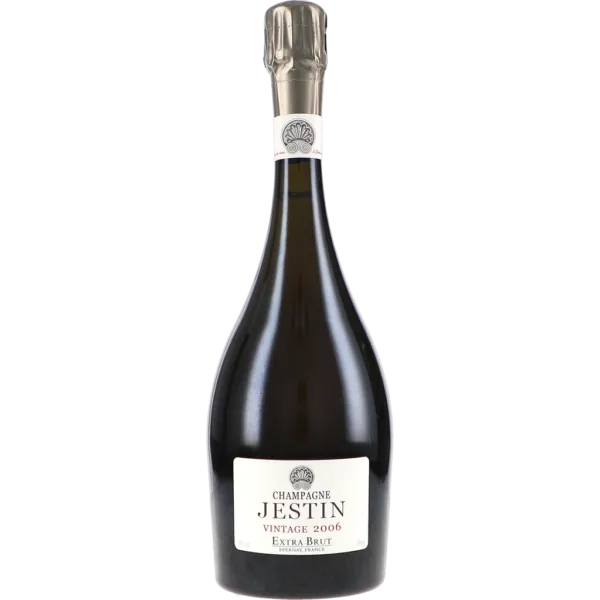
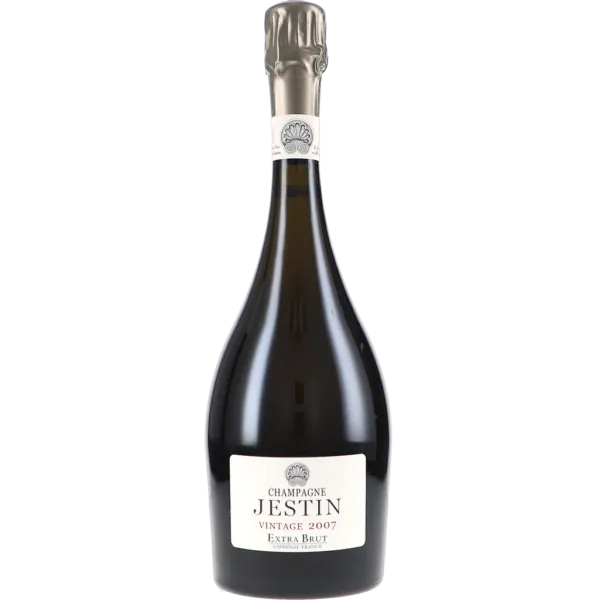
More about Luxusweine
What luxury means here: great vineyard sites and mature vintages
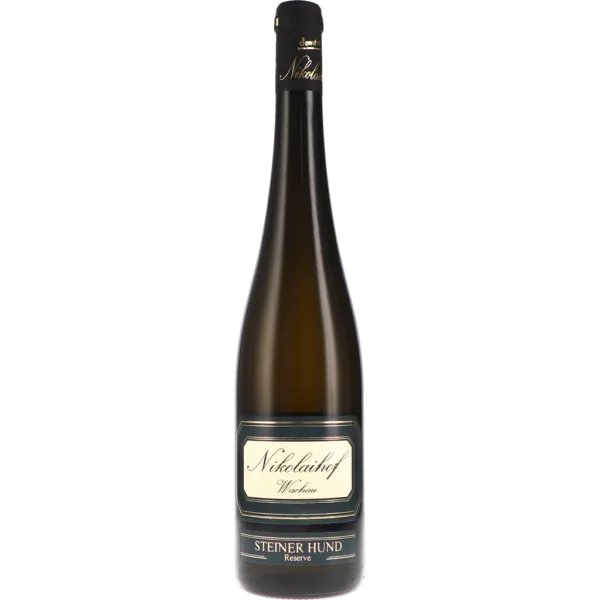
In this category, luxury means great vineyard sites and mature vintages, large formats from magnum upwards, and wines from organic and biodynamic cultivation by over a hundred estates we know personally. The focus is on France, complemented by Piedmont, Tuscany, Priorat, the Wachau and the Pfalz. Most purchases fall between roughly €100 and €150 per wine, and even within this range you will find Alsace Grand Crus, Premiers Crus from Burgundy and mature grower Champagnes.
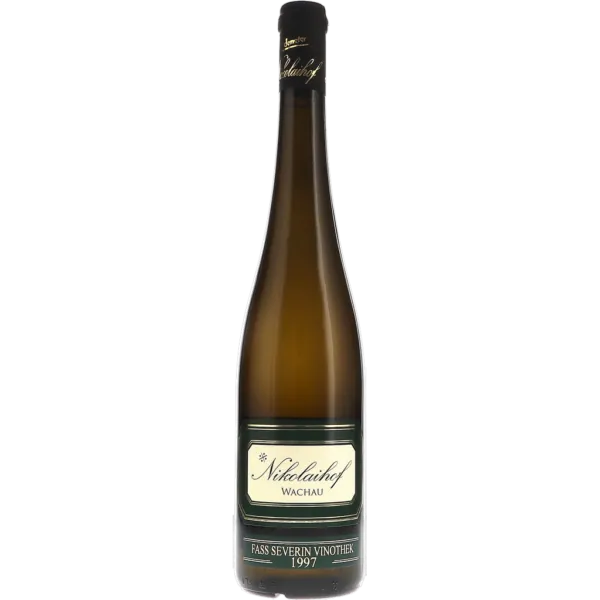
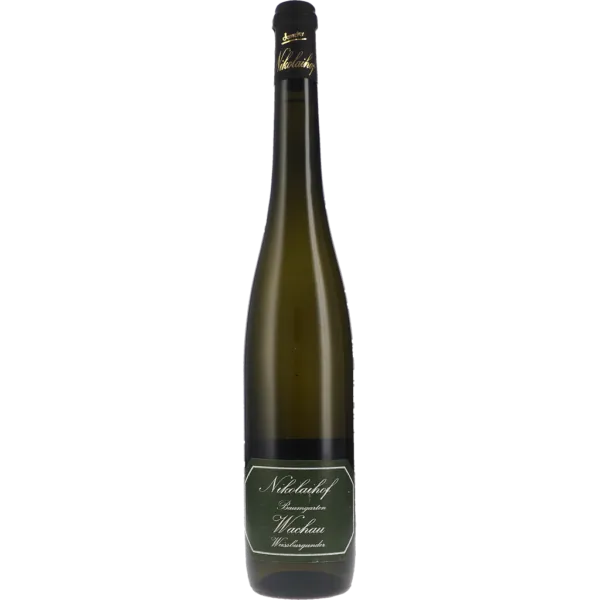
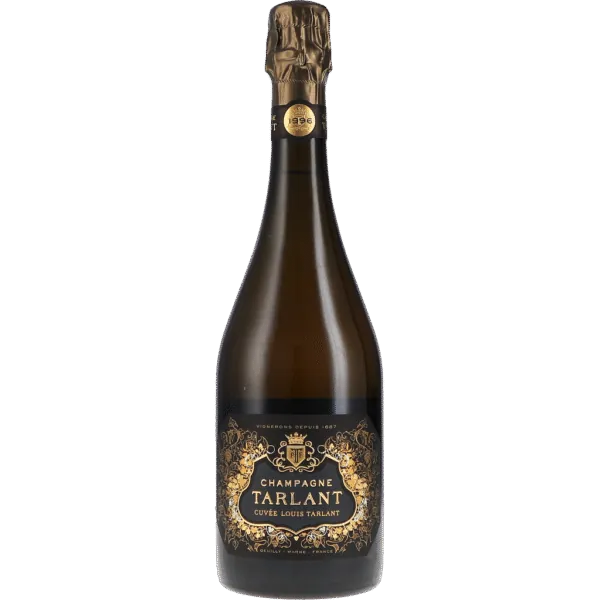
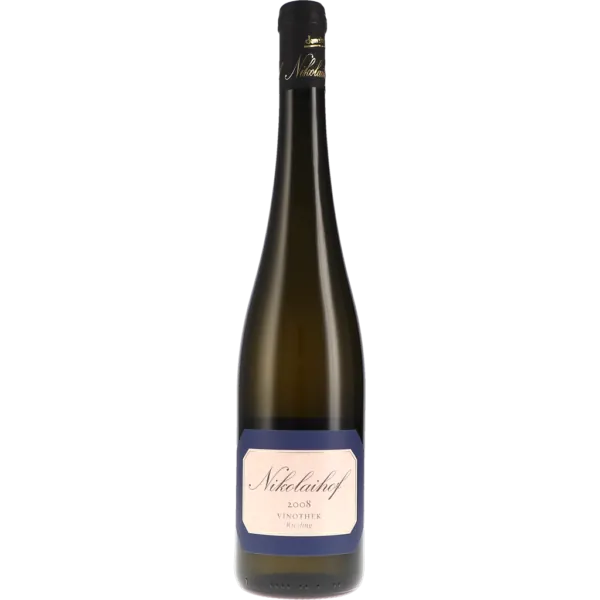
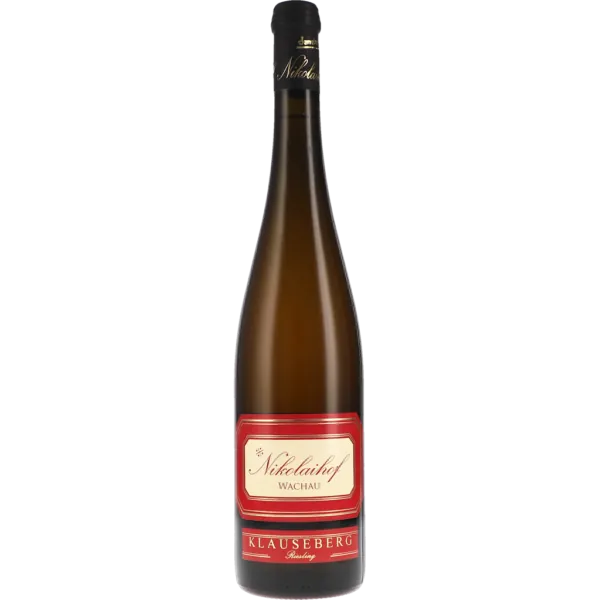
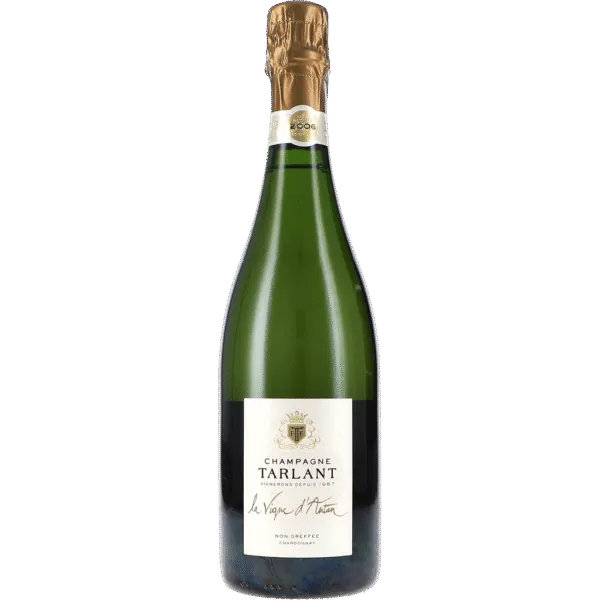
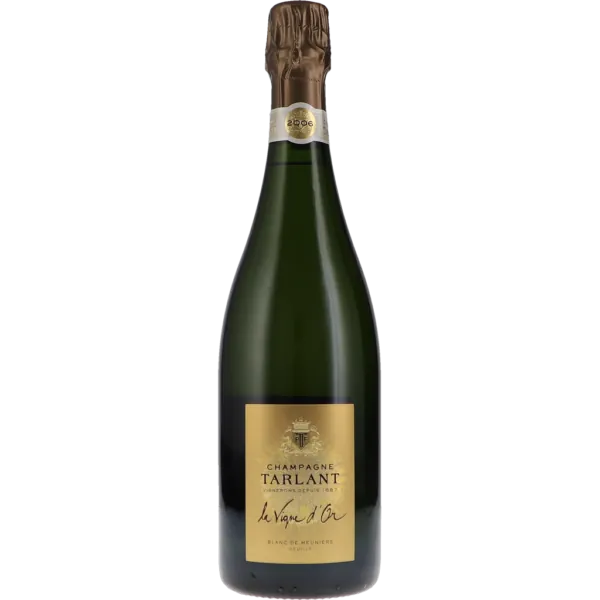
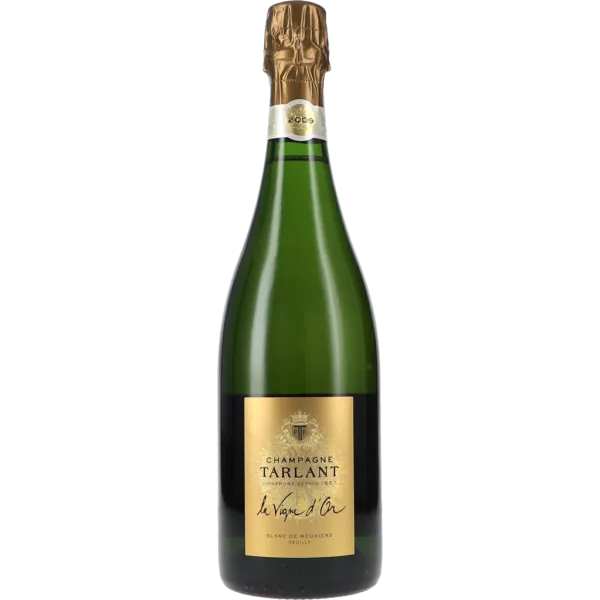
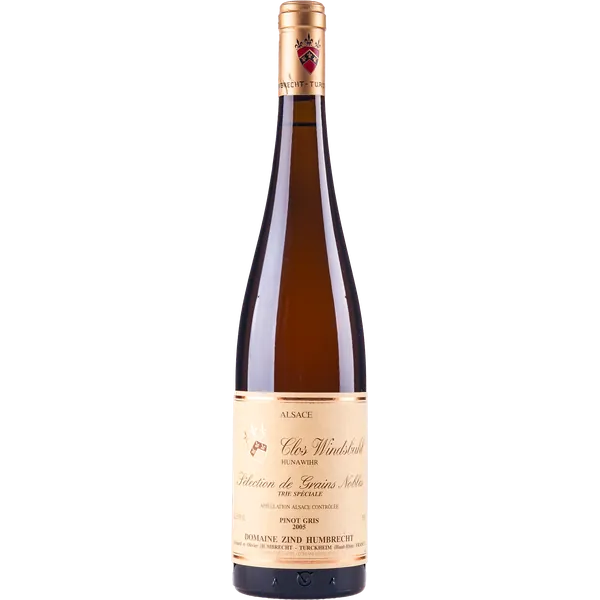
Among the icons is Hubert Lignier in Morey-Saint-Denis with the Clos de la Roche Grand Cru; the Cuvée MCMLV grows on vines planted in 1955 and is aged in wood. Trapet Père & Fils in Gevrey-Chambertin supplies the Chambertin Grand Cru, including in mature vintages; Jean-Louis Trapet has been working biodynamically since 1996 and is Demeter certified. From Domaine Zind-Humbrecht comes the Rangen de Thann Clos Saint-Urbain – Riesling, Pinot Gris and Gewürztraminer from the southernmost Grand Cru site in Alsace, a steep volcanic slope, produced biodynamically. Vietti in Castiglione Falletto bottles Barolo separately from the single vineyards Brunate, Lazzarito, Monvigliero and Cerequio. The Vinothek Rieslings from Nikolaihof in the Wachau mature for many years in large wooden casks before being bottled. Champagne Tarlant from Oeuilly represents our most frequently purchased luxury wine with La Vigne d’Or, a Blanc de Meuniers without dosage. We carry the older Barbaresco Crichët Pajé Riserva and Barolo Pira Riserva from Roagna in small quantities only upon request.
What makes a wine expensive
The price of a great wine begins in the vineyard site. Grand Crus are defined by their soil, slope and microclimate and cannot be expanded; the Clos de la Roche covers just under 17 hectares, shared among many domaines. Old vines bear few, small bunches, and biodynamic work means manual labour from pruning to harvest. Then there is time, because every year of ageing at the estate ties up space and capital. Ultimately, it comes down to scarcity, as a famous parcel often yields only a few hundred cases while global demand focuses on the very same names.
Storage, shipping and returns
All wines are stored under temperature-controlled conditions in a dedicated wine warehouse. Delivery is via DHL or, selectable at checkout, DHL Express, within Germany in one to three working days, free of charge from €250; we also ship to the EU, Switzerland and Great Britain. You may exercise your right of withdrawal within 30 days; we will collect the goods and bear the cost of the return shipment.
Frequently asked questions about luxury wines
What counts as a luxury wine?
This refers to the wines from the upper segment of our range, namely Grand Crus and Premiers Crus, single-vineyard wines, mature vintages and large formats. They come from over a hundred estates that work organically or biodynamically and that we know personally. The deciding factors are the vineyard site, the age of the vines and manual labour.
How are expensive wines shipped?
They are shipped in certified wine cartons with shock-absorbing inserts, via DHL or DHL Express, and every consignment is fully insured against breakage. At temperatures above 25 °C or below minus 5 °C, we pause shipping so that the wine does not suffer any damage in transit.
Can I buy rare wines upon request?
Yes. Some rarities, such as the older Barbaresco Crichët Pajé Riserva and Barolo Pira Riserva from Roagna, are carried only in very small quantities and released upon request. Write to [email protected]; we will get back to you with the price and availability.
Which vintages are ready to drink?
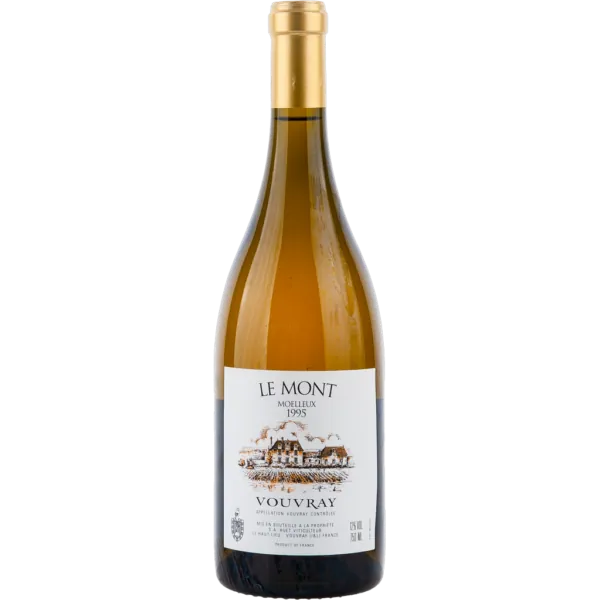
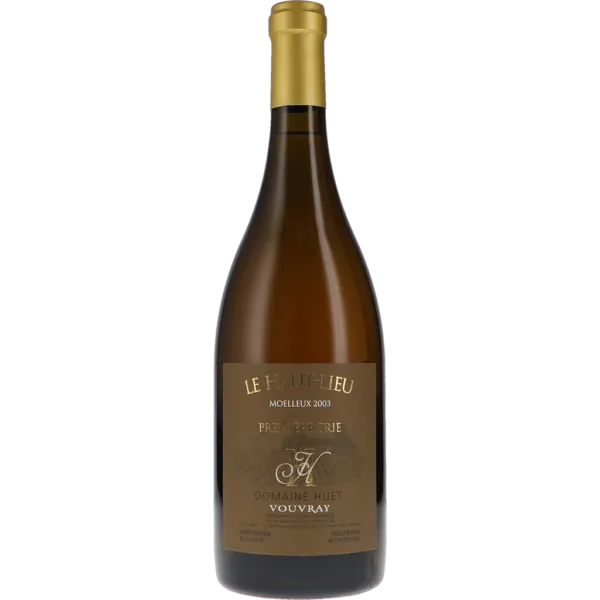
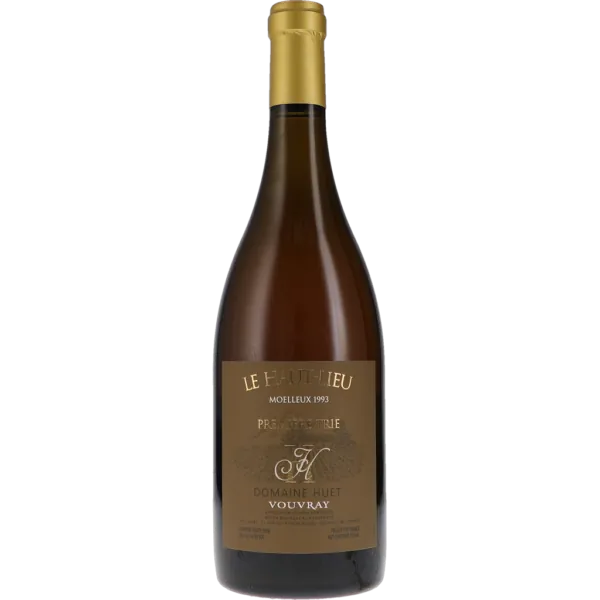
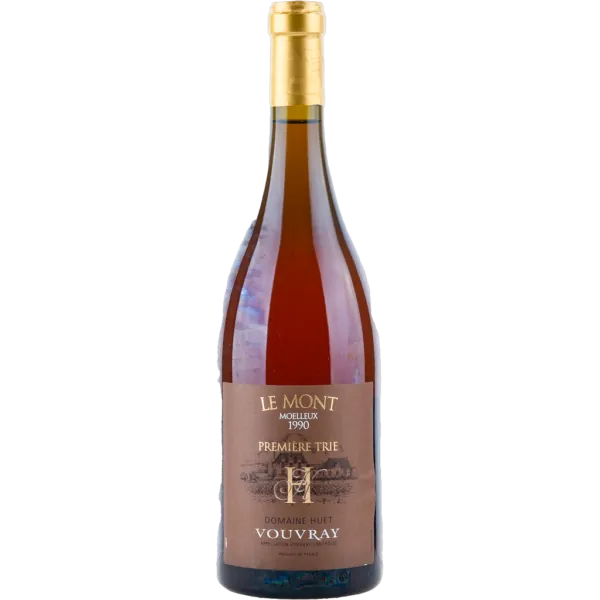
Ready to drink are the Vinothek Rieslings from Nikolaihof, which have matured for many years in large wooden casks, the mature sweet Vouvrays from Domaine Huet and older grower Champagnes. Young Grand Crus from Burgundy and single-vineyard Barolos, on the other hand, need years; a carafe helps if you open them early.