Pét-Nat
Pétillant Naturel is made using the Méthode ancestrale, in which a single fermentation finishes in the bottle, usually under a crown cap and often with a fine layer of yeast sediment. The selection ranges from Burgenland via Catalonia to Vinho Verde and comes from estates that work organically or biodynamically, intervening as little as possible.
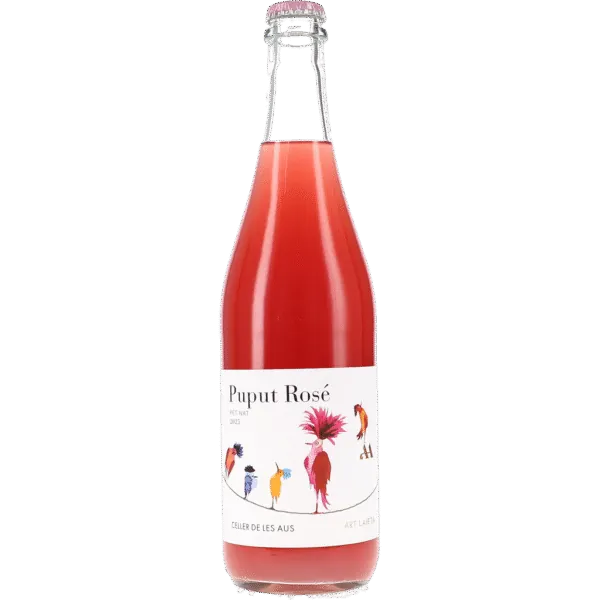
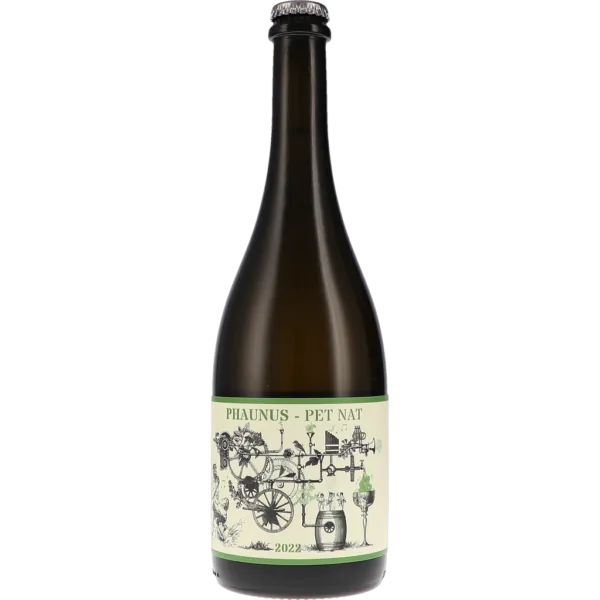
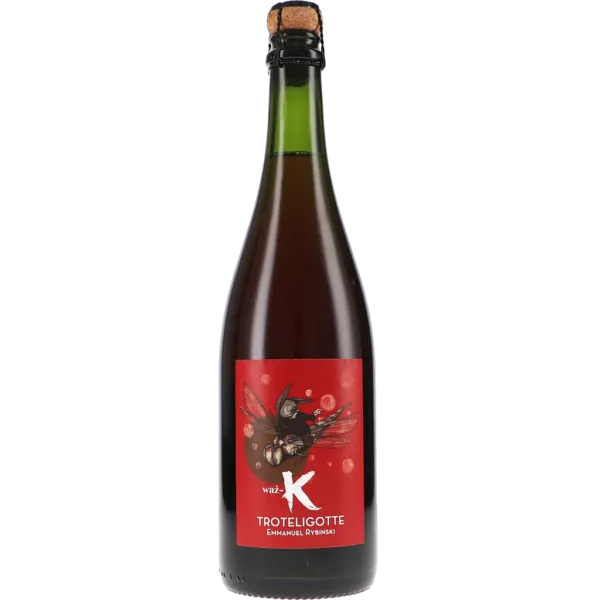
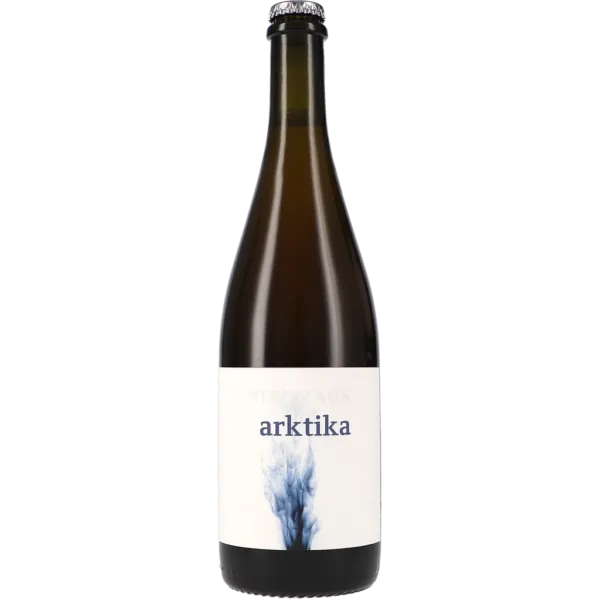
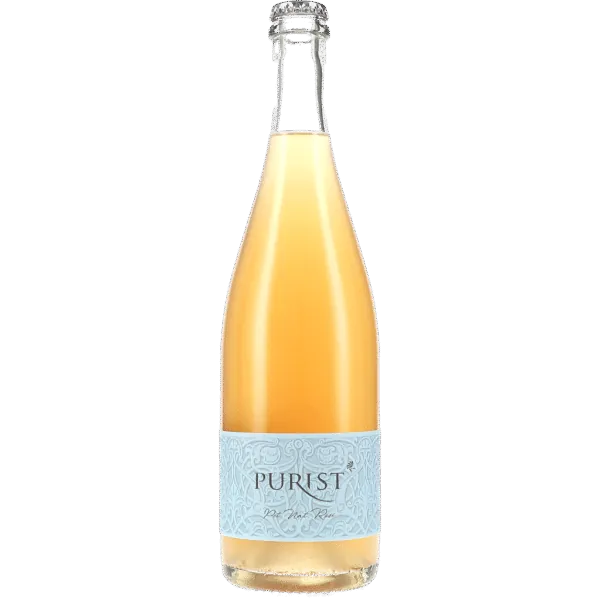
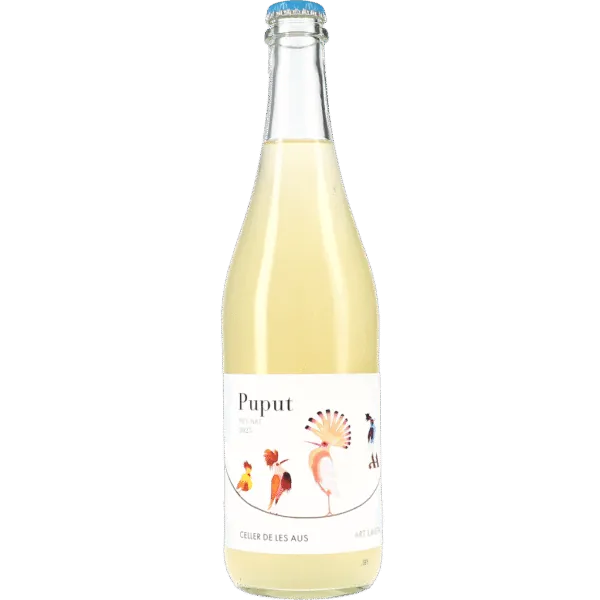
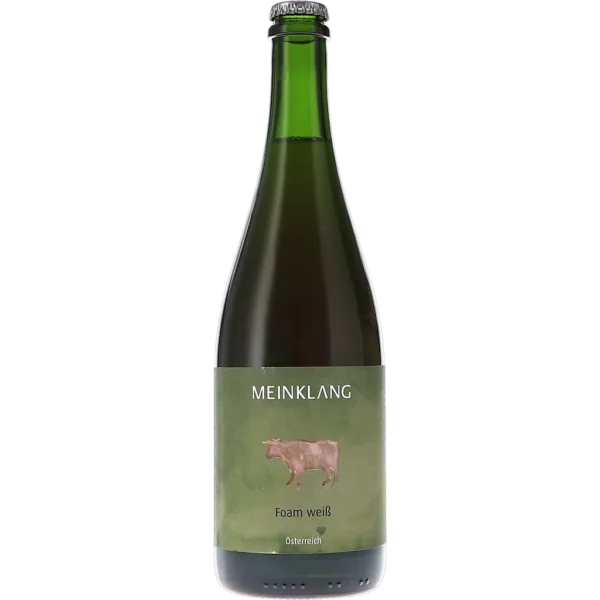
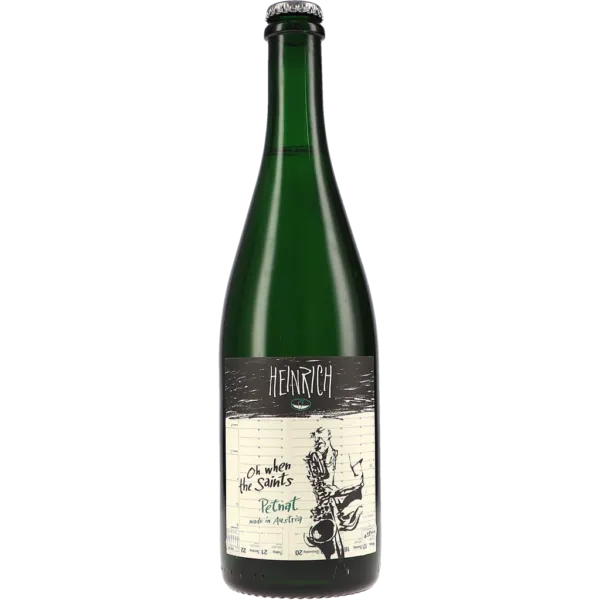
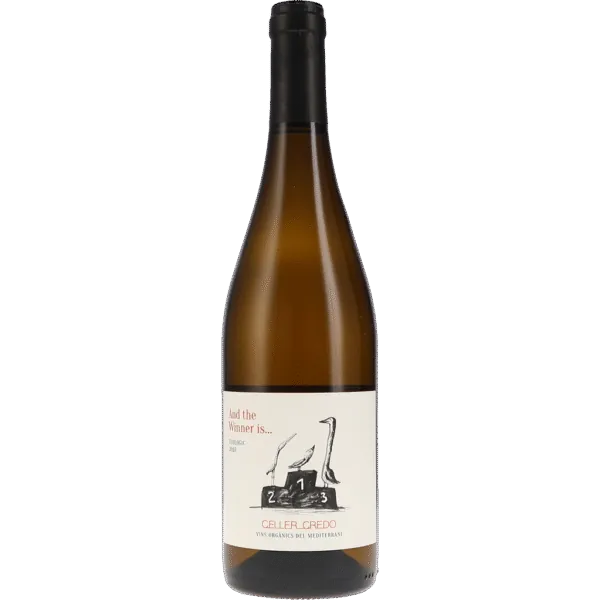
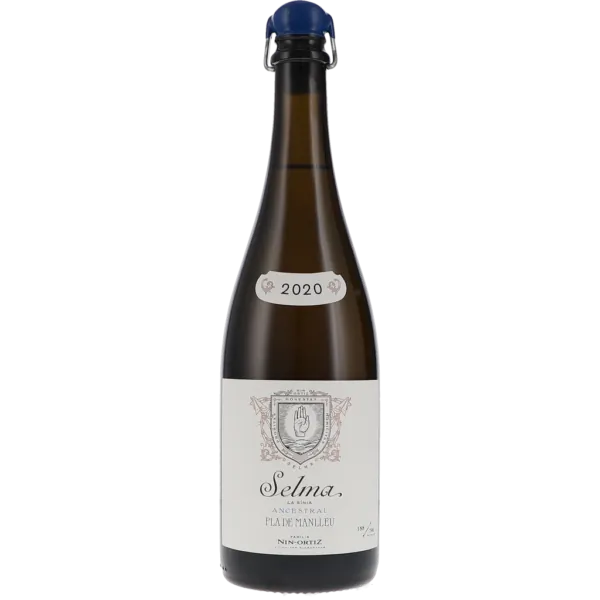
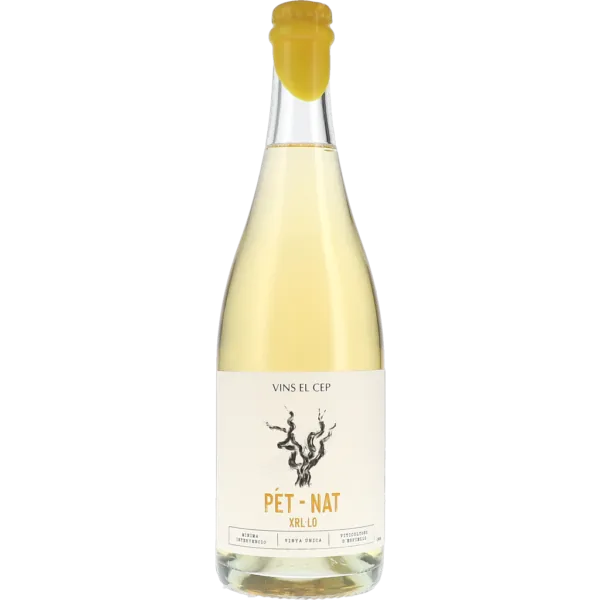
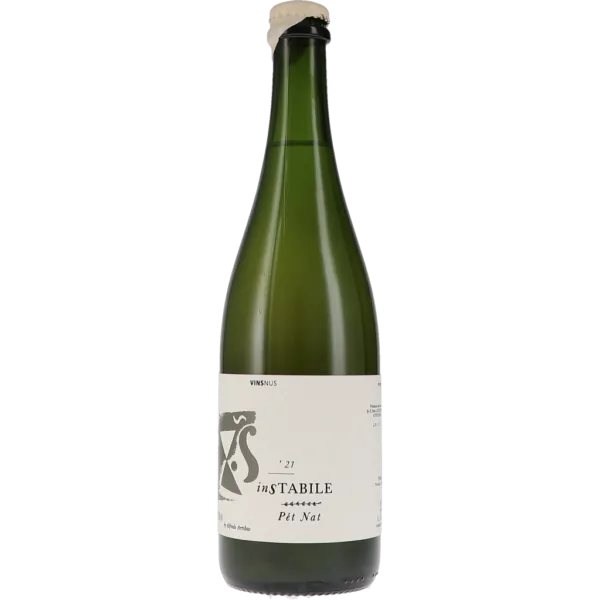
The Méthode ancestrale is the oldest way of making wine sparkle
The wine is still fermenting when it is bottled, and a single fermentation finishes in the bottle under the crown cap. In 1531, this is how Blanquette de Limoux, the earliest documented sparkling wine, came into being at the Abbey of Saint-Hilaire. The name Pétillant Naturel was only coined in the 1990s on the Loire. The yeast sediment usually remains in the bottle, and the pressure is lower than that of a Champagne. You will find further details in Pét-Nat explained.
Almost every Pét-Nat in this selection is a natural wine
What they all have in common is an approach that intervenes as little as possible; almost all of them are natural wines. Fermentation takes place with indigenous yeasts, often without added sulphur, and throughout dry. Meinklang in Burgenland makes Pét-Nat from biodynamic vineyard sites. Aphros Wine in Vinho Verde produces a reddish sparkler from the dark Vinhão grape, while Alta Alella in Catalonia uses Xarel·lo, the Cava grape. The signature remains similar: fresh acidity, moderate effervescence and a nutty note from the lees.
At the table, Pét-Nat is the most uncomplicated sparkling wine
It tastes best well chilled, at eight to ten degrees. If you prefer it clear, let the yeast sediment settle; if you want it nuttier, give the bottle a brief swirl. Its fresh acidity complements fat and salt, with tapas just as much as with pizza – for which wine with pizza offers its own suggestions. Its moderate pressure carries you through an entire menu, and the second glass follows naturally.
 EN
 DE
 FR
 IT