-
Christmann & Kauffmann
-
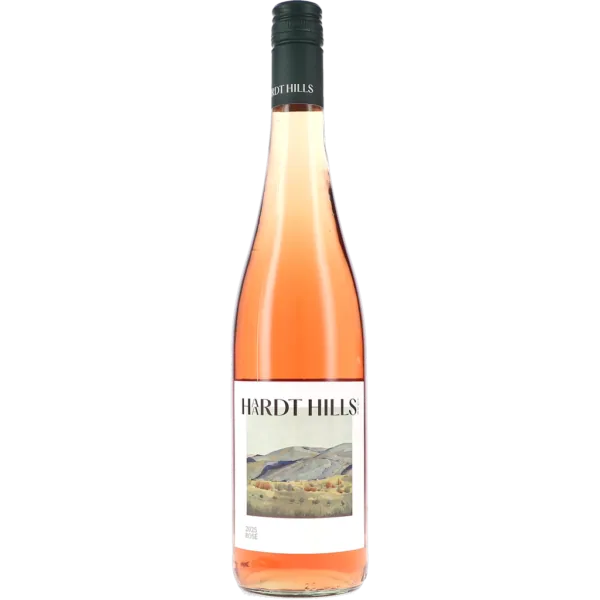
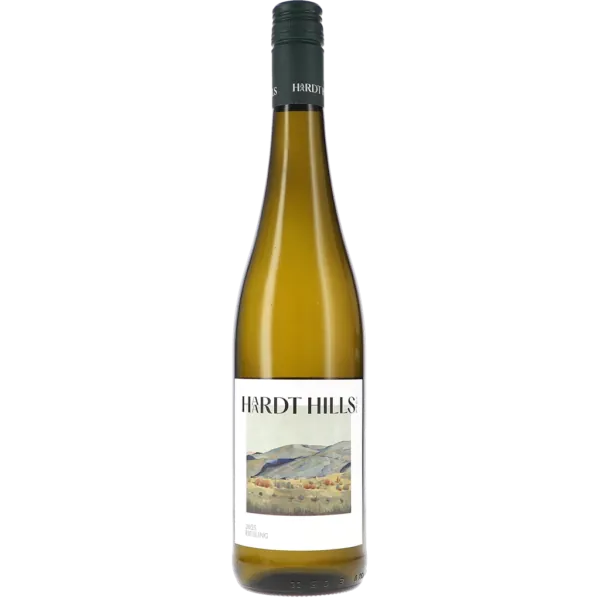
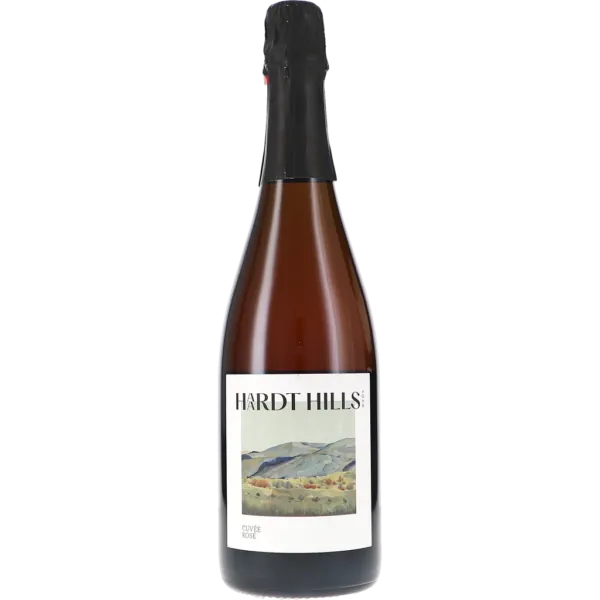
Haardt Hills
-
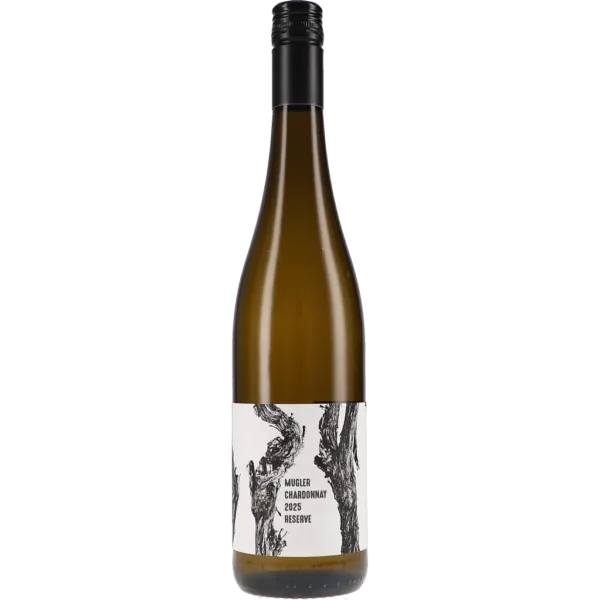
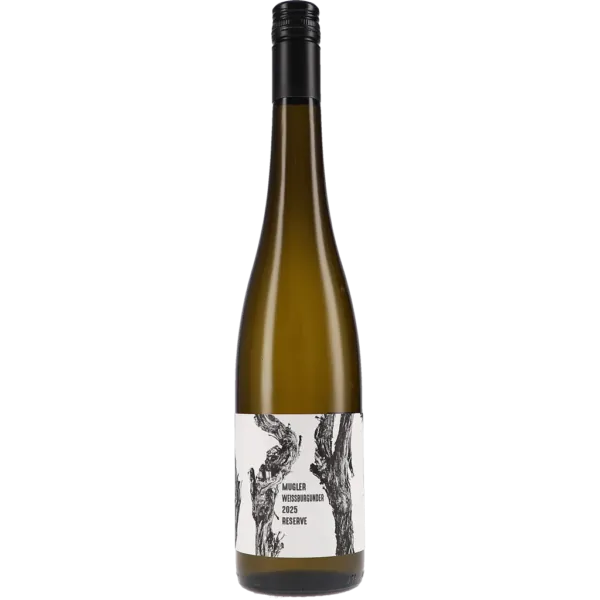
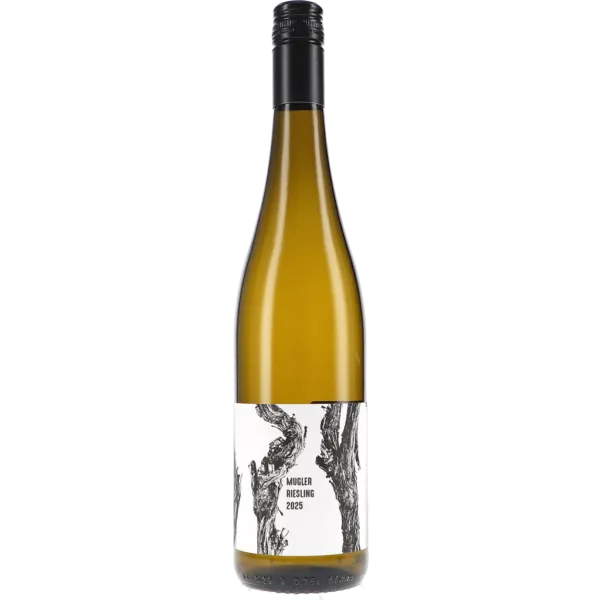
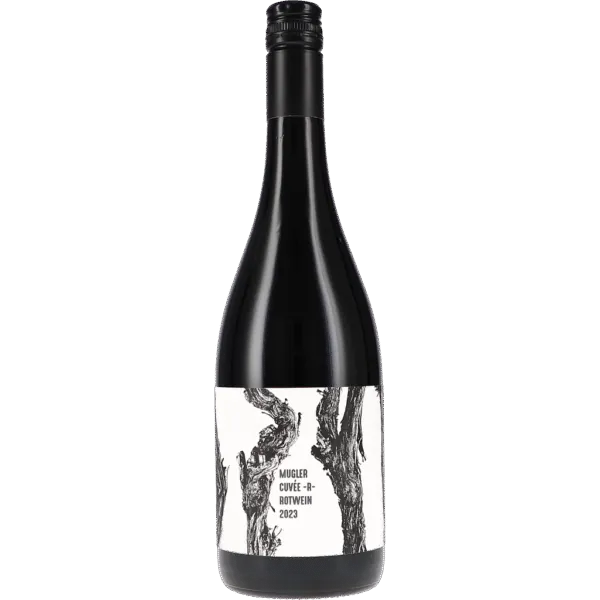
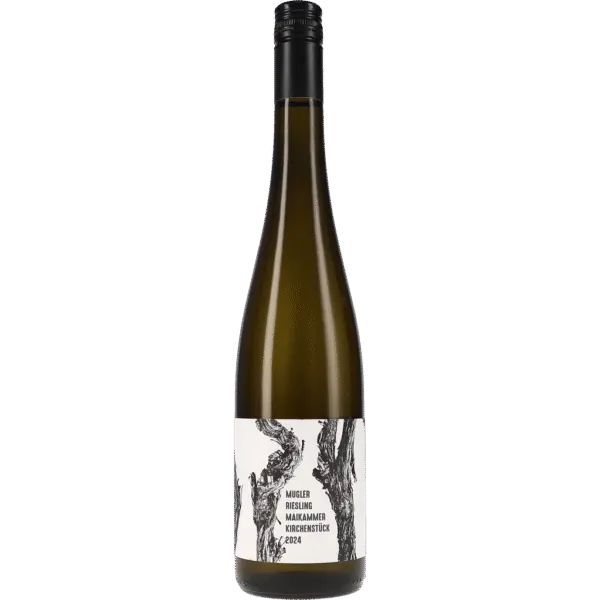
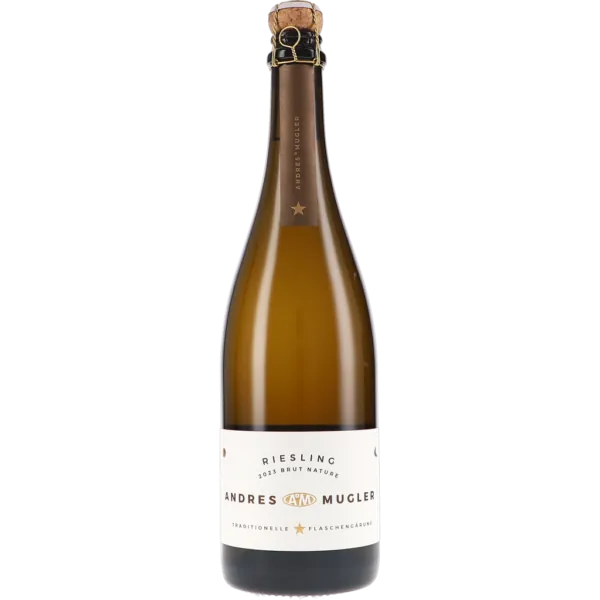
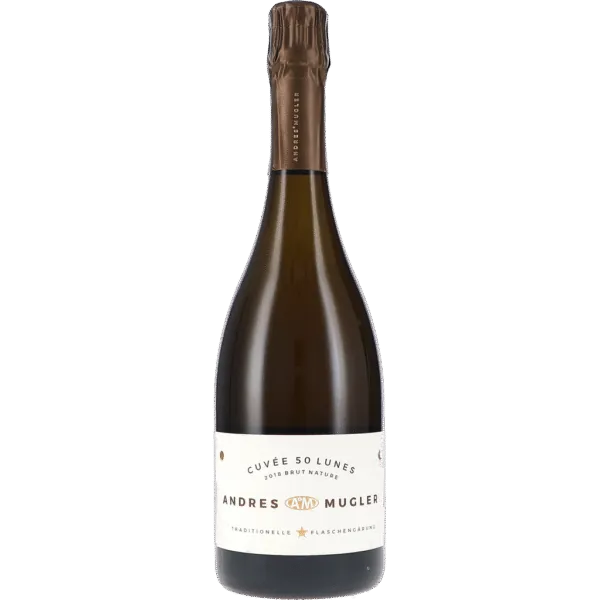
Andres & Mugler
-
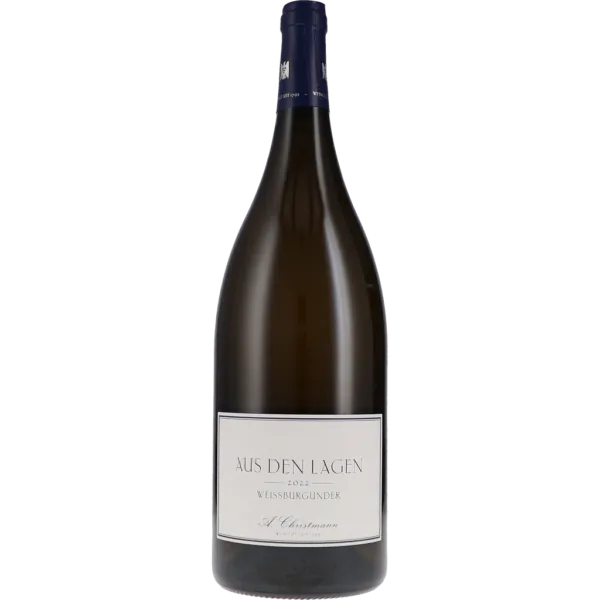
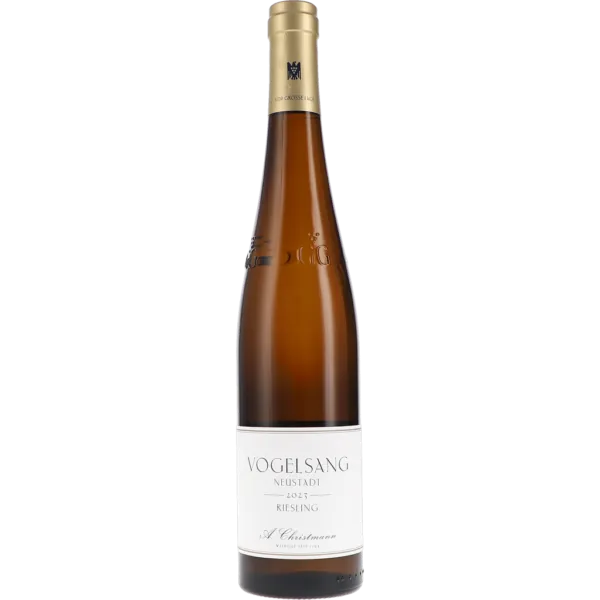
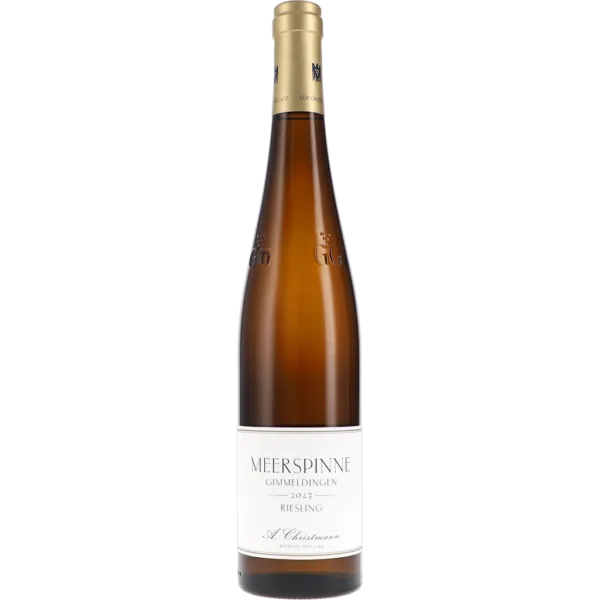
Christmann
-
M. Schädler - Steffen Mugler
-
Michael Andres
-
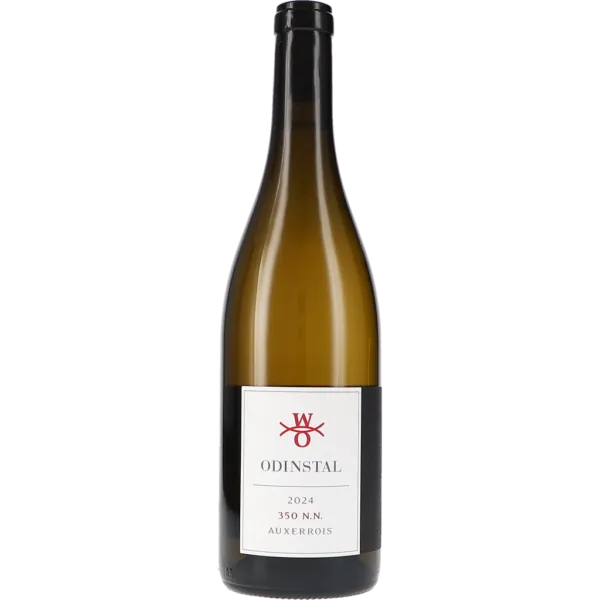
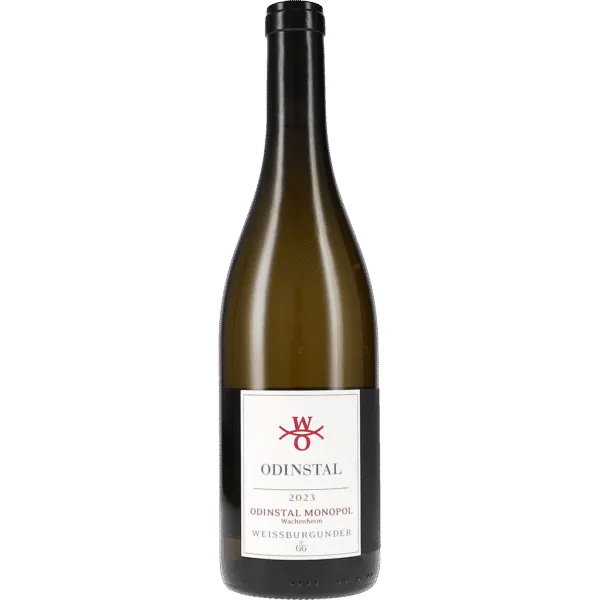
Odinstal
-
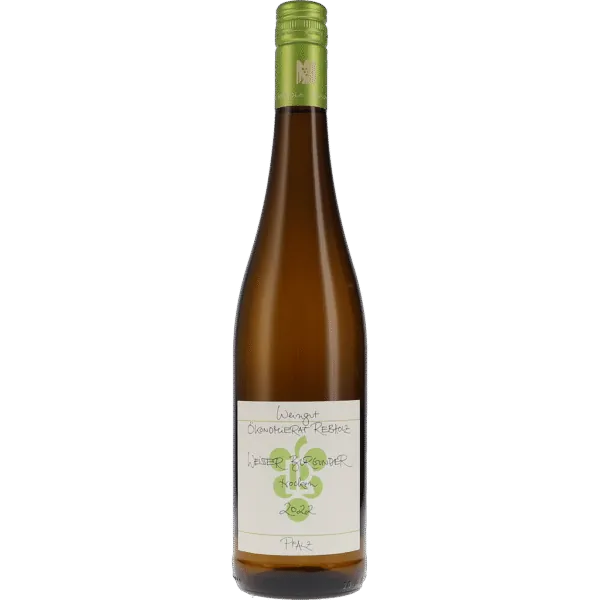
Ökonomierat Rebholz

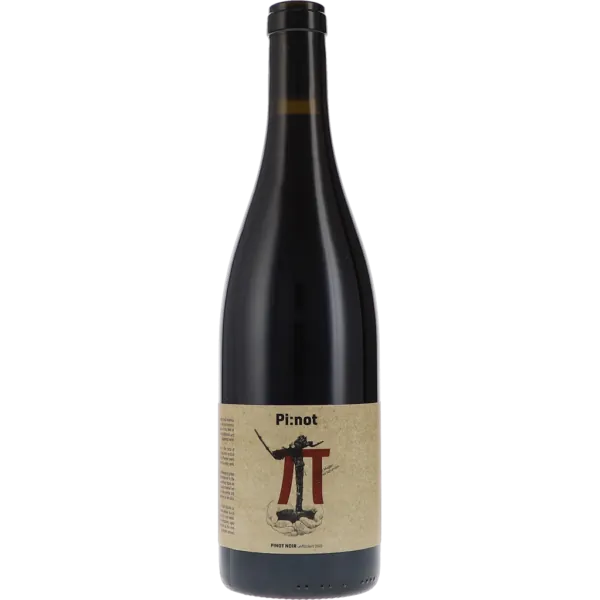
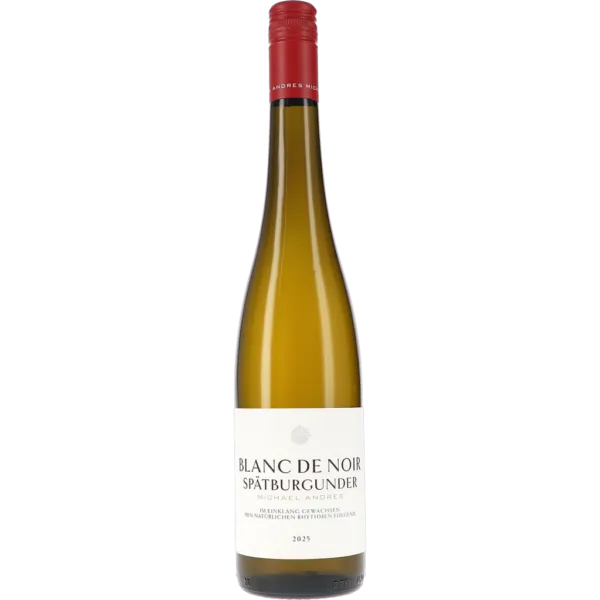
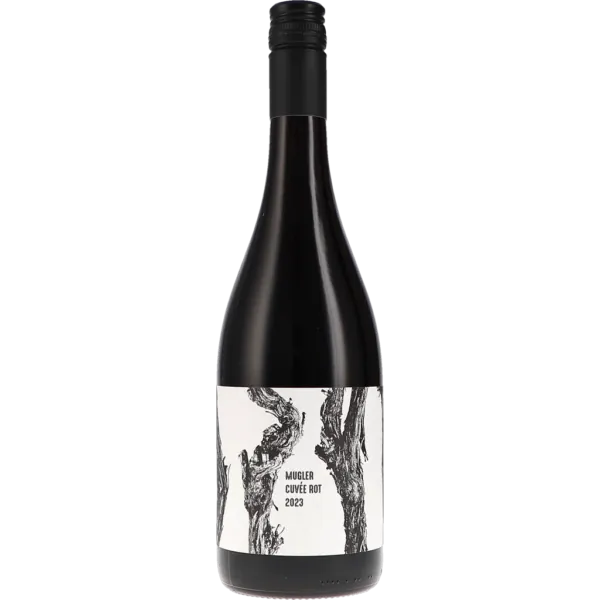
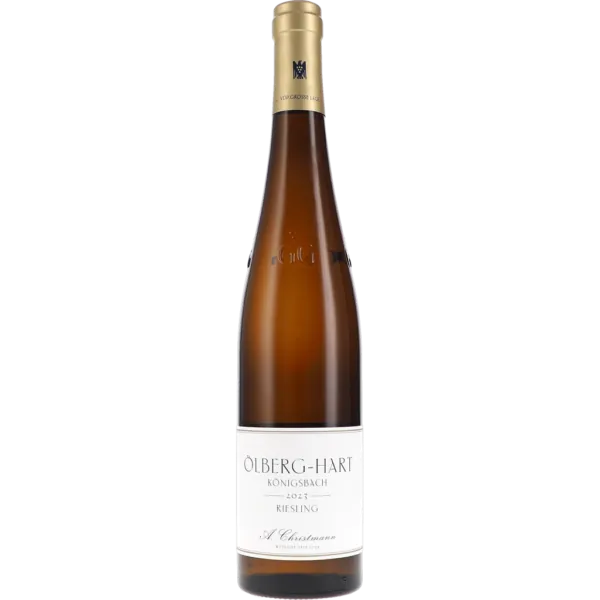
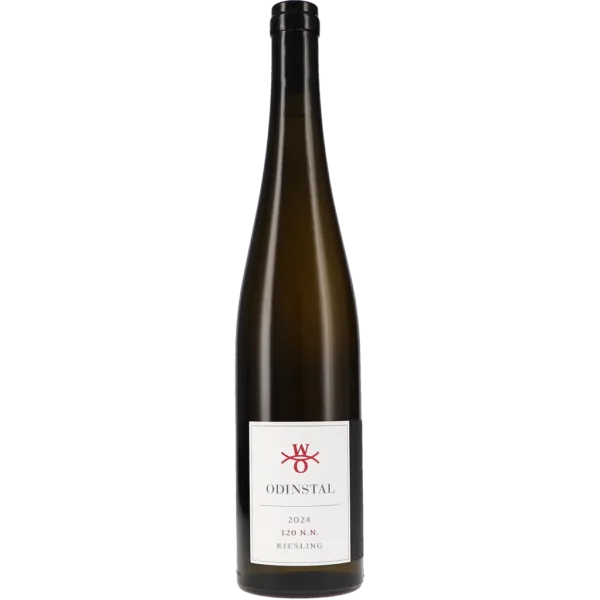
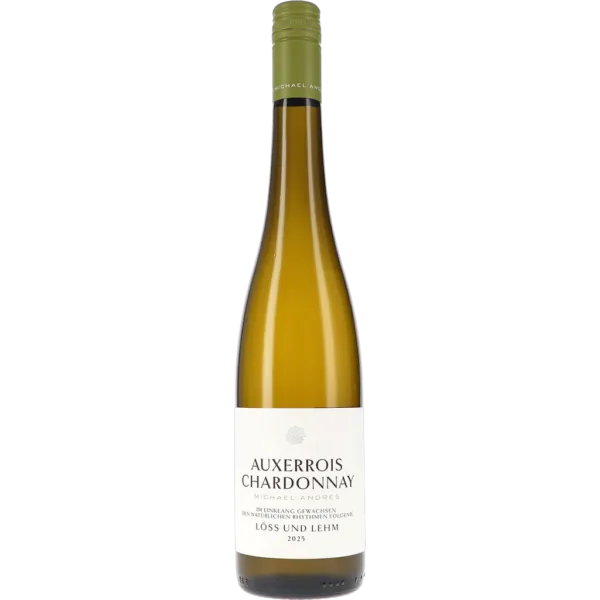
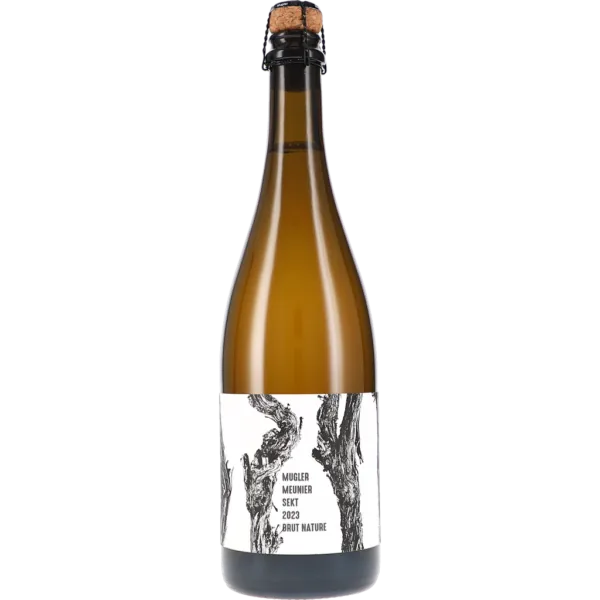
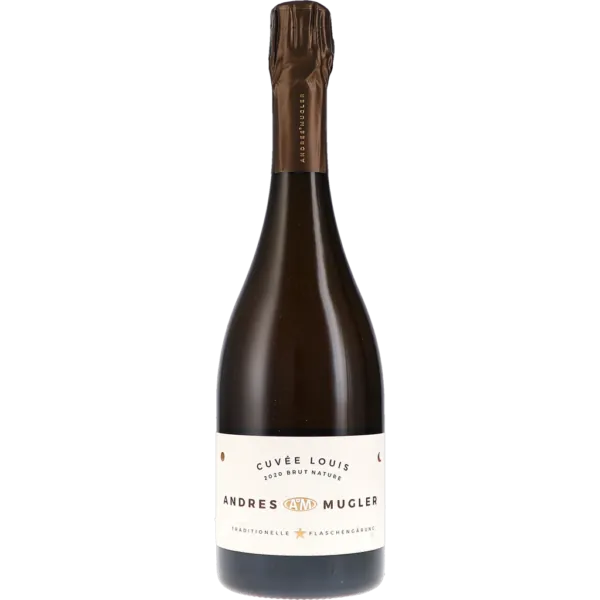
On the edge of the Haardt, where the Palatinate Forest drops steeply down to the Rhine plain, almond trees blossom as early as March, and figs and sweet chestnuts ripen between the vine rows. Our organic wine from the Palatinate comes from a handful of producers who farm ecologically and, for the most part, biodynamically: Christmann in Gimmeldingen, Ökonomierat Rebholz in Siebeldingen, Odinstal on the high ground above Wachenheim and Michael Andres in Deidesheim. The focus is on Palatinate Riesling, from estate wine to Grosses Gewächs, grown on red sandstone, limestone and basalt, alongside Weissburgunder, Spätburgunder, zero-dosage sparkling wine and a range of unfiltered wines that you will find under natural wine Palatinate.
More about Pfalz
Am Haardtrand: Almonds, Figs and Riesling
The Palatinate is a narrow strip of vineyard land along the German Wine Route. To the west, the Palatinate Forest keeps out rain and wind, while to the east the warm Rhine plain opens up. The Haardtrand, the eastern slope of the mountains, is one of the warmest and driest wine landscapes in Germany; almonds and figs in the gardens show just how mild it is here. Since the 19th century, the Mittelhaardt with Forst, Deidesheim, Ruppertsberg and Gimmeldingen has been considered the heartland of Palatinate Riesling. Further south, in the southern Palatinate around Siebeldingen and Birkweiler, the landscape becomes more fragmented and the Pinot varieties gain in importance.
Buntsandstein, Limestone and Basalt: Palatinate Riesling by Origin
What a Riesling from the Palatinate expresses depends heavily on the soil. Buntsandstein, the bedrock of the Palatinate Forest, yields slender, cool wines with citrus and smoky spice. Marl limestone, for example in the Königsbach vineyard site IDIG, brings tension and a saline streak; loess and clay on the plain make the wines rounder. A special feature is the basalt from the extinct volcanic vent of the Pechsteinkopf, which made the Forst vineyard site Pechstein famous. Odinstal, high above Wachenheim, has all three rock types within a single vineyard site and bottles them separately, so in the Odinstal Riesling Basalt 2023 you can taste the dark, smoky rock. In the southern Palatinate, Rebholz provides the counterproof: Rotliegendes in the Birkweiler Kastanienbusch Riesling GG 2024, Muschelkalk in the Siebeldingen Im Sonnenschein.
Organic Estates in the Palatinate: Biodynamic from the Haardtrand to Siebeldingen
The Palatinate has a vibrant organic scene, and our selection focuses on estates that tend their vineyards as a whole. Christmann in Gimmeldingen, one of the defining VDP estates of the Mittelhaardt, farms its top vineyard sites according to Demeter guidelines. Odinstal also works biodynamically at around 350 metres and allows many wines to ferment spontaneously and go into the bottle unfiltered; this is the Palatinate address if you are looking for natural wine with a sense of origin. Ökonomierat Rebholz in Siebeldingen has stood for uncompromisingly dry wines for generations and farms its vineyard sites organically. Michael Andres in Deidesheim vinifies small lots from Mäushöhle, Kieselberg and Reiterpfad, and M. Schädler with Steffen Mugler shows just how good organic Palatinate estate wines already taste as everyday wines.
Weißburgunder, Spätburgunder and Sekt from the Palatinate
The warm climate suits the Pinot varieties. Weißburgunder grown on limestone, such as the Große Gewächse Mandelberg and Im Sonnenschein from Rebholz, combines pear and almond with taut acidity. Spätburgunder from Christmann’s Vogelsang and IDIG vineyard sites shows cherry, forest floor and fine tannin and needs a few years. The Palatinate is becoming ever stronger in Sekt: Christmann & Kauffmann in Gimmeldingen and Andres & Mugler produce single-vineyard Sekts without dosage with long ageing on the lees. If you would like to get to know the region, you will find everything here, from dry estate Riesling to matured Große Gewächse in magnum.