
Appassimento
Wine from dried grapes
First dry, then press: with appassimento, the grapes rest on racks for weeks after the harvest until they have lost a third of their weight – what remains is concentration. We offer 11 wines made from dried grapes currently available, from Amarone via Ripasso to Passito di Pantelleria.
Our appassimento wines

Recioto "Le Tordare" Valpolicella Classico DOCG 2018
Black cherry, dark chocolate, candied lavender – the nose is beguiling and dense. On the palate, an invigorating freshness catches the sweetness, while finely woven tannins keep everything in balance. Limestone soils and steep slopes shape the structure: opulent, yet never heavy.
 0.375 L
Malvasia delle Lipari DOC Passito 2023
Amber gold from the high-altitude vineyards of Lipari: dried figs, honey and caramel, threaded through with citrus freshness and maritime saltiness. The sweetness is opulent, yet a vibrant acidity keeps it tense. Volcanic energy – concentrated, lively, never heavy.
 0.375 L
Il Passito di Corzano IGT 2008
Deep amber, viscous and luminous. Dried figs, hazelnut, orange peel – opulent, yet held in tension by a lively acidity. Silky on the palate, outlined with saltiness, supported by minerality. The finish of nut, caramel and citrus oil lingers long.

Monte Tabor, Valpolicella Ripasso DOC 2020
Red-fruited, fresh and yet genuinely dense – this is how a Ripasso reveals itself without boasting. The method lends intensity, while the limestone-driven terroir of Montorio and Fumane provides clarity. Biodynamic to its very core, with handcraft instead of recipe.

Ripasso Malavoglia Valpolicella Classico Superiore DOC 2022
Dried cherries, herbs and dark cocoa – cool and full of finesse. The terraced slopes of the Marano valley shape a vibrant structure with saline freshness. Not a wine of dominance, but of balance: Burgundian in bearing, Venetian at heart.
Monte Tabor Amarone della Valpolicella DOCG 2016
A monument of concentration, grown on limestone-rich hills west of Verona. Months of drying concentrate Corvina, Corvinone and Rondinella into something profound, warm and serious. The 2016 vintage brings structure to this abundance. Not a wine for haste.

Amarone della Valpolicella Classico DOCG 2019
Deep, dark cherry red, wild herbal spice and ripe dark fruit – behind them black tea and a hint of marzipan. On the palate, a fine-grained tannin framework carries the dense fruit with aristocratic composure. Fresh acidity and limestone-rich soils lend the wine its unexpected lightness.
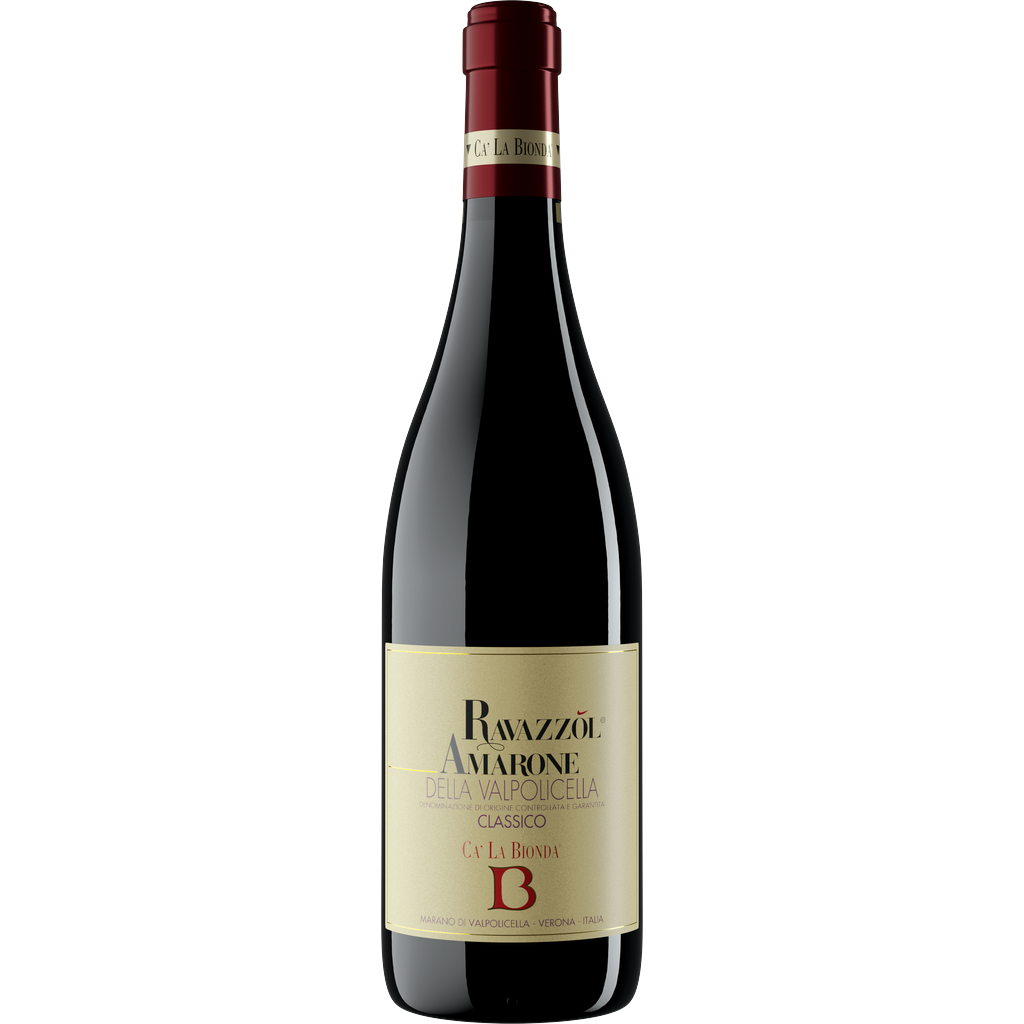
Ravazzol Amarone della Valpolicella Classico DOCG 2019
Black cherry, espresso and dark chocolate – dense and seductive even before you take a sip. On the palate, a structured tannin architecture carries the opulent fruit with cool precision. A mineral backbone from the limestone soil keeps everything in serene balance. An Amarone with soul.

Bukkuram "Sole d'Agosto" Passito di Pantelleria DOC 2022
Amber gold, born on the sun-scorched plateau of Pantelleria. Orange peel, apricot and mandarin blossom meet a saline structure and a hint of smoke. Creamy fullness with perfect balance – the finale carries citrus and sea salt far into the finish.

Ravazzol Amarone della Valpolicella Riserva DOCG 2013
Smoke, truffle and dark earth – then sloe, blackberry, a touch of liquorice. Dense and juicy on the palate, yet held by vibrant acidity and fine-grained tannins. It flatters while retaining its composure. The finish carries dark fruit, spice and a discreet bittersweet note – long and warm.
What Appassimento means
Appassimento means that after the harvest the grapes are not pressed immediately but dried first – traditionally on straw mats and racks in airy lofts known as fruttai. Over two to four months, water evaporates, the berries shrivel, and sugar, aromas and tannins concentrate. From the very same vineyard, a completely different wine emerges: denser, darker, with notes of dried cherry, fig and spice.
The family has four faces. Recioto della Valpolicella is the sweet original form, in which fermentation comes to a halt. Amarone is its dry-fermented counterpart – “the bitter one”, grand, warm, usually at 15 to 16 per cent alcohol by volume. For Ripasso, a young Valpolicella is passed a second time over the still-warm Amarone pomace, taking on some of its depth. And on Pantelleria, the sun dries the Zibibbo for the Passito – the same idea, a thousand kilometres further south.
The term has enjoyed quite a career of late, and in the process the boundaries have blurred: many labels bear the word Appassimento when what is meant is a brief drying of very ripe grapes and noticeable residual sweetness. The wines on this page represent the slow approach – months of patience, small yields, family estates from Valpolicella to Pantelleria working organically or biodynamically. How recent vintages have turned out in Veneto plays a smaller role here than elsewhere: it is the drying that gives the wine its character.
Method
Grapes dry for 2–4 months on racks; only then are they pressed.
Styles
Amarone (dry) · Ripasso · Recioto & Passito (sweet).
Alcohol
Amarone mostly 15–16% ABV – concentration, not heaviness.
At the table
Amarone with braised meats and mature cheese; Recioto and Passito with blue cheese – or on their own.
Large formats
 Magnum · 1.5 L
Ravazzol Amarone della Valpolicella Classico DOCG 2016
From the single vineyard site Ravazzol, on the steep limestone terraces of the Marano valley, grows an Amarone that reconciles power with finesse. Dried cherry, dark chocolate and a herbal-spicy vein – multi-layered, never heavy. Great ripeness, vibrant tension, aristocratic calm.
Frequently asked questions
What is an appassimento wine?
A wine made from grapes that have been dried for weeks or even months after the harvest, before being pressed. The water evaporates, concentrating the sugar, aromas and tannins. The best-known examples are Amarone, Ripasso and Recioto from Valpolicella, as well as Passito di Pantelleria.
What is the difference between Amarone and Ripasso?
Amarone is made entirely from dried grapes and vinified dry. For Ripasso, a Valpolicella is passed a second time over the still-warm Amarone pomace – it takes on some of the concentration, yet remains lighter and considerably more affordable.
Does appassimento wine taste sweet?
Not necessarily. Amarone is dry – its richness comes from the drying process, not from residual sugar. Sweet wines include the original style, Recioto, and the passiti. Alongside these, there are many modern labels with deliberately retained residual sweetness that have little to do with the classic method.
How long are the grapes dried?
Depending on the style and the year, two to four months, traditionally until January. During this time, the grapes lose a third of their weight or more – one of the reasons why genuine Amarone cannot be cheap.
How much does a good Amarone cost?
Seriously crafted Amarone starts at around 40 to 50 euros. Far below that, the method is scarcely economically viable; a very low price usually points to a quicker production approach.