
 EN
EN  DE
DE  FR
FR  IT
IT 
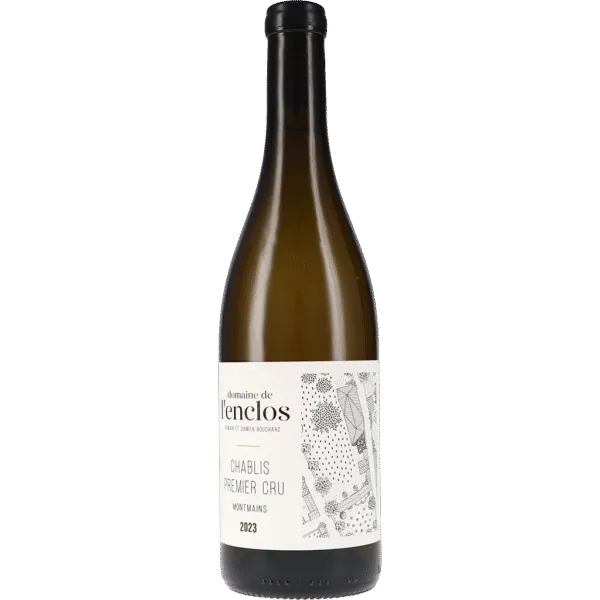
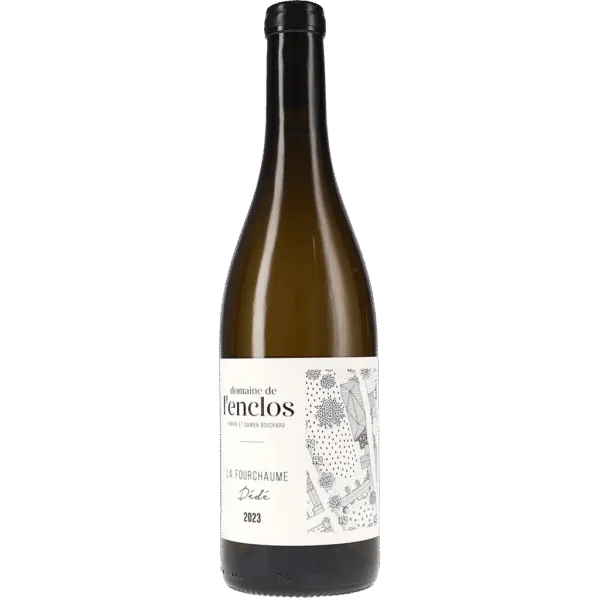
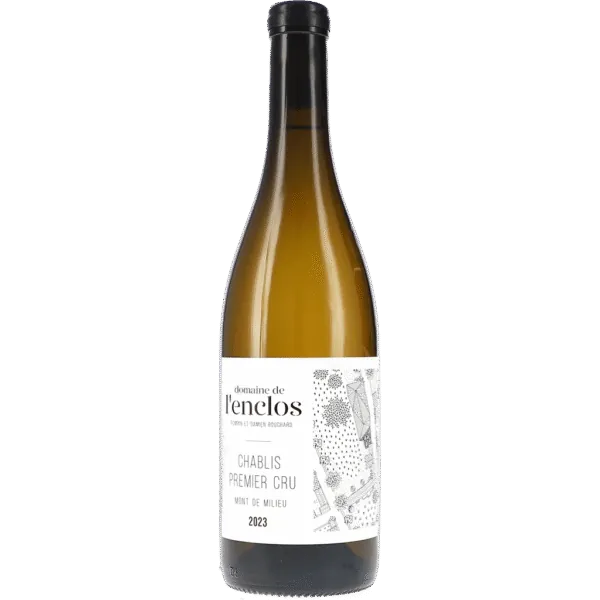
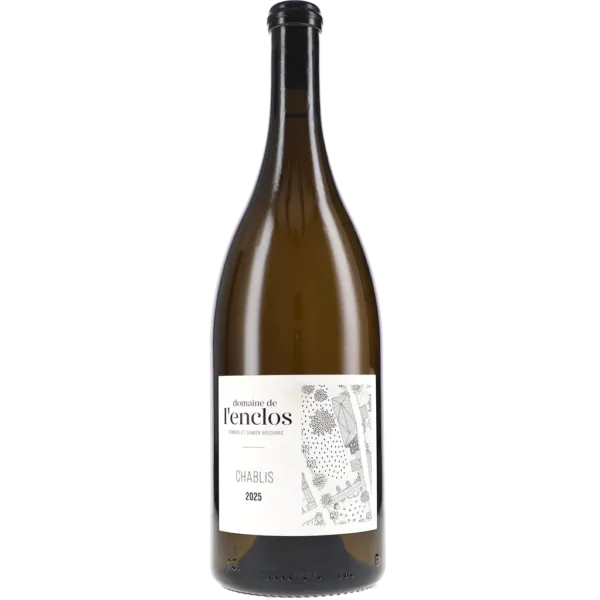
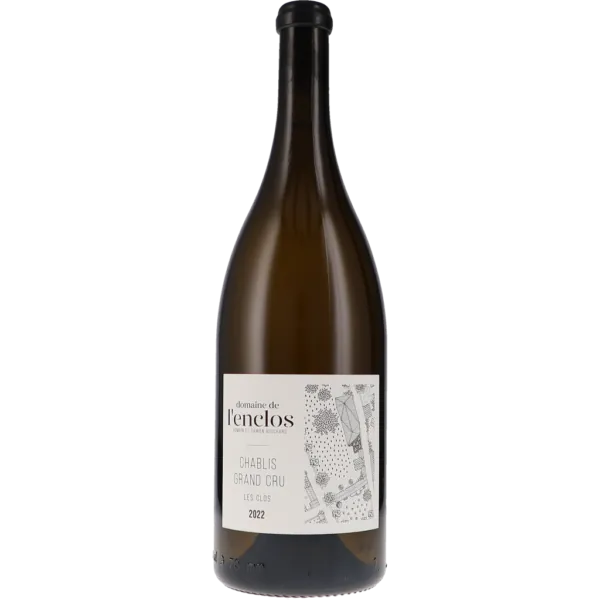
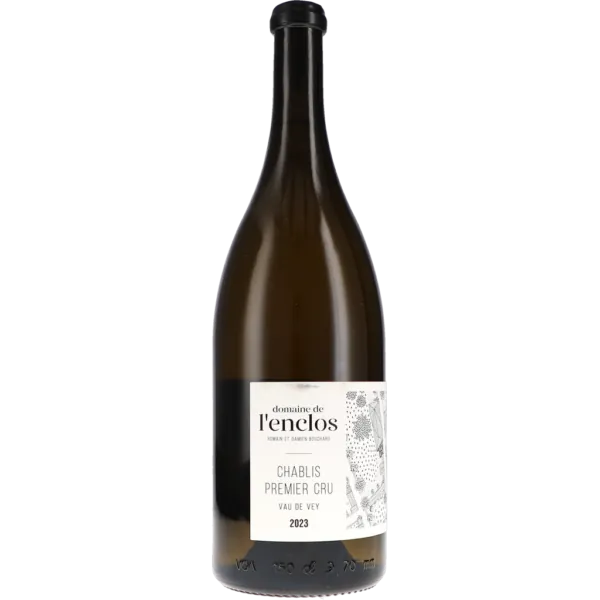
Two brothers, one vision: Romain and Damien Bouchard have created something extraordinary from their family's heritage since 2016. Domaine de l'Enclos makes Chablis as it should be – wines of remarkable clarity, from the taut Village to the complex Grand Cru Les Clos. Old vines, hand-harvesting, wild yeasts, 18 months on the lees. The result: precise wines with citrus, white fruit and the characteristic Chablis minerality. This is the new benchmark for Chablis.
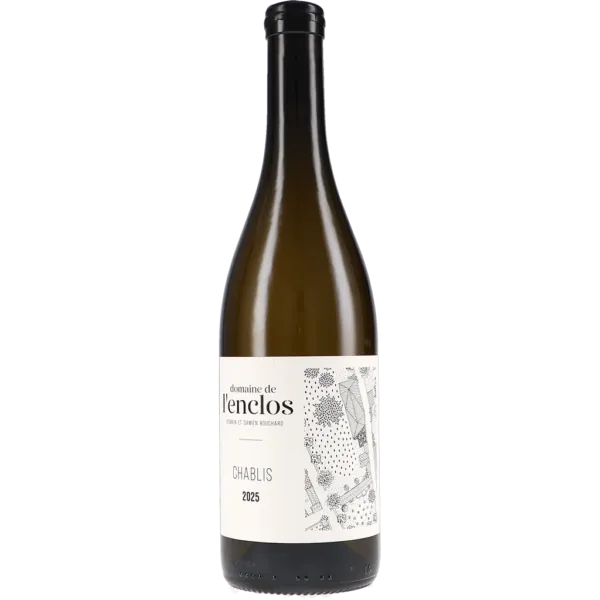
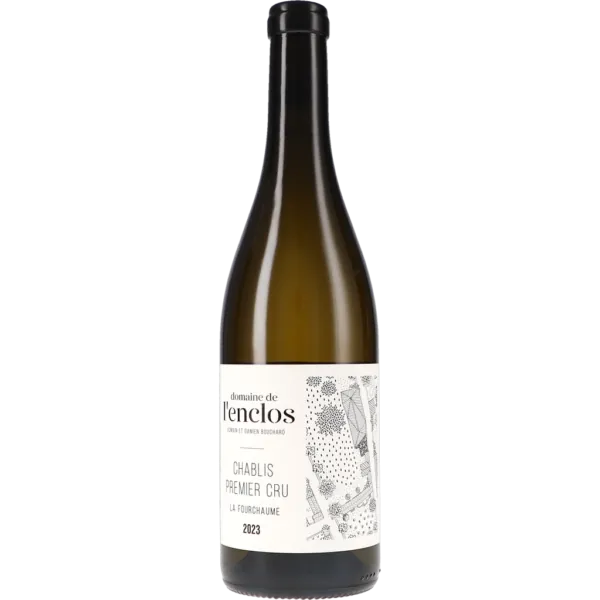
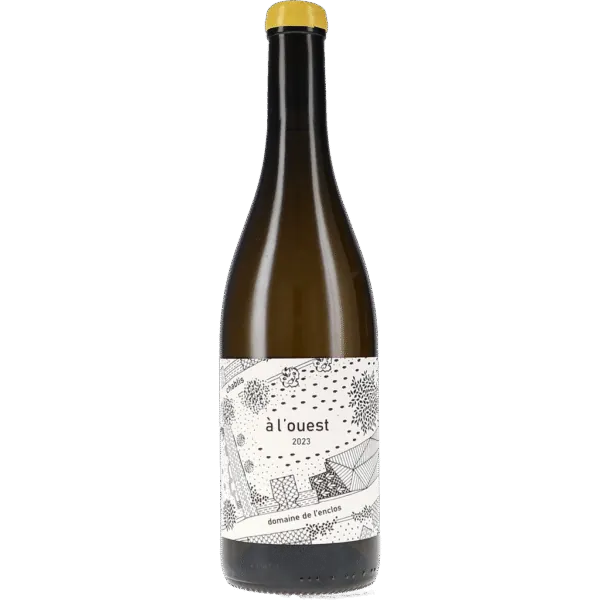
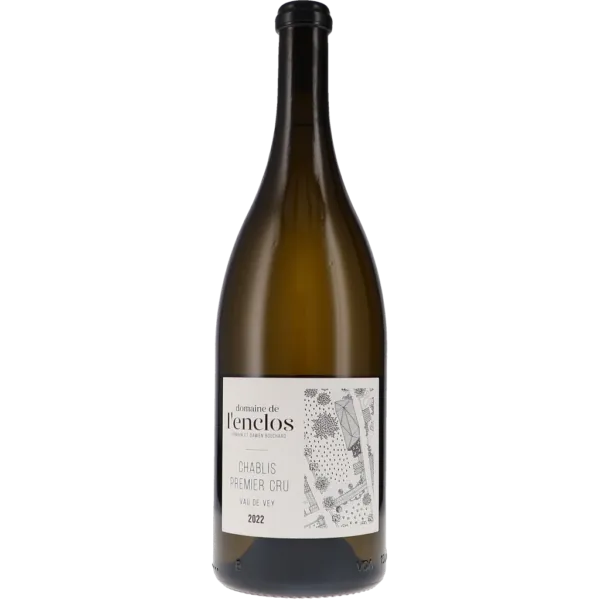
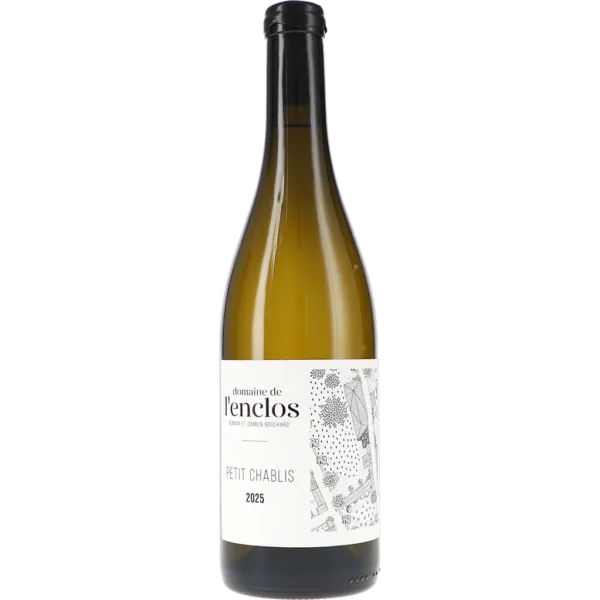
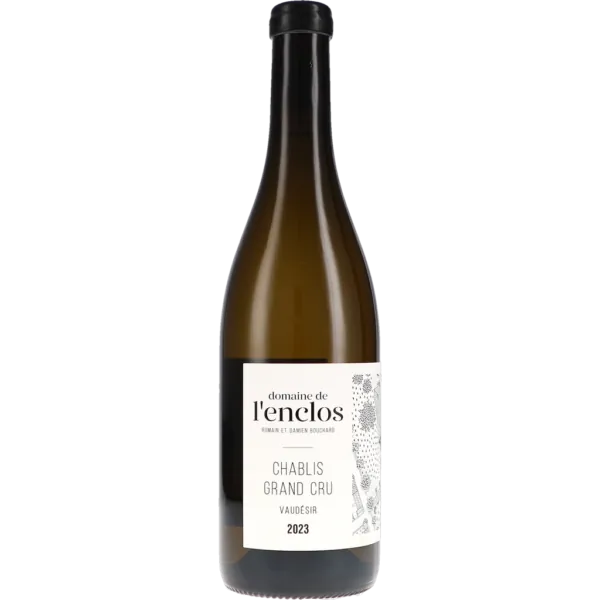
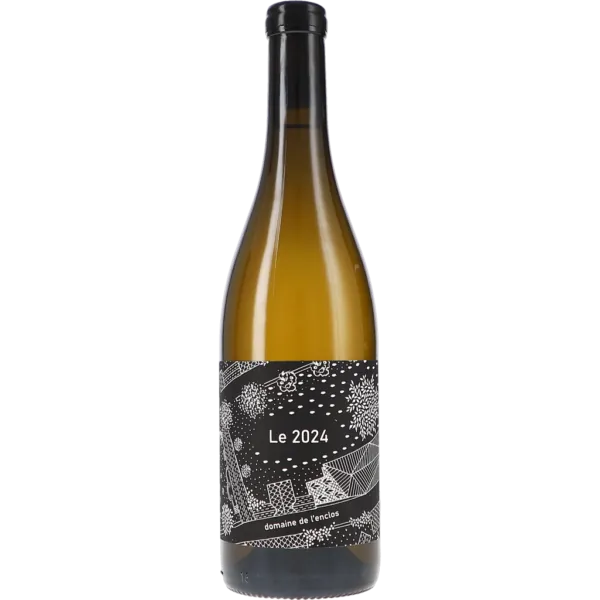
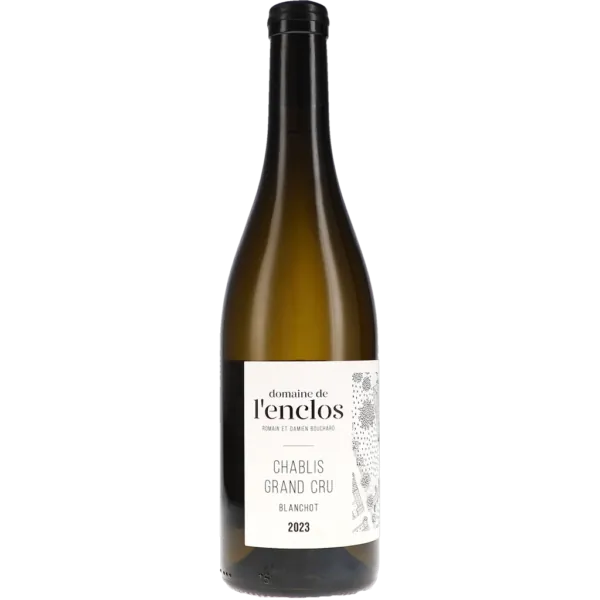
More about de l'Enclos
When Tradition Becomes the Future
Sometimes you have to take a step back to move two steps forward. When Romain and Damien Bouchard faced the decision in 2015 about what to do with their father's wine trading house Pascal Bouchard, they chose the bold path: sell, rethink, do better. The fourth generation of the winemaking family from Chablis kept the 29 hectares of vineyards – and transformed them into the Domaine de l'Enclos, one of the most exciting new estates in the region.
A Monastery Becomes a Wine Temple
In the heart of Chablis, the brothers found their new home: an imposing 19th-century property, once home to the monks of Pontigny. Where prayers were once said, greatness is now created. The Bouchard brothers built a state-of-the-art gravity cellar here – 450 square metres underground, where gravity does the work and every pump becomes unnecessary. The grapes are treated so gently that their entire personality is preserved.

Organic is Not a Trend, But a Conviction
2015 made it clear: if you're going to start fresh, do it properly. The complete conversion to organic viticulture was not a marketing decision, but pure conviction. Every single grape is hand-picked, the soils nourished with organic compost, and since 2017 biodynamic principles have also flowed into their work. The result? Living vineyards where things buzz and hum – and wines like the Chablis "à l'ouest" sans sulfite, which carries this vitality within it.
The Finest Parcels of Chablis
What makes Domaine de l'Enclos special are its vineyard sites. Grand Cru Les Clos – planted in 1964 by their grandfather. Grand Cru Blanchot. The Premier Crus Fourchaume, Beauroy, Montmains. These are not mere names, they are promises in a bottle. With vines averaging 30 years old, some over 50, the brothers have inherited a legacy deeply rooted in Kimmeridge limestone. Their Chardonnay demonstrates year after year in the Grand Cru Les Clos what this soil is capable of.

Less is More – The Cellar Philosophy
In the cellar, one iron rule applies: hands off! Wild yeasts do their work without anyone interfering. Stainless steel and used wooden barrels provide the framework, but never dictate the tone. The wines rest on fine lees for up to 18 months – time they need to find themselves. No fining, no tricks, just gentle filtration at the end. The result is Chablis wines that are clear as a mountain lake and yet possess depth. An approach that echoes their neighbours at Château de Béru – both stand for the new, unvarnished Chablis.
The New Generation Redefines Chablis
Romain and Damien Bouchard prove that you can honour traditions without living in the past. Their Domaine de l'Enclos stands for a new kind of Chablis: organic, authentic, uncompromisingly good. The Revue du Vin de France calls the wines a safe bet – but what really matters is what happens in the glass: precise without being cold, powerful without showing off. Wines for people who want to not just drink Chablis, but experience it.