-
Chêne Bleu
-
Clos des Papes
-
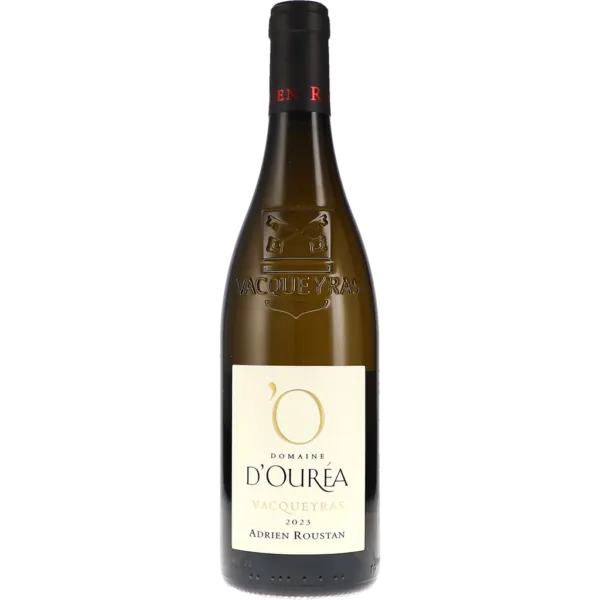
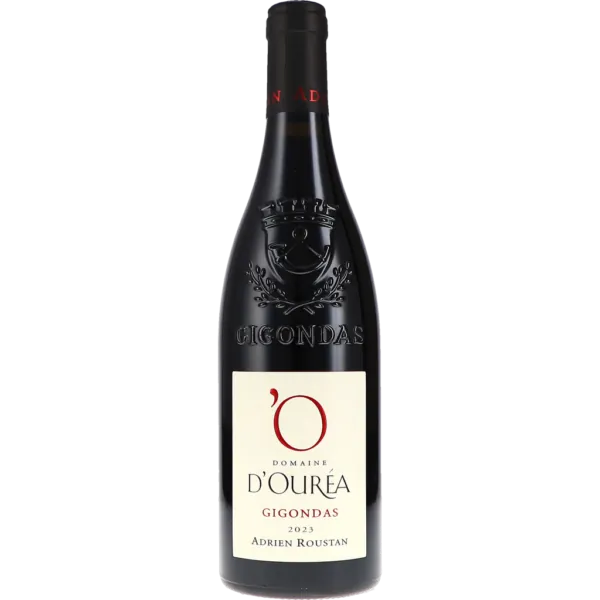
d'Ouréa
-
Du Coulet
-
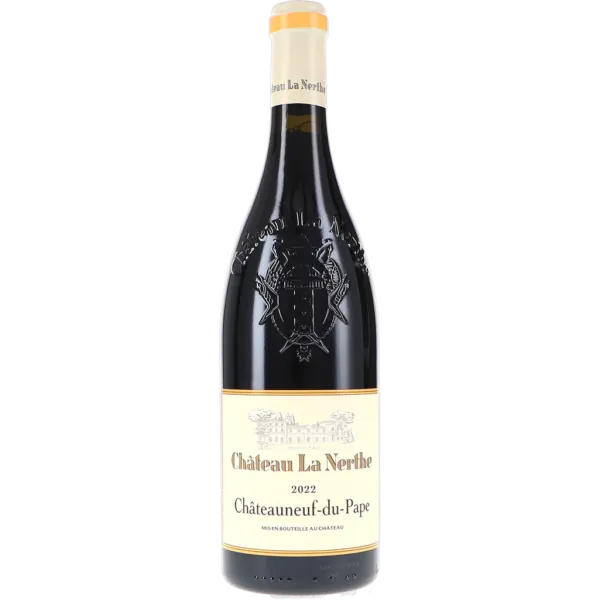
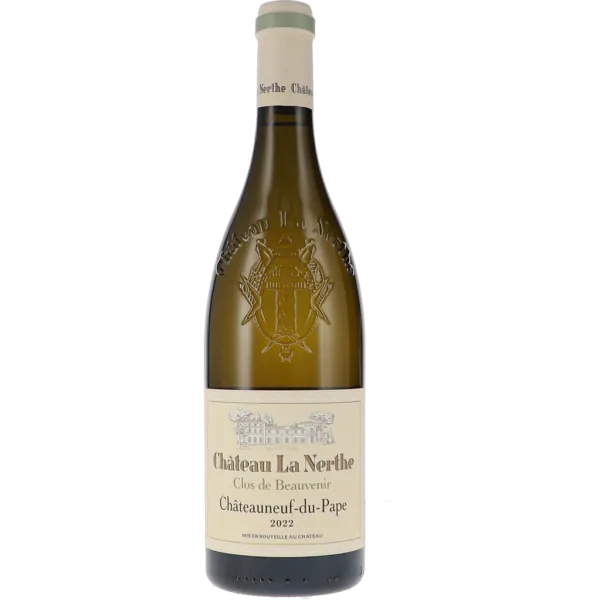
La Nerthe
-
Les Bruyères
-
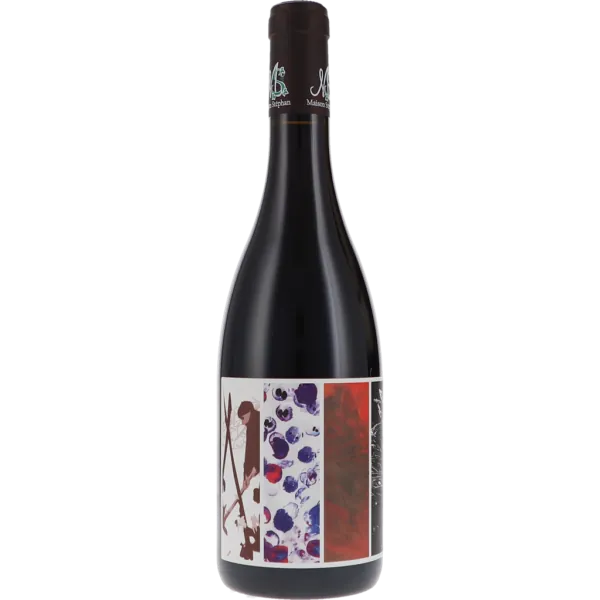
Maison Stephan
-
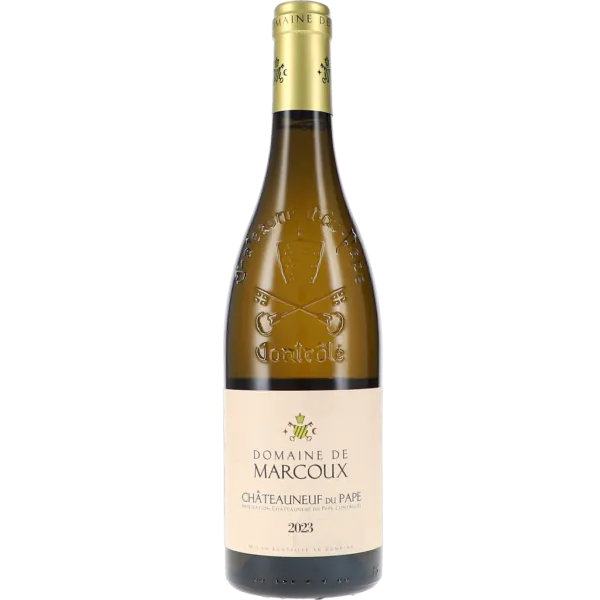
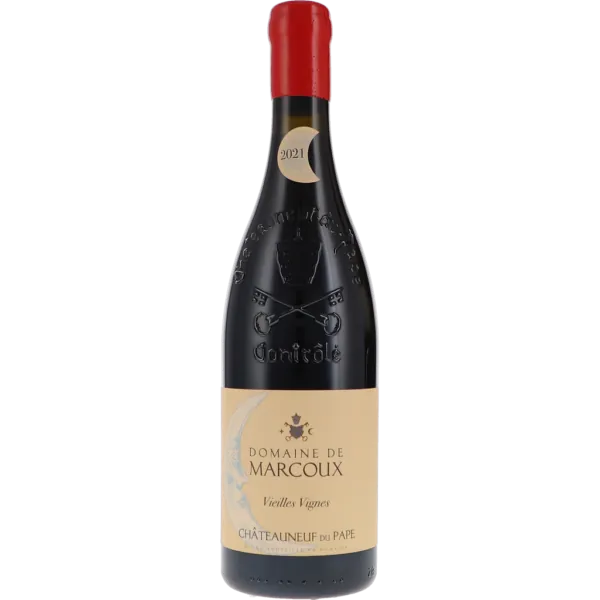
Marcoux
-
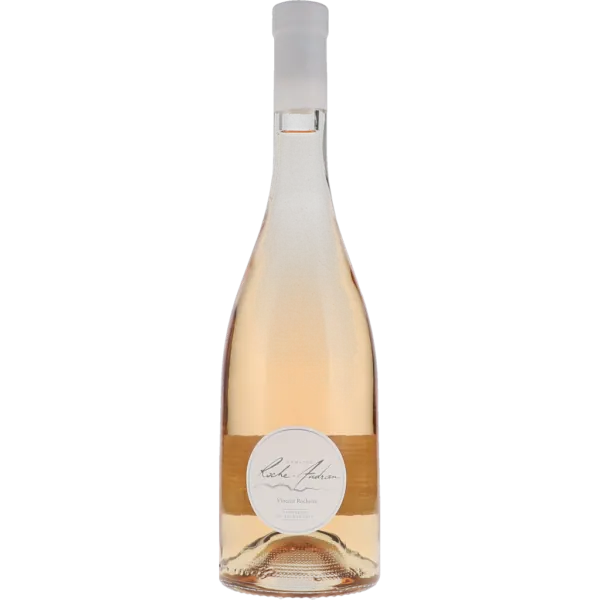
Roche-Audran
-
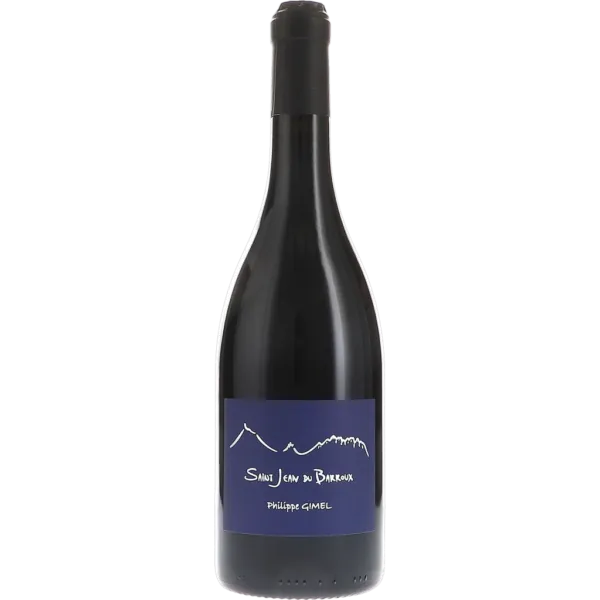
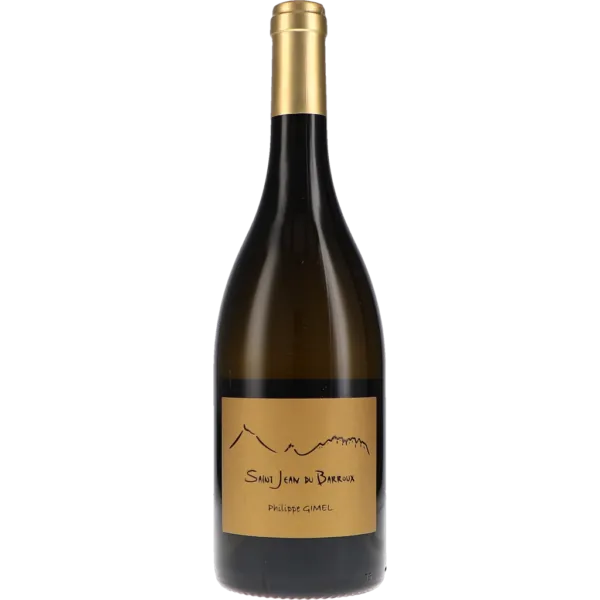
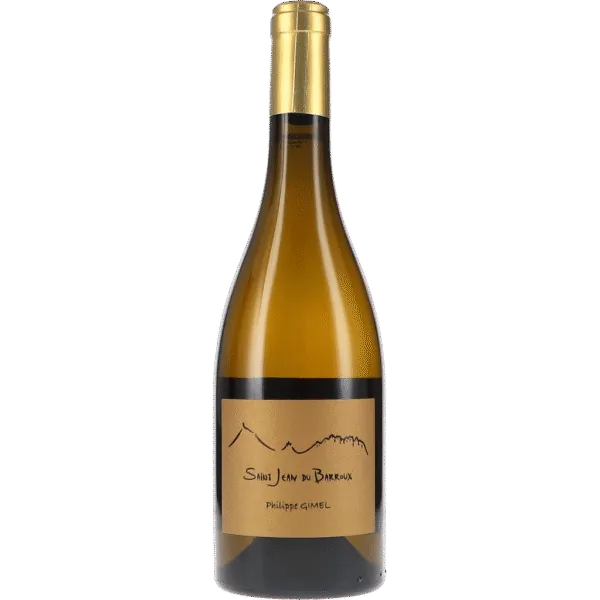
Saint Jean Du Barroux

Between Vienne and Avignon, the Rhône flows through two wine landscapes: in the north, granite slopes so steep that the vines are trained on stakes and every task is done by hand; in the south, broad terraces strewn with round pebbles swept by the Mistral. Our Rhône wine comes from both halves, with Syrah and Viognier from Côte-Rôtie, Condrieu, Cornas and Crozes-Hermitage, and Grenache cuvées from Châteauneuf-du-Pape, Gigondas and Vacqueyras. Most of the producers in this selection work organically, several biodynamically, and so an organic wine from the Rhône here – from an everyday Côtes du Rhône to a mature cru – is a direct trace of its vineyard.
More about Rhône
Northern Rhône: Syrah and Viognier on steep granite
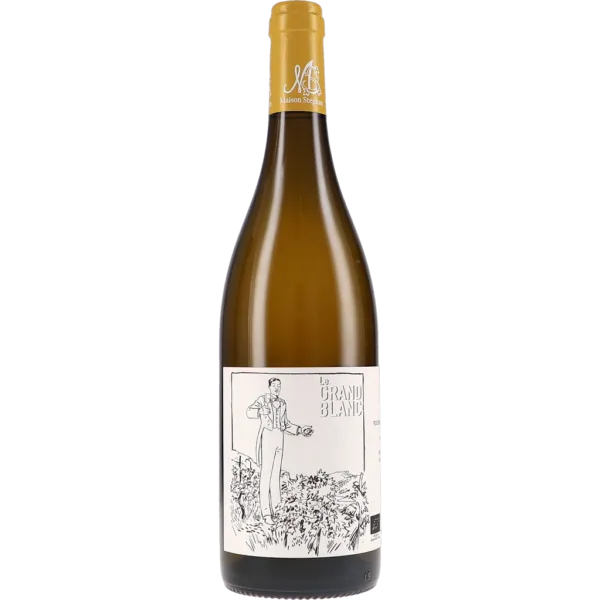
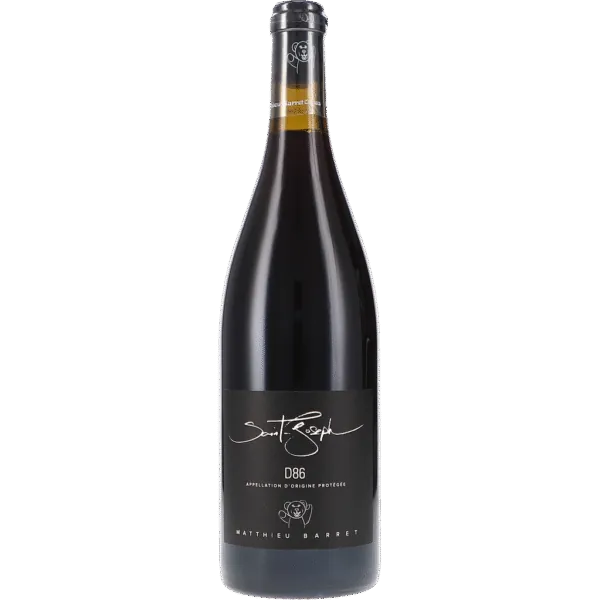
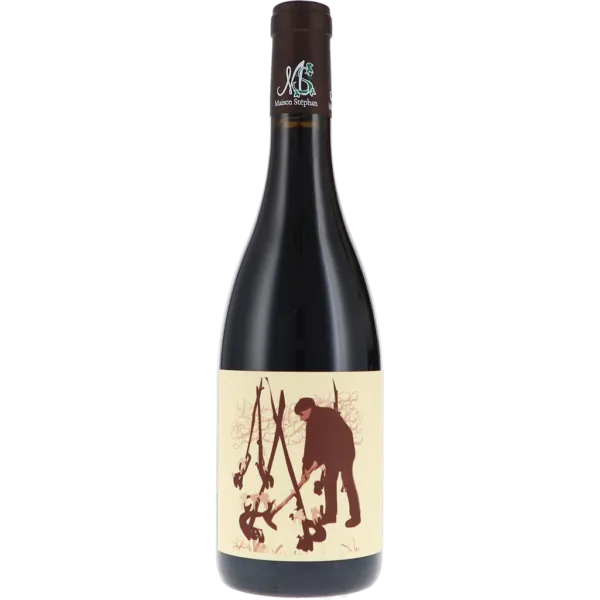
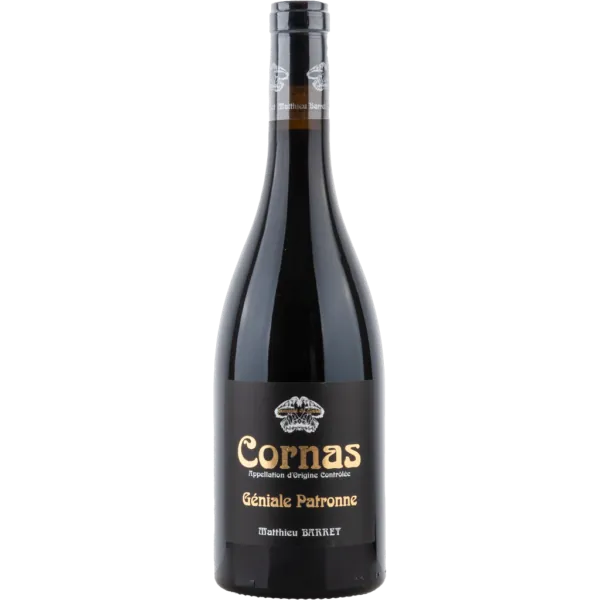
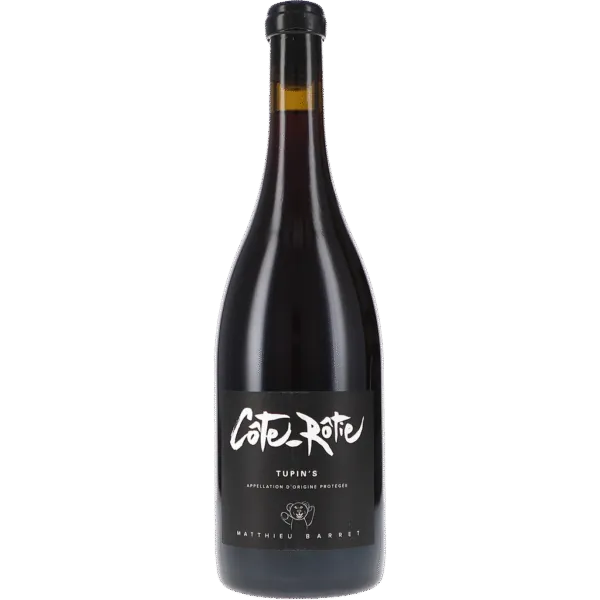
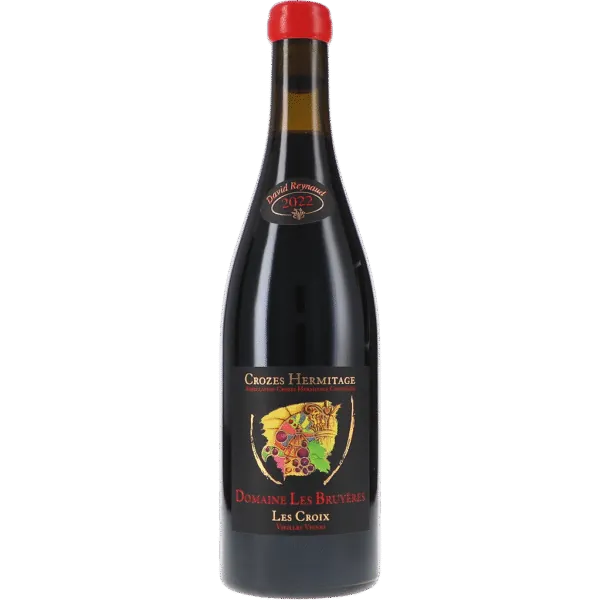
From Vienne to Valence the valley is narrow, and the vineyards cling to slopes of weathered granite and mica schist, often on narrow stone terraces above the river. Here, Syrah is the red grape of the great vineyard sites, yielding violet, black pepper, olive and a cool, saline tension. In Côte-Rôtie a small proportion of Viognier may be co-fermented, brightening the nose, while Condrieu belongs entirely to Viognier, with its apricot and blossom. Hermitage, Cornas, Saint-Joseph and Crozes-Hermitage are the other names of the north, where the white wines are made from Marsanne and Roussanne. Maison Stephan in Tupin makes Côte-Rôtie from Serine, the old, small-berried form of Syrah – for example the Côte Rôtie "Les Binardes" AOC 2023, which is bottled without added sulphur. The biodynamic Syrah wines from Cornas come from Du Coulet, while Les Bruyères supplies the Crozes-Hermitage and Saint-Joseph.
Southern Rhône: Grenache, galets roulés and the Mistral
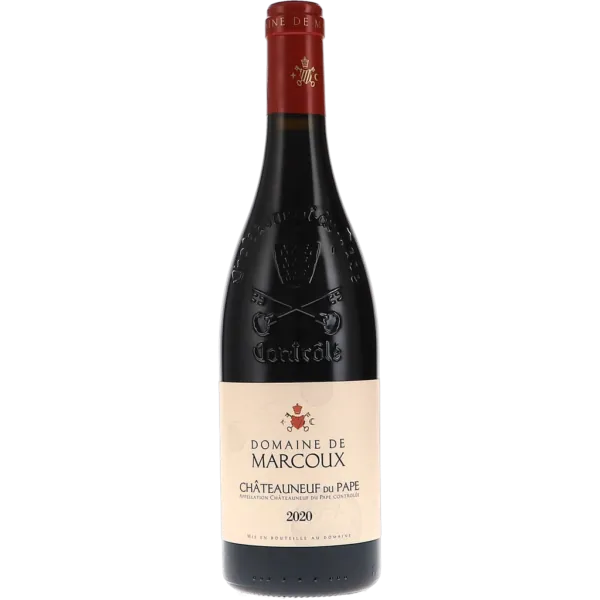
South of Montélimar the valley opens into a Mediterranean landscape of garrigue, olive trees and lavender. Here Grenache takes the lead, accompanied by Syrah, Mourvèdre, Cinsault and Carignan, and the wines show ripe cherry, dried herbs and warm spice. In Châteauneuf-du-Pape, galets roulés – quartzite pebbles polished smooth by the Rhône – cover many vineyard sites, releasing the warmth of the day into the night, while other plots lie on sand and limestone, producing finer, cooler Grenache. The Mistral dries the grapes after every rainfall and keeps fungal diseases at bay. Gigondas and Vacqueyras lie at the foot of the Dentelles de Montmirail, home to the wines of Domaine d'Ouréa; further north are Rasteau and Cairanne, both now crus in their own right. We list Châteauneuf-du-Pape from Marcoux, Clos des Papes and La Nerthe, both red and white, while Chêne Bleu and Saint Jean du Barroux come from the slopes of Mont Ventoux.
Côtes du Rhône and Villages as the foundation of the valley
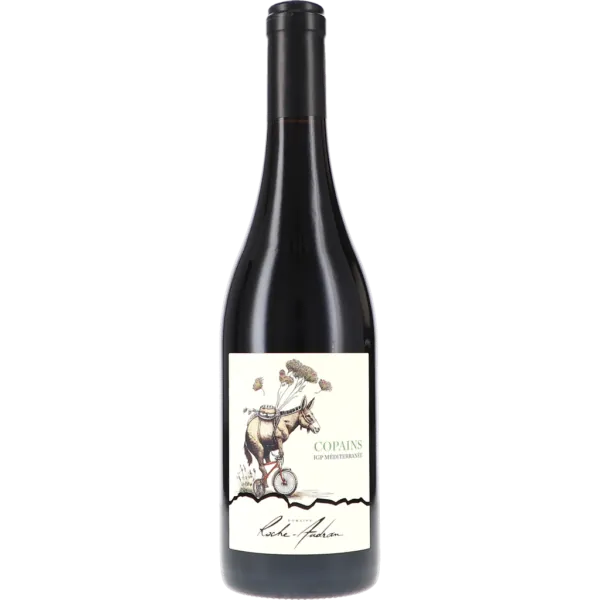
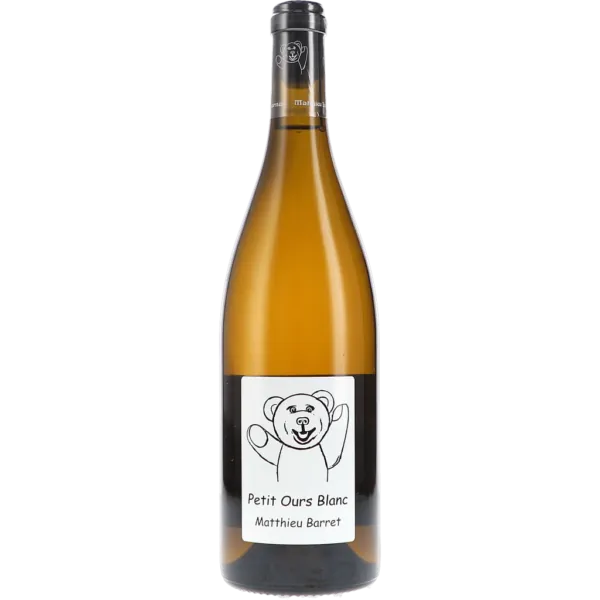
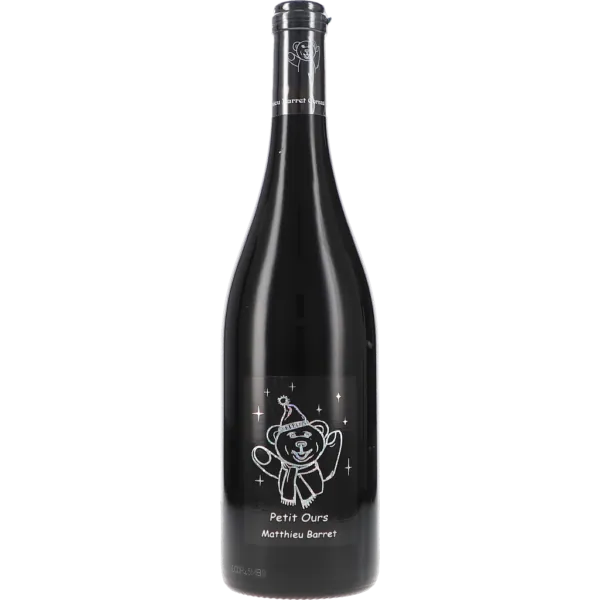
The Côtes du Rhône appellation covers the entire valley, although most of its wines grow in the south. Above them stand the Côtes du Rhône Villages, which may bear the name of their commune if they meet stricter rules. Domaine Roche-Audran bottles red, white and rosé Côtes du Rhône as well as Villages wines from Visan, while Marcoux offers a Côtes du Rhône from Grenache, Mourvèdre and Syrah. With its Côtes du Rhône “Petit Ours”, Du Coulet shows how a Syrah from the granite of the north can taste even at entry level.
Organic wine from the Rhône: biodynamic on slopes and pebbles
The vineyards of the Rhône are particularly well suited to organic viticulture, because wind and sun keep the grapes healthy. Domaine de Marcoux in Châteauneuf-du-Pape farms its vines biodynamically, as do Du Coulet, Roche-Audran and d'Ouréa. Preparations, compost and cover crops enliven the soils, and the roots reach deep into granite, pebbles and limestone – something you can taste in the freshness of these wines. Our Rhône vintage chart shows how the individual vintages turned out in the northern and southern Rhône. You will find the available wines from the region in the list above.