
 EN
EN  DE
DE  FR
FR  IT
IT 
A winery like a sculpture – Corten steel and natural stone, nestled in the stark beauty of Priorat. Alfredo Arribas designed it himself before deciding to make wine there as well. The internationally celebrated architect from Barcelona followed a childhood memory in 2001: summers spent with his grandfather, a winemaker in Ribera del Duero. Today he manages over 80 hectares between Priorat and Montsant, many vines on original rootstock, some almost a hundred years old. His philosophy? That of an architect: less is more, every detail counts.
More about Alfredo Arribas
From Drawing Board to Vineyard
The story begins with slate dust under fingernails and sketches on napkins. Alfredo Arribas had built museums and cultural centres throughout Spain when the Priorat captivated him during a visit. The jagged slopes with their terraces of Llicorella slate reminded him of the summers of his childhood, of his grandfather's vineyards in Castile. In 2004 he bottled his first vintage – and the winery he designed for himself became an architectural statement. Corten steel and local stone blend into the landscape as if they had always been there. Architecture in dialogue with terroir: what applied to his buildings became the guiding principle of his wines.

Tros, Gotes and the Language of Parcels
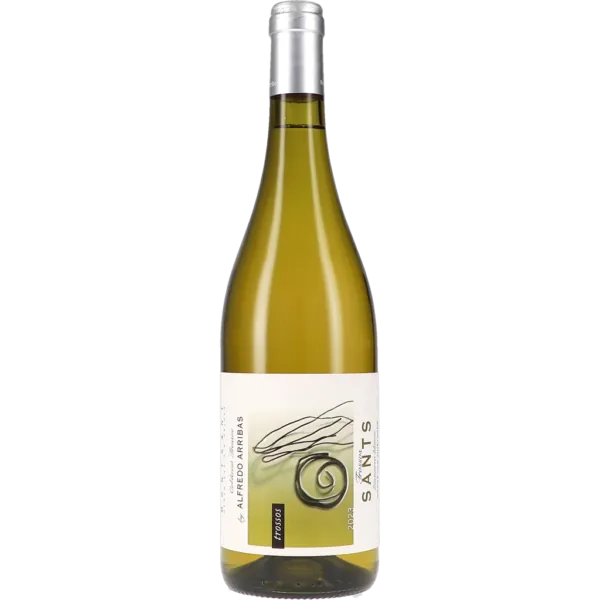
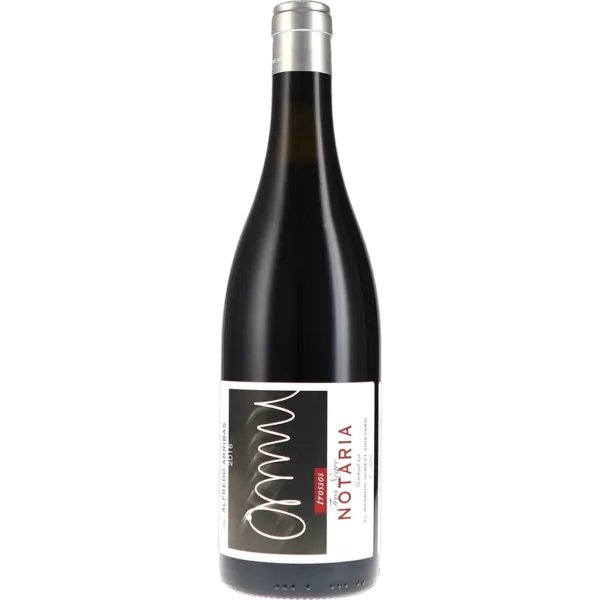
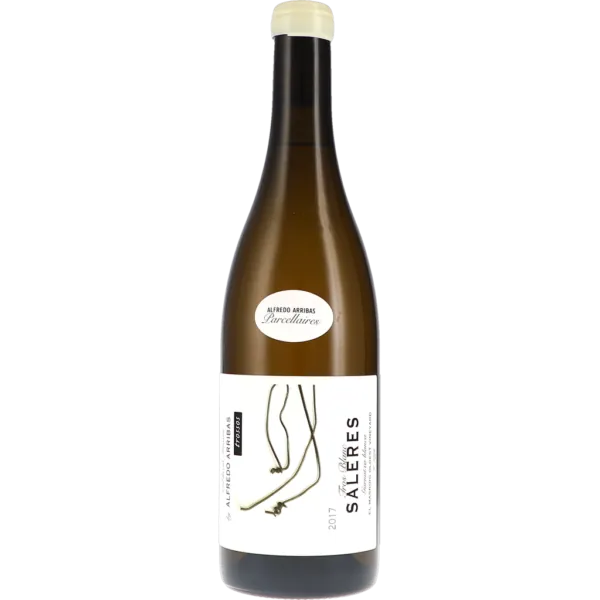
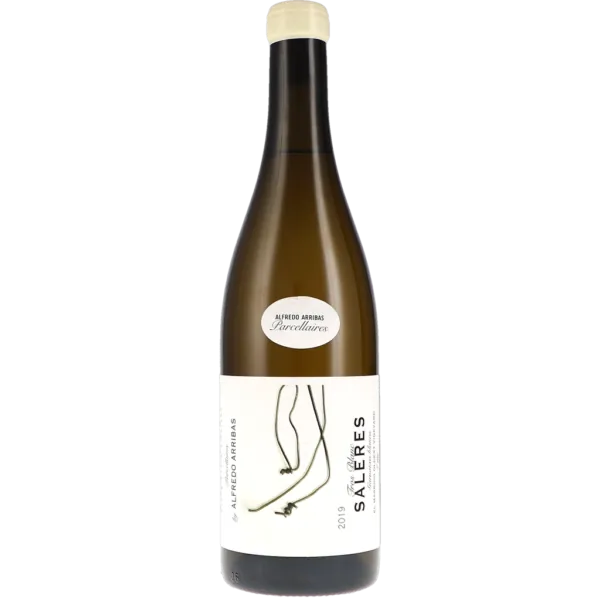
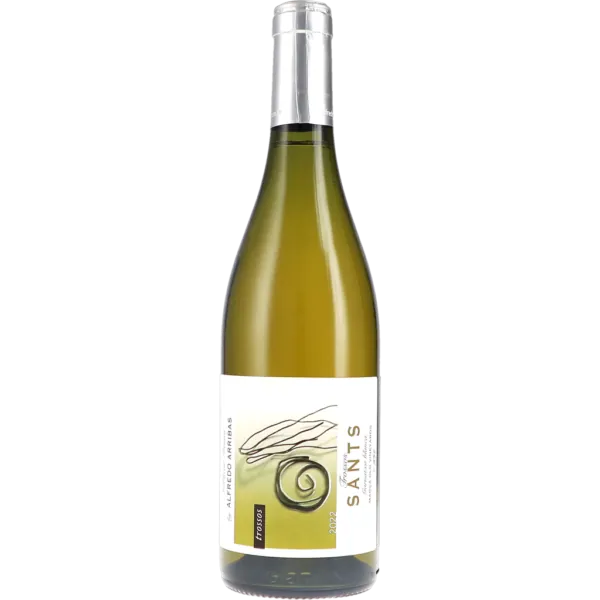
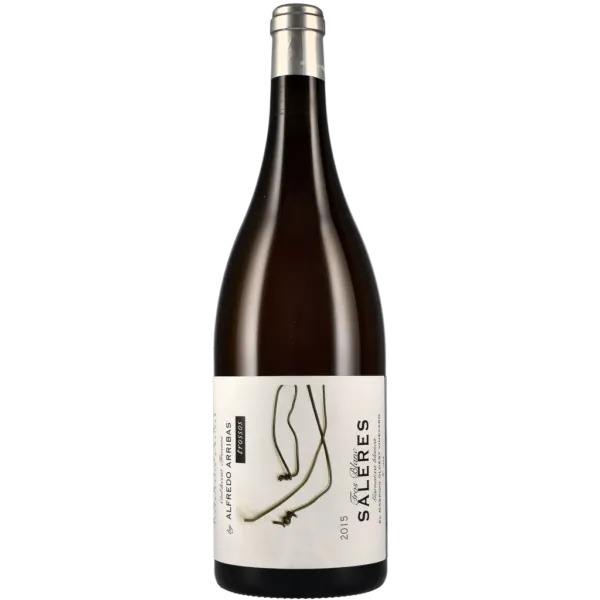
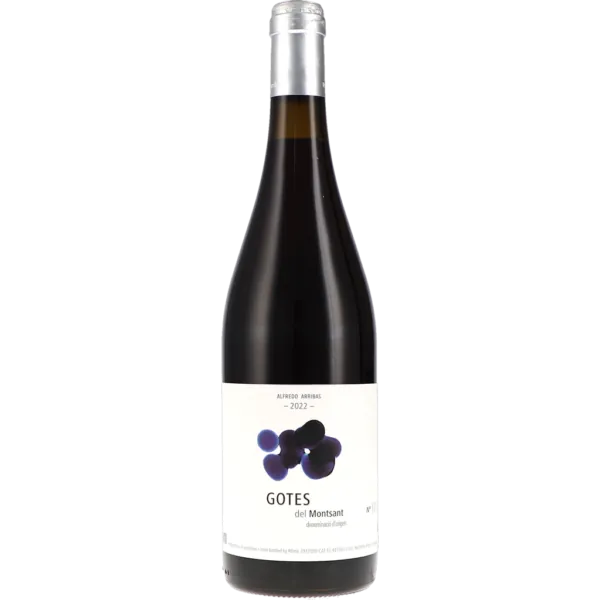
The names of his wines reveal his signature: Tros – Catalan for "piece" or "parcel" – designates wines from individual, characterful vineyard sites. Each vineyard tells its own story, each soil shapes its wine. The Trossos Sants comes from ancient Grenache vines on calcareous soil – wines of fine minerality and surprising freshness. The Trossos Vells, by contrast, comes from hundred-year-old vines in southern Montsant, where sandy and clayey soils create a different texture. Gotes – "drops" – captures the freshness of higher-altitude vineyards, paradoxically in one of Spain's driest regions. The Gotes del Montsant proves impressively: freshness is not created by climate alone, but by altitude, by cool nights, by the right harvest time.
Less is More – in the Cellar as at the Drawing Board
What is a clear line for the architect becomes restraint for the winemaker: native yeasts, short maceration, minimal sulphur. Where other Priorats pursue concentration and monumental power, Arribas deliberately chooses finesse and drinkability. His wines are complex, multifaceted, but never heavy – intense aromas at remarkably low alcohol levels, structure without heaviness. Work in the vineyard is organic and increasingly biodynamic, but Arribas makes no philosophy of it. For him it is simply precise craftsmanship: whoever works with hundred-year-old vines on their own rootstock needs no chemicals – only attention and patience. His oenologist Joan Asens shares this approach: as little intervention as possible, as much as necessary.

Two Families, One Winemaker
Those who delve deeper into the universe of Alfredo Arribas discover Vins Nus – "naked wines" from northern Montsant, also founded by him. Here he takes it one step further: virtually no wood, no extraction, no colour – but the identity of the terroir, distilled to its essence. The Vins Nus show what happens when you remove everything that doesn't need to be there. Whether Clos del Portal or Vins Nus: both families bear the signature of a man who learned as an architect that leaving things out is at least as important as adding them. In the Priorat he has found his second calling – and a terroir that rewards his perfectionism.