Rosé
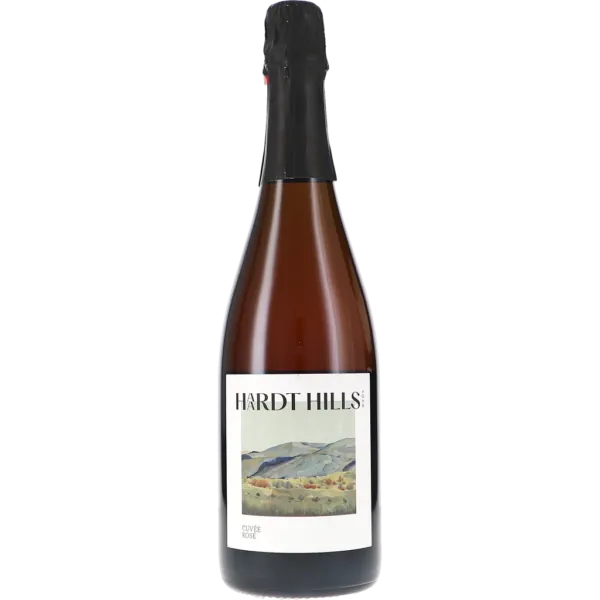
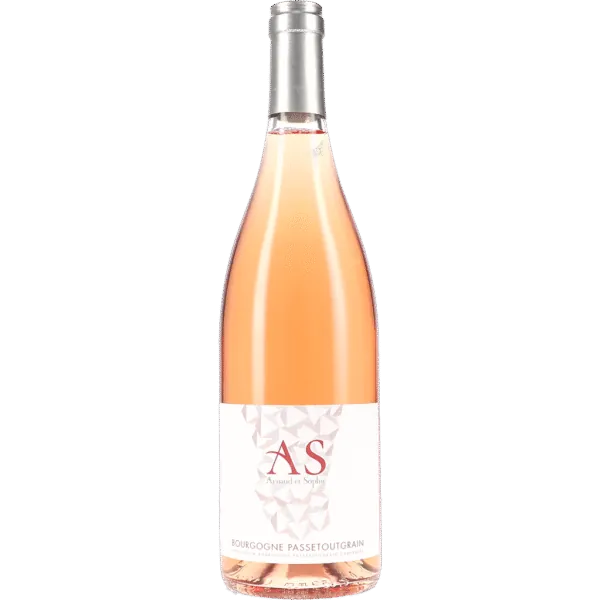
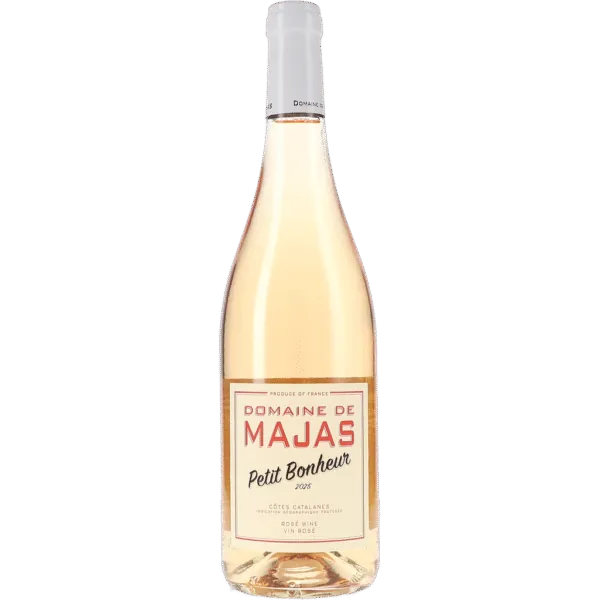
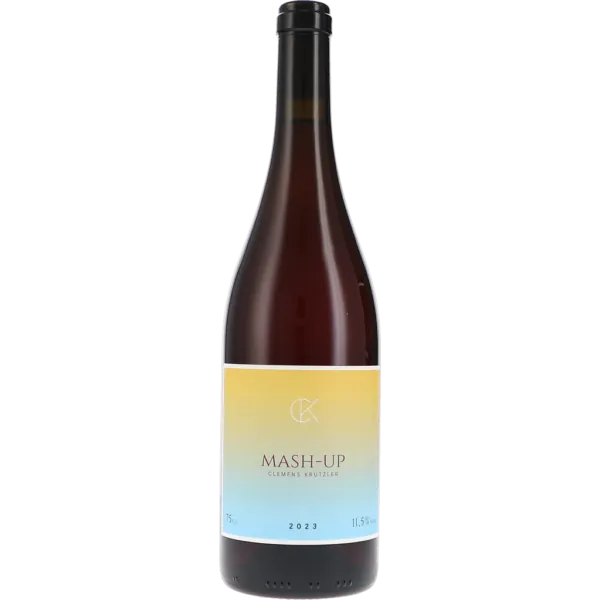
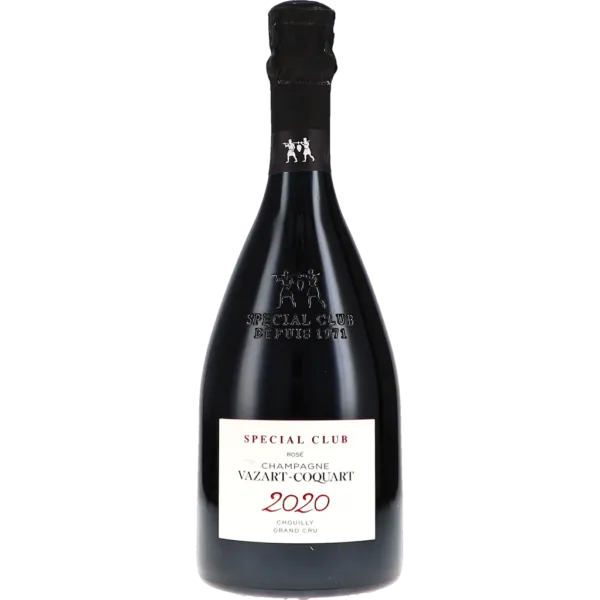
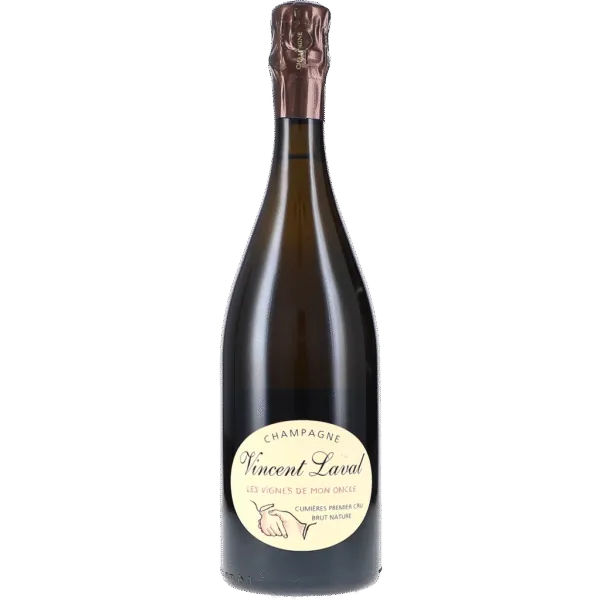
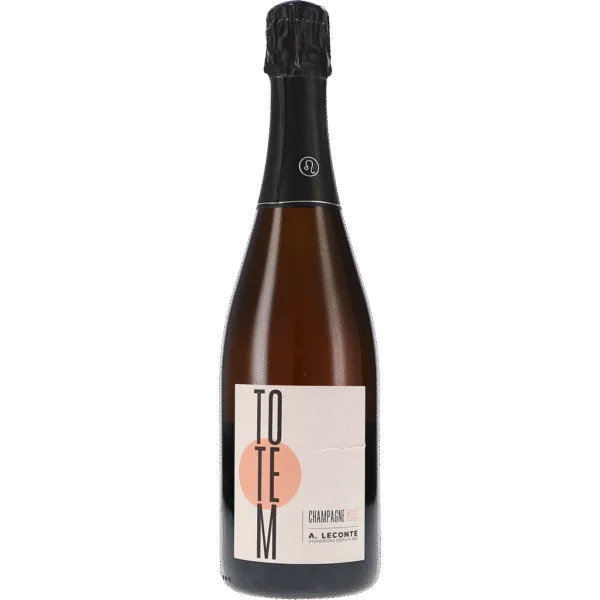
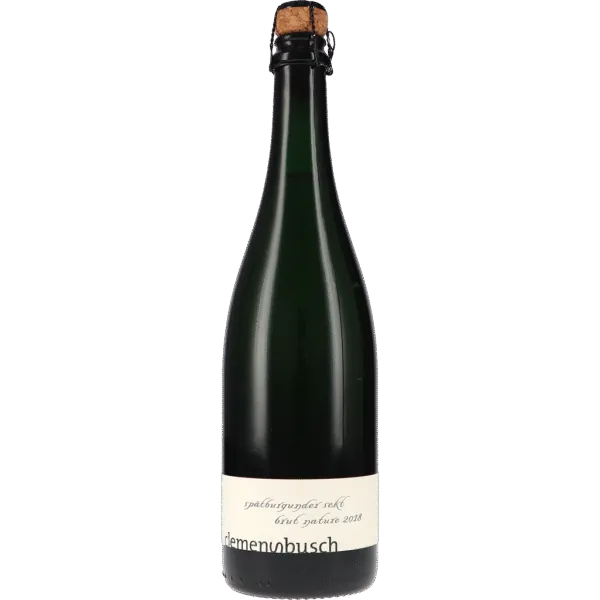
Rosé is made from red grapes whose juice has only brief skin contact, and here it ranges from still wine to rosé Champagne. The selection comes from France, Italy and Germany, from small estates that farm organically or biodynamically and intervene little in the cellar. Almost all of the wines are dry.
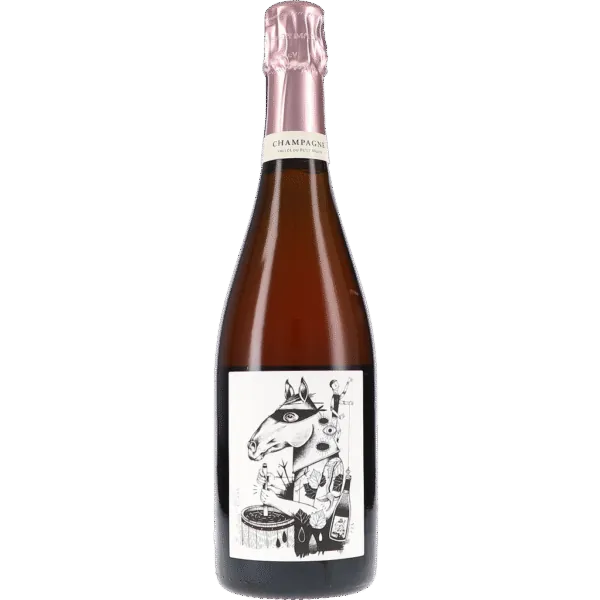
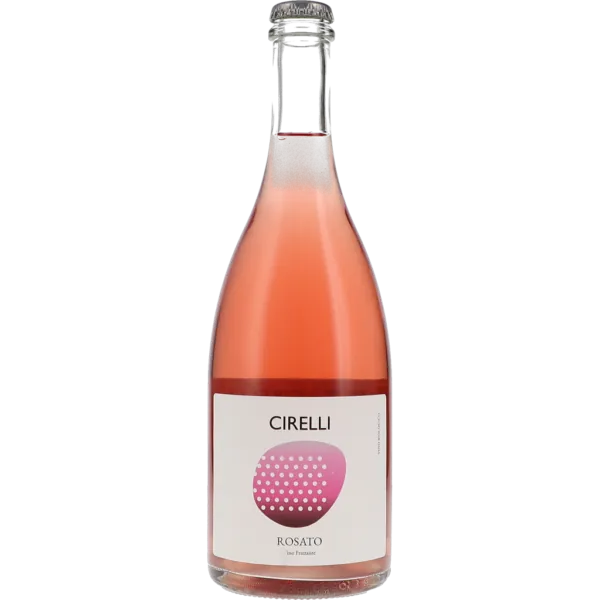
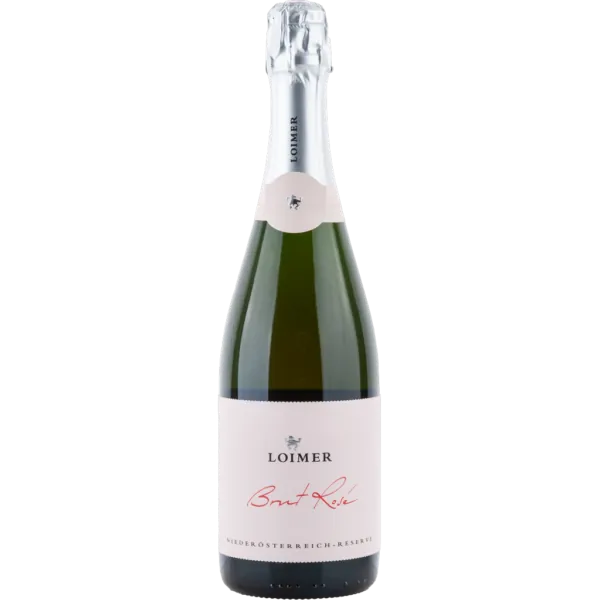
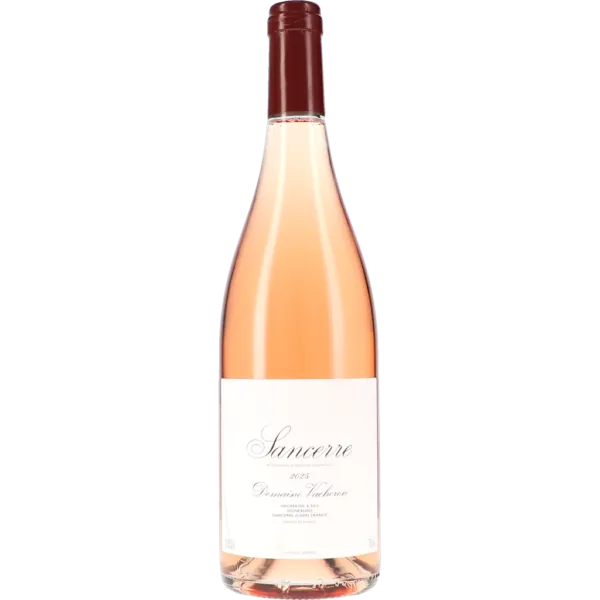
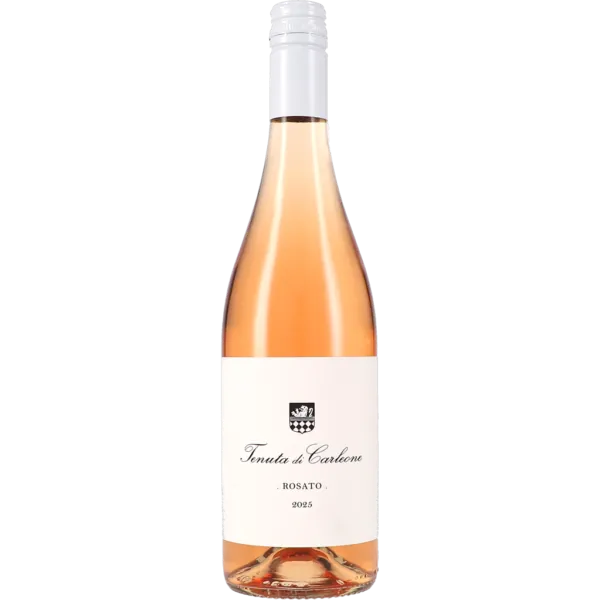
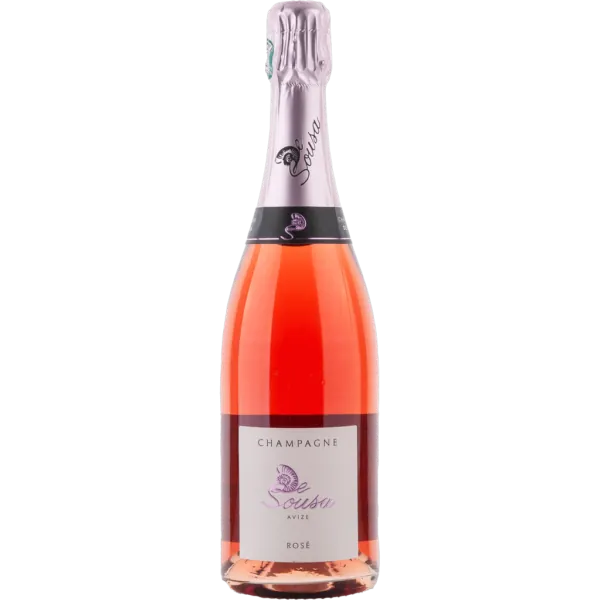
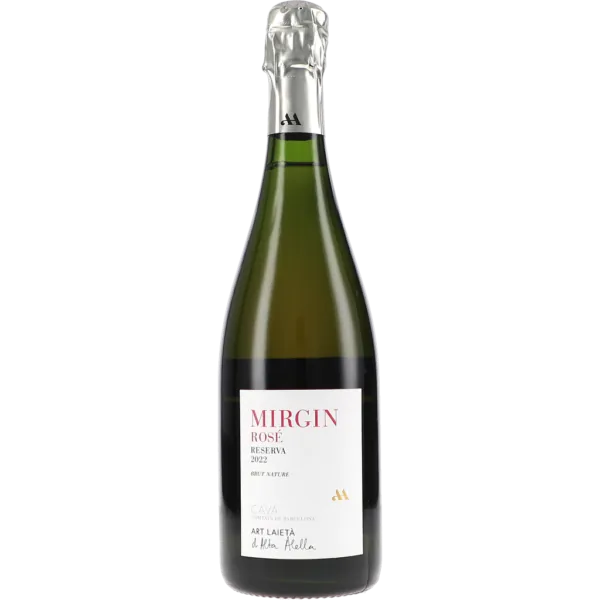
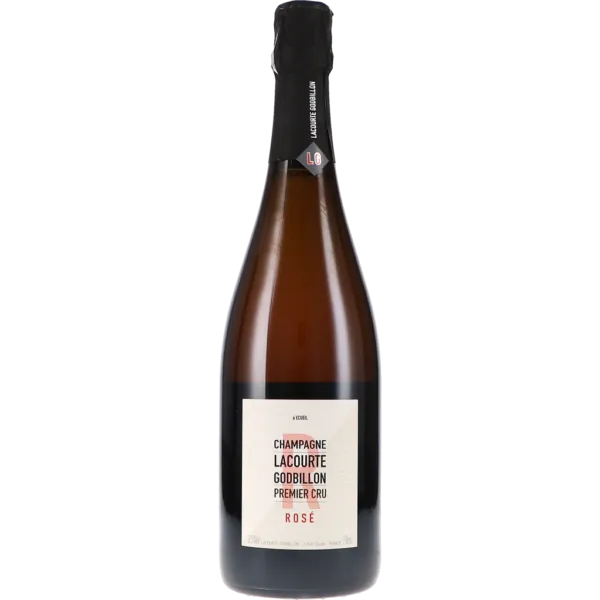
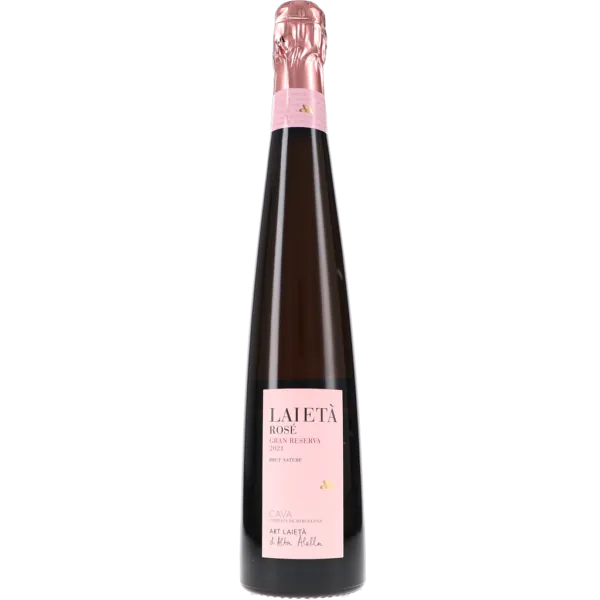
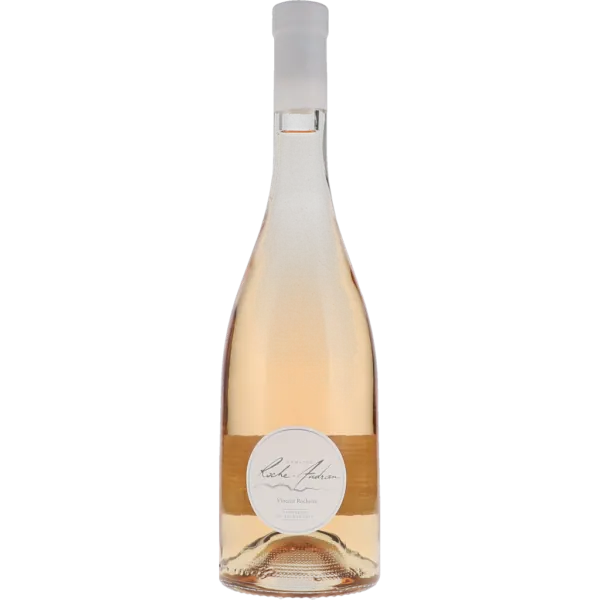
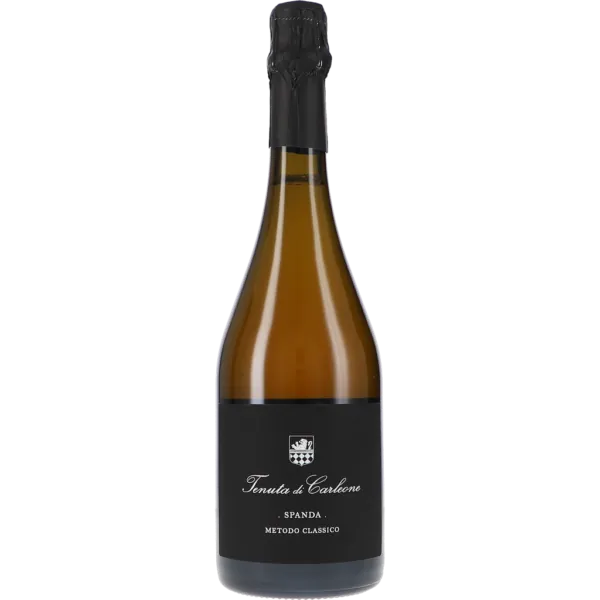
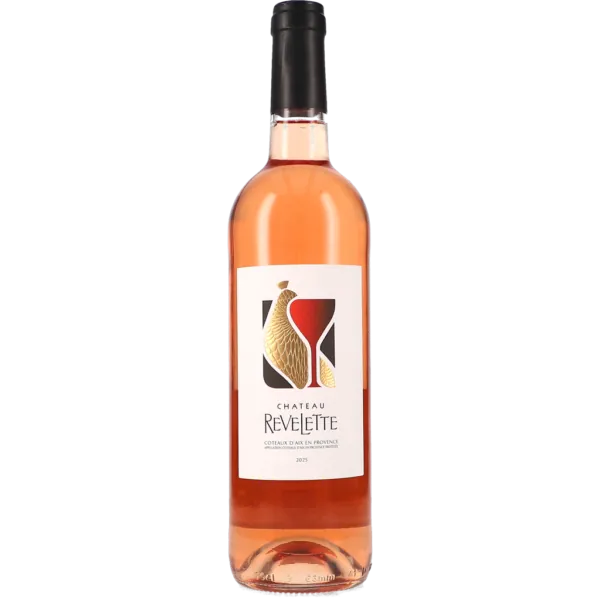
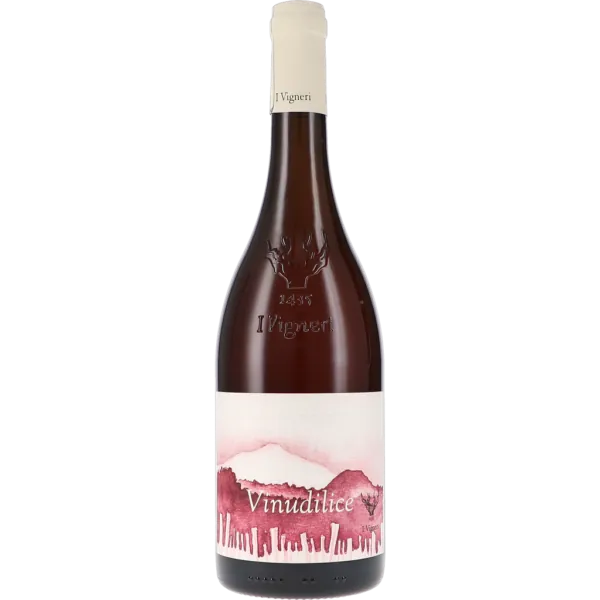
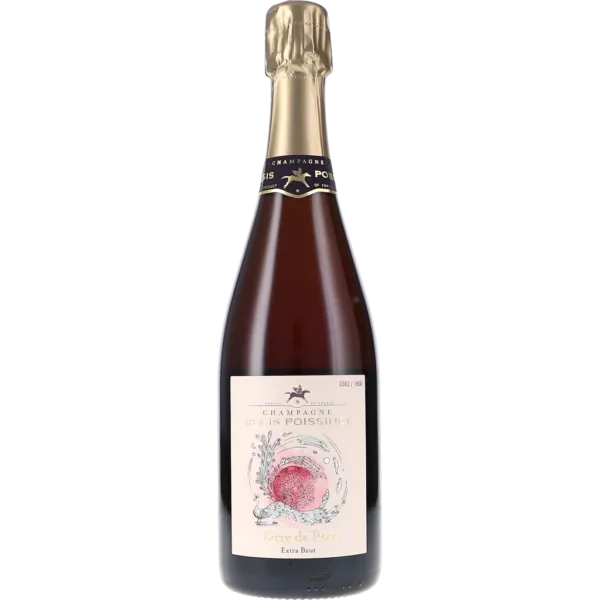
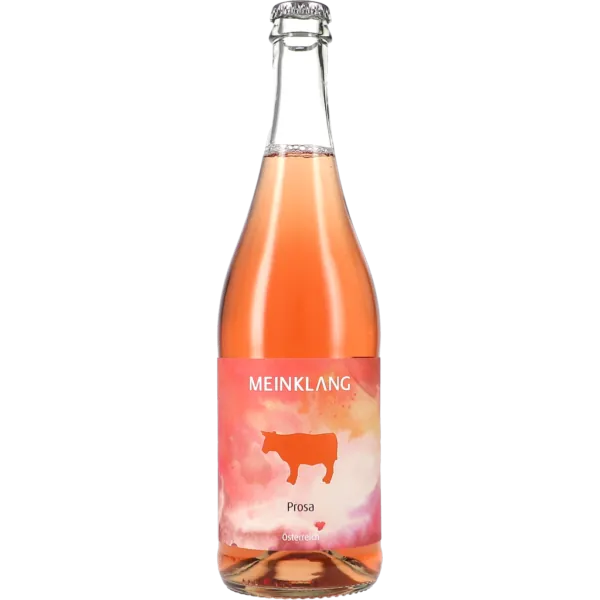
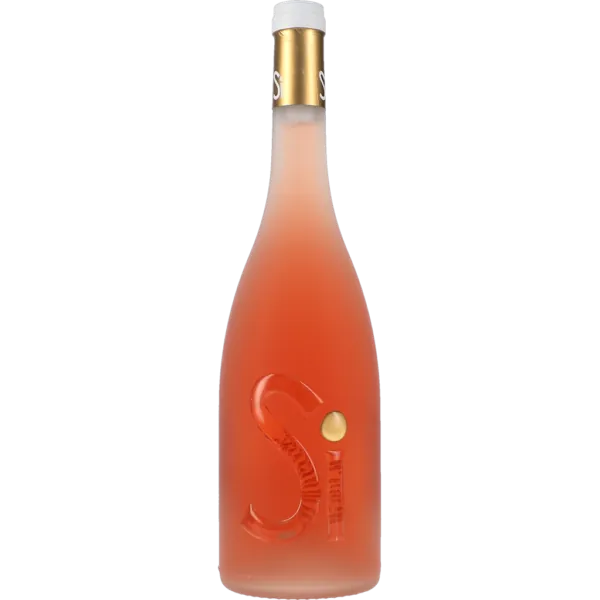
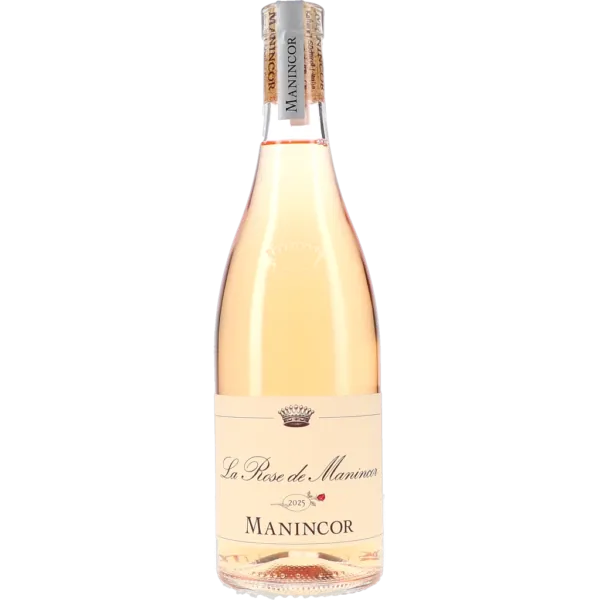
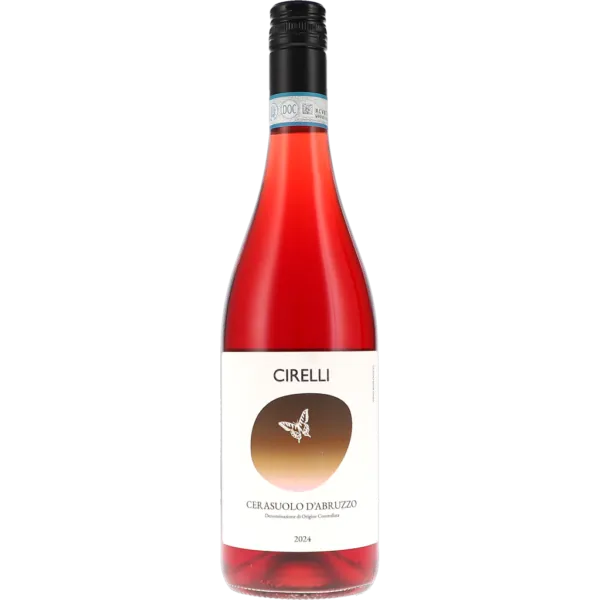
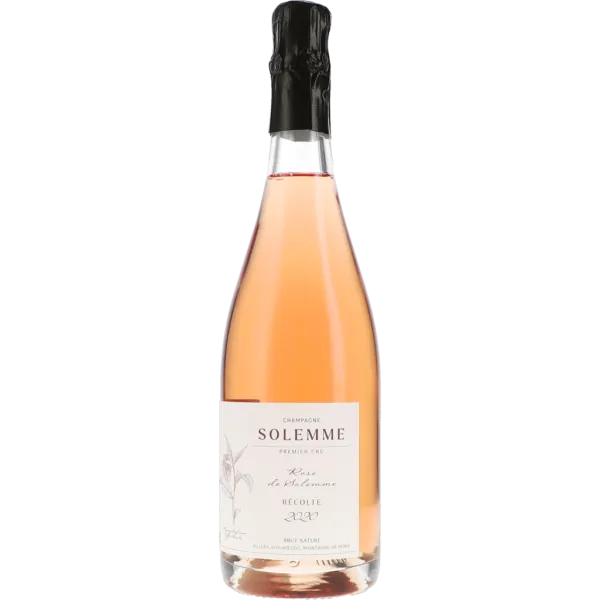
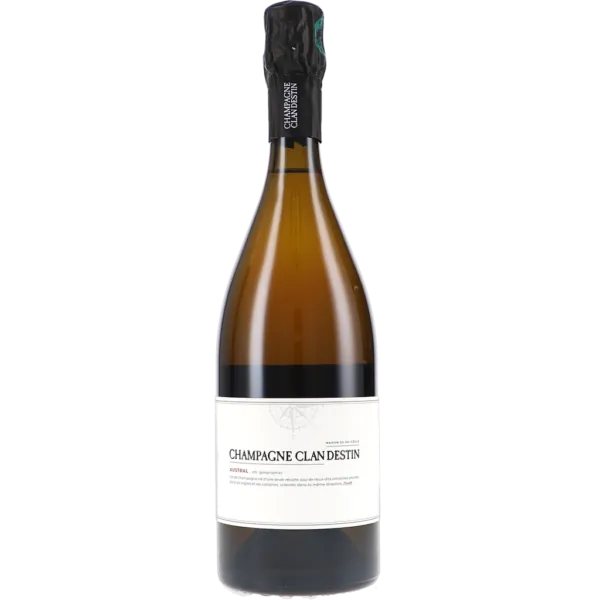
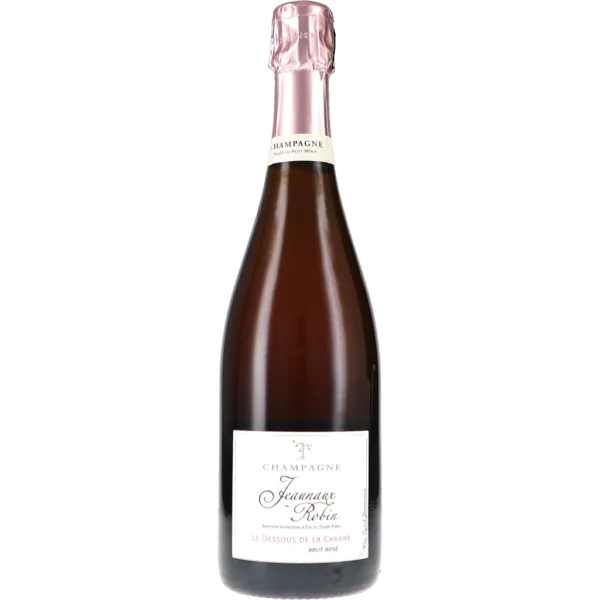
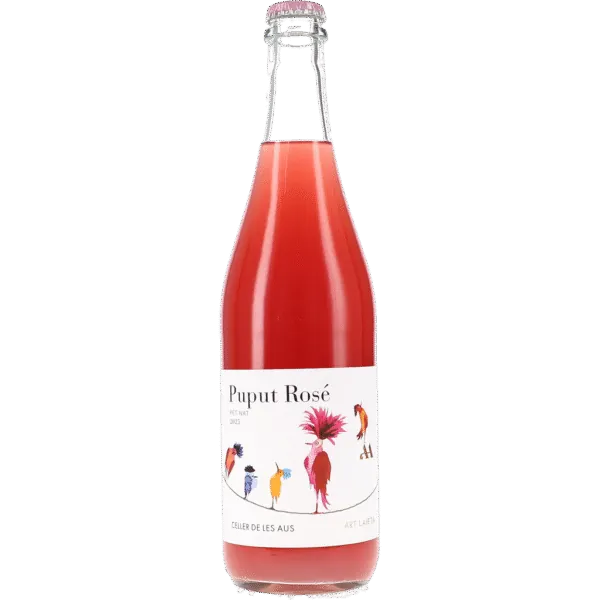
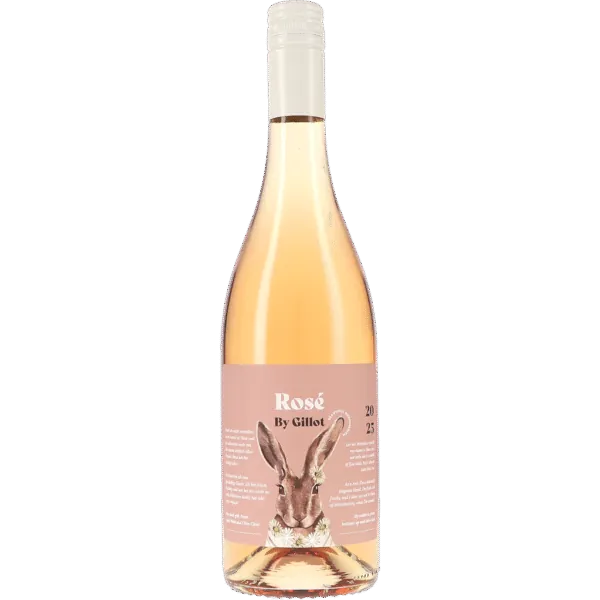
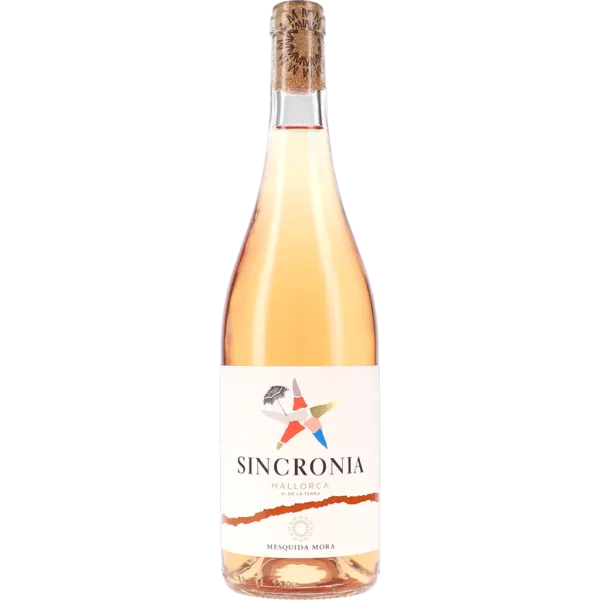
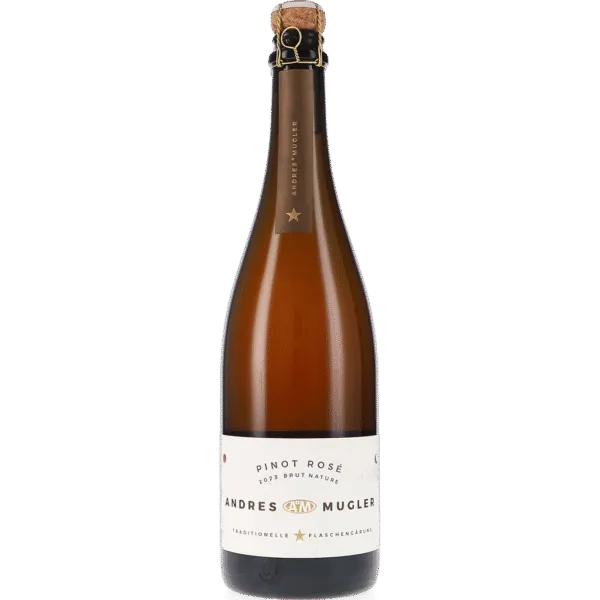
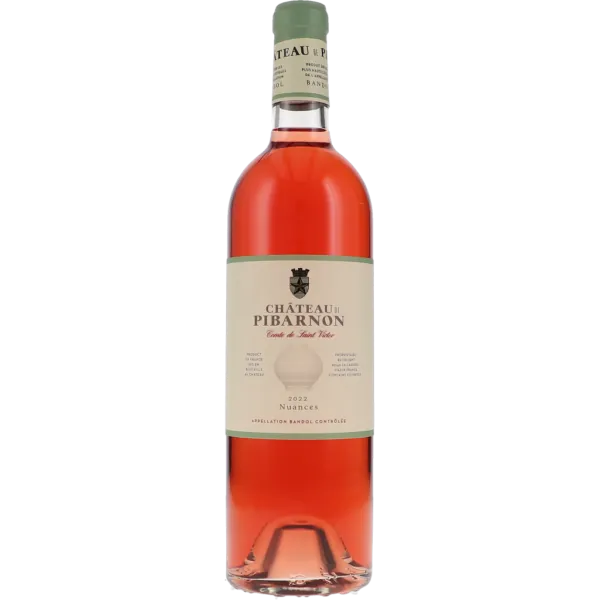
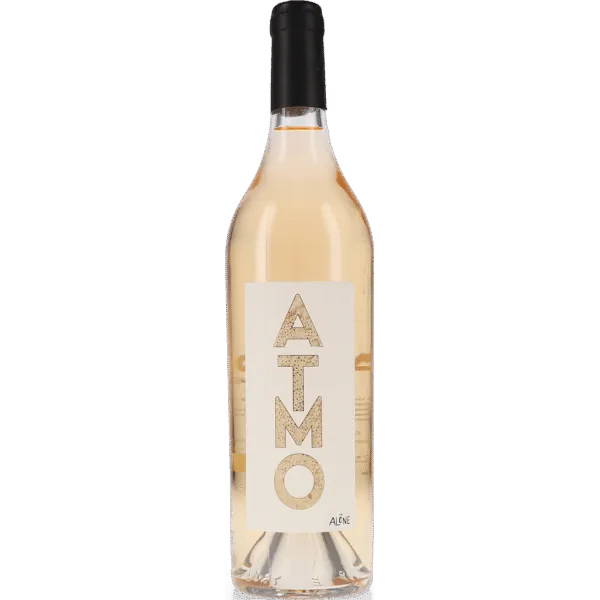
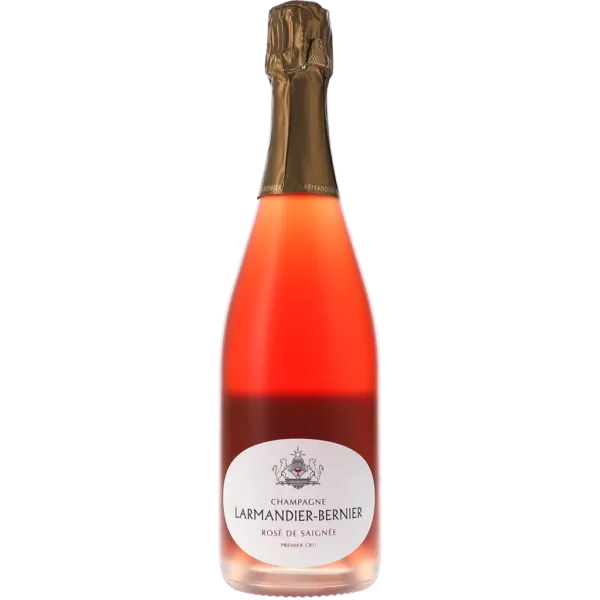
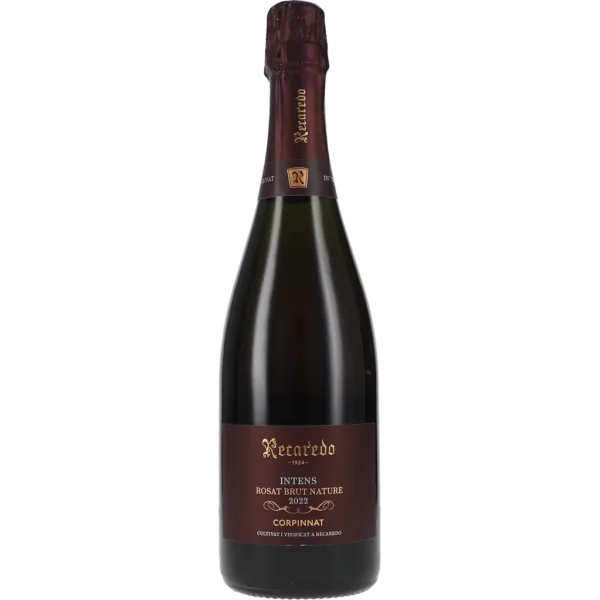
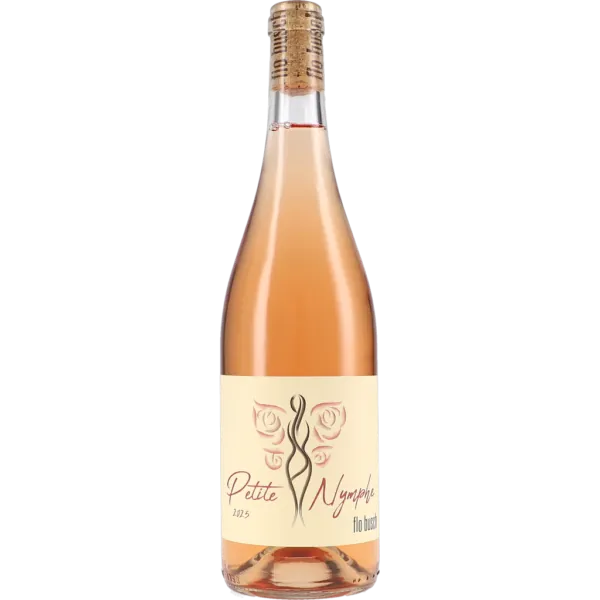
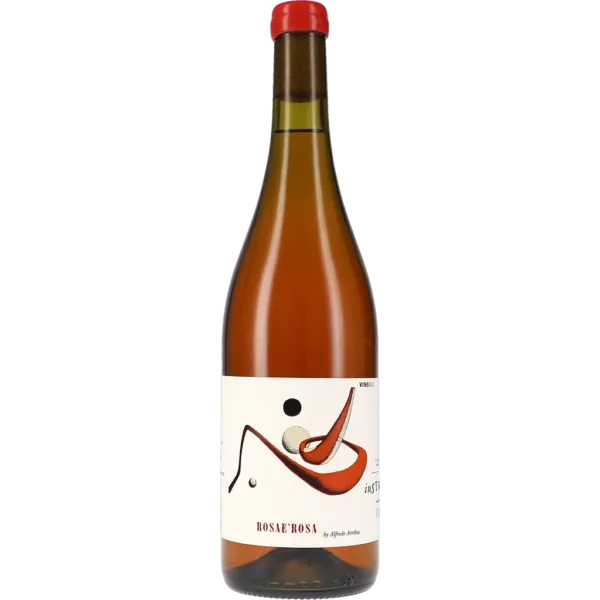
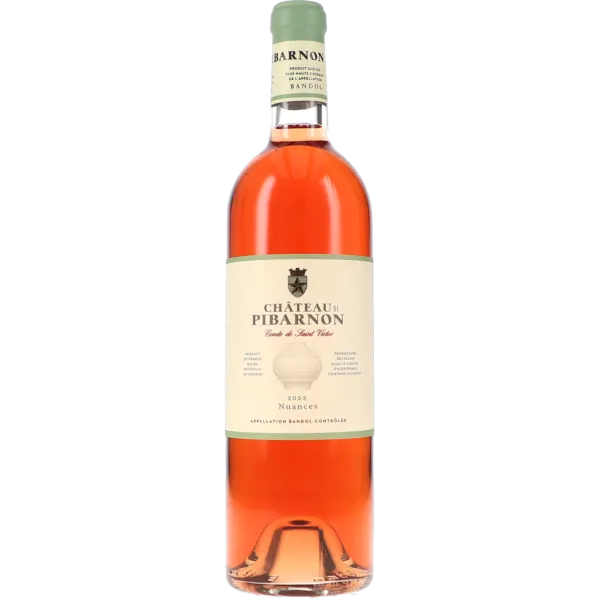
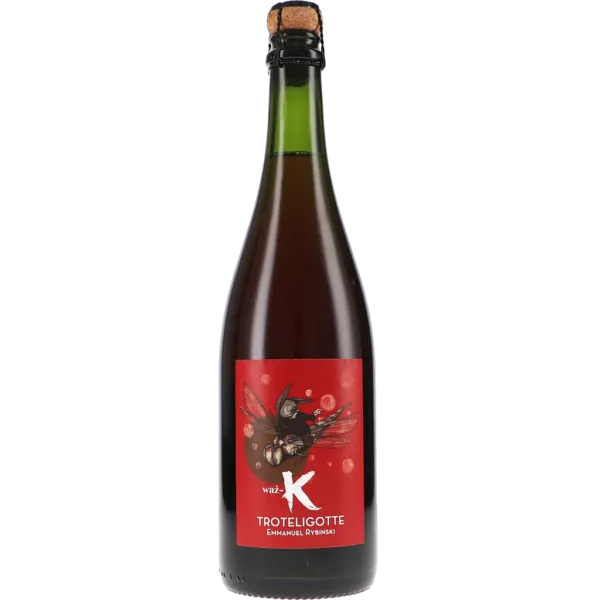
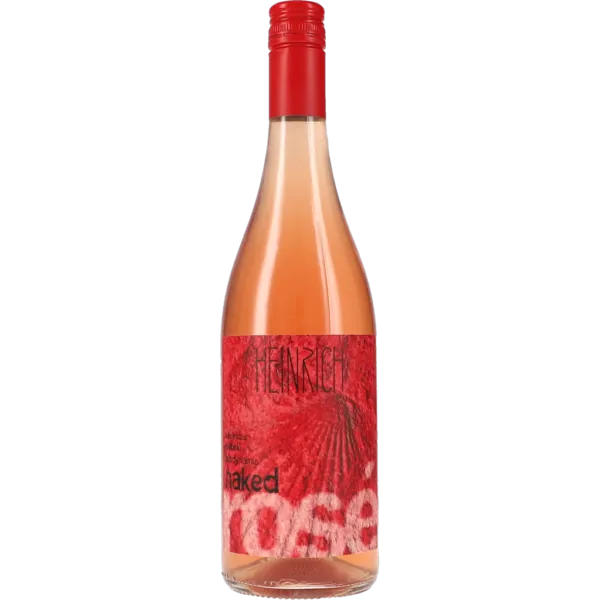
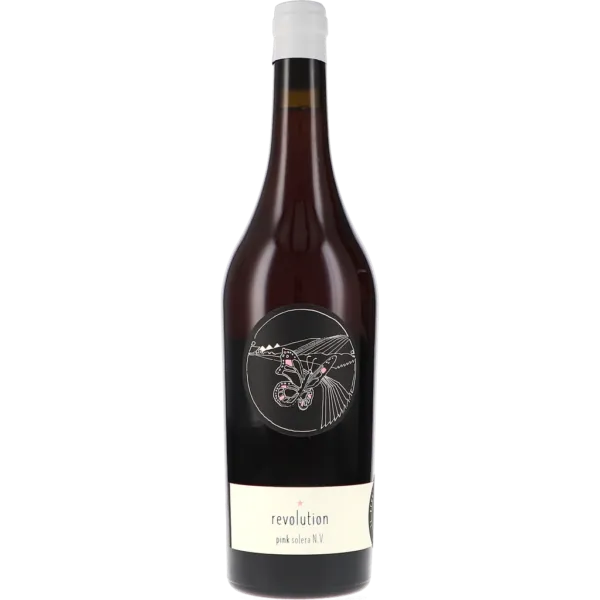
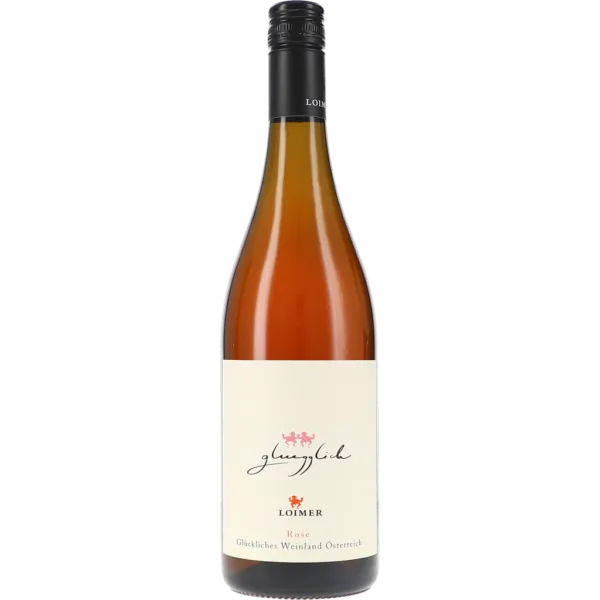
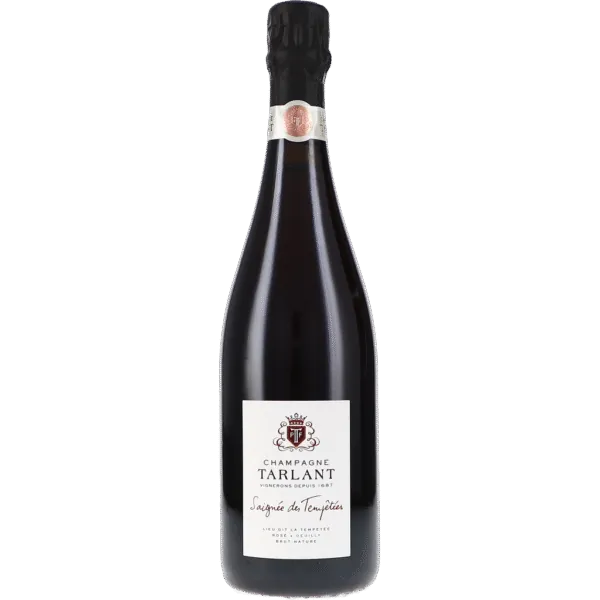
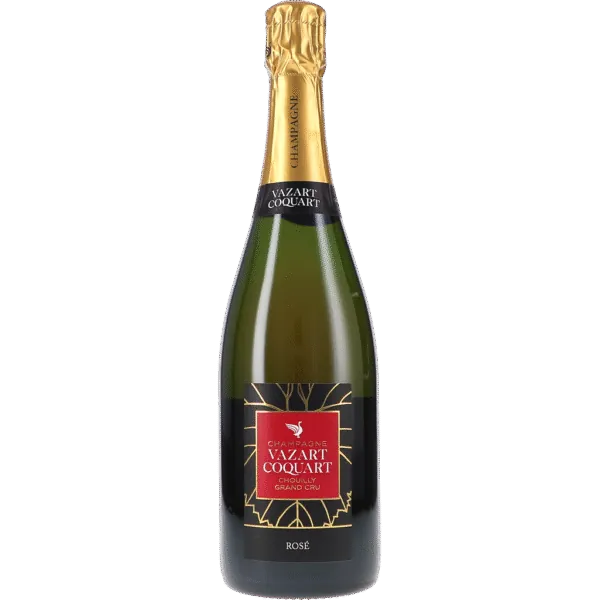
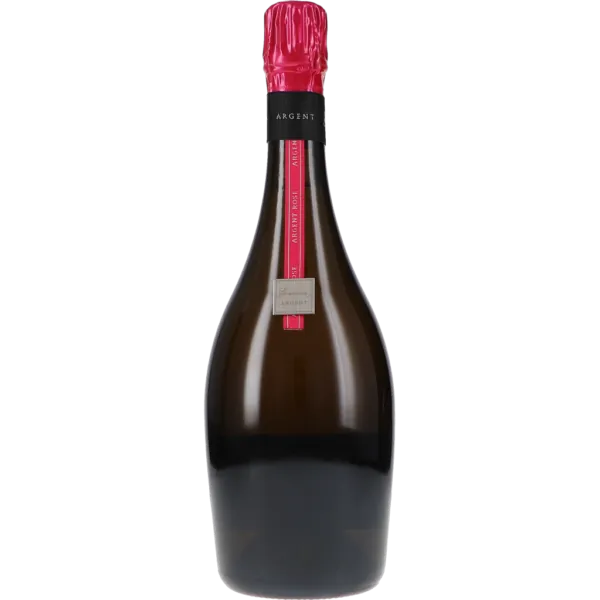
How rosé gets its colour
Rosé is pressed from red grapes, and the colour is decided within the first few hours. With direct pressing, the grapes are pressed immediately, the juice remains pale and the wine delicate. With the saignée method, after brief skin contact a portion of the juice is drawn off from the tank and fermented separately, resulting in a darker wine with more fruit and drive. Stainless steel tanks, wooden casks or amphorae also shape the style, and some of these wines age for years.
Rosé Champagne is a discipline of its own
In Champagne, rosé is usually made as an assemblage, by adding a little still red wine to the cuvée, and more rarely through maceration of the red grapes. Estates such as Tarlant work with Pinot Noir and Pinot Meunier from their own vineyard sites and leave the wines on the lees for many years; our article on Champagne production explains the details. The result combines taut acidity with red berry fruit and a fine line of tannin.
Grape variety and origin set the tone
On the Mediterranean coast, Mourvèdre yields the powerful, spicy Bandol shaped by Château de Pibarnon. Pinot Noir produces paler, finer wines, Sangiovese in Tuscany brings a juicy bitter note, and Cerasuolo d’Abruzzo from Montepulciano is one of the darkest rosés in Italy. At the table, more robust rosés can handle heat and roasted aromas, for example as a wine for barbecues, while the delicate ones suit antipasti and fish. They are almost without exception vinified dry.
 EN
 DE
 FR
 IT