
 EN
EN  DE
DE  FR
FR  IT
IT 
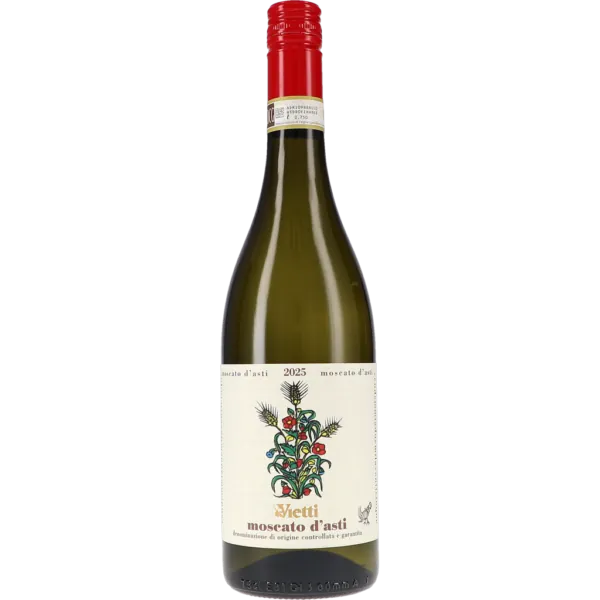
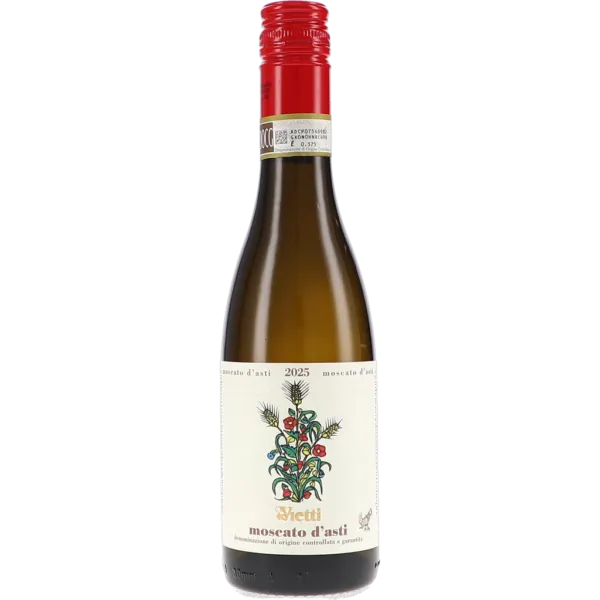
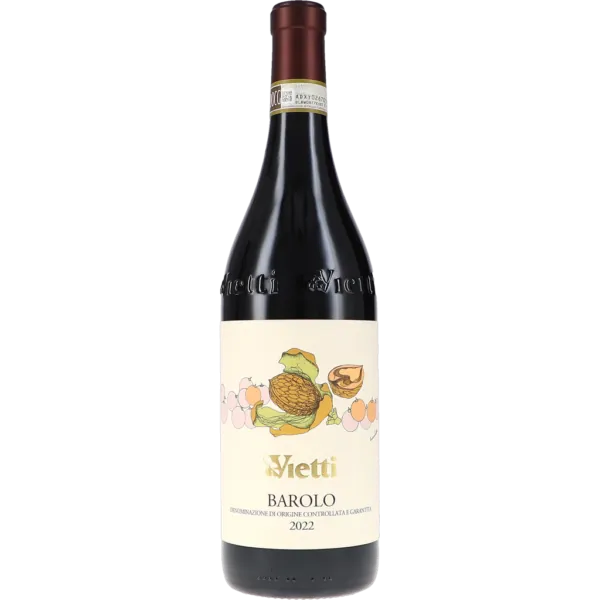
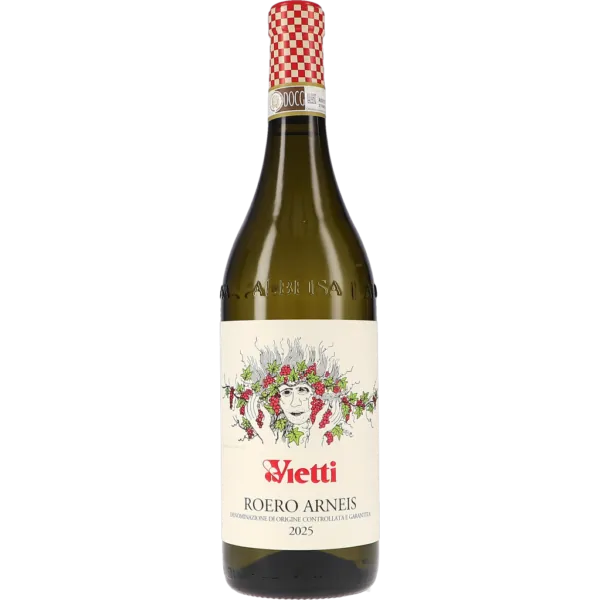
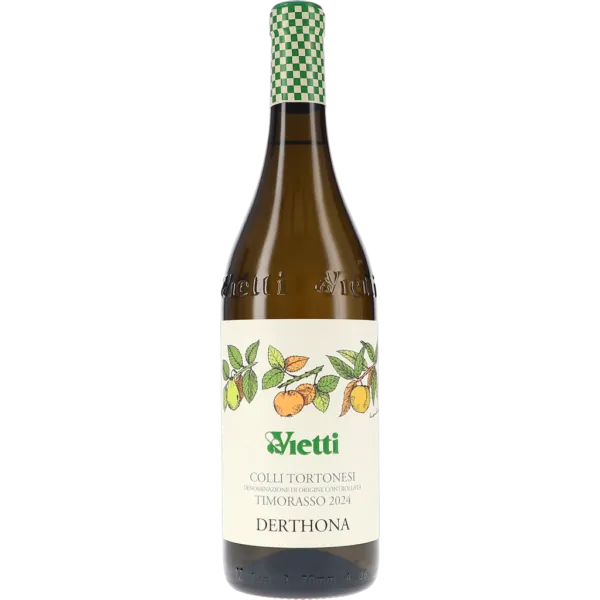
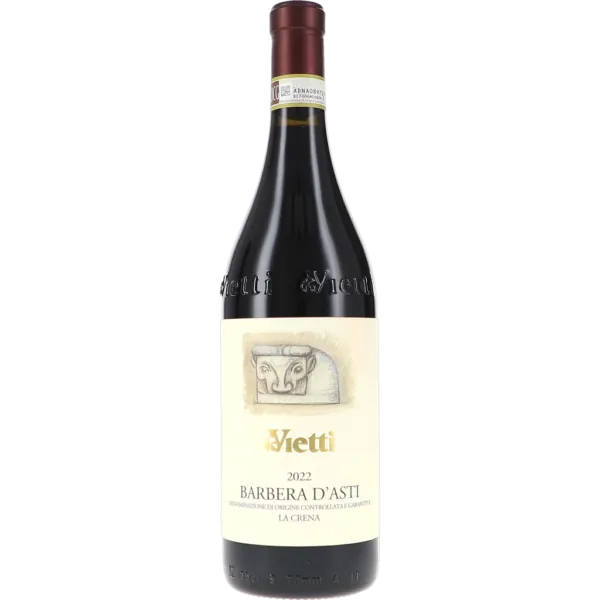
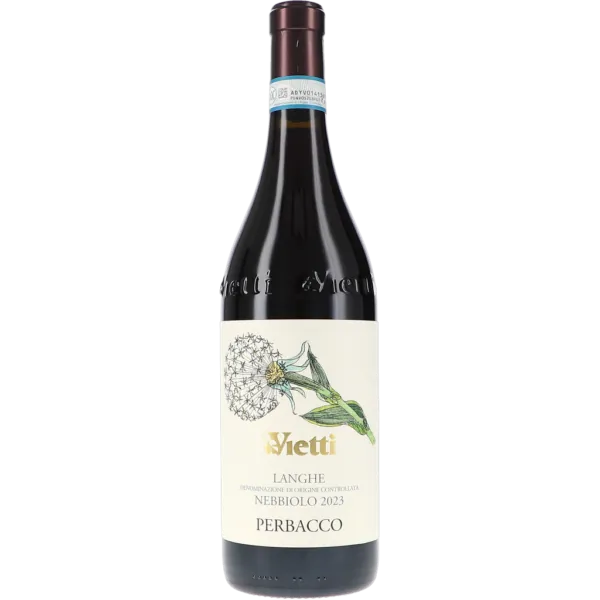
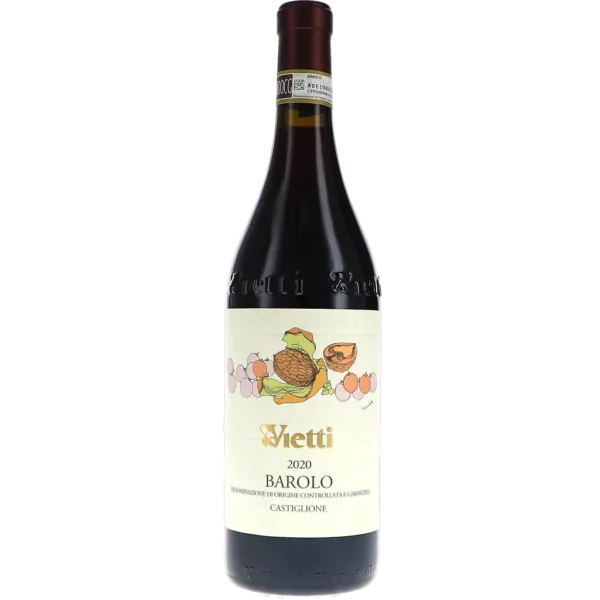
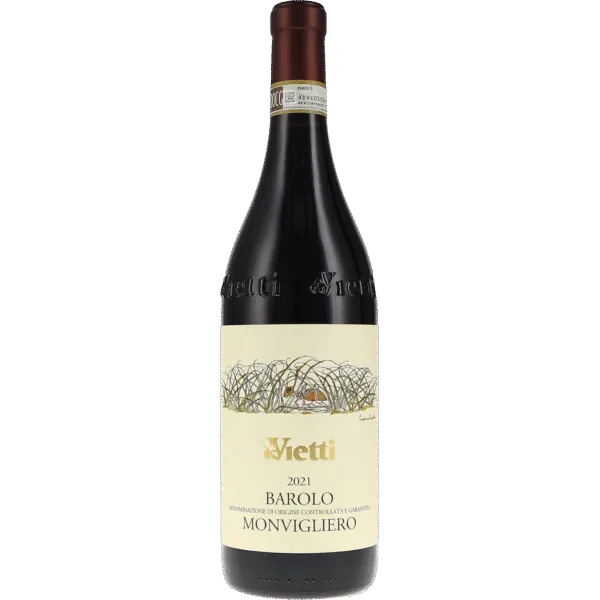
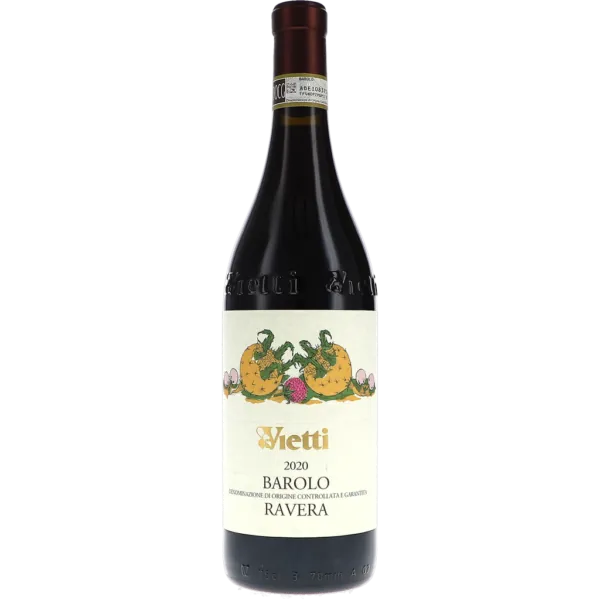
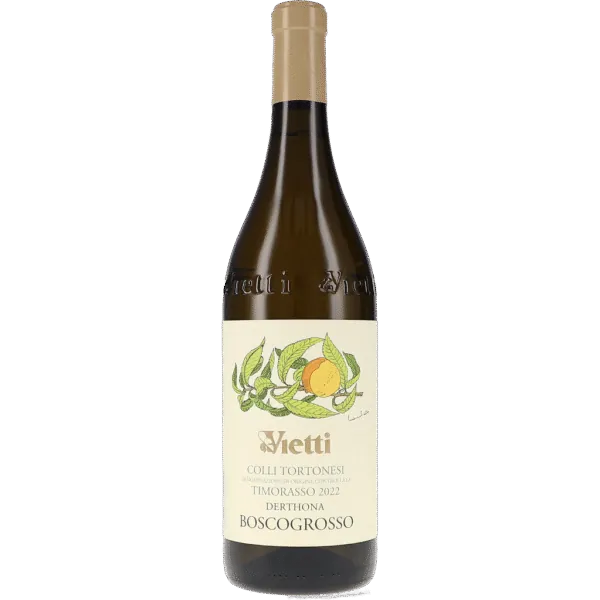
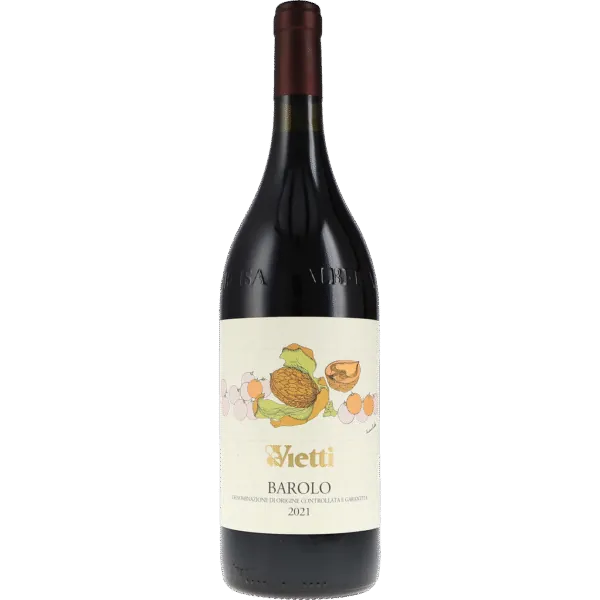
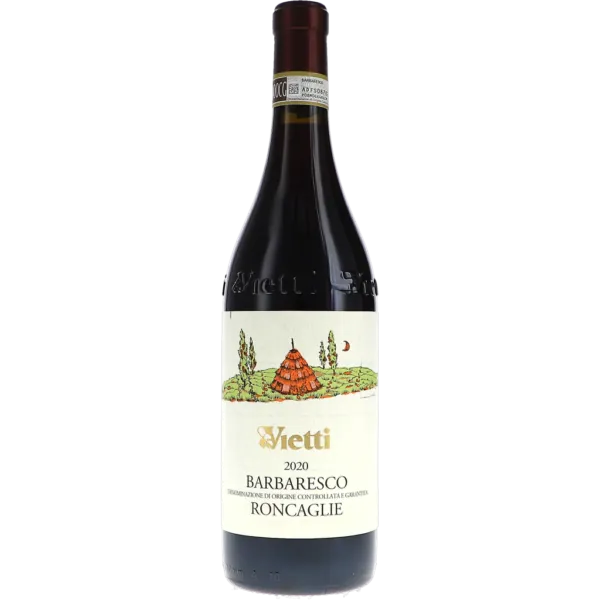
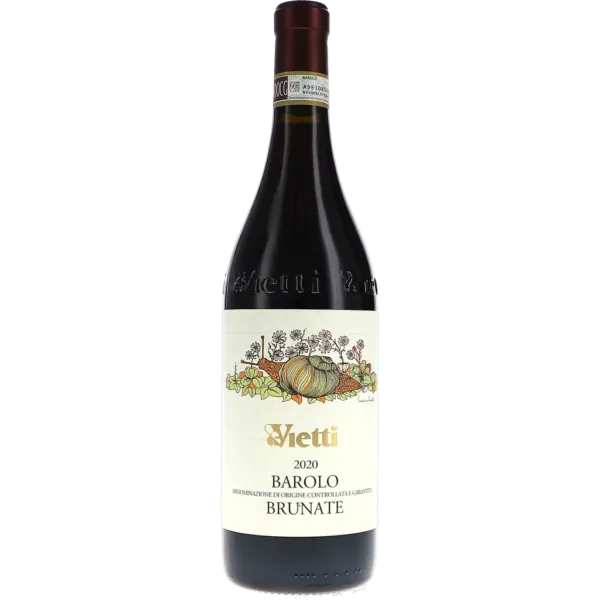
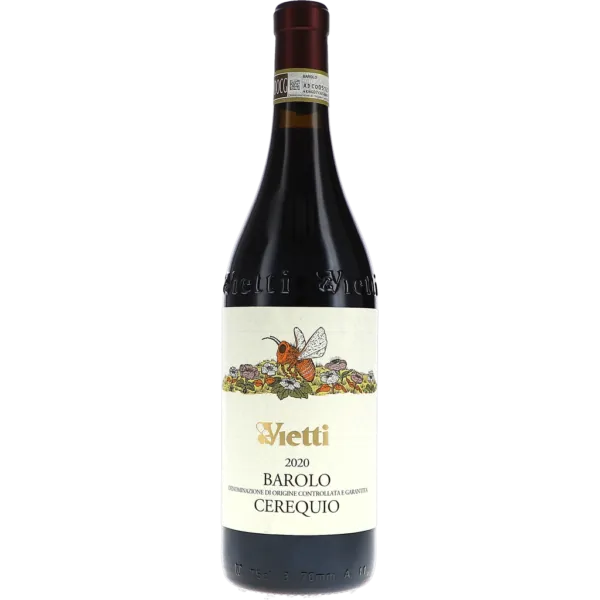
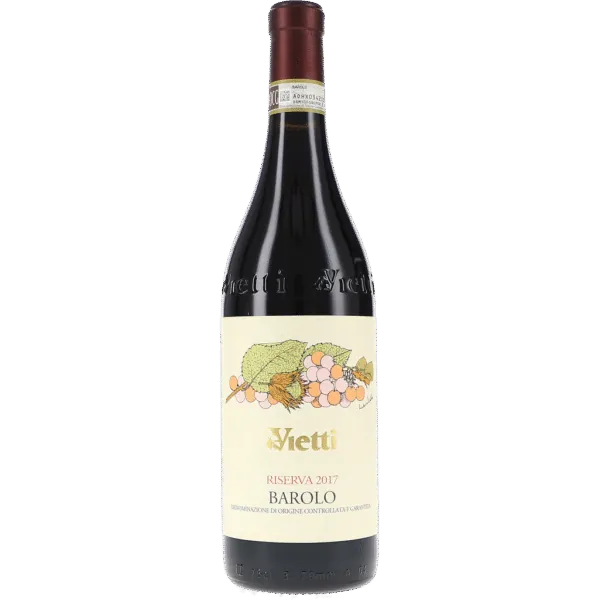
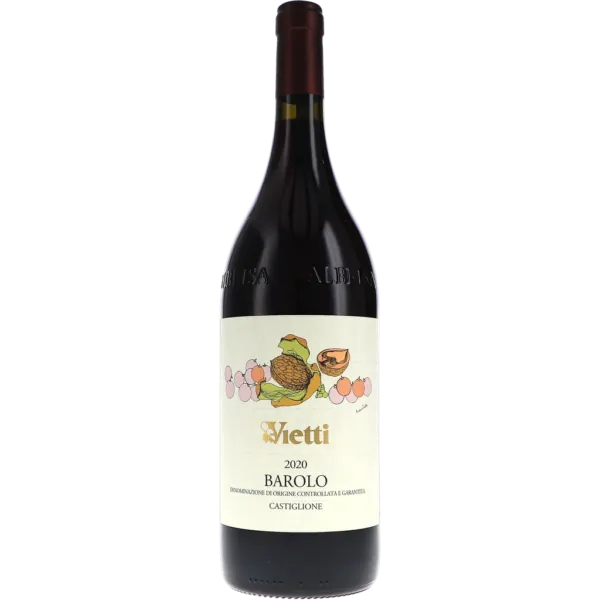
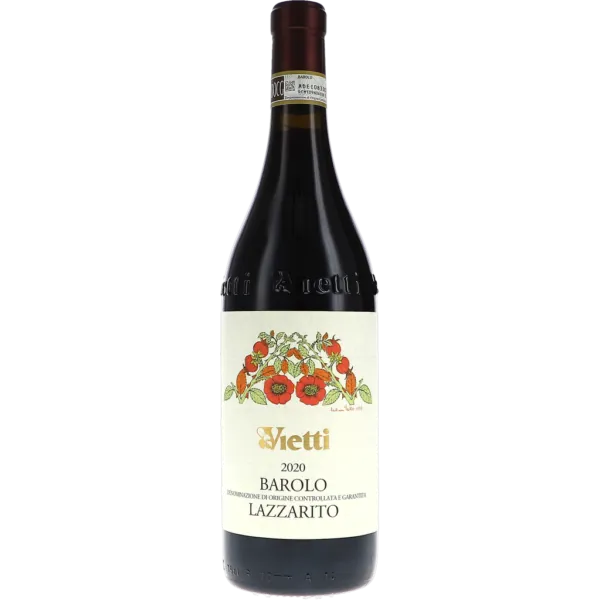
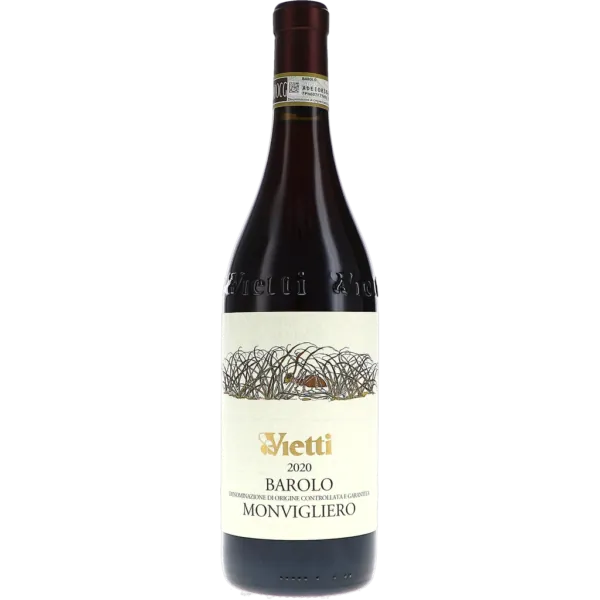
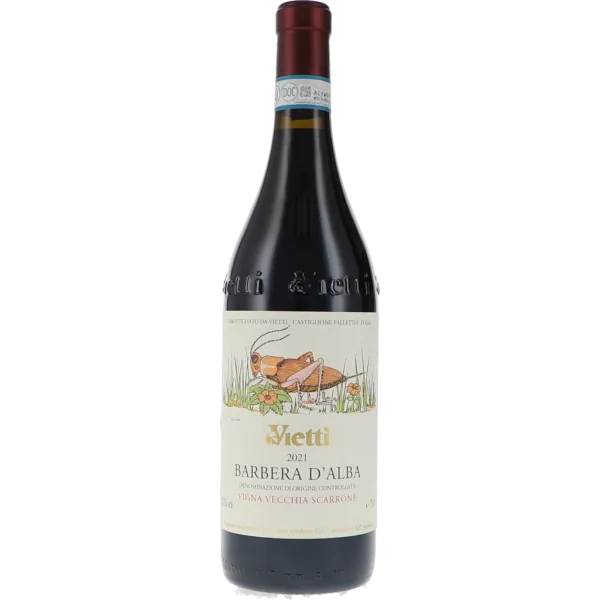
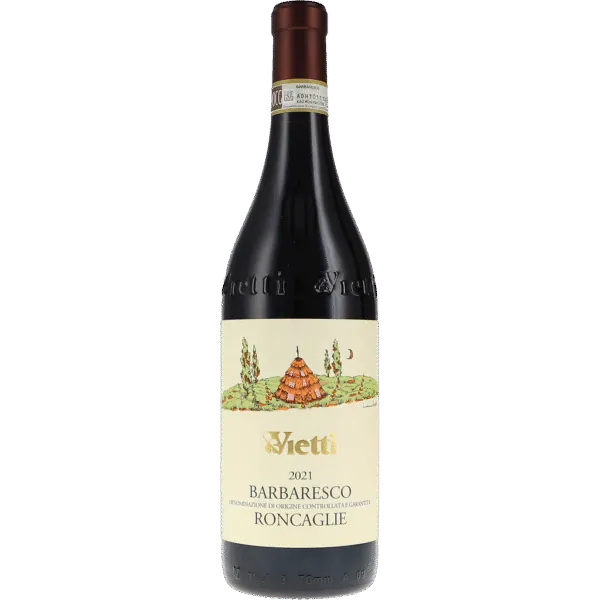
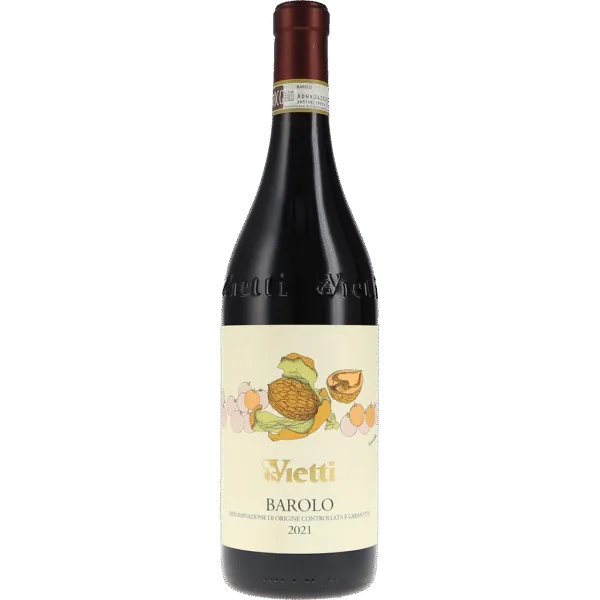
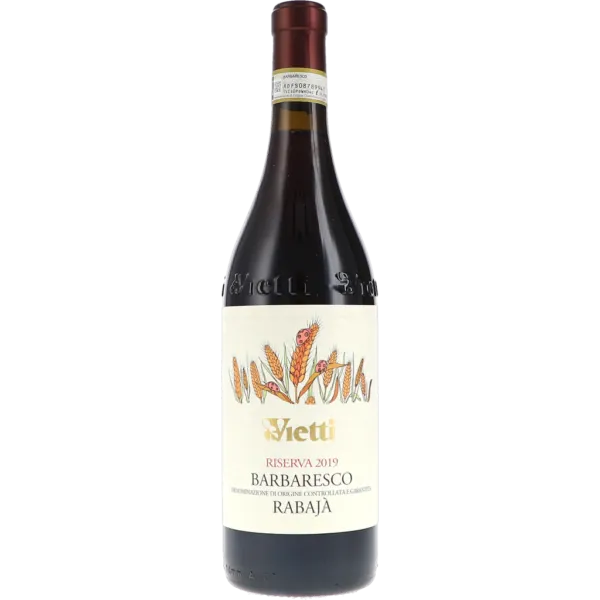
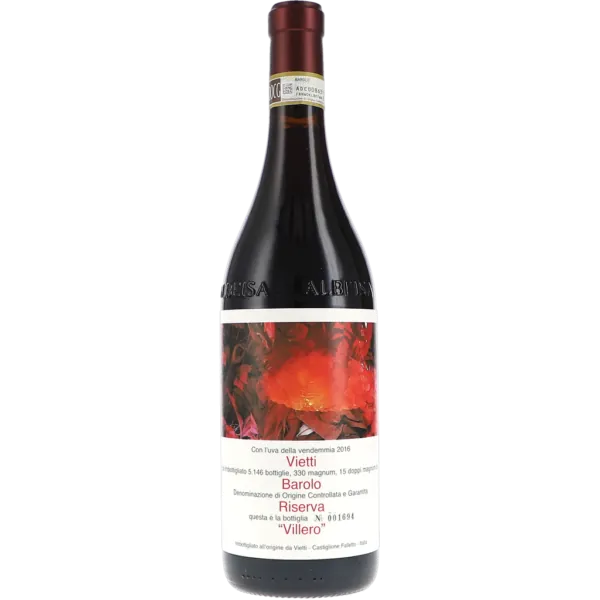
A film-maker, a sculptor, a painter – all of them have designed labels for this estate. Vietti in Castiglione Falletto has combined wine culture with art since 1873. Since 1974 original works have adorned the bottles – among them a drawing by Pasolini.
In 1961 Alfredo Currado created one of the first Barolo crus and six years later saved Arneis from extinction – he went down in history as the “father of Arneis”.
More about Vietti
When Pasolini paints labels
The story sounds invented: in 1970 Alfredo Currado and his wife Luciana sat around a table in the Langhe with artist friends. The wine flowed, the conversation turned philosophical. By the end of the evening there was an idea: the art in the cellar deserves art on the bottle. Since then painters such as Claudio Bonichi, sculptors such as Pietro Cascella and even the film-maker Pier Paolo Pasolini have created labels for Vietti. Every bottle carries a one-off – no marketing gimmick, but a lived conviction that wine and art draw from the same source.

The man who saved Arneis
In 1967 Nebbiolo was regarded as the king of Piedmont, while Arneis was sinking into oblivion. Alfredo Currado saw it differently. He vinified the old white variety on its own for the first time – against the advice of many colleagues. Roero Arneis became the region's most successful white wine, and Currado received a title that no diploma confers: father of Arneis. This blend of respect for history and courage to experiment still shapes Vietti today. Anyone who tries the Perbacco – technically a Langhe Nebbiolo, in quality a Barolo in disguise – understands that here categories do not constrain but inspire.
Crus before there were crus
When Alfredo Currado decided in 1961 to vinify grapes from individual vineyards separately, the neighbours shook their heads. Barolo was Barolo, no matter where the grapes came from. The Rocche di Castiglione and the Barbaresco Masseria became the first cru wines of the region. Today Vietti owns 75 hectares in the most valuable sites: Brunate, Lazzarito, Ravera, Cerequio, Monvigliero, Villero. Every vineyard tells its own story, every Barolo tastes of its origin. The single-vineyard philosophy that Currado pushed through against all resistance has long been standard – also at Chiara Boschis, whose E. Pira & Figli is one of the few Barolo estates run by women.

From Castiglione to the world
The medieval village on the 350-metre hill was a sleepy place in 1873, when Carlo Vietti founded the estate. His son Mario began exporting to America and Switzerland. Alfredo and Luciana made the name internationally known. In 2016 the American Krause family took over the estate, and in 2025 Vietti was chosen Azienda dell'Anno (Estate of the Year) by Doctor Wine. The production of 600,000 bottles now supplies wine lovers worldwide – from the Barolo Castiglione as an accessible entry point to the rare riservas from Villero. Four generations of craftsmanship, half a century of artist labels, nine crus on 75 hectares: Vietti remains what it always was – a house that pushes boundaries without forgetting its roots.