
 EN
EN  DE
DE  FR
FR  IT
IT 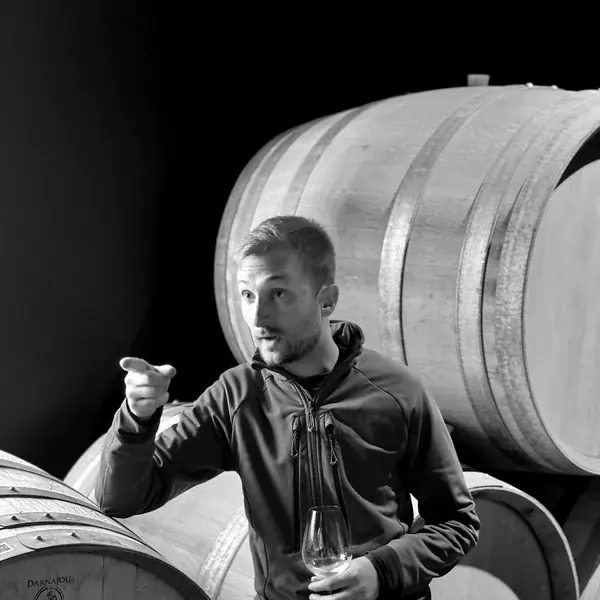
In summer 2015 Benoît Doussot packed up his diploma from the Lycée Viticole in Beaune and drove to the Côte des Bar, not to sign on with the big houses but to start something of his own. Clandestin was born: a micro-négoce project that turns organic grapes from eleven growers in the southern Champagne into precise, zero-dosage Champagnes. His mentor? Bertrand Gautherot of Vouette & Sorbée, in whose converted barn the first cuvées were made. Today Benoît works in his own winery in Landreville, built on two levels for gravity-fed vinification and equipped with Burgundian sensibility.
More about Clandestin
Kimmeridgian and Portlandian: the DNA of the Côte des Bar
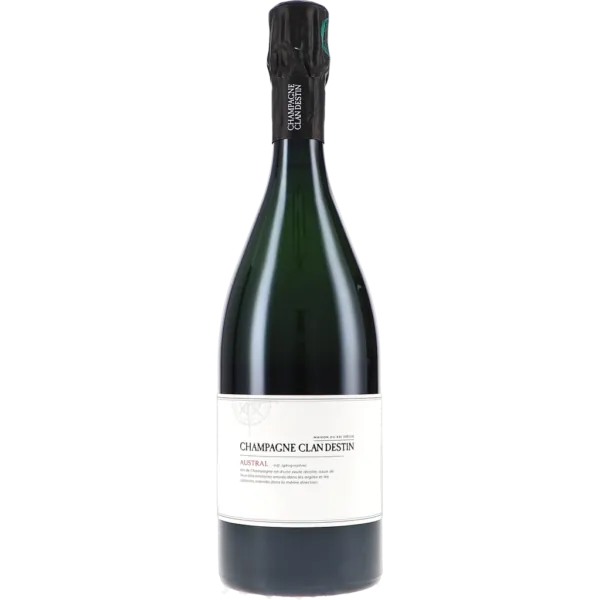
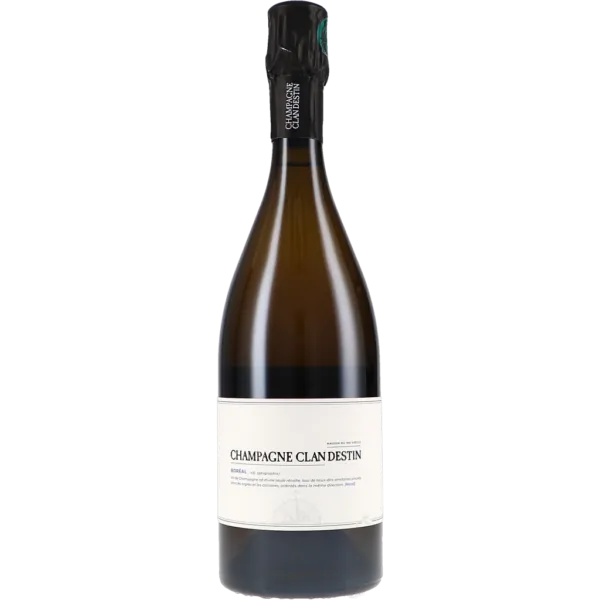
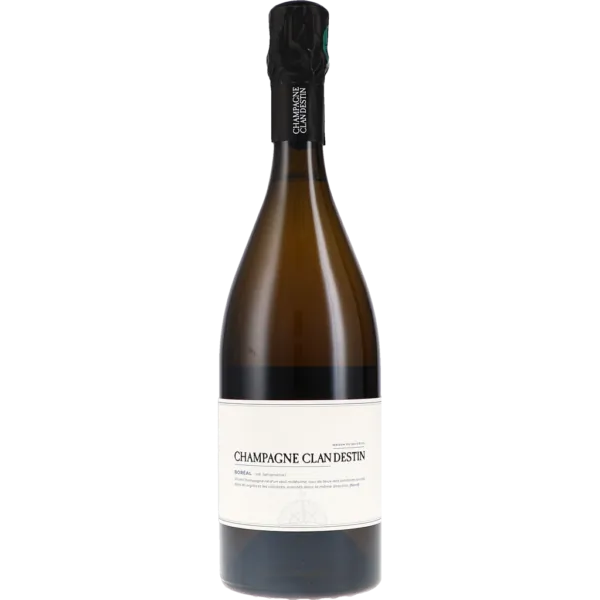
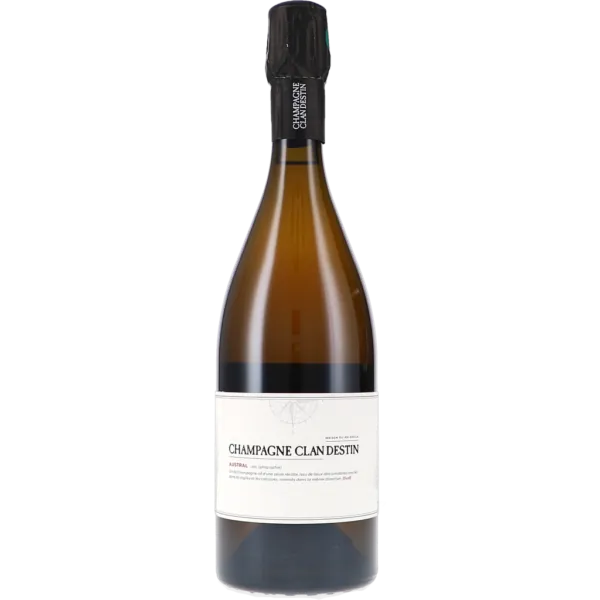
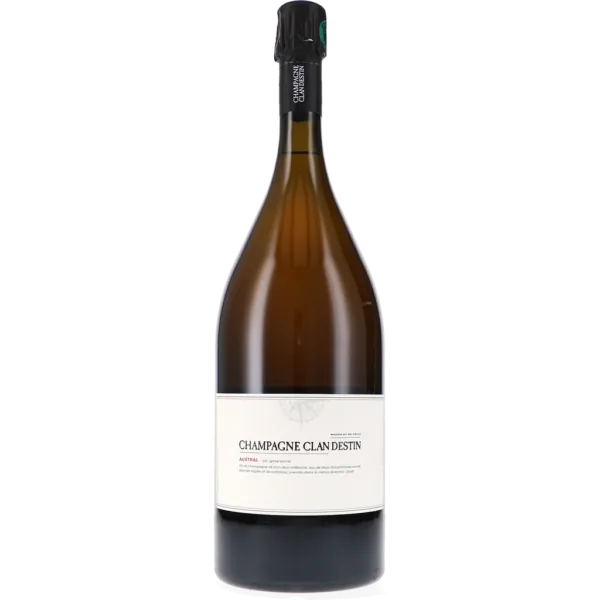
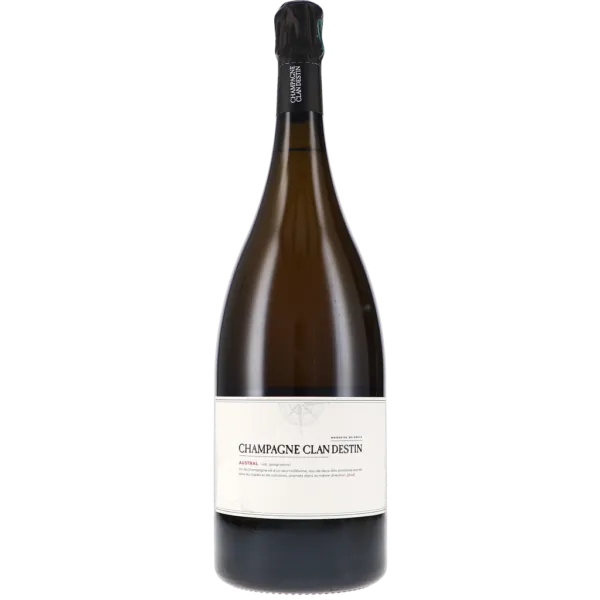
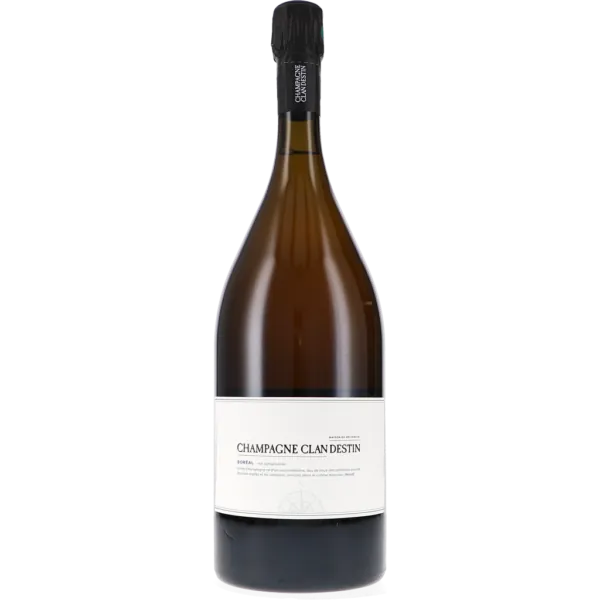
The Côte des Bar is geologically closer to Chablis than to Reims. While the big houses in the north work on young chalk, Benoît's vineyards rest on Kimmeridgian marl and Portlandian limestone, both from the Jurassic, rich in marine shells and minerality. These soils shape the Champagnes of Clandestin: BORÉAL comes from north-facing sites on Kimmeridgian and shows wild strawberries with saline freshness. AUSTRAL comes from south-facing slopes and is more layered, with more depth and gastronomic potential.

Burgundian precision in Champagne
Benoît grew up in Beaune and learned from Jean-Philippe Fichet in Meursault, one of the best white-wine growers in Burgundy. This school shapes his style: he prefers larger 500-600-litre casks to the classic Burgundian pièces, because they keep the wines leaner and require less sulphur, which, he says, preserves purity. Spontaneous fermentation begins under temperature control, the base wines mature for twelve months in wood, then spend one more winter “en masse” in tank. After the second fermentation in bottle, the Champagnes rest at least 15 months sur lattes, all zero dosage, Brut Nature.
A micro-négoce with a mission
Clandestin buys only organic grapes from eleven partner growers. What sets it apart: Benoît actively supports the growers in converting to organic farming and pays fair prices; instead of letting their grapes vanish into anonymous big-house blends, they get to taste the finished wine. His winery in Landreville, completed in 2023, allows gravity-fed vinification on two levels, gentle handling without pumps. A project that shows that you can make Champagne with soul even without vineyards of your own.

The cuvées: north, south and single sites
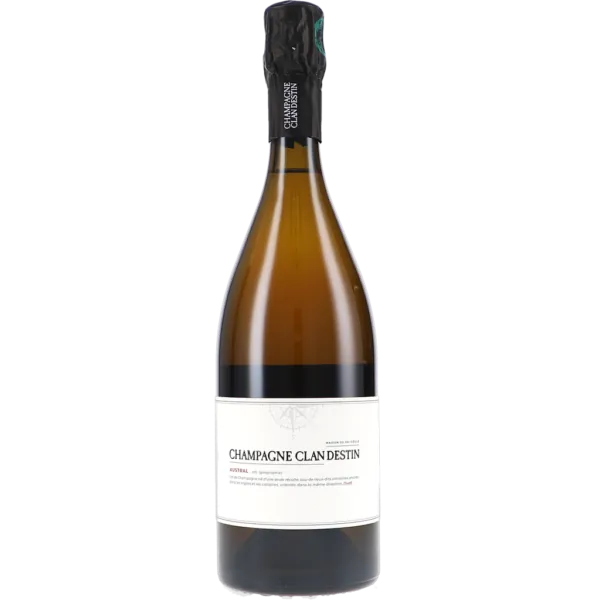
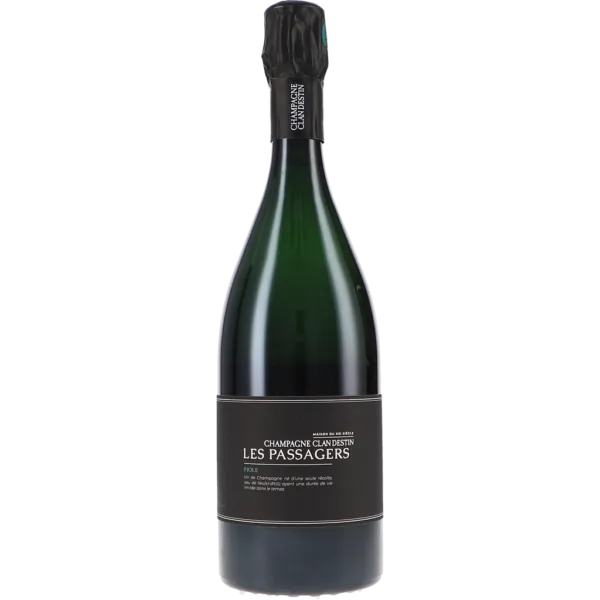
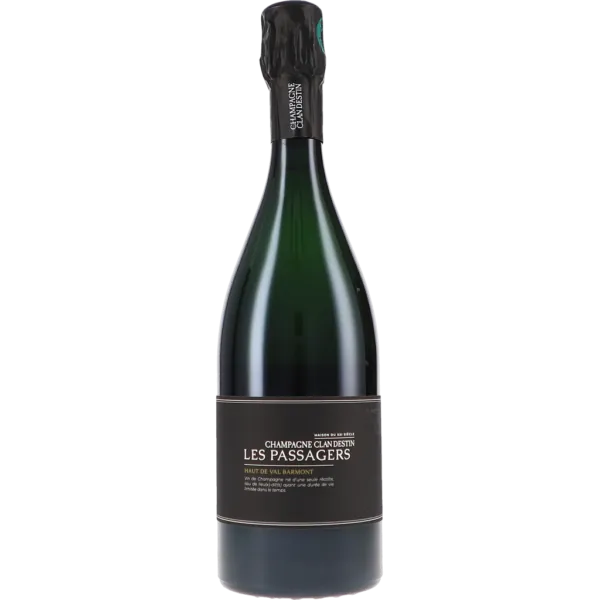
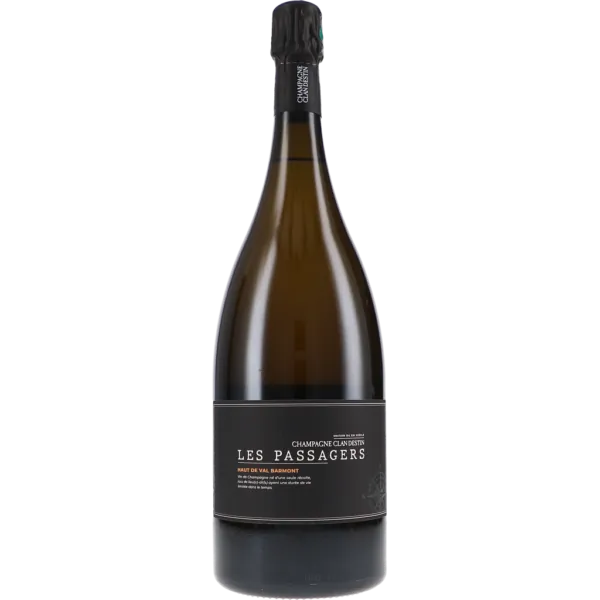
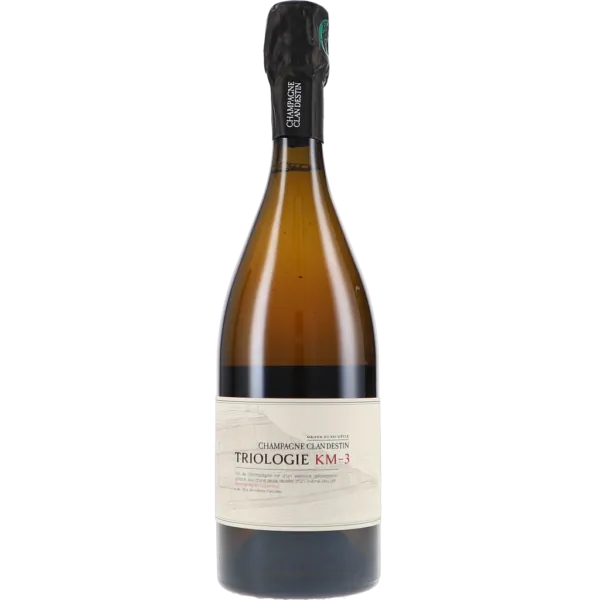
The structure is coherent: BORÉAL brings together north-slope Pinot Noirs, AUSTRAL the south-facing sites, both single-variety, both Kimmeridgian. For the Chardonnays there is Les Grandes Lignes, a single-variety Chardonnay from a south-facing Portlandian parcel in Buxières-sur-Arce. And then there is the line Les Passagers, “the passers-through”: ephemeral single-site Champagnes made for only a few vintages. Fiole, for example, comes from Ville-sur-Arce, taut and saline with almond notes. If you appreciate growers such as Olivier Horiot from the Côte des Bar, you are in the right place here.