
Over the past few decades, Austria has become a pioneer in biodynamic viticulture. With 24% of its vineyard area organically certified, of which 14% is farmed biodynamically, the country is setting new standards in sustainable wine production. This impressive development not only reflects the growing trend towards organic wines from Austria, but also underscores the commitment of Austrian winemakers to quality and environmental protection. And as if by the way, they produce natural and organic wines of outstanding quality. More about organic and natural wine in Austria
More about Österreich
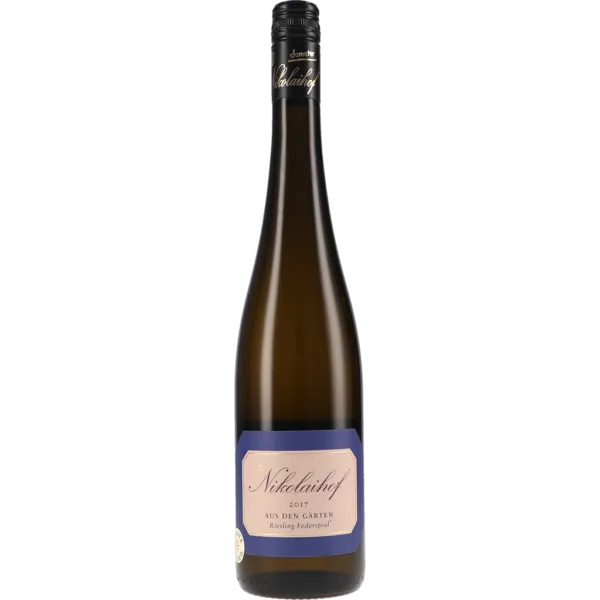
The pioneers of biodynamic viticulture in Austria began their work as early as the 1970s. Nikolaihof from the Wachau and Weingut Diwald from the Wagram region were the first to dare to take a step in this direction, which was met with ridicule at the time. Their vision laid the foundation for a revolution in Austrian viticulture that is bearing fruit today.
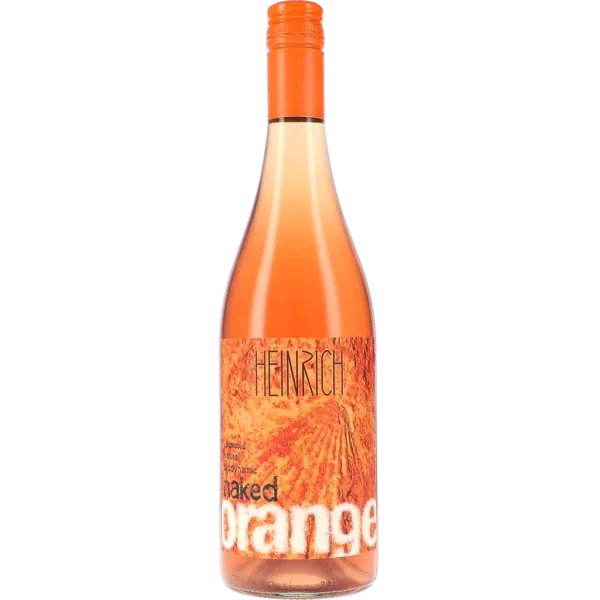
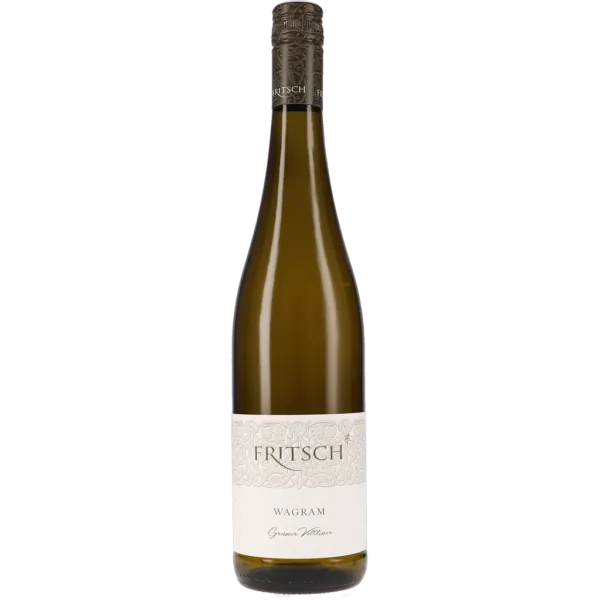
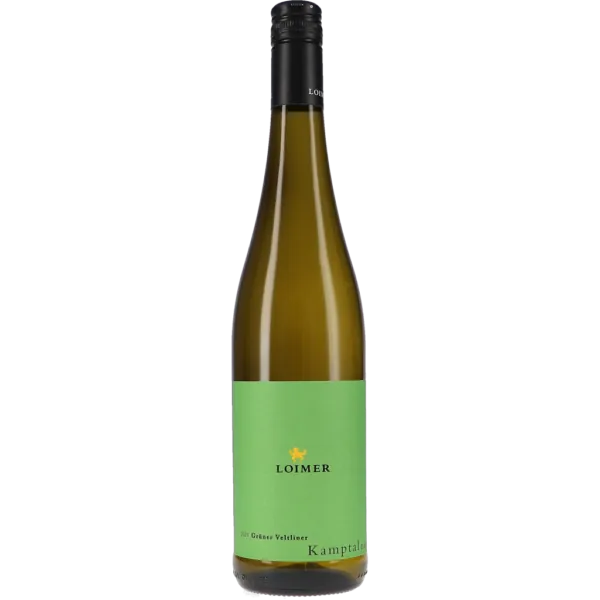
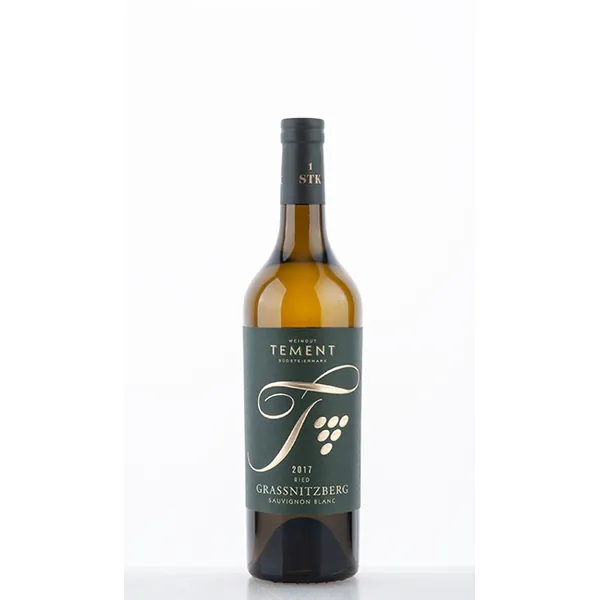
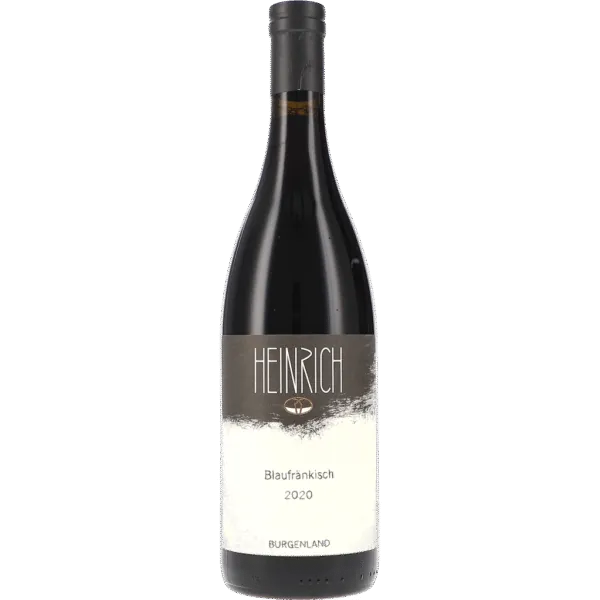
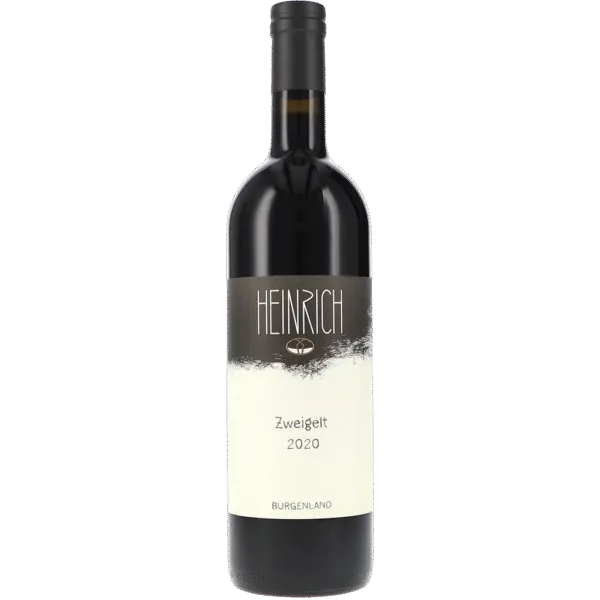
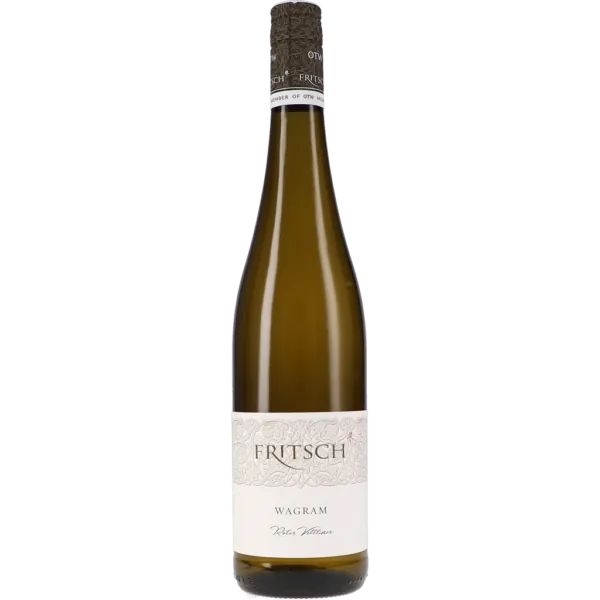
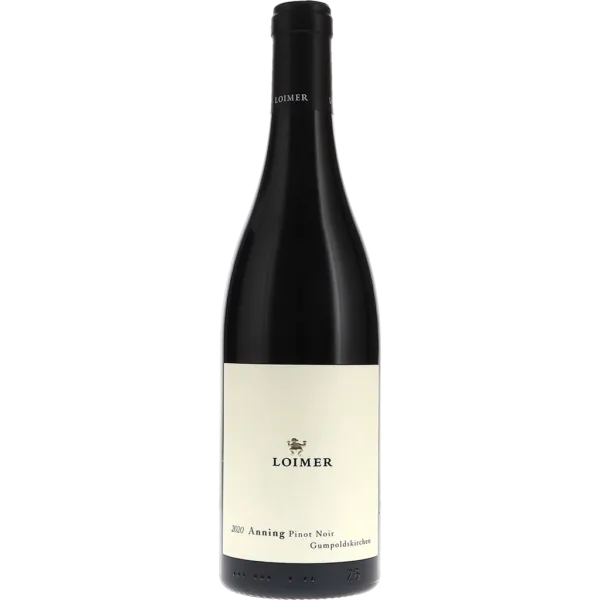
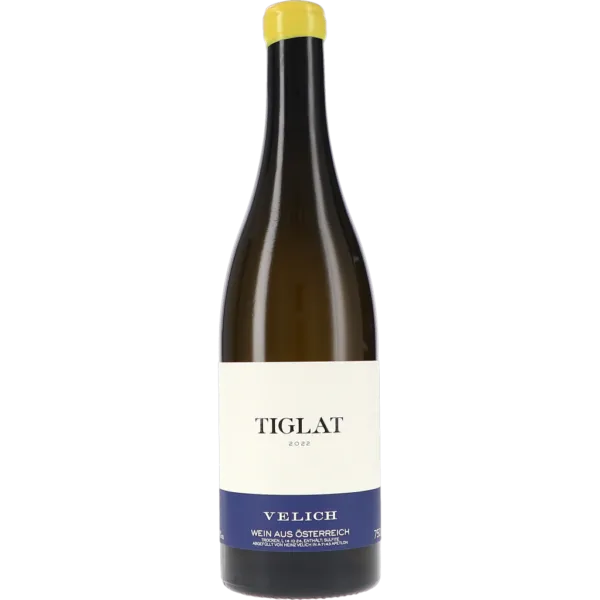
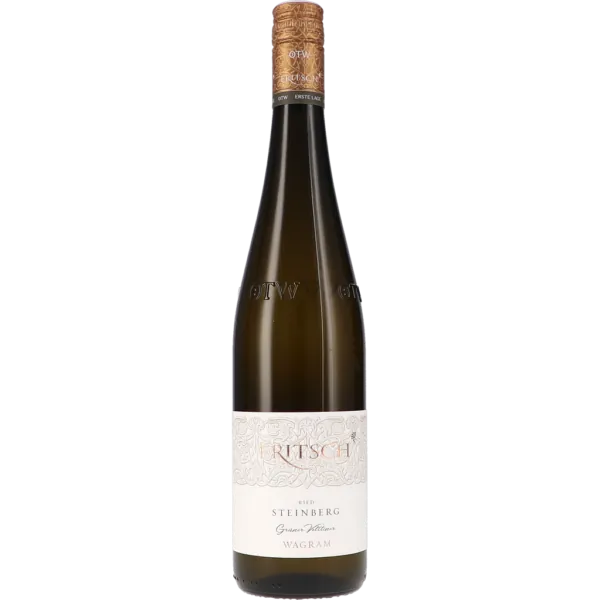
In the 2010s, biodynamic viticulture in Austria experienced its major breakthrough. Renowned winemakers such as Fred Loimer, Bernhard Ott, Karl Fritsch and Gernot Heinrich discovered the potential of this method. They recognised that biodynamic wine not only protects the environment but also yields exceptional quality. These trailblazers inspired many other winemakers to follow their example.
The founding of the “Respekt” association in 2007 marked a turning point for biodynamic viticulture in Austria. This alliance of top winemakers dedicated to biodynamics created an enormous pull effect within the industry. The outstanding quality of their wines convinced critics and wine lovers alike, helping biodynamic wine gain international prestige.
Today, Austria ranks among the global leaders in organic viticulture. The area under biodynamic cultivation has almost doubled over the past five years and now amounts to 1,416 hectares. Organisations such as Demeter and respekt-BIODYN are committed to promoting biodynamic viticulture and ensuring its quality. Demeter Austria currently counts 55 wine estates among its members, while respekt-BIODYN lists 21 Austrian wine estates.
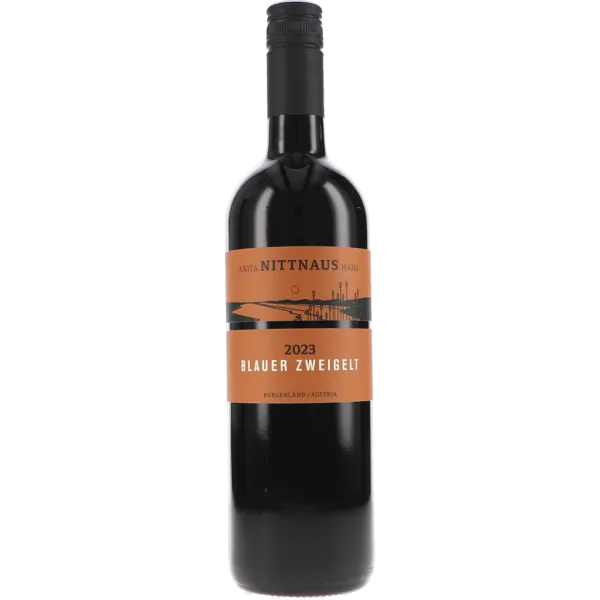
Natural wine, a radical interpretation of biodynamic viticulture, is gaining increasing importance in Austria. These wines are made without any additives or interventions, resulting in unique and often surprising flavour profiles. Winemakers such as Anita and Hans Nittnaus as well as Gernot Heinrich have established themselves as pioneers of this movement. They forgo filtration, fining and added sulphur in order to produce wines that reflect the terroir in its purest form. Although natural wines are often polarising, they have found a loyal following among wine enthusiasts who appreciate the authenticity and liveliness of these wines. The natural wine movement in Austria is helping to expand the boundaries of traditional viticulture and to open up new perspectives on wine quality and enjoyment.