
 EN
EN  DE
DE  FR
FR  IT
IT 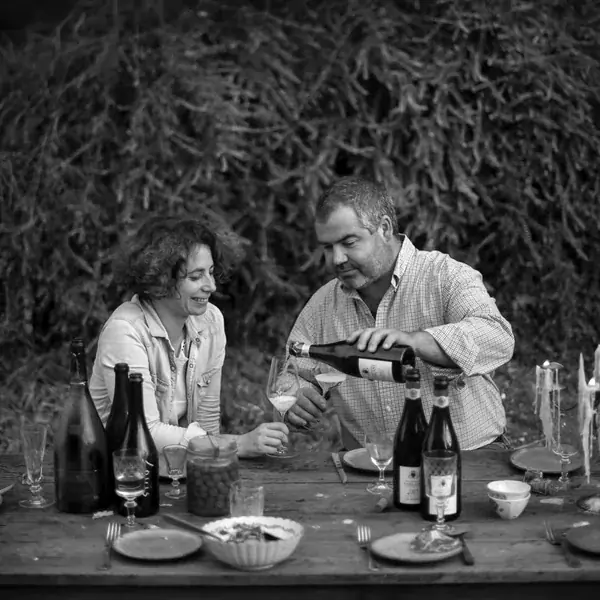
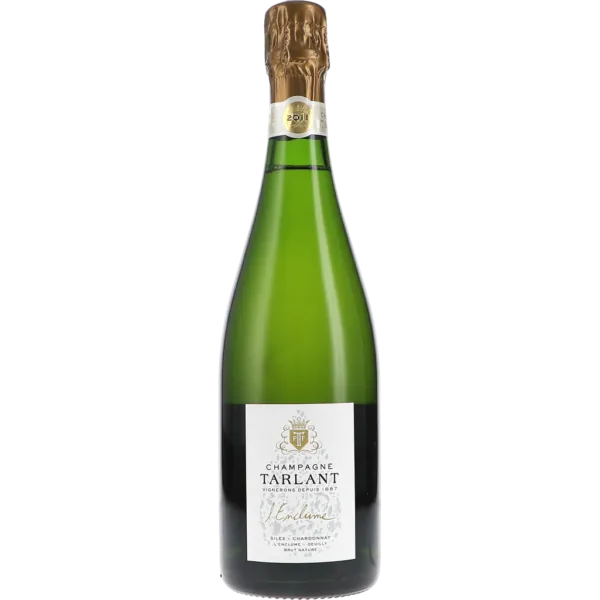
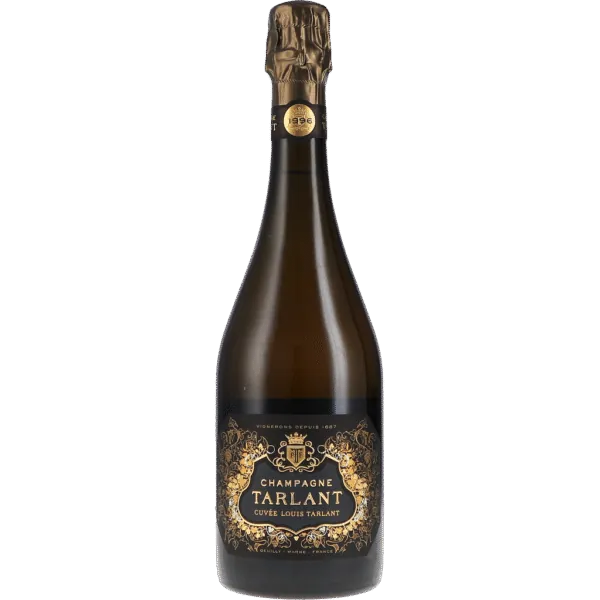
In 1911, winegrowers blocked the roads of Champagne. Among them was Louis Tarlant, mayor of Œuilly, who fought against the grandes marques that were selling Portuguese grapes as Champagne. That spirit lives on today at Champagne Tarlant – now in their twelfth generation, Benoît and Mélanie run an estate that has existed since 1687 and has been producing Champagne without any dosage since the 1970s. Decades before Brut Nature became a trend, the Tarlants had already dispensed with sugar. Fourteen hectares across four villages, divided into some sixty parcels, six of the seven grape varieties permitted in Champagne, ungrafted Chardonnay vines rooted in the sandy soil of the Les Sables vineyard site since 1962 – here, rebellion and craftsmanship come together to create Champagnes of uncompromising purity.
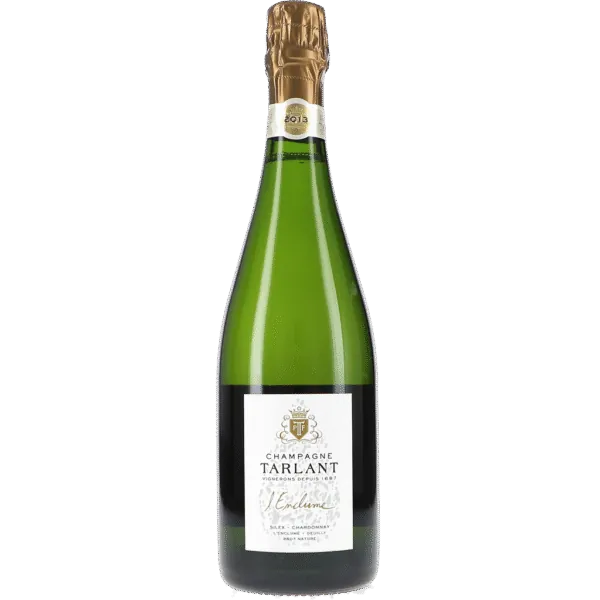
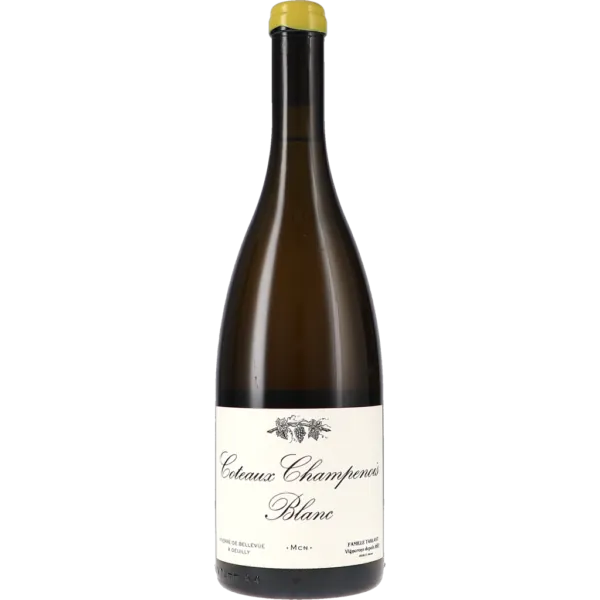
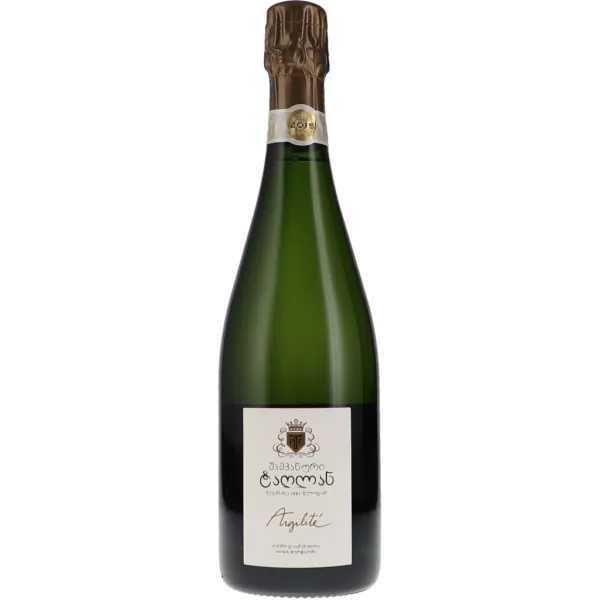
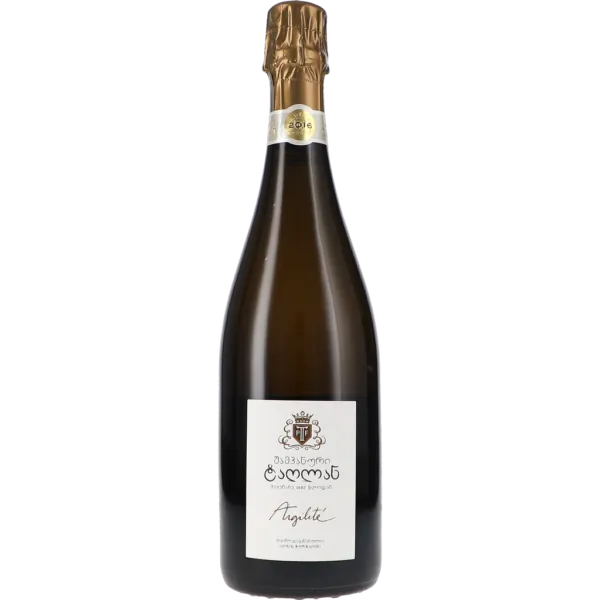
More about Tarlant
The rebels of Œuilly
When the big Champagne houses of the early 20th century imported grapes from all over France and even from Portugal and sold them as Champagne, the growers had had enough. In 1911 came the Champagne Revolution, and Louis Tarlant was on the front line. As mayor of Œuilly he organised the resistance and in 1911 helped draw the boundaries of Champagne. He came home from the First World War to devastated vineyards and swore never again to sell a single grape to the big houses. In 1928 he bottled his first own cuvée. At the time there were fewer than ten independent grower Champagne producers in the entire region.
Zero ahead of its time
Jean-Mary Tarlant, father of Benoît and Mélanie, carried the rebellion further. In the late 1970s he began bottling Champagne without any dosage, at a time when people laughed at him for it. Today 90 per cent of Tarlant’s production is Brut Nature. No added sugar means nothing can be corrected: the wine has to convince on its own. Jean-Mary also returned to barrel fermentation when everyone else had long since moved to stainless steel. Today’s generation, with Benoît in the vineyard and cellar and Mélanie in sales and management, has kept firmly to this path: ecological farming, wild yeasts, no filtration, no malolactic fermentation.

The sand that defeated phylloxera
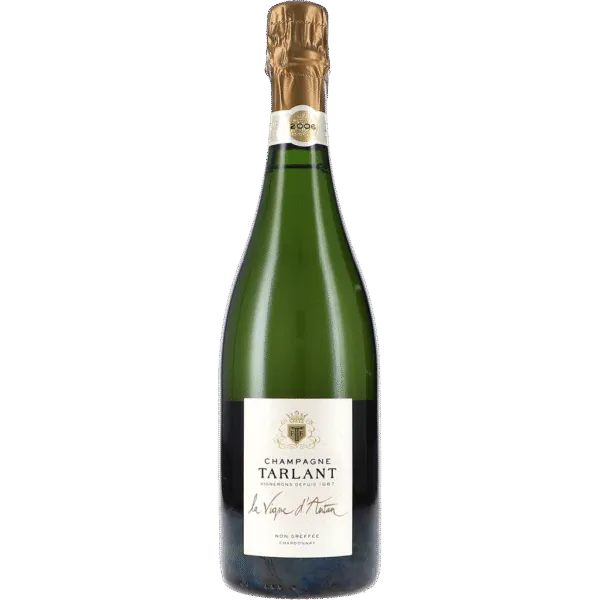
The Les Sables plot lives up to its name. The soil is so sandy that phylloxera never gained a foothold there. In 1962 the Tarlants raised ungrafted Chardonnay vines here by layering (“provignage”): a shoot is buried until it takes root. Own-rooted vines of this kind account for less than 0.1 per cent of all vines in Champagne. La Vigne d'Antan is the result: a Blanc de Blancs of breathtaking minerality, aged for eight to twelve years on the lees.
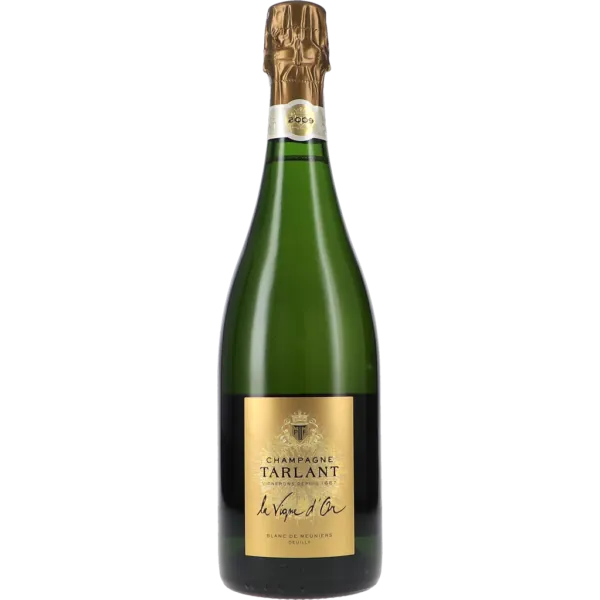
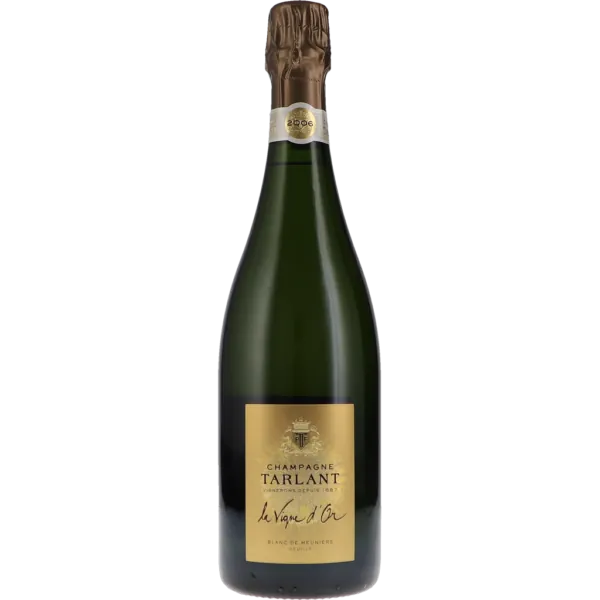
Equally remarkable is La Vigne d'Or, a pure Pinot Meunier from vines planted in 1947. In a region that often treats Meunier as filler, this Champagne shows how much depth the variety can reach.
BAM! and the forgotten grapes
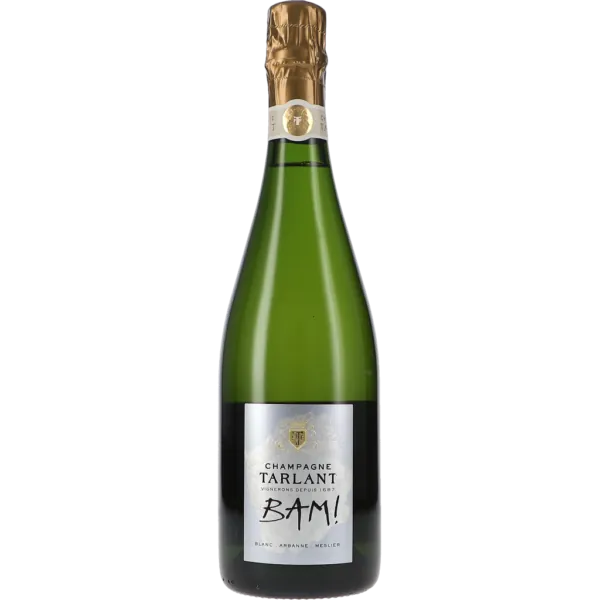
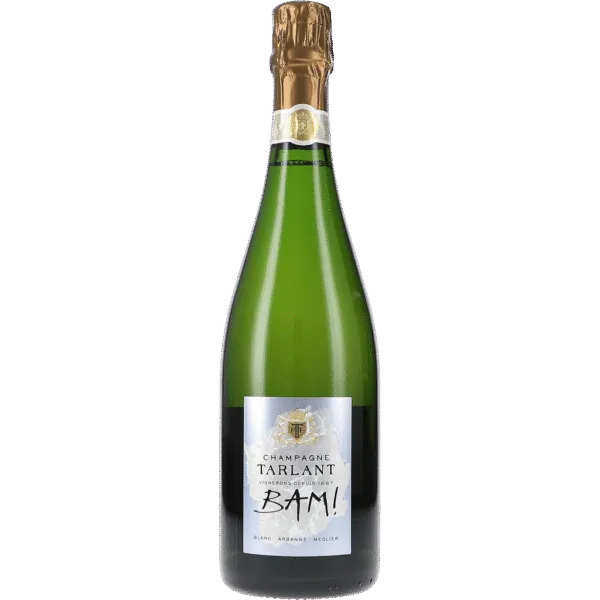
The acronym stands for Blanc, Arbane, Meslier, three almost extinct grape varieties of Champagne. While other producers rely on the three classic varieties, the Tarlants grow all seven classic ones. BAM! combines 46 per cent Petit Meslier with Pinot Blanc and Arbane, late-ripening varieties that Benoît Tarlant sees as an answer to climate change. “Diversity in the plants is the key to becoming more resilient,” he explains.

Twelve generations, one principle
The Tarlants stand in a line with growers such as Georges Laval, who have proven that great Champagne does not come out of marketing departments. Their bottles have appeared on the wine list at Noma in Copenhagen, five times voted the best restaurant in the world. What began in 1911 with road blockades is today a quiet revolution in bottled form: Champagne that hides nothing and shows everything.
Frequently asked questions about Tarlant
What does “Brut Nature” mean for Tarlant Champagne?
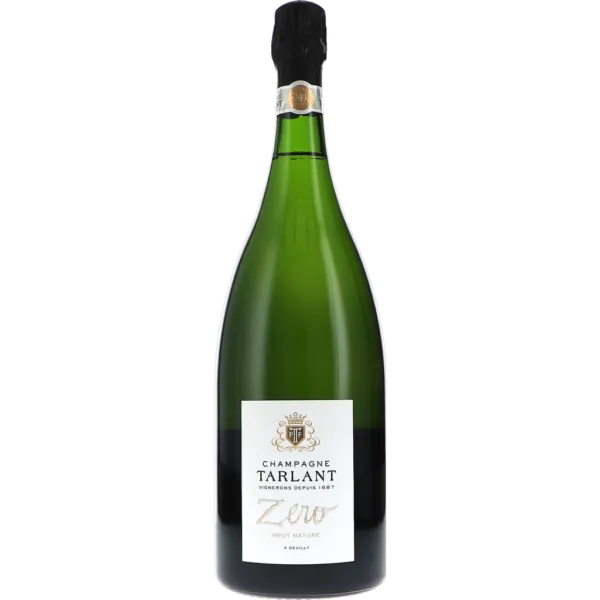
Brut Nature means that no sugar (dosage) is added to the Champagne after the second fermentation. At Tarlant, more than 90% of production is Brut Nature, and has been since the 1970s, long before it became a trend. The result is Champagne of uncompromising purity, in which terroir and grape quality come through unfiltered.
Which grape varieties does Tarlant use?
Tarlant grows all seven classic grape varieties of Champagne: Chardonnay, Pinot Noir, Pinot Meunier and the rare varieties Pinot Blanc, Arbane, Petit Meslier and Pinot Gris. Particularly remarkable are the own-rooted Chardonnay vines planted in 1962 in the sandy soil of the Les Sables plot.
What makes Tarlant Champagne so special?
Three things set Tarlant apart: 12 generations of experience since 1687, a pioneering role in sugar-free Champagne since the 1970s, and unique terroir treasures such as the own-rooted Chardonnay vines in the sandy soil of Les Sables. Add to that ecological farming, wild yeasts, barrel fermentation and 8–12 years of ageing on the lees, methods that many houses are only now rediscovering.
Which Tarlant Champagne is best for newcomers?
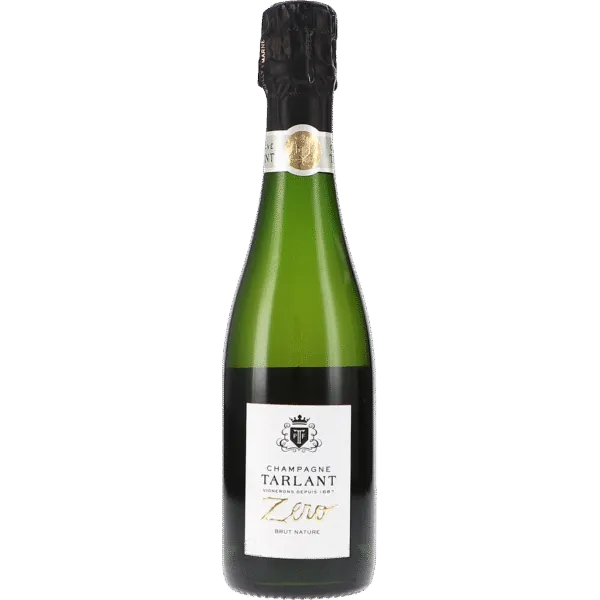
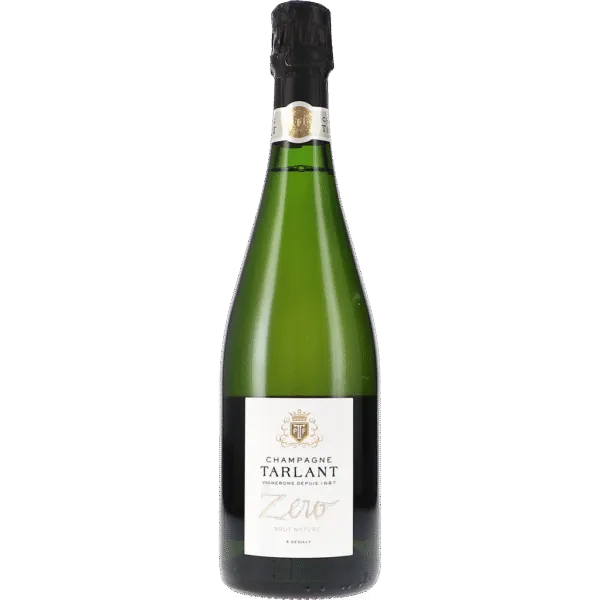
The Tarlant Zero Brut Nature is the ideal introduction, a blend of all three main grape varieties that perfectly embodies the Tarlant profile: precise, mineral and without dosage. Lovers of Pinot Meunier should try La Vigne d'Or, Chardonnay fans La Vigne d'Antan from own-rooted vines.
Is Tarlant an organic Champagne?
Not certified. Tarlant farms all 14 hectares ecologically: Benoît Tarlant does without herbicides and synthetic plant protection products, natural grass cover grows between the rows, the soil is only worked shallowly, and fertilising is done with green manure or organic fertiliser. Work in the vineyard draws on biodynamic practices. The estate does not seek a label; for the Tarlants, substance is what counts.