White wine
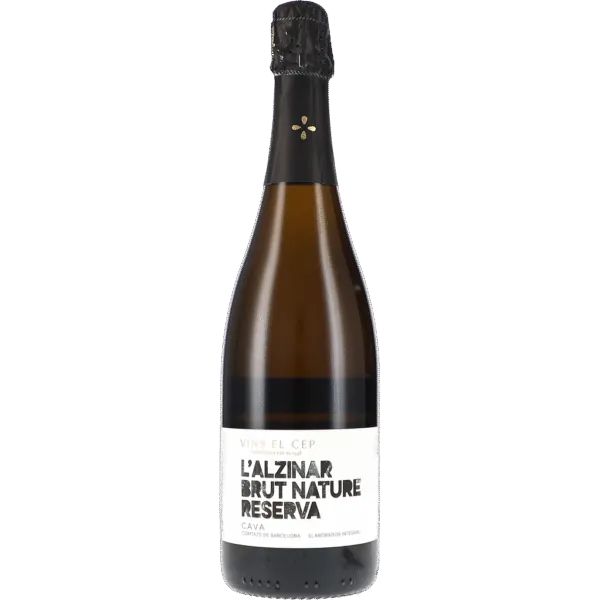
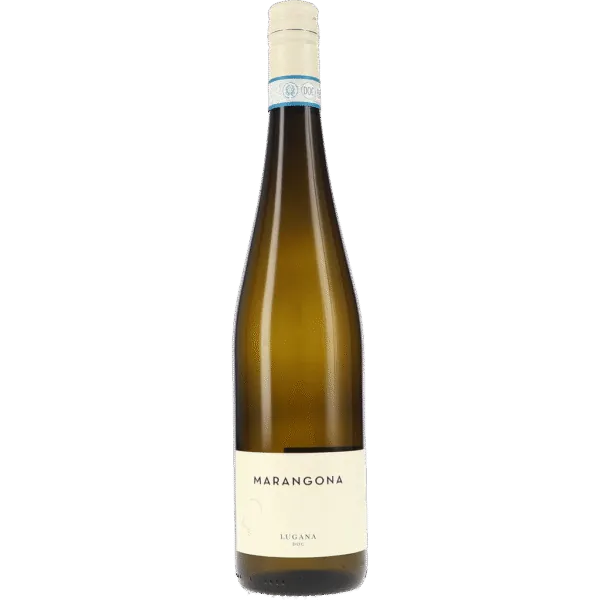
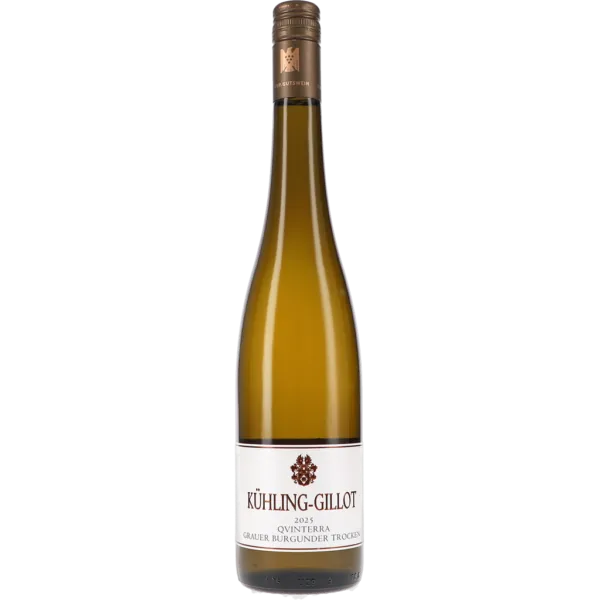
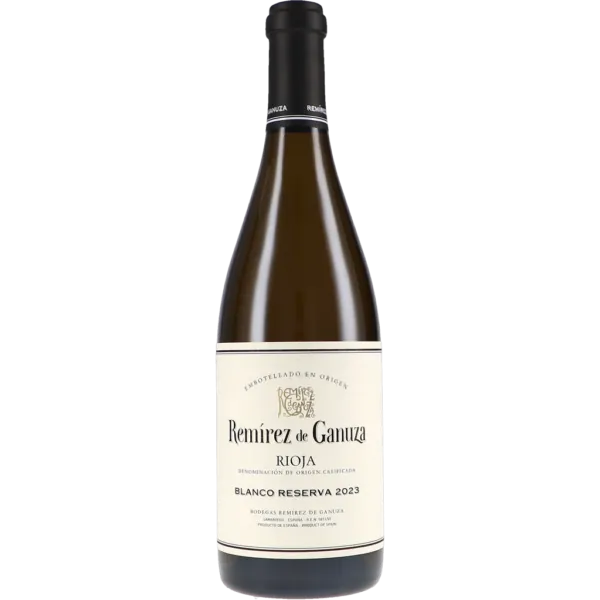
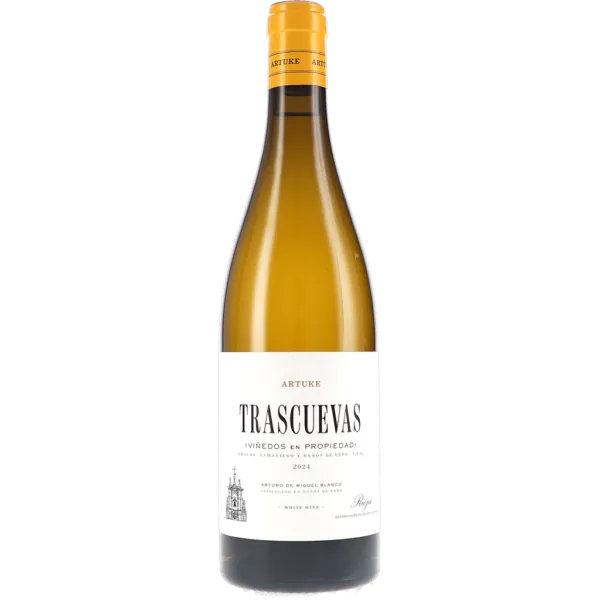
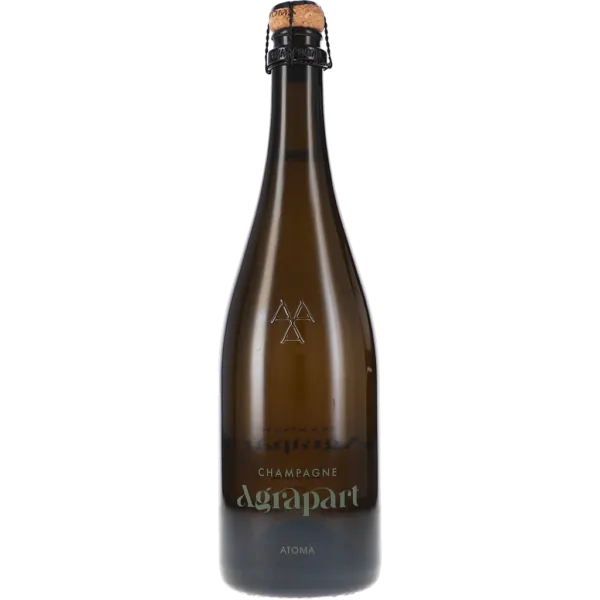
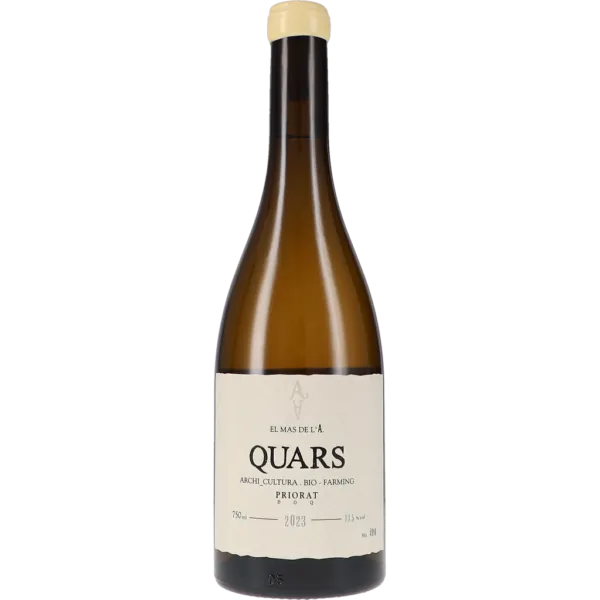
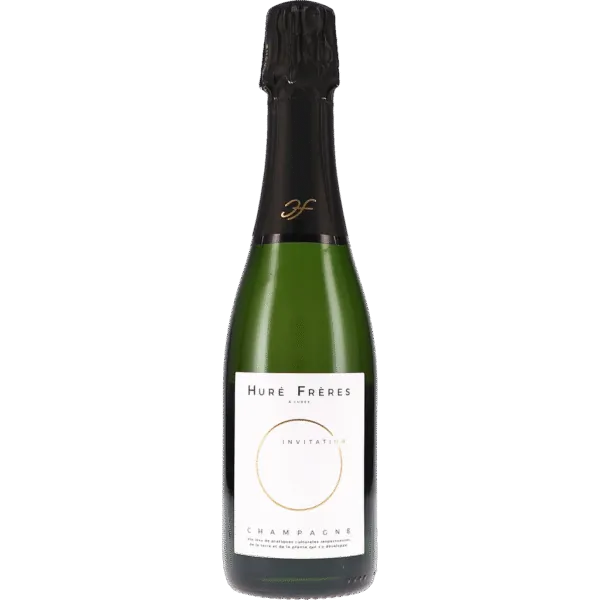
White wine remains pale because the must is fermented without prolonged skin contact; this selection ranges from still Riesling to Champagne. The wines come predominantly from France, Germany and Austria, from estates that tend their vines organically or biodynamically and work with restraint in the cellar.
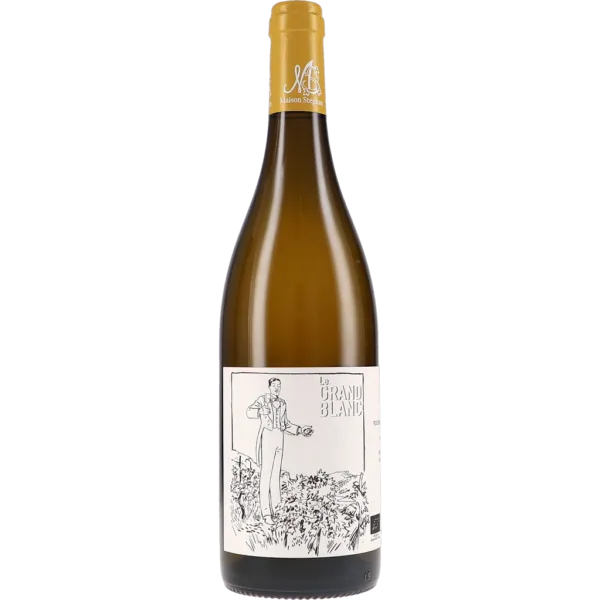
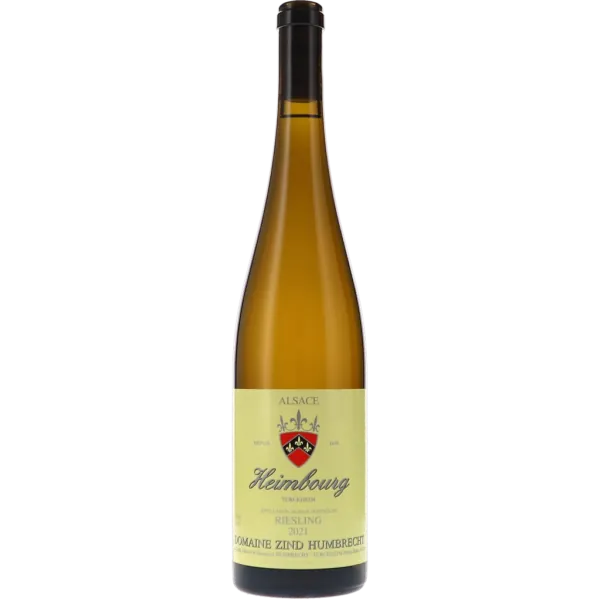
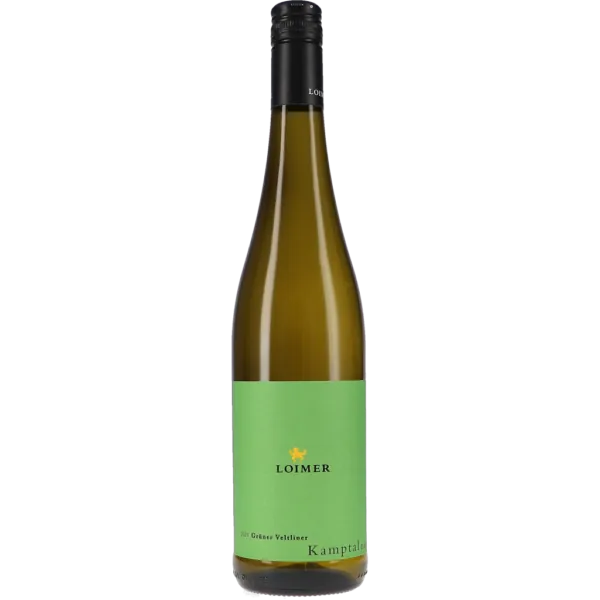
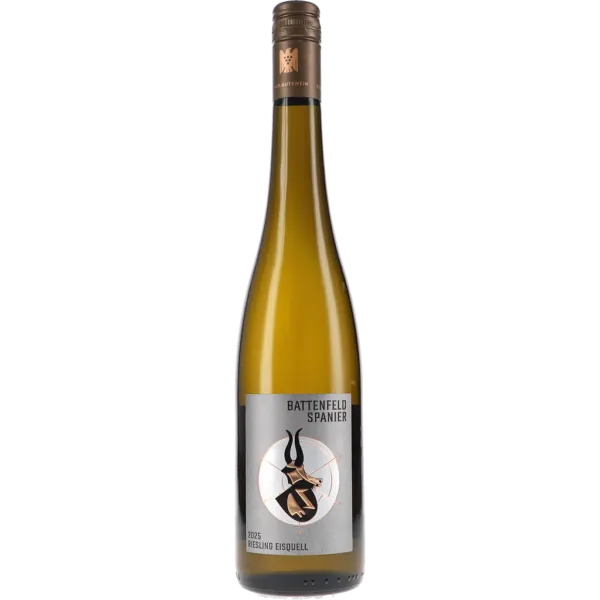
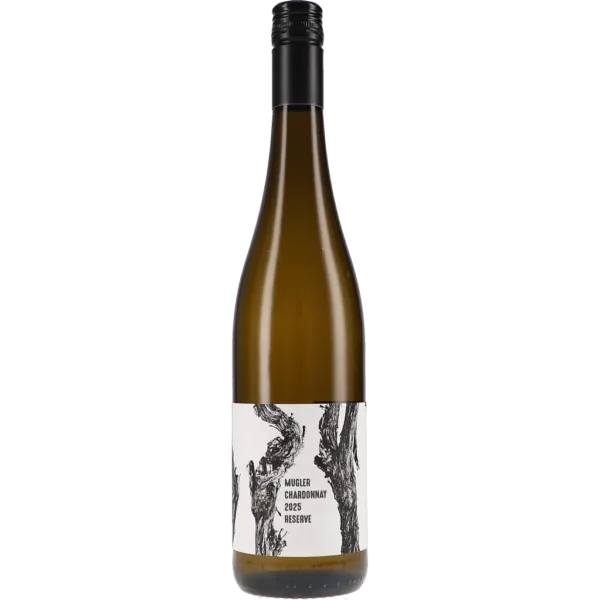
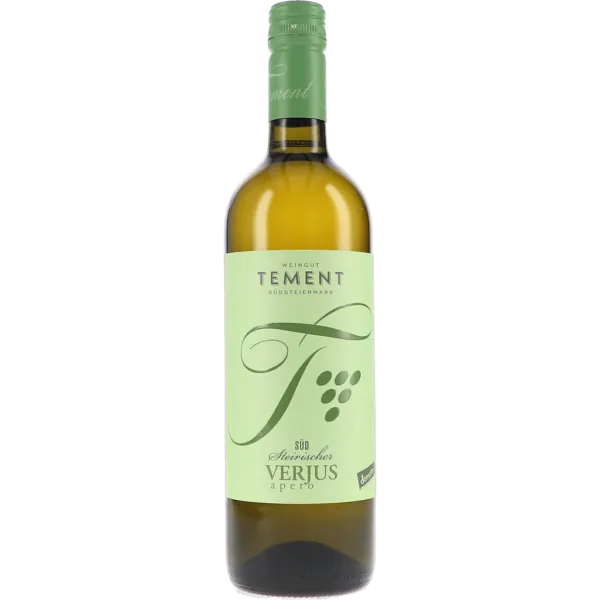
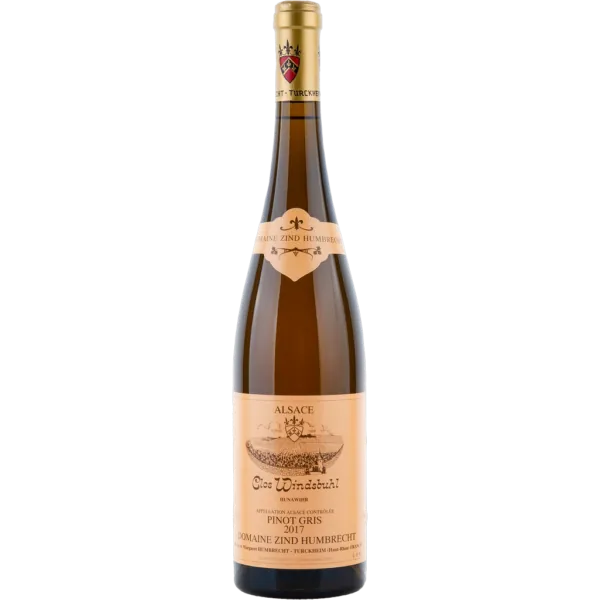
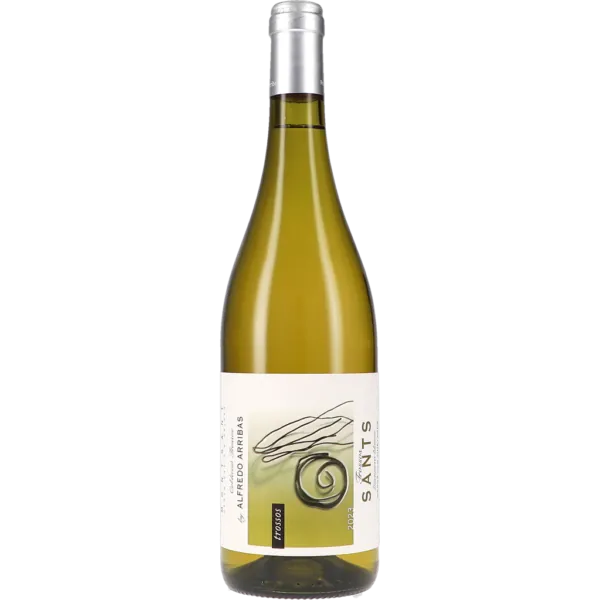
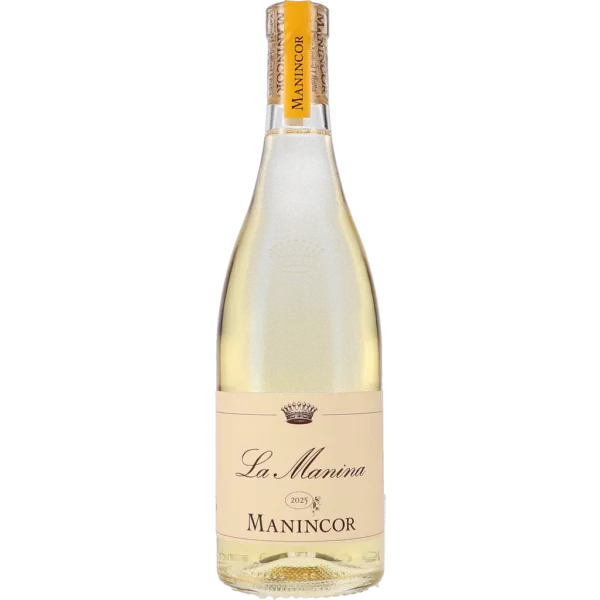
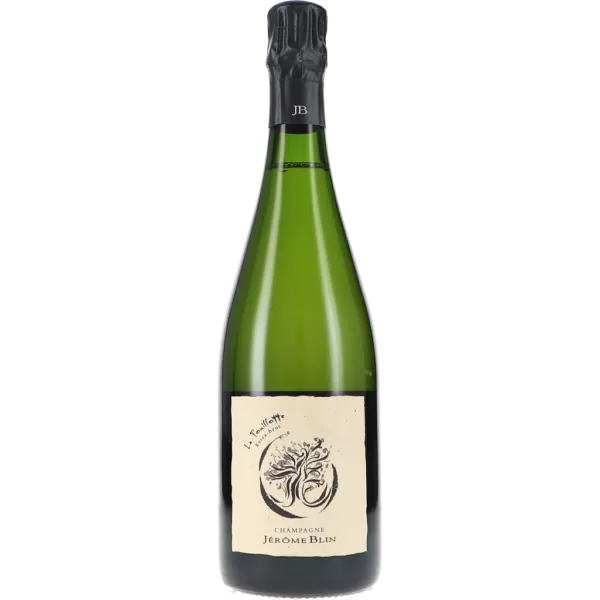
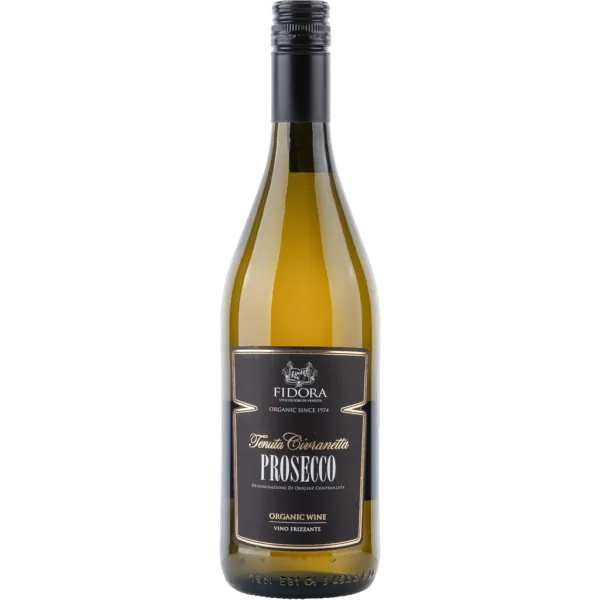
Riesling absorbs the soil on which it stands
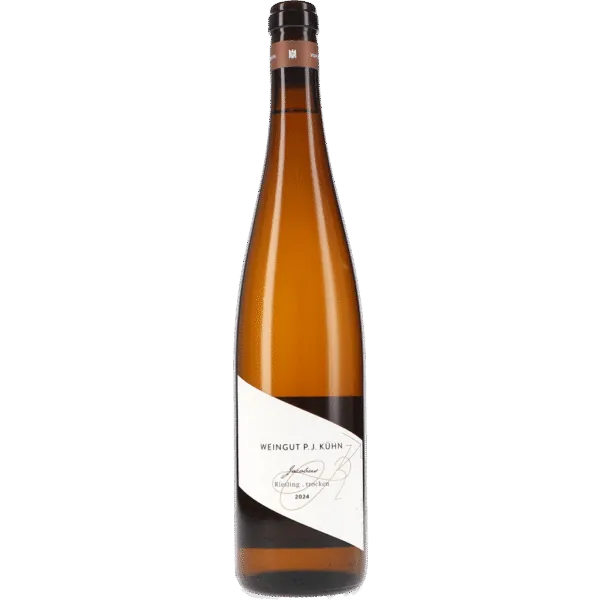
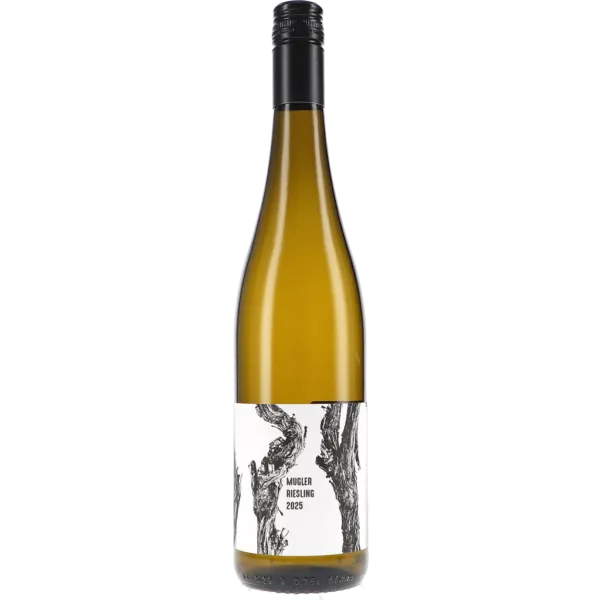
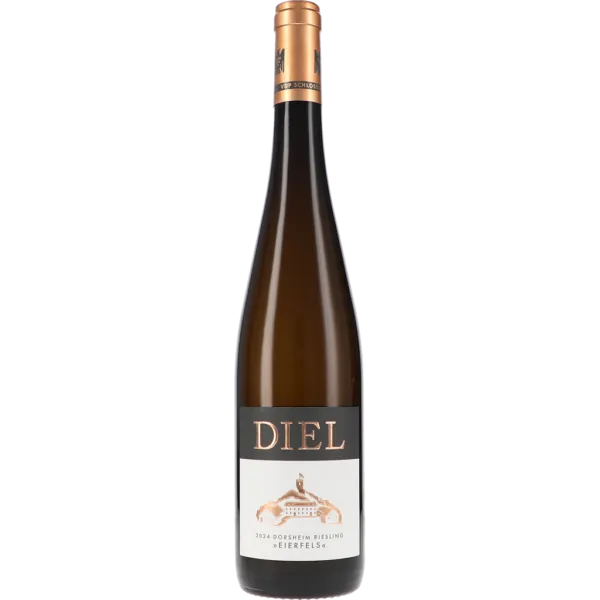
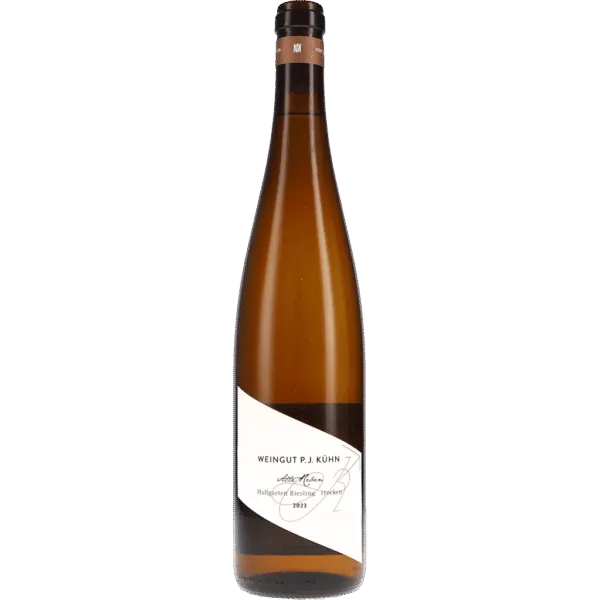
Among white grape varieties, Riesling speaks most clearly of its place. On the Mosel it grows on slate and becomes slender and cool, with citrus and stone fruit; the article Wine from slate explains how this soil shapes it. In the Palatinate, Rieslings grown on limestone and loess develop more body, while in the Rheingau Peter Jakob Kühn works biodynamically and shows just how precise a dry Riesling can be. Acidity remains the backbone, carrying the wines from dry to lusciously sweet.
Chardonnay gains its depth in Burgundy
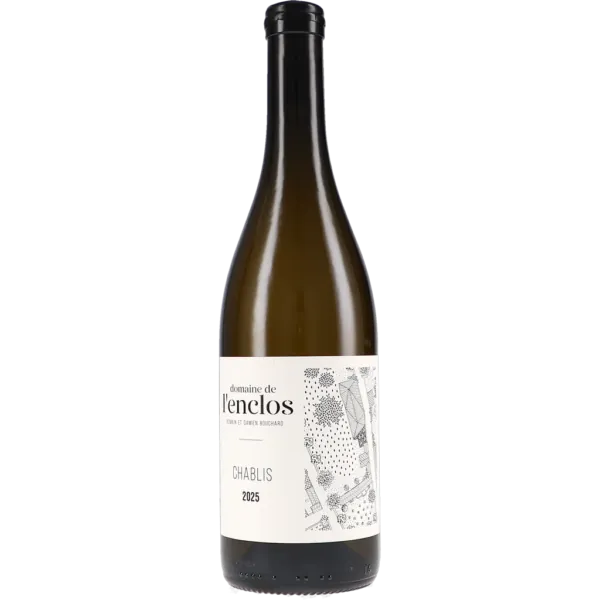
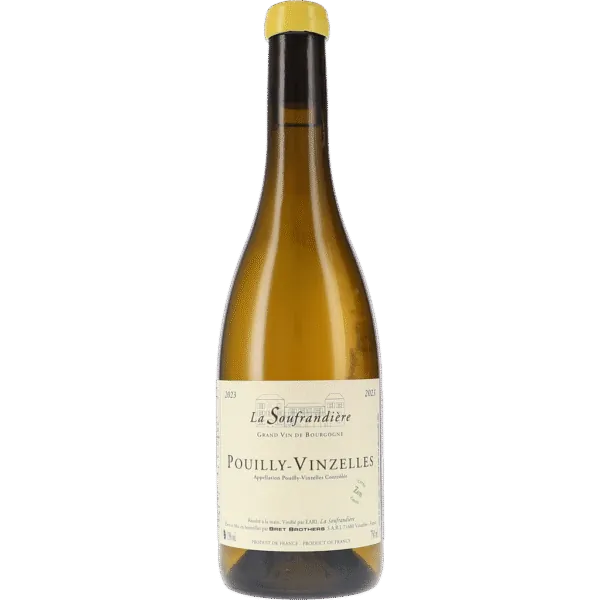
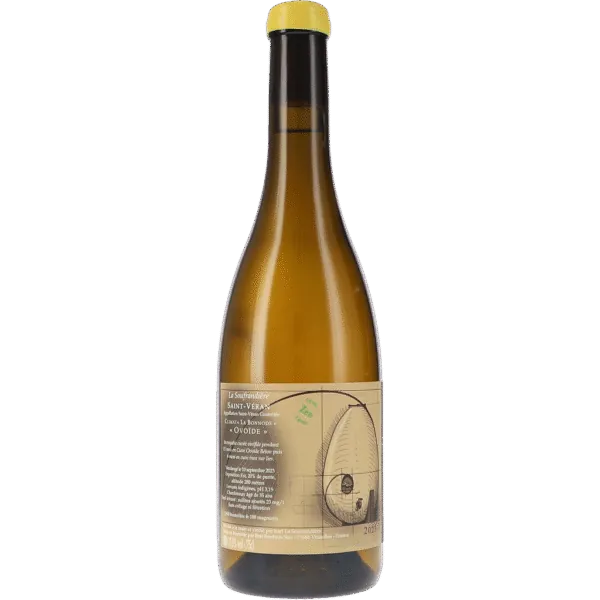
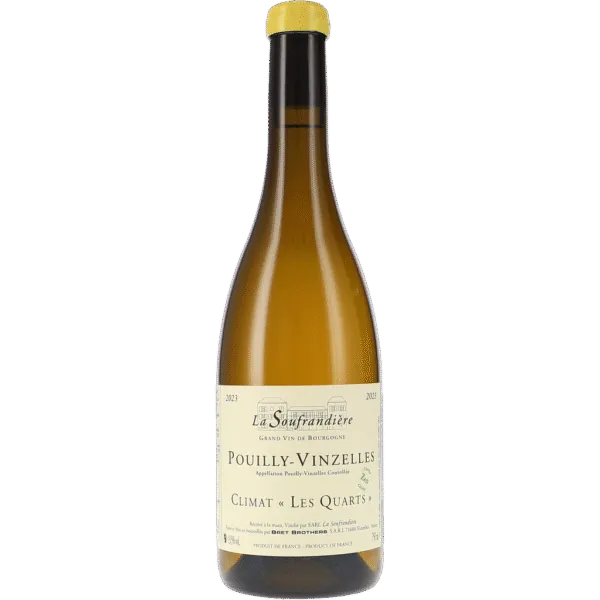
The second great white variety thrives best on limestone. In Burgundy, above all on the Côte de Beaune, Chardonnay ripens into wines that smell of nuts and yellow apple and acquire a touch of butter through ageing in wooden casks. In the southern Mâconnais, La Soufrandière crafts biodynamic Chardonnays of a tauter style. With this variety, the method of maturation matters more than the fruit: steel keeps it cool and linear, wood lends breadth and spice.
At the table, acidity and sweetness decide
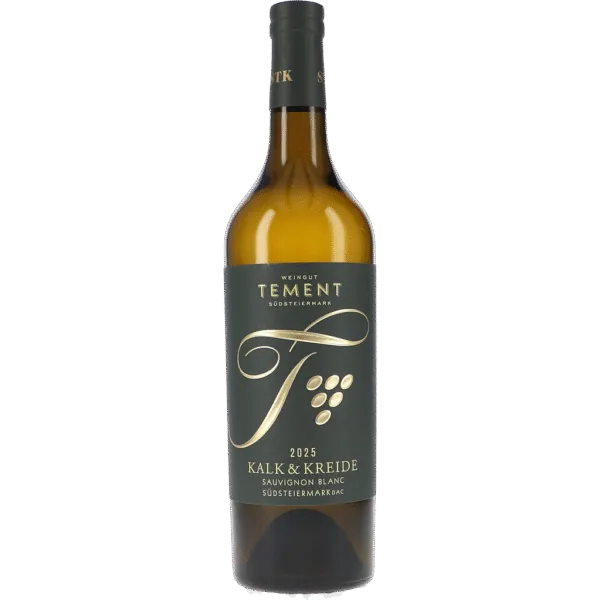
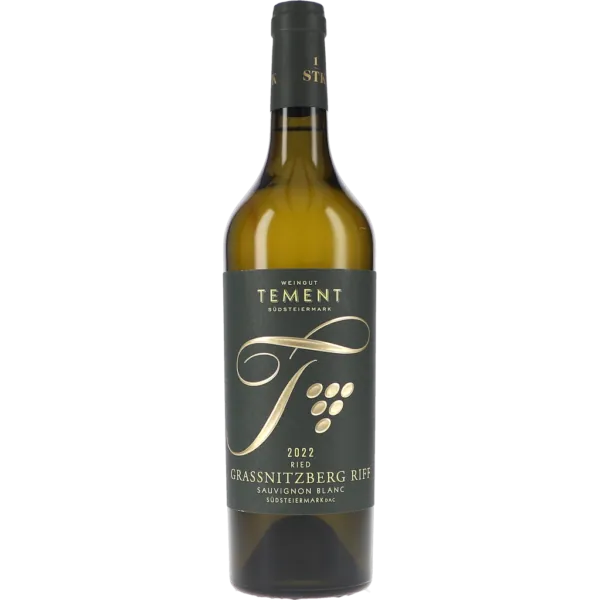
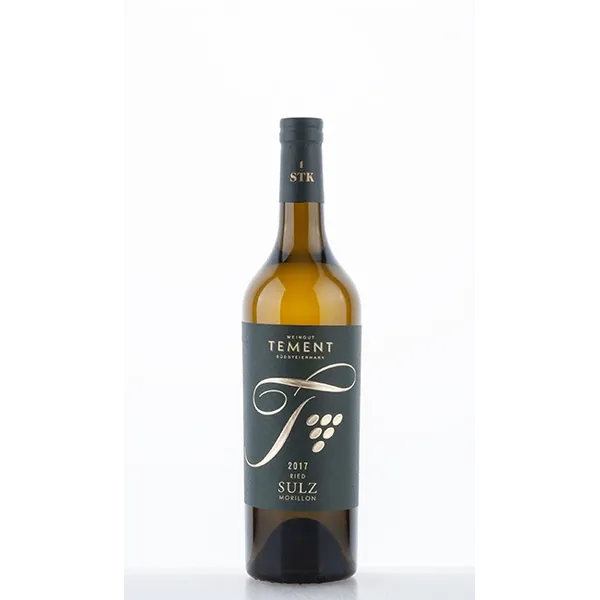
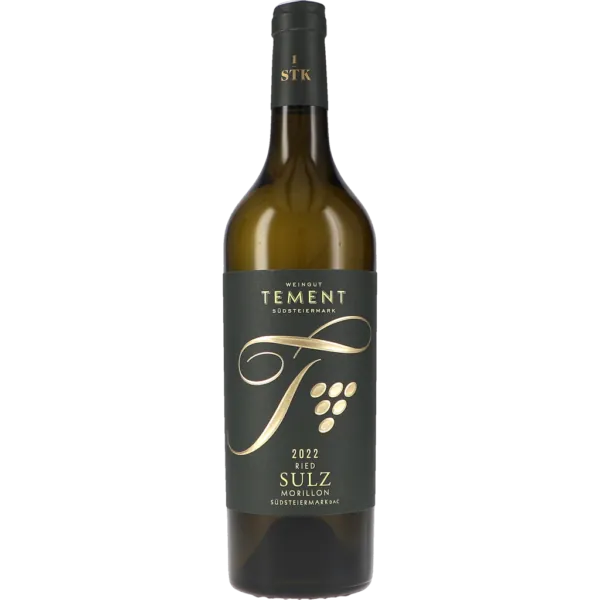
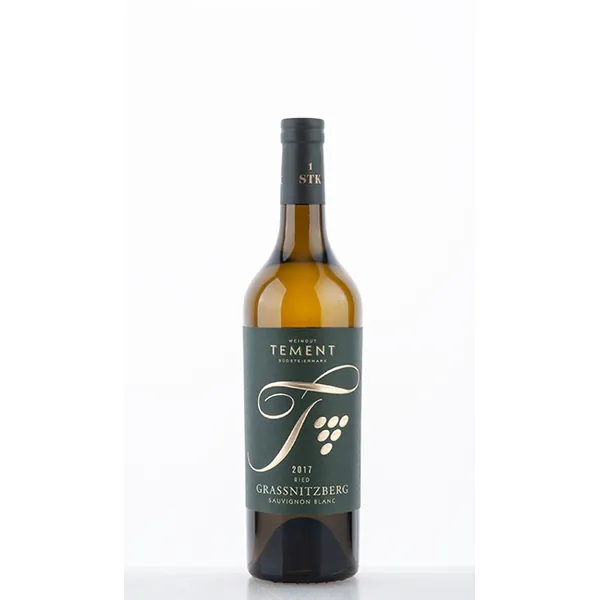
A dry Riesling with lively acidity enlivens fish and light poultry, while a Chardonnay aged in wooden casks can stand up to risotto and mushrooms. If you are looking for a wine to accompany mussels, reach for a cool, taut structure, such as a Sancerre or a Sauvignon Blanc from Southern Styria, where Tement matures the variety with herbal precision. Noble sweet wines accompany blue cheese and desserts, because their sweetness needs a counterpoint.
 EN
 DE
 FR
 IT