
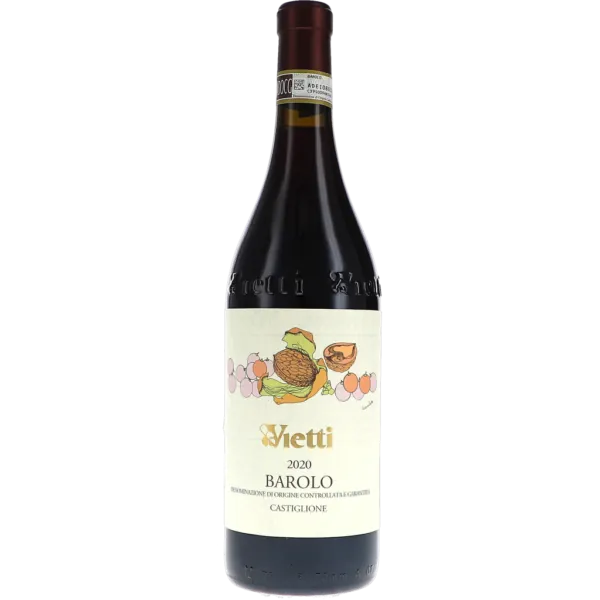
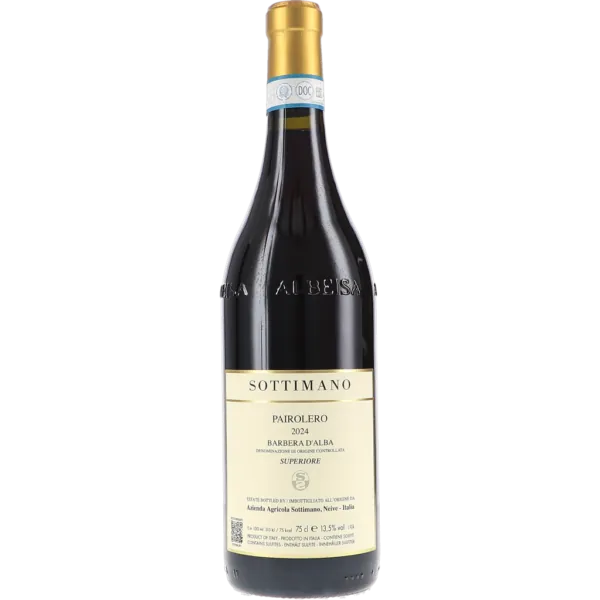
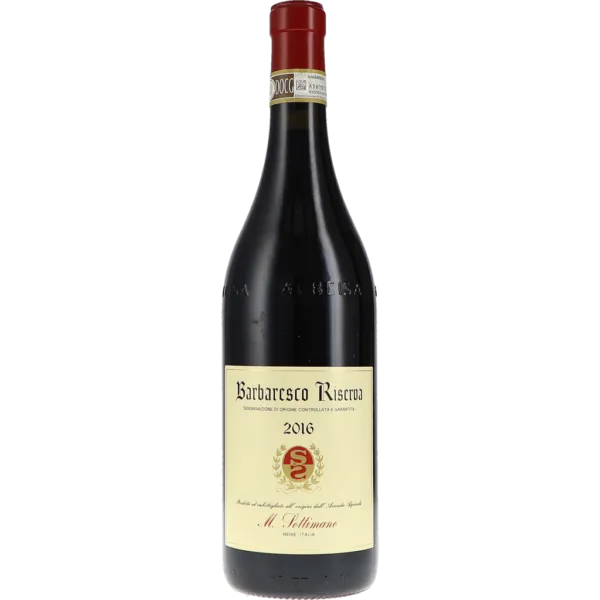
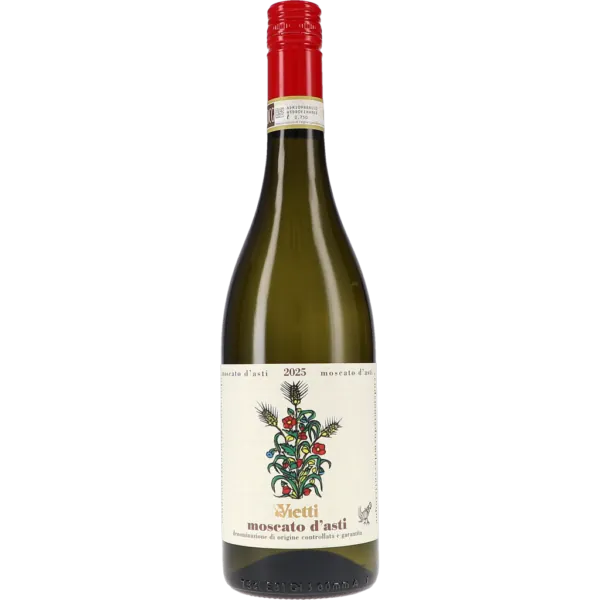
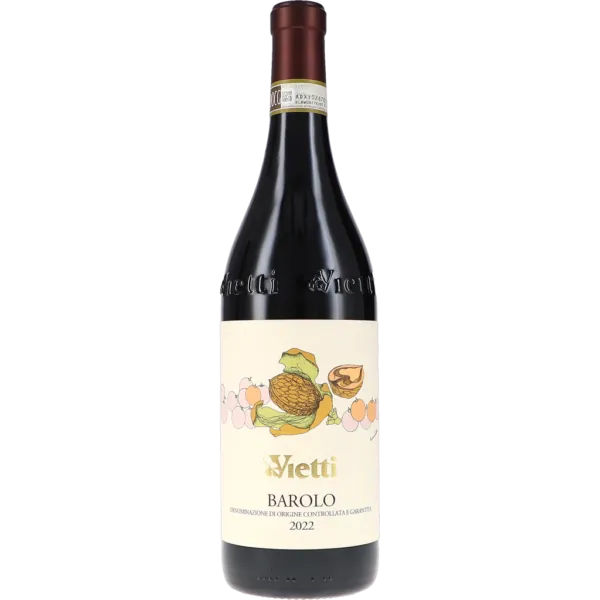
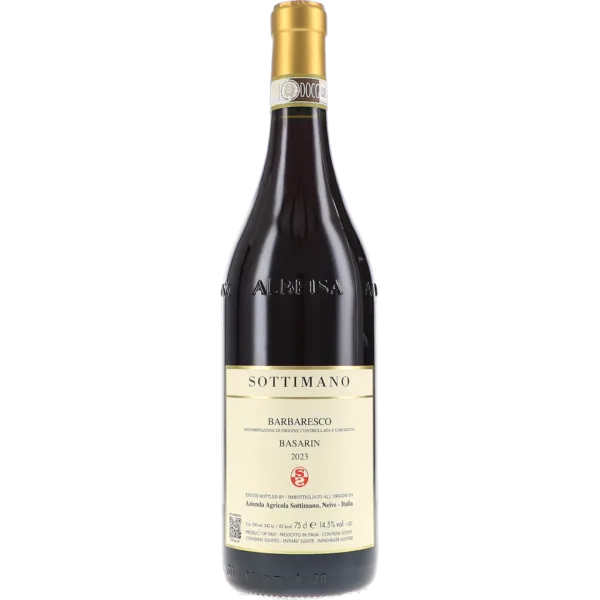
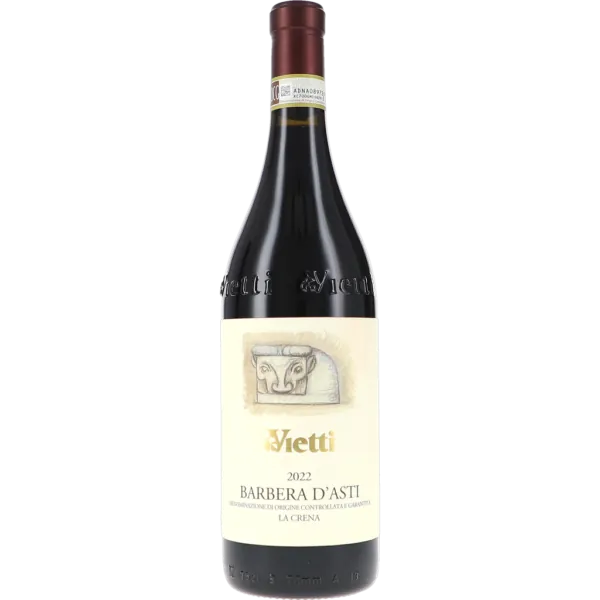
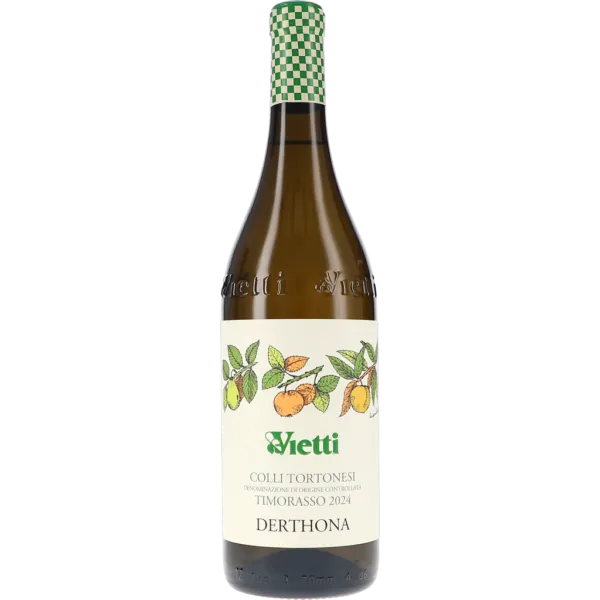
In autumn, mist lies over the hills of the Langhe, and it is precisely this mist – nebbia – that gave the Nebbiolo grape its name. It ripens late, long after Barbera and Dolcetto, on limestone and marl soils between Alba and the Tanaro river. From it come Barolo and Barbaresco, Italy’s most structured red wines; alongside them, Arneis grows on the sandy steep slopes of the Roero and Timorasso further east in the Colli Tortonesi. Our wines from Piedmont come from Vietti in Castiglione Falletto, which has been making wine since 1873 and saved Arneis from extinction; from Sottimano in Neive, which has farmed organically for over forty years and ferments spontaneously; and from Chiara Boschis, who modernised Barolo as the only woman among the Barolo Boys.
More about Piemont
Barolo, Barbaresco and the appellations of the Langhe
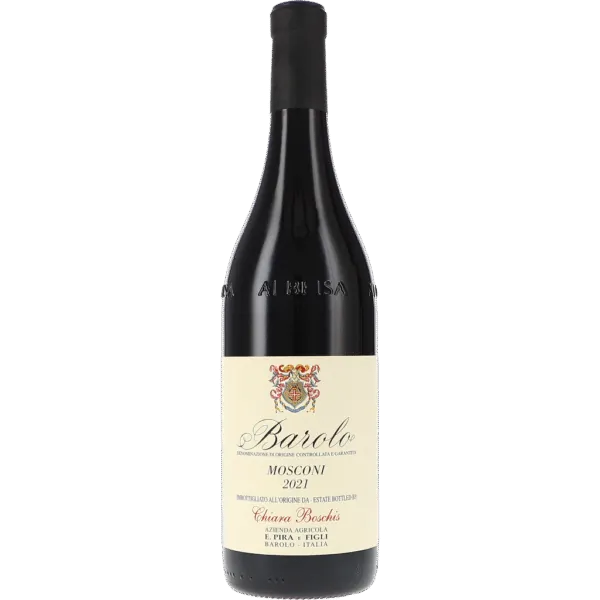
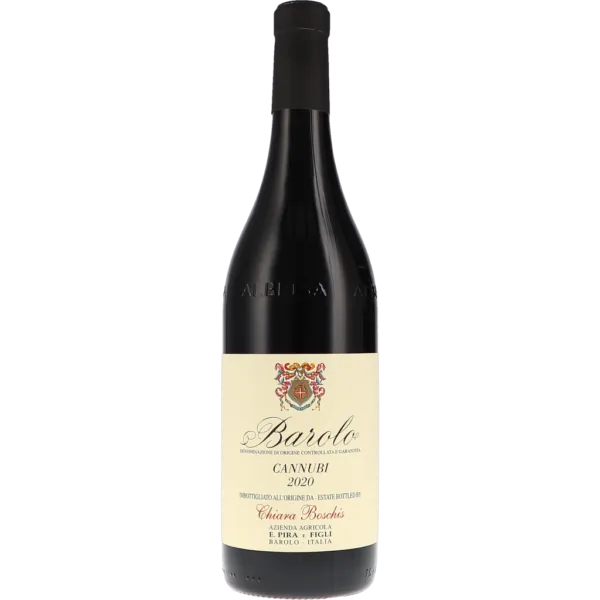
The Tanaro divides the vineyards around Alba into two banks: to the right of the river lie the Langhe with the communes of Barolo and the hills around Barbaresco, and to the left the sandy Roero. Barolo and Barbaresco hold the highest Italian classification, the DOCG, and both are made from pure Nebbiolo. Barolo casts the longer shadow here: its eleven communes stretch from La Morra, with its soft, calcareous marls, to Serralunga d'Alba, where older, more compact soils yield tighter, longer-lived wines. Cannubi near Barolo and Mosconi in Monforte d'Alba are among those vineyard sites whose names have appeared on labels for generations. The Barbaresco zone is smaller, and its wines are often a touch more accessible; Neive is considered its finest village. Grouped around them are the DOC appellations for Barbera d'Alba, Dolcetto d'Alba and Langhe Nebbiolo, the younger, earlier-drinking brother of the great crus.
Limestone, marl and sand: soils and climate
The climate is continental, with cold winters, warm summers and cool nights during the final stages of ripening. It is precisely these variations that give Nebbiolo its tension of dark cherry fruit, violet, tar and fine acidity. In the Langhe, calcareous marl and clay-rich soils dominate, lending the wine tannin and depth. In the Roero, by contrast, the vines stand on a former seabed: steep sandy slopes where Nebbiolo becomes more aromatic and silky, and where the white variety Arneis shines with herbal notes and stony freshness. If you wish to compare the strengths of different vintages, the vintage chart for Piedmont wines offers reliable guidance.
The producers: Vietti, Boschis, Sottimano, Bondonio
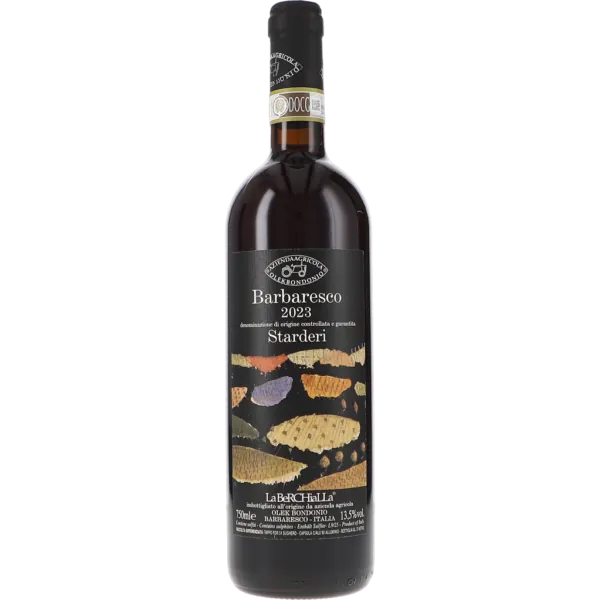
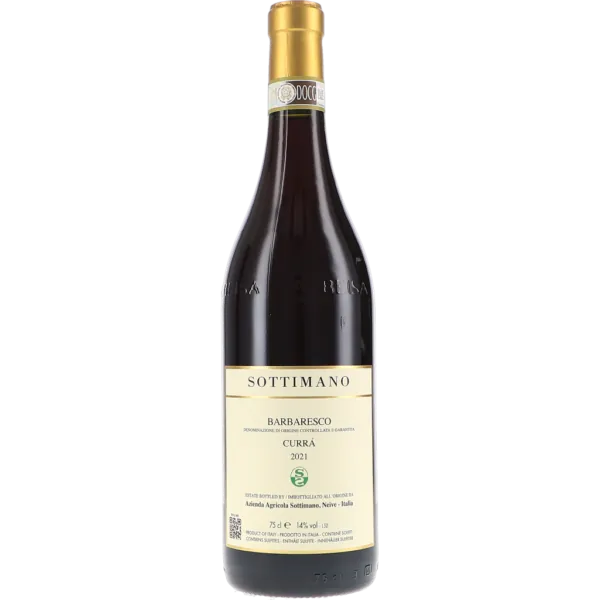
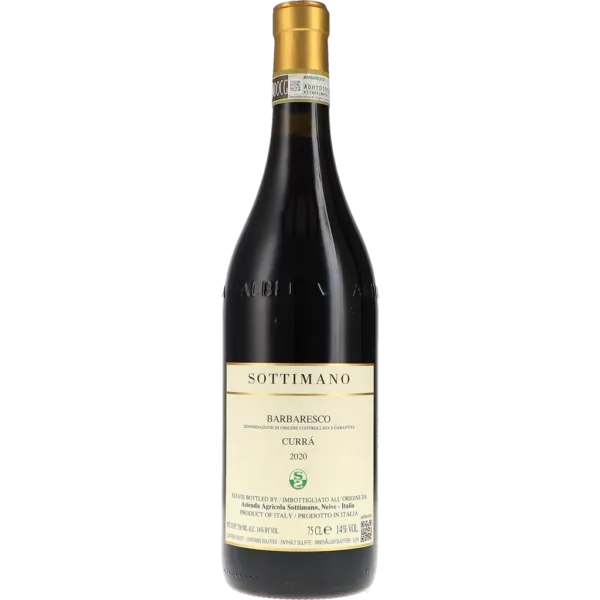
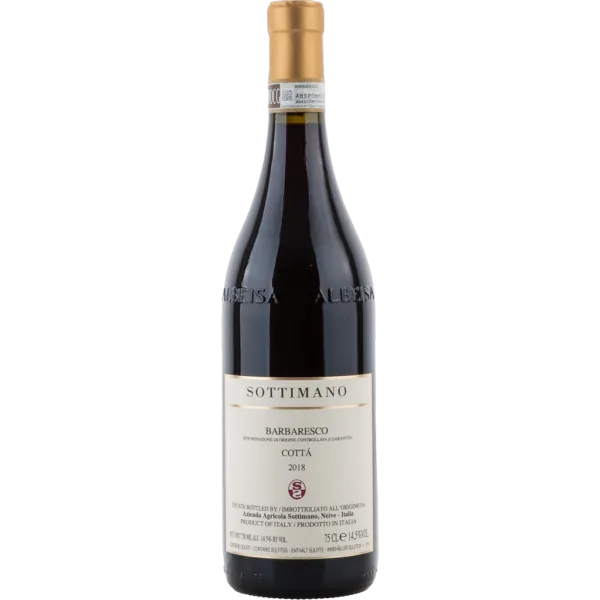
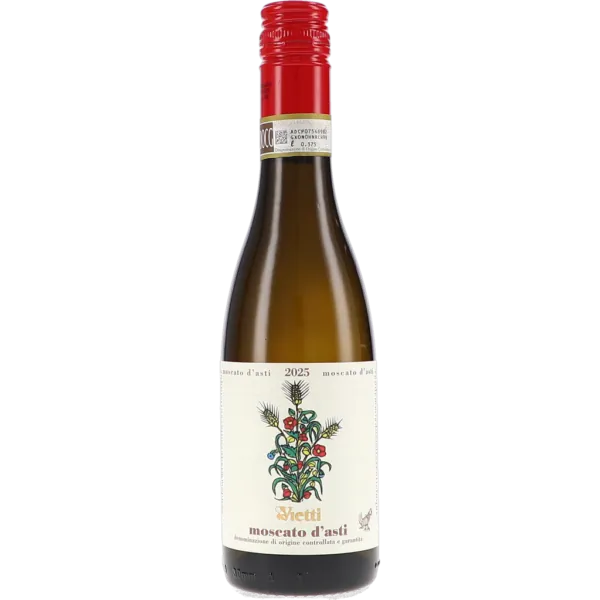
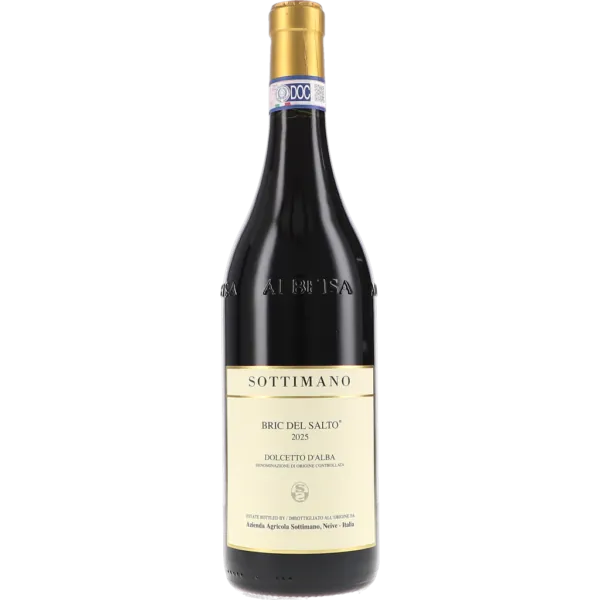
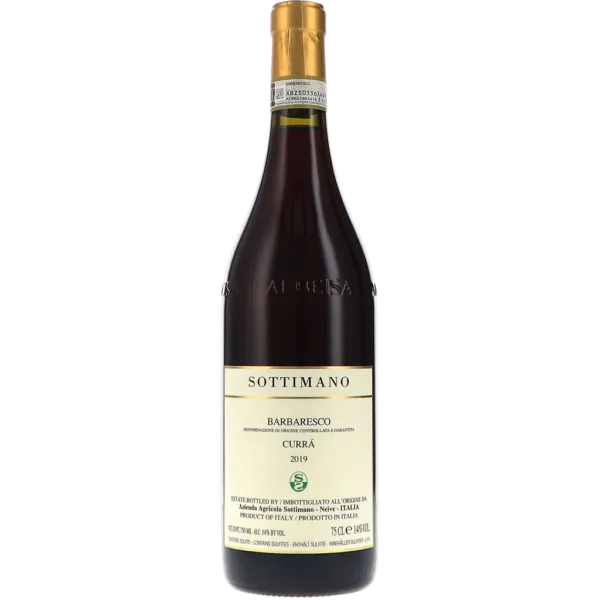
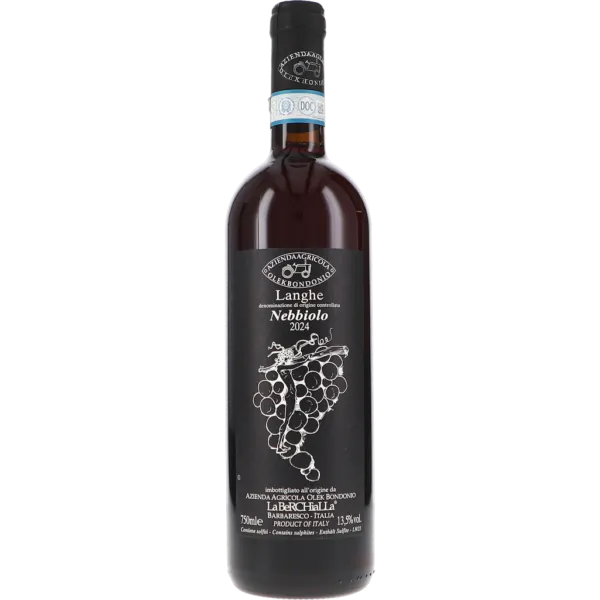
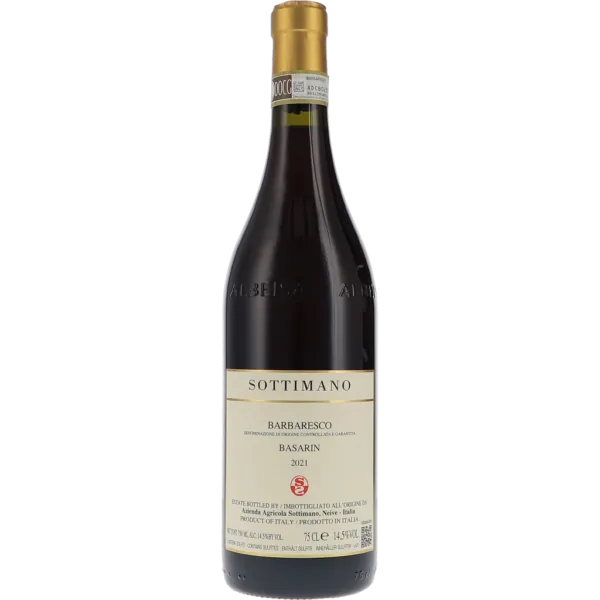
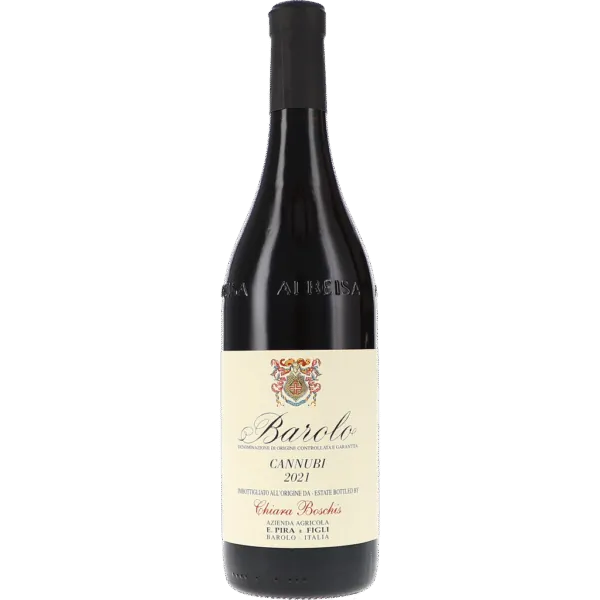
Vietti in Castiglione Falletto is one of the estates that shaped modern Piedmont: Alfredo Currado bottled one of the first Barolo crus early on and saved Arneis; today the single-vineyard sites range from Brunate in La Morra to Lazzarito in Serralunga. Chiara Boschis - E.Pira & Figli farms with organic certification and vinifies two of the most powerful Barolo vineyard sites, Cannubi and Mosconi; alongside these, the Via Nuova follows the tradition of blending several sites, offering dark fruit, fine spice and silky tannins. Sottimano in Neive has farmed organically for over forty years, ferments spontaneously and bottles unfiltered: five single-vineyard Barbarescos from Cottà to Basarin, plus a tightly structured Langhe Nebbiolo as an introduction. Olek Bondonio farms the Roncagliette vineyard site biodynamically, right next door to Gaja; his Barbaresco Roncagliette DOCG 2023 reveals dark fruit, herbal spice and the salty, mineral structure inherent to this site.
Organic and natural wine in Piedmont: Valfaccenda and the Roero
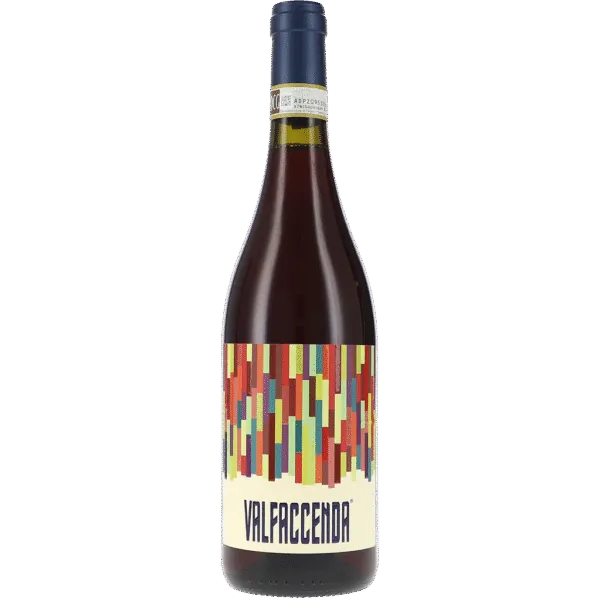
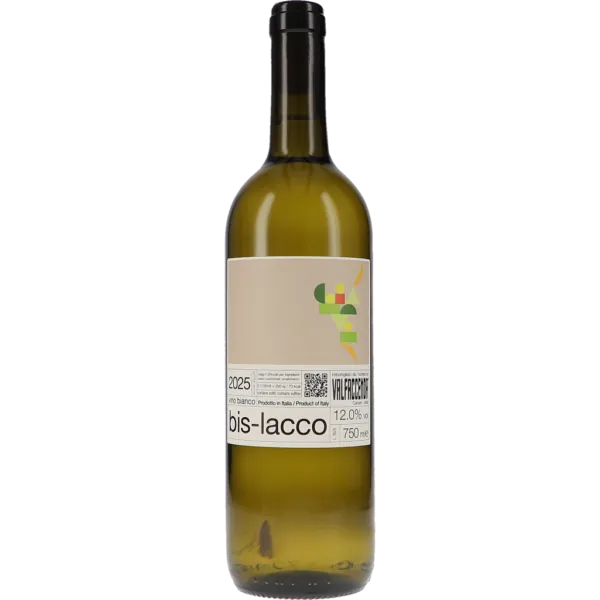
The quiet counter-movement to the all-powerful Barolo unfolds on the other side of the Tanaro. Valfaccenda cultivates three and a half hectares in the Roero on steep sandy slopes, some planted with vines dating back to 1947, certified organic and guided by the principle that everything is already present in the grape. The Roero rosso spends three weeks on the skins and offers aromas of sour cherry and wild herbs, while the Valmaggiore Riserva from the historic sandy sites of Mompellini, Loreto and San Grato shows just how profound Roero Nebbiolo can be. If you are looking for organic wine from Piedmont, you will find the most consistent path here: Valfaccenda, the biodynamic Olek Bondonio and the long-established organic estate Sottimano all forgo additives, do not filter and let the soils speak. A natural wine from Piedmont differs not in the grape variety, but in the philosophy: less wood, less intervention, more origin in the glass.