Sweet wine
Sweet wine is created when noble rot, late harvesting or the drying of the grapes concentrates the sugar and fermentation leaves a portion of it in the wine. This selection brings together Vouvray moelleux, German Auslesen and Sicilian Passito from small estates that work organically and biodynamically and harvest by hand.
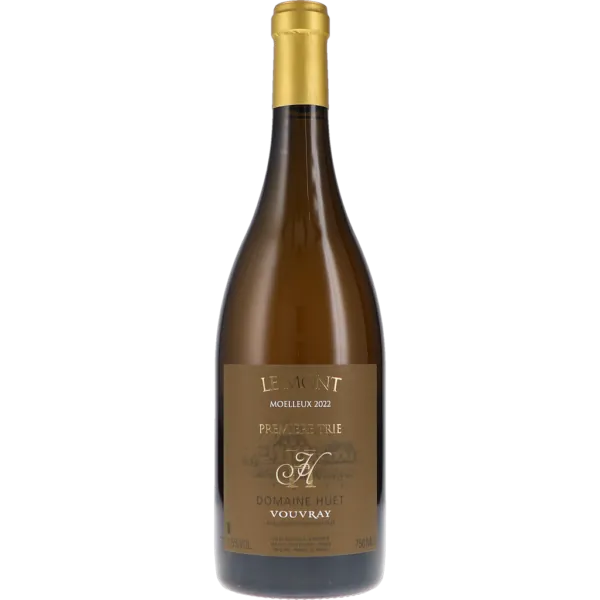
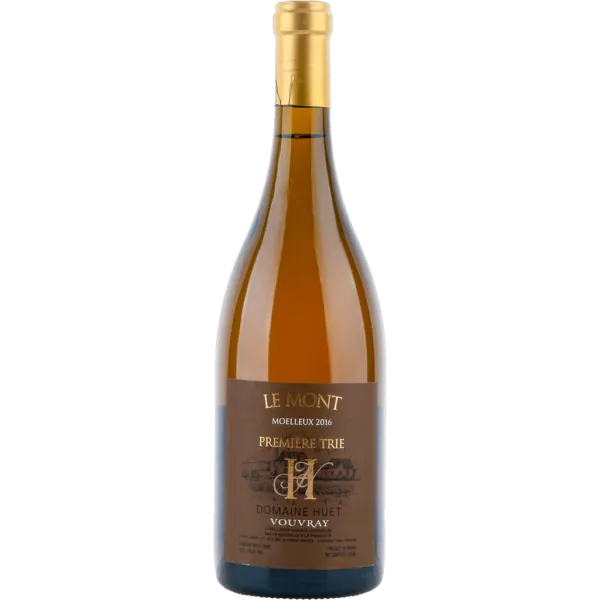
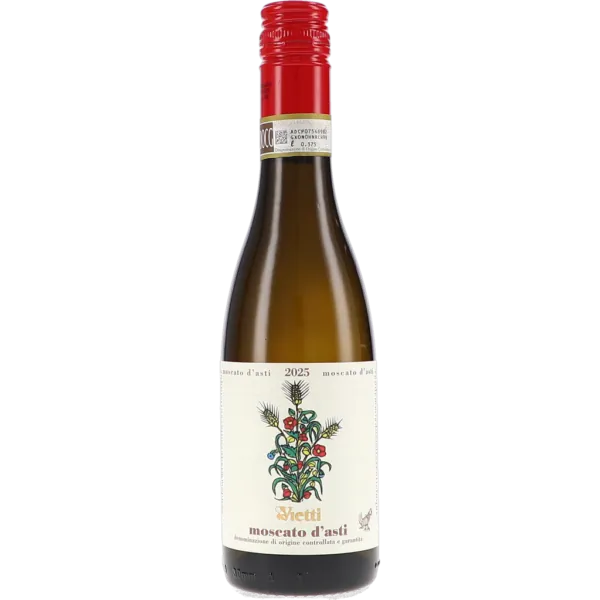
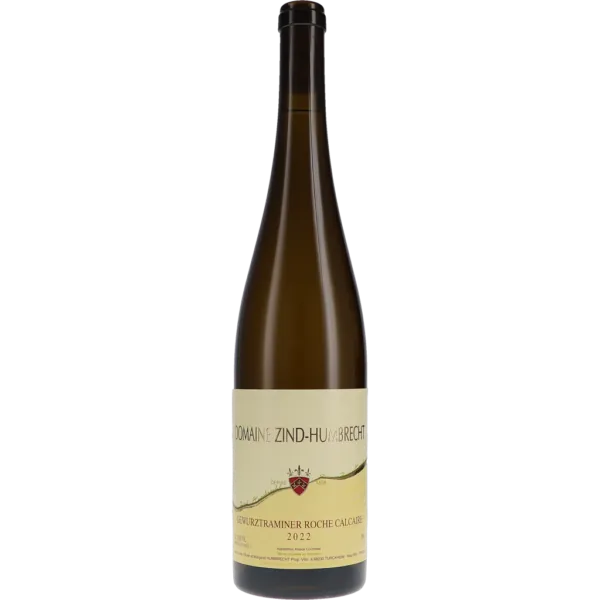
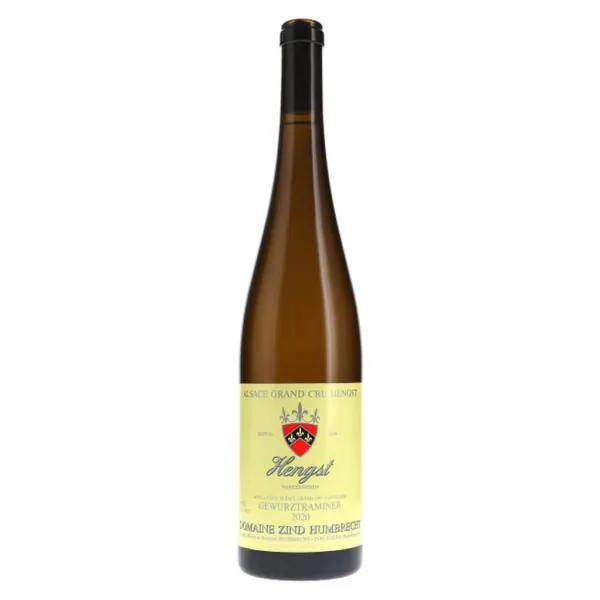
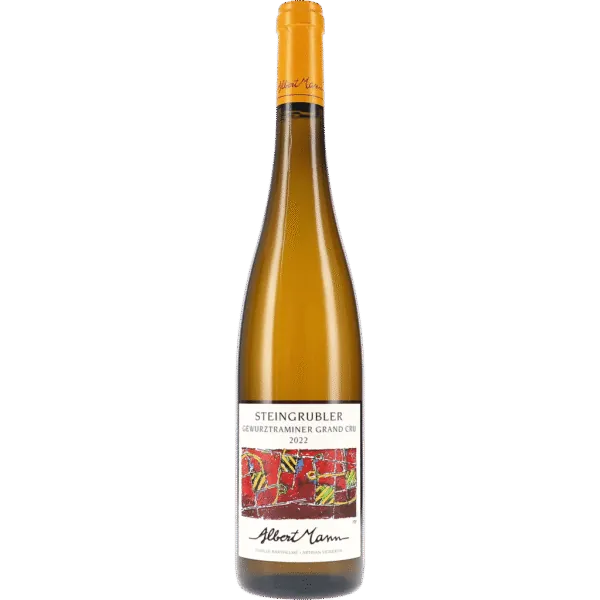
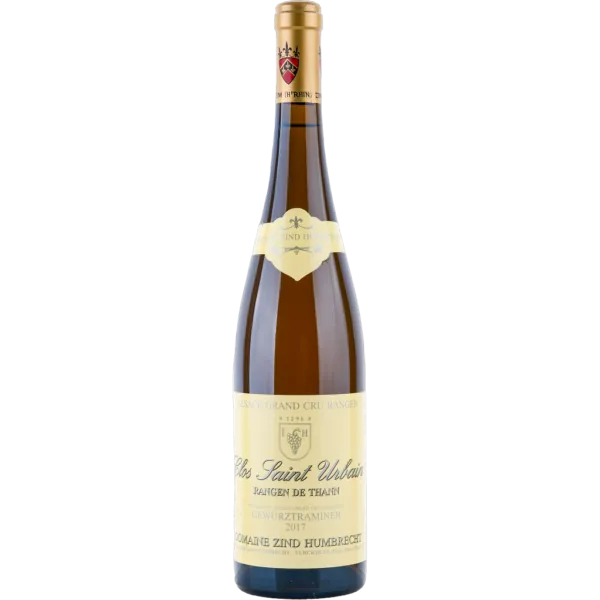
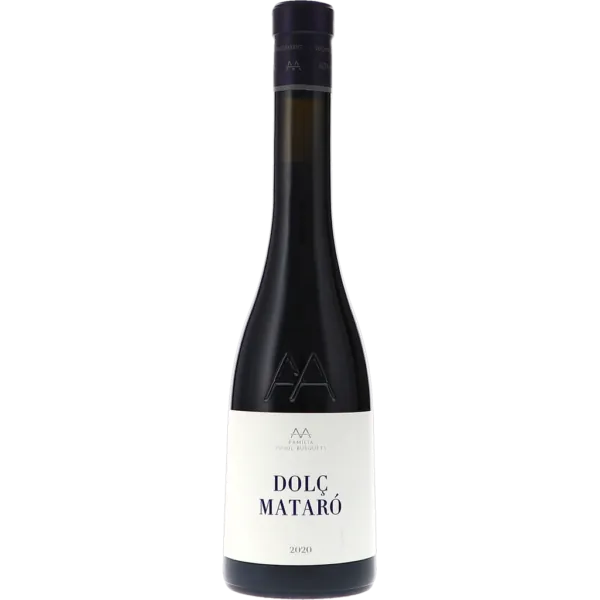
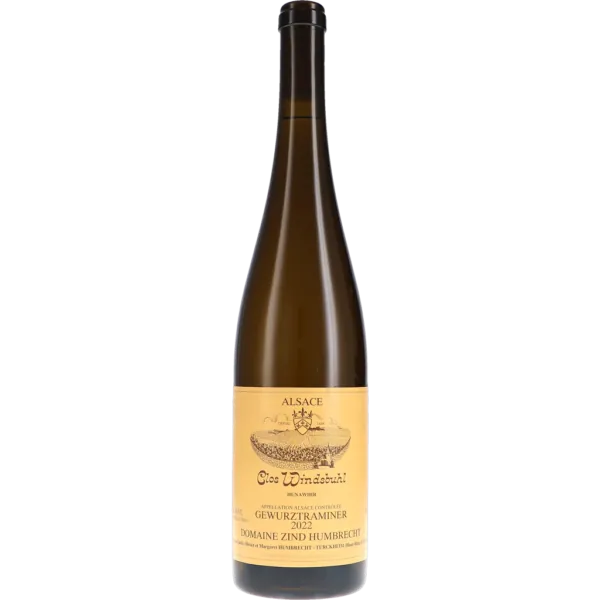
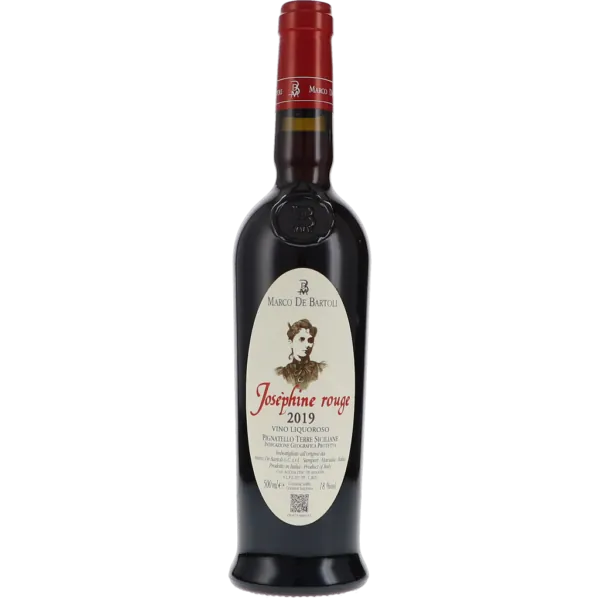
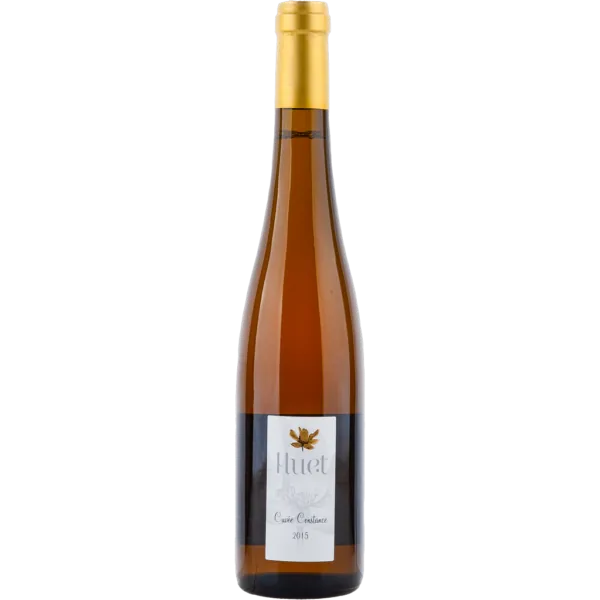
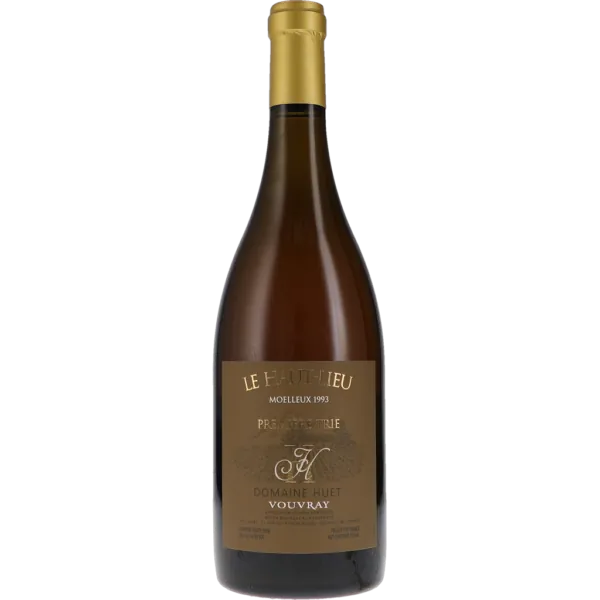
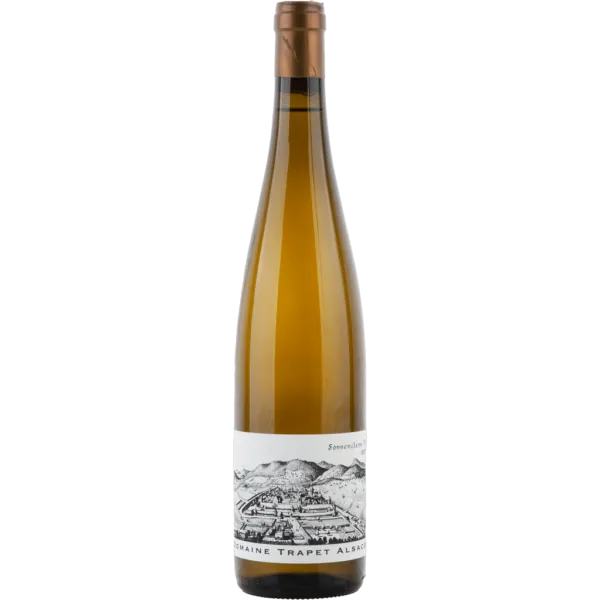
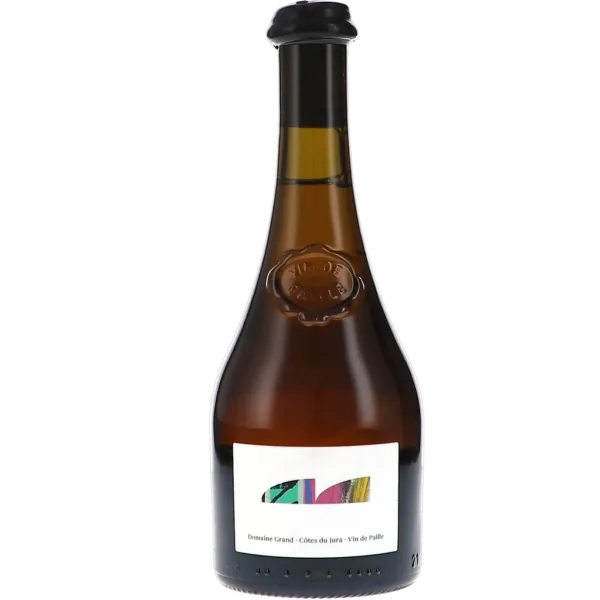
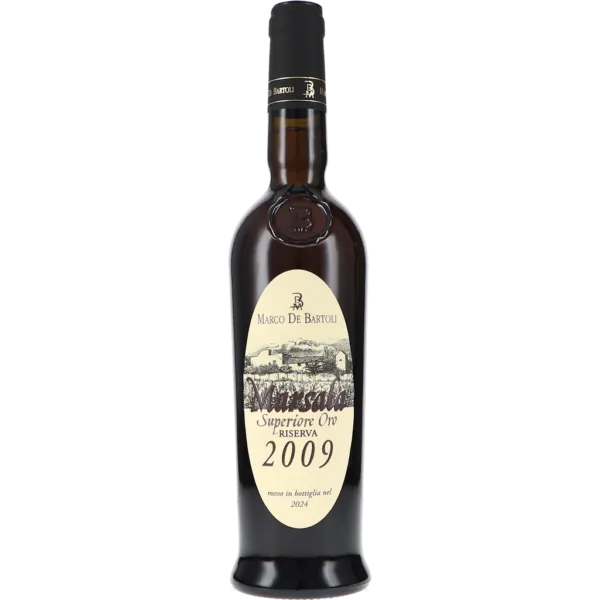
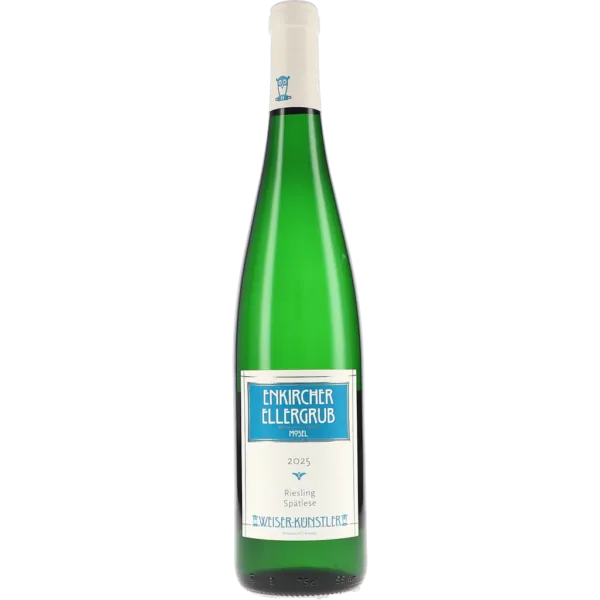
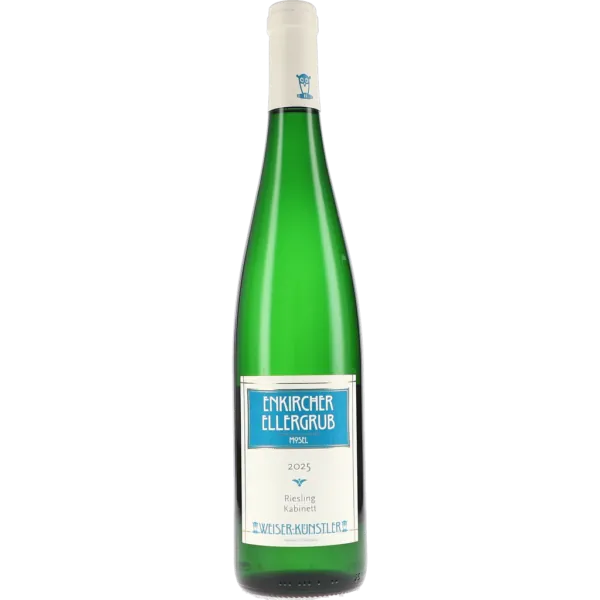
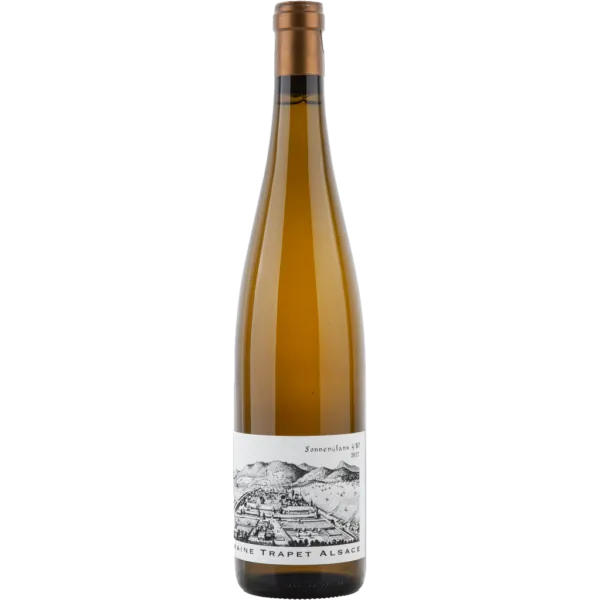
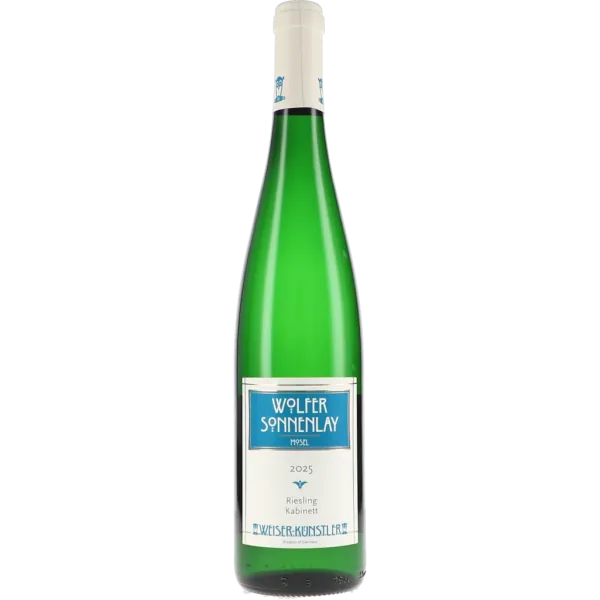
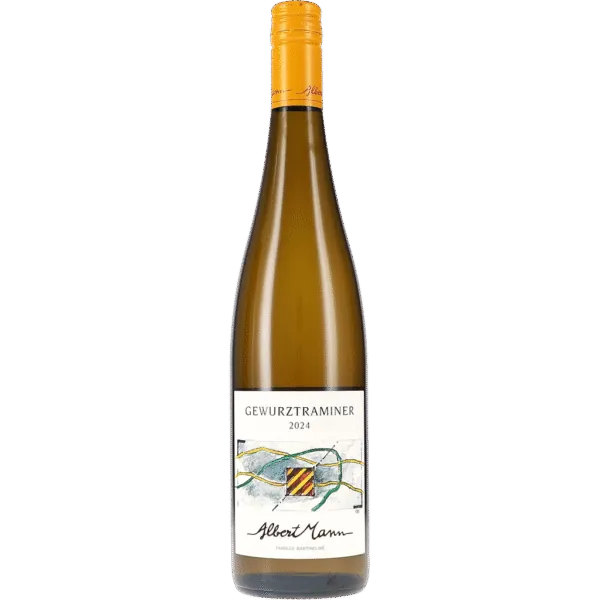
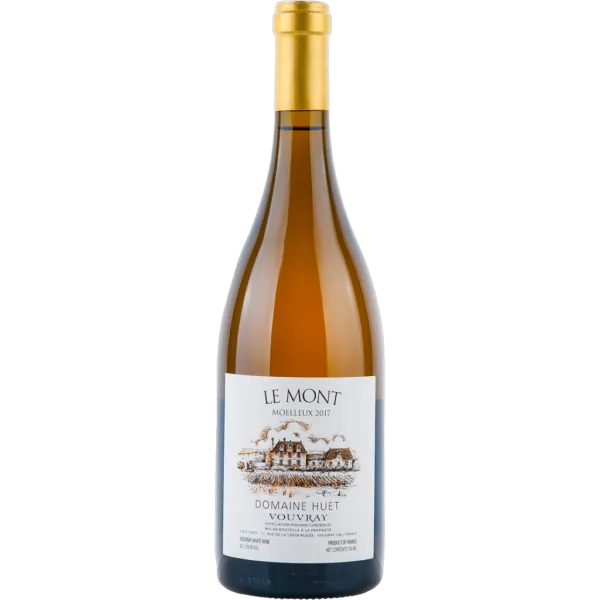
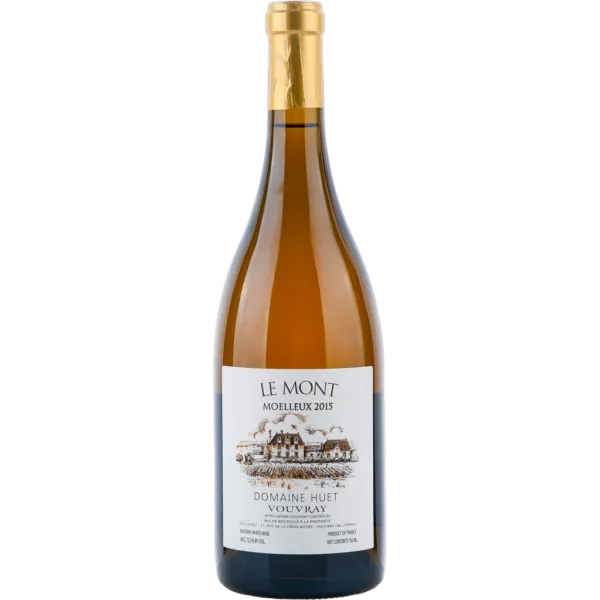
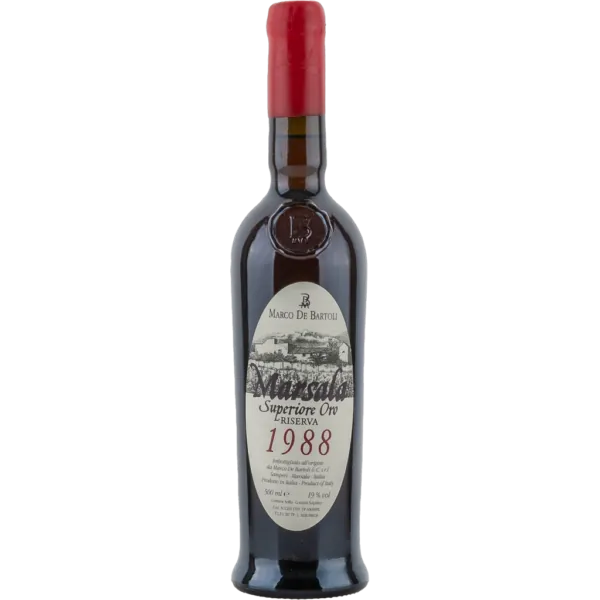
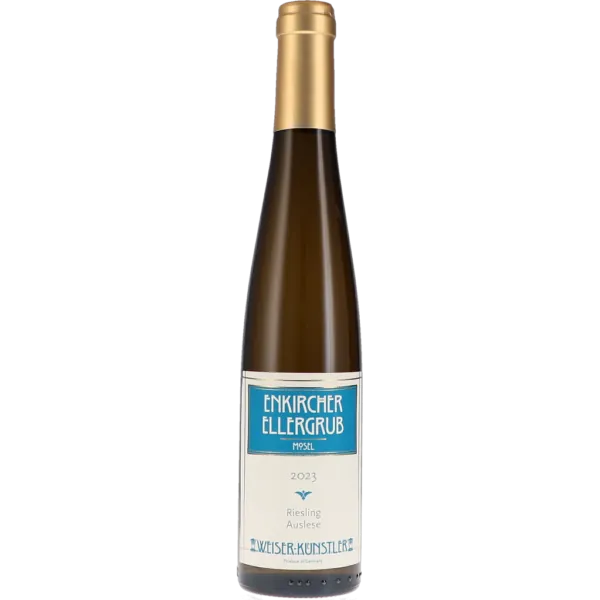
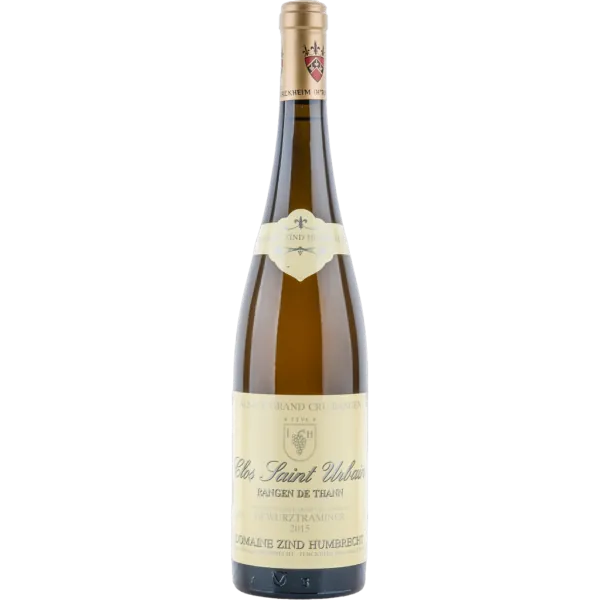
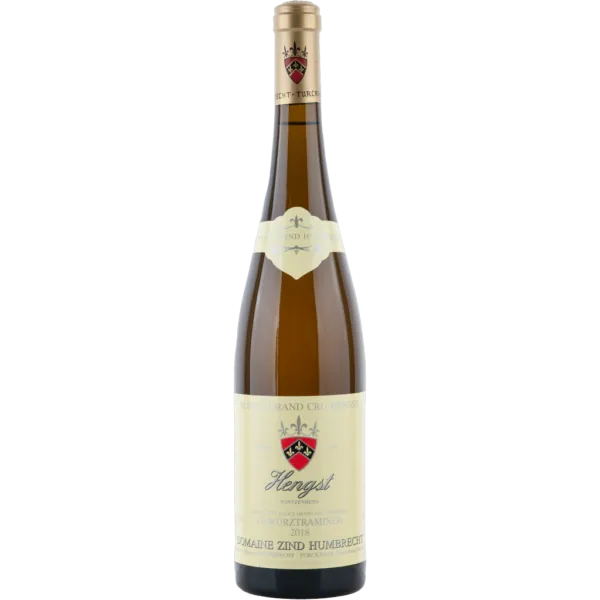
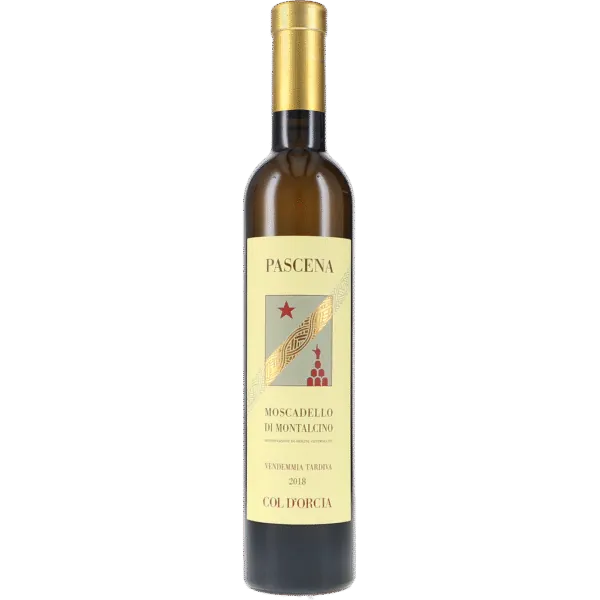
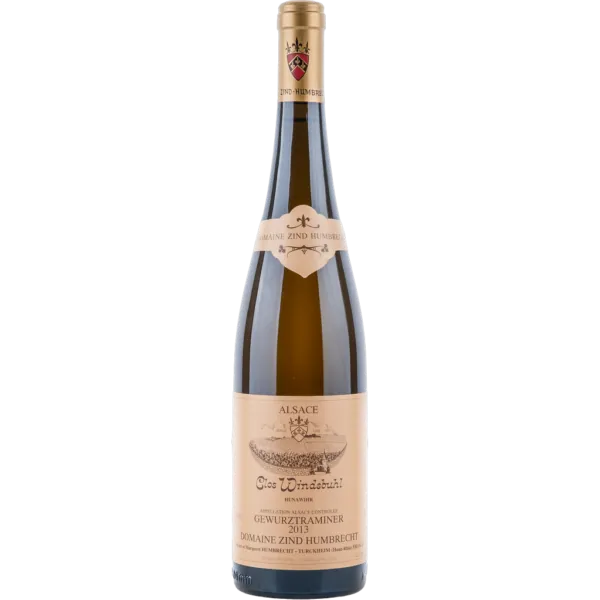
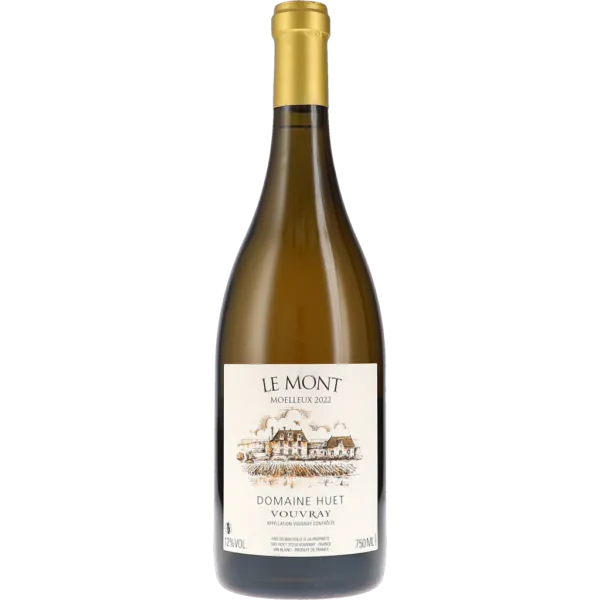
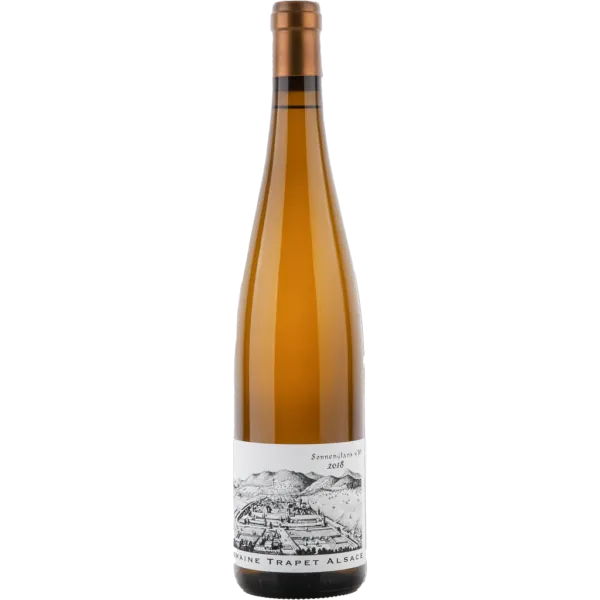
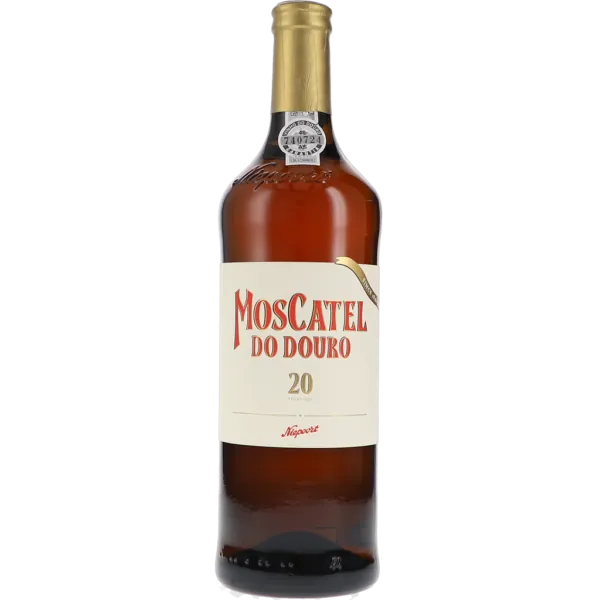
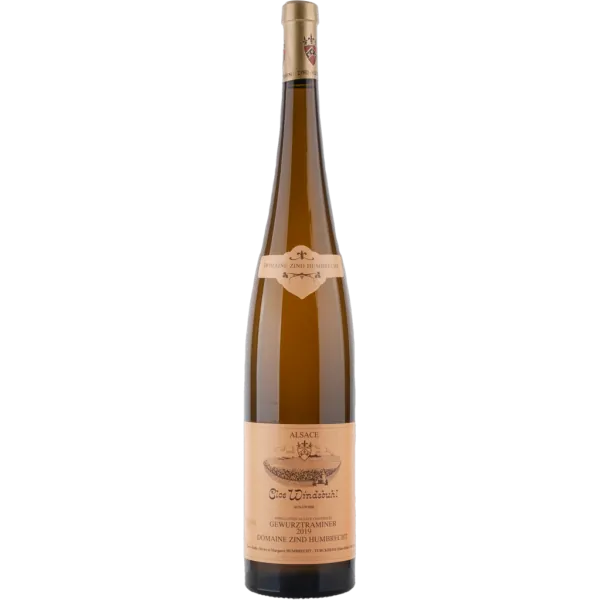
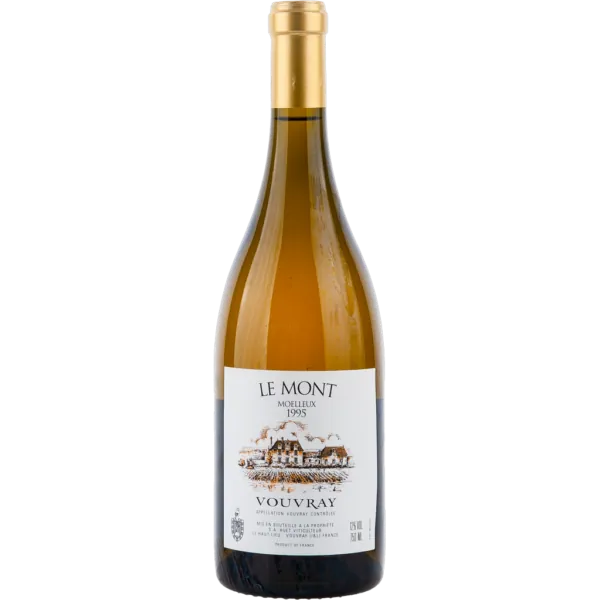
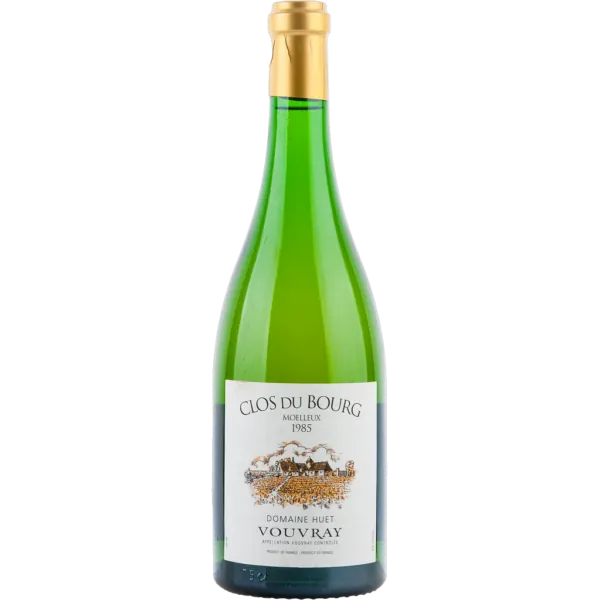
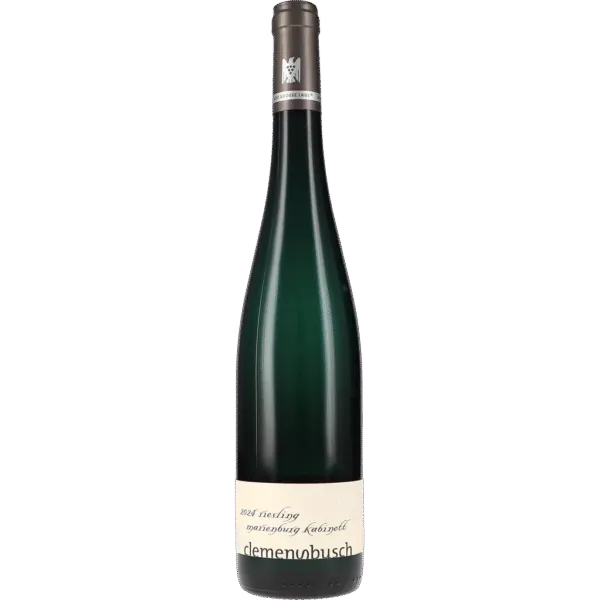
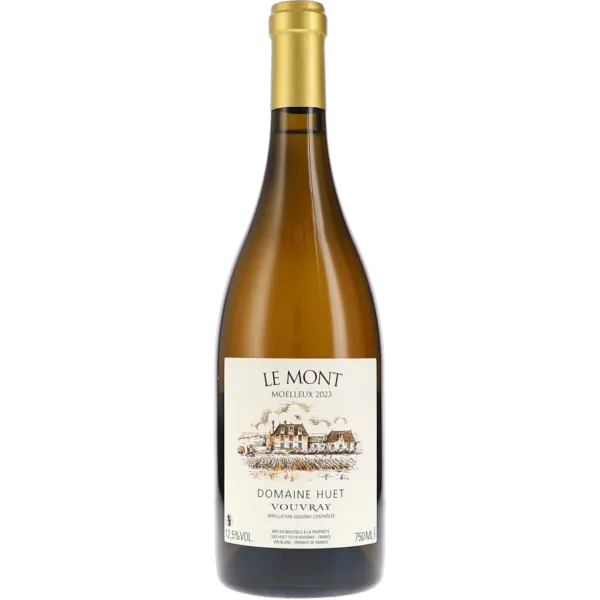
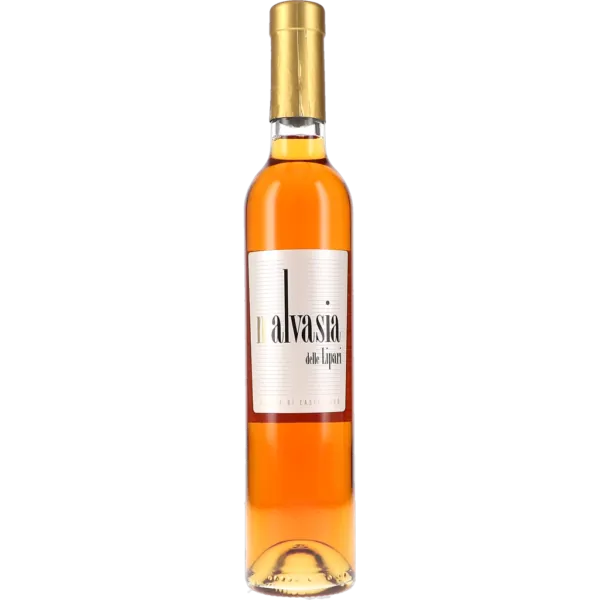
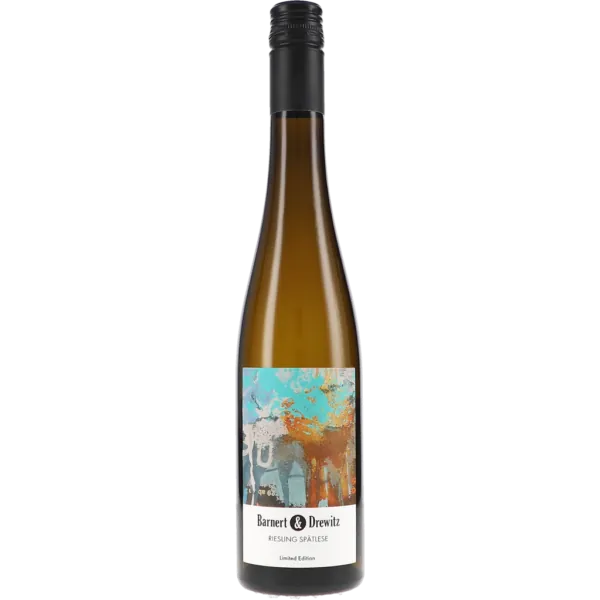
Lusciously sweet wines from Alsace, moelleux from the Loire
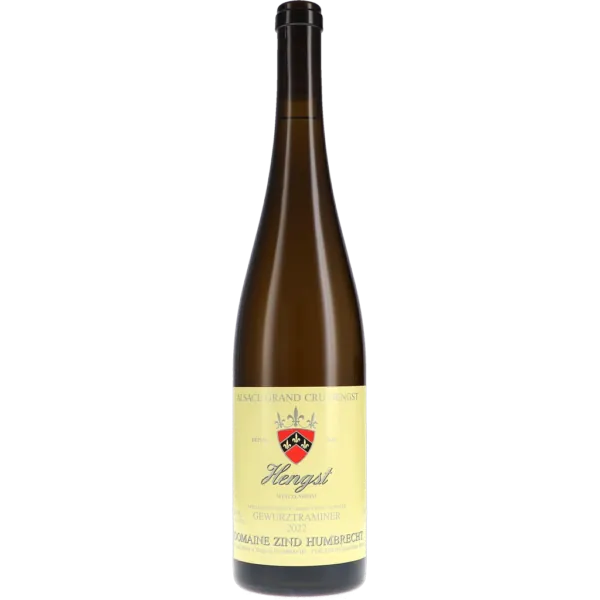
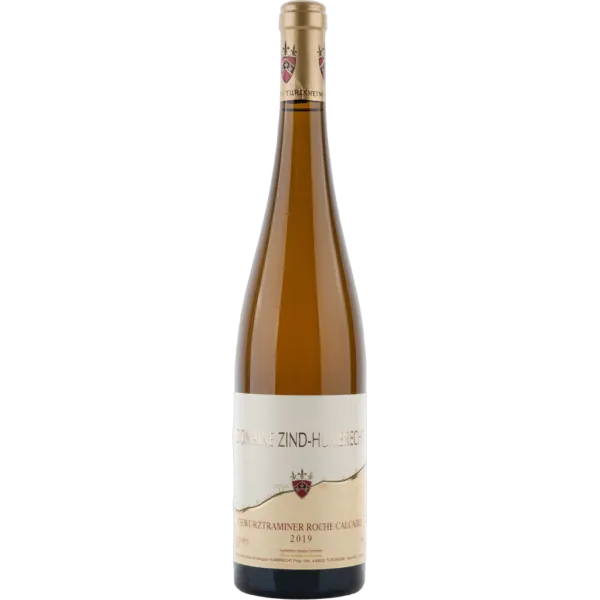
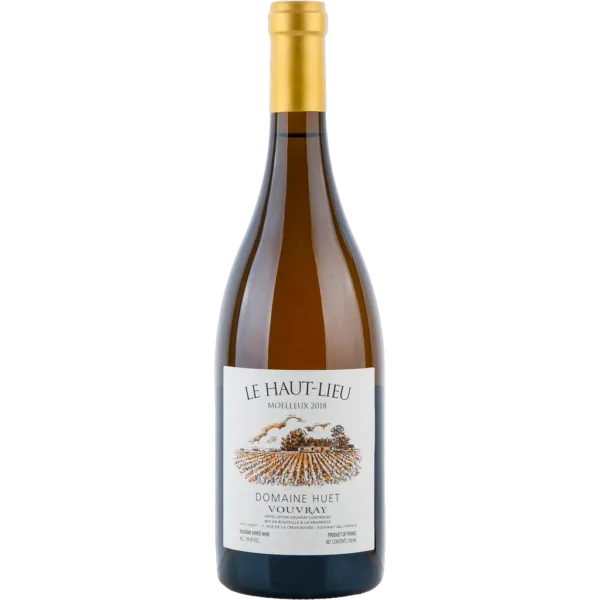
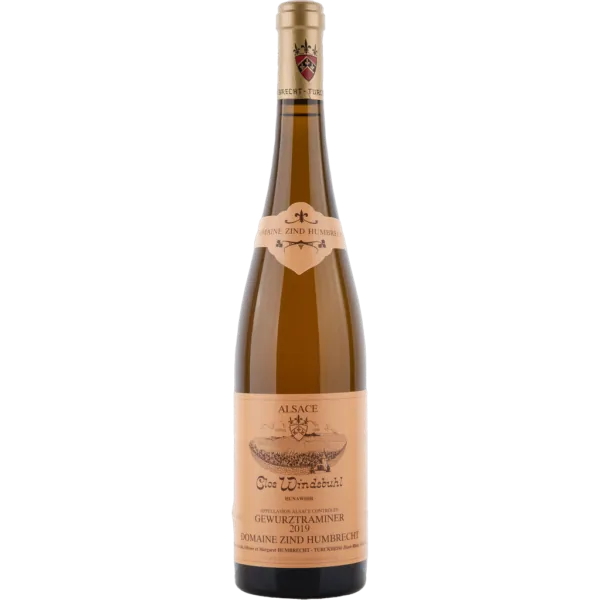
In Alsace, Gewürztraminer and Pinot Gris ripen well into autumn until noble rot concentrates the berries, sugars and aromas. From this come Vendange Tardive and Sélection de Grains Nobles, whose richness is carried by cool acidity. On the Loire, Chenin Blanc takes on this role, and Vouvray moelleux combines honey, quince and apricot with an acidity that grants the wine decades of life. How biodynamic farming reins in the sweetness is demonstrated by Huet in Vouvray and Domaine Zind-Humbrecht in Alsace.
Passito, Marsala and Tokaji
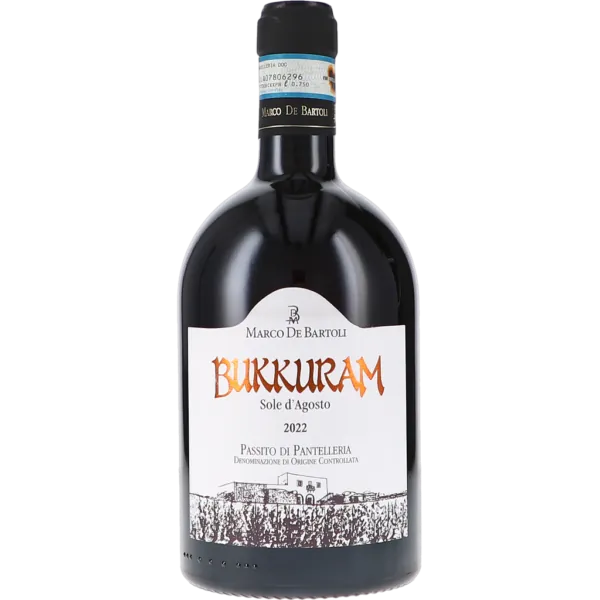
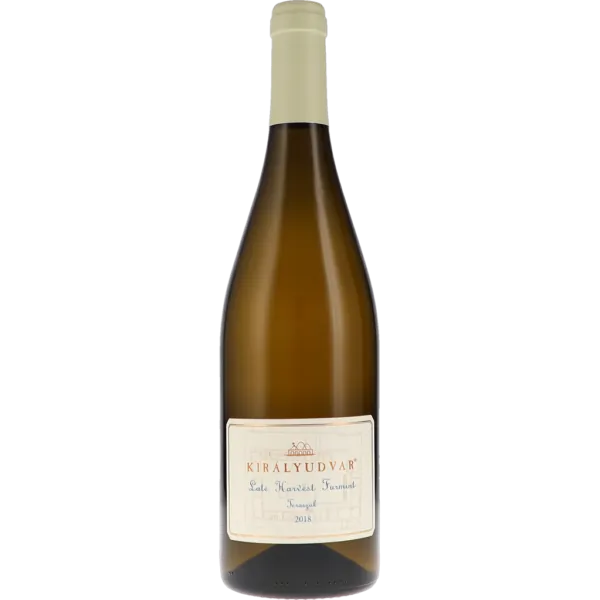
In Sicily, winemakers dry Zibibbo grapes after the harvest until they resemble raisins; their must yields Passito of great density with aromas of apricot, orange and honey. Marco de Bartoli also vinifies Marsala from Grillo, which matures oxidatively in wood and gains a saline depth. In Tokaj, botrytis-affected Aszú berries are picked individually and macerated in base wine made from Furmint, whose taut acidity allows even high levels of sweetness to feel weightless.
Sweetness needs a counterpoint at the table
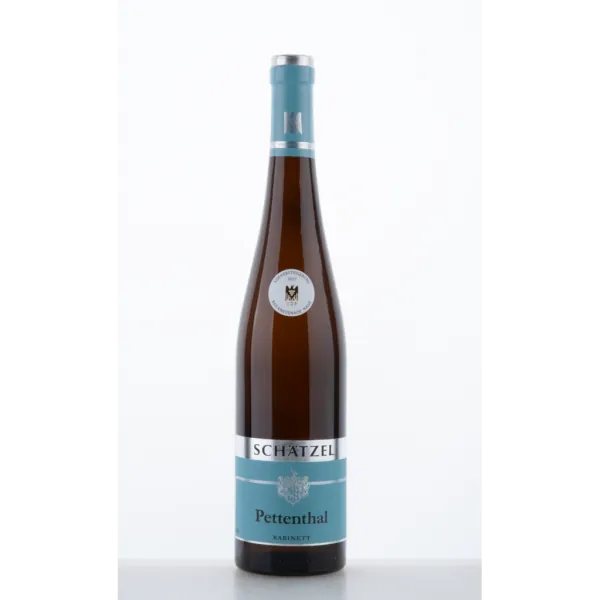
At the table, sweetness is most convincing when balanced by acidity, salt or spice. With blue cheese, a lusciously sweet Gewürztraminer softens the salty pungency, a Riesling Auslese cools spicy dishes, and the wine should be sweeter than the dessert, otherwise it will seem thin. Which style suits which cheese is shown in Wine with cheese. Residual sweetness remains a question of proportion; the sweeter the wine, the smaller the glass.
 EN
 DE
 FR
 IT