
 EN
EN  DE
DE  FR
FR  IT
IT 
Twenty years old, having just finished her studies in San Michele, her father already gone since 1976. In 1984, Elisabetta Foradori faced a decision that would shape her life. The Foradori estate in the Campo Rotaliano, where the River Noce has been carrying limestone, porphyry and granite down from the Dolomites into the valley for centuries, needed someone to lead it. She stayed.
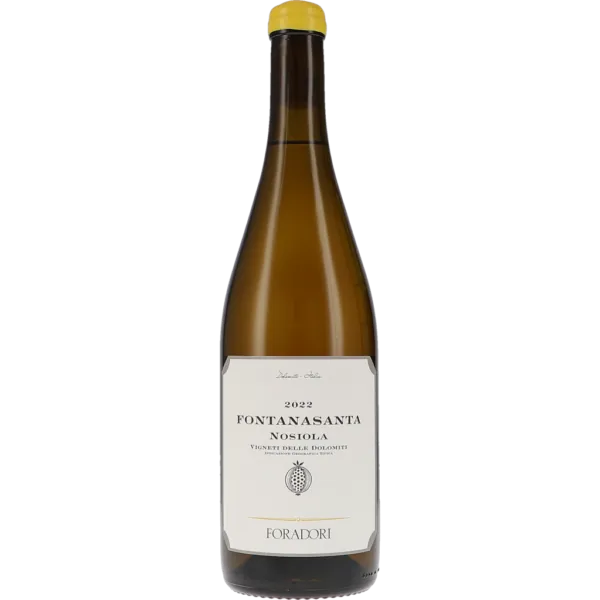
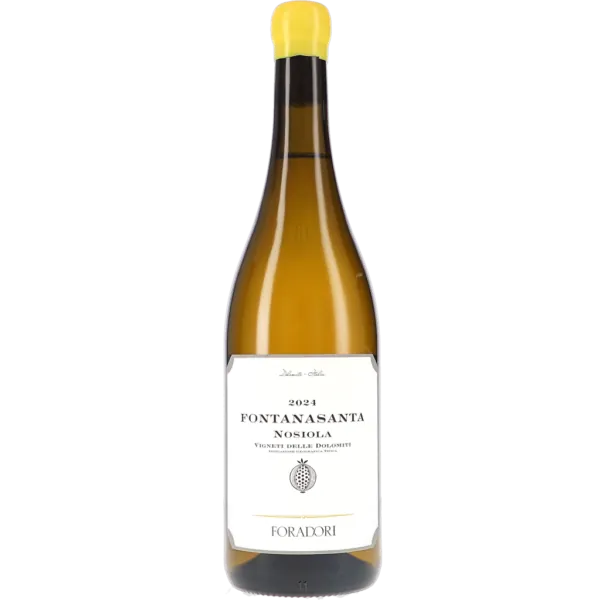
What followed borders on rebellion: while the whole of Italy was switching to Cabernet, she staked everything on an almost forgotten grape variety – Teroldego. Through meticulous clonal selection, she brought it back. Today, 25.5 hectares of vines are Demeter-certified, 80 per cent of them Teroldego. The wines mature in Spanish clay amphorae, the tinajas, finding their expression through fruit and minerality.
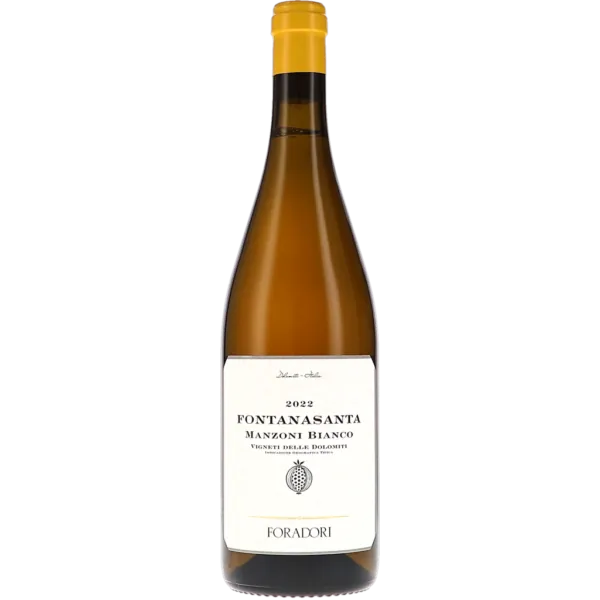
More about Foradori
The Saviour of a Grape Variety
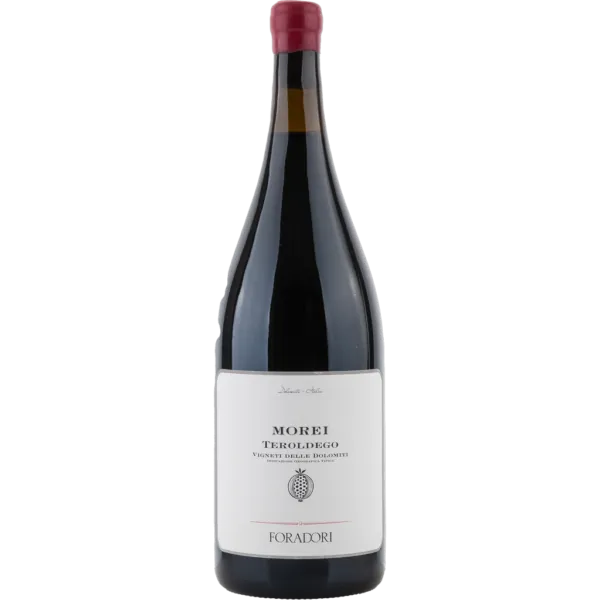
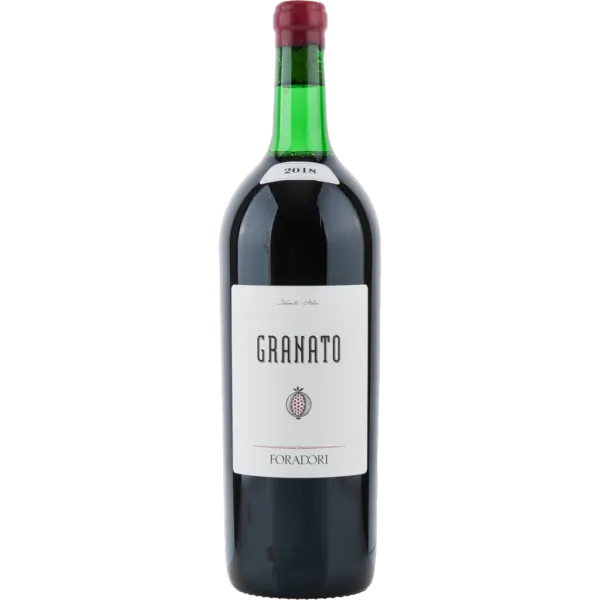
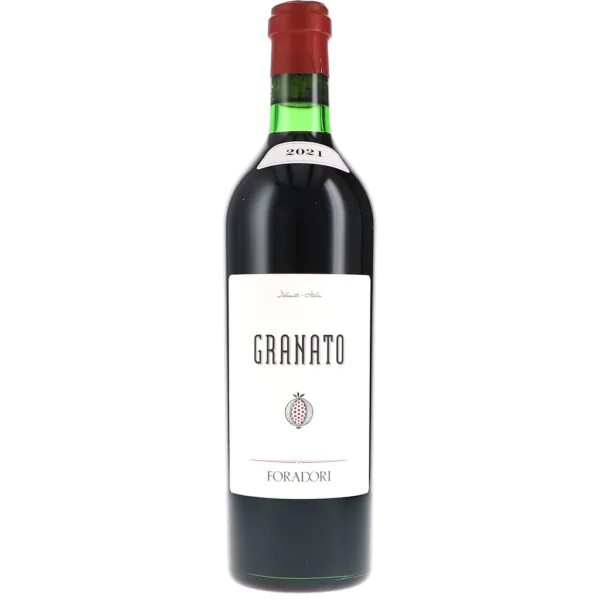
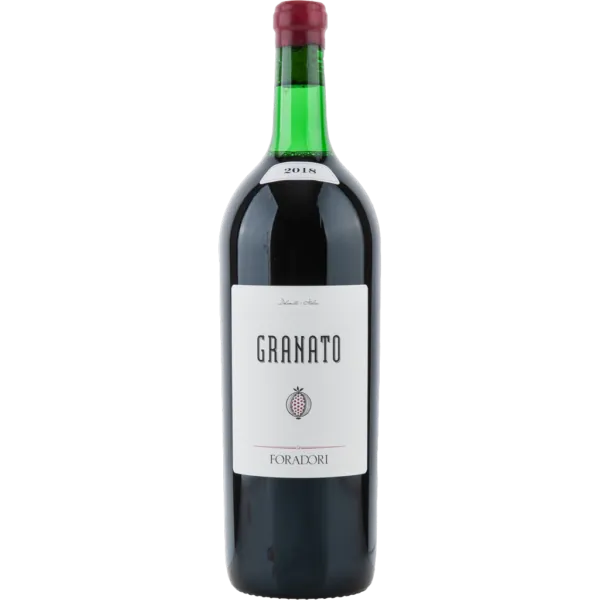
Teroldego was once so significant that it was served at the Council of Trent. In the 20th century, it nearly disappeared – mass production had ruined its reputation. Elisabetta Foradori recognised the potential dormant in the old clones. Together with the University of Milan and the San Michele research centre, she began a mass selection that took years. The result: The Granato, vinified since 1986, is today considered one of Italy's most significant red wines. Gambero Rosso awarded it its highest accolade 36 times.

Clay Instead of Barrique
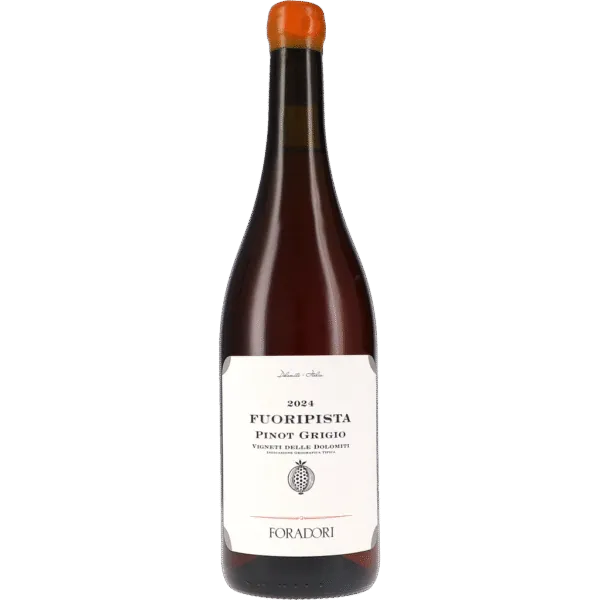
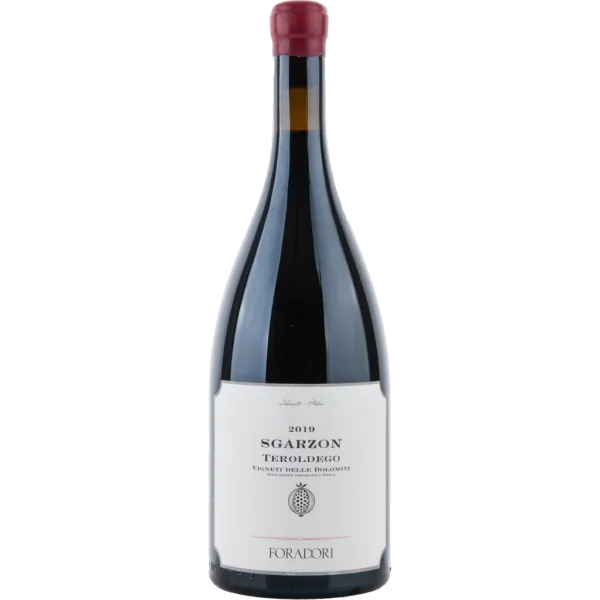
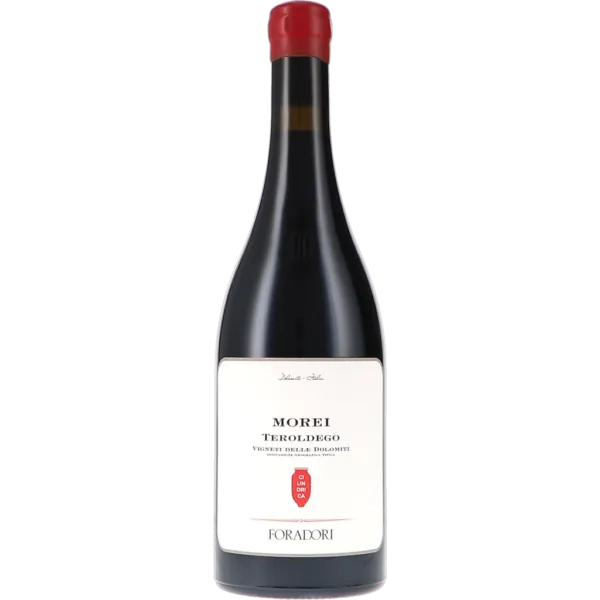
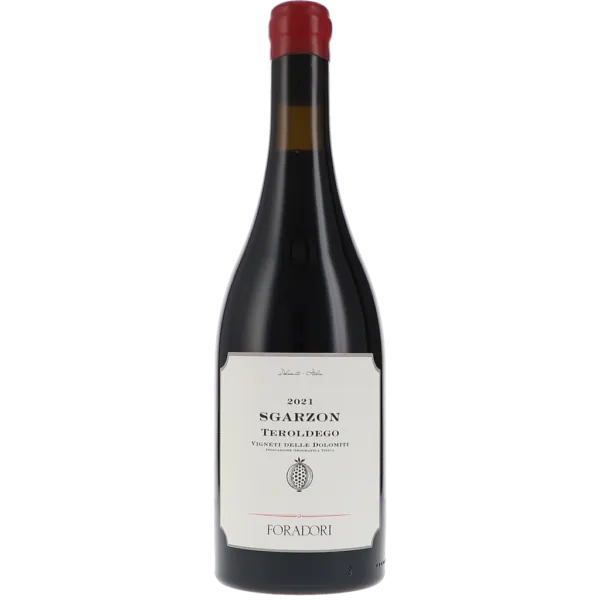
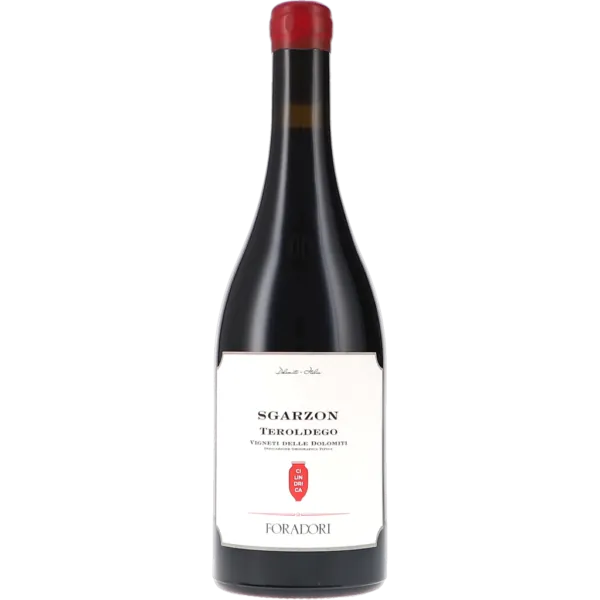
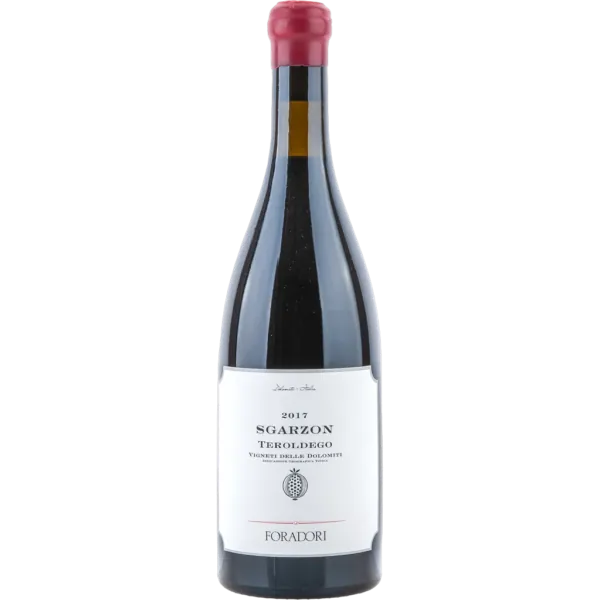
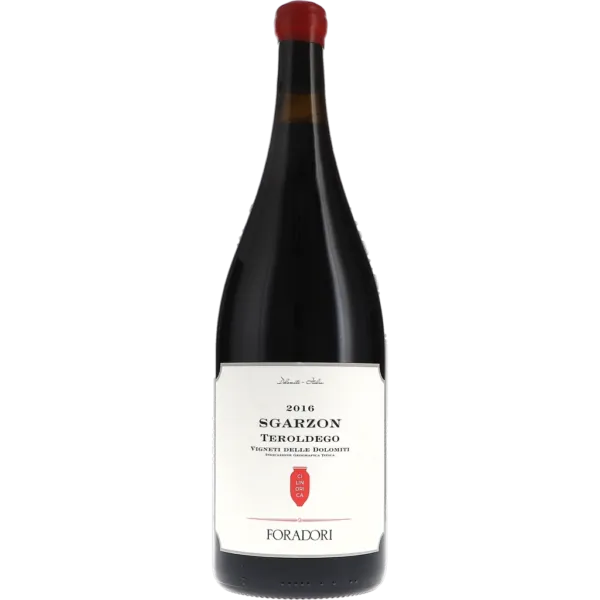
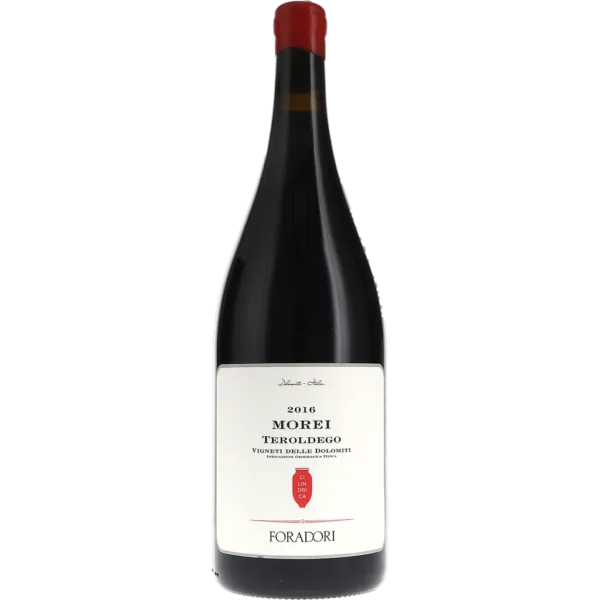
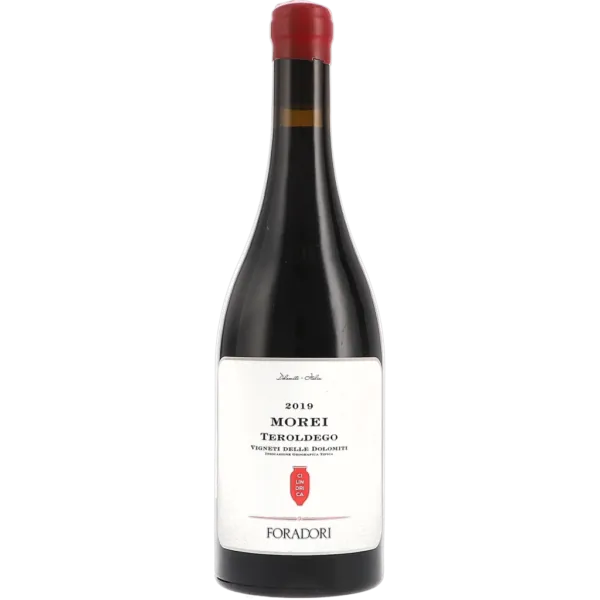
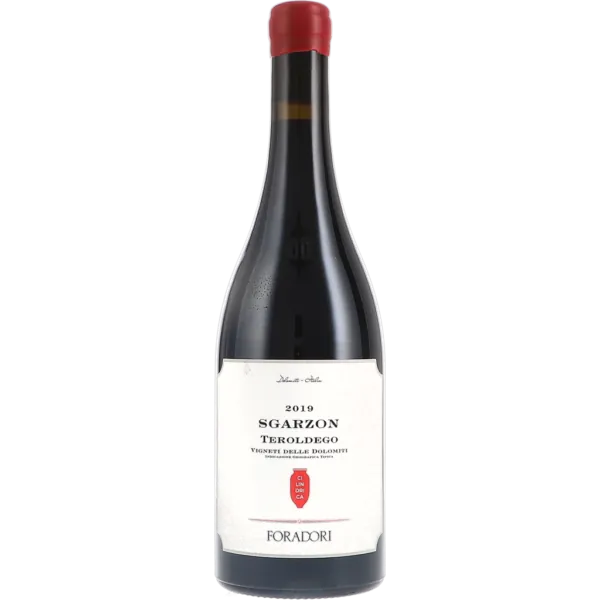
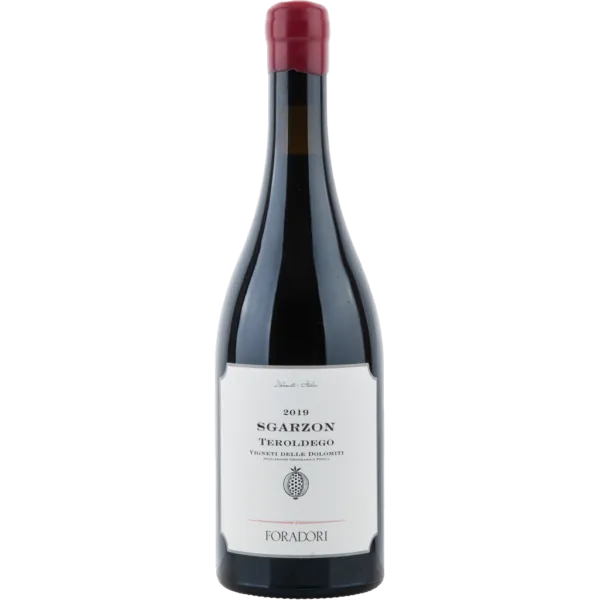
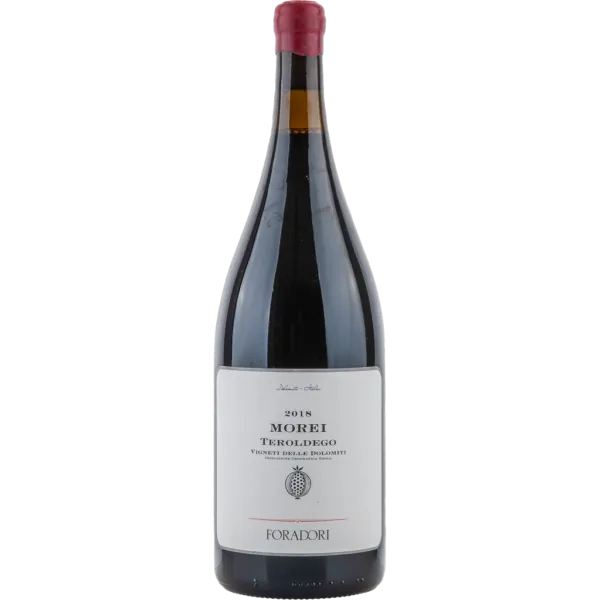
The turn towards Spanish clay amphorae came from the realisation that wood was overwhelming the Teroldego. In the tinajas, which allow wine and pomace to breathe for eight months, a dimension unfolds that recalls ancient winemaking. The vineyard sites Morei and Sgarzon demonstrate how differently the same soil can speak: Morei shaped by alluvial sand, Sgarzon by dolomitic limestone. Even the Pinot Grigio finds its way into the amphora here – the Fuoripista ferments with skins and gains a copper depth that makes conventional versions look dated.
Three Children, One Farm
Since 2013, son Emilio has directed winemaking with a precision that commands his mother's respect. Theo, who studied photojournalism and lived in the USA for years, handles distribution. Myrtha manages the biodynamic farm: Tyrolean Grey cattle graze between the vines, the vegetable garden supplies the farm kitchen, and weekly a market opens for cheese, eggs and fresh produce. Elisabetta herself? She now stands in the on-site cheese dairy – and founded Ampeleia with friends in the Maremma, where she continues the same philosophy on Tuscan soil.

The Mountain in the Glass
The Campo Rotaliano is a geological peculiarity: a valley plain wedged between three-thousand-metre peaks, where the Noce has deposited sediments of limestone, porphyry and gneiss over millennia. By day, the rock faces reflect the sun; at night, cool mountain air flows through the valley. The wines carry this contrast: violets and wild blackberries meet wet slate and an almost saline minerality. Whoever drinks Foradori tastes the Dolomites.