Showing 1-24 of 122 results
Syrah
Discover the most aristocratic of the red grape varieties: Syrah wines from top biodynamic winegrowers in France. From the elegant Côte-Rôtie to the powerful Cornas and the Mediterranean Mont Ventoux - our Syrah selection combines craftsmanship and natural viticulture at the highest level.
What makes Syrah so special:
- Characteristic white pepper flavour and dark berry fruit
- Elegant tannins with mineral depth
- Terroir-influenced personality from legendary vineyards
Maison Stephan, Du Coulet, Chêne Bleu - These pioneering winemakers show that Syrah embodies far more than just strength and alcohol. In their hands, they produce precise, lively red wines of captivating finesse and authenticity.
Additional Information:
The Syrah grape: a grape variety with many facets
What makes this red wine so unique?
The Syrah grape is considered one of the finest red grape varieties in the world. When cultivated biodynamically, it reveals its complex personality particularly clearly. This variety originally comes from the Rhône Valley in France. However, its genetic roots go back to ancient Persia. Today, it grows successfully throughout Europe and reacts sensitively to different soils and climatic zones.
These red wines have characteristic features that make them unmistakable. Typical flavours include white pepper, dark berries and an elegant tannin structure. Different flavour profiles develop depending on the growing region. French granite produces smoky, mineral notes. Spanish slate produces spicy Mediterranean flavours. Tuscan clay leads to fruit-accentuated opulence.
European growing regions: Regional diversity and terroir expression
France: The classic home
The Rhône Valley: origin of the grape variety
The northern Rhône is the spiritual home of this noble grape. Particularly elegant examples are produced on steep granite slopes in Côte-Rôtie. Jean-Michel Stephan works with whole-cluster fermentation and minimal intervention. His products are transparent, multi-layered and reminiscent of Burgundian finesse.
Managed in Cornas Matthieu Barret from the Du Coulet winery powerful granite soils according to ecological principles. His creations combine wild flavour with vibrant energy and show the appellation in its purest form.
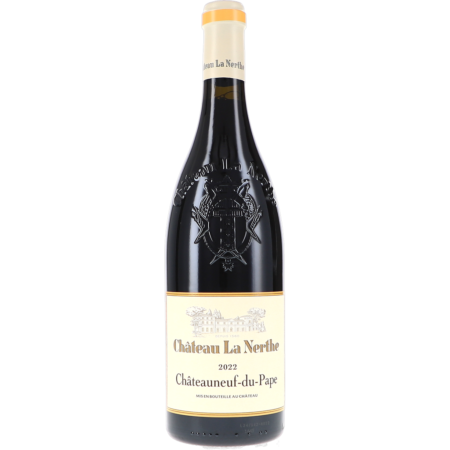
The southern Rhône presents Mediterranean interpretations. At Chêne Bleu on Mont Ventoux, at an altitude of 500 metres, Nicole Rolet follows the Demeter principles. The result is wines with alpine precision and southern flavour. In Châteauneuf-du-Pape, renowned houses such as Marcoux, Clos des Papes and La Nerthe. They use the grape variety as the perfect partner for Grenache and Mourvèdre.
Provence: Mediterranean finesse
In Provence, farms such as Revelette, d'Ouréa and Alône Characteristic red wines with a Provençal herbal flavour. They combine strength with southern French lightness. The sandy soils and altitudes of between 420 and 470 metres lend them particular elegance and finesse.
Languedoc and Roussillon: diversity in the south of France
In Languedoc, Les Bruyères demonstrates how the grape develops floral elegance on limestone soils. Roussillon on the Spanish border, represented by Matassa and Roc des Anges, produces concentrated wines with a Catalan character. They form a bridge between French finesse and Iberian vigour.
Spain: Iberian interpretations
Priorat and Montsant: the magic of slate
In the legendary Priorat region, the grape variety thrives particularly well on Licorella slate soils. Producers such as Clos i Terrasses, Portal del Priorat and Vinyes d'en Gabriel produce mineral-rich, concentrated wines with impressive depth. The characteristic slate lends smoky notes and a distinctive structure.
In neighbouring Montsant, more accessible but no less characterful examples are produced. They are often combined with Garnacha the Spanish variety of Grenache.
Extremadura and Mentrida: high-altitude cultivation
In Extremadura, Habla cultivates modern, powerful interpretations with an international character at an altitude of over 600 metres. Together with Jiménez-Landi, Mentrida shows how old vines and traditional methods can lead to expressive results.
Alicante, Mallorca and Andalusia: Mediterranean diversity
On the Mediterranean coast, El Sequé in Alicante and Mesquida Mora on Mallorca produce maritime flavours. They are salty, fresh and characterised by the Mediterranean sun. Even in sun-drenched Andalusia, the variety finds a home with Victoria Ordóñez, which proves its remarkable adaptability.
Italy: Tuscany - Super Tuscans redefined
In Tuscany, the grape variety has established itself as an integral part of modern Super Tuscans. Duemani by Luca D'Attoma and Elena Celli in Riparbella near Bolgheri is a prime example. Their Suisassi, a single-varietal expression of stony, dry terroir, combines Mediterranean opulence with surprising elegance.
D'Attoma, one of Italy's most sought-after oenologists, impressively demonstrates that sustainable cultivation and world-class quality harmonise perfectly. Col d'Orcia in the Brunello region also presents the variety in a Tuscan guise. Sicily with Case Alte rounds off the Italian landscape with a particularly Mediterranean expression.
Germany and Austria: Northern pioneers
The grape variety even finds interesting niches in cooler climate zones. Kühling-Gillot in Rheinhessen and Johannes Zillinger in the Austrian Weinviertel prove that northern terroirs can also produce exciting interpretations. These are often characterised by higher acidity and pronounced floral notes.
Genetics: A scientific view
Origin and DNA structure
The DNA structure of this grape variety is scientifically fascinating. As a natural cross between the almost extinct Dureza from the Ardèche and Mondeuse Blanche from Savoy, it combines robustness with aromatic complexity.
Their characteristic development of rotundone - the molecule for the typical pepper flavour - makes them unique in viticulture. This characteristic varies depending on the clone, terroir and ripening conditions. Interestingly, some people are genetically unable to perceive rotundone, which explains the different flavour descriptions.
Terroir sensitivity: a comparison of different soil types
Its remarkable adaptability is evident on different soils:
Granite floors (Rhône, Cornas, Hermitage): Smoky minerality, wild spice and a firm tannin structure develop here.
Slate floors (Priorat, Montsant): Concentrated, mineral products with smoky notes and impressive depth.
Limestone floors (Provence, Mont Ventoux): The results show floral elegance and a finesse-rich acidity structure.
Clayey soils (Tuscany, Languedoc): Opulent fruit with a velvety texture develops here.
Serine: The historical relative
Serinea genetically independent ancestor of the modern variety, can still be found in old plots in Côte-Rôtie and Hermitage. It is characterised by loose berry growth, elongated berries and an often more floral aroma profile.
Renowned producers such as Maison Stephan deliberately cultivate old Serine vines for additional complexity and historical depth. This is characterised by a lower susceptibility to botrytis, a different ratio of skin to juice and more subtle aromas. The old grape variety populations - the so-called massal selection - contribute to genetic diversity and aromatic complexity.
Stylistic differences: Old versus New World
Although genetically identical, Syrah and Shiraz represent different wine philosophies:
European tradition: The focus is on elegance and terroir expression. Spicy aromas and moderate alcohol levels characterise the style. These products tell the story of the soil and the vintage.
New World style: Power and a fruity emphasis dominate here. Higher alcohol levels and opulent fullness characterise this interpretation.
At lebendigeweine.de you will only find wines in the European tradition - with a focus on terroir, elegance and sustainable viticulture.
Storage potential and optimum enjoyment
Maturity of different quality levels
The shelf life varies depending on the origin and quality:
- Entry-level qualities: 3 to 5 years
- Premium sites (Côte-Rôtie, Cornas, Priorat): 10 to 20 years
- Top cuvées (Duemani Suisassi, Du Coulet Billes Noires): 20 to 30 years or longer
The robust tannin structure, natural acidity and sustainable cultivation provide exceptional ripeness.
Serving recommendations and decanting
Optimal drinking temperature: 16 to 18 degrees Celsius ensure perfect enjoyment. Higher temperatures emphasise the alcohol unpleasantly, lower temperatures close off the aromas.
Ventilation: Young vintages benefit from 1 to 2 hours of air contact. Mature wines should be decanted carefully to separate them from the sediment.
Culinary accompaniment: perfect food combinations
To French representatives (Rhône, Provence):
- Grilled lamb with Provençal herbs
- Braised wild boar
- Entrecôte with pepper sauce
- Matured hard cheeses such as Comté or old Gouda
On Iberian interpretations (Priorat, Montsant):
- Grilled Ibérico pork
- Spicy chorizo and morcilla
- Braised shoulder of lamb with romesco
- Strong Manchego
To Italian variants (Tuscany):
- Bistecca alla Fiorentina
- Wild ragù with pappardelle
- Spicy Pecorino Toscano
- Dark chocolate (at least 70 per cent cocoa)
The characteristic peppery spiciness harmonises perfectly with spicy dishes. The present tannins optimally balance fat and proteins.
Sustainable production: Quality through natural cultivation
Advantages of biodynamic farming
Production according to Demeter guidelines goes well beyond organic standards:
- Holistic philosophy: The vineyard as a living ecosystem
- Cosmic rhythms: Working in harmony with the phases of the moon
- Natural preparations: Compost and herbs for soil vitalisation
- Biodiversity: Promotion of a healthy ecosystem
- Minimal intervention: Spontaneous fermentation and reduced use of sulphur
Flavour advantages of near-natural production
Connoisseurs describe sustainably produced examples as more lively and energetic. The terroir expression appears more precise, the flavour more clearly defined. Many report better digestibility and a longer, more complex finish. This liveliness clearly distinguishes them from conventional products.
Stylistic overview by region
Northern Rhône: elegance and minerality
- Côte-Rôtie: Filigree, floral character, often co-fermented with Viognier
- Hermitage: Powerful, long-lasting legends
- Cornas: Wild, untamed, pure from the granite
- Saint-Joseph: Accessible quality with a fair price-performance ratio
Southern Rhône and Provence: Mediterranean flavour
- Châteauneuf-du-Pape: An important blending partner in classic cuvées
- Mont Ventoux: Alpine freshness from altitudes of up to 600 metres
- Provence: Herbal spice and Provençal lightness
Iberian Peninsula: strength and concentration
- Priory: Slate-influenced minerality, concentrated, high-priced
- Montsant: More accessible than Priorat, yet strong in character
- Extremadura/Mentrida: Modern style from high altitudes
Italy: opulence meets elegance
- Tuscany: Super Tuscan style with fruit fullness and velvety flavour
- Sicily: Distinctly Mediterranean character
Frequently asked questions
- What does this grape variety typically taste like?
- Characterised by aromas of dark berries, black pepper, violets, olives and liquorice. Notes of leather, tobacco and suede develop as the wine matures. The tannin structure is firm but elegantly integrated.
- Which region produces the best specimens?
- There is no one-size-fits-all answer. Each terroir reveals its own facets. The Rhône stands for elegance, Priorat for minerality, Tuscany for opulence.
- Are they heavy red wines?
- Not necessarily. Well-made examples from cool vineyards show amazing finesse. Winemaker philosophy and terroir are decisive.
- How long can these drops be stored?
- Top quality wines from the Rhône, Priorat or Tuscany mature for 15 to 30 years. Simpler qualities reach their drinking maturity after 3 to 5 years.
- At what temperature should it be served?
- The optimum temperature is 16 to 18 degrees Celsius. Warmer temperatures emphasise the alcohol, colder temperatures close off the aroma spectrum.
- Is decanting recommended?
- Young vintages benefit from 1 to 2 hours of aeration. Carefully decant mature bottles to remove the sediment.
- Which cheeses go well with it?
- Matured hard cheeses such as Comté, Manchego or Pecorino harmonise excellently. Strong blue cheeses also make a successful combination.
- What distinguishes European styles from overseas styles?
- Genetically, they are identical. The European style emphasises elegance and terroir, while overseas varieties focus on strength and fruit intensity.
Online selection at lebendigeweine.de
Our range includes a hand-picked international collection from sustainable winegrowers that we know and appreciate personally. From the Rhône to Provence, Languedoc, Priorat and Tuscany - every bottle has been carefully tasted and selected.
Your advantages at a glance:
- Curated selection from France, Spain, Italy, Germany and Austria
- Fair prices like at the winegrower
- Expert advice for your individual requirements
- Secure special packaging for undamaged transport
- Detailed, honest descriptions
- Exclusively sustainably produced qualities
Discover our diverse selection now and experience the many facets of this noble grape variety. From French elegance and Spanish vigour to Tuscan opulence - red wines that not only taste good, but also tell stories. Stories of passionate winegrowers and unique terroirs that come to life in every glass.