
Colmar is one of the driest towns in France, because the Vosges intercept the rain from the west before it reaches the vineyards on their eastern slopes. Alsace wine grows in this rain shadow upon a finely fragmented mosaic of granite, limestone, sandstone and volcanic rock, and each vineyard site lends Riesling, Pinot Gris and Gewürztraminer its own distinctive signature. Our Alsace wines come from three biodynamic domaines and a young natural wine duo from Zellenberg: Grands Crus with decades of ageing potential, dry village wines, Crémant and skin-fermented orange wines.
More about Elsass
Alsace wine in the rain shadow of the Vosges
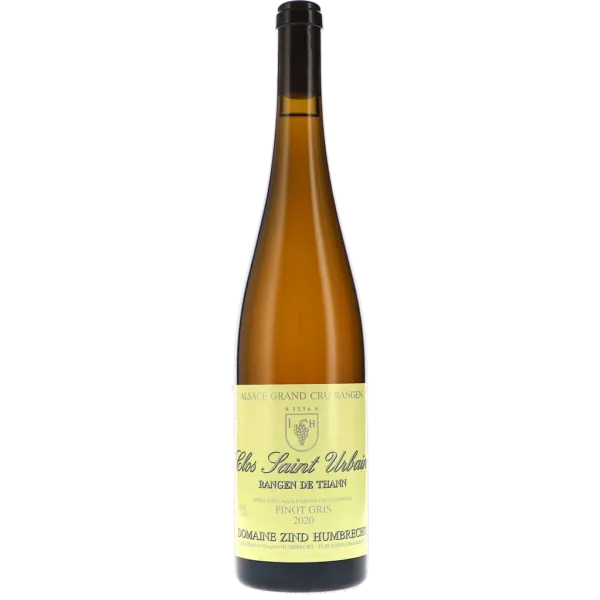
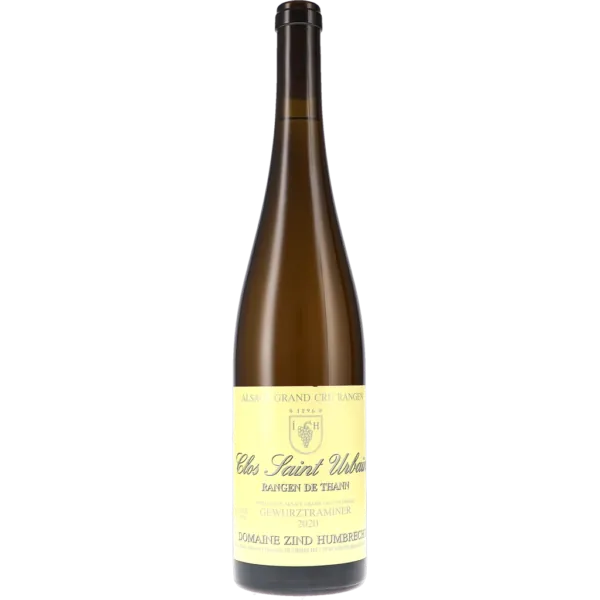
The vineyards stretch as a narrow ribbon from Marlenheim to Thann along the foothills of the Vosges. The mountains hold back the damp westerly winds, and the grapes ripen during long, dry autumns. The subsoil is decisive for the character: when the Rhine Graben collapsed, the rock fractured into blocks, which is why granite, limestone, marl, sandstone and schist often lie just a few hundred metres apart. Granite yields taut Rieslings, while limestone and marl lend richness to Pinot Gris and Gewurztraminer. Above Thann rises the Rangen, an extremely steep vineyard site of volcanic rock. The Riesling Rangen de Thann Clos-Saint-Urbain Grand Cru 2017 shows what this soil can do: smoke, flint, wet stone and an acidity that carries the wine over many years.
Riesling, Pinot Gris and the 51 Grand Cru sites
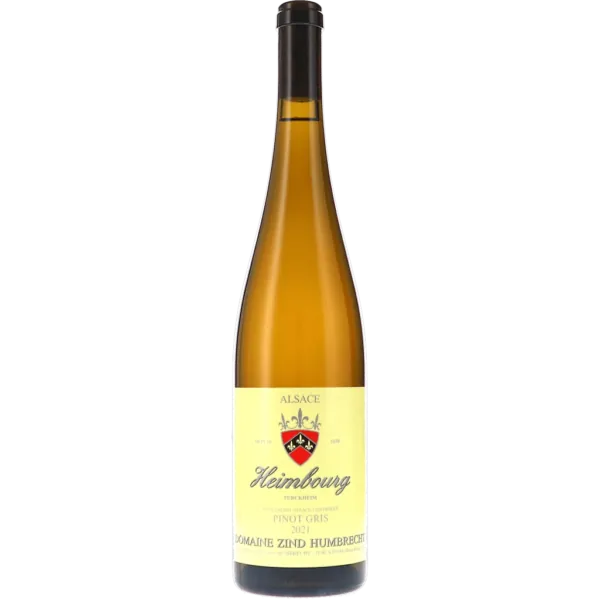
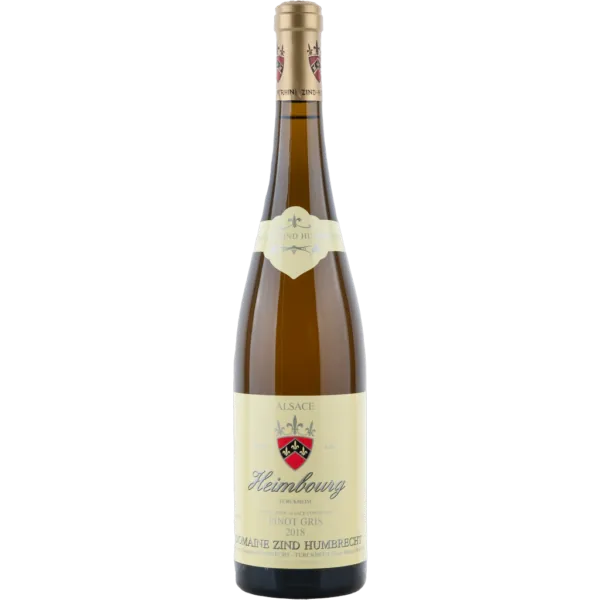
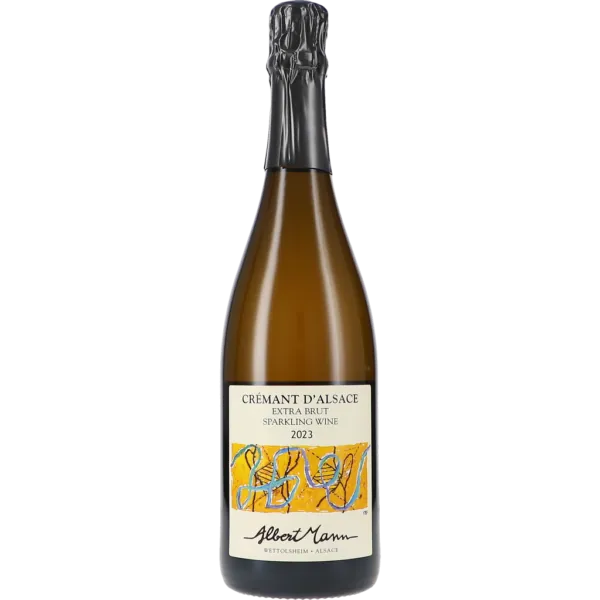
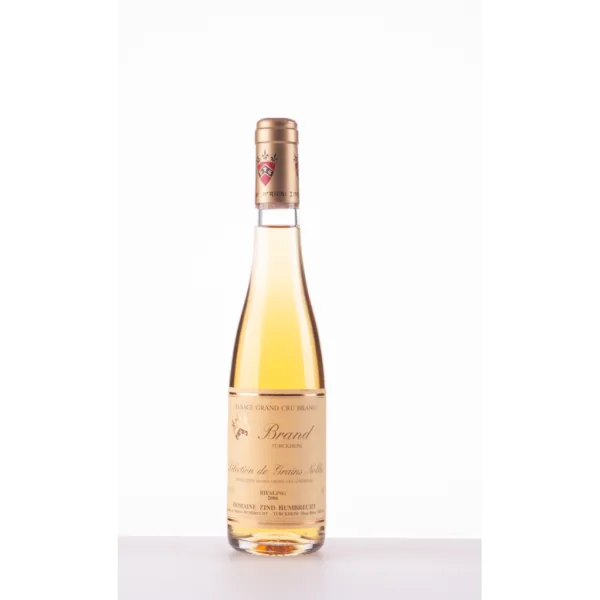
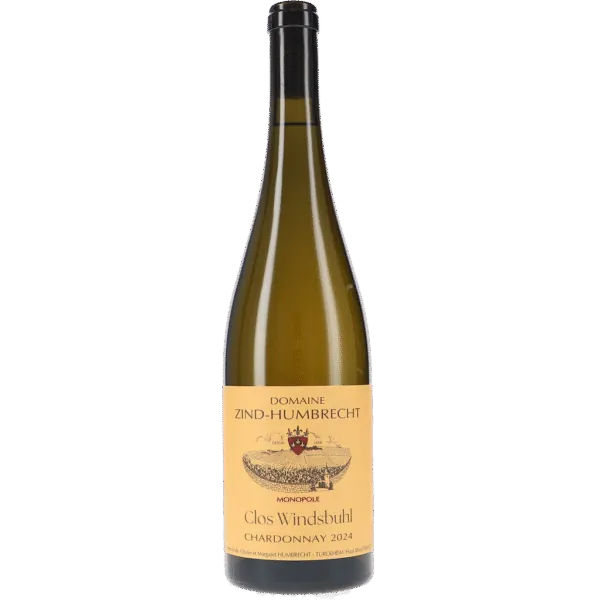
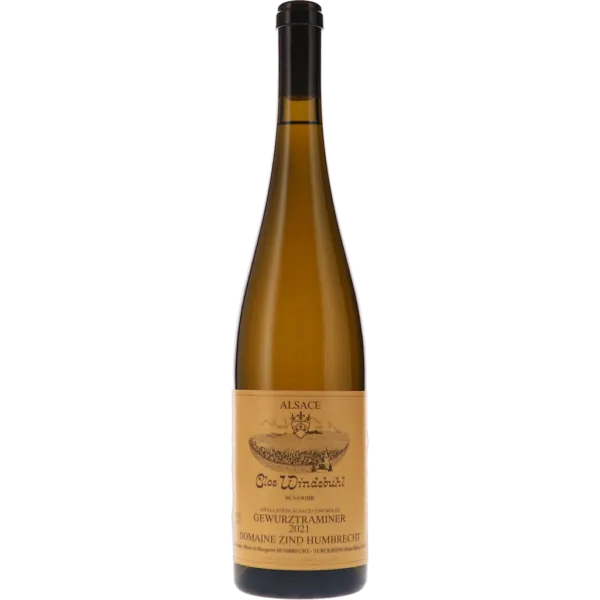
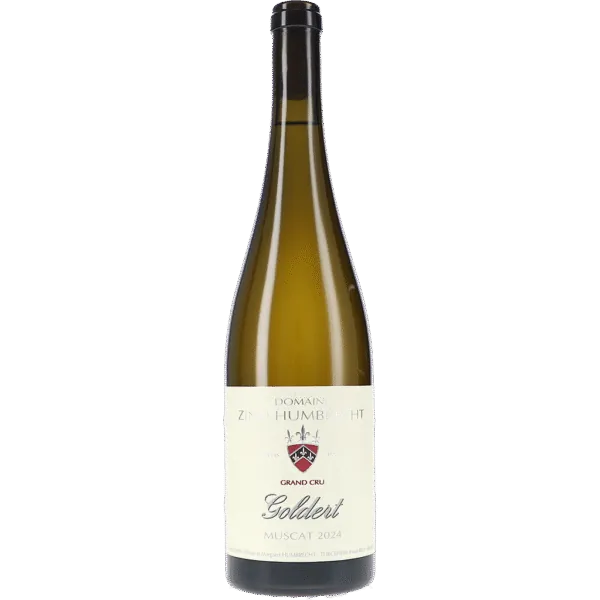
Alsace wine is traditionally labelled by grape variety. Alongside Riesling, Pinot Gris with its smoke and yellow fruit and Gewurztraminer with rose and lychee define the region, together with Pinot Blanc, Auxerrois, Muscat and Sylvaner. Pinot Noir is the only red variety and today is vinified with great finesse in cool limestone sites. Above the village and single-vineyard wines stand 51 Grand Cru sites, each with its own geology, from the granite of Brand in Turckheim to the calcareous marl of Hengst. Many winemakers now ferment their wines noticeably drier than they did a generation ago, and a good two thirds of our Alsace wines are dry. Alongside these there are the sweet Vendanges Tardives and Sélections de Grains Nobles. For sparkling wine there is Crémant d'Alsace, made by traditional bottle fermentation, for example as a pure Chardonnay from the Clos Windsbuhl.
Organic and natural wine from Alsace: four signatures
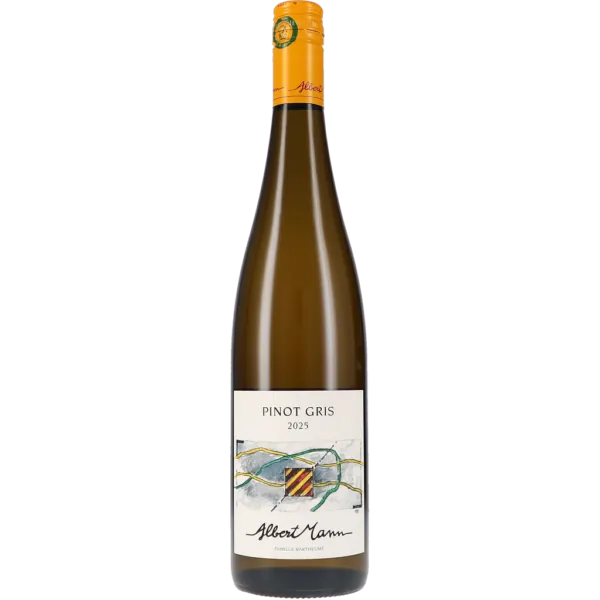
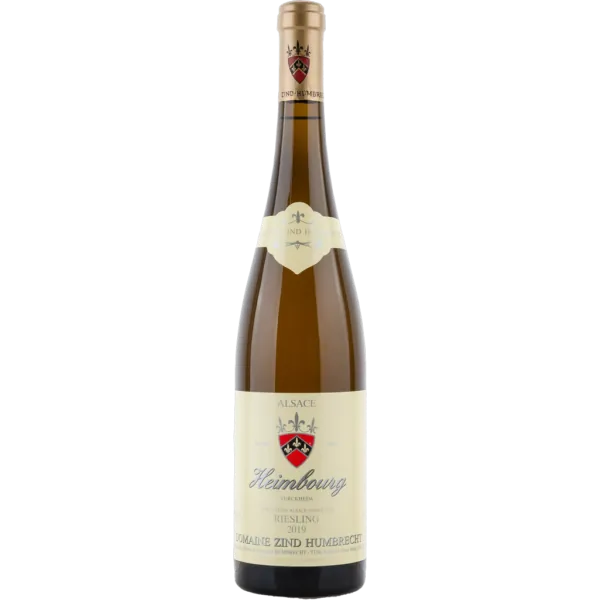
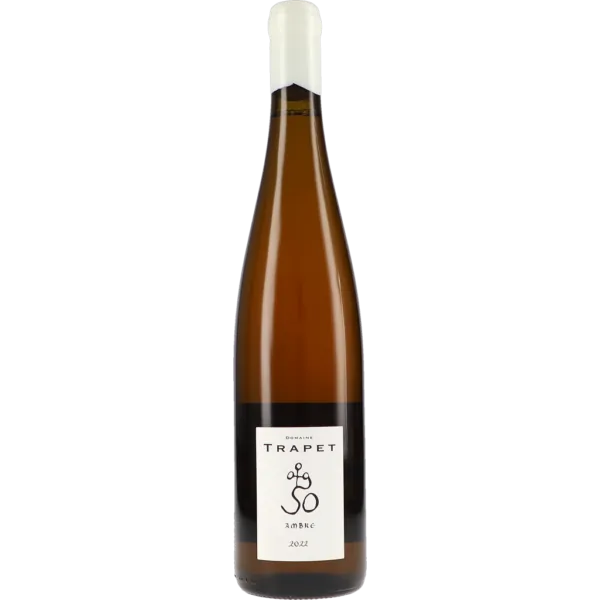
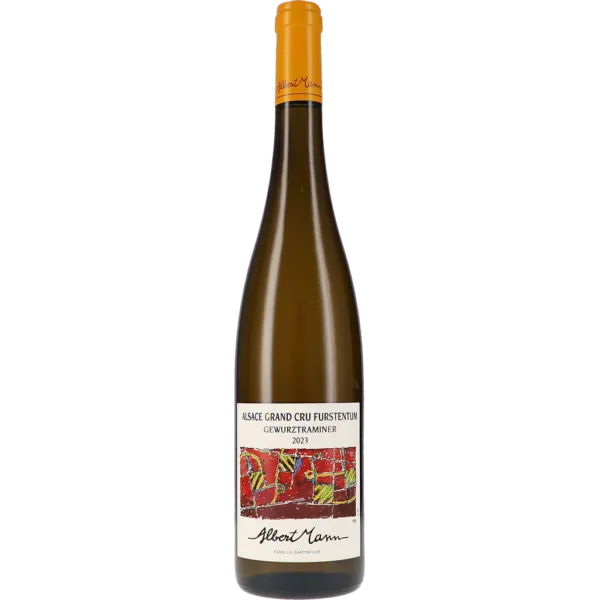
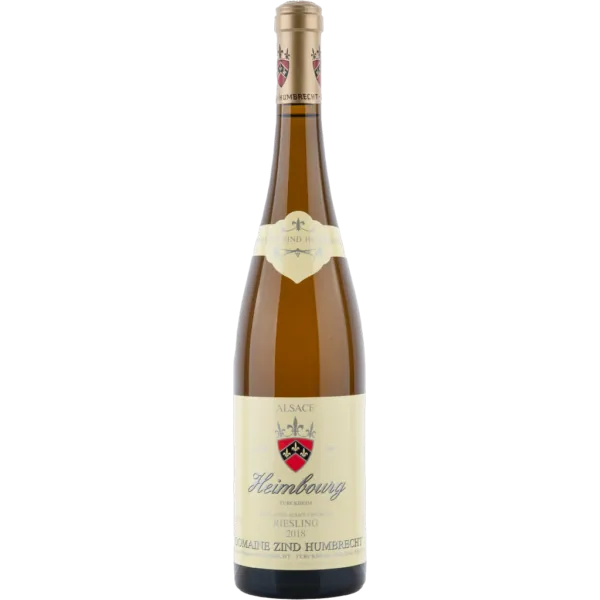
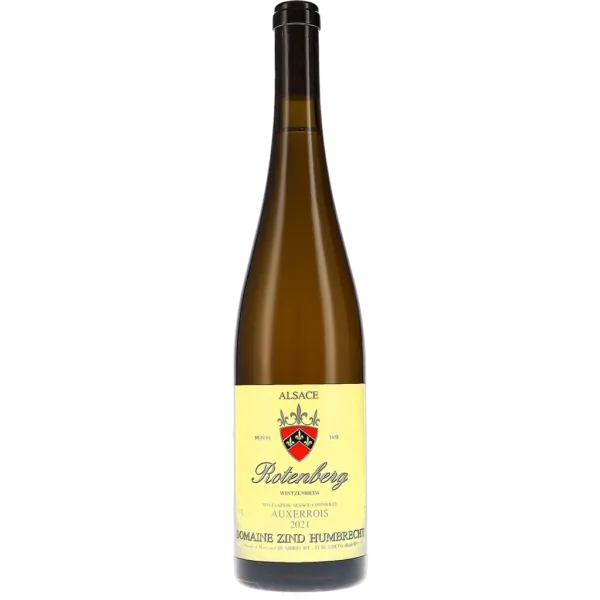
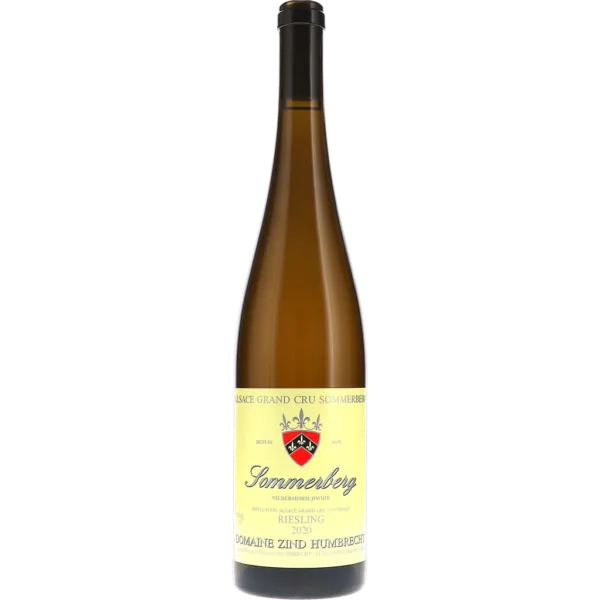
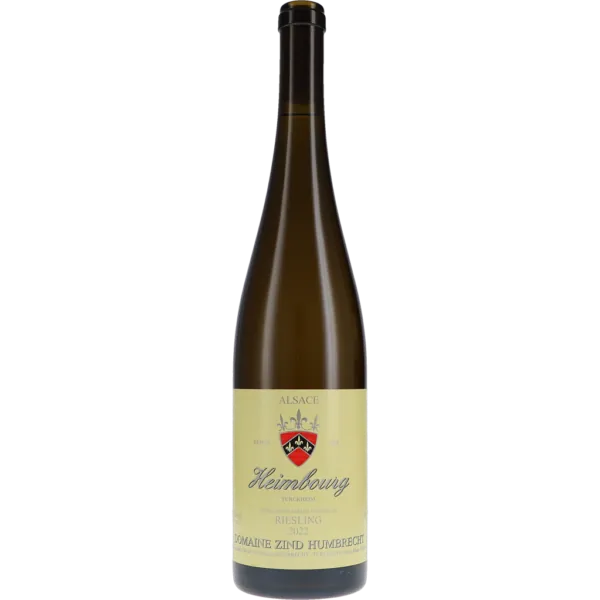
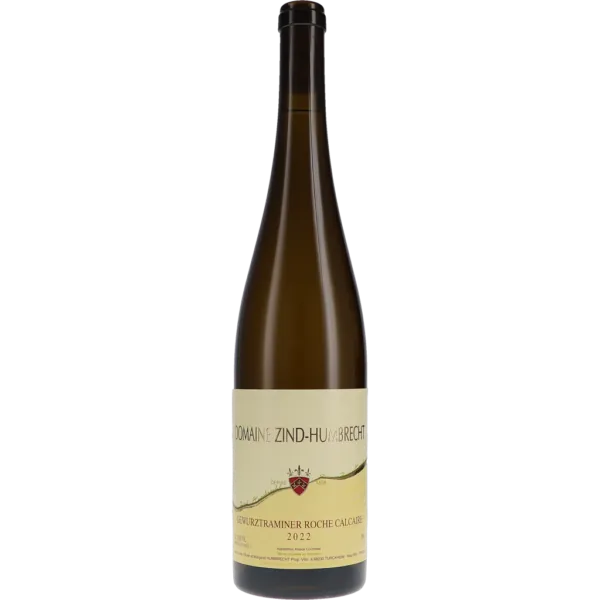
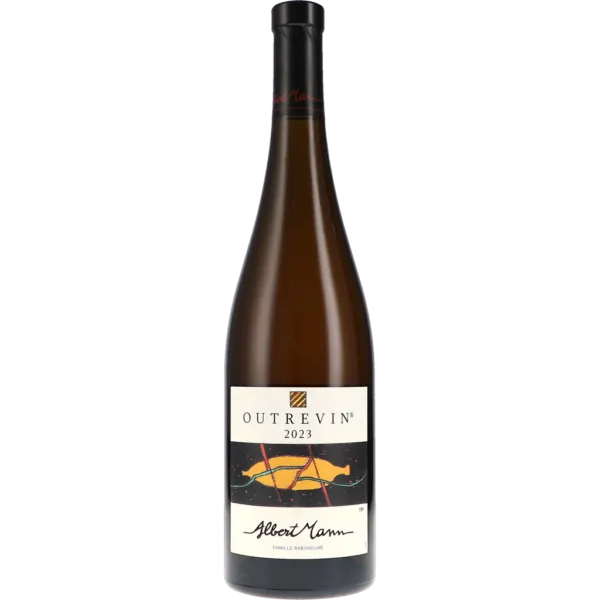
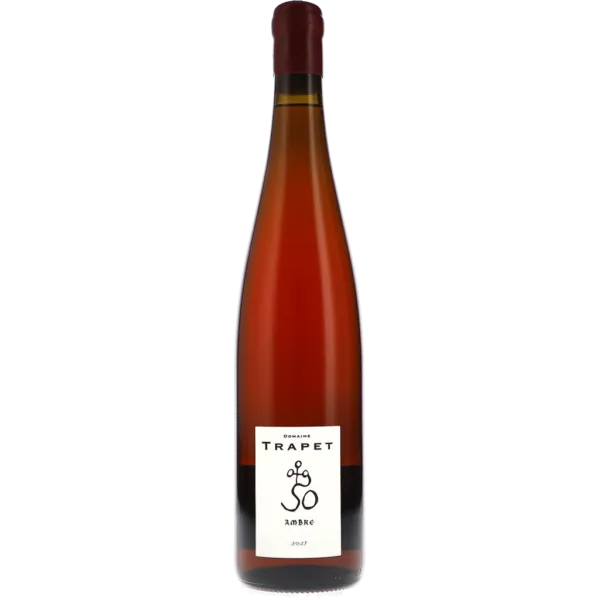
Domaine Zind-Humbrecht in Turckheim cultivates its vineyards biodynamically; its Roche Calcaire, Roche Volcanique and Roche Roulée range organises the entry-level wines according to the rock type. Domaine Albert Mann in Wettolsheim stands for precise Grand Cru Rieslings from Schlossberg and Furstentum and for Pinot Noir from Pfersigberg. Trapet Alsace in Riquewihr combines Grand Crus such as Schoenenbourg and Sonnenglanz with the skin-macerated Ambre wines. Finally, Hunter McKirdy craft natural wine in Zellenberg as Vin de France, such as an Auxerrois from gravel over Jurassic calcareous marl or a Pinot Gris fermented like a red wine.
Which Alsace wine for which occasion
A dry Riesling or Pinot Blanc accompanies Flammkuchen, fish and choucroute; a mature Pinot Gris stands up to poultry, mushrooms and game; and Gewurztraminer finds its partner in Munster cheese and spicy cuisine. The Grand Crus need time and air, while the natural wines show best when young. Our selection covers this entire spectrum, from a village wine from Turckheim to a mature Magnum from the Rangen.