
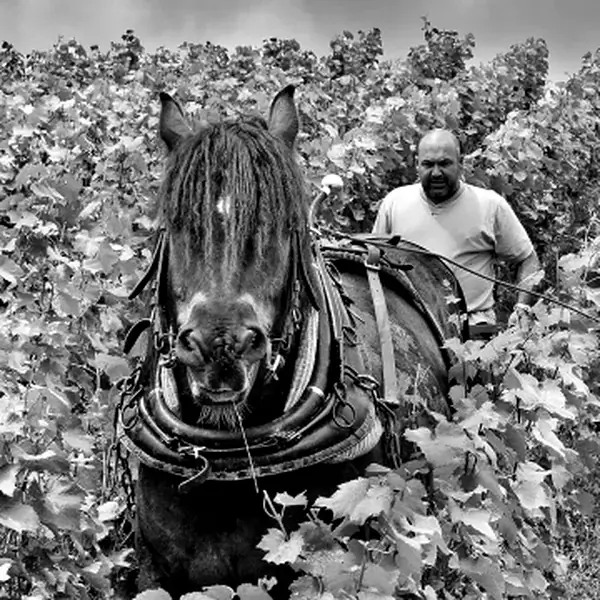
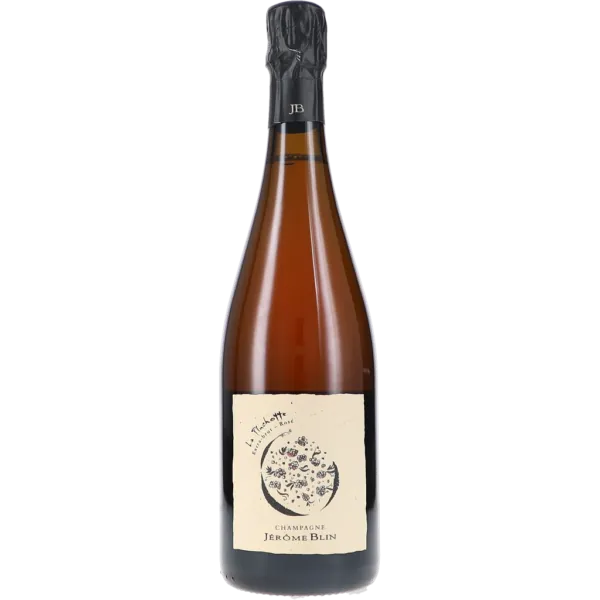
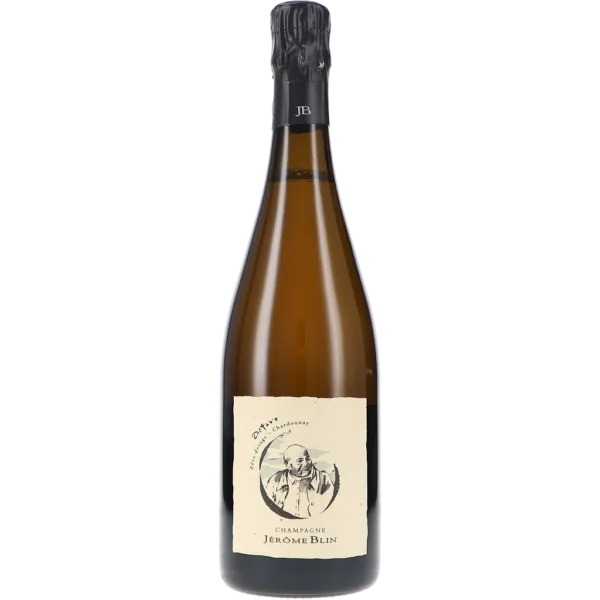
The Blin family has been growing wine in Vincelles since 1671, today with a focus on agroforestry and living things: horses and sheep work in the vineyards, Jérôme keeps bees, brings plants and trees back between the vines and tills the soil as little as possible. He cultivates 3 hectares in the Vallée de la Marne, certified organic and following the principles of biodynamics and phytotherapy. Sixty per cent of the vines are Meunier, the underrated grape of this region. Champagne Jérôme Blin shows what it can do: champagnes without dosage that nevertheless never come across as harsh.
More about Jérôme Blin
From conventional estate to biodynamics
When Jérôme returned to the family estate in 1996, it was farmed conventionally – like almost every other in Champagne. Yet the young winemaker sensed that something was missing. The soils were tired, the vines susceptible, the wines interchangeable. In 2012 he began converting to organic viticulture, in 2018 biodynamics followed, later phytotherapy and radiesthesia. The transformation was radical: no more herbicides or synthetic fertilisers, and as little intervention as possible in both vineyard and cellar. Fermentation takes place with indigenous yeasts, without filtration or fining, and ageing is carried out in wooden casks, amphorae and qvevri.


Vincelles and the Vallée de la Marne
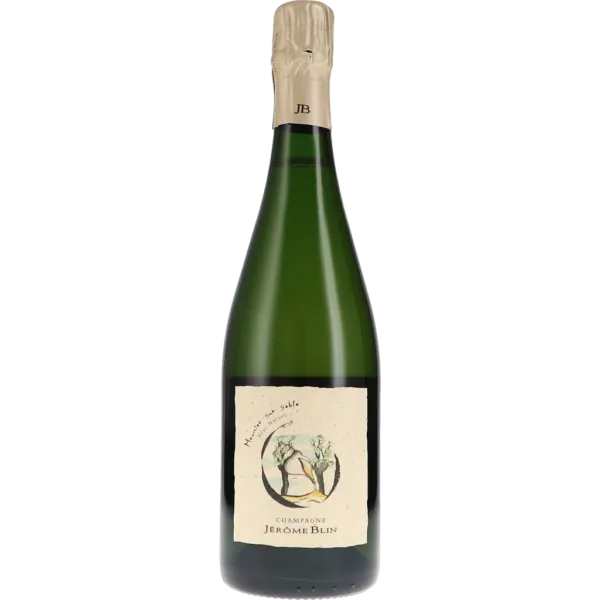
Vincelles lies on the southern bank of the Marne, around 20 kilometres west of Épernay. Here, Pinot Meunier dominates – a grape variety long considered the workhorse of Champagne, good enough for the blend but rarely for single-vineyard wines. Jérôme sees things differently. His 3 hectares are spread across numerous lieux-dits with different soil types: clay, limestone, sand, flint. Each parcel is vinified separately; each wine tells its own story. The Cuvée Meunier sur Sable, for example, comes from sandy soils and displays an almost Burgundian elegance. Nearby, a few kilometres to the east in Œuilly, Tarlant works according to a similar philosophy: zero dosage here too, likewise focused on lieux-dits, and equally convinced that Champagne can be more than just branded sparkling wine.
The philosophy of zero
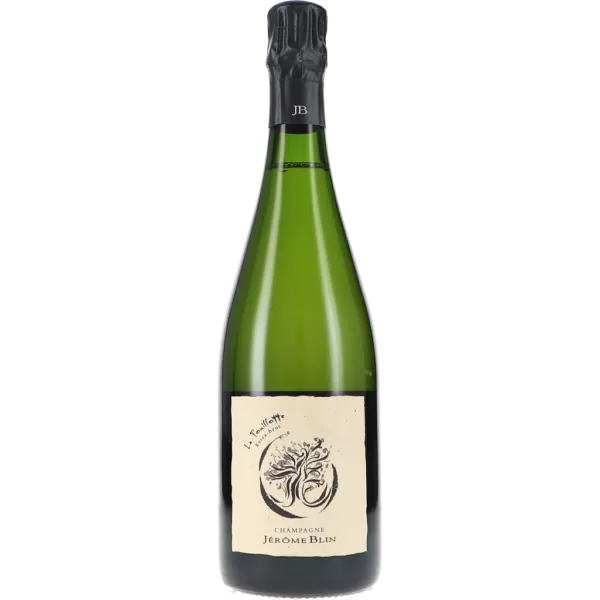
Zero dosage is not a marketing decision for Jérôme Blin, but a logical consequence. If the grapes are healthy, if fermentation proceeds spontaneously with wild yeasts, if the wine has time to develop on its lees – then it needs no sugar to appear round. La Pouillote, with its 3 grams of dosage, is already his “most opulent” Champagne. Most of the others manage entirely without. The result is Champagnes of almost frightening precision: taut, mineral, with an acidity that cuts like a scalpel – and a fruit that is nevertheless present, simply not masked by residual sugar.
Single vineyards instead of blends
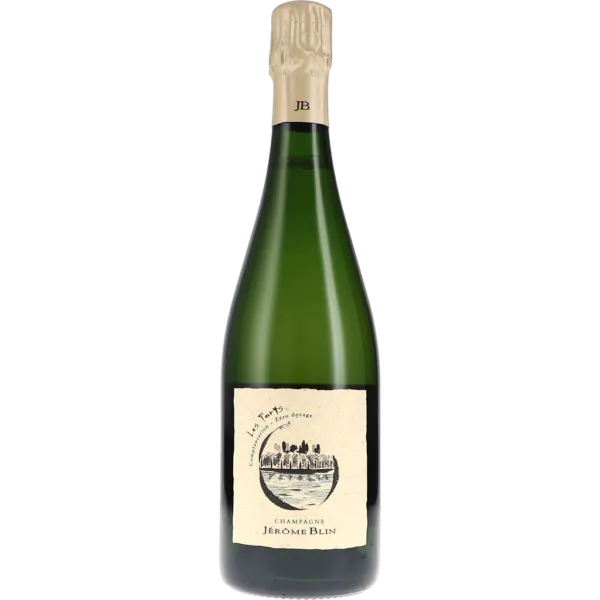
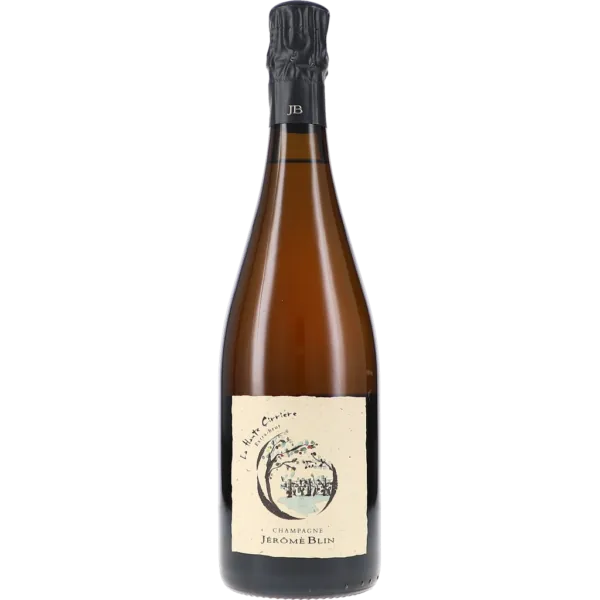
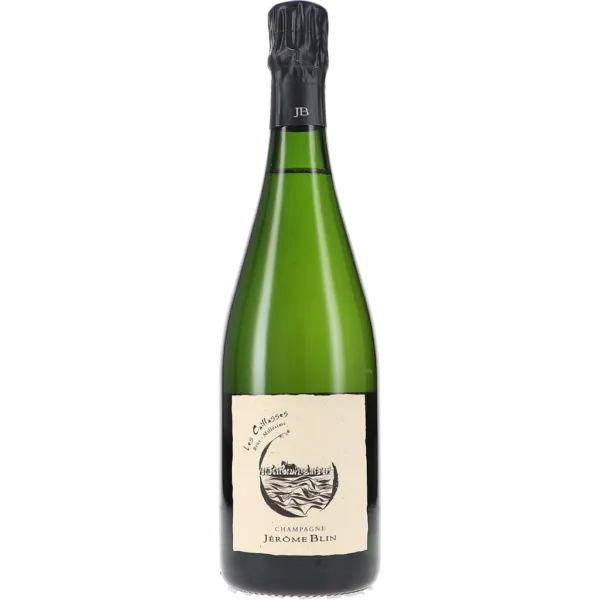
While the grandes maisons assemble their Champagnes from hundreds of parcels, Jérôme takes the opposite approach. Each of his Champagnes comes from a single vineyard site, often from old vines, and is always spontaneously fermented. Les Ports is a complantation – a historical field blend of Meunier, Pinot Noir and Chardonnay, grown together and harvested together. Les Caillasses comes from stony soils, La Haute Cirrière from the highest parcels. Whoever drinks Champagne Jérôme Blin is not drinking a brand – they are drinking a place.