
 EN
 DE
 FR
 IT

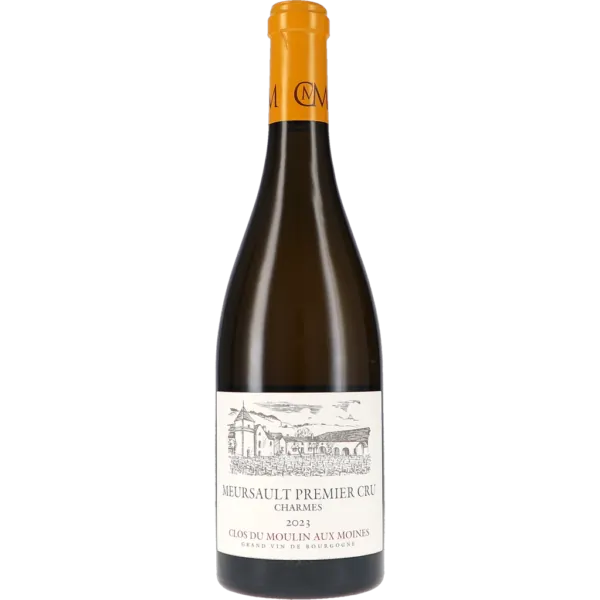
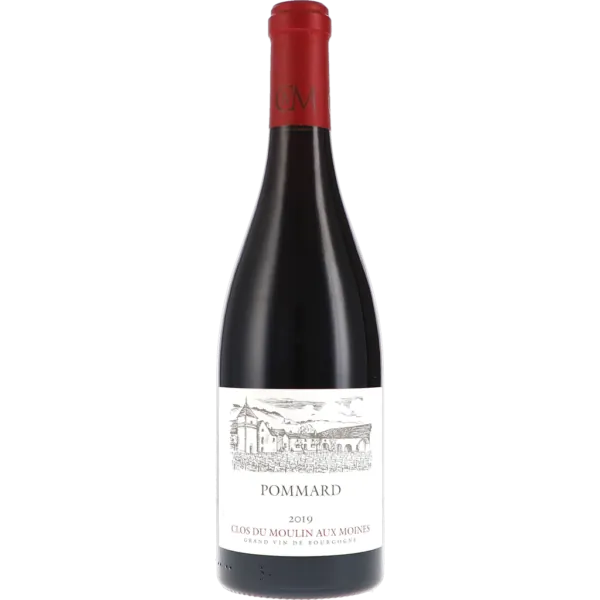
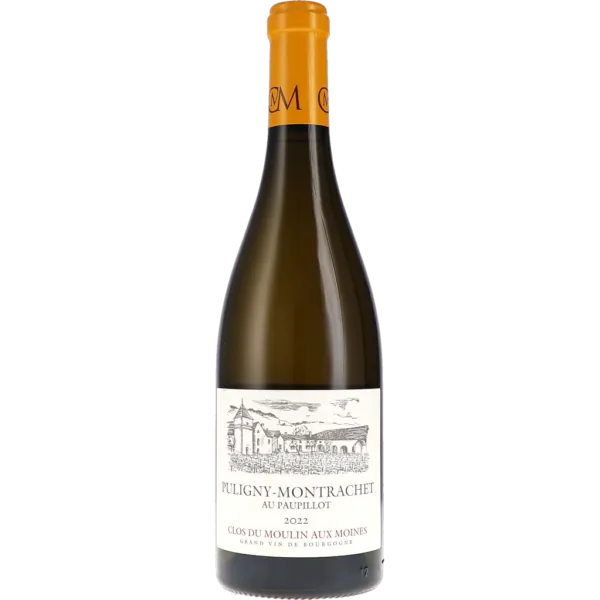
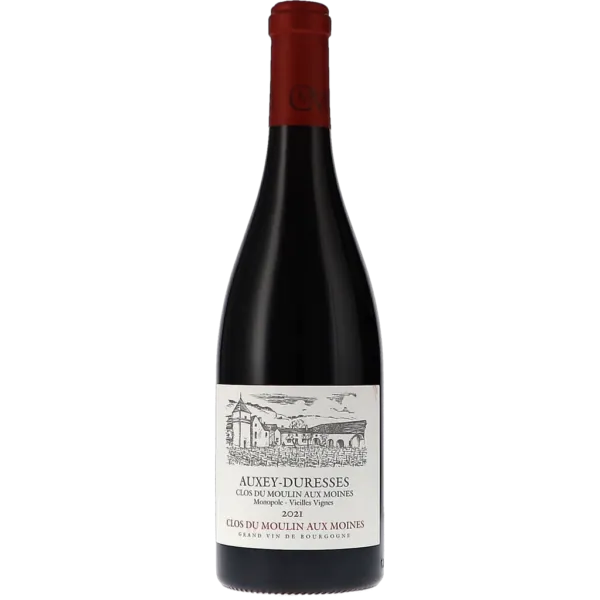
Founded at the end of the 10th century by monks of the Abbey of Cluny, Clos du Moulin aux Moines is one of the oldest wine estates in Burgundy. Since 2008 Willy Roulendes has been leading the domaine in Auxey-Duresses, west of Meursault at the mouth of a side valley, to new heights. It farms 16 hectares of vineyards biodynamically across some twenty appellations, including three monopoles. Classic Burgundian winemaking in centuries-old cellars.
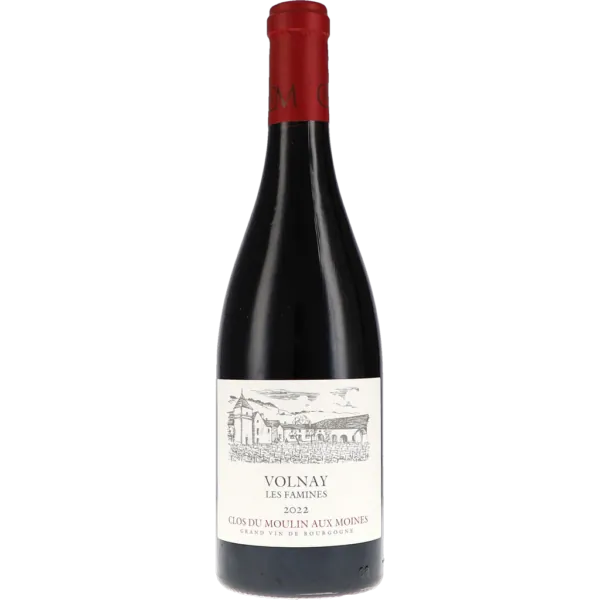
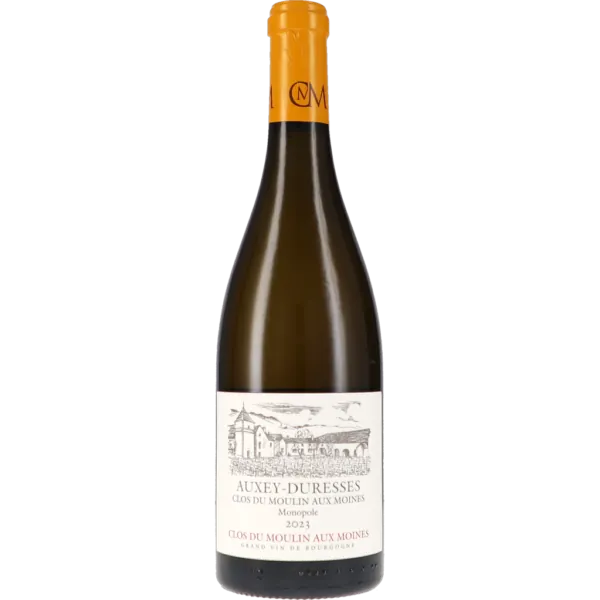
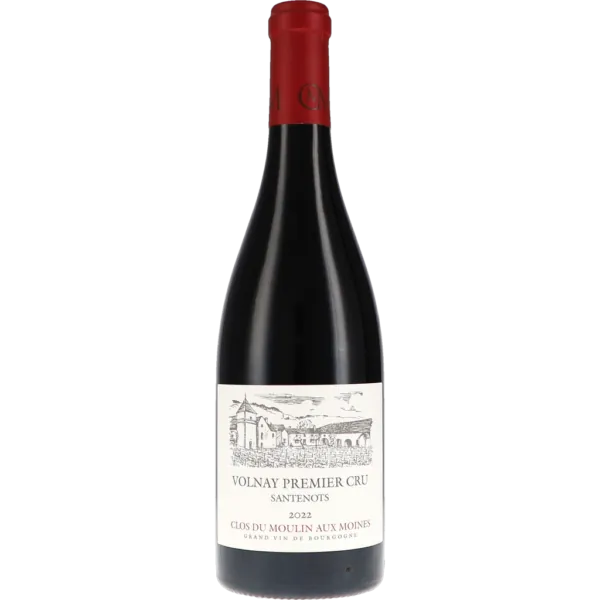
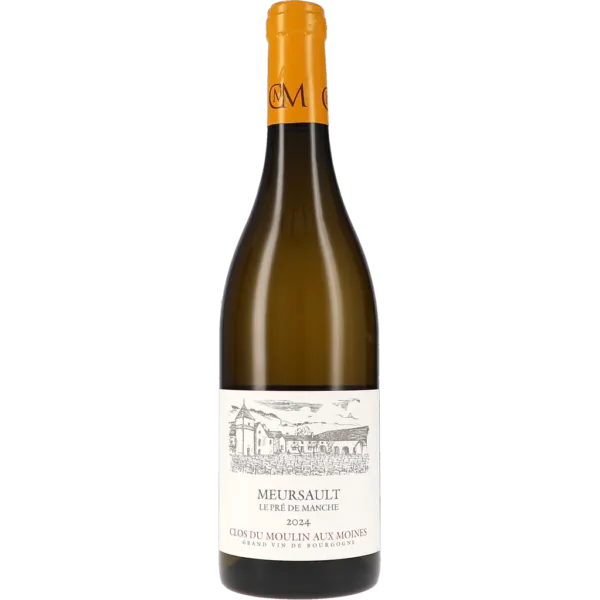
More about Clos du Moulin aux Moines
A Thousand Years of History

The Clos du Moulin aux Moines lies in Auxey-Duresses, west of Meursault at the mouth of a side valley of the Côte de Beaune. Its history begins at the end of the 10th century with monks of the Abbey of Cluny. They chose the site for the stream, the Ruisseau des Cloux, which drove their mill, and laid out a farm with dovecote, bread oven, dairy and orchard that supplied the neighbouring villages. In more than a thousand years the estate has had only five owners; today it belongs to the Rollin family. The imposing main building overlooks three hectares of walled vineyard – a classic Burgundian “clos”, which gave the estate its name. The cellars date from the 11th and 15th centuries; the wines mature here as they have for generations.
Biodynamics and Tradition
Since 2008 the estate has been under new leadership and is more quality-driven than ever. Willy Roulendes has converted the vineyards to organic and biodynamic farming: 2011 was the first certified organic vintage, 2021 the first certified biodynamic one. The parcels bought in early 2022 in Meursault and Puligny-Montrachet are in conversion and will be certified from the 2025 vintage. Work in the vineyard is done by hand or with the help of horses – chemicals and heavy machinery have no place here. This careful husbandry shows in the vitality of the vines and the complexity of the wines. In 2020 Michael Schwab joined to help with the daily work. Boris Champy works with similar conviction in the Hautes-Côtes de Beaune.

Three Monopoles
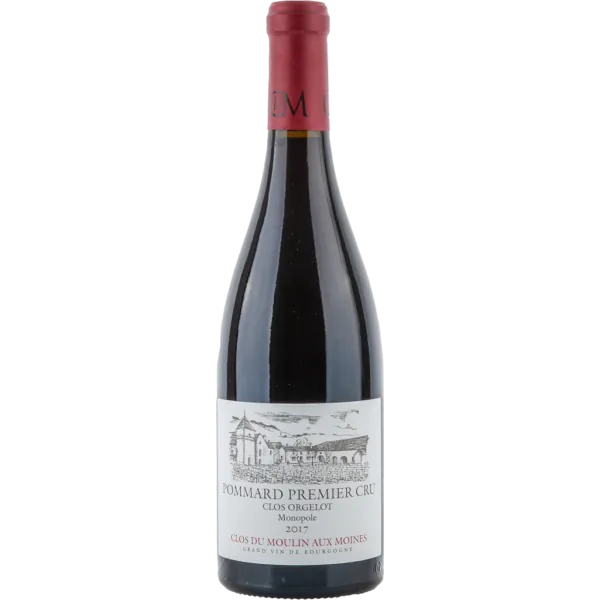
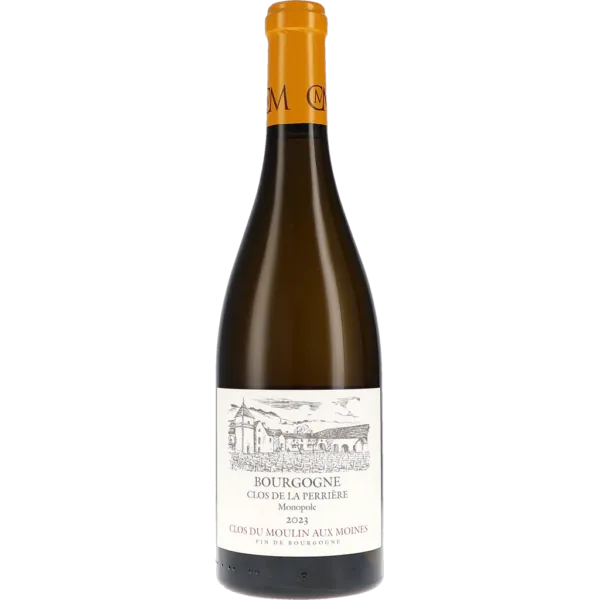
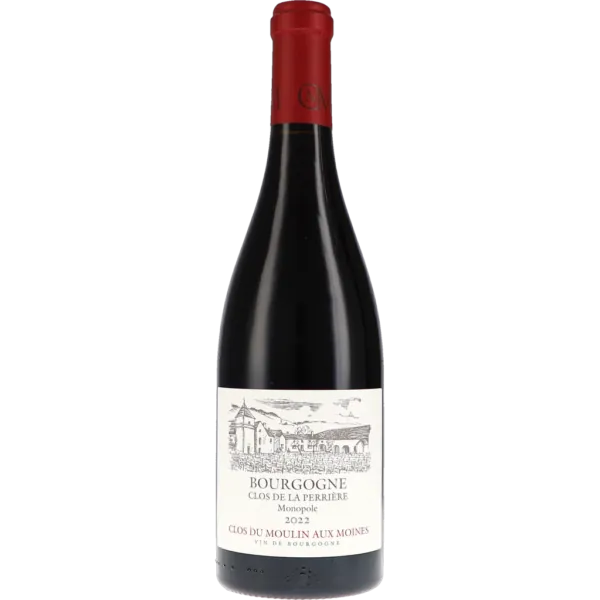
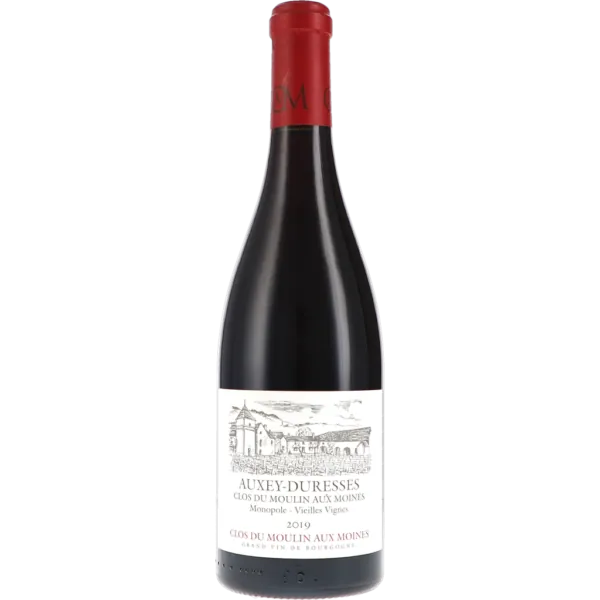
Of particular note are the domaine's three monopoles, vineyards that belong exclusively to this estate. The Pommard 1er Cru Clos Orgelot covers a good hectare above the Épenots, was already listed among the most esteemed sites of Pommard by Denis Morelot in 1831, and yields spicy, fleshy Pinot Noir. The Clos du Moulin aux Moines itself covers three hectares at the foot of the slope behind a high stone wall; its oldest Pinot Noir vines were planted in 1952 and 1954. The same site also gives a Chardonnay from vines planted in 2003, stylistically reminiscent of neighbouring Meursault. The third monopole is the Clos de la Perrière, three hectares in Corpeau south of Puligny-Montrachet. The proximity to the great white appellations unmistakably shapes these wines.
Classic Burgundian Vinification
In the cellar the approach is strictly traditional. Red grapes ferment in large wooden vats or concrete; the whites in small oak barrels. The whites ferment and age in pièces of 350 and 400 litres in the 11th-century cellar, the reds in the underground cellar from the 15th century; the barrels have mostly held several wines already, so that the wood does not mark the wine. New oak is rarely used now – Willy wants to give the stage to the clear, floral and fruity aromas, not to blanket them with toasty notes. Depending on appellation and vintage, the wines age for 12 to 18 months. The adjustments he makes are not large, but they leave clear traces in the quality. Comparable elegance is found at Rémi Jobard in Meursault.
An Insider's Secret with Potential
Despite its historical importance and outstanding quality, Clos du Moulin aux Moines paradoxically remains an insider's secret. The wines have something timeless: Burgundian elegance without pomp, depth without heaviness. Whoever buys here gets Burgundy as it should be – honest, handcrafted and full of history.