

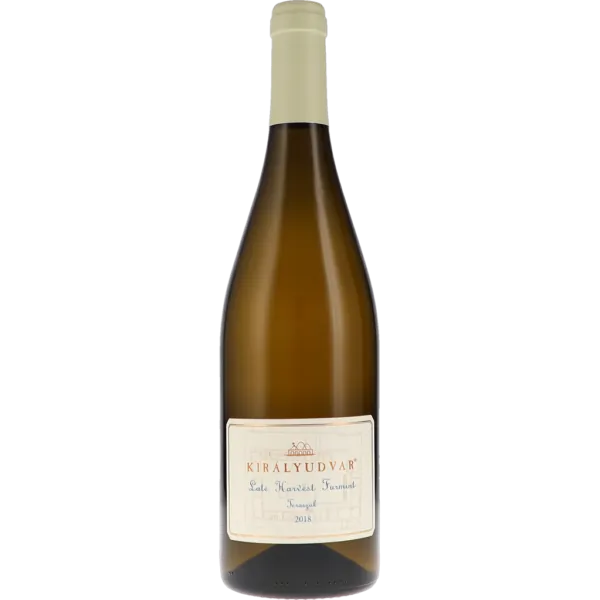
A Filipino-American businessman from New York is revolutionising Tokaj while simultaneously owning a Loire legend – this story sounds too mad to be true. Since 1997, the Királyudvar estate has embodied this extraordinary connection between two worlds of noble sweet wines. Anthony Hwang transformed the former purveyor to the Habsburg court into one of the most ambitious producers in Tokaj through biodynamic methods and international expertise. From bone-dry Furmint via the region's first Pezsgő to the legendary Esszencia, wines of uncompromising quality are created here. István Szepsy laid the foundations; today cellar master Imre Orosz and vineyard manager István Dorogi shape the wines across 84 hectares of top vineyard sites.
More about Királyudvar
The liaison between the Loire and Tokaj
Anthony Hwang’s wine empire unites two icons of the sweet wine world: the Loire with its Domaine Huet and Tokaj with Királyudvar. This unique constellation enables a transfer of knowledge that benefits both regions. Noël Pinguet, winemaker at Huet, accompanied the biodynamic conversion in Tokaj; Jean-Bernard Berthomé maintained the link between the two estates until his retirement in 2019, and today it is kept up by Benjamin Joliveau, the current winemaker at Huet. The Tokaji Pezsgő “Henye” Brut Nature 2018 was born directly from the inspiration of Huet’s pétillant tradition; the first vintage, 2007, is still alive and developing, and like all the dry wines of the estate it is built to age for 30 years.

Terroir expression at the highest level
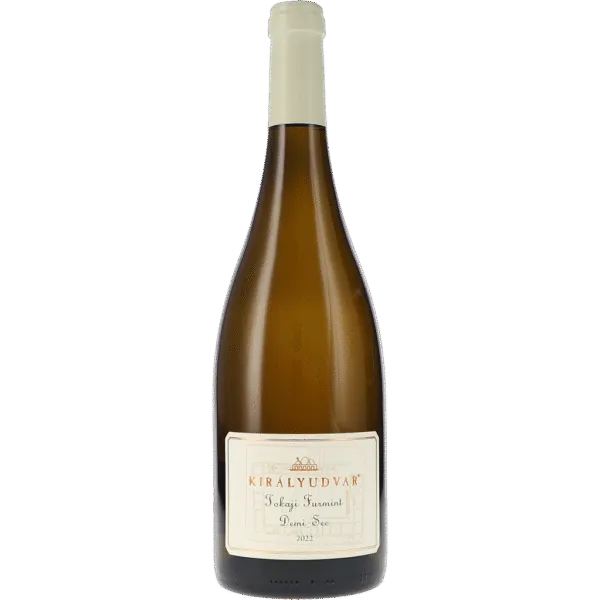
The Grand Cru sites Lapis and Henye form the heart of the 84 hectares, complemented by Percze, Betsek, Suba, Danczka and Nyulászó as well as the currently uncultivated monopole Somszög in Tállya. Szabolcs Juhász, a pupil of the Tokaj legend Zoltán Demeter, shaped the wines from 2009 to 2025 before leaving to become CEO of Grand Tokaj; today cellar master Imre Orosz, with the estate since 2007, and vineyard manager István Dorogi interpret these exceptional terroirs using biodynamic methods. The Furmint grape reveals its full range – from mineral Sec to concentrated Aszú component. The Tokaji Furmint Demi-Sec 2022 displays the off-dry middle ground of this great grape variety, with ripe pear, quince and anise, the smoky minerality of the upper Betsek parcels and fine, lively acidity; off-dry on entry, dry on the finish.

From the Aszú renaissance to Esszencia perfection
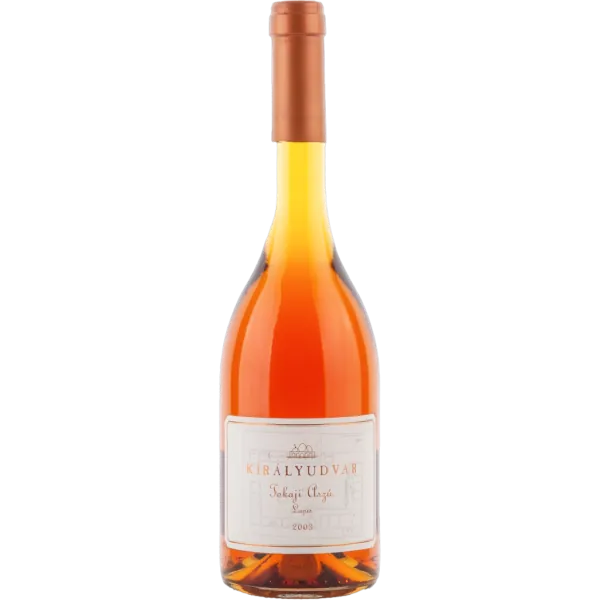
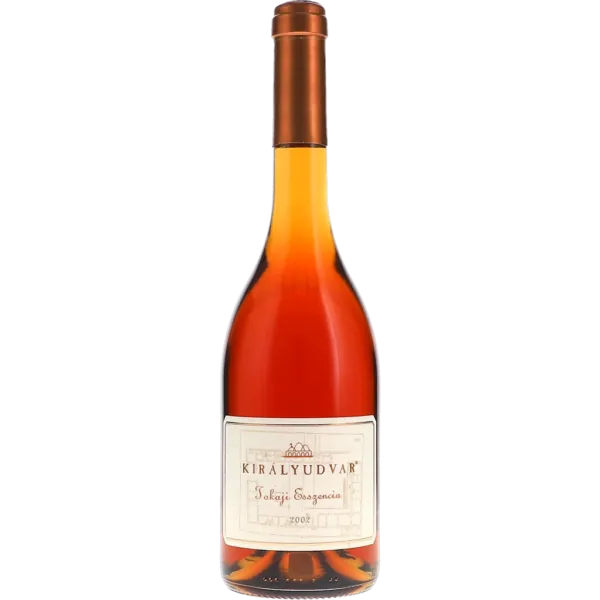
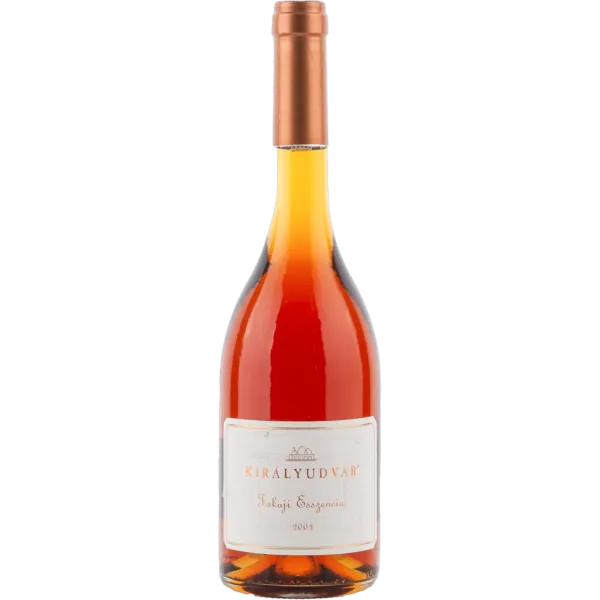
István Szepsy, co-founder and first winemaker, laid the foundations for Királyudvar’s Aszú renaissance. The 6 Puttonyos system is applied here with scientific precision and artisanal perfection. The Tokaji 6 Puttonyos Aszú 2012 embodies this philosophy in its most accomplished form. At the pinnacle of the hierarchy stands the Esszencia – the legendary nectar made from the free-run juice of botrytised berries, which requires decades of ageing.
Biodynamic pioneering work since 2008
Királyudvar has worked entirely biodynamically since 2008 – a pioneering role in Tokaj. The conversion was not driven by fashion, but by the conviction that only living soils can fully express the complexity of these unique terroirs. Preparations and lunar cycles govern the work in the vineyard and the cellar. The result is wines of exceptional vitality and longevity, uniting the historical heritage of the royal court with contemporary winemaking.