
Between the Sierra Cantabria to the north and the Ebro to the south, the vines of Rioja Alavesa stand on calcareous clay, many vineyard sites at 500 to 700 metres above sea level, while further east in Navarra old Garnacha vines grow beneath Montejurra. Our wines from Rioja and Navarra come from seven producers who think about their wines in terms of village and single vineyard: Artadi, Artuke, Maisulan, Tentenublo and Remírez de Ganuza in Rioja, Artazu and Laderas de Montejurra in Navarra. Tempranillo sets the tone, accompanied by Graciano and Garnacha, alongside white wines from Viura, Malvasía and Garnacha Blanca. Several of these estates are certified organic, with Maisulan also working according to biodynamic methods.
More about Rioja & Navarra
Wines from Rioja and Navarra: calcareous clay, altitude and the Ebro
Rioja follows the course of the Ebro and is divided into three zones. Rioja Alavesa lies north of the river in the Basque Country, sheltered by the Sierra Cantabria, on calcareous clay with terraces and small parcels. Rioja Alta in the west bears an Atlantic influence and is cool, while Rioja Oriental in the east is warmer and drier – here Garnacha is at home. Navarra adjoins to the north-east, stretching from the foothills of the Pyrenees down to the plains along the Ebro. For some years now, alongside the ageing categories Crianza, Reserva and Gran Reserva, Rioja has also permitted village and single-vineyard designations, and this is precisely where most of our producers focus their efforts.
Rioja Alavesa: Artadi, Artuke, Maisulan and Tentenublo
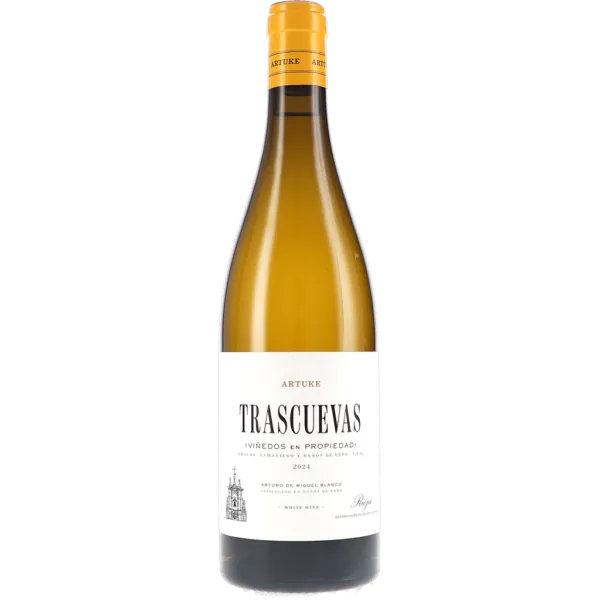
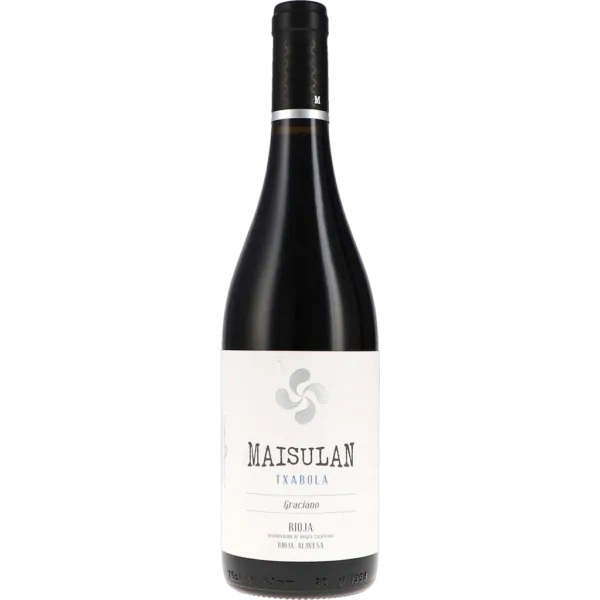
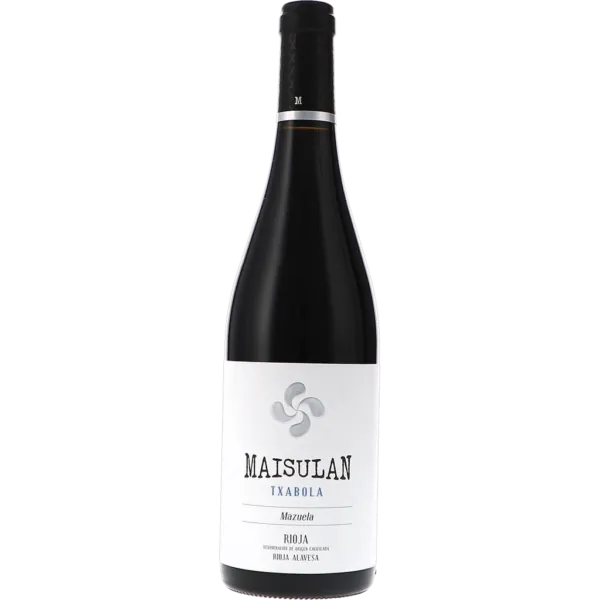
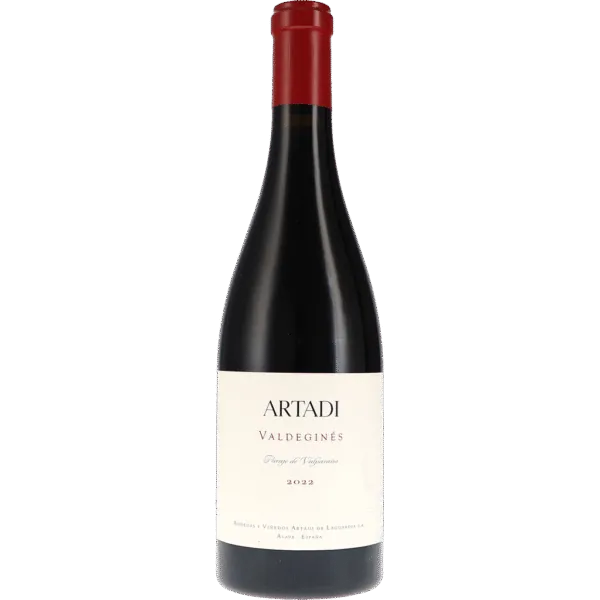
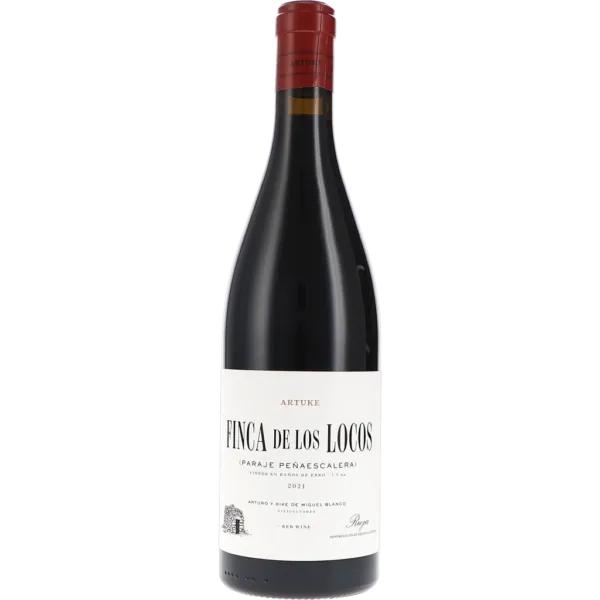
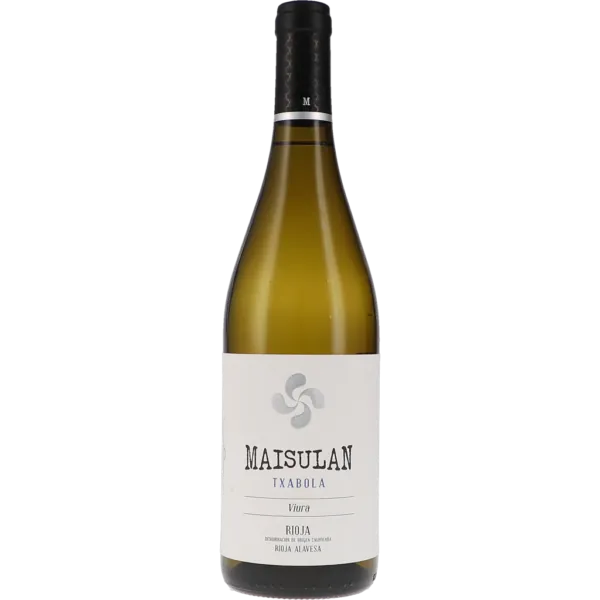
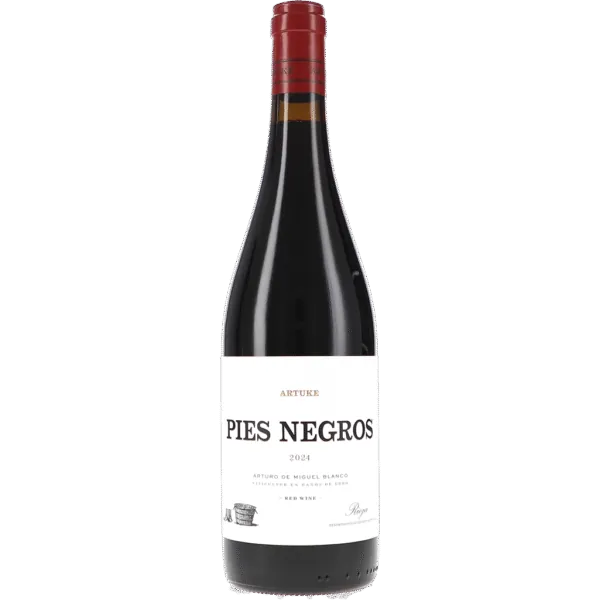
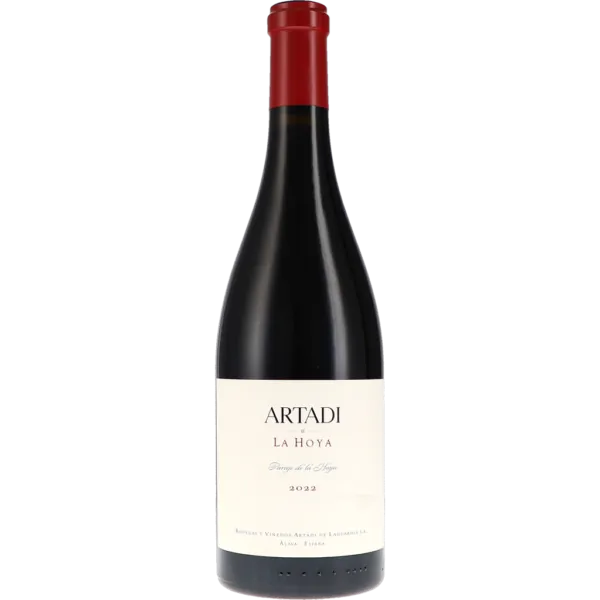
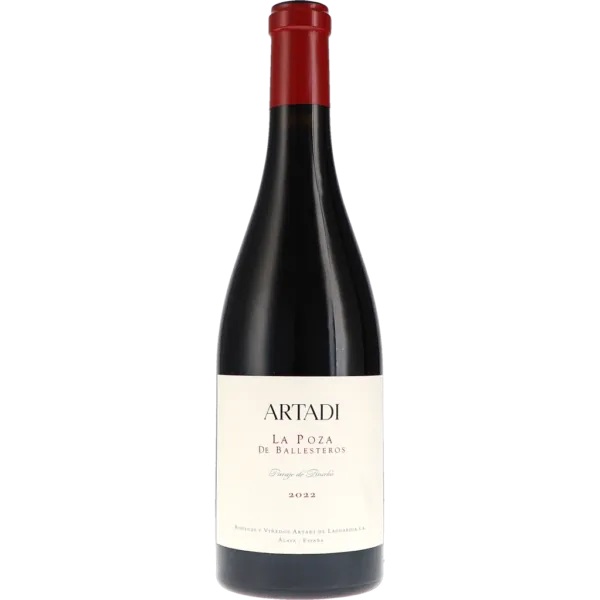
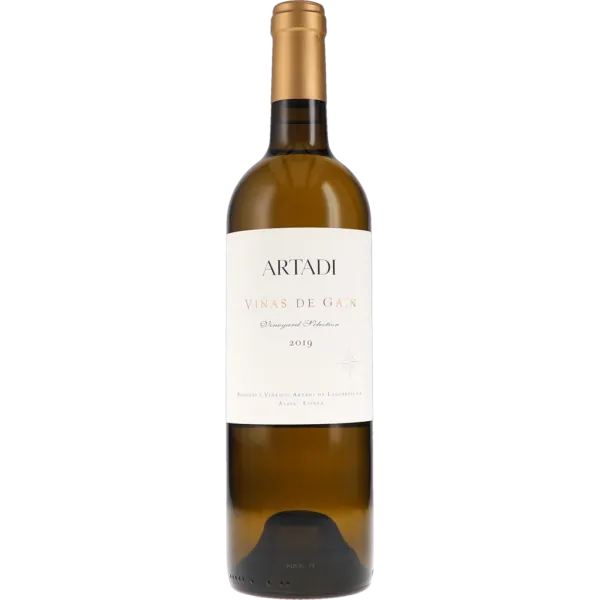
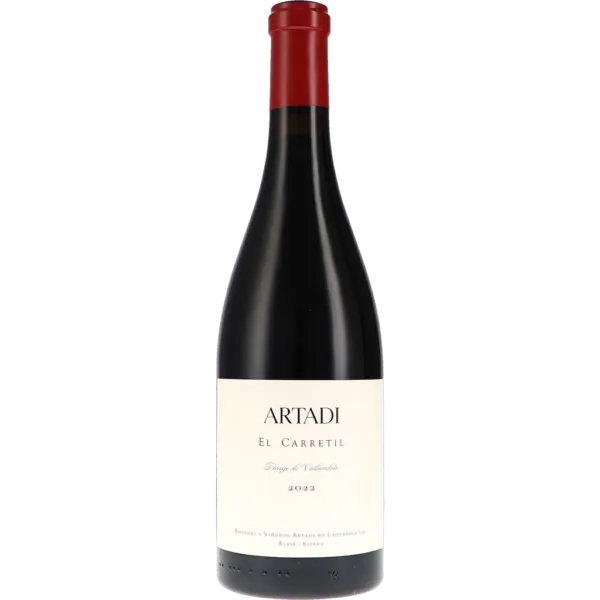
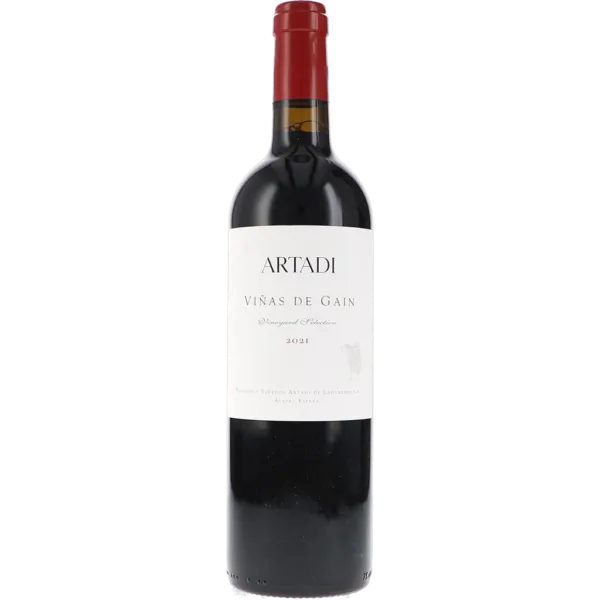
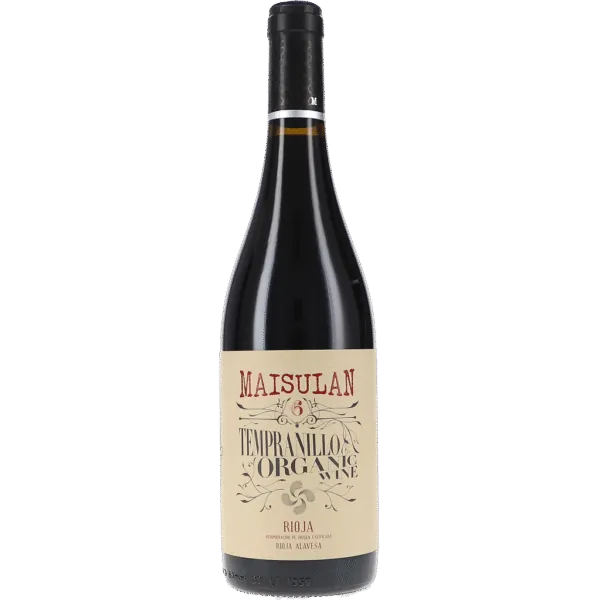
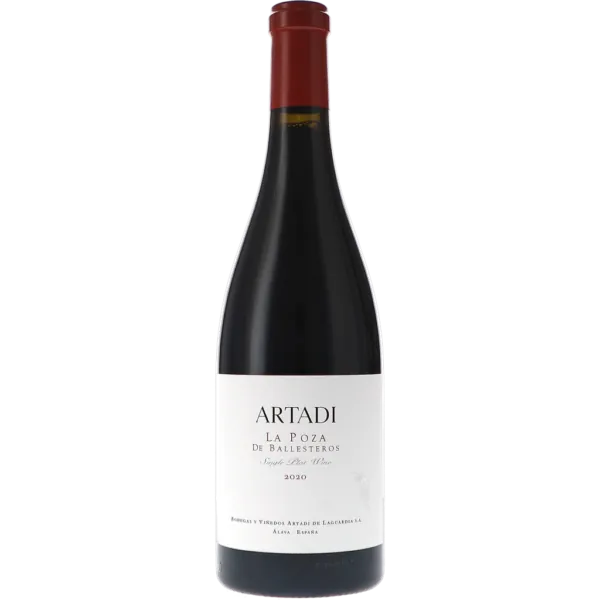
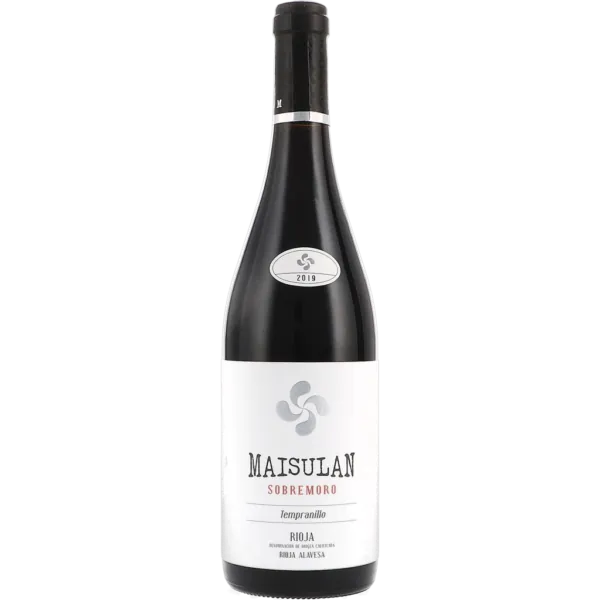
Juan Carlos López de Lacalle has made Artadi in Laguardia the benchmark for single-vineyard wines from Tempranillo, leaving the DOCa Rioja in 2015 in order to name his wines according to their origin. The range runs from Viñas de Gain via Valdegines and La Hoya to San Lázaro and El Carretil; at its pinnacle stands the Viña El Pisón 2022, from vines planted in 1945 at 480 metres in a limestone basin. Brothers Arturo and Kike de Miguel Blanco craft juicy, cool Riojas such as Pies Negros and Finca de los Locos at Artuke in Baños de Ebro, along with single-vineyard wines like Paso las Mañas from limestone at 700 metres at the foot of the Sierra Cantabria, El Escolladero and La Condenada. Eva Fernández and Luis Ruiz de Viñaspre farm old bush vines biodynamically for Maisulan, bottling pure Graciano, Mazuela and Viura alongside Tempranillo. With Tentenublo, Roberto Oliván seeks out old field blends of red and white varieties at high altitudes; the Escondite del Ardacho wines bear the names of their individual parcels.
Reserva and Gran Reserva at Remírez de Ganuza
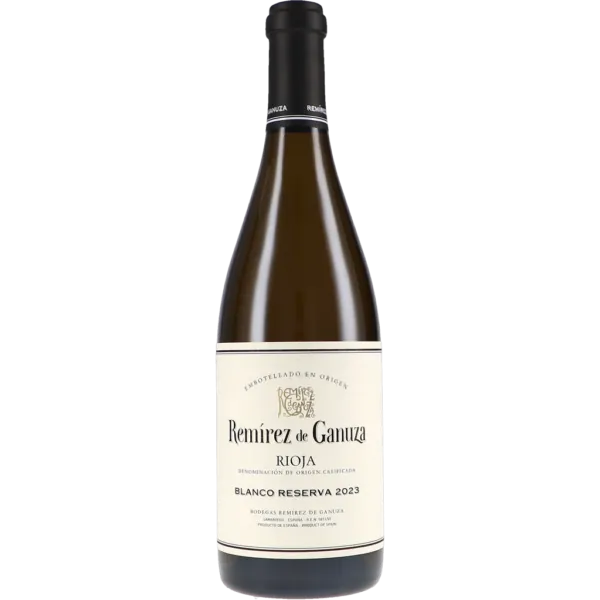
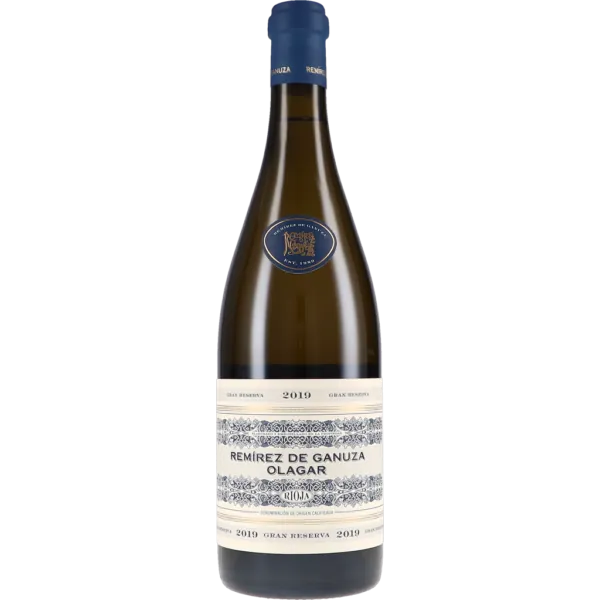
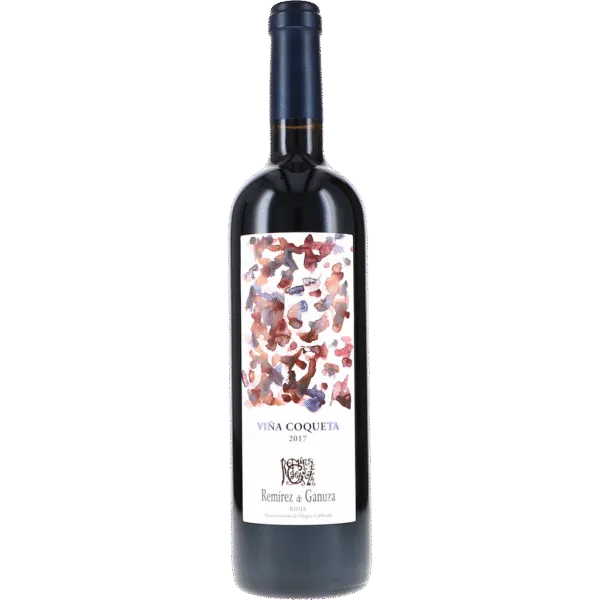
In Samaniego, Remírez de Ganuza upholds the classic Rioja style with long ageing in cask and bottle. The estate is renowned for processing the shoulders and tips of the bunches separately, as the upper berries are riper and more concentrated. This approach yields Reserva, Gran Reserva and Trasnocho from Tempranillo and Graciano, which develop leather, tobacco and dried cherry over many years, as well as the Olagar Gran Reserva Blanco from Viura. With Iraila from San Vicente de la Sonsierra, the portfolio also extends into Rioja Alta – a pure Garnacha, fine and fresh.
Navarra: Garnacha from Artazu and Laderas de Montejurra
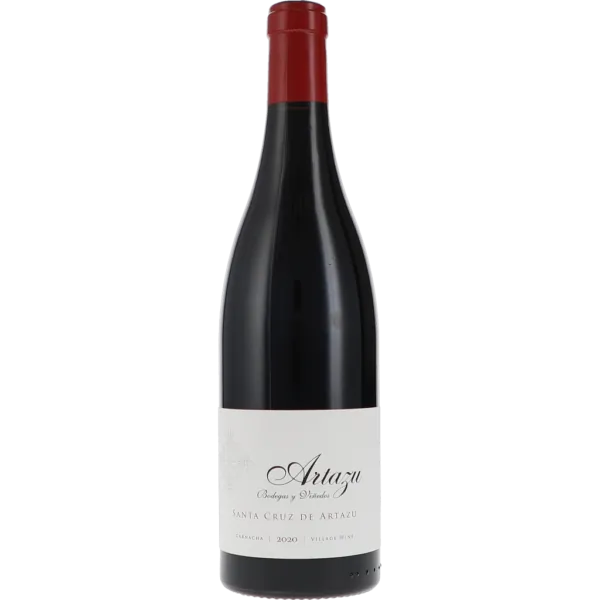
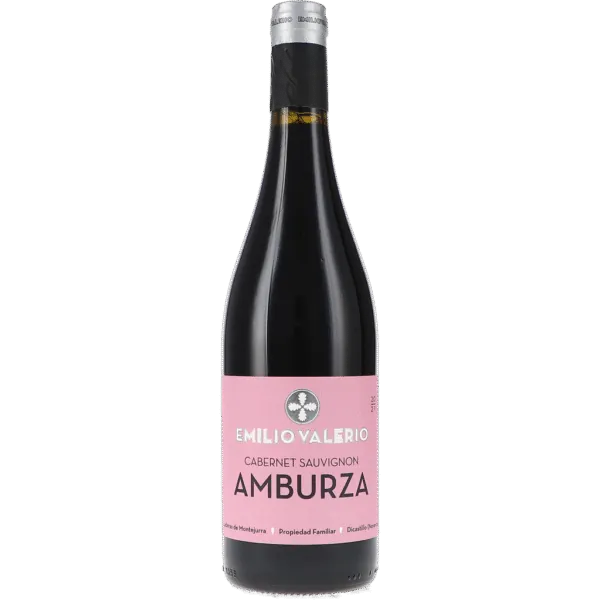
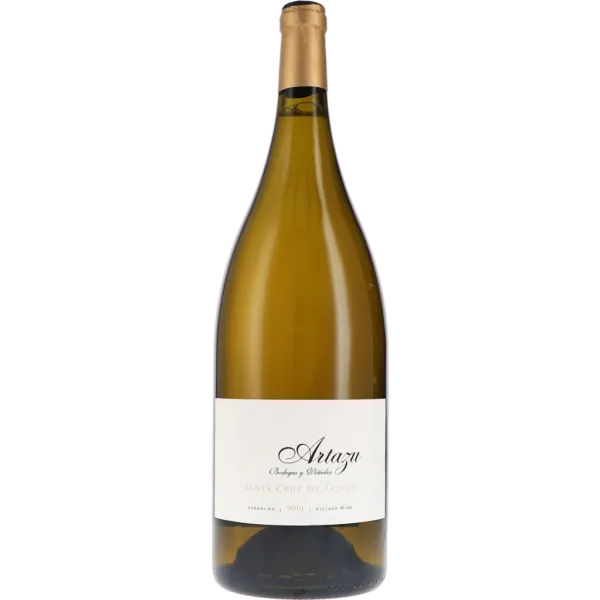
Navarra is historic Garnacha country. In the village of Artazu, south-west of Pamplona, Artadi founded Artazu, a dedicated estate for old Garnacha vines; alongside the reds Pasos de San Martín and Santa Cruz de Artazu, a white wine from Garnacha Blanca grown between 450 and 600 metres is produced there. In the cool Tierra Estella, Emilio Valerio farms limestone slopes up to 700 metres in altitude under organic certification with Laderas de Montejurra. His wines range from the Emilio Valerio, made from Garnacha, Cabernet Sauvignon and Merlot, via the Cabernet Amburza to the matured Leorin 2013 from old Garnacha and Tempranillo vines. You will find all available wines from Rioja and Navarra in the list above.