
 EN
EN  DE
DE  FR
FR  IT
IT 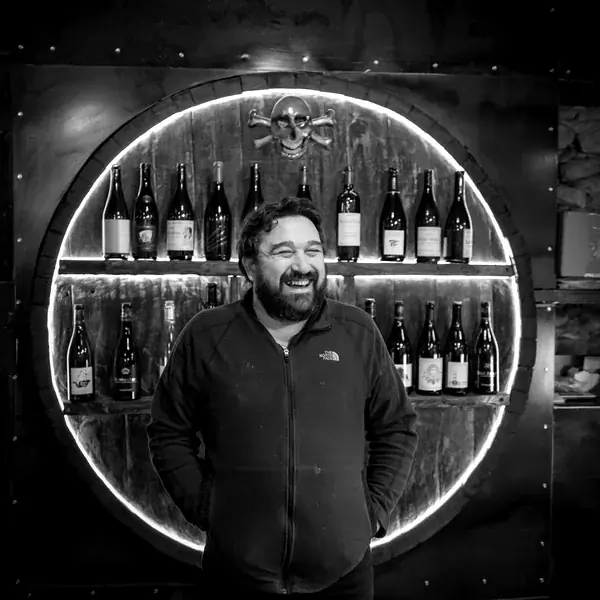
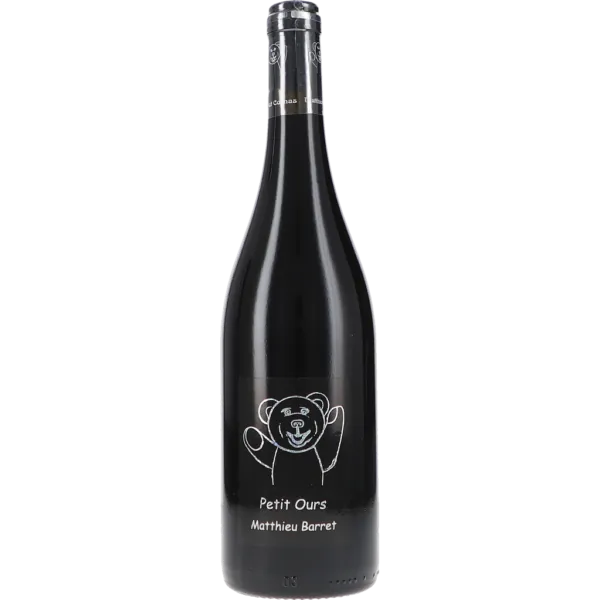
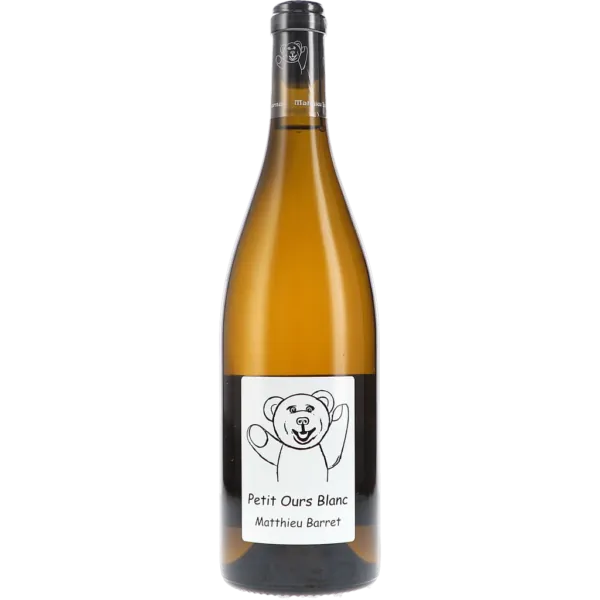
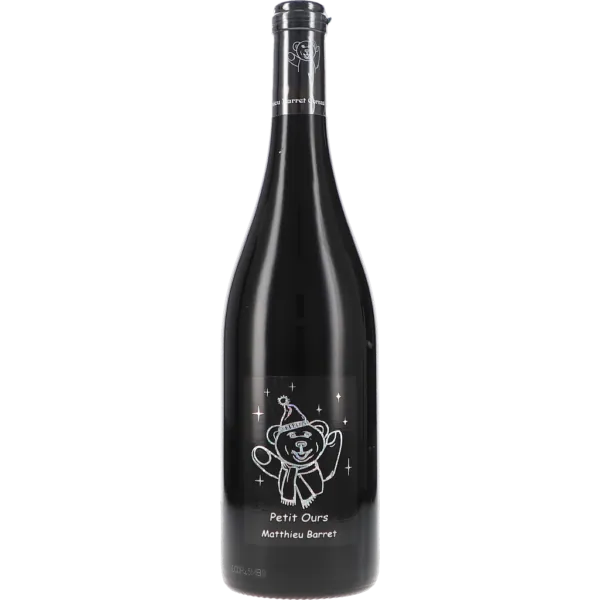
Stéphane Tissot called him “Petit Ours Brun”, little brown bear. The nickname stuck and today adorns Matthieu Barret’s entry-level wines. Domaine du Coulet in Cornas stands for uncompromising Syrah from steep granite terraces. Seventh generation, biodynamic since 2002, no barriques since 2017. Mules instead of tractors, concrete instead of wood.
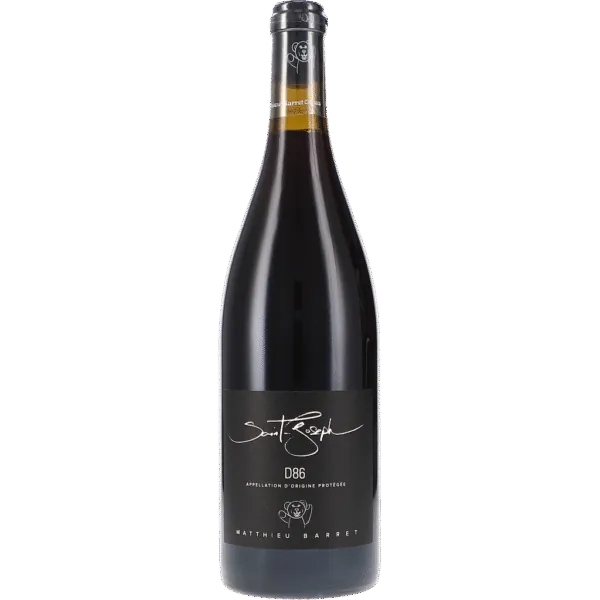
More about Du Coulet
From grandfather to granite
In 1997 Matthieu Barret joined his grandfather in Cornas. A year later he took over the vineyards, and in 2000 he bottled his first vintage. The estate had previously sold grapes to Chapoutier and Delas; now it makes independent wines with scores above 95 points from Robert Parker. The 20 hectares are spread across steep, south-facing terraces cut into the granite rock.

Demeter-certified since 2002
Matthieu began working organically from the first day. With only the second vintage the estate received biodynamic Demeter certification. In 2012 he went further still: tractors gave way to mules and horses, and green areas around the vineyards promote biodiversity. The vines are on average 40 to 55 years old, and yields are just 23 hectolitres per hectare. His credo: 100 % grape, minimal sulphur, no fining, no filtration.
Concrete instead of barrique
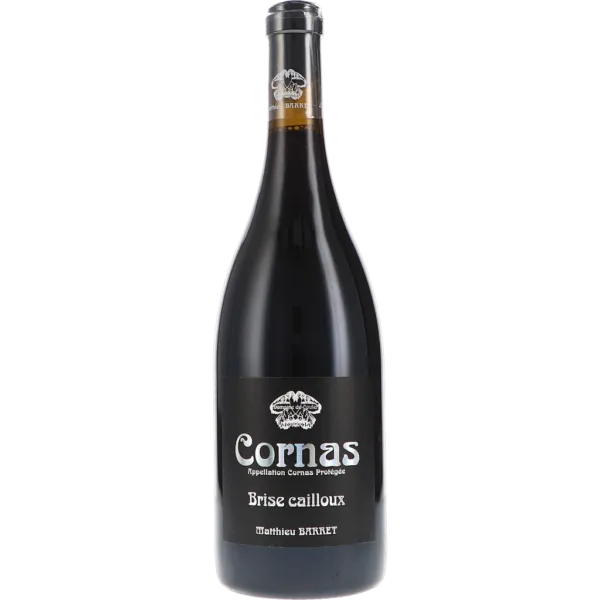
In 2006 Matthieu began experimenting with concrete eggs and diamond-shaped tanks. The aim: unadulterated fruit without the influence of wood. From the 2017 vintage he eliminated barriques completely. The Cornas Brise Cailloux 2022 matures for 14 months in diamond-shaped 20-hectolitre concrete tanks and amphorae. Whole-bunch fermentation with wild yeasts, gentle punching down of the cap: Syrah from such terroirs needs nothing more. At d'Ouréa in Gigondas, too, concrete rules over barrique, except that there it is Grenache rather than Syrah that ferments.

The little bear and his siblings
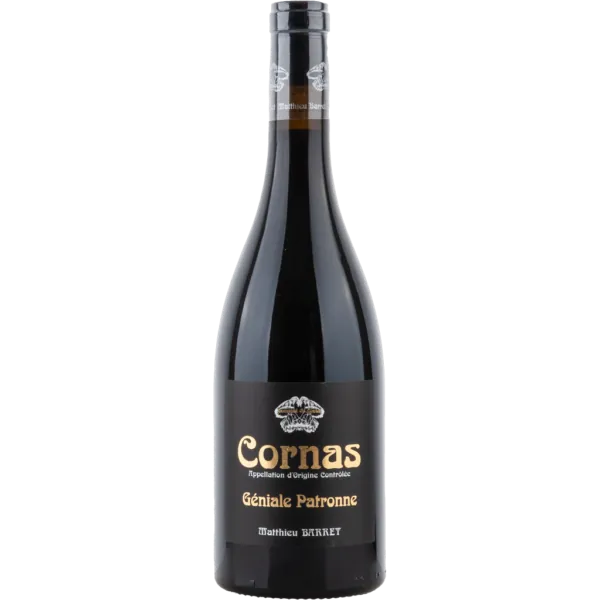
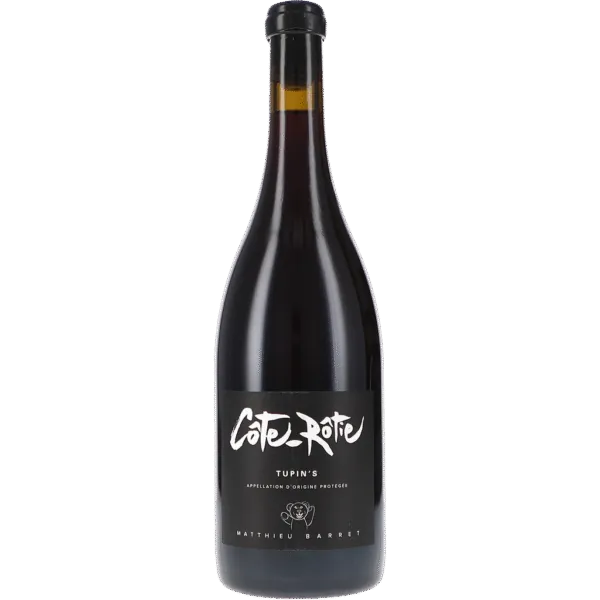
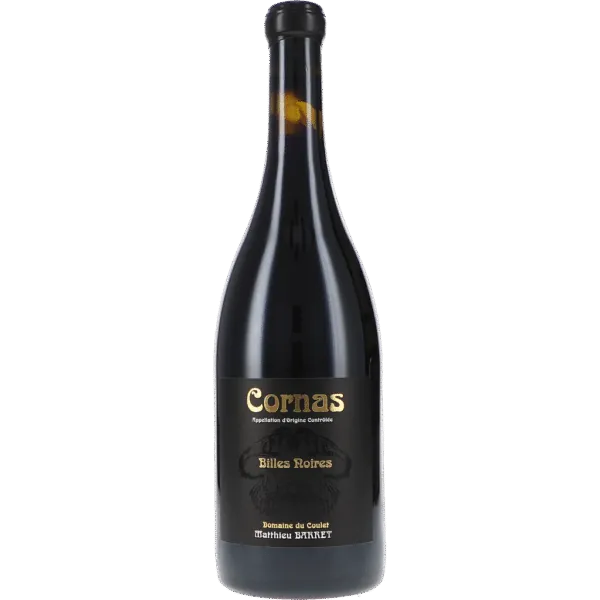
The Petit Ours Rouge 2024 carries the bear nickname as a tribute to Matthieu's friendship with Jura legend Stéphane Tissot. Alongside it there are Billes Noires from the highest parcels, La Géniale Patronne and, more recently, a Côte-Rôtie. What unites them all: no new wood, no oenological additives, only sulphur at bottling.