
 EN
EN  DE
DE  FR
FR  IT
IT 
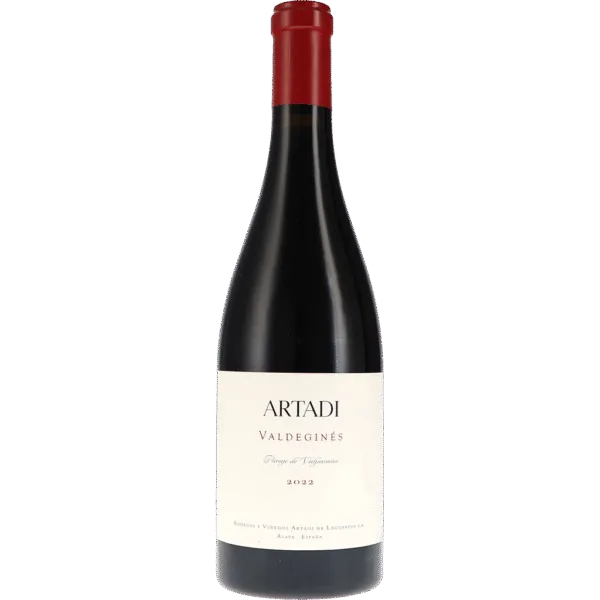
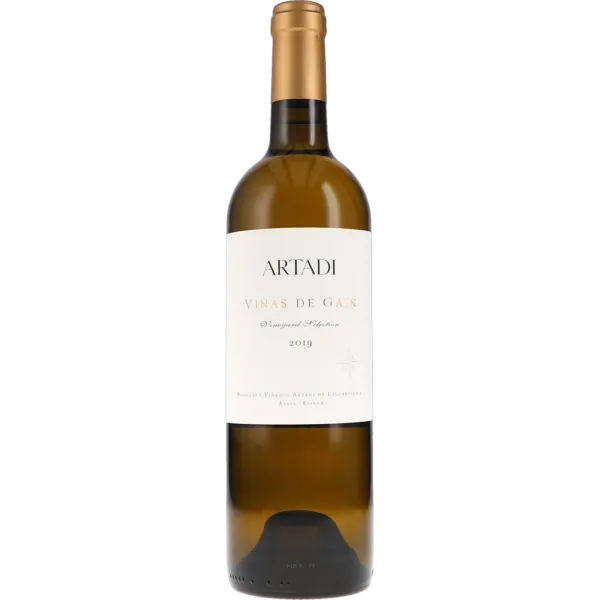
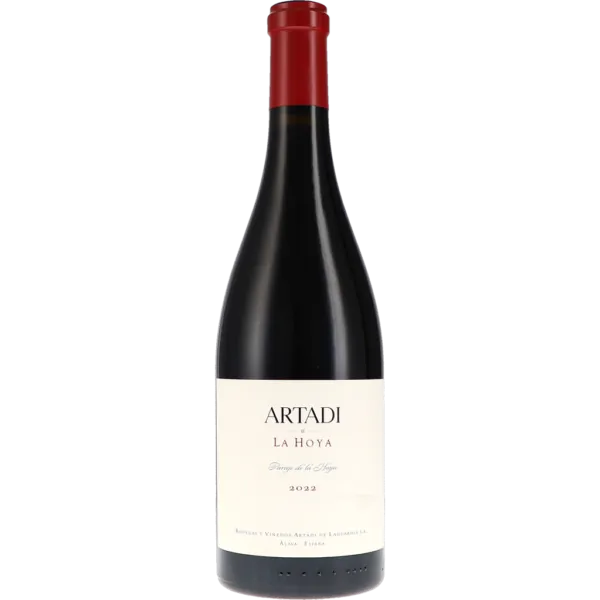
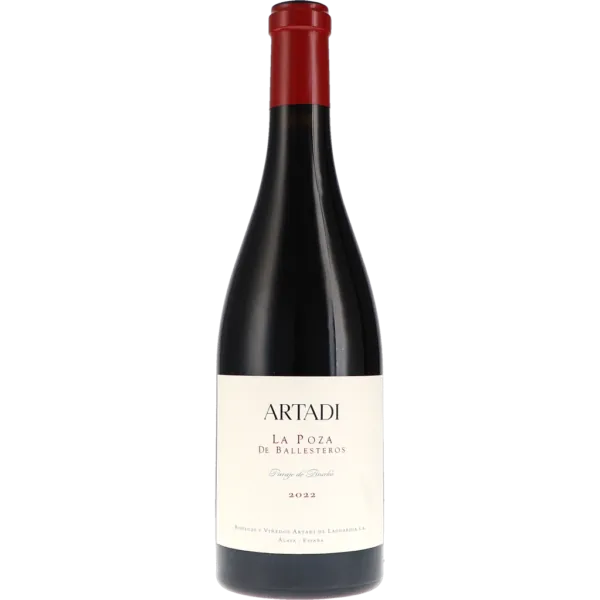
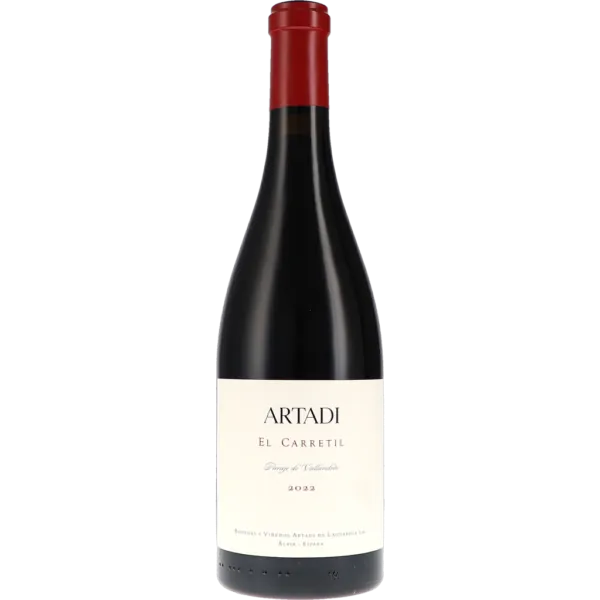
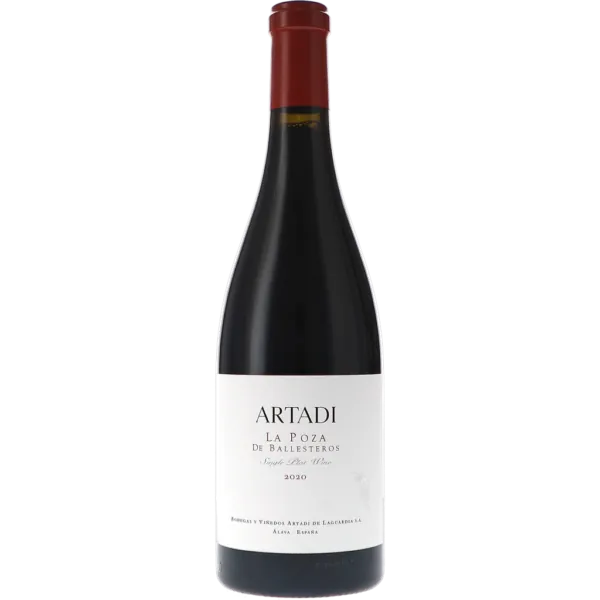
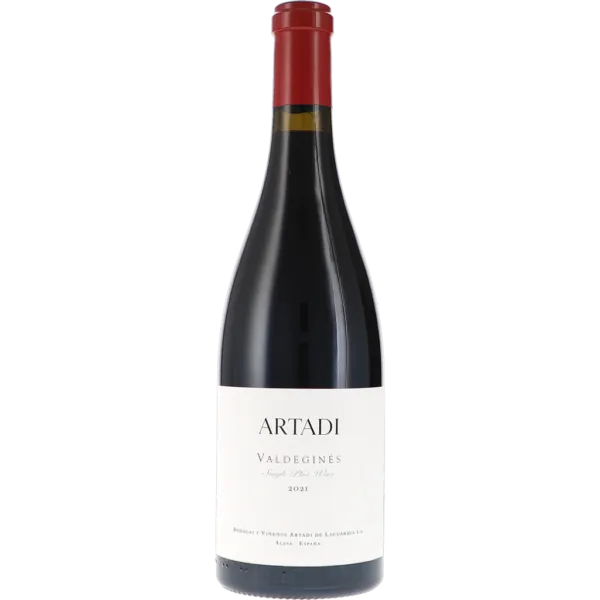
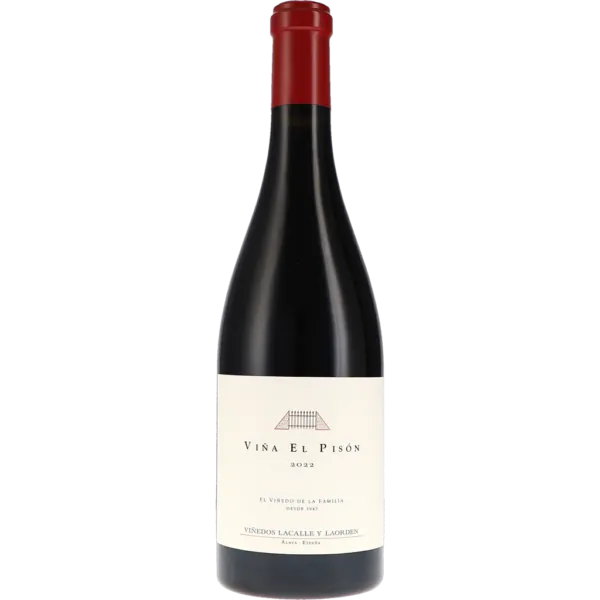
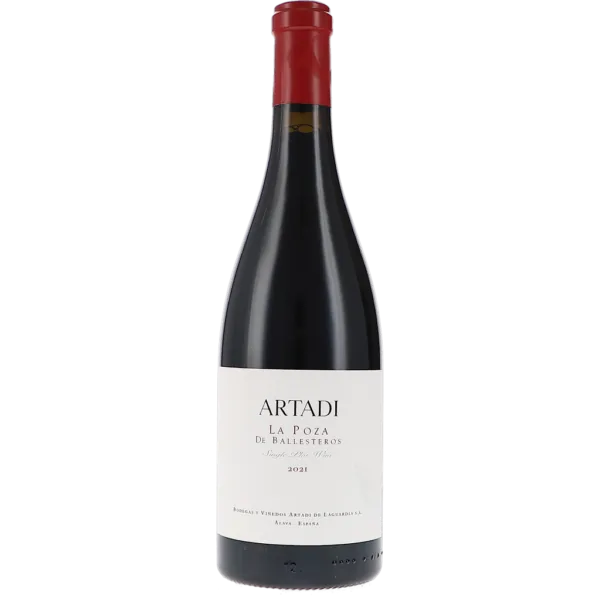
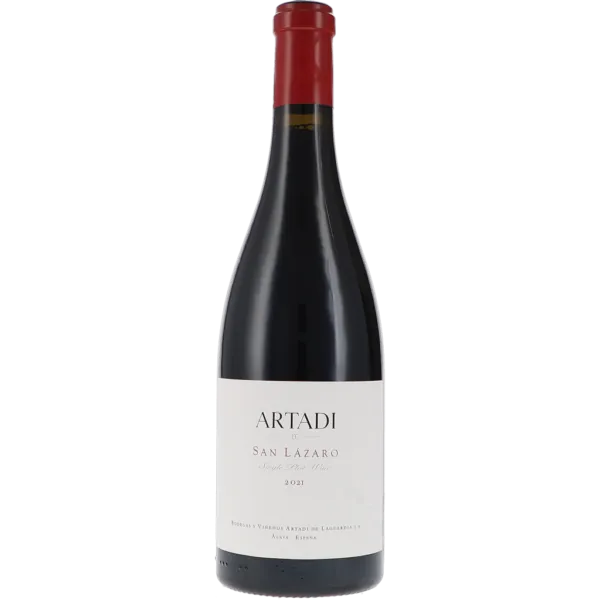
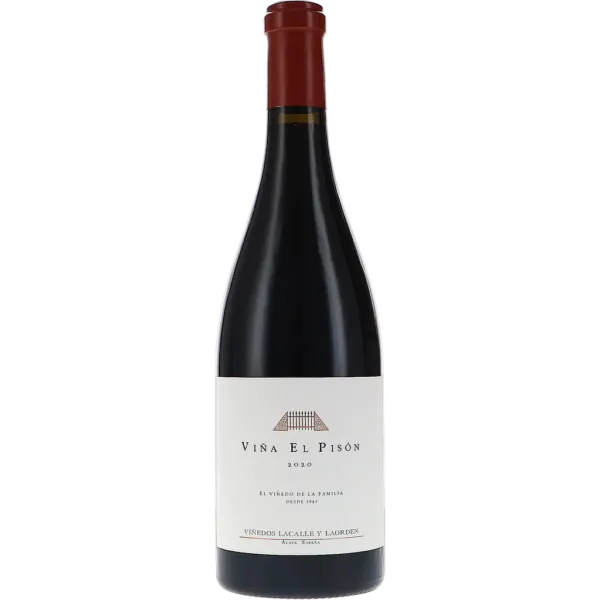
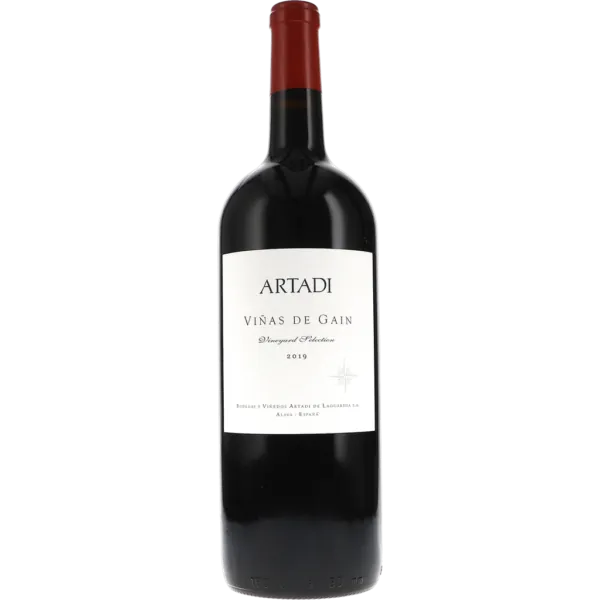
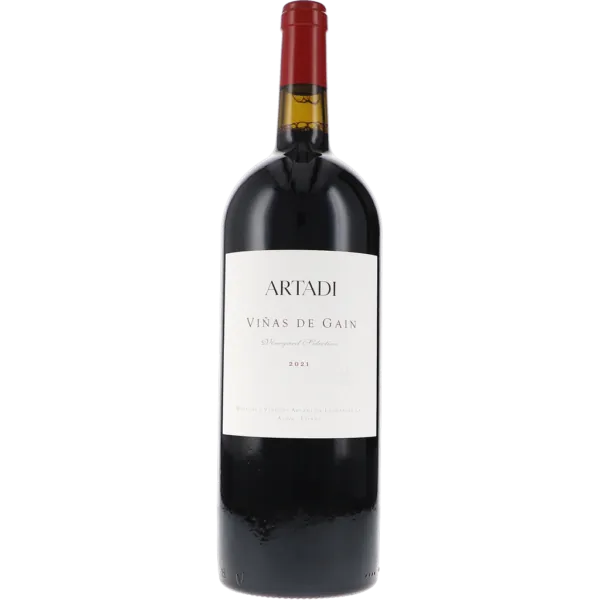
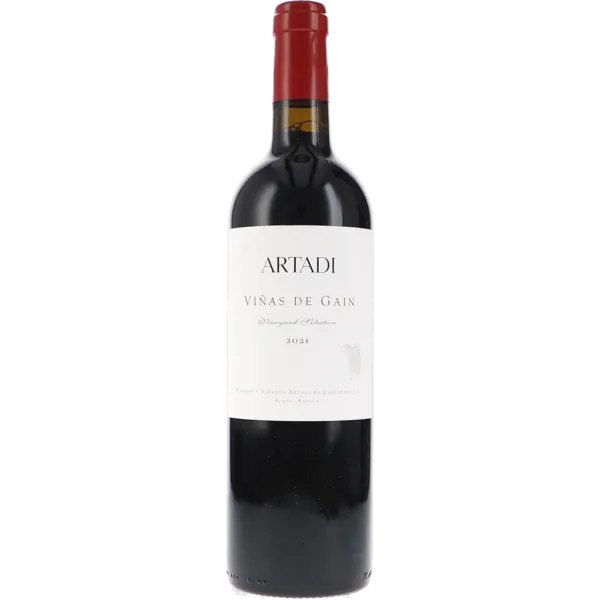
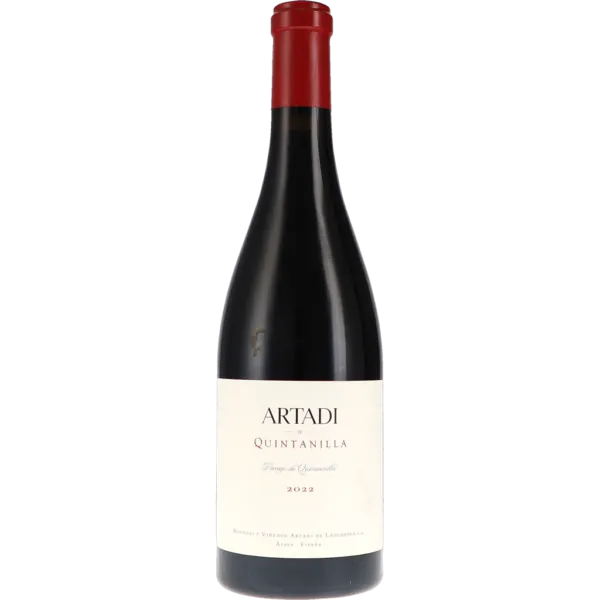
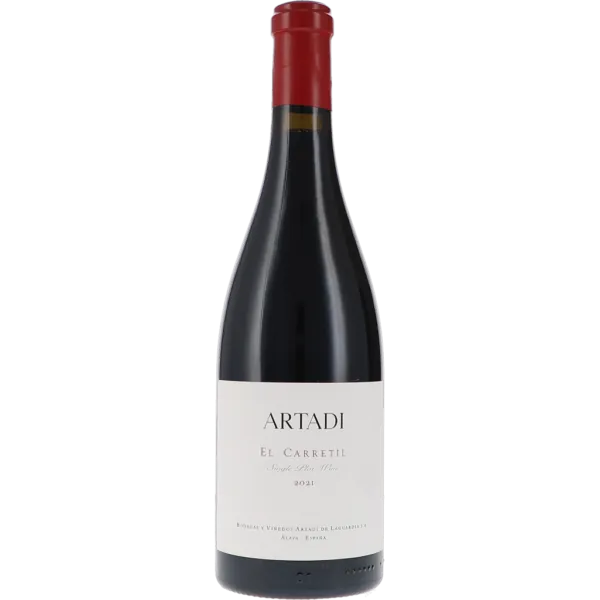
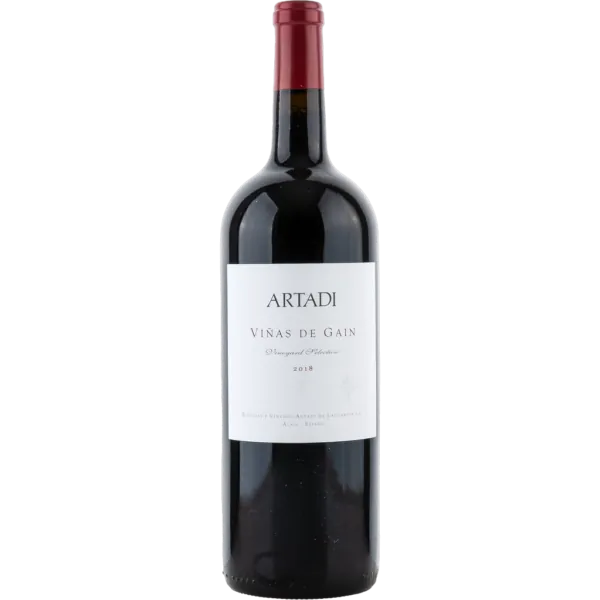
At the end of 2015, a winery left the DOCa Rioja – out of conviction. Bodegas Artadi under Juan Carlos López de Lacalle wanted to show where their wines come from: from single vineyard sites such as Viña El Pisón or Valdegines. The system only knew Crianza and Reserva – categories that tell of the wooden barrel, not of the soil. López de Lacalle chose a different path: his wines bear the name of their parcel, not that of an ageing classification.
More about Artadi
The Pago as Compass
What Juan Carlos López de Lacalle began in 1985 as a cooperative in Laguardia is today one of Spain's most radical terroir-focused producers. Whilst other bodegas competed in the barrique race, chasing more wood, Artadi went in the opposite direction: less extraction, French rather than American oak, finesse instead of power. The 56 hectares in Rioja Alavesa – sheltered by the Sierra Cantabria, shaped by chalky, clay-rich soils – taught him that great wines are not born in the cellar, but in the vineyard.
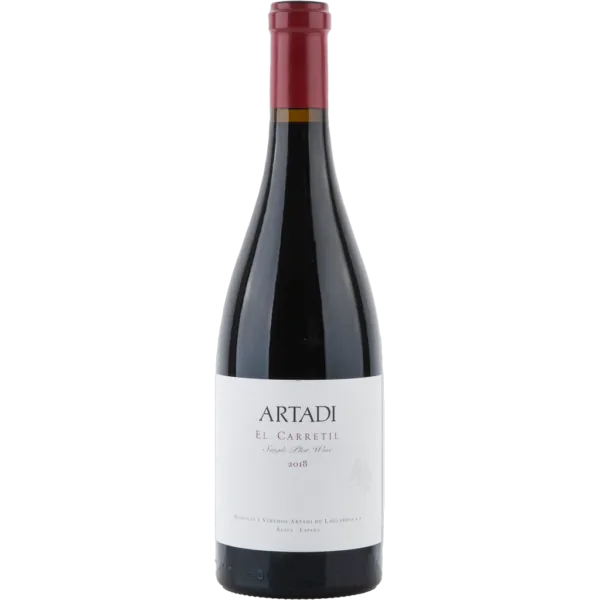
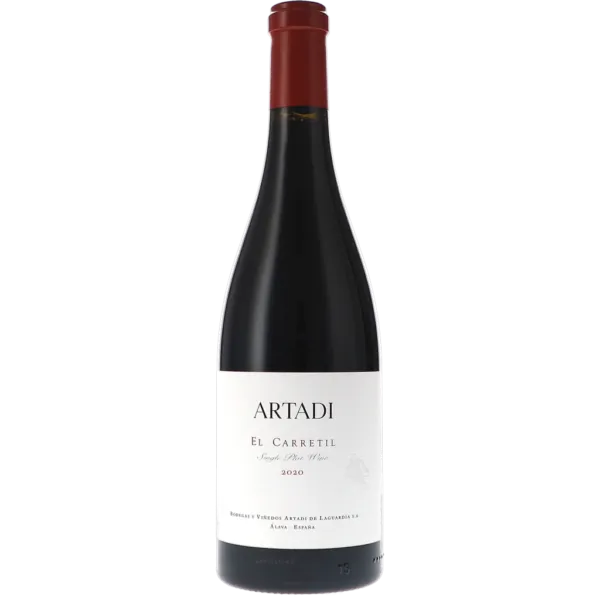
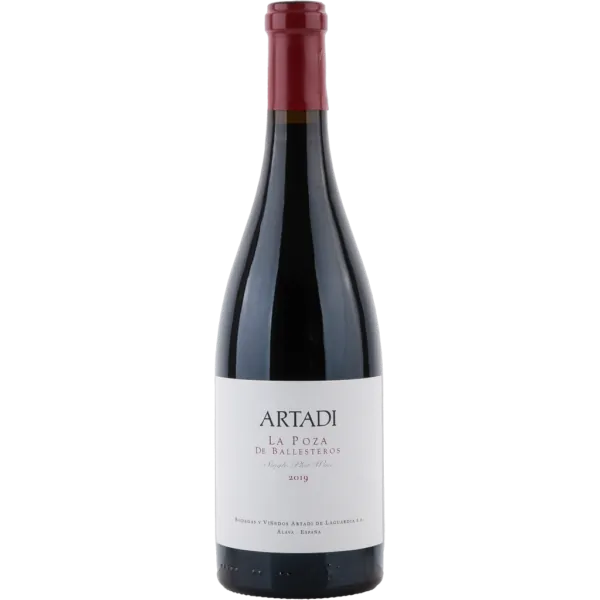
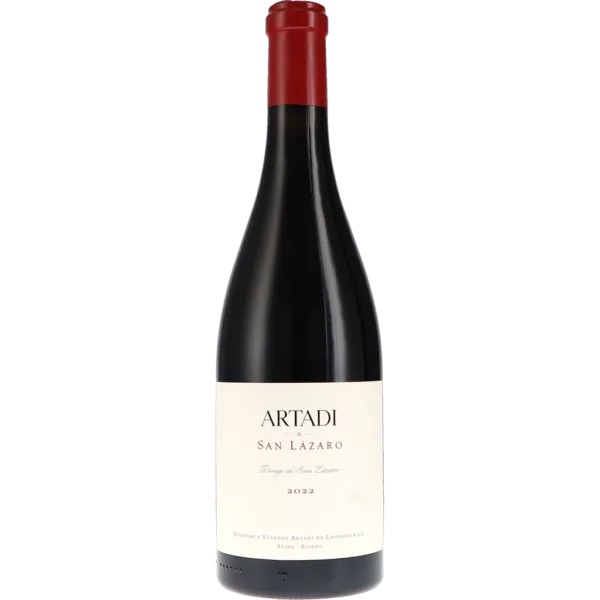
Today Juan Carlos and his children Carlos and Patricia manage nine individual vineyard sites, each with its own character: Viña El Pisón with its vines planted in 1945 at 480 metres altitude – an amphitheatre of chalk and limestone that Parker once rated at 100 points. La Poza de Ballesteros with its iron-rich clays. Valdegines, El Carretil, San Lázaro – names worth remembering.

Burgundy as Inspiration, Álava as Home
The comparison with Burgundy is no accident. López de Lacalle studied the Côte d'Or and understood: hierarchy must emerge from the soil, not from cellar technique. His Tempranillo vines – the oldest over eighty years old – grow organically, the soils still worked in part with horses. No herbicides, no synthetic chemicals. In the cellar: open fermentation vessels for gentle extraction, French barriques for structure without dominance.
The withdrawal from the DOCa in 2015 was the logical consequence. The regulations forbade even the mention of specific vineyard sites on the back label – for a winemaker whose entire philosophy rests on the individuality of the vineyard site, an impossible situation. The wines continue to be made in Laguardia, in the same cellar as for forty years. Only the label now tells the whole story.

Three Projects, One Signature
The search for undiscovered potential led López de Lacalle beyond Rioja's borders. In 1996 he took over the winery Artazu in Navarra: hundred-year-old Garnacha vines on sparse soils, their power previously lost in anonymous blends. Three years later came El Sequé in Alicante, where Monastrell on limestone develops Mediterranean depth.
What unites all three projects: respect for old vines, the rejection of tricks, trust in the vineyard site. No reverse osmosis, no micro-oxygenation, no over-ripeness for higher scores. Wines that taste of their origin – whether that be the cool nights of Rioja Alavesa, the wild-spiced heat of Navarra or the salty breeze of Alicante.
Why These Wines Matter
At a time when Spanish wine is still often equated with over-ripe fruit bombs, Artadi proves there is another way. The wines are precise, not pompous; elegant, not exhausting. They age over decades without closing down in their youth.
López de Lacalle has not only built a winery, but defined a category: the Spanish Grand Cru. That he had to leave one of the world's most famous appellations to do so perhaps says more about the system than about the winemaker.