
 EN
 DE
 FR
 IT
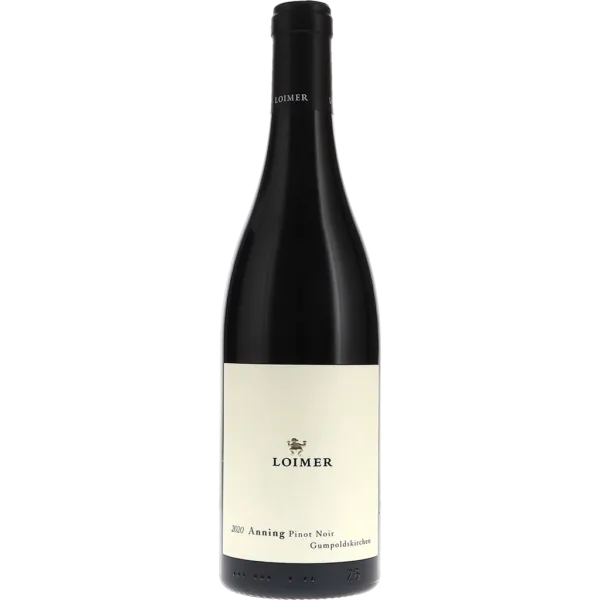
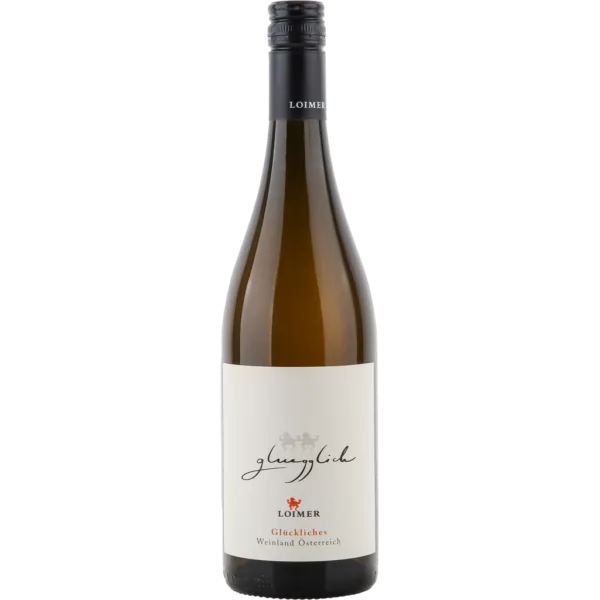
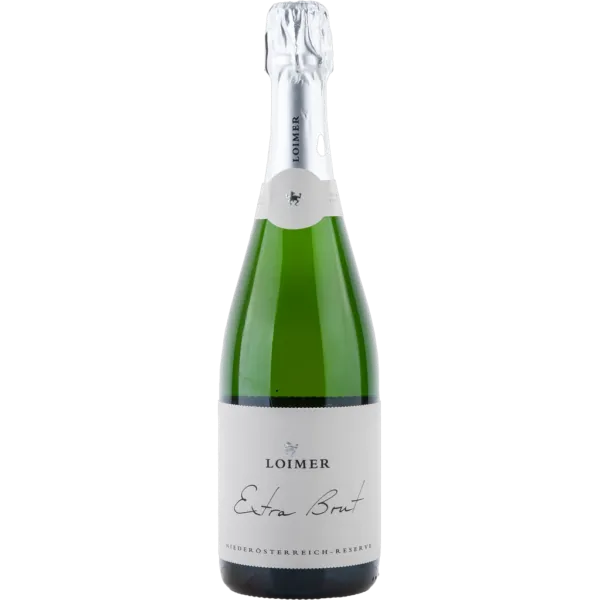
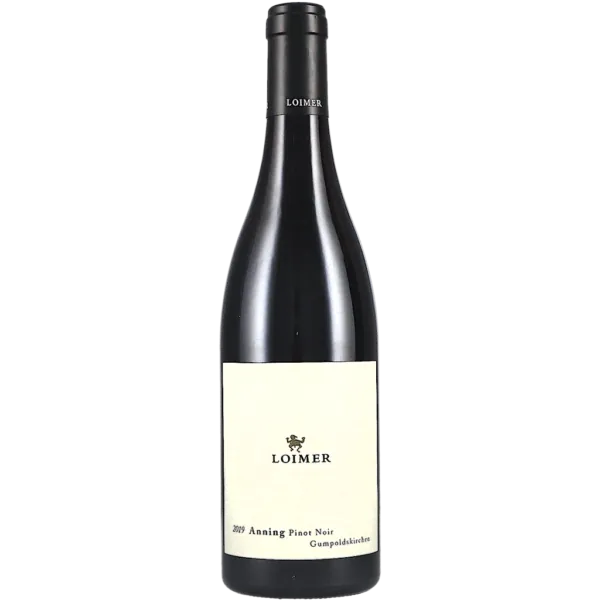
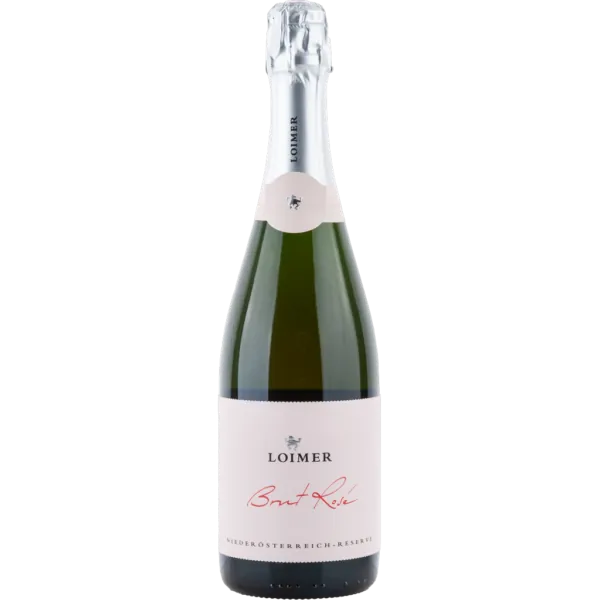
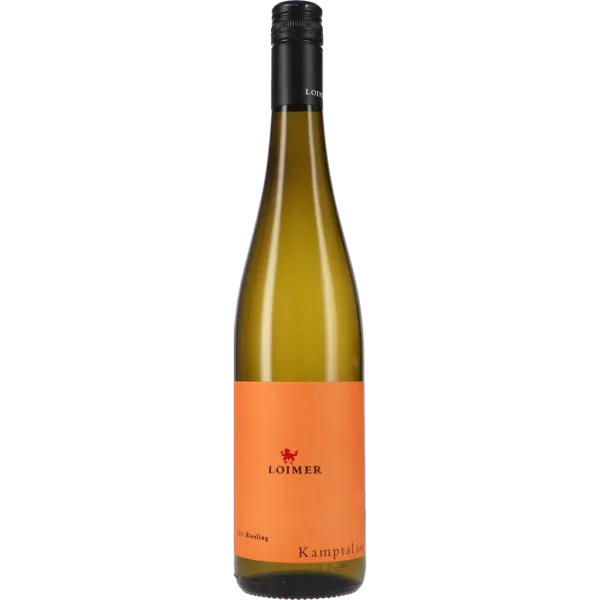
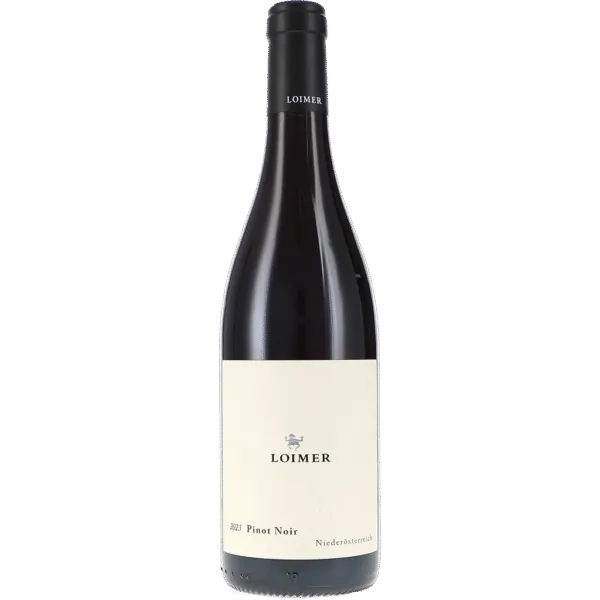
North of the Danube, the Kamp cuts through dark gneiss, and around Langenlois terraces of loess, primary rock and quartz porphyry provide the setting where Grüner Veltliner and Riesling ripen slowly during cool nights. The Kamptal yields white wines with succulent fruit and saline minerality, alongside finely structured Pinot Noirs and first-class sparkling wines. Our Kamptal wines come from Weingut Loimer, which farms its vines biodynamically and, as a co-founder of respekt-BIODYN, ranks among Austria’s most influential estates. Anyone seeking natural wine from the Kamptal will find here an unsulphured Gemischter Satz and a living Muskateller, both spontaneously fermented and bottled with their own distinctive signature.
More about Kamptal
Kamptal DAC and the Erste Lagen
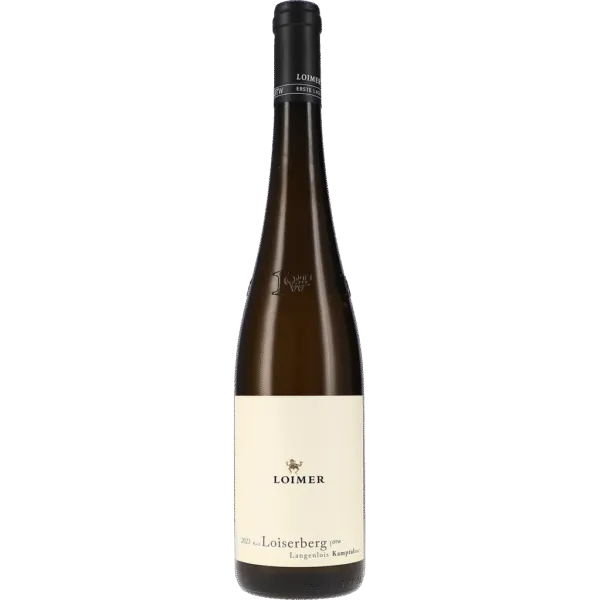
The designation of origin Kamptal DAC is reserved for dry white wines from Grüner Veltliner and Riesling; reds, blends and sweet wines carry the origin Niederösterreich. The Reserve level requires riper grapes and a more powerful style. Beyond the appellation, the Österreichische Traditionsweingüter association classifies the best vineyards: in the Kamptal the Erste Lagen, or 1.ÖTW for short, include the Heiligenstein near Zöbing with its terraces of quartz porphyry and sandstone, the Käferberg above Langenlois and the Loiserberg. Each of these sites gives the grapes its own tone, from the warm, almost volcanic richness of the Heiligenstein to the cool structure of the Loiserberg.
Gneiss, loess and the coolness of the Kamptal
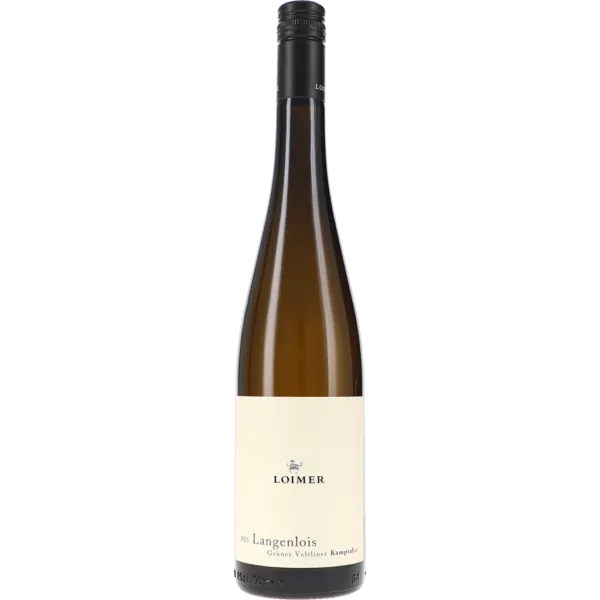
The valley of the Kamp opens towards the Danube, and from there warm Pannonian air rises up during the day, while at night cold air sinks down from the Waldviertel. This alternation of hot days and cool nights lets the grapes keep their aromatics and their acidity lively. On the deep loess soils around Langenlois grows Grüner Veltliner, which develops yellow fruit, the typical peppery "Pfefferl" and soft richness there. Riesling prefers the stonier slopes of gneiss, mica schist and quartz porphyry, which give it a tauter, more saline profile. The wines mature at an even, cool temperature in the 150-year-old loess cellars of Langenlois, and the vintage chart shows how the cool and the warm years have shaped the wines of the valley.
Weingut Loimer in Langenlois
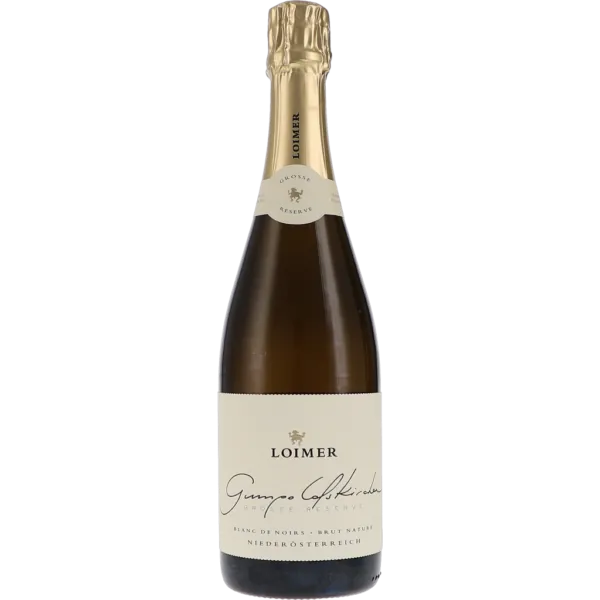
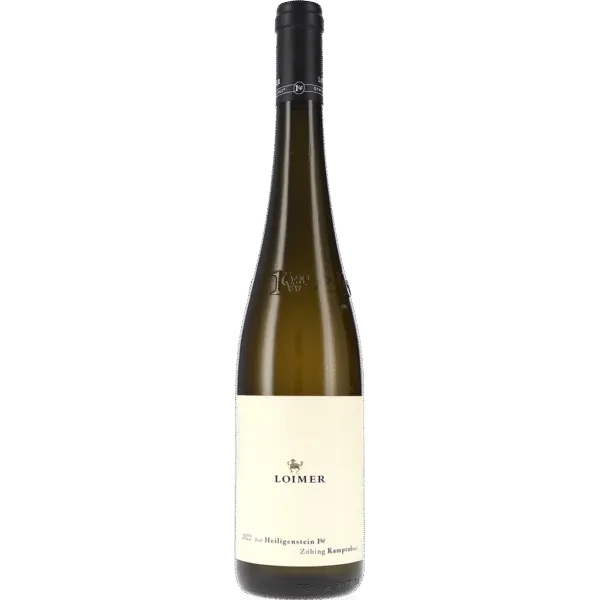
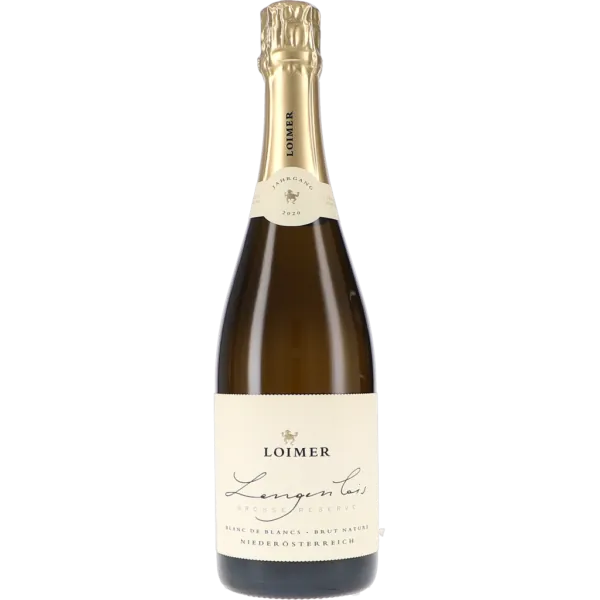
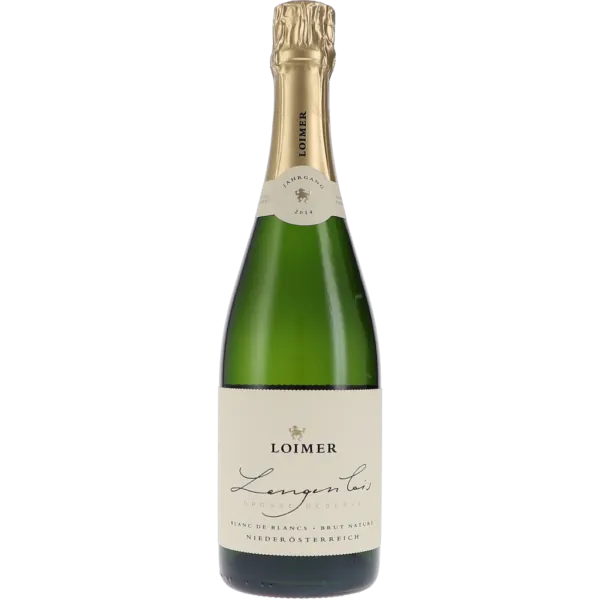
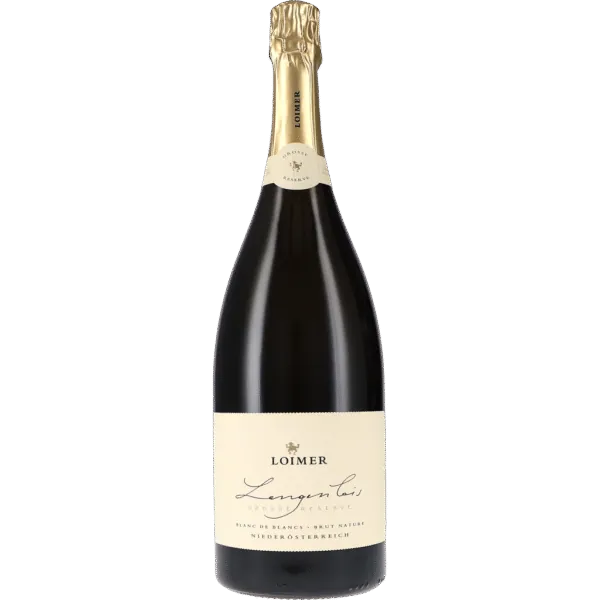
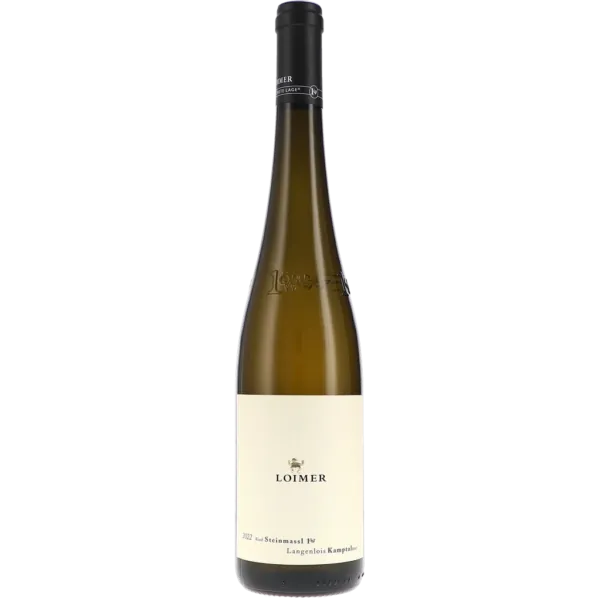
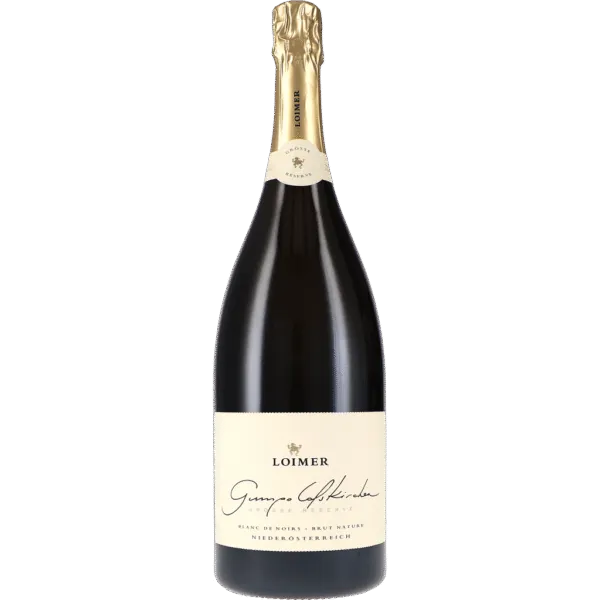
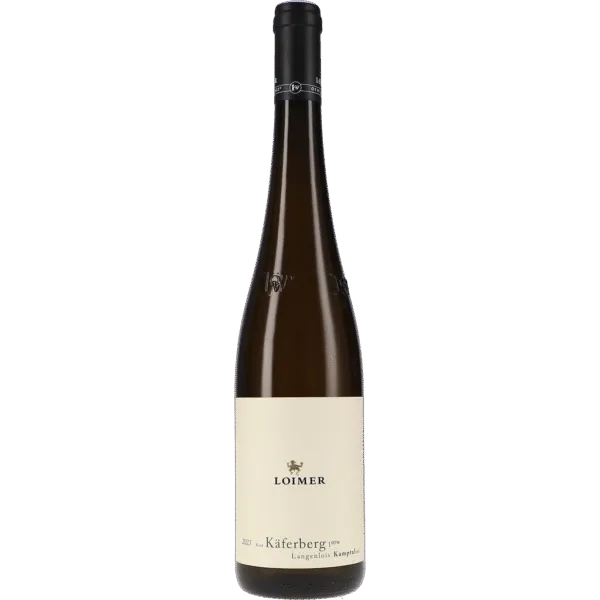
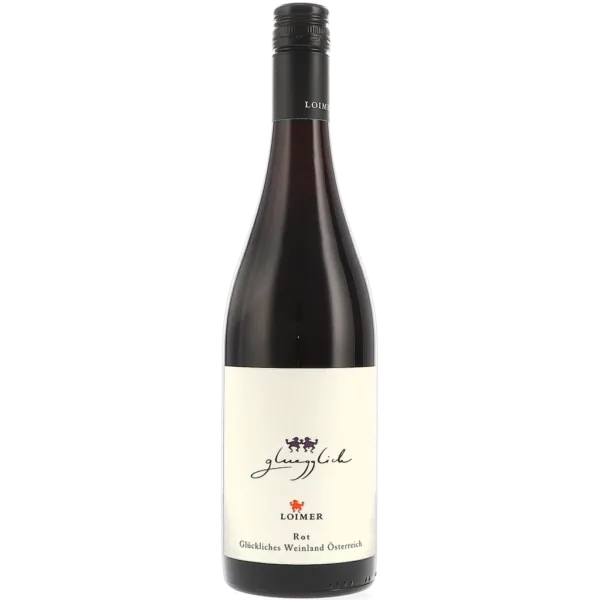
Fred Loimer took over the estate in Langenlois in 1998 and built a black, minimalist cube above the historic cellars. Weingut Loimer works biodynamically and, as a co-founder of respekt-BIODYN, is one of the driving forces of this movement in Austria. In the cellar the wines ferment spontaneously, and the single-vineyard wines spend a long time on their lees. The Ried Heiligenstein Riesling 1.ÖTW 2022 brings the volcanic soils of its terraced site to the glass with complex depth: stone fruit and a firm, mineral tension. The Ried Käferberg Grüner Veltliner 1.ÖTW DAC 2023 shows ripe apricot and stewed apple, with notes of honey and a fine, sustaining acidity. Then there are the Grosse Reserve Sekt Brut Nature sparkling wines, which spent years on their lees and need no dosage.
Natural wine in the Kamptal
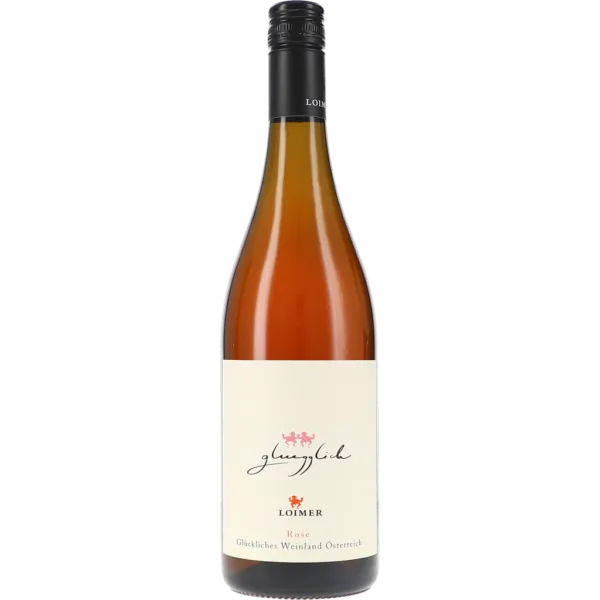
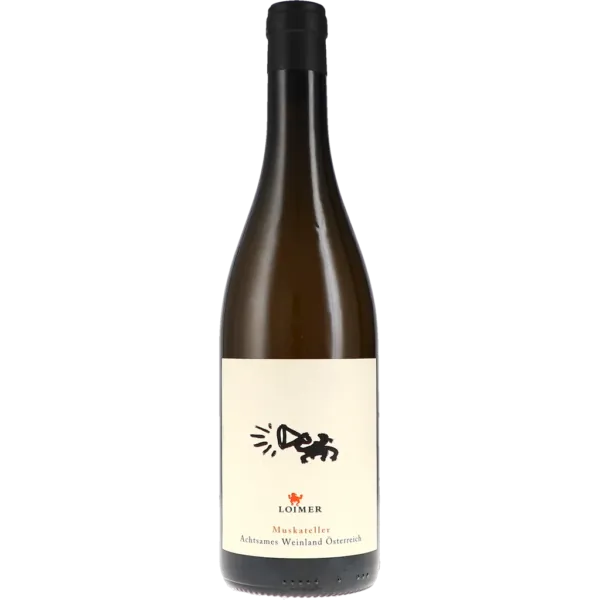
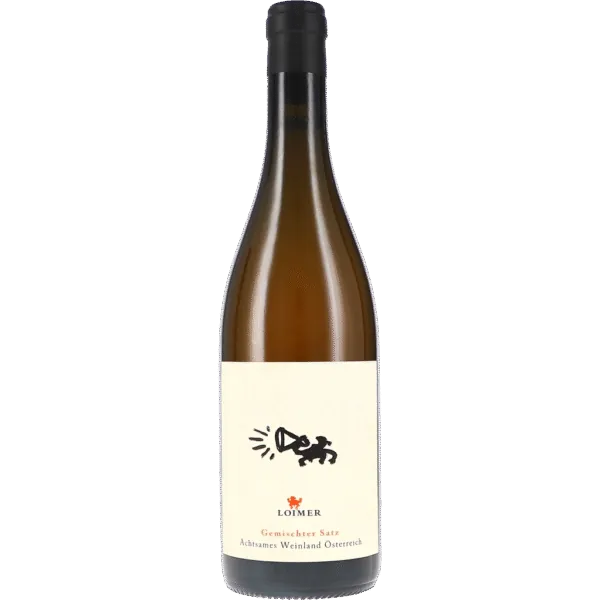
At Loimer, organic wine from the Kamptal means restraint in the vineyard, plus a range that deliberately stays edgy. Under the name "mit ACHTUNG" come wines bottled without sulphur. The Gemischter Satz mit ACHTUNG 2021 brings together eight varieties from Grüner Veltliner to Traminer and, after long skin contact, shimmers bronze in the glass, an orange wine with herbal spice and grip. The Muskateller mit ACHTUNG 2022 is lighter, floral and fragrant, with a natural haze and easy drinkability. Both show that natural wine from the Kamptal is no footnote, but grows on the same serious soils as the estate's great single-vineyard wines.