
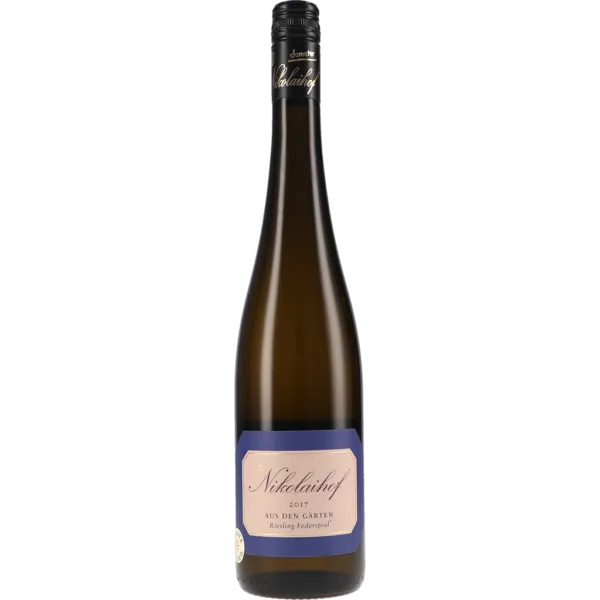
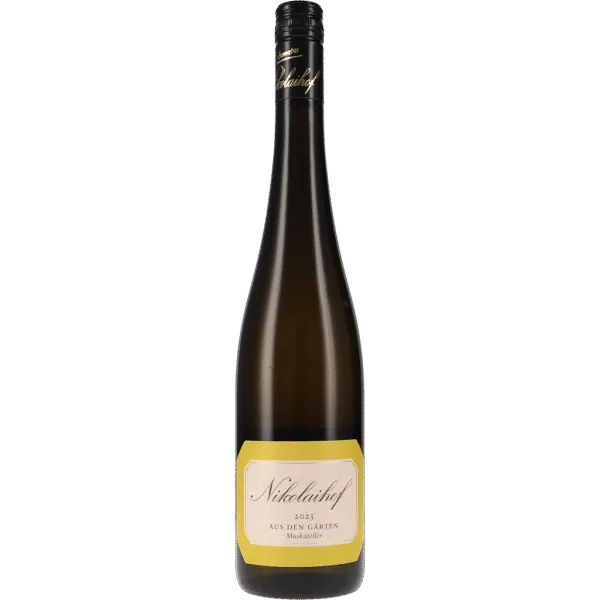
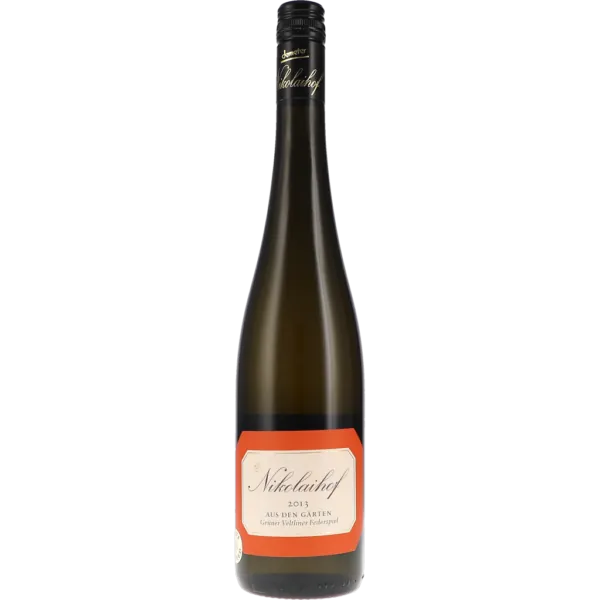
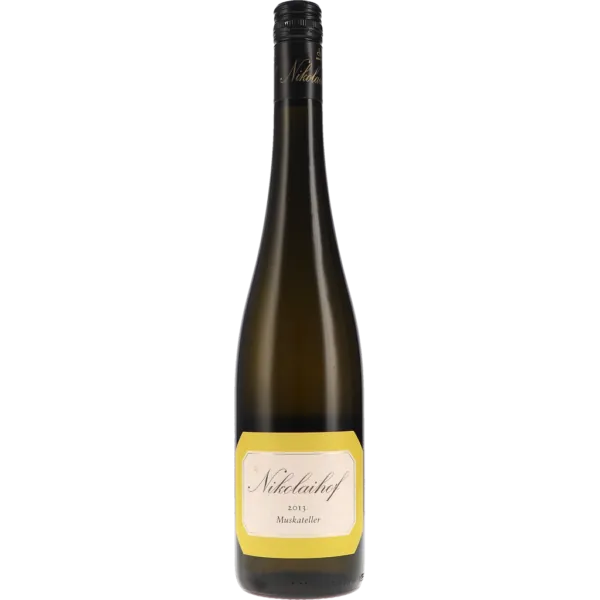
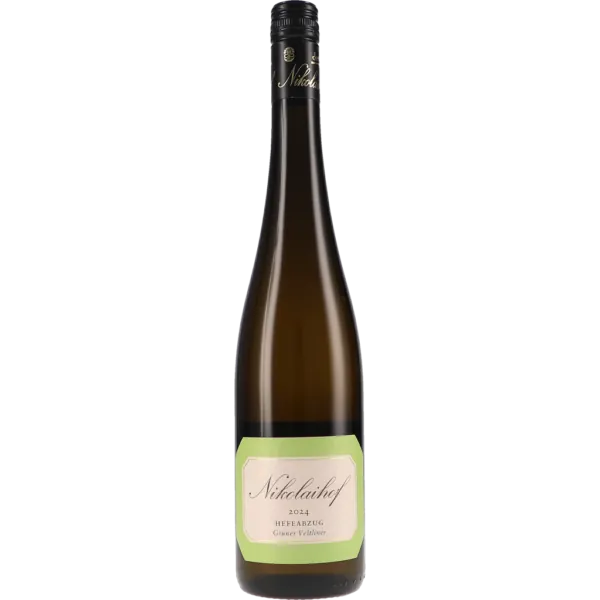
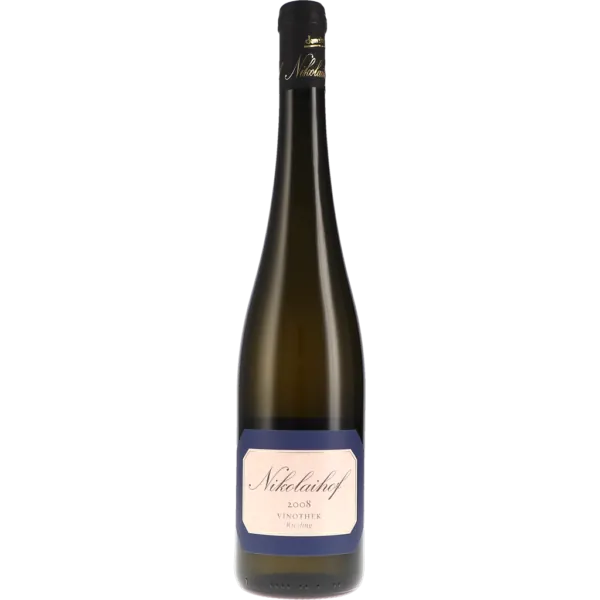
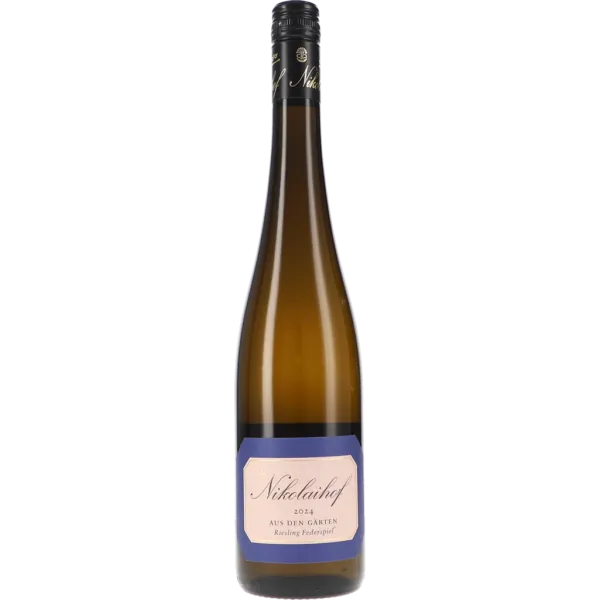
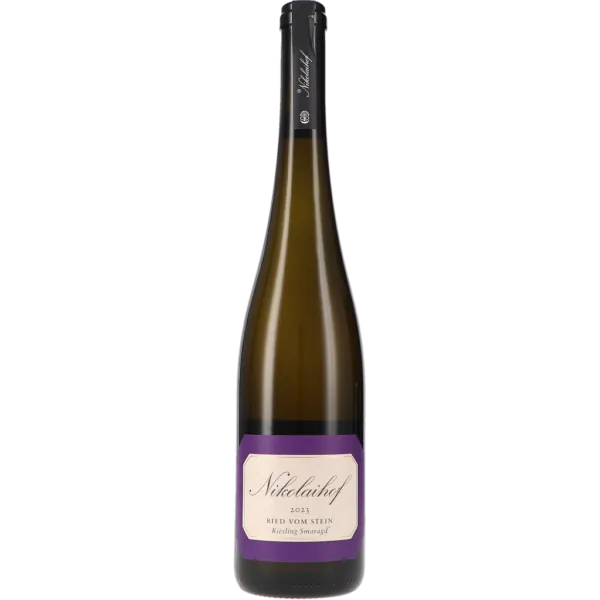
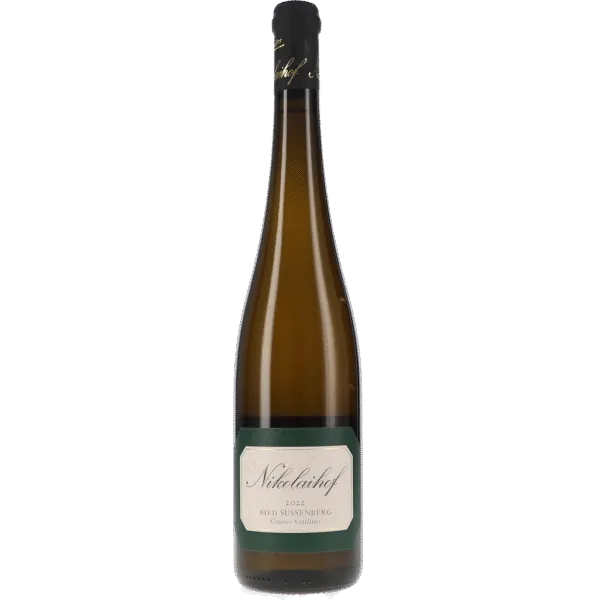
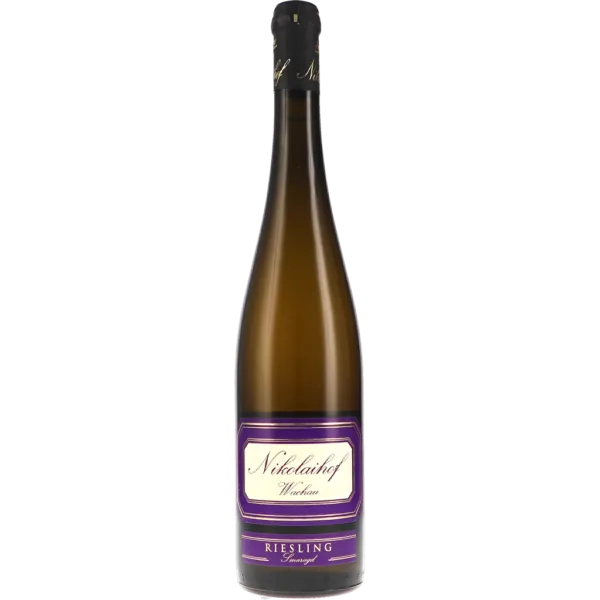
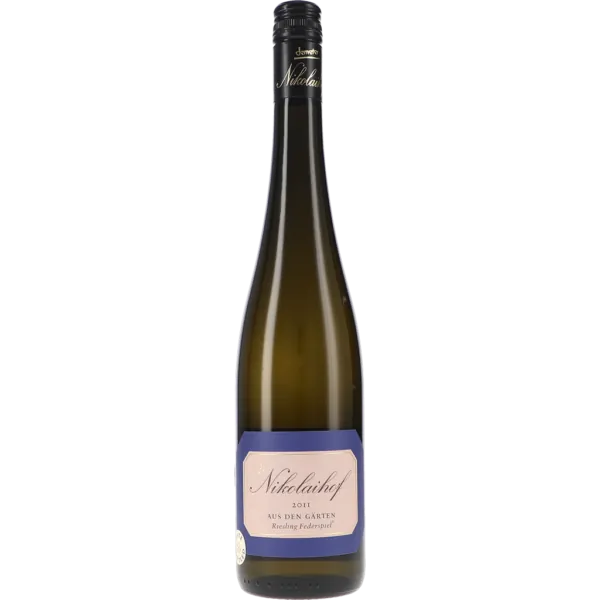
Between Melk and Krems, the Danube has carved its way through the primary rock of the Bohemian Massif, and on the slopes above the river, dry-stone walls are stacked into terraces where Riesling and Grüner Veltliner grow. Wine from the Wachau thrives on an interplay of air currents: during the day, Pannonian warmth from the east flows through the valley, while at night cool air descends from the Waldviertel, allowing the grapes to ripen slowly into wines with taut acidity and stony depth. All our Wachau wines come from Nikolaihof in Mautern, Austria’s oldest wine estate, which has been farmed biodynamically since 1971, and range from light Federspiel to Smaragd wines and archive vintages that have matured for many years in large wooden casks.
More about Wachau
Wine from the Wachau: gneiss, loess and terraces above the Danube
The Wachau is a narrow gorge. On the northern bank of the Danube, the slopes rise steeply, and only dry-stone walls hold the thin layer of weathered gneiss and amphibolite in place. Further down and on the gentler slopes lies loess, a fine, calcareous wind-blown dust from the Ice Age that stores water and provides the vines with reserves even in dry summers. The Danube acts as a heat reservoir, the rocks release the warmth they have gathered during the day back to the vines, and the cool katabatic winds from the Waldviertel ensure significant differences between day and night. The terraced landscape is a UNESCO World Heritage Site, and work on the steep slopes is done almost entirely by hand.
Steinfeder, Federspiel, Smaragd: the ripeness levels of the Wachau
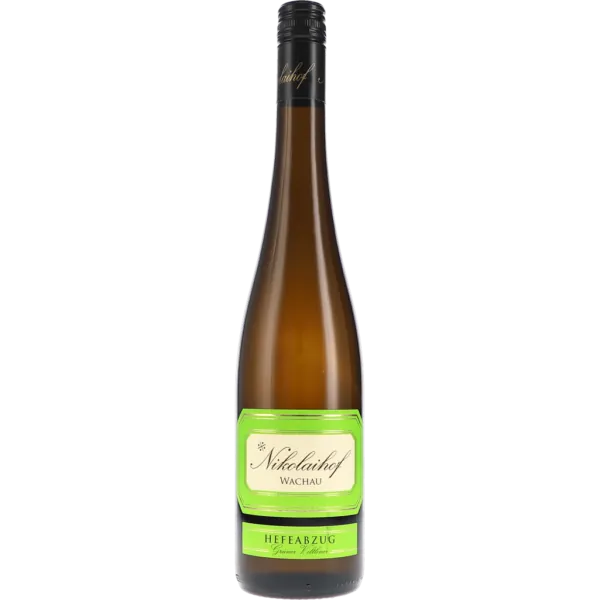
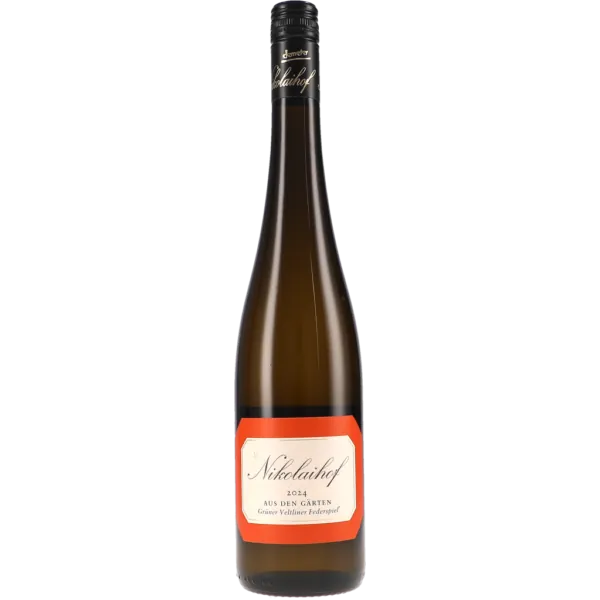
The winegrowers of the Wachau have created their own names for the ripeness levels of their dry wines. Steinfeder denotes the lightest wines up to 11.5% vol., named after a grass that grows on the terraces. Federspiel lies between 11.5 and 12.5% vol. and stands for elegant, racy wines. Smaragd, named after the iridescent green lizard that basks on the warm walls, refers to the most powerful wines from 12.5% vol. upwards, made from fully ripe grapes. Anyone interested in Wachau wine can already tell from these three terms on the label what richness awaits them in the glass.
Grüner Veltliner and Riesling from Im Weingebirge to Steiner Hund
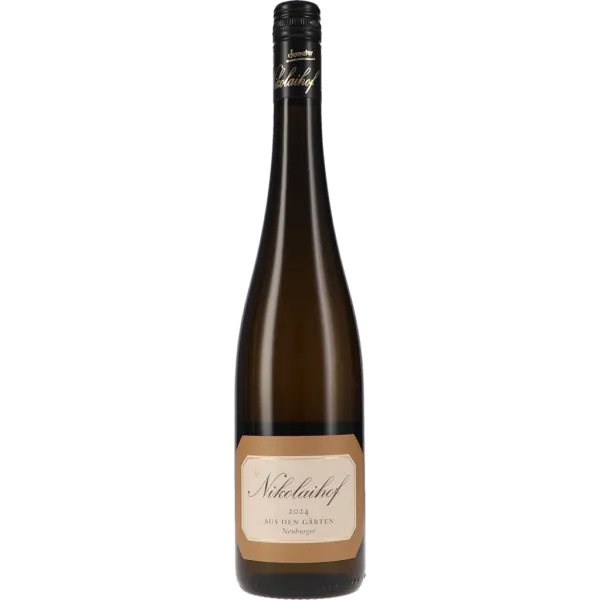
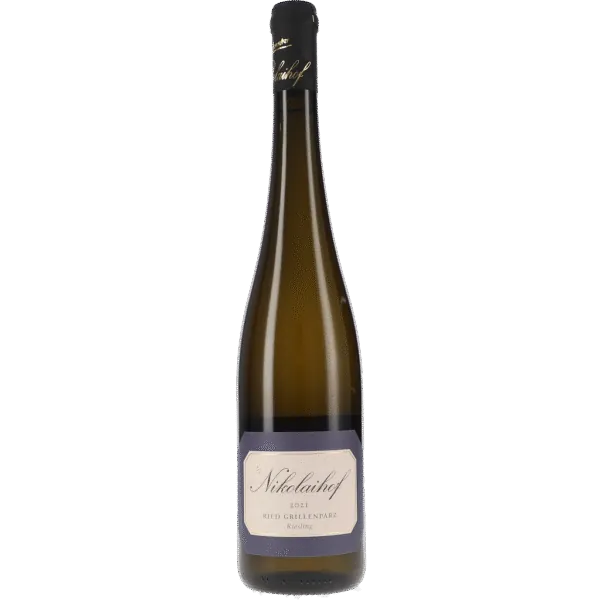
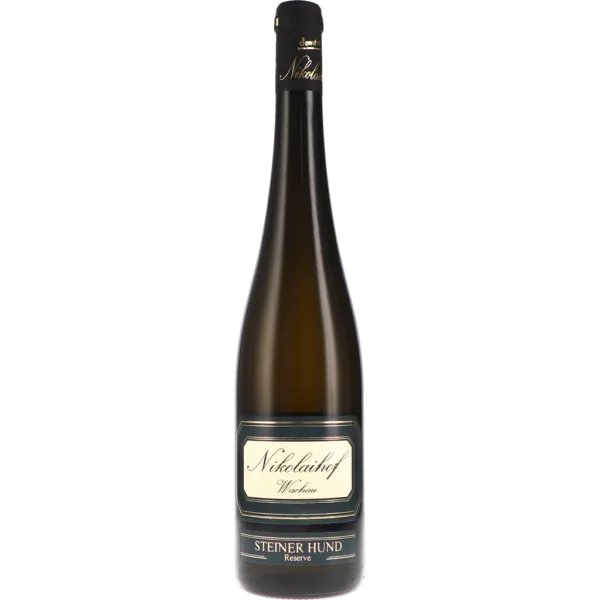
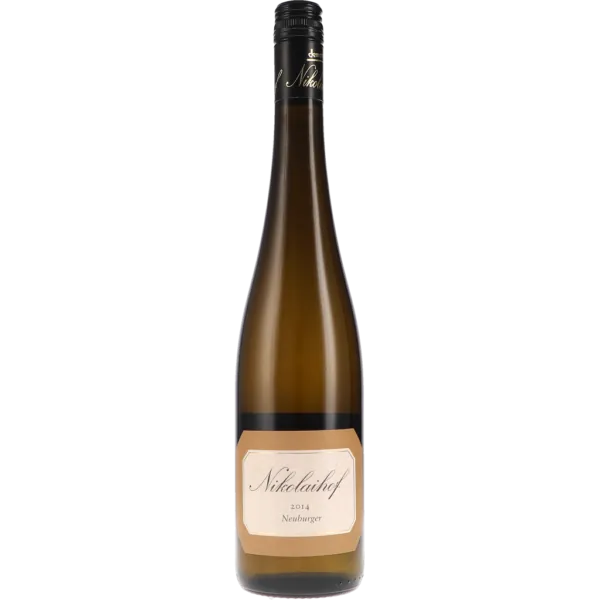
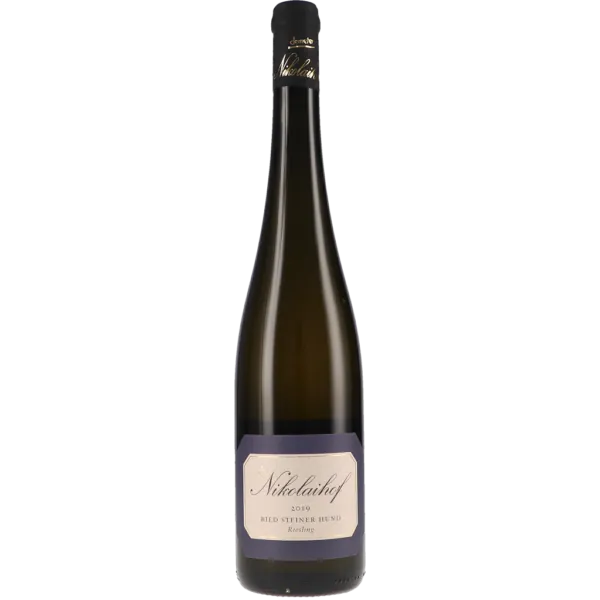
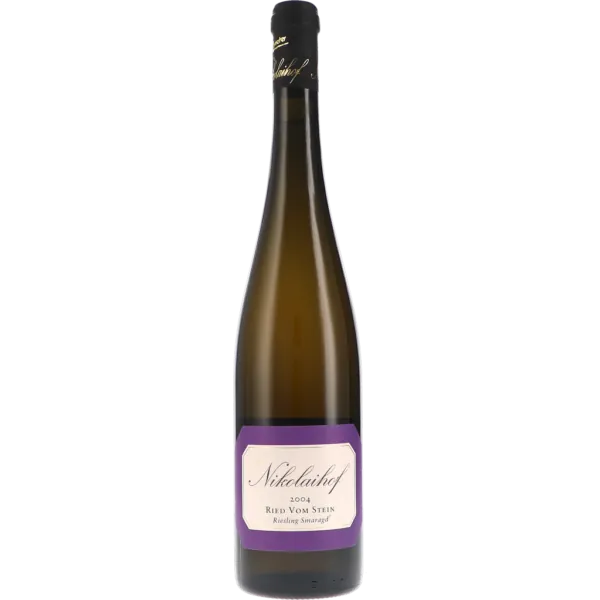
The two most important grape varieties of the Wachau divide the slopes according to the soil. Grüner Veltliner thrives on loess and deeper soils, yielding green apple, white pepper and a spicy, creamy mid-palate there. Riesling seeks out the barren primary rock of the upper terraces and responds with peach, citrus and a salty, crystalline acidity. The Im Weingebirge vineyard site in Mautern, with its paragneiss and loess, demonstrates this connection in the Im Weingebirge Grüner Veltliner Smaragd trocken 2020. On the opposite bank of the Danube near Stein lie Vom Stein and the steep Steiner Hund, whose gneiss and mica schist terraces produce Rieslings of great longevity, such as the Steiner Hund Riesling trocken 2019. Alongside these, the Wachau also cultivates Neuburger, Gelber Muskateller and Weißburgunder.
Nikolaihof in Mautern: biodynamics since 1971 and a cellar with staying power
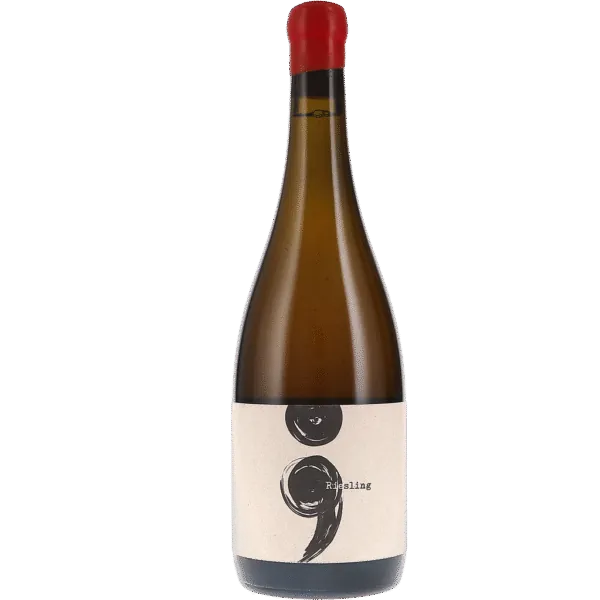
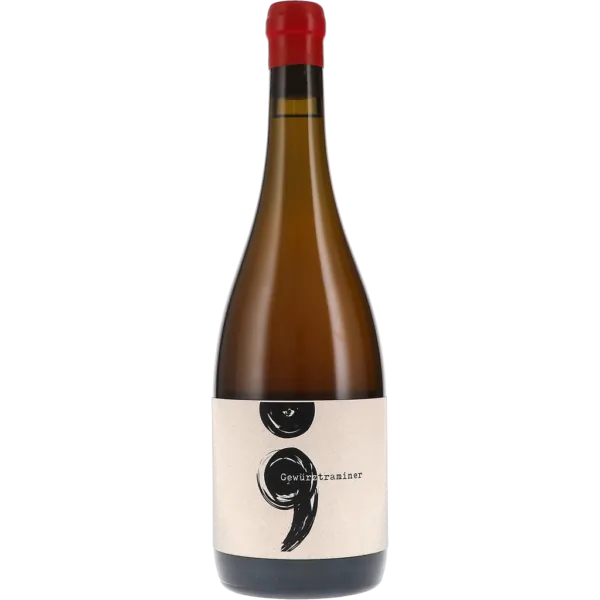
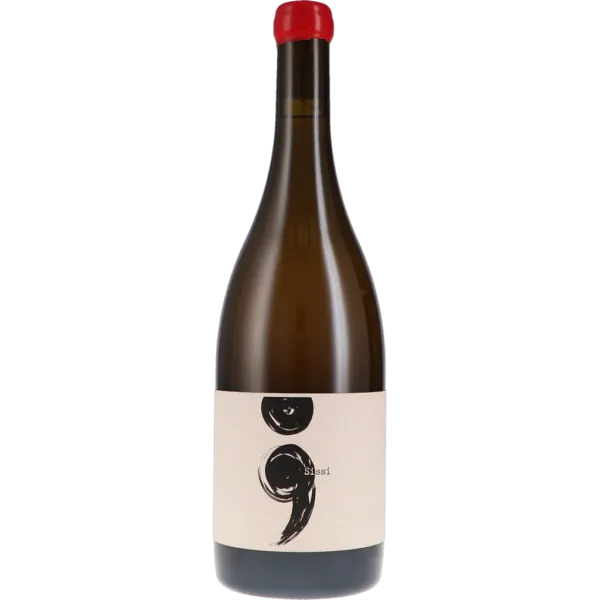
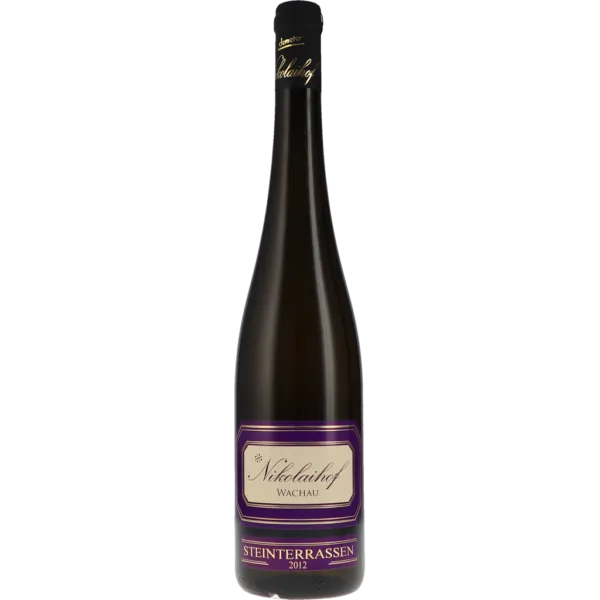
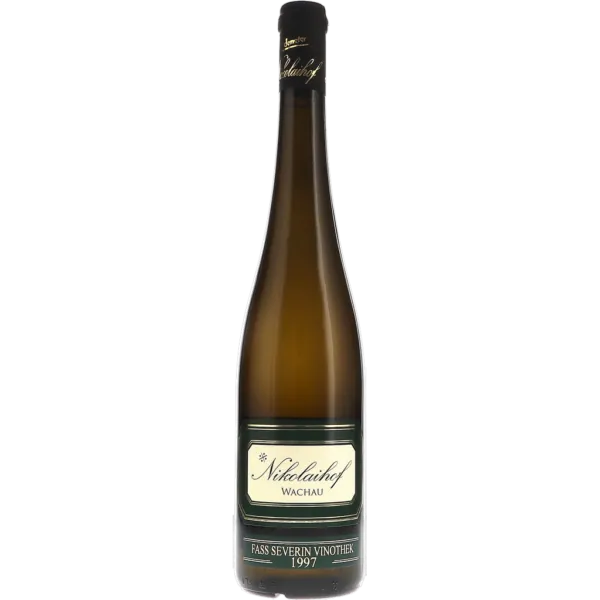
Nikolaihof is situated in Mautern on the southern bank of the Danube, and its cellars date back to Roman vaults. The Saahs family has farmed their vineyards biodynamically according to Demeter since 1971, making them pioneers of this approach. Compost, preparations and the rhythm of the seasons shape the work in the vineyard; in the cellar, the wines mature in large wooden casks, some for many years, before being released as late bottlings. Thus, you will find fresh Federspiele from the most recent vintage alongside matured Smaragds, Vinothek Rieslings and the skin-macerated wines of the semicolon line, which are crafted in an unadorned, natural style. All of these wines are available from us.