
 EN
EN  DE
DE  FR
FR  IT
IT 
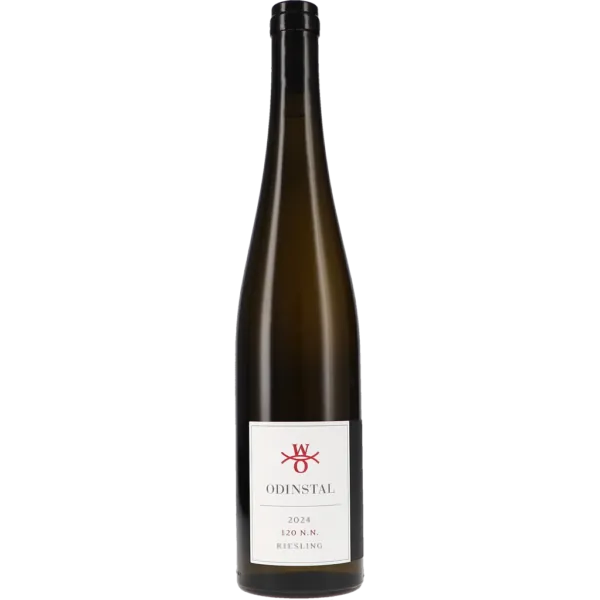
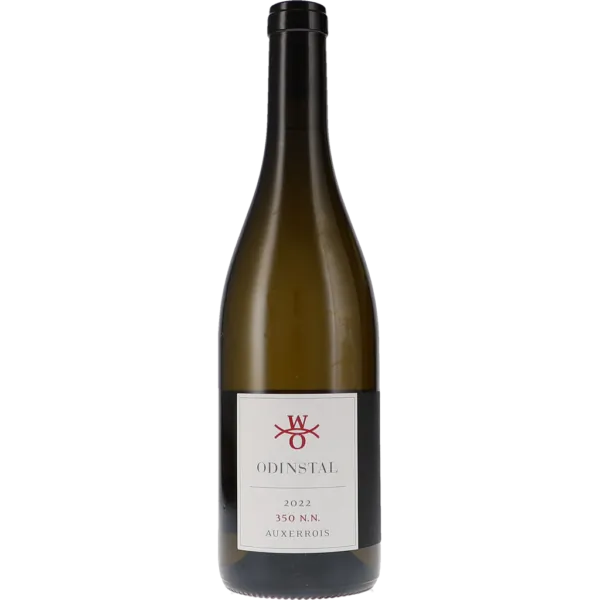
Four rock types across five hectares, a hollow enclosed by forest, 350 metres above the Rhine Valley. The VDP estate Odinstal in Wachenheim is a geological singularity in the Palatinate. Estate manager Andreas Schumann harnesses this diversity of basalt, shell limestone, Keuper and coloured sandstone for terroir comparisons that astonish even seasoned wine connoisseurs. His credo: identical cellar techniques, different soils – and suddenly you can taste the geology. The VDP estate has been farmed biodynamically since 2006 and has held Demeter certification since 2013. The vines here ripen 20 days later than those in the valley – more time for complexity, greater expression in the glass.
![Silvaner [Nakt] 2025 – Odinstal](/lwnl/tiles/odinstal-silvaner-nakt-2025_1_square_92e22be4-v2-tile600.webp)
![Riesling 2018-20 190 N.N. [Nakt] – Odinstal](/lwnl/tiles/odinstal-riesling-2018-20-190-n-n-nakt_1_square_df5b1cd8-v2-tile600.webp)
More about Odinstal
The Forest Clearing with Four Soils
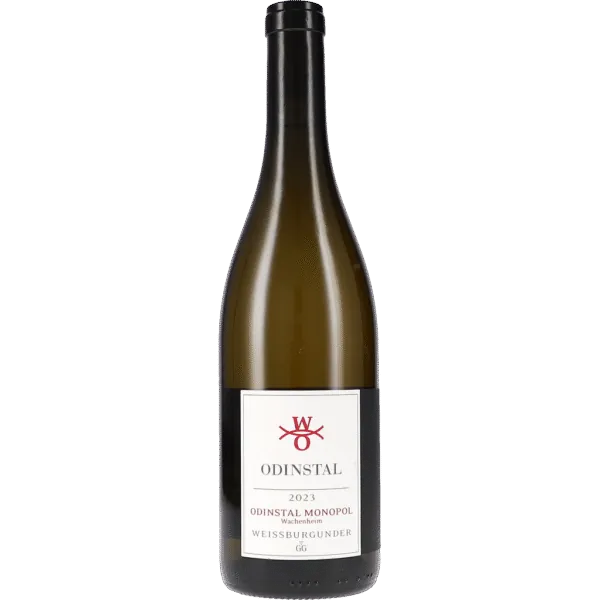
Whilst other wineries work with a single soil type, Andreas Schumann has four. The monopoly vineyard site Wachenheimer Odinstal owes its geological diversity to the faults of the Rhine Graben: basalt from the nearby Pechsteinkopf, muschelkalk, keuper and yellow buntsandstein lie side by side in the tightest of spaces. Surrounded by ten hectares of mixed forest and without neighbouring wine producers, biodynamics finds ideal conditions here – no spray drift, no compromises.
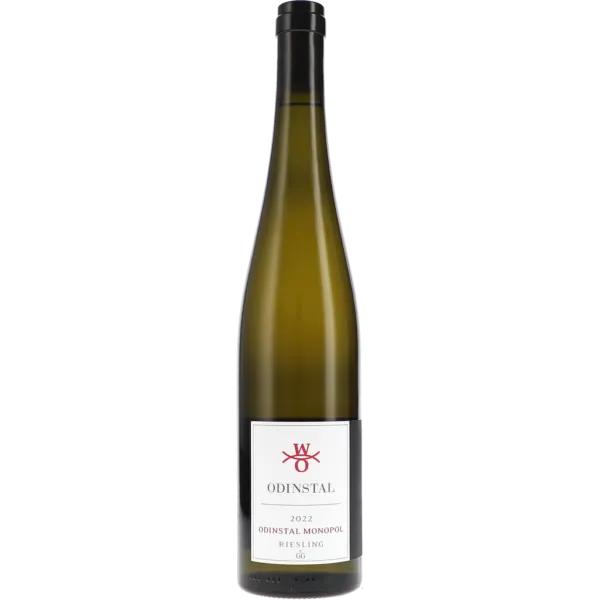
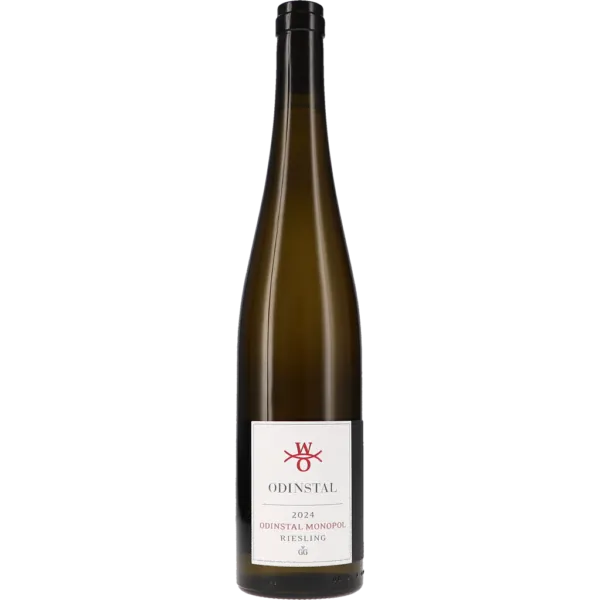
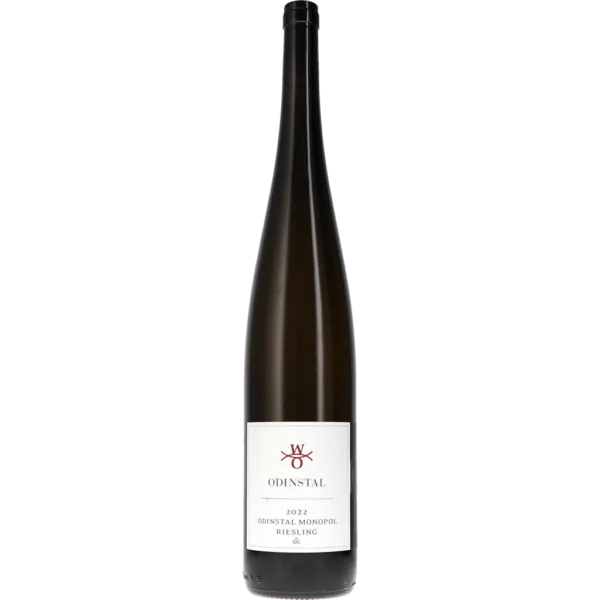
The Riesling GG Monopol 2022 brings this complexity into the glass: smoky minerality, precise acidity, a wine that makes its origins palpable at 350 metres elevation.

Schumann – the Winemaker with the 501 Shirt
Andreas Schumann, born in 1978, wears T-shirts bearing the inscription "501" – the horn silica preparation of biodynamics, his daily tool. He trained at Müller-Catoir and with biodynamic pioneer Bürklin-Wolf, studied in Geisenheim and found his calling in the Odinstal in 2004. Owner Thomas Hensel had acquired the overgrown estate in the 1990s and was looking for someone who would think biodynamically from the outset.
"The most important things happen in the vineyard," says Schumann. In the cellar, he follows the principle of non-intervention: spontaneous fermentation without temperature control, extended time on lees, minimal sulphur use. The wines become as dry as they want to be – usually bone-dry. His "Nakt" series goes even further: unsulphited, with skin contact. Riesling remains the main variety, but Auxerrois, Pinot Blanc and Silvaner also benefit from the cool high-altitude location.
At 350 Metres, Time Ticks Differently
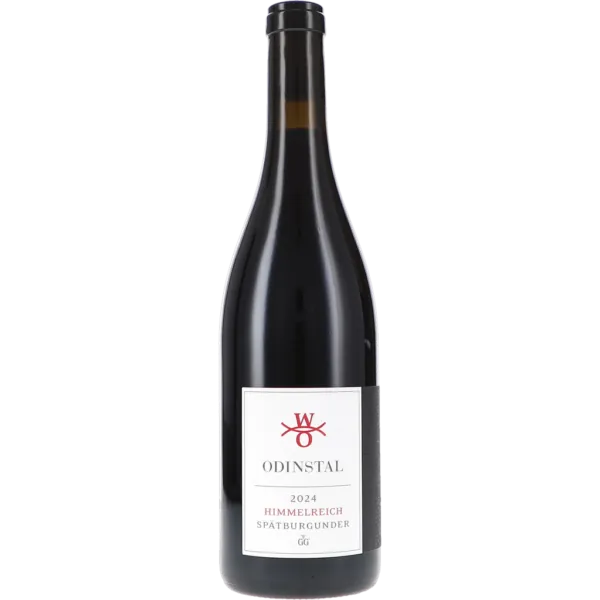
The altitude shapes everything. Whilst harvesting is already underway in the valley, the grapes in the Odinstal continue to ripen for another three weeks. This extended growing season gives the wines freshness and tension. Red wine? Under these conditions, unthinkable – the warmth is simply lacking. Instead, varieties that love cool nights thrive here: Gewürztraminer, Rieslaner, and of course Riesling.
Five mother cows graze between the vines, bees from beekeeper Andreas Kramer pollinate the meadows. The Odinstal is not simply a winery – it is a closed organism according to Demeter standards.

Terroir Comparison as Philosophy
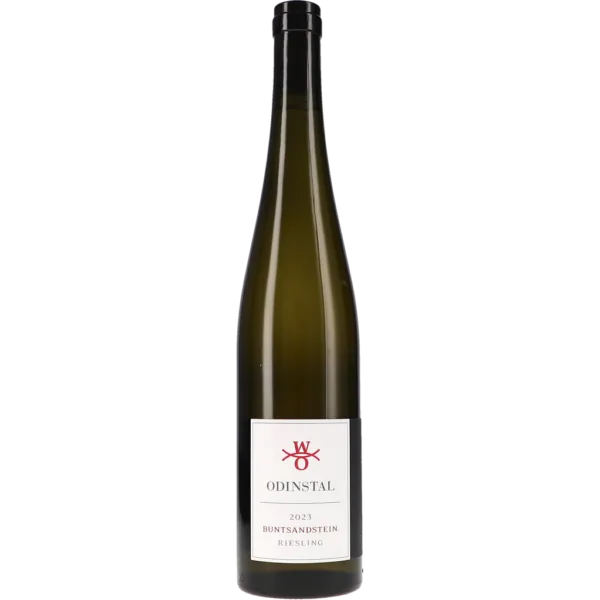
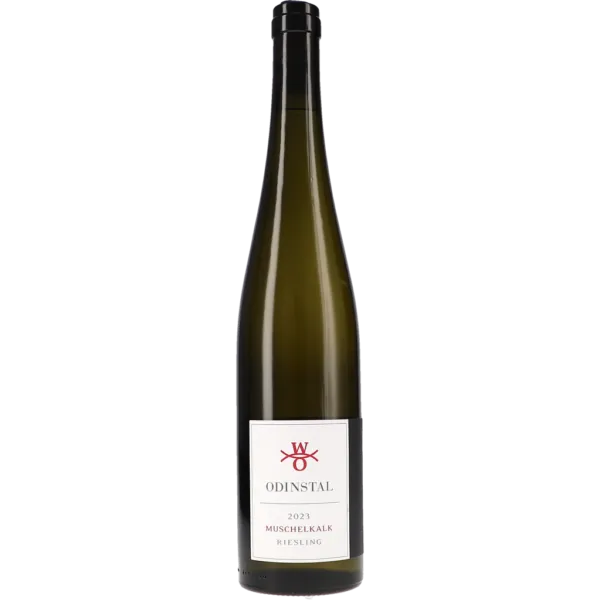
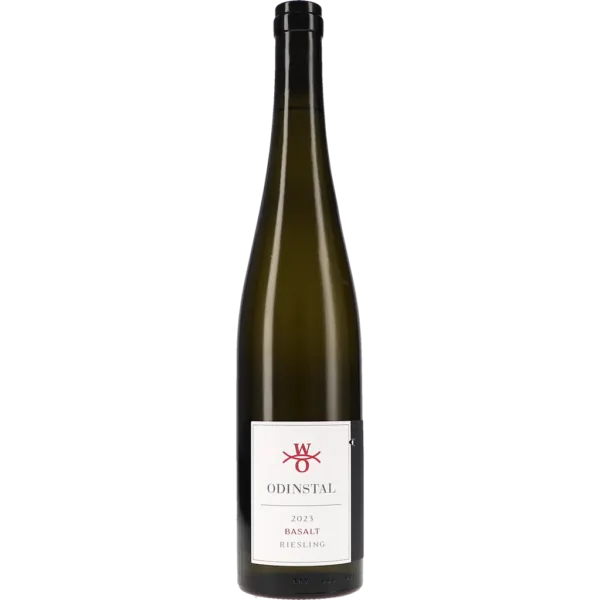
The soil series of Rieslings – basalt, muschelkalk, buntsandstein – is Schumann's signature. Three wines, identically vinified, yet fundamentally different in character. The basalt from Pechsteinkopf brings volcanic depth and smoky notes, the muschelkalk mineral precision and saline length, the buntsandstein playful elegance with floral accents. For wine lovers who want to taste terroir, there is hardly a better lesson than tasting these three wines side by side.
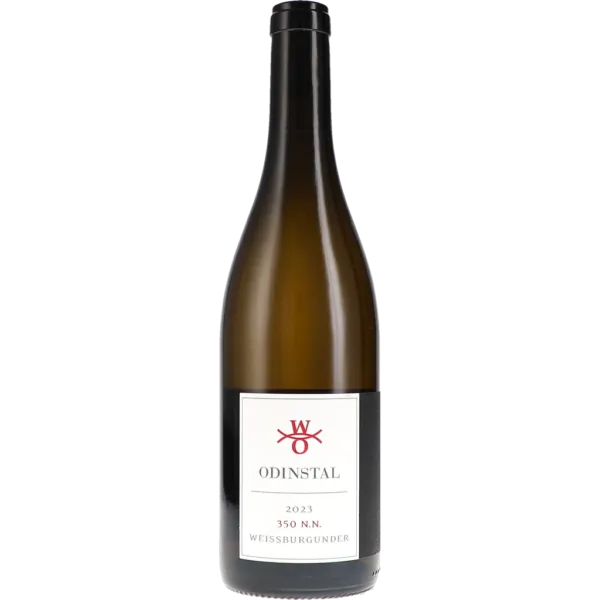
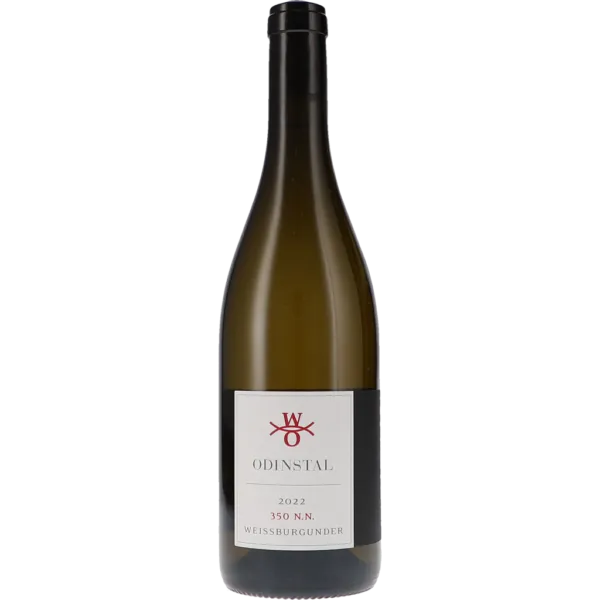
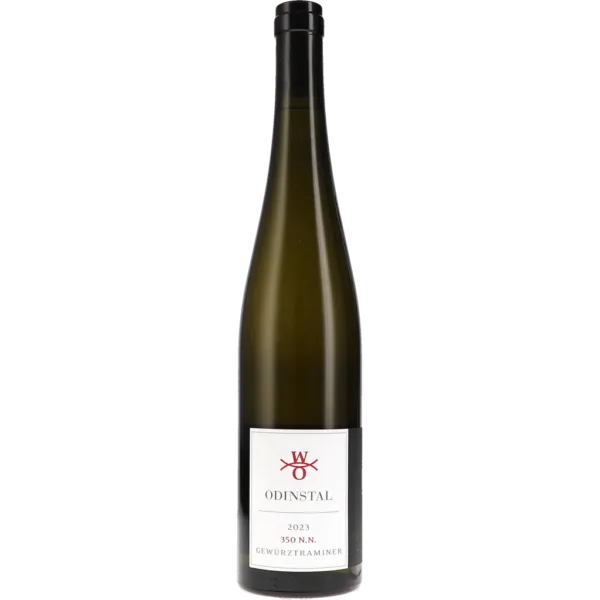
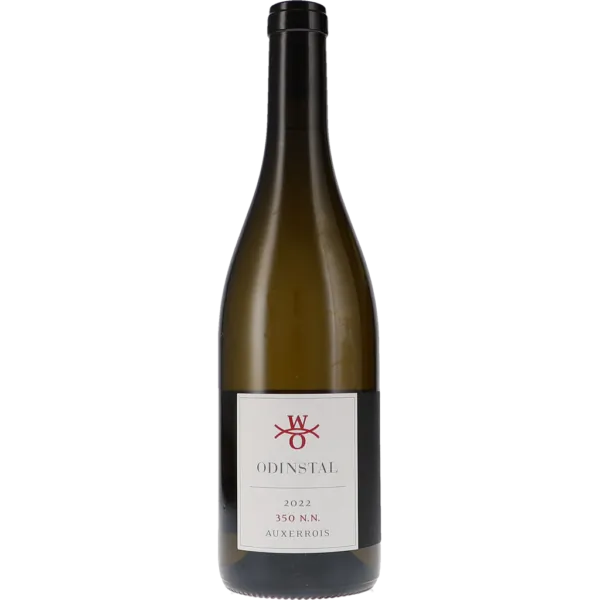
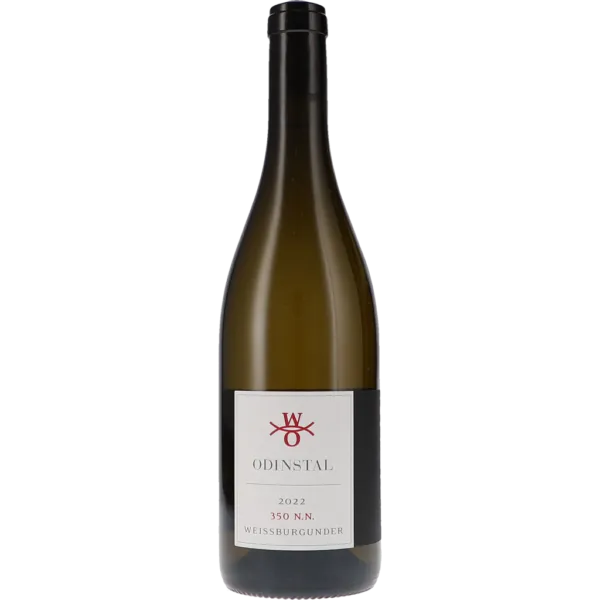
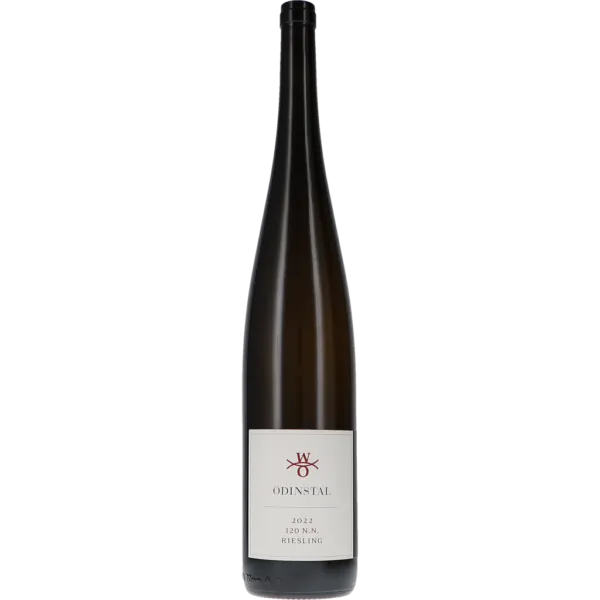
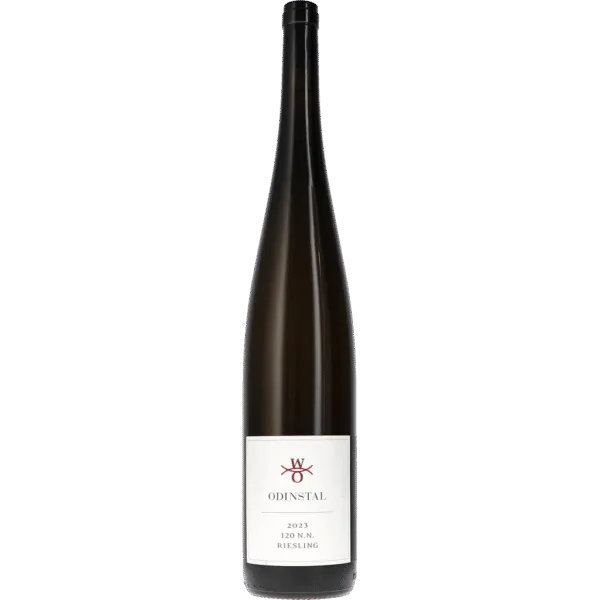
The designation "350 N.N." on many labels refers to the altitude of the monopoly vineyard site – a statement that underscores the uniqueness of this terroir. Even Steffen Christmann, the VDP president, works just a few kilometres away according to similar biodynamic principles. In the Palatinate, a scene has formed that demonstrates: great German wines are created where one trusts the soil and distrusts the cellar. Odinstal stands for the uncompromising – wines that do not conceal their origins but celebrate them.
Odinstal price list
30 wines · as of 25 October 2026 · prices incl. VAT, excl. shipping
Download the price list (PDF)(PDF, 188 KB)