Natural wine
Add nothing, take nothing away.
Natural wine is wine in its most original form: organically grown grapes picked by hand, fermented with the wild yeasts of its own vineyard, neither fined nor filtered, bottled with little or no sulphur. What ends up in the bottle is the vintage itself – unvarnished, alive and as individual as the place where it grew.


What is natural wine?
In the EU, any conventional wine may be made using dozens of oenological aids: cultured yeasts, enzymes, acid adjustment, gelatine for fining, sterile filtration. None of this appears on the label. Natural wine is the counter-movement to all that – and its guiding principle fits into five words: add nothing, take nothing away.
The vineyard provides the foundation: organically or biodynamically farmed vines, harvested by hand. But the decisions are made in the cellar. Where conventional winemaking corrects, standardises and smooths out, the natural winemaker lets go: the grapes ferment with their own wild yeasts, the wine remains unfined and unfiltered, and sulphur is used sparingly or not at all. The result is a wine in which grape, place and vintage speak directly – with all the charm that perfection never possesses.
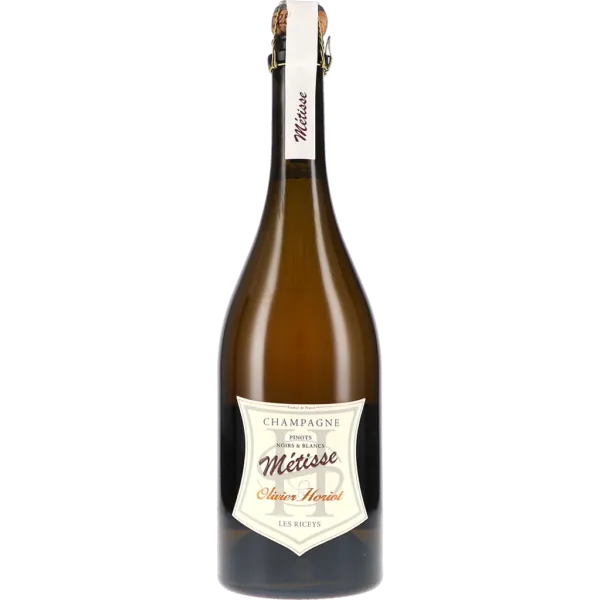
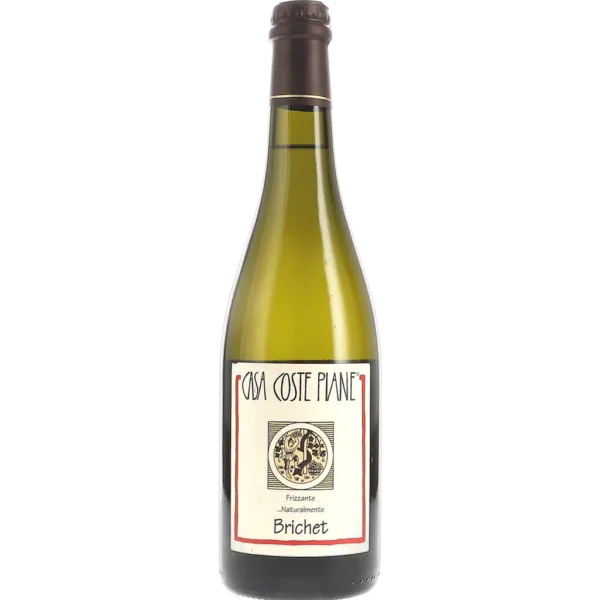
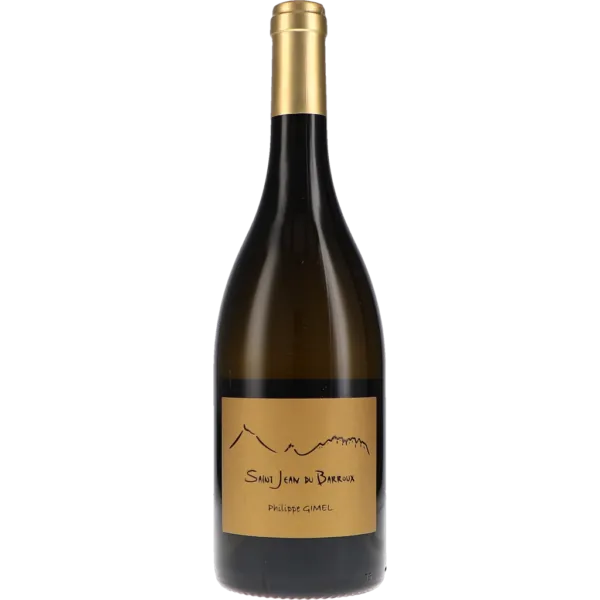
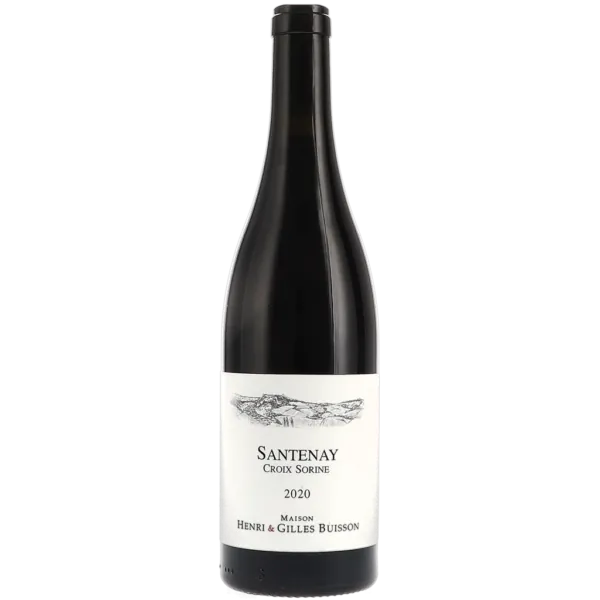
The five rules of the cellar
Organic and biodynamic farming govern the vineyard. Natural wine governs what happens next – and above all, what does not happen.

Organic grapes, hand-harvested
The vineyard as the foundation
If you do not want to make corrections in the cellar, you cannot afford any compromises in the vineyard. That is why every natural wine begins with healthy, organically grown grapes – and with careful manual harvesting.

Wild yeasts, spontaneous fermentation
The heart of every natural wine
Instead of a cultivated laboratory strain, hundreds of yeast species that are at home on the berries and in the cellar go to work. They give the wine an aromatic complexity that no cultured yeast can produce – and make every fermentation unique.

Unfined, unfiltered
Everything stays in the wine
No gelatine, no bentonite, no sterile filtration. Whatever carries colour, texture and aroma remains in the bottle. The fine natural cloudiness of many natural wines is exactly that: a sign of substance, not a flaw.

No additives, no harsh processes
The list of abstentions
No enzymes, no chaptalisation, no acid adjustment, no added tannins or aromas. Technically, too, the wine remains untouched: no reverse osmosis, no pasteurisation, no cross-flow filtration.

Sulphur: little or none at all
A fraction of what is permitted
Where conventional wine may contain up to 200 mg/l of total sulphur, natural wines manage with a fraction – many without any addition at all. On our shelves you will find 64 completely unsulphured wines.
Organic, biodynamic, natural wine – what governs what?
Three terms that are often confused. The difference lies in the cellar.
| Organic | Biodynamic | Natural wine | |
|---|---|---|---|
| Vineyard | No synthetic pesticides or herbicides | Organic plus preparations, compost management and a closed farm cycle | Mostly organic or biodynamic, hand-harvested |
| Cellar | Oenological aids largely permitted | Interventions permitted, though many estates work with restraint | Strictly regulated: no additives, no fining, no filtration |
| Yeasts | Cultured yeasts permitted | Cultured yeasts permitted | Only indigenous wild yeasts from the grapes |
| Total sulphur | Up to approx. 100–150 mg/l | Below this, depending on the association | Typically under 30–50 mg/l, often no addition at all |
| Status | Defined under EU law, official logo | Private associations: Demeter, Biodyvin, respekt-BIODYN | Not legally protected – standards are set by winemakers’ charters |
Biodynamic therefore does not automatically mean natural wine – but almost every natural wine producer thinks biodynamically. How preparations, lunar calendars and the closed farm cycle work is explained on our page Biodynamic viticulture.
Sulphur in numbers
“Natural wine” is not a protected term. The benchmarks are set by the winemakers themselves – and they are stricter than any legislation.
| Charter / Standard | Maximum total sulphur | Origin |
|---|---|---|
| Vin Méthode Nature | No addition (up to 20 mg/l naturally occurring) or below 30 mg/l | France, since 2020 |
| Naturknall | 20 mg/l (red) · 30 mg/l (white) | Germany, first natural wine association, Cologne 2020 |
| VinNatur | 30 mg/l (red) · 50 mg/l (white & rosé) | Italy |
| RAW WINE | 70 mg/l | International, Isabelle Legeron MW |
| For comparison: EU organic | approx. 100 mg/l (red) · 150 mg/l (white) | EU regulation |
Incidentally, no wine in the world is entirely without sulphites: every fermentation naturally produces small quantities. The difference lies in the additions – and here a factor of five quickly separates natural wine from EU organic wine. If you are looking for the strictest level – wines to which no sulphur has been added at any point, not even at bottling – you will find them among our unsulphured wines.
Six thousand years young
Natural wine is not a trend. It is the oldest way of making wine – newly rediscovered.

In Georgia, wine has been fermenting for around 6,000 years in qvevri, large clay amphorae buried up to their rims in the earth. Grapes, skins, pips – everything goes in, and nature does the rest. UNESCO declared this method an intangible cultural heritage in 2013, and it still works so well today that winemakers all over the world are once again burying amphorae.
The modern natural wine movement has a precise birthplace: Beaujolais. From the 1950s onwards, the chemist and winemaker Jules Chauvet demonstrated there that great wine can be made without added sulphur or cellar tricks, provided the grapes and hygiene are right. His students – Marcel Lapierre, Jean Foillard, Jean-Paul Thévenet and Guy Breton, dubbed the “Gang of Four” by their American importer Kermit Lynch – turned the idea into a movement in Morgon that took Paris by storm.
The third impulse came from Friuli: in Oslavia in the mid-1990s, Joško Gravner and Stanko Radikon revived skin fermentation for white grapes – the birth of modern orange wine, a name coined only in 2004. Today, the map of natural wine stretches from the Loire via Mount Etna to Austria, Germany and Spain. And it grows every year.
A spectrum, not a pigeonhole
Natural wine is a method of winemaking, not a flavour. It can be wild – or taste more classical than many expect.

Orange Wine
White grapes fermented on the skins like a red wine: this yields colours ranging from gold to amber, a fine tannin structure and aromas of tea, dried apricots and nuts. We carry a good 60 orange wines in our range.

Pét-Nat
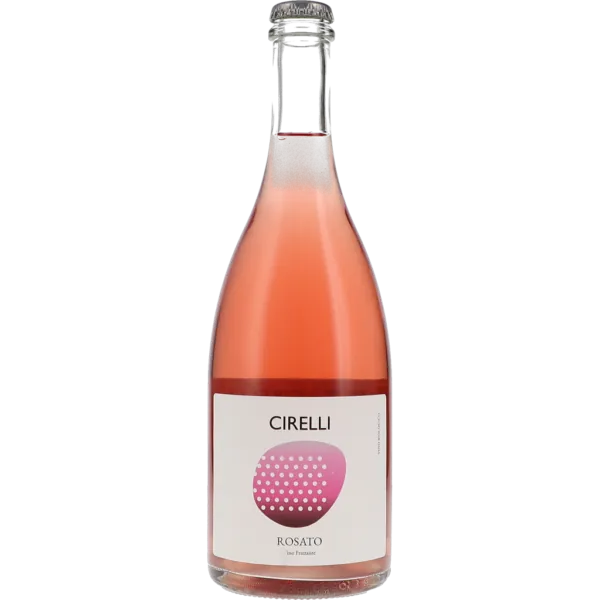
Pétillant Naturel: the wine is bottled while still undergoing its first fermentation and finishes fermenting under pressure in the bottle – a single fermentation, crown cap instead of cork, often with a fine yeast haze. The most uncomplicated glass in the natural wine world.

The still classics
Many natural wines taste closer to the classical ideal than their reputation suggests: precise Riesling, straight-laced Chardonnay, finely structured Blaufränkisch. Simply with more life in the glass – and no hidden depths.
Orange wines and Pét-Nats are frequently natural wines, but not necessarily so – what remains decisive is the work in the cellar. Conversely, natural wine comes in every colour: in our range you will find 374 reds, 303 whites, 54 oranges and 34 rosés.

What does natural wine taste like – and how do you drink it?
The first thing you notice is the vitality: natural wines have drive, juiciness and a flow that makes a second glass a matter of course. Wild yeasts bring layers of aroma that a single cultured strain could never deliver; the natural sediment lends texture and substance. And yes: some natural wines have edges – a hint of yeast, a wild aromatic note. Yet well-made natural wine always remains clean and clearly defined. That is precisely what we curate for: every wine in our range comes from winemakers who have mastered their craft.
Three tips to get you started: do not serve white and orange natural wines ice-cold (10–14 °C, then they reveal everything); reds are best enjoyed a touch cooler than usual (14–16 °C). A little air in the carafe helps almost every natural wine open up. And the sediment? Swirl it in or leave it behind – both are perfectly fine, it is simply a matter of taste.
Nine estates, one craft
125 estates in our range make natural wine. These nine show just how broad its spectrum is.

Occhipinti
Arianna Occhipinti started out in 2004 with one hectare near Vittoria – today her Frappato and Nero d’Avola are icons of Italian natural wine.
Discover

Nikolaihof
Biodynamic since 1971, making it a pioneer worldwide: Riesling and Grüner Veltliner that rest for years in large wooden casks – with minimal sulphur.
Discover

Johannes Zillinger
Amphora, old wood and radical consistency: Zillinger’s Revolution line is among the most exciting wines bottled by Austria’s natural wine scene.
Discover
Georges Laval
Organic in Cumières since 1971 – longer than almost anyone else in Champagne. Handcrafted grower Champagnes with barely perceptible dosage.
Discover
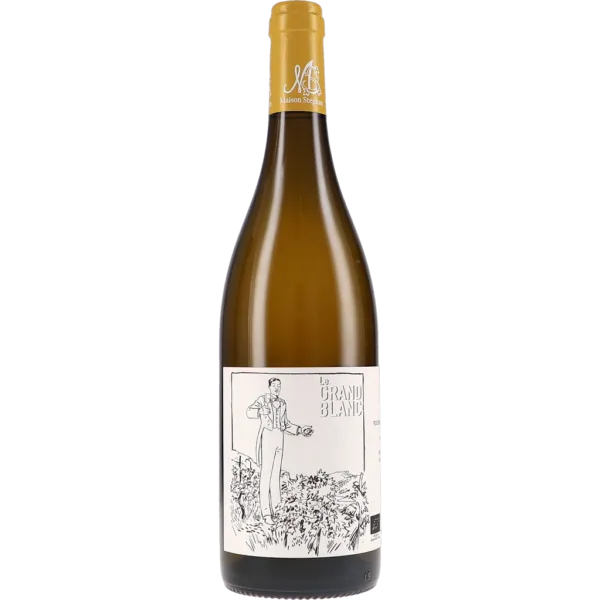
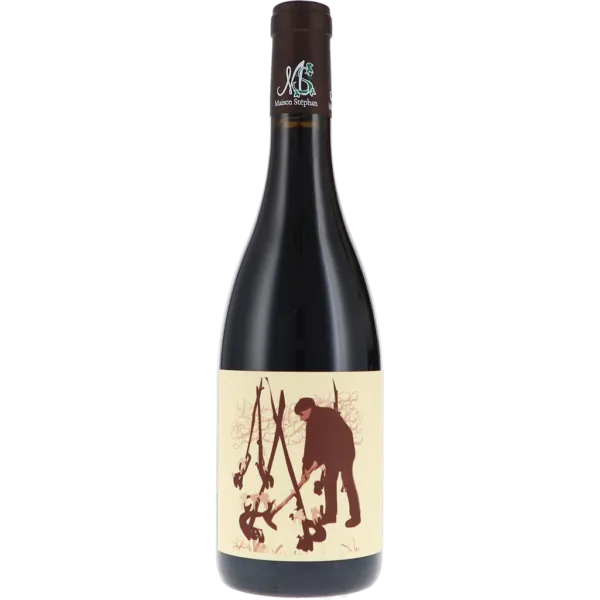
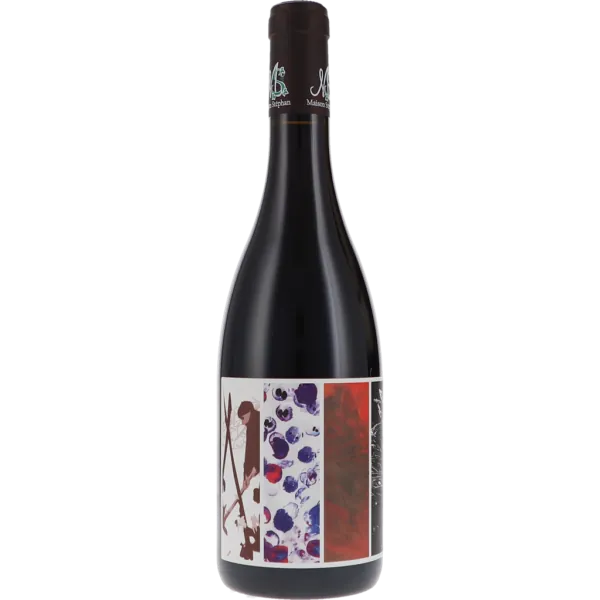
Maison Stephan
Syrah from steep terraces above the Rhône, whole bunches, zero sulphur addition: Jean-Michel Stephan makes natural wine at grand cru level.
Discover
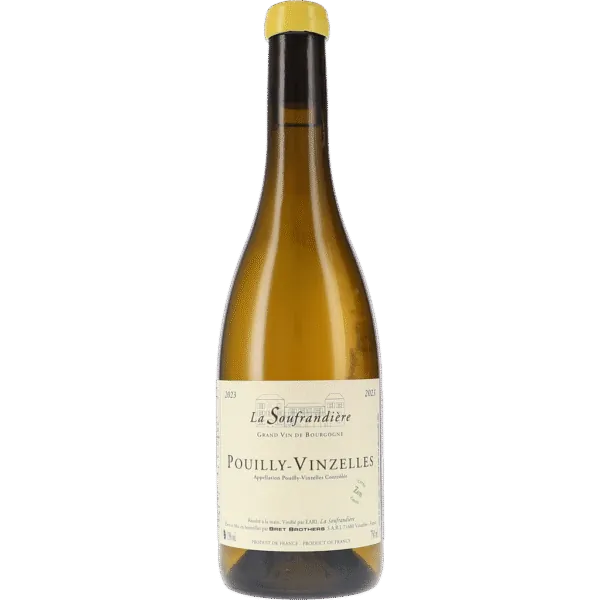
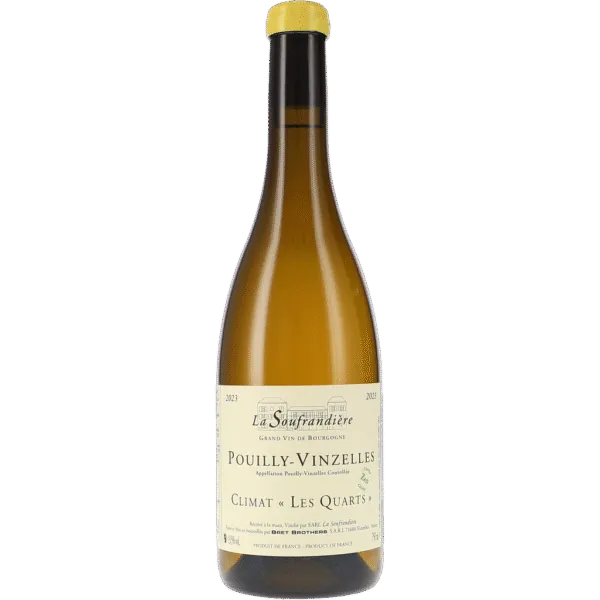
La Soufrandière
The Bret brothers in Vinzelles: biodynamically certified Chardonnay that proves natural wine and Burgundian finesse can be one and the same.
Discover
Frequently asked questions about natural wine
What is natural wine?
Natural wine is made from organically grown, hand-harvested grapes and comes into being in the cellar without intervention: spontaneously fermented with wild yeasts, without additives, without fining, without filtration and with little or no added sulphur. The guiding principle: add nothing, take nothing away.
Is natural wine automatically organic wine?
In practice, the grapes are almost always grown organically or biodynamically, often even without formal certification. The difference lies elsewhere: organic regulations govern the vineyard, whereas natural wine also governs the cellar. An organic wine may use cultured yeasts, fining and filtration – a natural wine may not.
Does natural wine contain sulphites?
Small amounts, yes, because every fermentation naturally produces sulphites. However, little to none is added: depending on the association, natural wine charters permit 20 to 70 mg/l of total sulphur, whereas EU organic white wine may carry around 150 mg/l. In our range, 64 wines are made entirely without added sulphur.
Why is natural wine often cloudy?
Because it is neither filtered nor fined. The fine haze consists of yeast and fruit particles that carry aroma and texture – it is a hallmark of quality craftsmanship and completely harmless. If you prefer a clear wine, simply let the bottle stand for a few days.
Does natural wine taste different from conventional wine?
Usually, yes: more vibrant, juicier, with greater tension and aromatic complexity thanks to the wild yeasts. The spectrum ranges from wild and edgy to classic and straightforward – natural wine is a winemaking approach, not a uniform flavour.
Is natural wine healthier?
Natural wine contains significantly fewer additives and less sulphur than conventional wine – if you are sensitive to sulphites, it is often the better choice. Yet natural wine is not a health product either: it remains an alcoholic beverage that should be enjoyed mindfully and with pleasure.
What is the difference between natural wine and orange wine?
Natural wine describes the winemaking approach (minimal intervention in the cellar), while orange wine refers to a technique: white grapes fermented on their skins like a red wine. Many orange wines are natural wines, but not all of them – and natural wine comes in every colour, from white through rosé to red.
What is a Pét-Nat?
Pét-Nat stands for Pétillant Naturel, made according to the Méthode Ancestrale: the fermenting must is bottled, where the one and only fermentation runs its course and captures the carbon dioxide. Unlike Champagne, there is no second fermentation and no dosage – instead, you get pure, often lees-clouded drinking pleasure under a crown cap.
How should natural wine be stored and served?
Cool, dark and on its side, like any good wine – many natural wines even age remarkably stably on their fine lees. When serving: white and orange at 10–14 °C rather than ice-cold, reds ideally slightly chilled at 14–16 °C, and almost every natural wine benefits from a little air in the carafe.
Why is there no official natural wine seal?
“Natural wine” is not defined under EU law. The standards are set by private winemakers’ associations such as Vin Méthode Nature in France, VinNatur in Italy or Naturknall in Germany – with rules that go far beyond any statutory organic level. In 2026, Georgia became the first country to introduce a legal definition.
775 natural wines. 125 estates. Zero compromises.
From the amphora-aged wine from Abruzzo to the sulphur-free Riesling from the Palatinate: our natural wine range is hand-picked – every estate personally selected.