
Above Bolzano, the vines cling to slopes of red porphyry, while around Lake Caldaro they grow on limestone and moraine debris; further south, the Bassa Atesina already feels the warm air from Lake Garda in early spring. South Tyrol combines this alpine coolness with abundant sunshine, producing white wines with taut acidity alongside the local reds made from Vernatsch and Lagrein. Our wines come from three biodynamic estates: Alois Lageder in Magrè, Manincor on Lake Caldaro and Pranzegg above Bolzano. If you are looking for organic wine from South Tyrol, here you will find single-vineyard wines, cuvées and – with the wines from Pranzegg – natural wine from South Tyrol as well, spontaneously fermented and bottled with very little sulphur.
More about Südtirol
Organic wines from South Tyrol: three estates, one biodynamic philosophy
In South Tyrolean viticulture, small parcels, steep slopes and manual labour have a long tradition, and it is precisely here that biodynamic farming has found strong advocates. Winemakers working biodynamically forgo synthetic fertilisers and plant protection products; they fertilise with compost, apply preparations made from cow manure and quartz, strengthen the vines with herbal teas and allow herbs and legumes to grow between the rows, keeping the soil alive. The vines root deeper, the grapes ripen with more tension, and in the cellar the wine needs less assistance. All three producers whose wines we stock cultivate their vineyards in this way; Manincor is Demeter-certified.
Porphyry, limestone and moraine between Bolzano and the Unterland
The vineyards follow the Adige Valley and the Eisack Valley, stretching from the valley floor up to altitudes where the nights remain cool even in summer. The Alps keep cold air at bay to the north, while warmth drifts up from Lake Garda in the south. Around Bolzano and Terlano, volcanic quartz porphyry shapes the soils, lending the white wines a smoky, saline minerality; in Überetsch and the Unterland there are limestone, dolomite and moraine gravel. On the warm scree cones of the Bolzano basin, Lagrein is at home – a dark, tannin-rich variety with aromas of violet, mulberry and sour cherry. Vernatsch yields pale red, light wines with an almond note and cherry fruit, and was long the region’s everyday wine. Alongside these come Sauvignon Blanc, Pinot Bianco, Gewürztraminer and Pinot Noir, which reveal their fresh side in the higher vineyard sites.
Natural wine from South Tyrol: Pranzegg above Bolzano
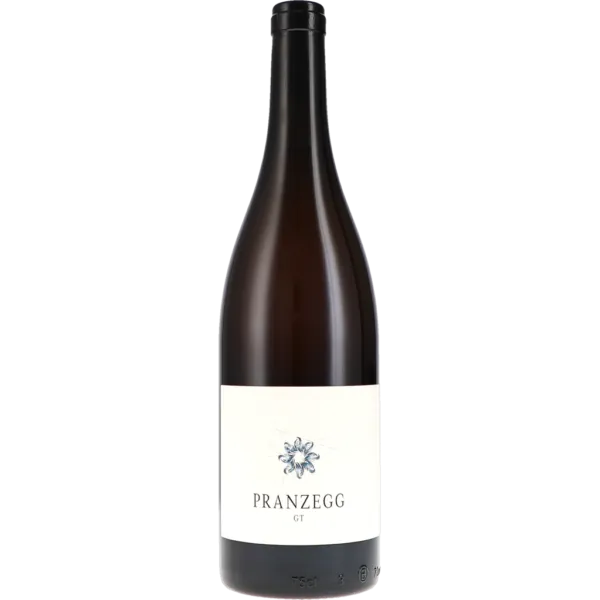
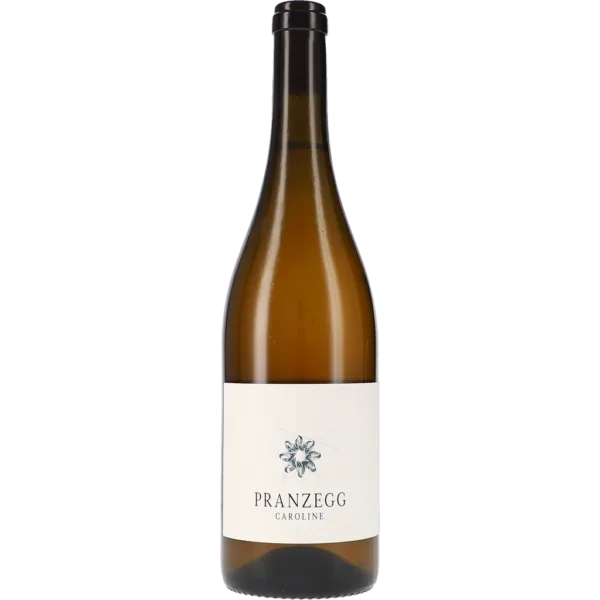
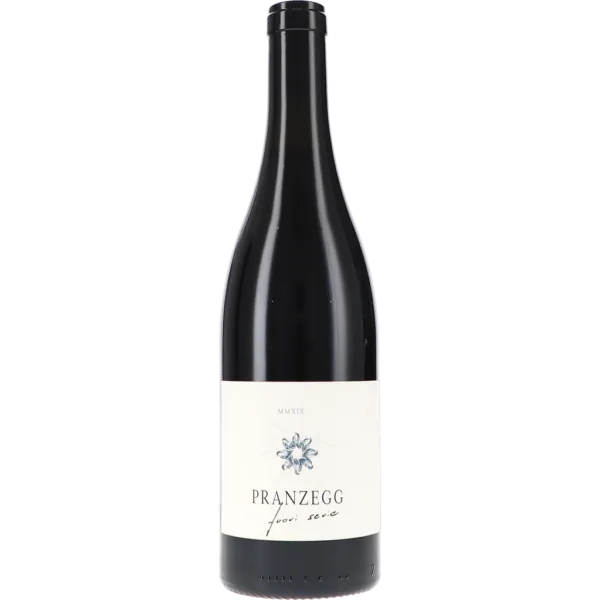
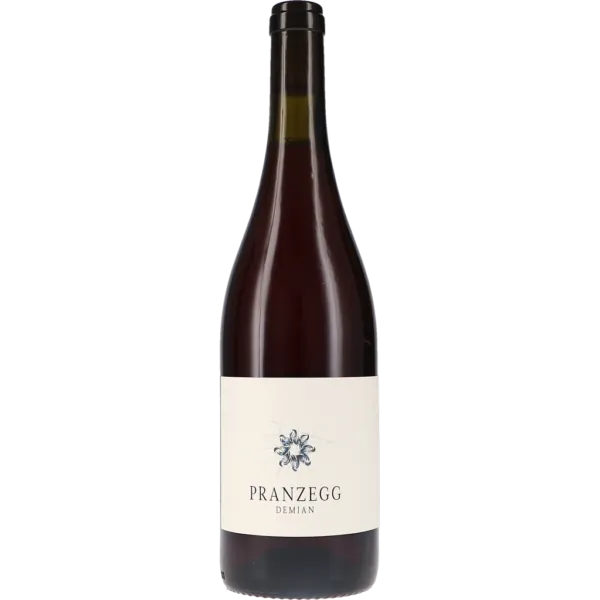
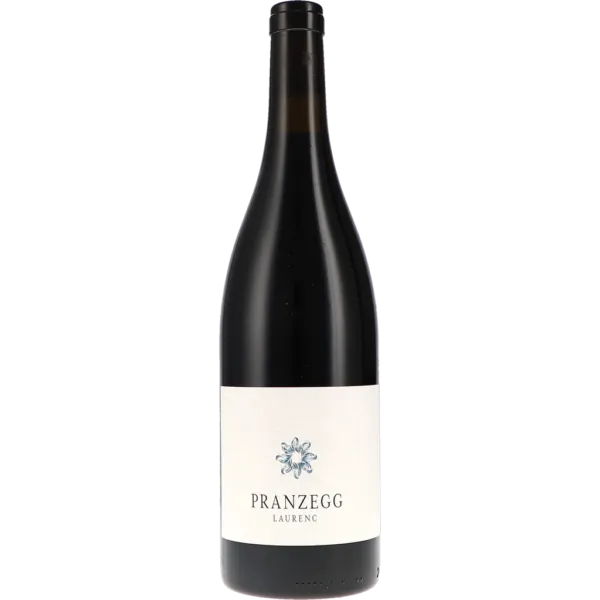
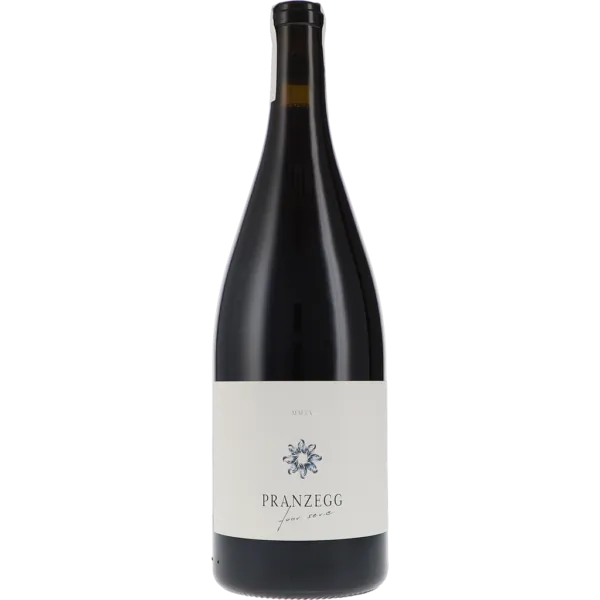
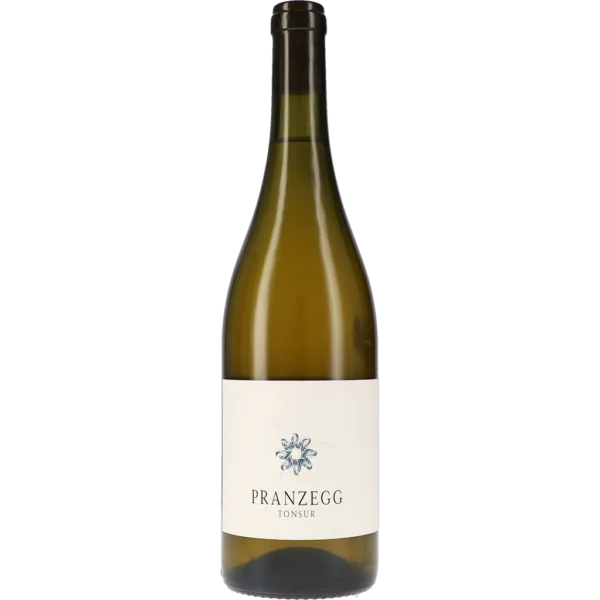
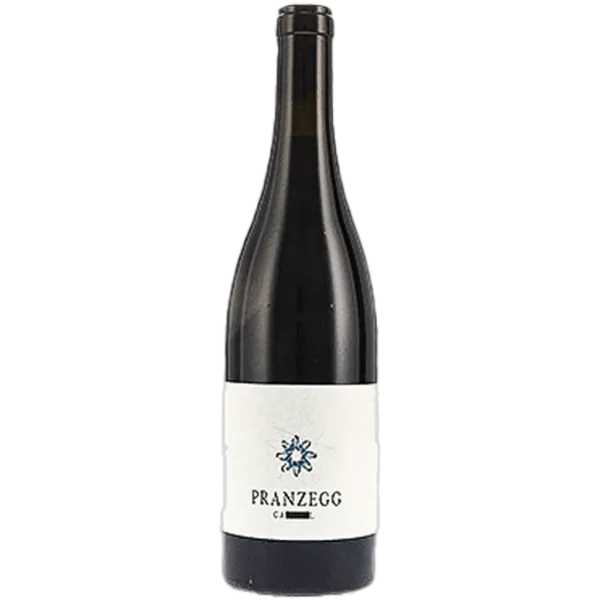
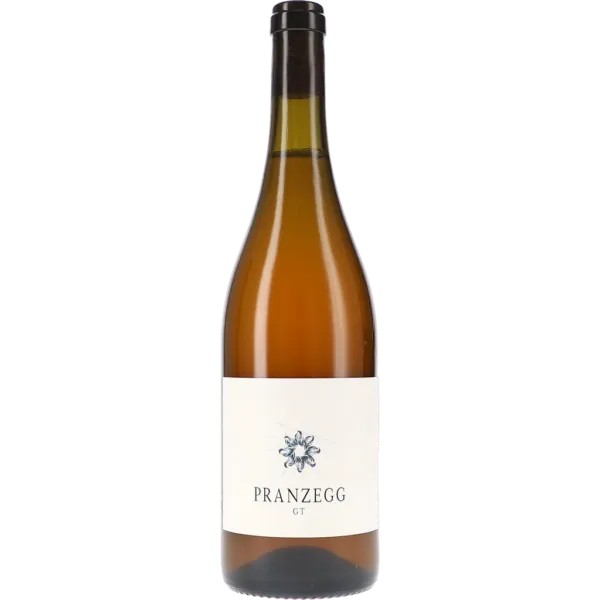
On the slope above Bolzano, Martin Gojer cultivates cool, north-west-facing steep vineyard sites. The wines of Pranzegg ferment spontaneously and are bottled with very little sulphur. His Vernatsch Campill smells of tree bark, herbs and pepper, the Gewürztraminer “GT” macerates on its skins and shimmers apricot-coloured, and the Cuvée Caroline from Sauvignon Blanc, Chardonnay and Viognier changes with every hour in the glass. The Laurenc 2020 shows Lagrein from its refined side, with violet, dark berries and silky tannins.
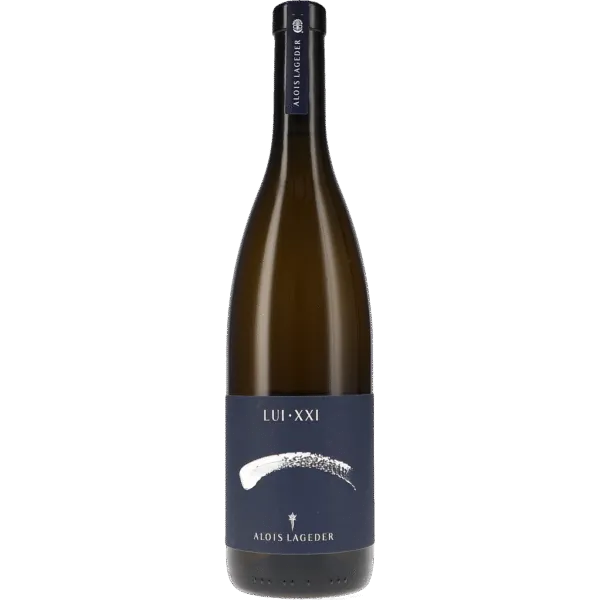
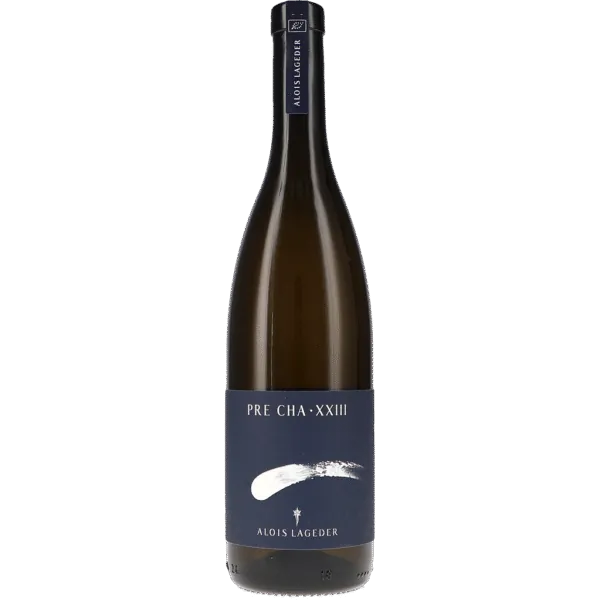
Manincor on Lake Kaltern and Alois Lageder in Margreid
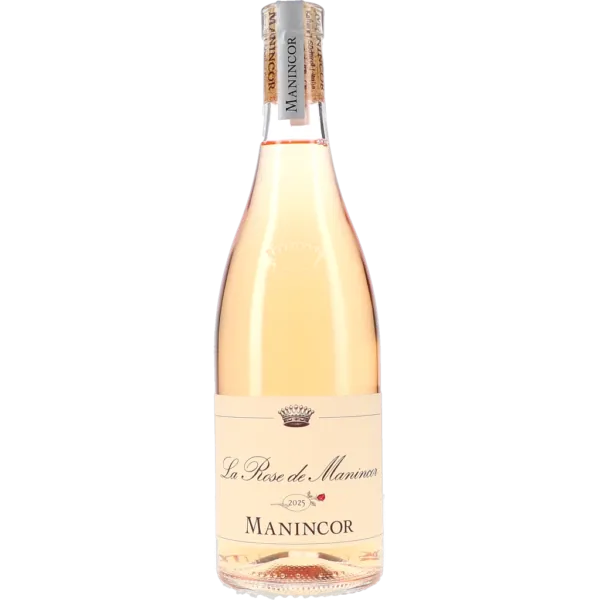
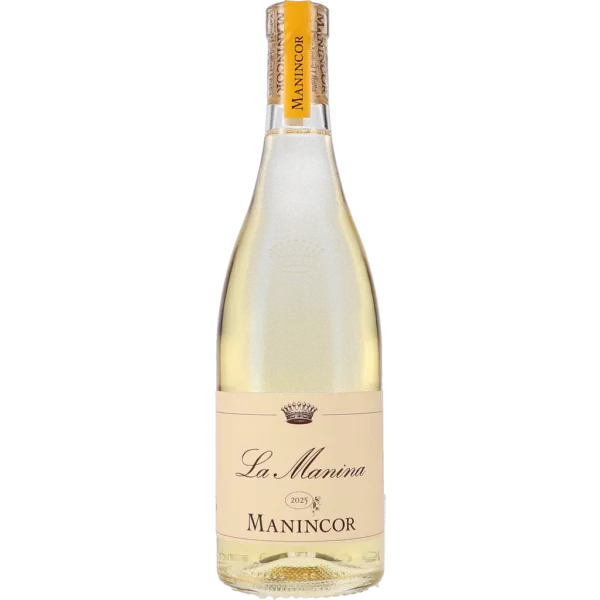
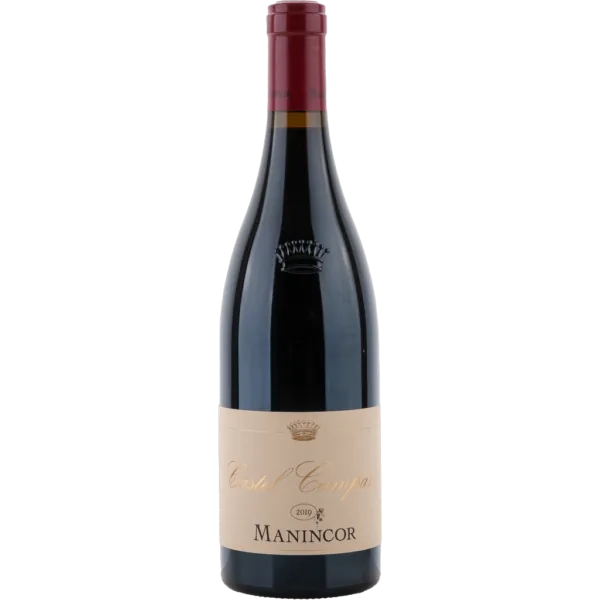
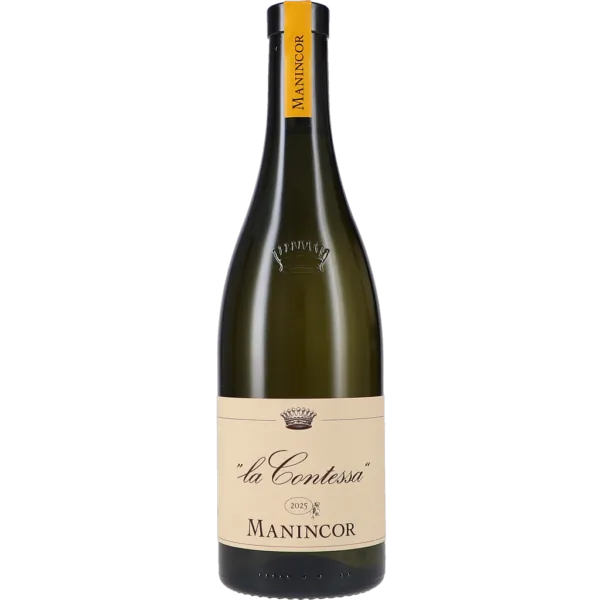
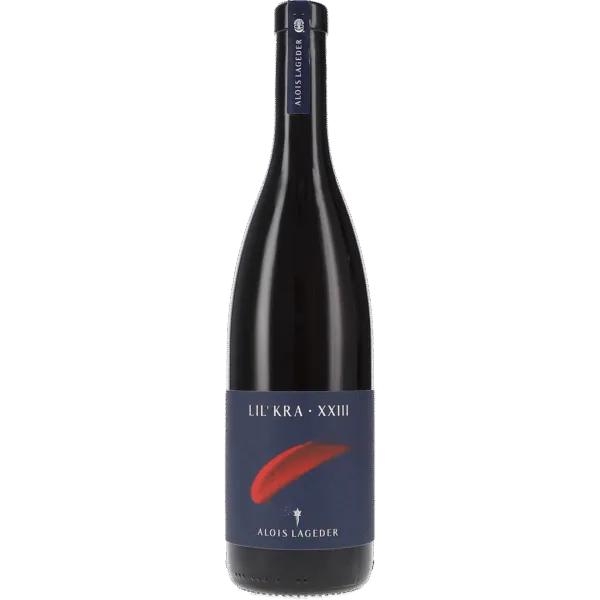
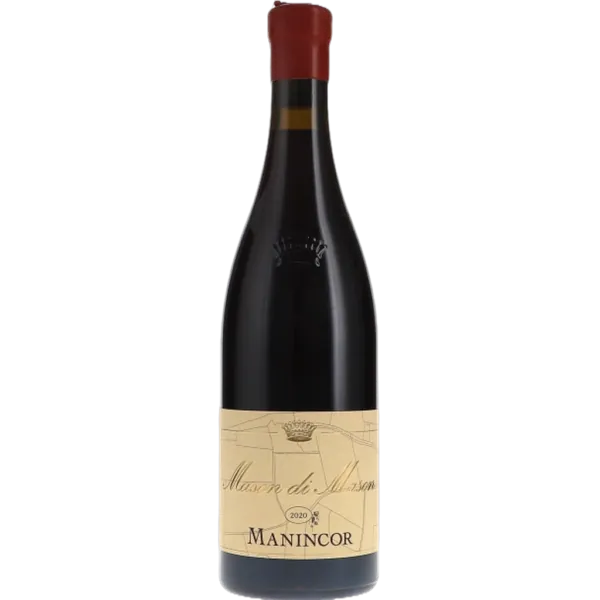
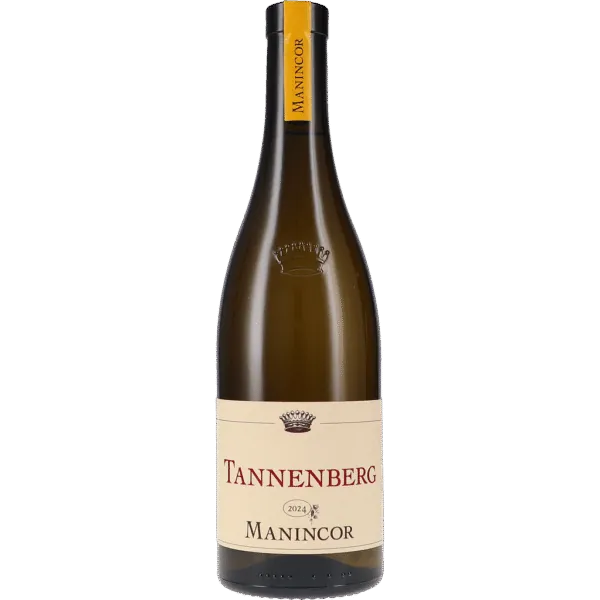
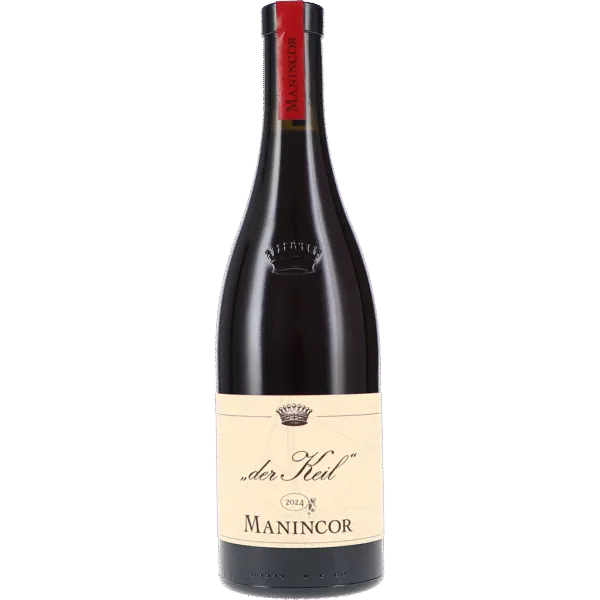
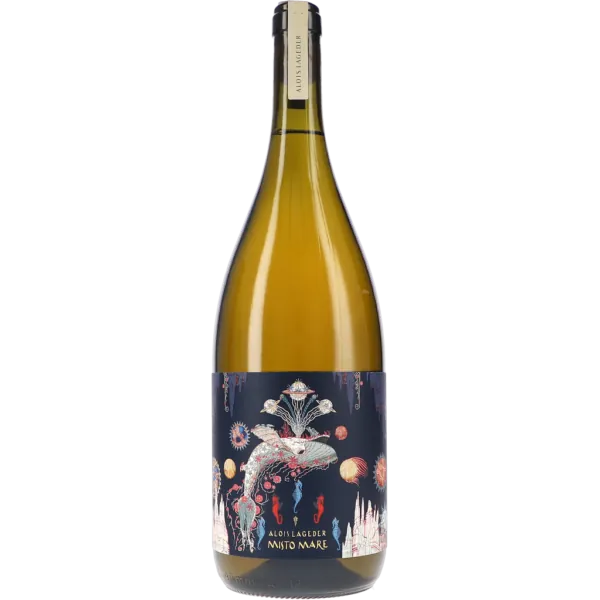
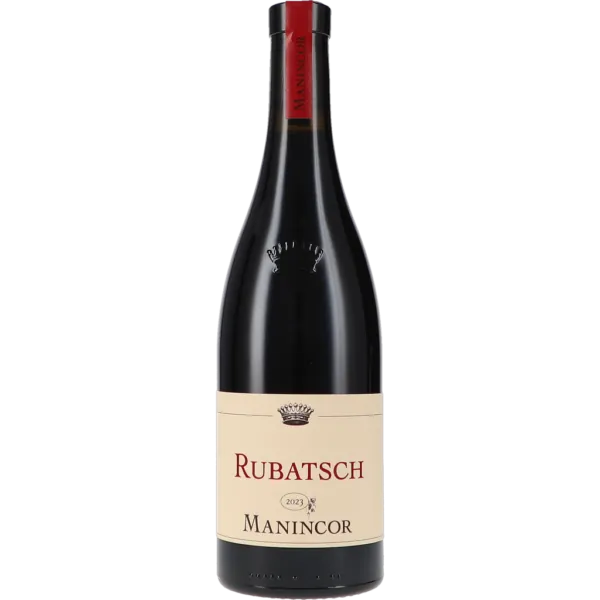
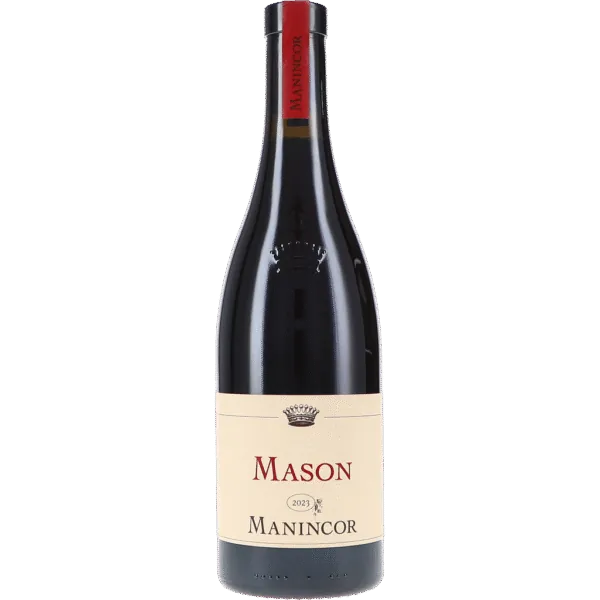
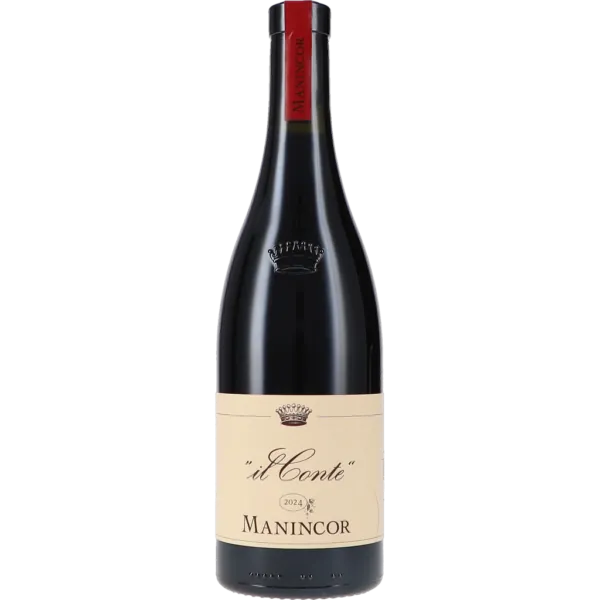
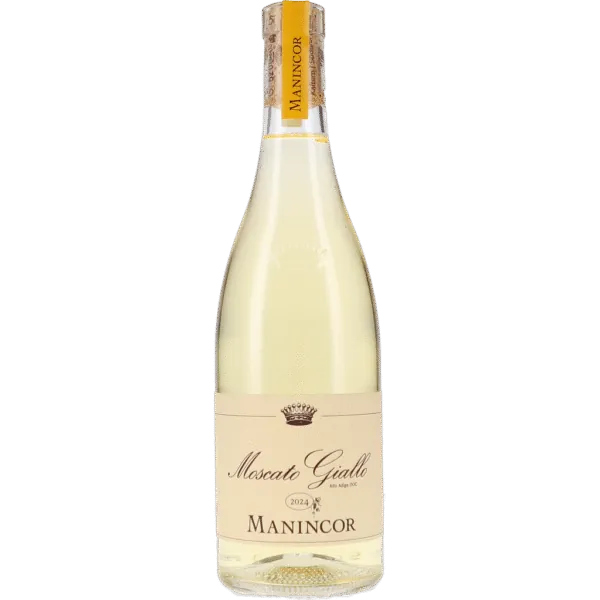
Manincor is located in St Josef am See near Kaltern and owns vineyard sites in Kaltern and Terlano. From there come the Sauvignon Blanc Tannenberg with grapefruit and elderflower, the Lieben Aich from Terlano, the Vernatsch from the Der Keil site above the lake, the Lagrein Rubatsch and the Pinot Noirs Mason and Mason di Mason. The estate Alois Lageder works biodynamically in Margreid in the South Tyrolean Unterland. The Komet range features experimental wines such as a Chardonnay with mandarin and lemon thyme or a Pinot Noir with sour cherry, alongside the light Misto Mare and the red sparkling wine Rosso Mosso made from Lagrein, Vernatsch and Merlot. You will find the available wines from all three estates in the list above.