
 EN
EN  DE
DE  FR
FR  IT
IT 
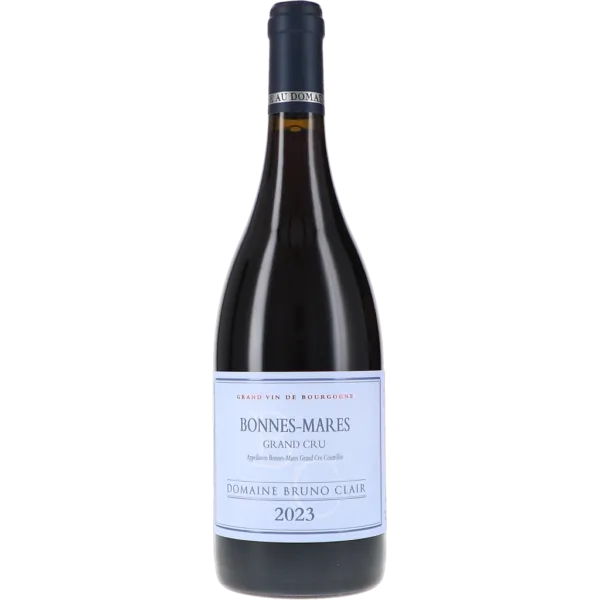
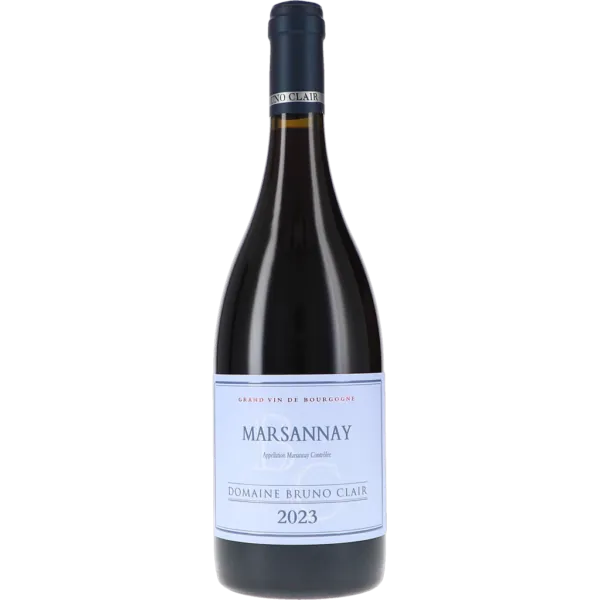
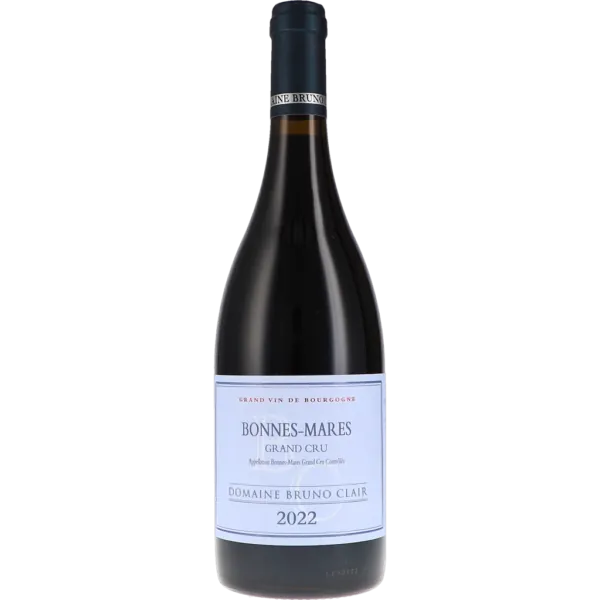
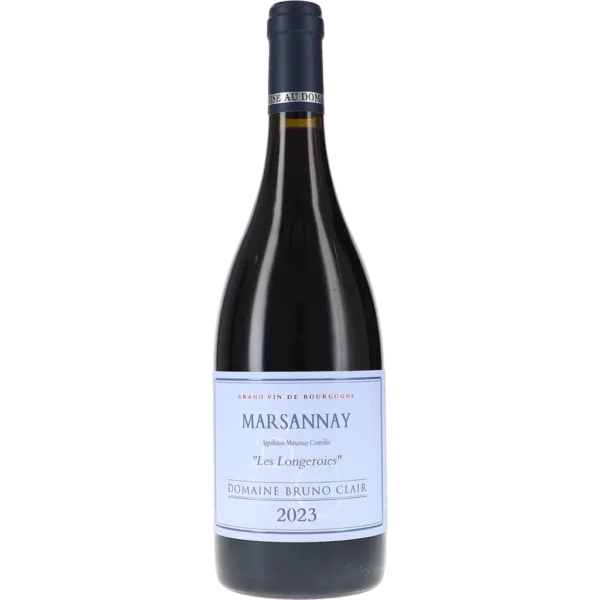
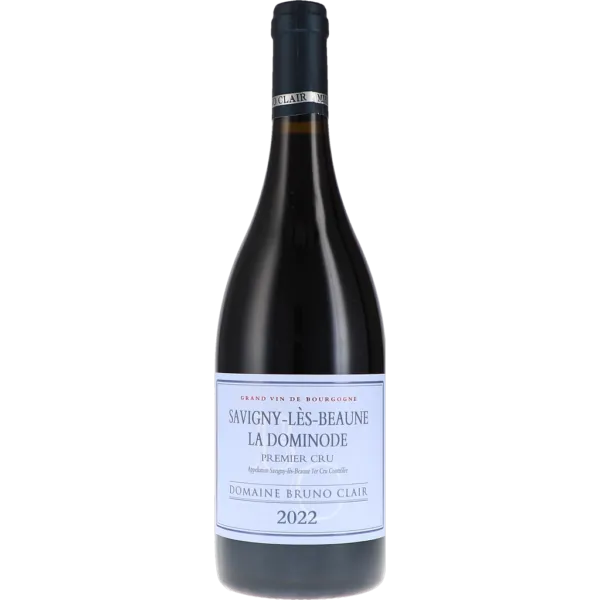
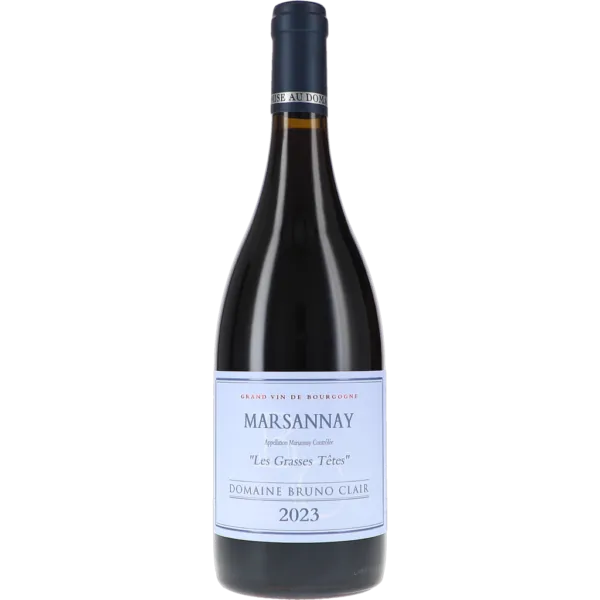
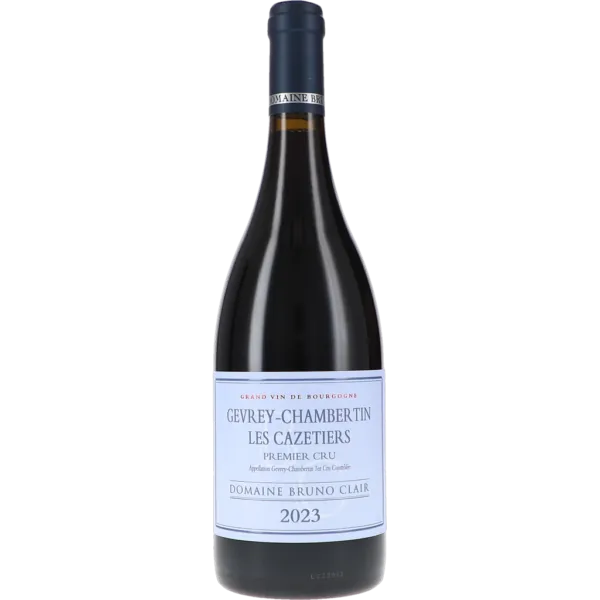
Gevrey-Chambertin 1er Cru Les Cazetiers rests on its lees as Bruno Clair draws a sample – focused and unhurried. Domaine Bruno Clair in Marsannay-la-Côte cultivates 27 hectares across eight villages of the Côte d’Or, producing wines from 32 appellations. Among its finest holdings are Chambertin Clos de Bèze, with vines dating back to 1912, Bonnes-Mares, Clos Saint-Jacques and Corton-Charlemagne. What sets these wines apart is their clear, succulent fruit, refined bitterness and an ever-present taut, saline thread. The reds appear slender in structure yet possess remarkable depth, with silky tannins and a long mineral drive. Little showmanship, plenty of terroir expression – wines that shine at the table and gain complexity with age.
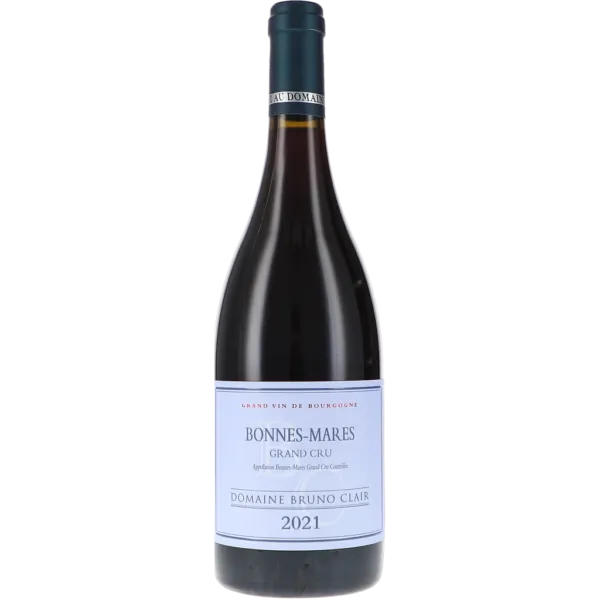
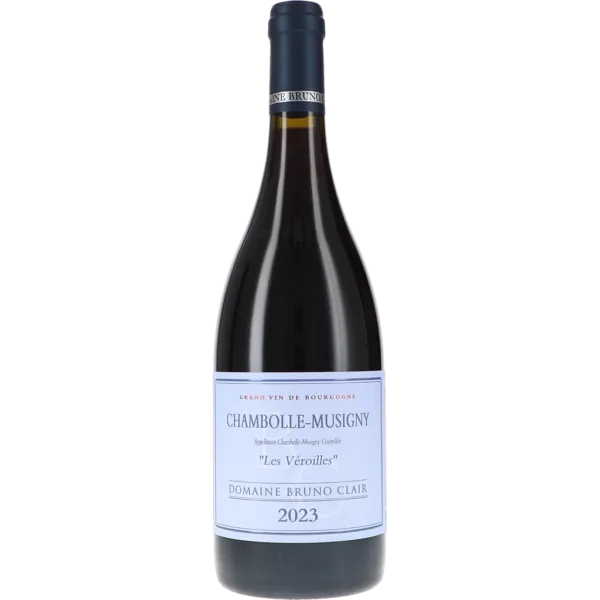
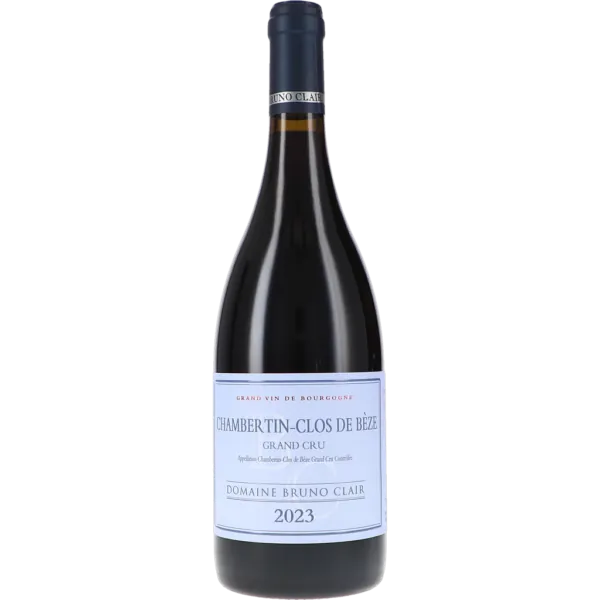
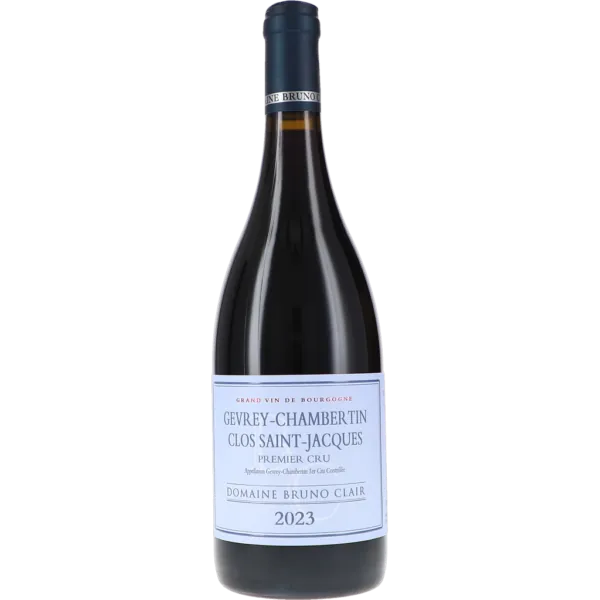
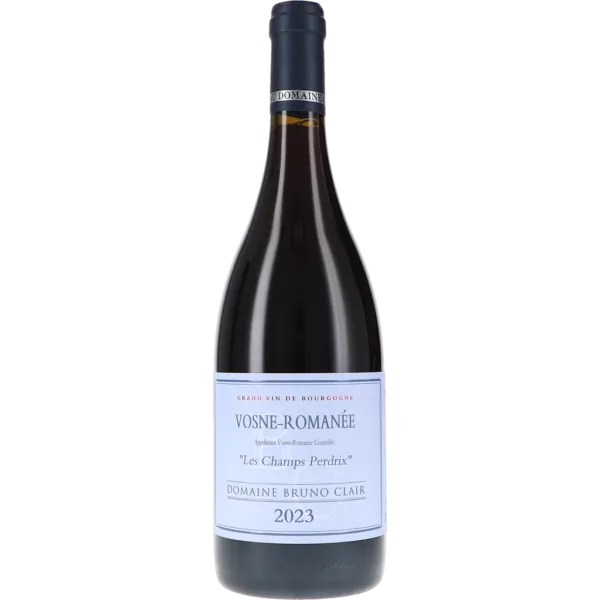
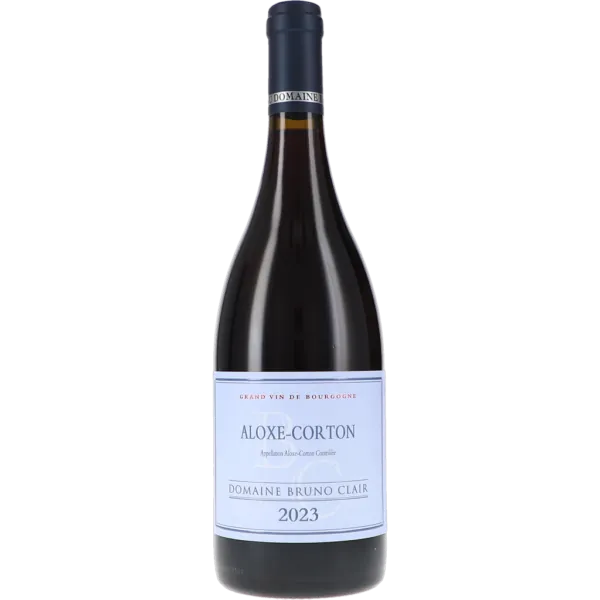
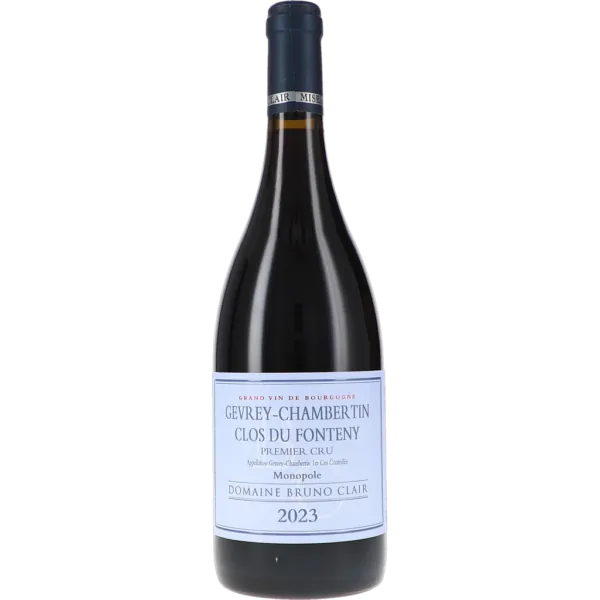
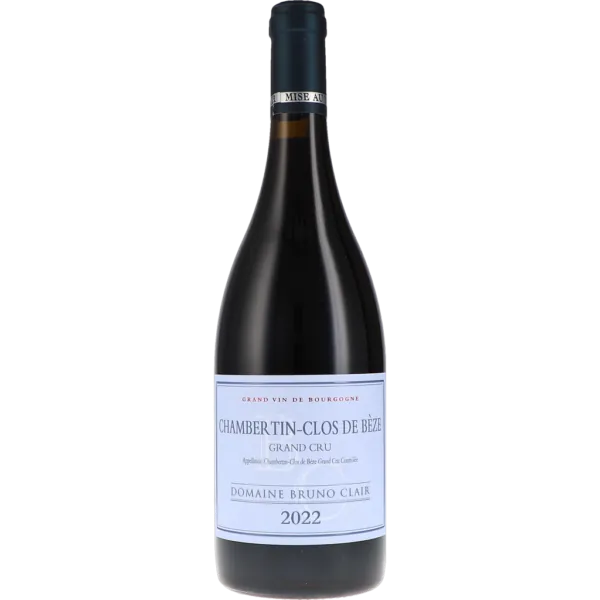
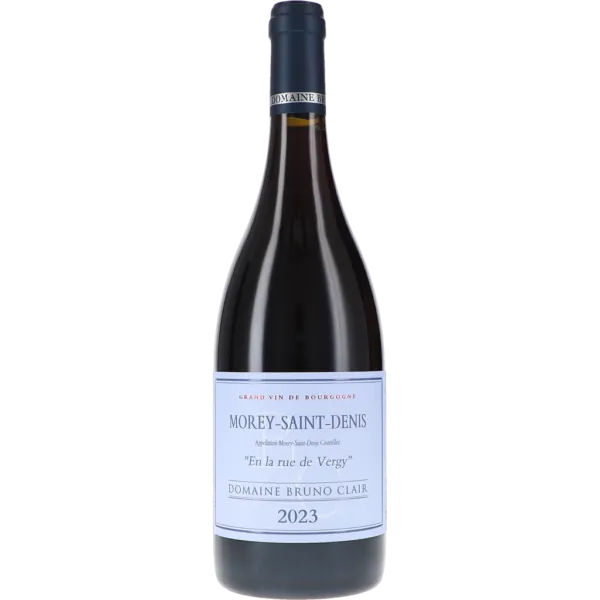
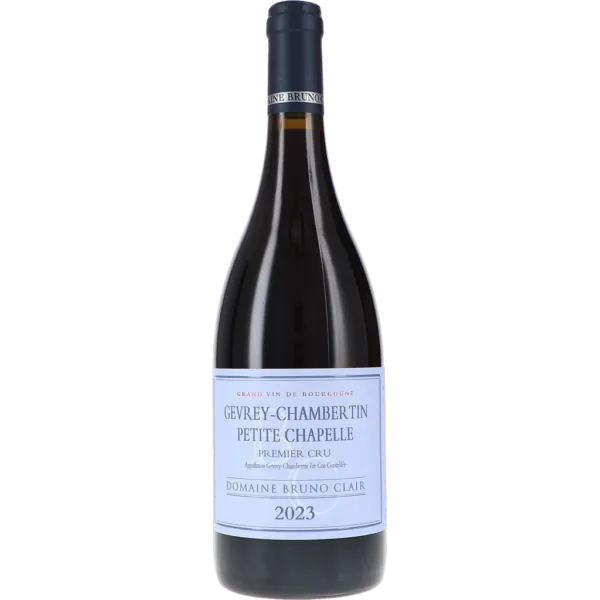
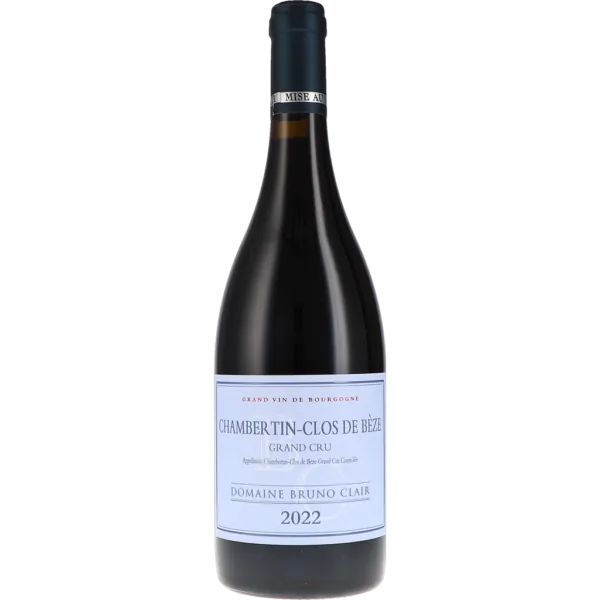
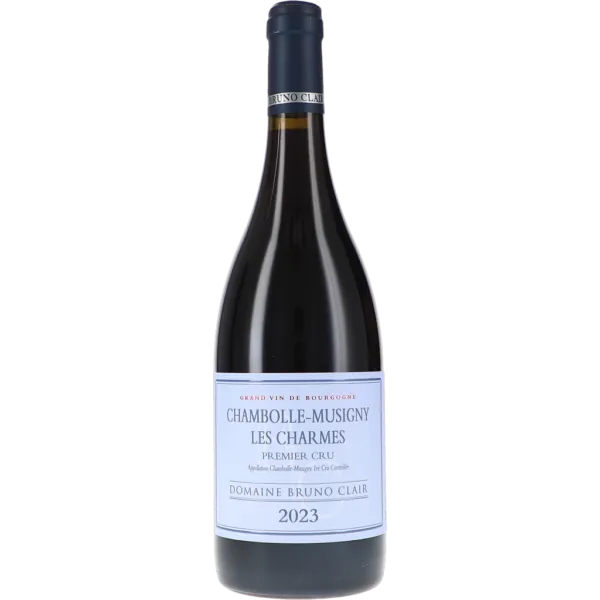
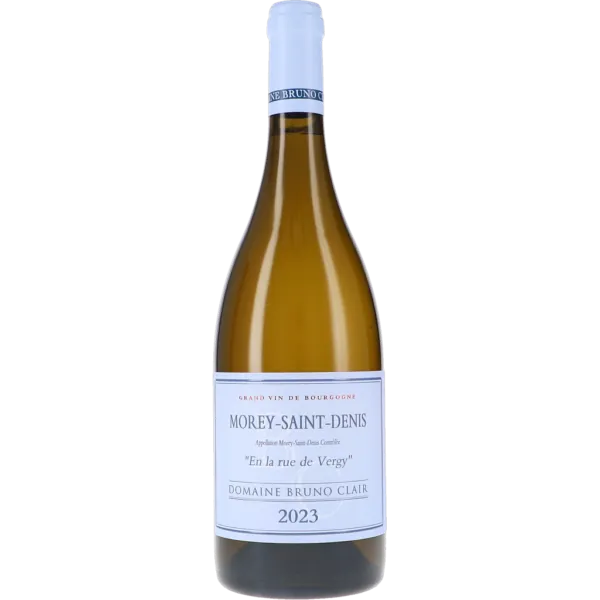
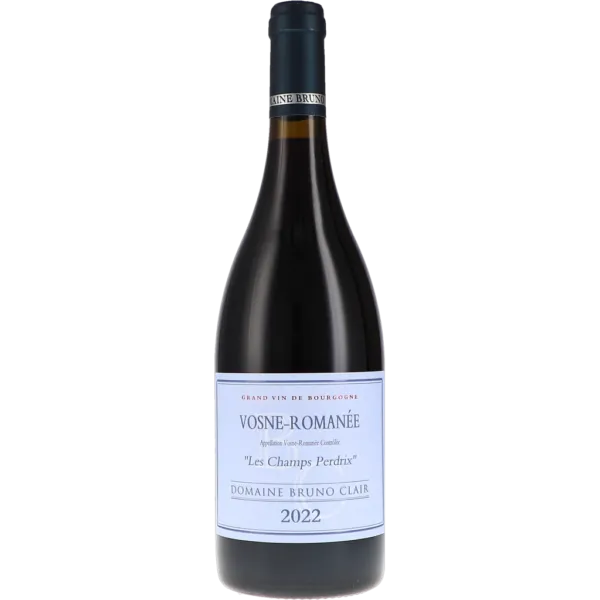
More about Bruno Clair
The Legacy of Clair-Daü
In 1919, Joseph Clair married Marguerite Daü and united their vineyards in Marsannay – laying the foundation for one of the most significant estates in the Côte de Nuits. Clair-Daü produced legendary Burgundies from vineyard sites such as Chambertin Clos de Bèze, Bonnes-Mares and Musigny for decades. Following family disputes, the domaine was dissolved in 1985. Bruno, the founder's grandson, initially received only 7 hectares – but they were the right ones. Piece by piece, he expanded his own winery, which he had founded in 1979: 1990 Chambolle-Musigny, 1993 Corton-Charlemagne, 2006 additional parcels in Bonnes-Mares.

Grand Crus Without Fanfare
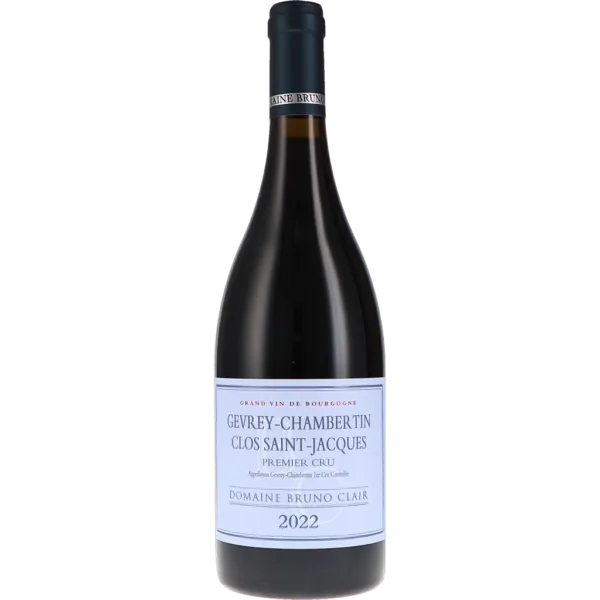
The Chambertin Clos de Bèze comes partly from vines planted in 1912 – they yield tiny crops and wines of noble intensity. The 1.64 hectares in Bonnes-Mares display darker spice, graphite and a broader tannin structure. The Clos Saint-Jacques in Gevrey-Chambertin feels cooler, with tighter grip and precise length. Then there is Chambertin-Clos de Bèze as the crown jewel – a wine that demands patience and rewards it with decades.
The Cellar of Restraint
In the cellar, the rule is: as much as necessary, as little as possible. Spontaneous fermentation is standard, extraction remains measured. For the red wines, 20 to 50 per cent whole bunches go into the fermentation vessel – a technique also practised by Domaine Trapet in Gevrey. Ageing takes place for 18 to 20 months in barrels, with new oak ranging between 20 and 50 per cent. Time handles the clarification: the wines rest long enough to be bottled without embellishment – transparent, unadorned, age-worthy.

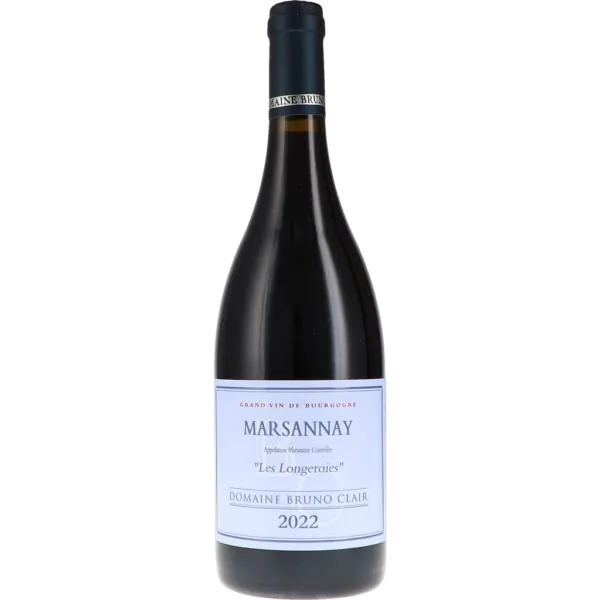
Seventh Generation at Work
In 2010, son Edouard joined, followed by Margaux and Arthur in 2018. Each has his or her role: Edouard oversees vineyard and vinification, Arthur manages cellar ageing, Margaux organises shipping and logistics. The next generation carefully introduces innovations: higher proportions of whole bunches, less sulphur. Green cover and the abandonment of herbicides are long established. The presence remains quiet – demand high, allocations tight. The Marsannay Les Longeroies shows that even the entry-level wines have substance. In the end, consistency in the glass is what counts – and therein lies the strength of this house.