
 EN
 DE
 FR
 IT
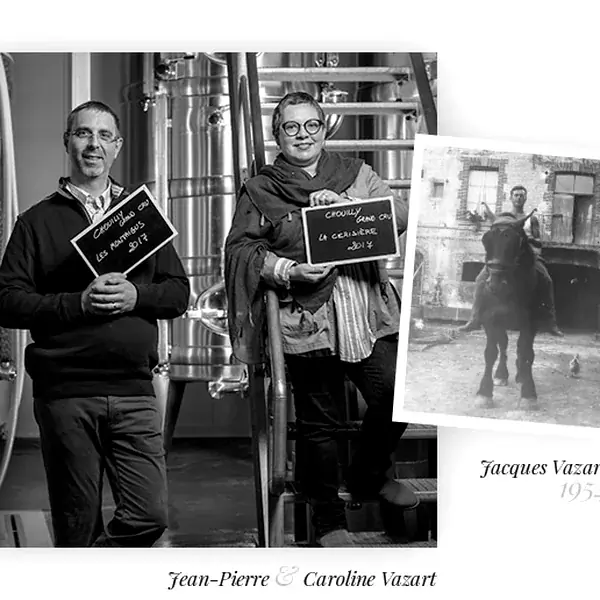
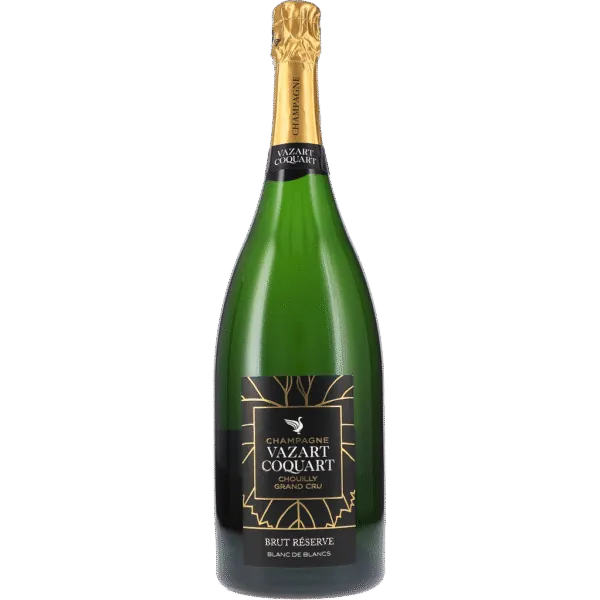
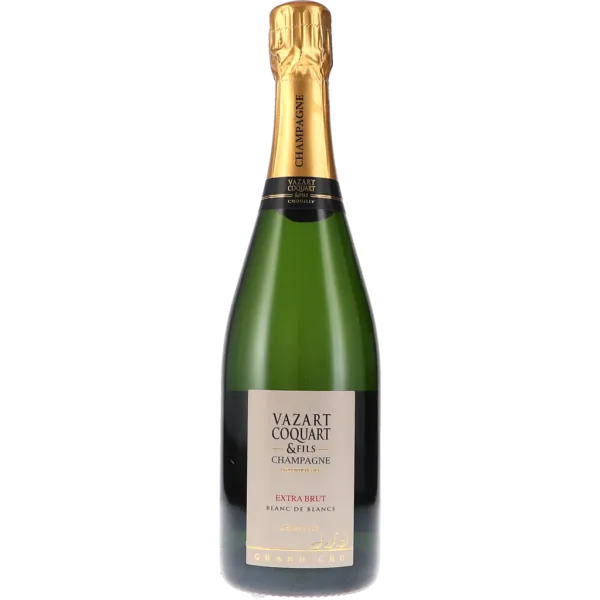
The northernmost grand cru of the Côte des Blancs, with chalk soils as pure as anywhere: Chouilly is Chardonnay country in its most perfect form. Here, in a red brick house dating from 1865, Jean-Pierre and Caroline Vazart run the Champagne house Vazart-Coquart & Fils in its third generation. Their philosophy is clear: stainless steel rather than wood, precision rather than opulence. The 11 hectares, with vines in part more than 44 years old, yield Blanc de Blancs of mineral depth and saline freshness, Champagnes that smell of wet chalk and vibrate on the palate. Peter Liem puts it plainly: the village's most important grower-Champagne house.
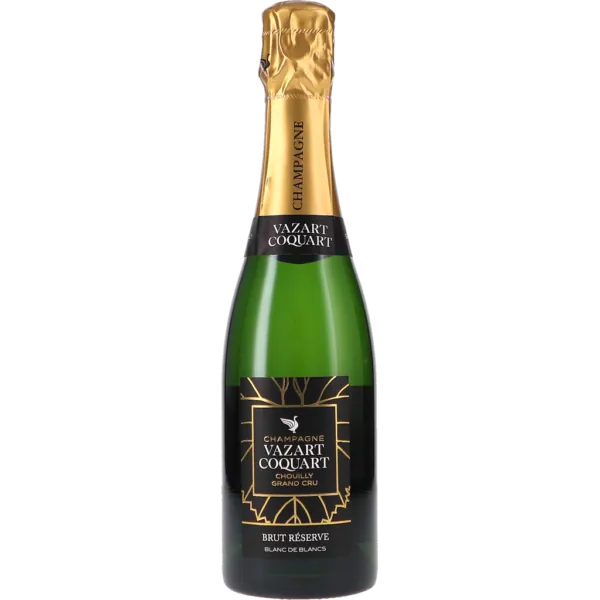
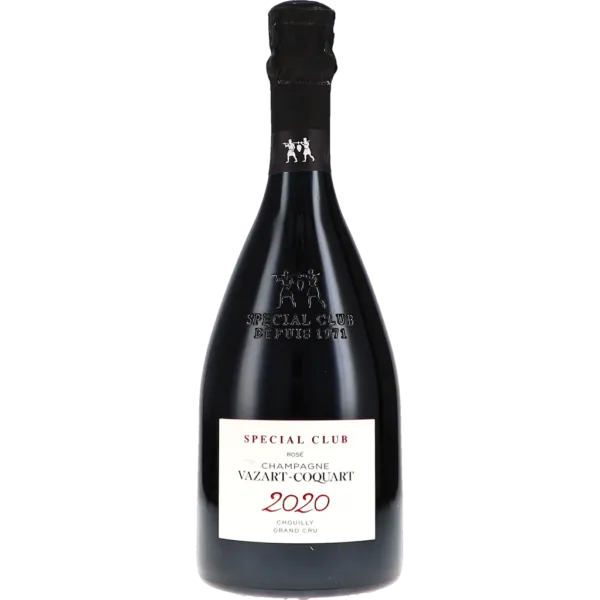
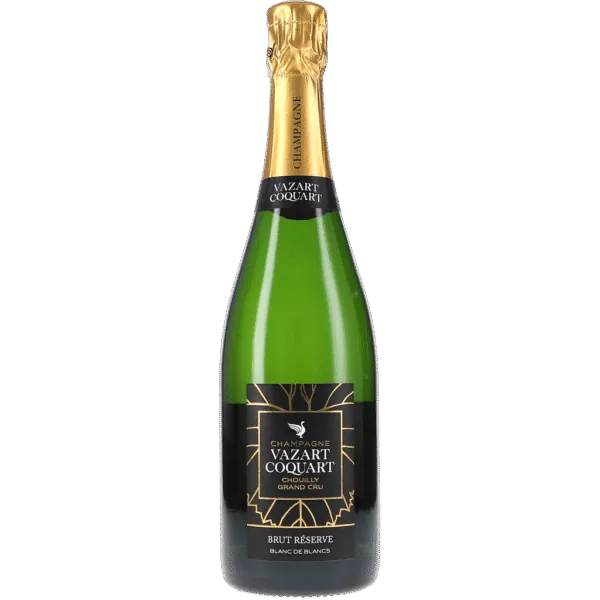
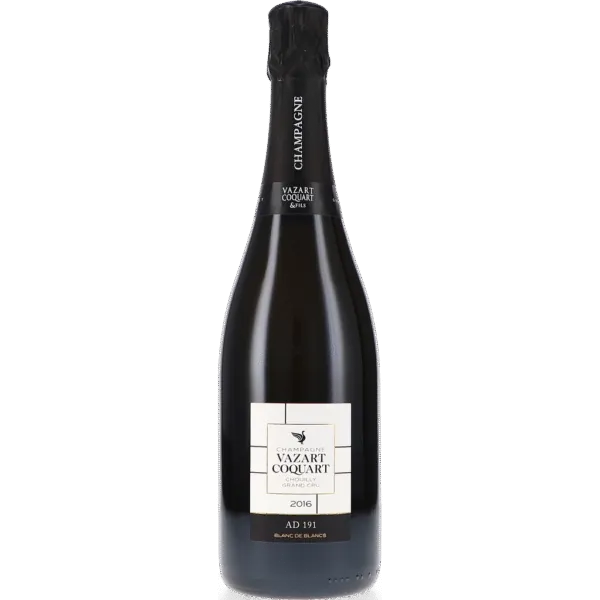
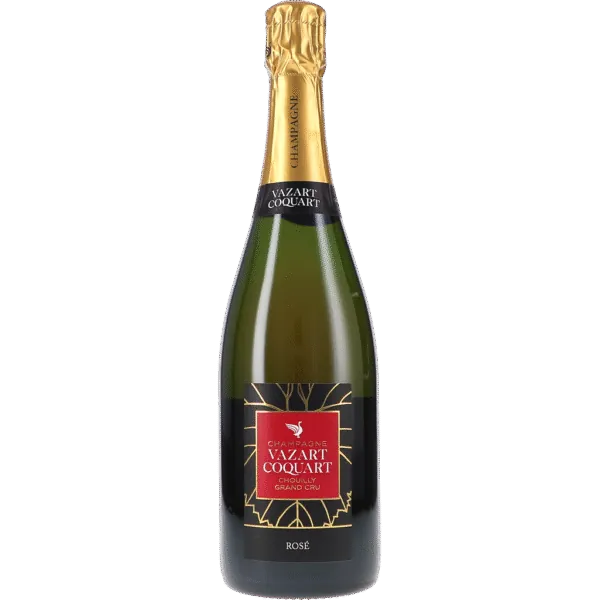
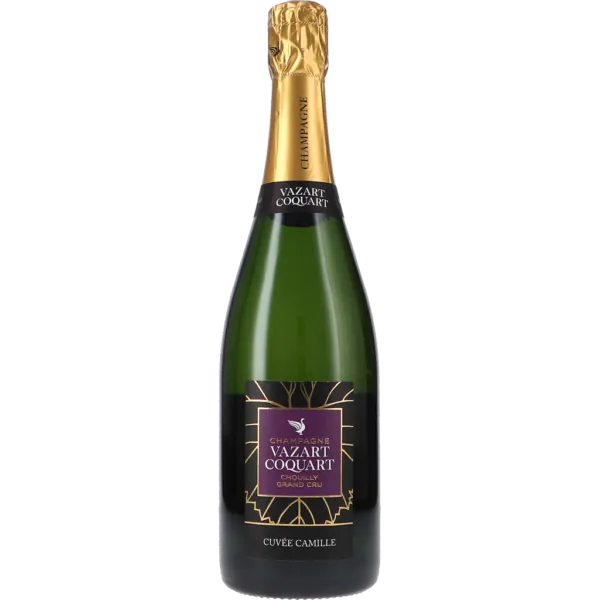
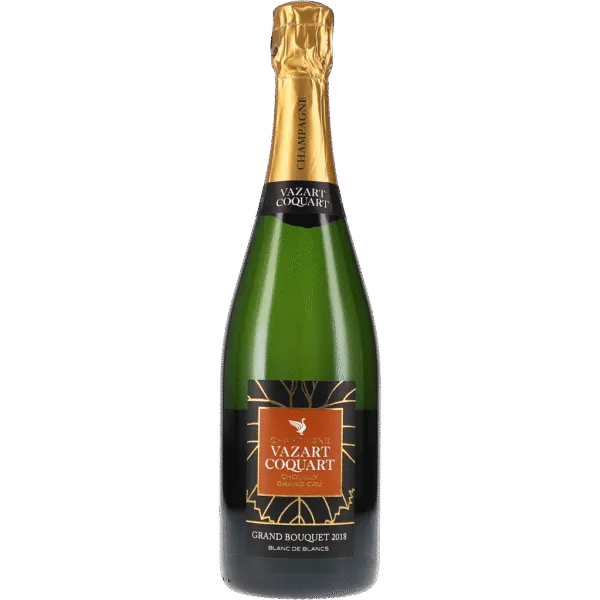
More about Vazart-Coquart & Fils
Chouilly: the cradle of Chardonnay
Chouilly is the northernmost grand cru of the Côte des Blancs. Here, where the chalk soils are at their purest, Chardonnay finds its most accomplished expression. Jean-Pierre Vazart owns parcels in the village's best sites, among them the prized Montaigu vineyard. In all, 30 parcels are spread across the gentle hills, the vines averaging 44 years of age. They root deep in the limestone and give wines of mineral precision and silky elegance. The red brick house that Louis-Victor Coquart built in 1865 still serves as the family seat, a testimony to constancy in a changing wine world. Small wonder that the critic Peter Liem calls the house “the most important grower-Champagne house in Chouilly” and that Eichelmann awards it four stars.

A solera given up for a conviction
Since 1982 the family had kept a Réserve Perpétuelle, a solera that supplied the Brut Réserve with depth and complexity. Almost 40 years of wine history in a single cask. But in 2020 Jean-Pierre made a decision that caused a stir in Champagne: he converted entirely to organic viticulture and gave up the solera to do so. The organic rules did not allow blending with conventionally produced reserve wines. What sounds like a loss is, for him, a gain: “We are the first admirers of our Champagnes, and they have to be excellent.” The estate had already taken on a pioneering role in sustainability in 2012: as the third producer in all of France, it received HVE certification (Haute Valeur Environnementale). Taste the current Brut Réserve and you will find that quality has not suffered, quite the opposite.
Terracotta, tradition and Spécial Club
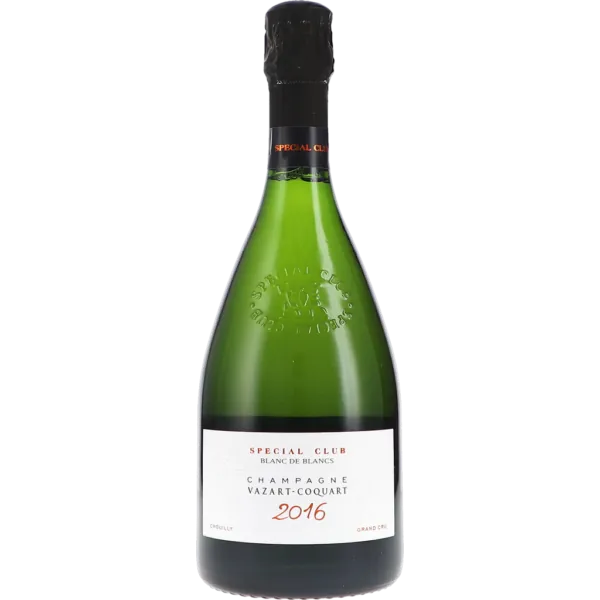
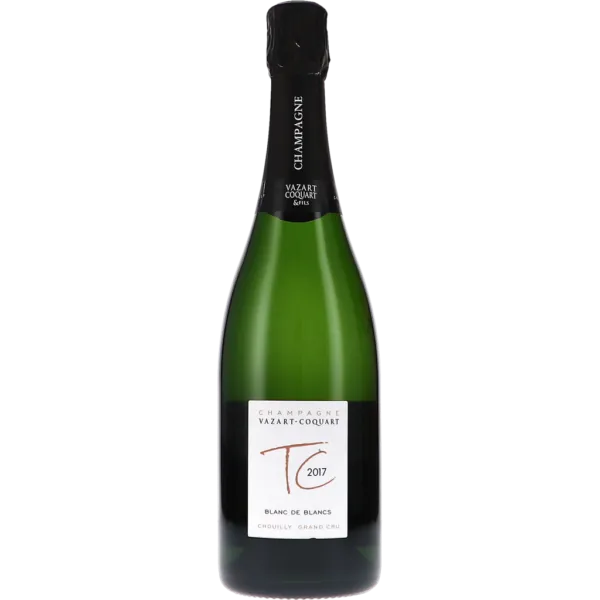
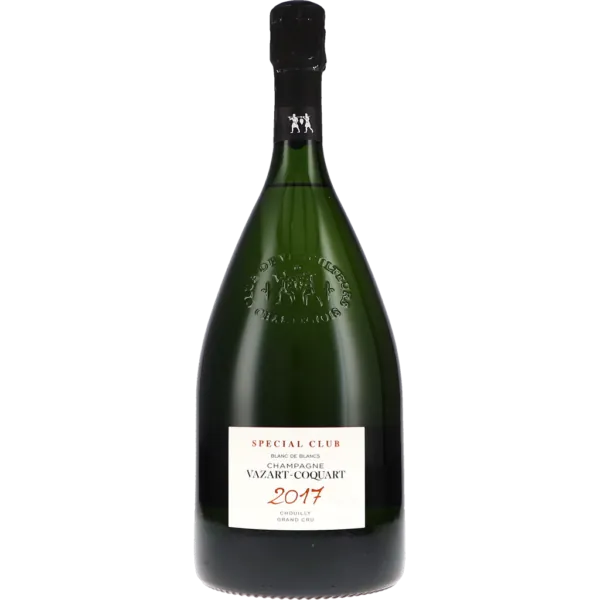
Jean-Pierre experiments, but with care. For the cuvée TC Extra Brut he ferments the base wines in terracotta eggs. These vessels allow a gentle exchange of oxygen and give the Champagnes a silky texture without sacrificing precision. The flagship cuvée is called Spécial Club. Vazart-Coquart has been a member since 1996 of this exclusive association of the best grower Champagnes, whose members taste one another's wines and give the coveted seal only to the best vintages. The Grand Bouquet shows what Chouilly Chardonnay means at its most perfect: fragrant, with ripe fruit and the roundness typical of the place. It ages on the lees for about four years before it is disgorged.

Clarity instead of wood
Unlike many of his colleagues, Jean-Pierre relies consistently on stainless steel rather than wooden casks. His philosophy: the wine should let the terroir speak, not the barrel. The Champagnes turn out accordingly: precise, clear, with the minerality of wet chalk and the saline freshness that connoisseurs prize on the Côte des Blancs. He keeps the dosage low, mostly Extra Brut, so as not to mask the purity of the Chardonnay. Anyone wishing to discover the elegant Blanc de Blancs of Chouilly will find in Vazart-Coquart one of the region's most authentic representatives. In the neighbourhood, also on the Côte des Blancs, De Sousa works with similar devotion on mineral Chardonnay Champagnes: two houses that show what this unique chalk landscape can bring forth.