
Crémant
Loire, Alsace & Burgundy
Bottle fermentation as in Champagne, origins elsewhere: Crémant is France’s second answer to the question of fine bubbles. We offer 13 Crémants available for delivery from the Loire, Alsace and Burgundy – lightly dosed and made by winegrowers.
Our Crémants
What defines a Crémant
Crémant means: bottle fermentation following the Champagne method – second fermentation in the bottle, hand harvesting and whole-bunch pressing are mandatory, at least nine months on the lees and twelve before the bottle may be sold. Eight French regions are permitted to bear the name, from Limoux to the Jura; here we focus on the Loire, Alsace and Burgundy. German Sekt, by contrast, is produced predominantly in pressurised tanks; the fine, creamy bead of bottle fermentation that gives Crémant its name is found in this country only in Winzersekt (grower Sekt).
The difference from Champagne lies not in the method, but in origin and grape varieties: Chenin Blanc in the Loire, Pinot Blanc and Auxerrois in Alsace, Chardonnay and Pinot Noir in Burgundy. Good grower Crémants spend more time on the lees than the rules require and go easy on the dosage – Extra Brut or Brut Nature, so that fruit and soil can speak. If you are looking for chalk itself, you will find it among our Grand Cru Champagnes.
Origin
Eight AOCs in France – here the Loire, Alsace and Burgundy.
Method
Bottle fermentation, hand harvest, at least 9 months on the lees.
Dosage
Extra Brut (0–6 g) to Brut Nature (zero dosage).
At the table
Oysters, fish, sushi, aperitif; fuller styles with poultry.
Crémant de Loire
Along the middle Loire, Crémant is made primarily from Chenin Blanc and Chardonnay. Our selection from Liv Vincendeau is lightly dosed and, in some cases, spends years beyond the prescribed time on the lees – evident from the late disgorgement. Further upstream, in Sancerre, the Loire reveals its still side.

Bulles de Liv Crémant de Loire Gold Extra Brut AOP 2023
Chenin Blanc from the heartland of the Loire, brought to its mousse with artisanal care. Here, Extra Brut means straightforwardness: no flattering sweetness, only grape variety, minerality and lively acidity. Tuffeau and schist lend the fine mousse its depth and composure.

Bulles de Liv Crémant de Loire Rosé Extra Brut AOP 2023
Lightness and precision, distilled into a fine bead. Cabernet Franc brings structure and red fruit expression, Grolleau freshness and floral lightness. Minimal dosage lets the terroir speak – without flattering sweetness, clear and unadulterated. The Loire in its freshest form.

Crémant de Loire Bulles de Liv Dégorgement Tardif
Matured longer on the lees, this Crémant develops a creamy texture and remarkable depth. Chenin Blanc provides structure and minerality, while the cool Loire climate lends vibrant freshness. The dry orientation remains clear and uncompromising – light in alcohol, dense in character.

Crémant de Loire "Grands Classiques" Dégorgement Tardif
Extended ageing on the lees shapes nutty, brioche-like notes that give depth and support to the lively acidity of the Chenin Blanc. The tuffeau and limestone of the Loire lay a cool minerality beneath. Artisanal precision, no effort put on display – this Crémant makes its impression through structure and quietude.

Crémant de Loire Réserve "Zeitlos" Zéro Brut AOP 2019
Four years on the lees shape pastry, fine almonds and citrus fruit into a bouquet of striking purity. The mousse is silky, the texture creamy – yet never heavy. Minerality and a mouth-watering salinity drive energetically through the long finish.
 Magnum · 1.5 L
Bulles de Liv Crémant de Loire Gold Extra Brut AOP 2023
Dry, precise, without any concession to sweetness – this Extra Brut carries the mineral depth of Chenin Blanc with quiet conviction. Cool nights and the tuffeau, schist and limestone of the Loire shape its tension. In magnum it matures more slowly, the mousse becomes finer and the character more multi-layered.
 Magnum · 1.5 L
Bulles de Liv Crémant de Loire Gold Extra Brut AOP 2022
Cool Loire minerality, straightforward honesty: extra brut, without any make-up from residual sugar. Here Chenin Blanc shows its purest form – tension, depth, expression. The magnum format slows down the maturation and refines the mousse. A sparkling wine that does not seek to please, but to convince.
 Magnum · 1.5 L
Crémant de Loire AOP Dégorgement Tardif "Grands Classiques" Extra Brut
Quiet determination in the bottle: extra brut, minimal residual sugar, maximum clarity. Chenin Blanc from tuffeau, schist and limestone – mineral, full of backbone, incorruptible. The late disgorgement and the magnum format allow time to work its magic. Complexity that has been truly earned.
Crémant d’Alsace
Crémant d’Alsace is France’s largest Crémant appellation. Our two come from biodynamic estates: Domaine Albert Mann – and Zind-Humbrecht, whose Crémant comes from a single vineyard site, the Clos Windsbuhl.
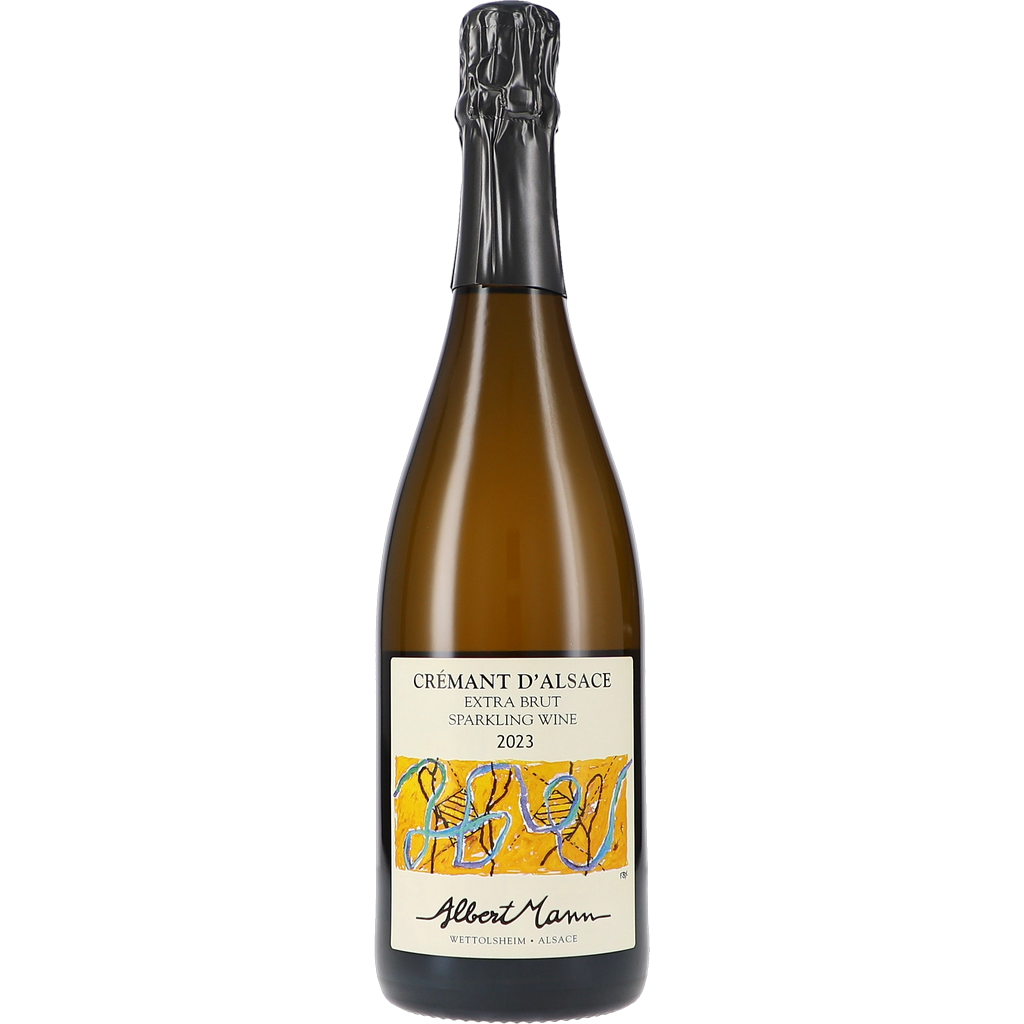
Crémant d'Alsace Extra Brut 2023
Precision rather than effect, finesse rather than volume – that is how Albert Mann thinks about sparkling wine. Delicate mousse, clear acidity, a dry, straightforward finish. Behind it lie biodynamic work at the roots, hand harvesting and patience. A Crémant that convinces quietly.

Crémant d'Alsace Clos Windsbuhl 2023
From the Clos Windsbuhl, one of Alsace’s exceptional still wine vineyard sites, comes this single-varietal Chardonnay Crémant with serious ambition. Shell limestone and biodynamic care shape its crystalline clarity. Tension between volume and minerality – not a wine that seeks to please, but one that convinces.
Crémant de Bourgogne
Chardonnay and Pinot Noir, grown where the great still wines also stand: Boris Champy makes his wine in the Hautes-Côtes – the “Elévation 424” denotes the altitude in metres – and Thomas-Collardot also produces Meursault.

Elévation 424 Crémant de Bourgogne Extra Brut AOP 2021
Golden yellow with copper reflections, a lively mousse and a nose of dried fruits, orange blossom water and Darjeeling tea. On the palate, taut acidity, creamy richness and wild oxidative notes. Distilled from an altitude of 424 metres in the Hautes-Côtes de Beaune – cool, multi-layered, impeccably fresh.
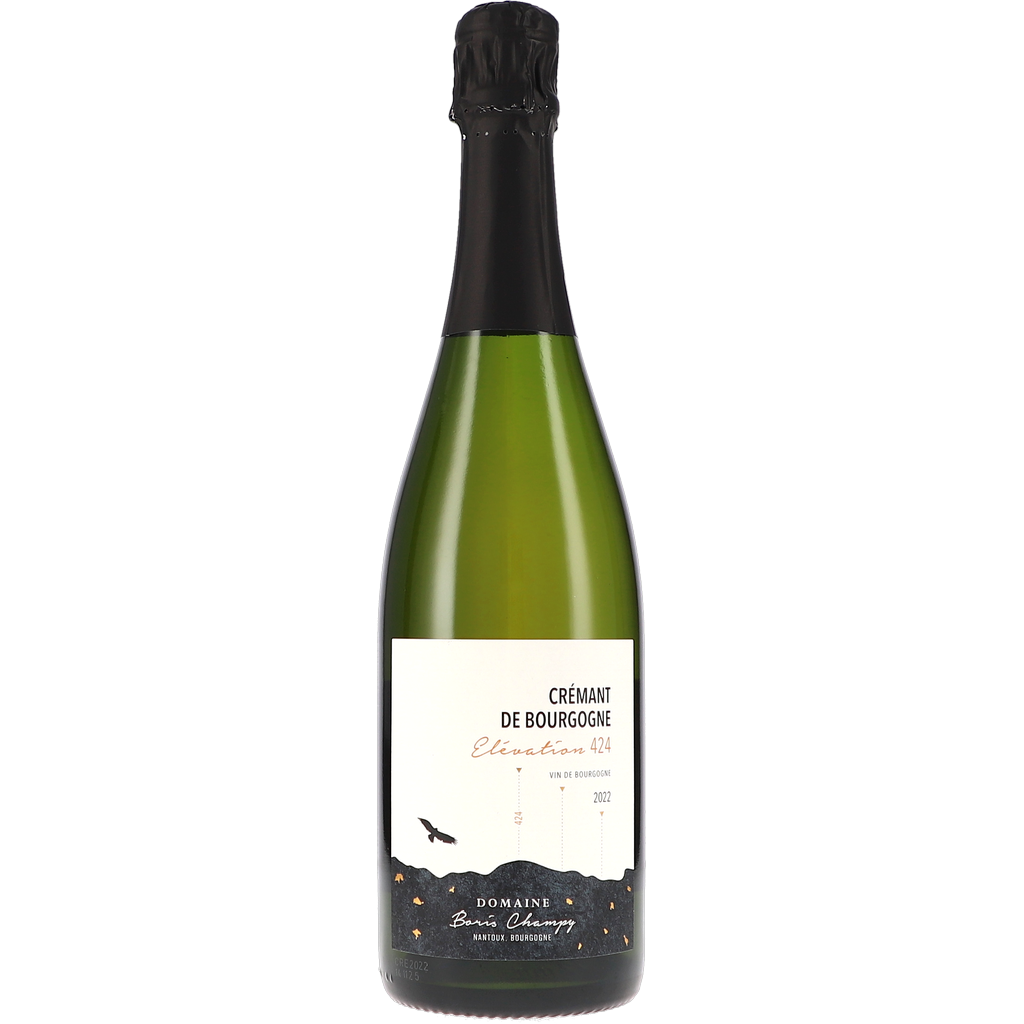
Elévation 424 Crémant de Bourgogne Extra Brut AOP 2022
Golden yellow, finely sparkling, full of quiet energy. Juicy yellow fruit, beeswax and a mineral undertone meet a round yet precise texture. The extra brut dosage keeps everything in balance – clear, slender, with a creamy finish.
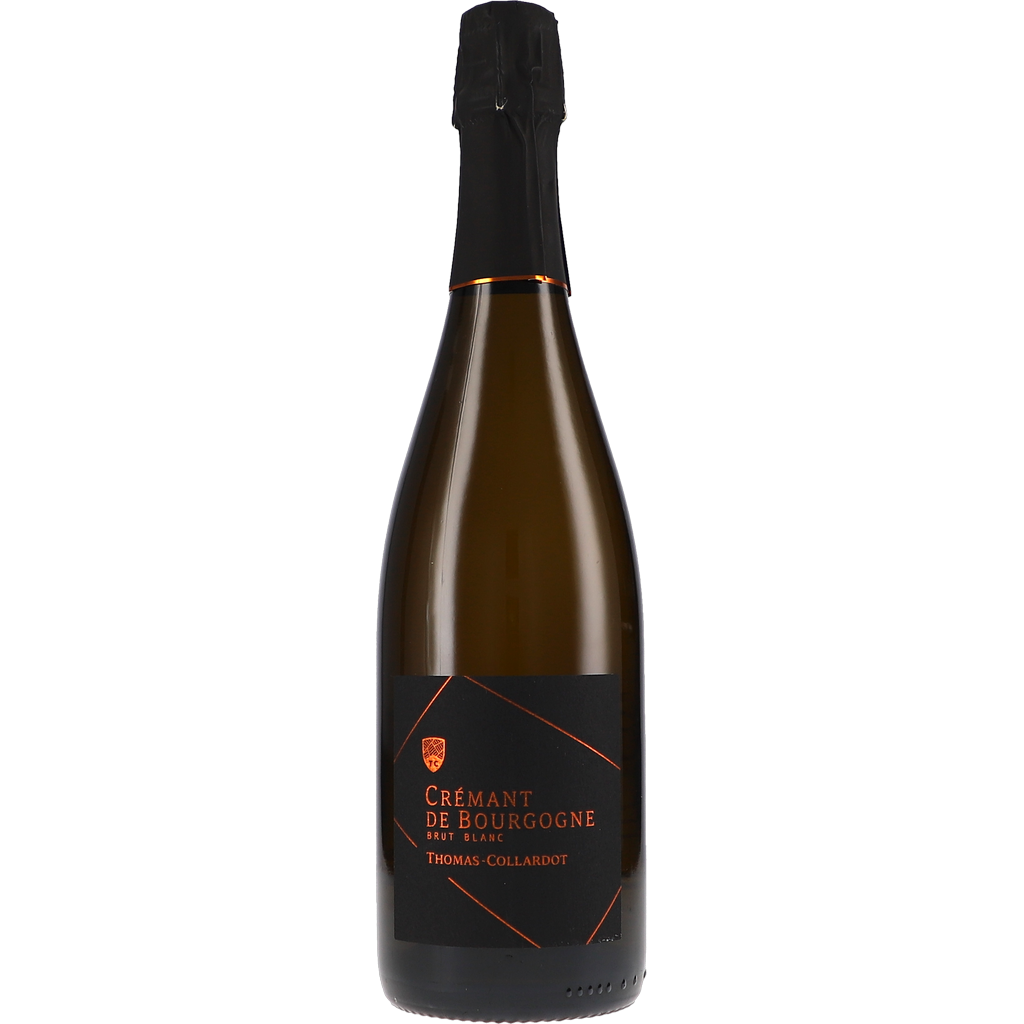
Crémant de Bourgogne Brut Blanc 2022
Fine mousse, clear citrus fruit, no icing sugar whatsoever. The limestone-driven soils of Puligny-Montrachet reveal themselves in the saline finish. Transparency instead of opulence – a Crémant that enlivens the table without dominating it.
Frequently asked questions
What is Crémant?
French sparkling wine made by bottle fermentation using the Champagne method, but from one of eight other regions – including the Loire, Alsace and Burgundy. Hand harvesting and at least nine months on the lees are mandatory.
What is the difference between Crémant and Champagne?
The method is the same: a second fermentation in the bottle. What differs is the origin and the grape varieties – Champagne may only come from the Champagne region, whereas Crémant comes from eight other French areas. That often makes it the better buy.
What is the difference between Crémant and Sekt?
Sekt is the German category for sparkling wine and is predominantly produced in pressurised tanks. Crémant must ferment in the bottle, be hand-harvested and mature on the lees for at least nine months. In Germany, only Winzersekt, made by traditional bottle fermentation, follows a comparable approach.
How dry is Extra Brut or Brut Nature?
Brut Nature is made without dosage (under 3 g of residual sugar per litre), while Extra Brut contains 0 to 6 g. Both styles allow the origin and fruit to speak clearly.
Which grape varieties go into Crémant?
It depends on the region: in the Loire mainly Chenin Blanc and Chardonnay, in Alsace Pinot Blanc, Auxerrois and Riesling, and in Burgundy Chardonnay and Pinot Noir.
What goes well with Crémant?
Oysters and seafood, baked starters, sushi – and as an aperitif, of course. A full-bodied Crémant de Bourgogne also accompanies poultry beautifully.
How much does a good Crémant cost?
Between €15 and €30. For that you get traditional bottle fermentation, often with longer lees ageing than the minimum requirement.
Crémant or Champagne — what is the difference in the glass?
The method is the same, but the origins and grape varieties differ. Crémant from the Loire, Alsace, Burgundy or the Jura is usually fruitier and more accessible earlier; Champagne has greater acidity tension and more developed aromas. For everyday drinking and larger gatherings, many of our customers reach for Crémant.
When should you drink Crémant?
Well chilled to six to eight degrees: as an aperitif, with oysters, fish and sushi – and, thanks to its structure, right through the entire menu, from everyday meals to celebrations.