

In 2013, Antonio Galloni ranked it among the very best estates in Montalcino in the Wine Advocate. Pian Dell'Orino unites German precision with Italian passion: since the late nineties, exceptional Brunello wines have been produced here; today the estate is run by Caroline Pobitzer from South Tyrol and the German oenologist Jan Erbach. Directly next to the legendary Biondi-Santi, they cultivate six hectares of Sangiovese on clay rich in limestone, marl and flysch, following a strictly biodynamic approach. A single vine yields no more than one bottle of wine. The tasting room doubles as Jan's music library – high-end stereo meets 96-point Brunello.
More about Pian Dell'Orino
When German thoroughness meets Tuscan soil
The scent of nettle tea drifts across the vineyards – Jan Erbach is spraying his biodynamic preparations. The estate has been making Brunello since the 1997 vintage, and today it belongs in the Brunello Champions League. Caroline Pobitzer acquired the property outside Montalcino, while Jan Erbach brought with him his viticulture studies in Geisenheim and the experience gained from internships in France. The estate is organically certified (ICEA, IT-BIO-006), and the certificate already lists the Brunello 2006 as a wine made from organic grapes. The two work biodynamically, and this too is certified, according to the estate by AgriBio.

Six hectares, seven vineyards, one vision
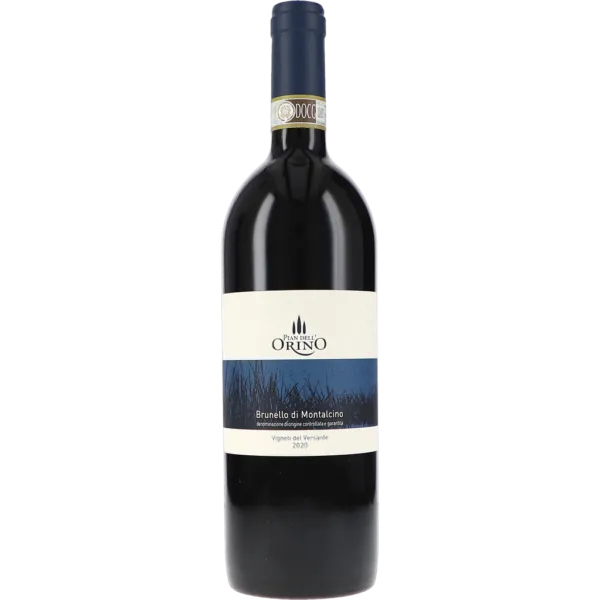
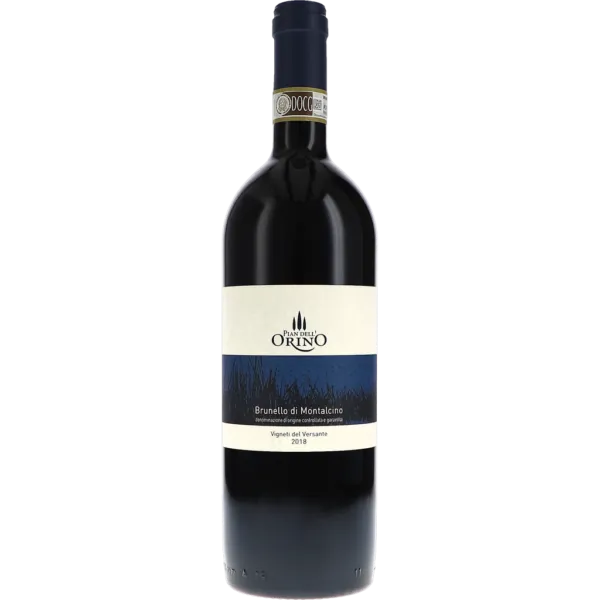
Pian dell'Orino, Pian Bassolino, Scopeta, Cancello Rosso: names that wine connoisseurs pronounce with reverence. Added to these are the experimental del Moro vineyard and, since 2020, Pian dell'Oro and Olivetello, making seven vineyards in total. At altitudes between 270 and 500 metres, only Sangiovese Grosso grows here, on strongly calcareous clays and marl, blue-grey Pliocene clays, Alberese and Flysch; half of Cancello Rosso lies on terra rossa, and the soils of Pian dell'Orino and Moro contain shell fragments. Caroline and Jan created their own geological maps – more intensive soil research than almost anyone else in Montalcino. The extreme yield reduction follows a simple philosophy: one vine, at most one bottle. The Brunello Vigneti del Versante 2018, with its 96 points, shows the fruits of this labour.

Lunar calendar and high-end stereo
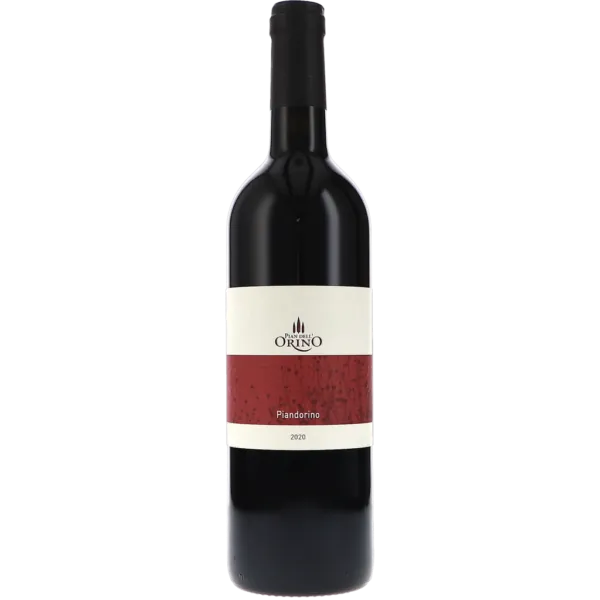
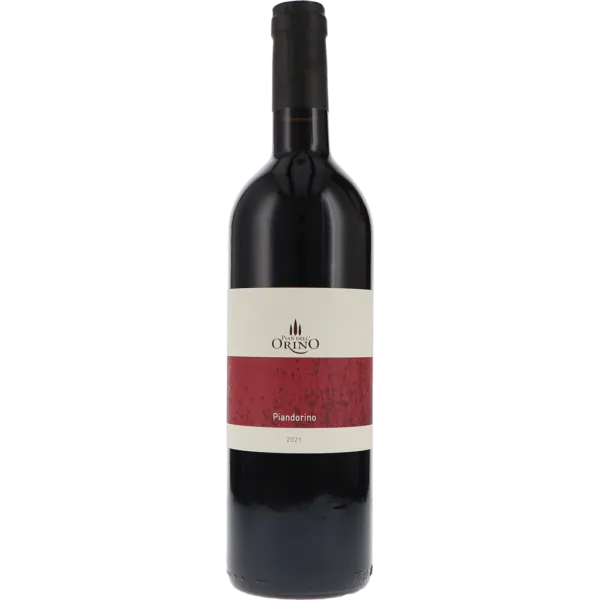
Jan's tasting room holds a surprise: a vinyl collection and a high-end stereo system nestled among the wine casks. “Where the olfactory meets the auditory,” explains the passionate music lover about his unusual combination. A similar precision reigns in the cellar – spontaneous fermentation in oak vats, ageing in large casks, no oenological interventions whatsoever. Pruning follows the lunar calendar, and chamomile tea sprays replace chemical treatments. This philosophy is reflected in the Piandorino 2021 – accessible, yet marked by the same uncompromising quality.
Brunellopoli and the dissidents of Montalcino
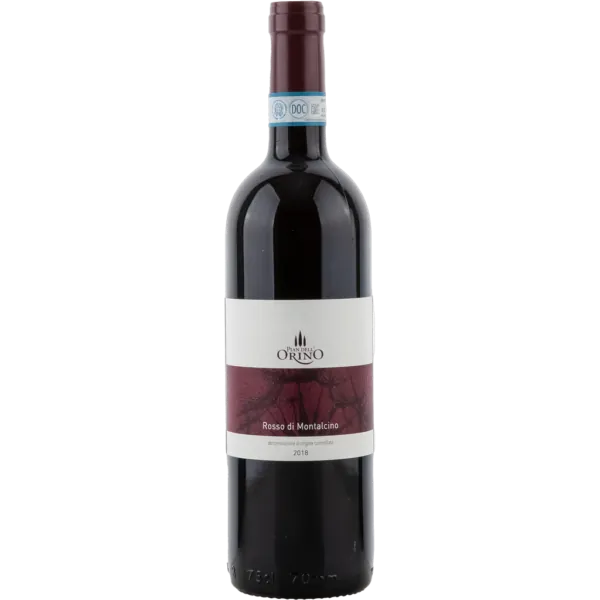
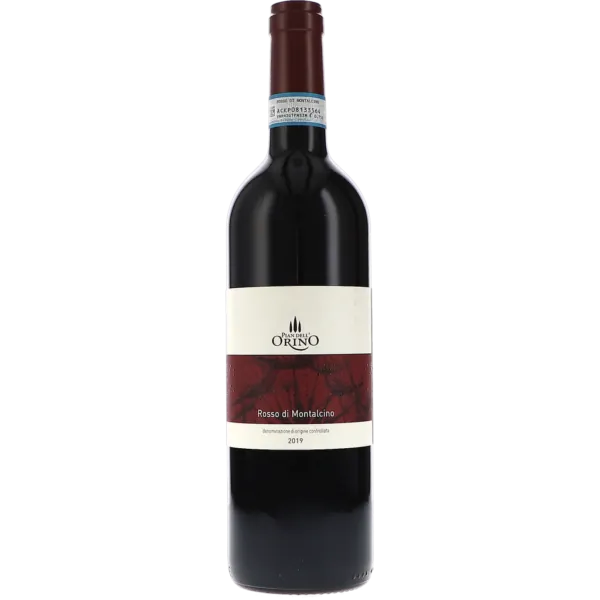
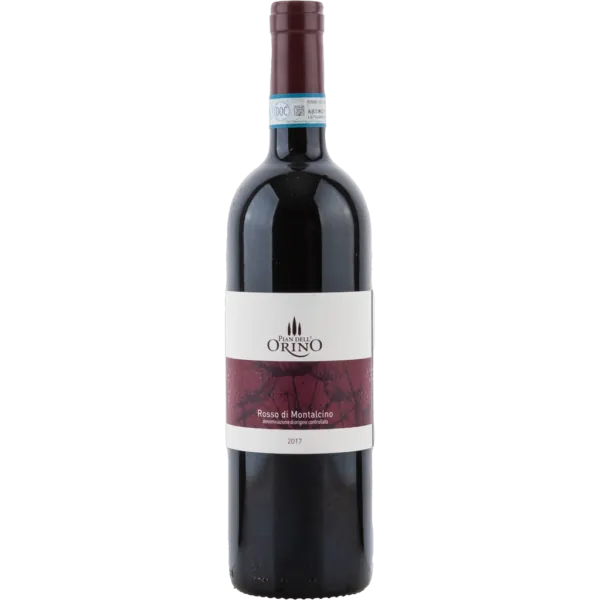
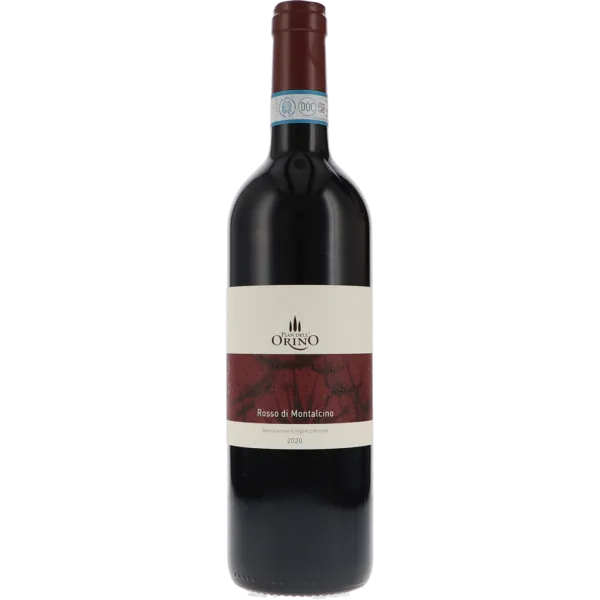
When the Brunellopoli scandal shook the wine world in 2008 – dozens of producers had blended illegal grape varieties into their Brunello – Jan and Caroline responded in their own way: they published the analysis data of their harvests. Transparency instead of obfuscation. Together with Francesco Leanza of Salicutti and Stella di Campalto, they founded Sangiovese Per Amico – three estates that have stayed away from the official “Benvenuto Brunello” fair for years. Their message: authenticity does not need marketing events, but rather uncompromising work in the vineyard. The Rosso di Montalcino 2020 embodies this credo – single-varietal, biodynamic, unblended.