
 EN
EN  DE
DE  FR
FR  IT
IT 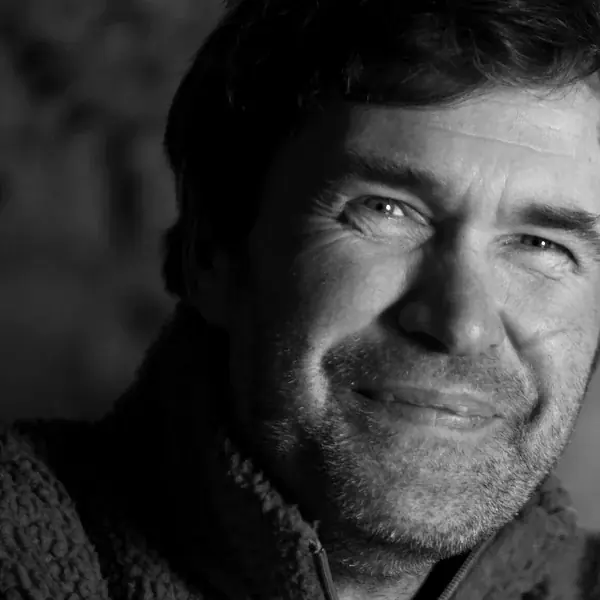
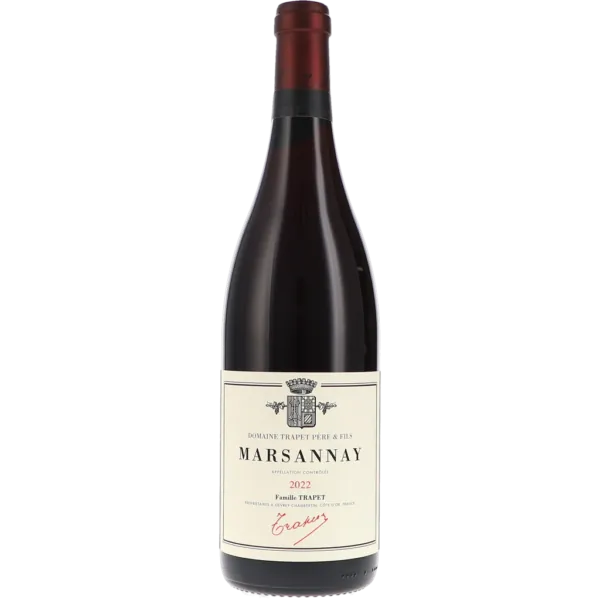
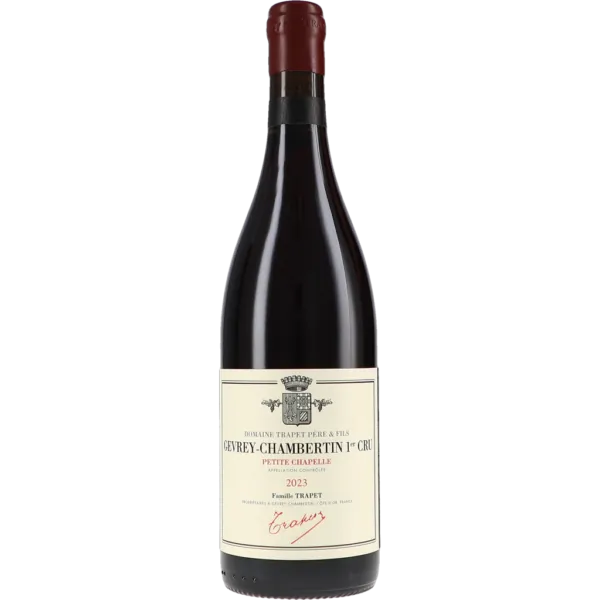
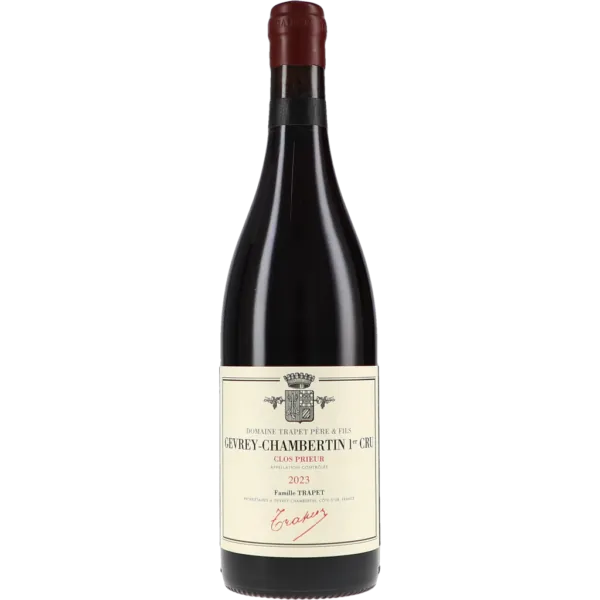
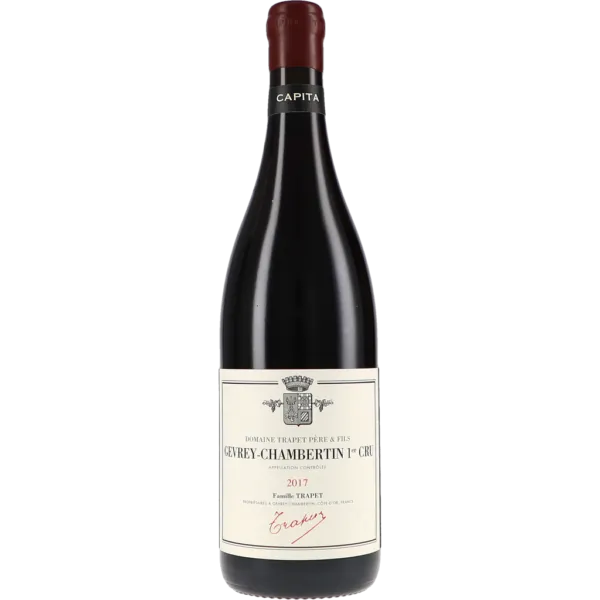
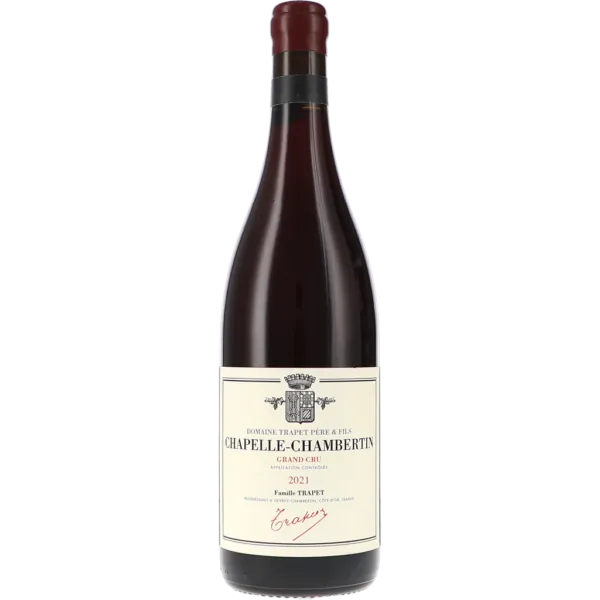
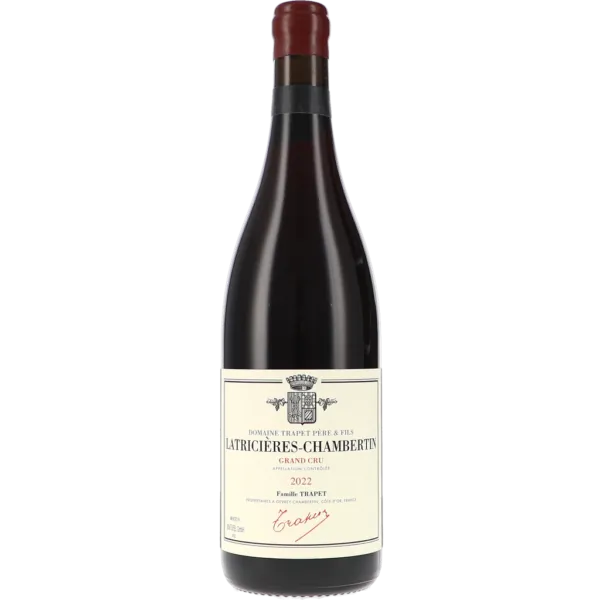
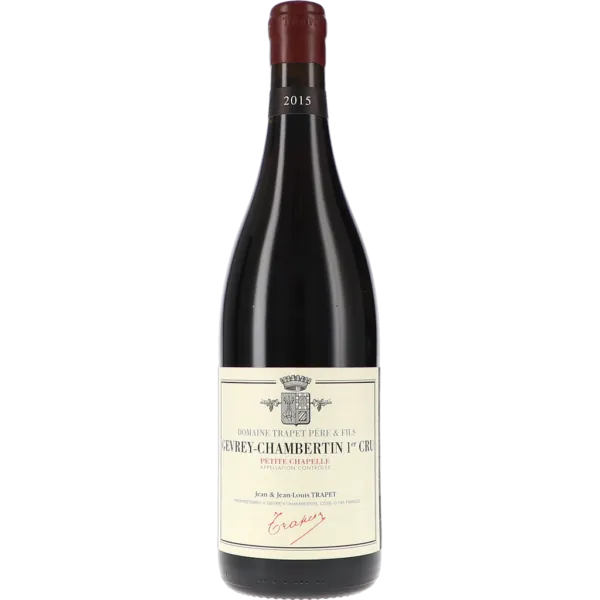
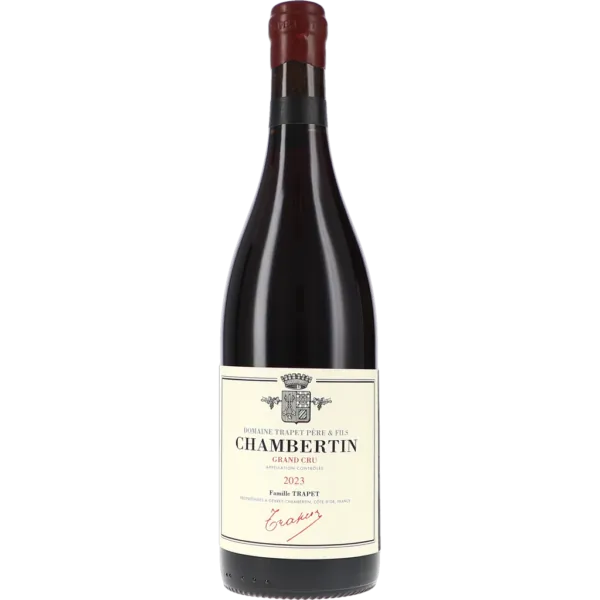
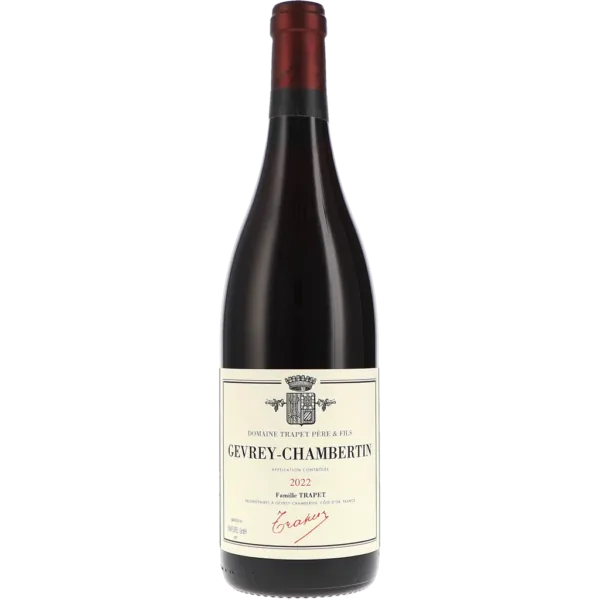
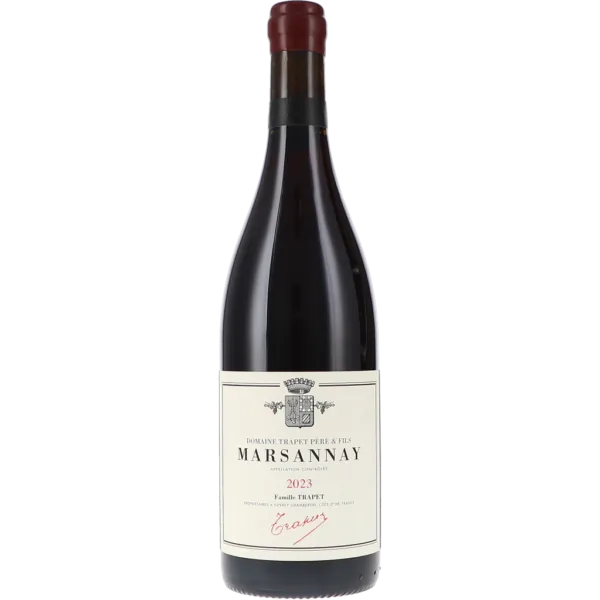
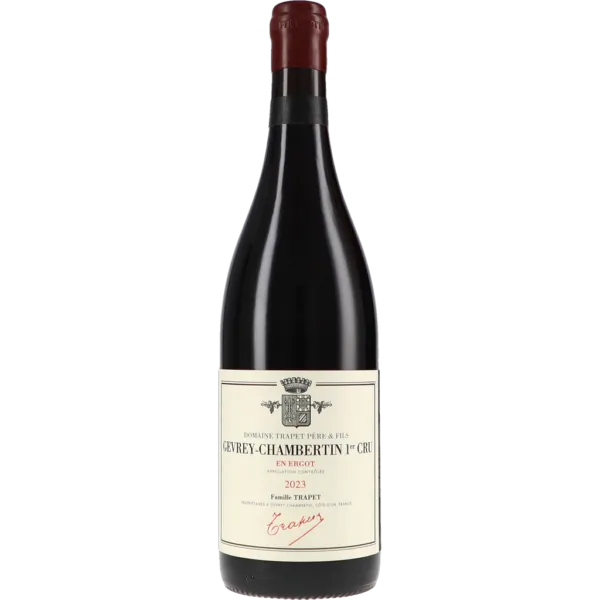
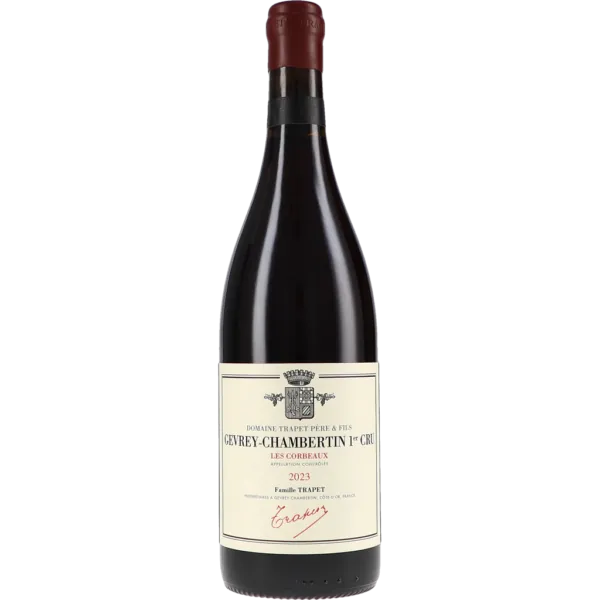
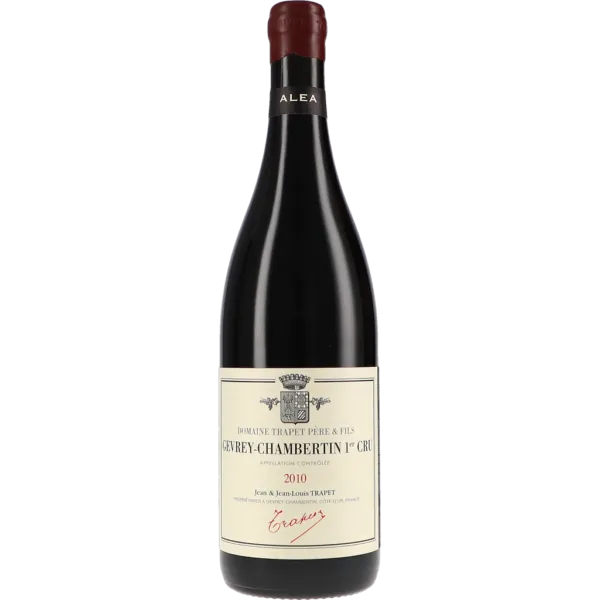
When Arthur Trapet secretly grafted vines onto American rootstocks in the 1880s, it was illegal, and it saved Burgundy from phylloxera. Domaine Trapet Père et Fils in Gevrey-Chambertin carries this pioneering spirit to this day. Jean-Louis Trapet, seventh generation, has run the estate since the 1990s with the same conviction: accompany, never force.
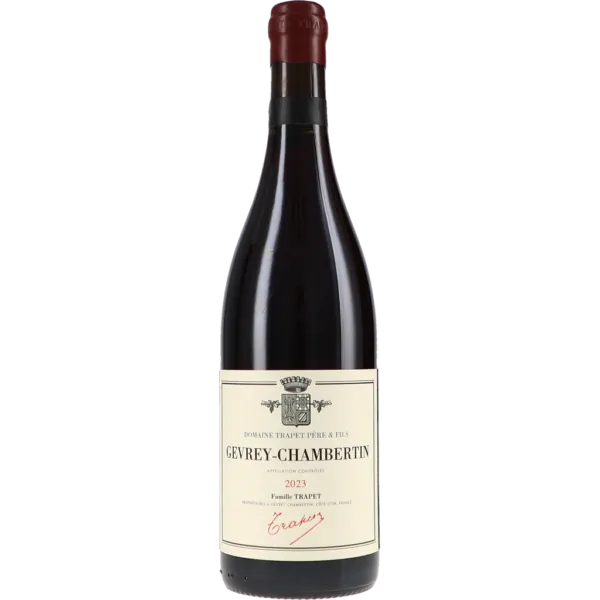
18.5 hectares are spread across legendary sites. Three Grand Crus, Chambertin, Chapelle-Chambertin and Latricières-Chambertin, form the heart. Since 1996 Jean-Louis has farmed biodynamically, certified by Demeter. The wines? Not powerhouses but pure elegance. Aromatic depth, fine-grained tannin, transparency of terroir. Together with his wife Andrée he also runs Trapet Alsace in her home town of Riquewihr.
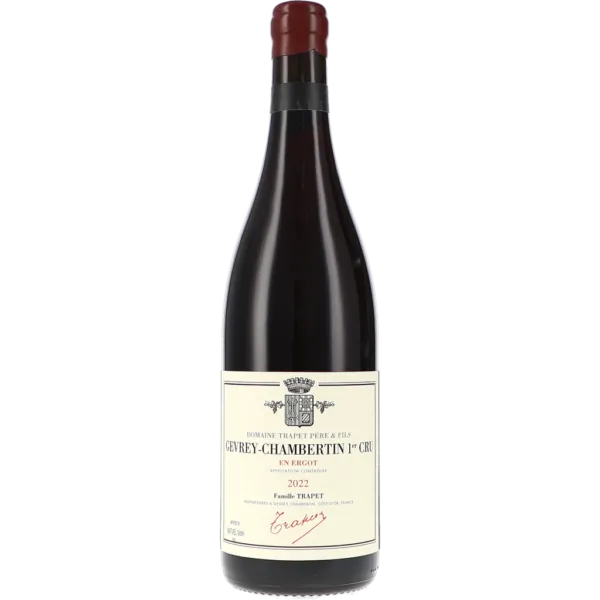
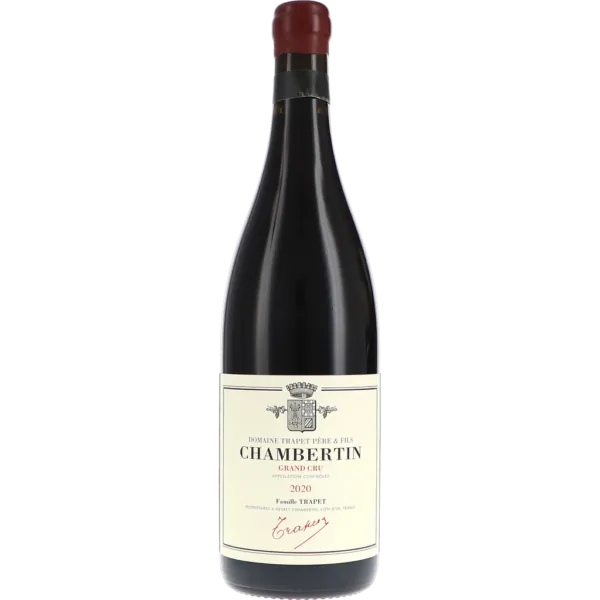
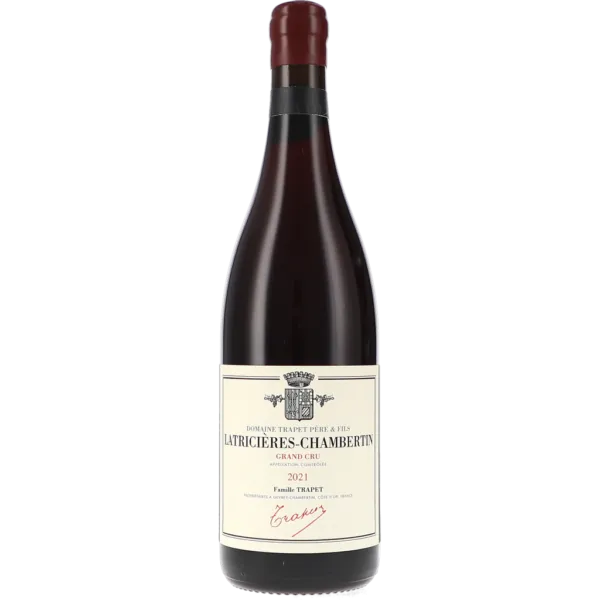
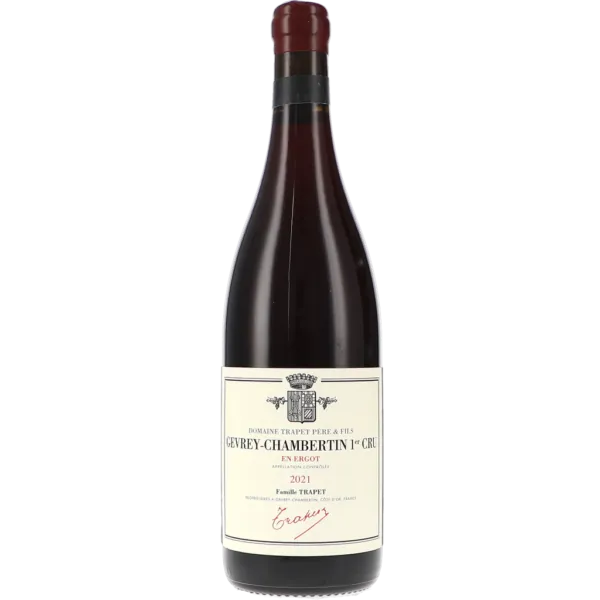
More about Trapet Père & Fils
The Illegal Rescue of Burgundy
The story of the Trapets reads like a thriller. When phylloxera destroyed Burgundy's vineyards in the 1880s, Arthur Trapet resorted to a forbidden remedy: he secretly grafted his vines onto resistant American rootstocks. A crime then, the foundation of modern viticulture today. In 1888 the method was legalised; the Trapets were ahead of their time.
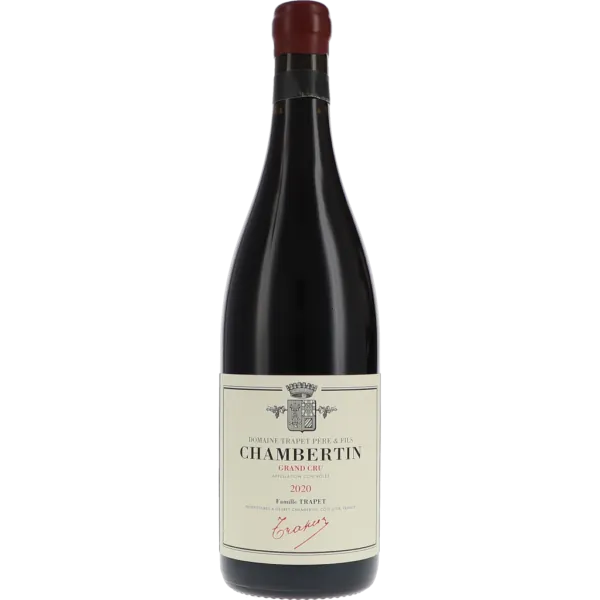
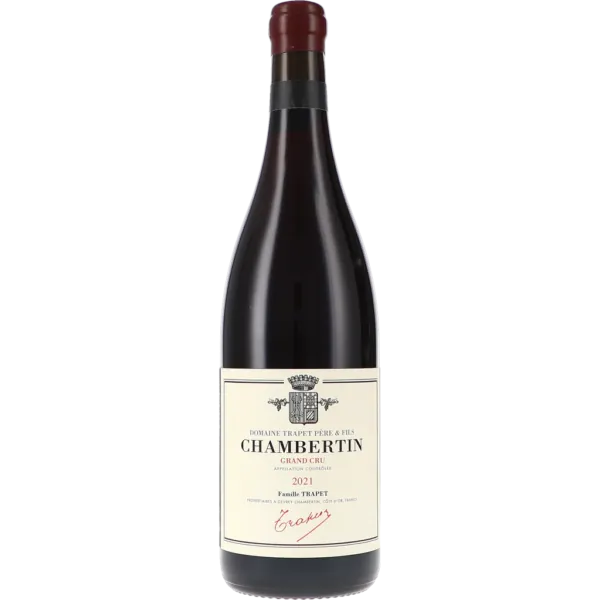
Seven generations later Jean-Louis carries this legacy forward. His credo: “Les hommes passent et la terre reste”, people pass, the land remains. This humility shapes every wine. The Chambertin Grand Cru comes from just under two hectares, divided into three parcels with in part hundred-year-old vines.

Ostrea: When Oysters Shape the Wine
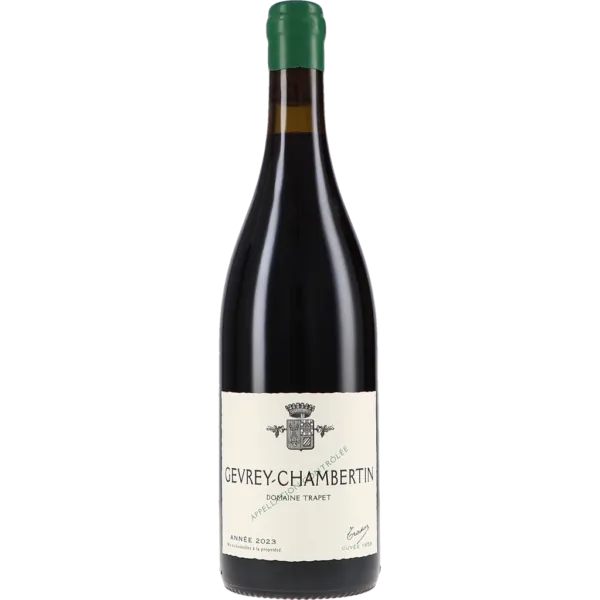
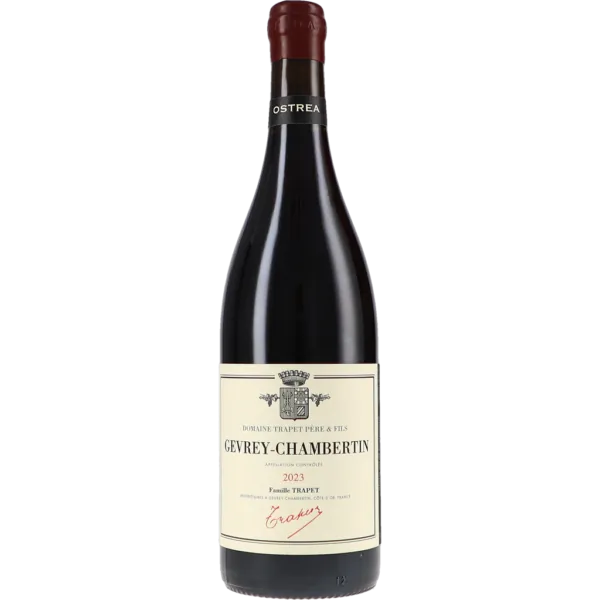
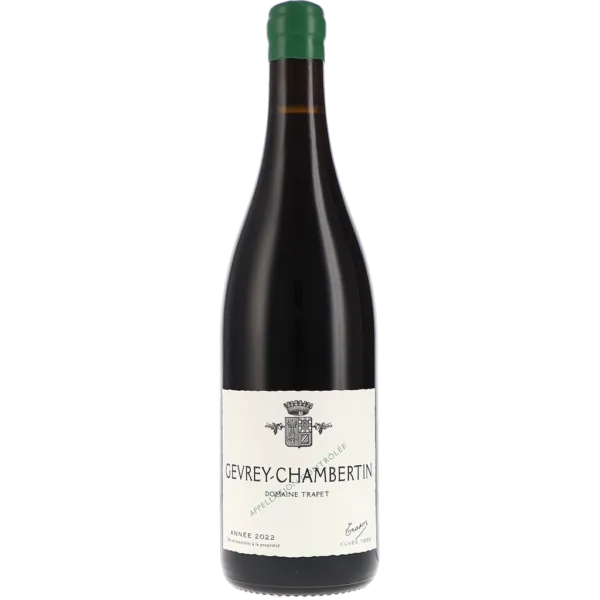
The name gives away the secret. Ostrea, Latin for oyster, refers to the fossil oyster shells Jean-Louis found in his Gevrey-Chambertin vineyards. These soils, once a sea floor, give the Gevrey-Chambertin Cuvée Ostrea its unmistakable mineral signature, salty, chalky notes beneath the cherry fruit.
The cuvée “1859”, by contrast, recalls the year the family acquired its first vineyard, “en Dérée”. Both wines show what Gevrey-Chambertin can do: structure without heaviness, complexity without opulence. Unlike many neighbours who go for power, Trapet chooses finesse.
A Minima: Homage to a Rebel
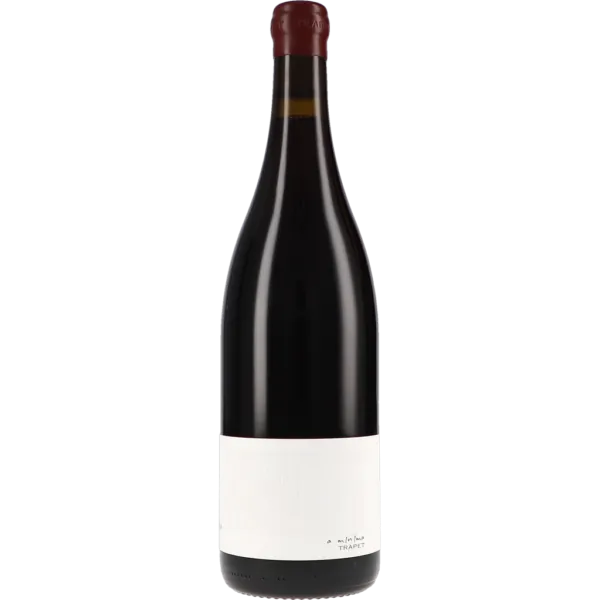
Jules Chauvet is regarded as the father of the natural wine movement. Jean-Louis's A Minima is his bow to him: a Passetoutgrain, Pinot Noir and Gamay planted together in one parcel, made entirely without added sulphur. Purism in the glass. He also forgoes sulphur altogether during harvest, vinification and ageing; only at bottling is a minimal dose added.
In the cellar Jean-Louis works with 50 to 100 per cent whole bunches for the Grand Crus. New oak? At most 50 per cent, and only 20 to 25 per cent for the Villages. The result: wines of rare purity that let their terroir speak. Neighbours such as Charlopin-Tissier in the Côte de Nuits share this philosophy.

Biodynamics as Conviction
Since 1996 Jean-Louis has farmed biodynamically, not as marketing but out of conviction. Demeter-certified since 2009, he is among the pioneers of this movement in Burgundy, together with figures such as Lalou Bize-Leroy and Dominique Lafon. The Guide des meilleurs vins de France awards three stars, its top rating.
The secret? Precise work in the soil, observation instead of intervention, gentle cellar work by gravity. The grapes are accompanied, never forced. Anyone who drinks these wines understands why Jean-Louis is regarded as “un pur et un doux”, pure and gentle. Together with his wife Andrée, an Alsatian, he also runs Weingut Trapet Alsace in Riquewihr.