

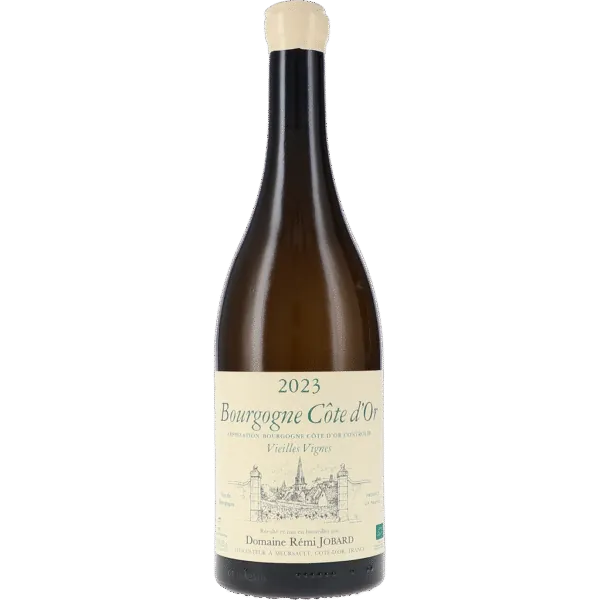
A single pressing takes six hours – sometimes twelve. The Domaine Rémi Jobard in Meursault practises a slowness that has become rare in modern winemaking. In the historic vaulted cellars, the wines mature in 600-litre Stockinger casks rather than small barriques – the result being crystal-clear Chardonnays of striking minerality, free from intrusive roasted aromas. Sarah Marsh MW sums it up perfectly: “Top quality under the radar.”
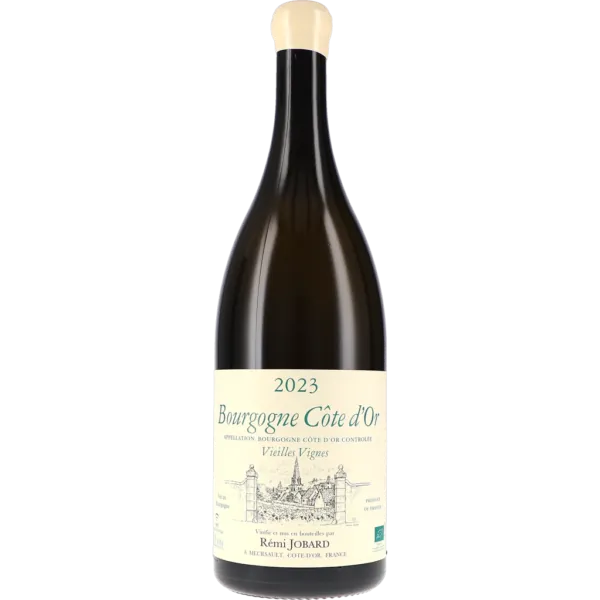
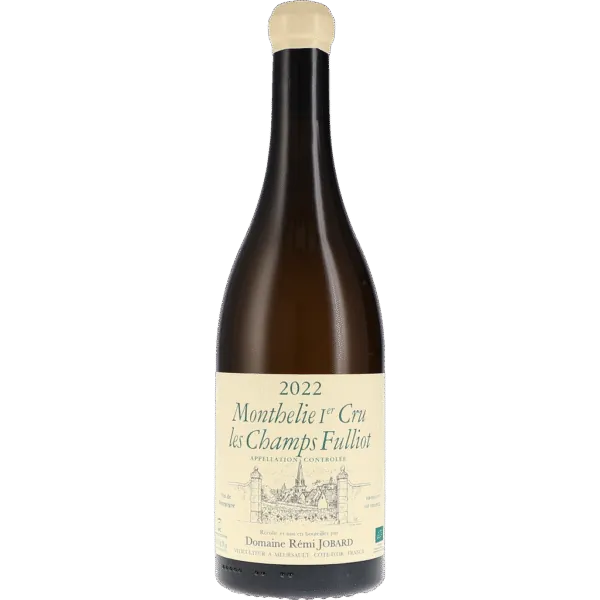
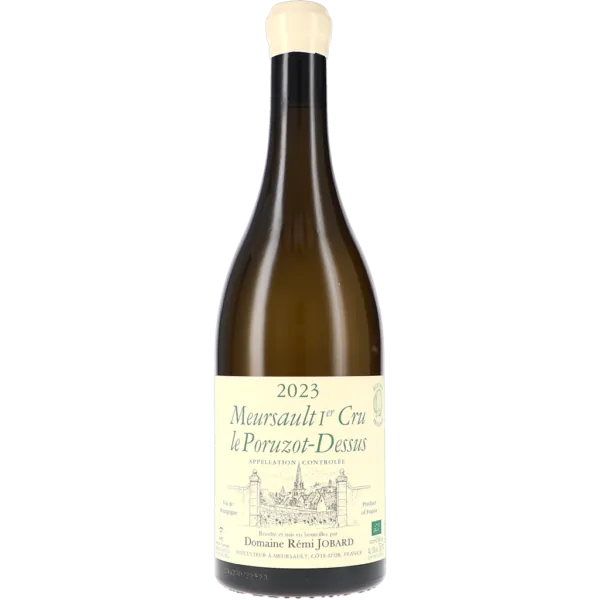
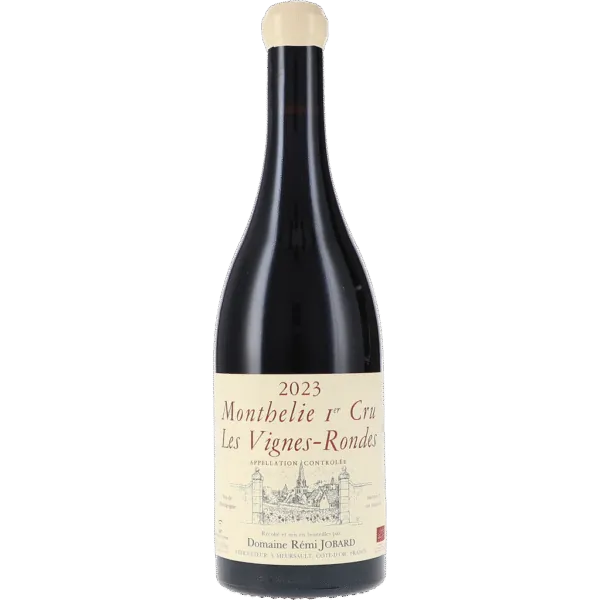
More about Rémi Jobard
The art of slow pressing
Two enormous presses stand in the cellar of Domaine Rémi Jobard – both designed to process the grapes with the lowest possible pressure over many hours. Chardonnay grapes harvested in the morning are pressed for at least six hours, while those picked in the afternoon are often pressed overnight, for a full twelve hours. This gentle method extracts only the finest must, free from bitter compounds and unwanted phenols. The result reveals itself in the glass: a purity of aromas that surprises even experienced Burgundy connoisseurs.

600 litres versus 228
Where other winemakers rely on the classic 228-litre barriques, Rémi Jobard chooses a different path. His wines mature in 600-litre casks made by the Austrian master cooper Stockinger – built from French, Austrian and Slavonian oak. The larger volume means less wood contact per litre of wine, and oxygen exchange takes place more slowly and in a more controlled manner. “The wood should support the wine, not dominate it,” Jobard explains of his philosophy. The wines spend around 15 months in these vessels, followed by further resting time in tank. Only about a fifth of the casks are renewed each year. The result: wines with fine texture and melting tannins that speak of the terroir rather than the cask. Boris Champy works with similar uncompromising standards in the Hautes-Côtes de Beaune, where transparency likewise takes precedence over opulence.
Premier Cru vineyard sites with character
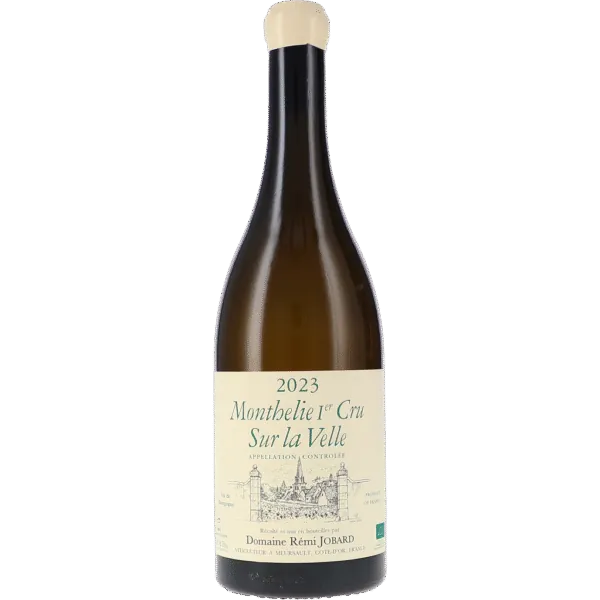
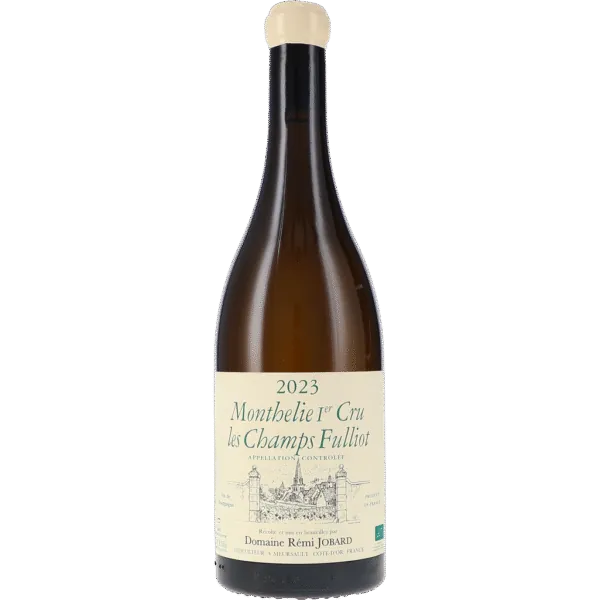
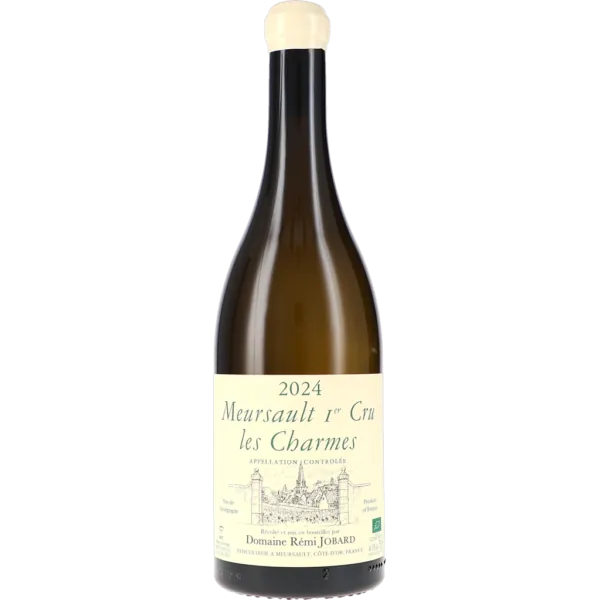
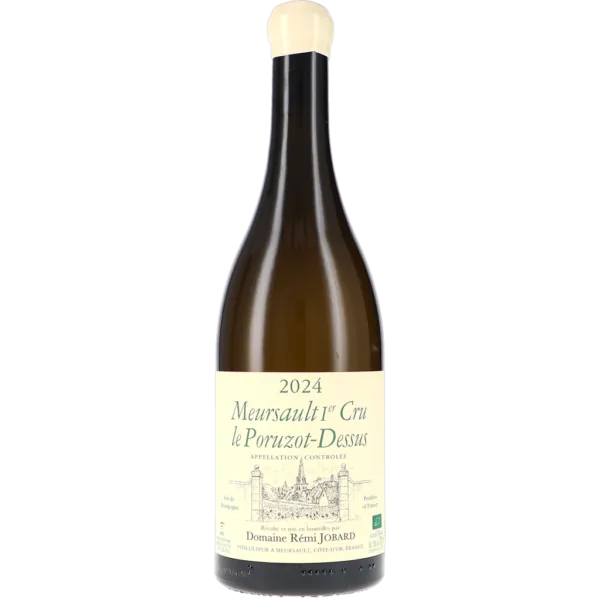
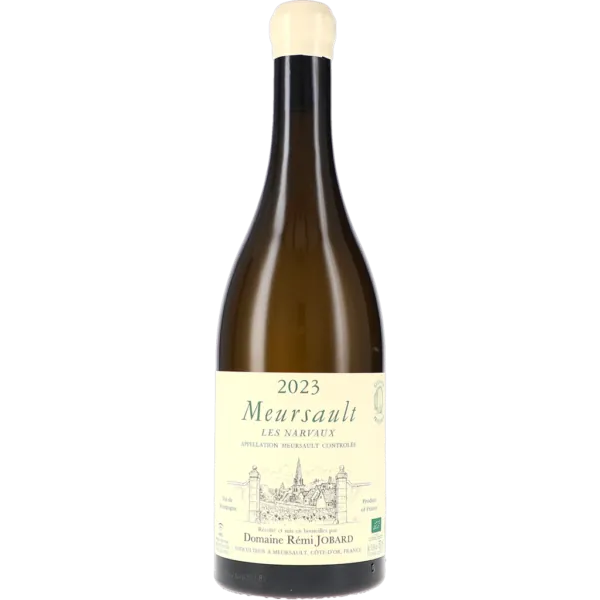
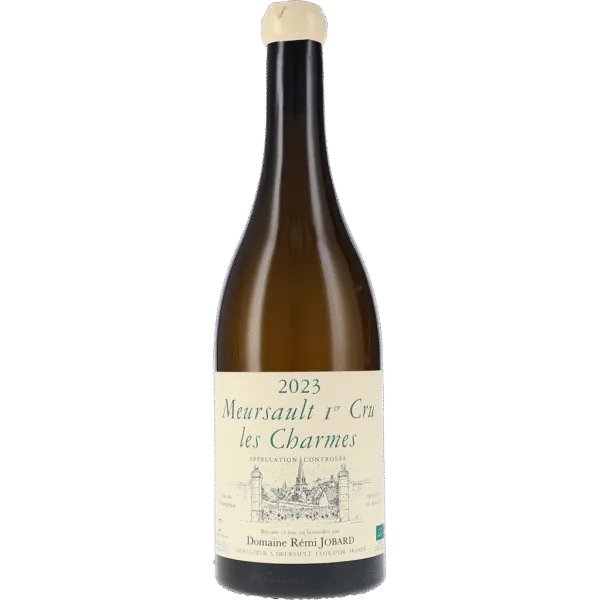
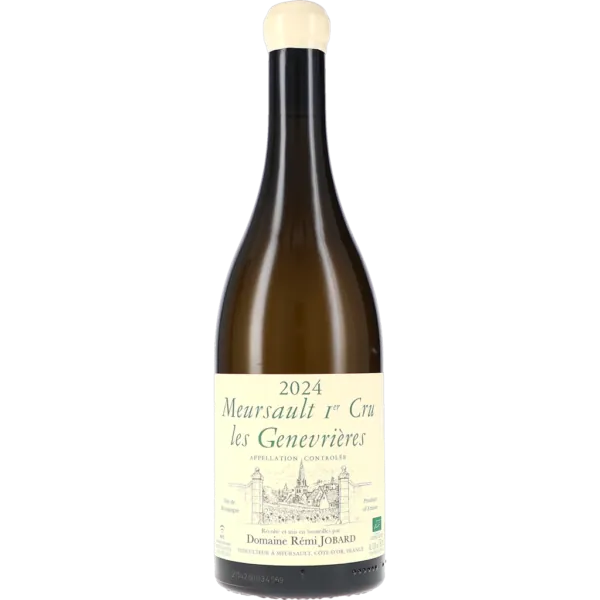
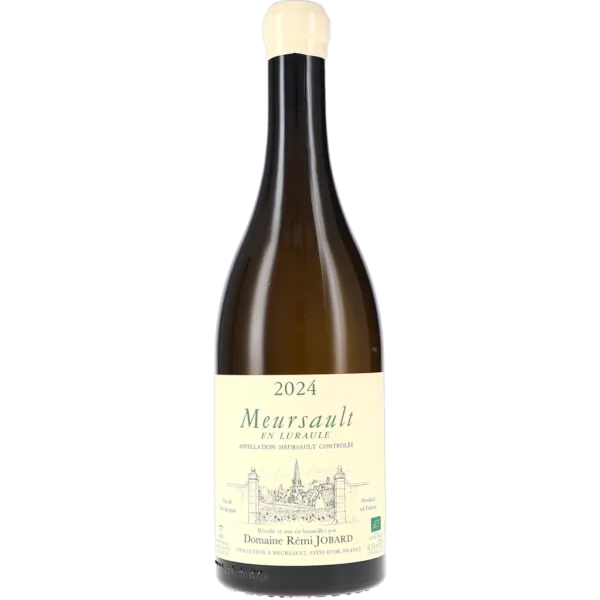
Rémi’s vineyards extend over nine hectares in Meursault’s finest sites. More than two and a half hectares of village-level vineyards yield Sous La Velle, Chevalières, Narvaux and En Luraule – each lieu-dit with its own profile. Added to these are parcels in three legendary Premier Crus: Les Charmes with its velvety opulence, Les Genevrières – named after the juniper bushes that once grew here – with its taut minerality from old vines, and Le Poruzot-Dessus high on the slope between 230 and 280 metres, where clay-rich soils produce powerful, age-worthy wines. The Genevrières displays the full breadth of Jobard’s skill: dense and mineral, yet never heavy-handed.

Organic since the nineties
Long before organic viticulture became a trend in Burgundy, this domaine made the switch. In 1994, artificial fertilisers and pesticides disappeared, followed by herbicides in 1998. Today the entire estate is Ecocert-certified; the vine rows are worked manually, cover-cropped and no longer fertilised. Cordon pruning limits yields naturally. “We have the privilege of owning great terroir in Meursault,” says Jobard. “Everything I do in the vineyard and in the cellar serves to let this terroir express itself transparently and without veils.” The unfiltered nature of his wines underlines this aspiration – they gain their stability through two winters of maturation rather than through technical interventions.
Under the radar to the very top
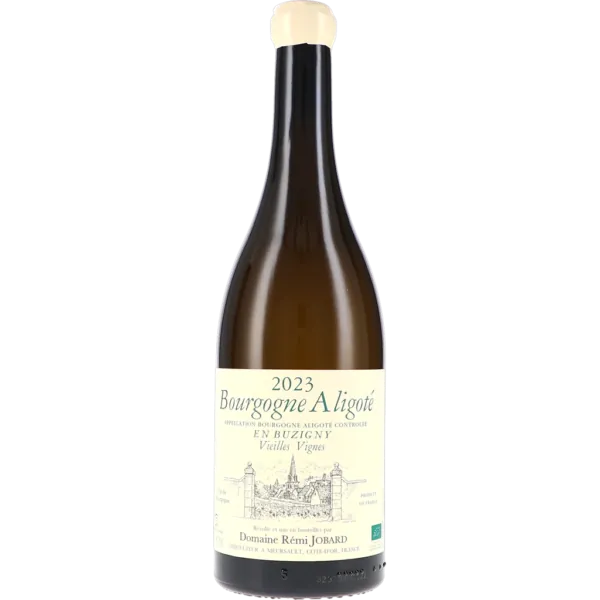
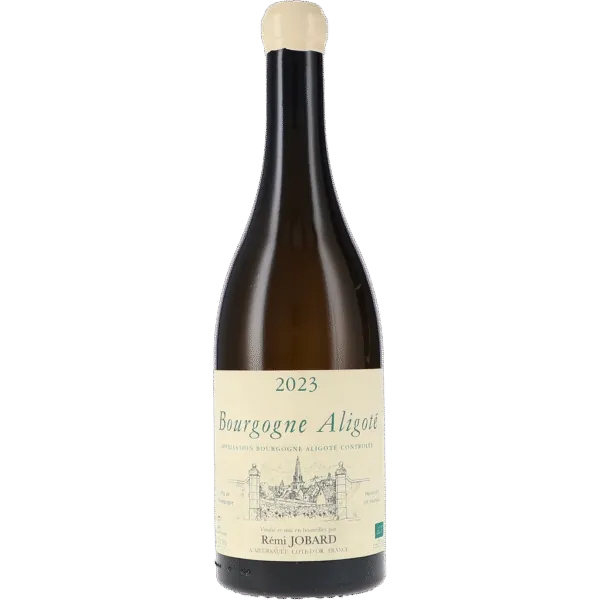
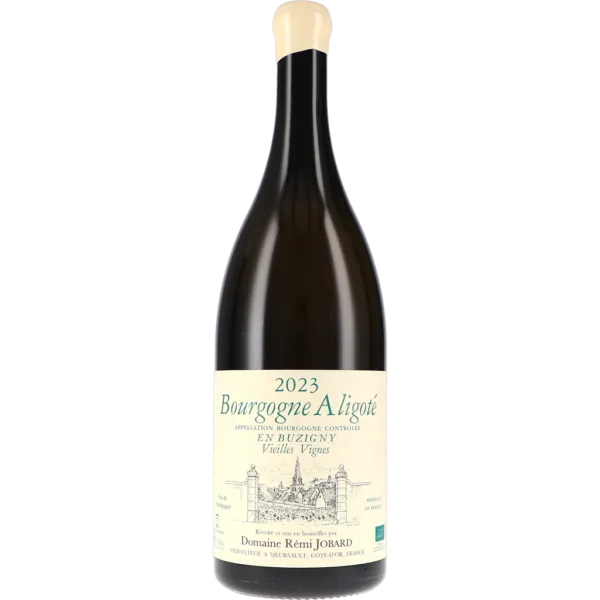
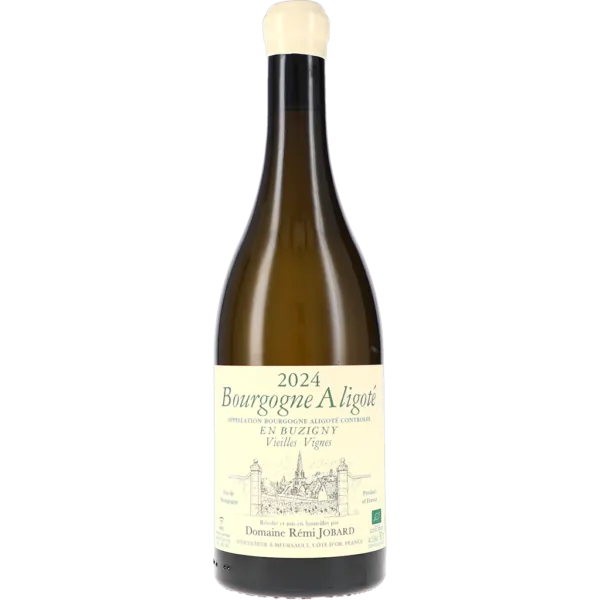
The Meursault En Luraule tastes like a Premier Cru at village prices. Even the Bourgogne Aligoté from the En Buzigny site, made from old vines, possesses a surprising depth. Master of Wine Sarah Marsh noted: “Rémi’s wines have become increasingly precise and intense over a decade. This is top quality under the radar.” Those who take their time – and these wines need time to unfold – will be rewarded with white Burgundies that, in their crystalline clarity, cool fruit and striking minerality, rank among the finest that Meursault has to offer.