
 EN
EN  DE
DE  FR
FR  IT
IT 
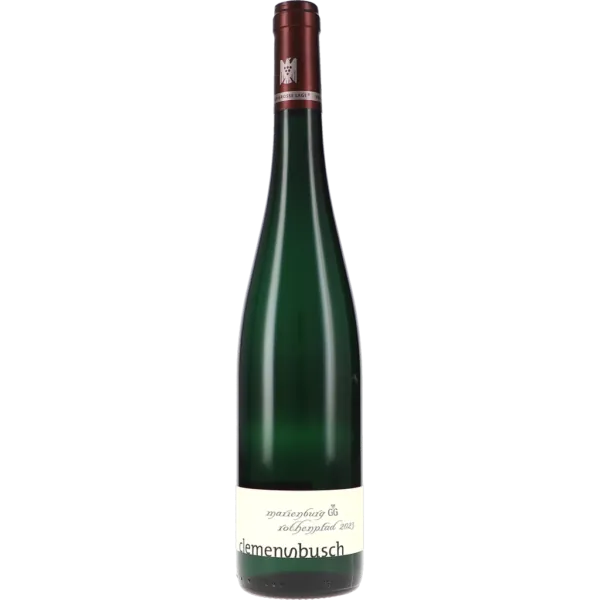
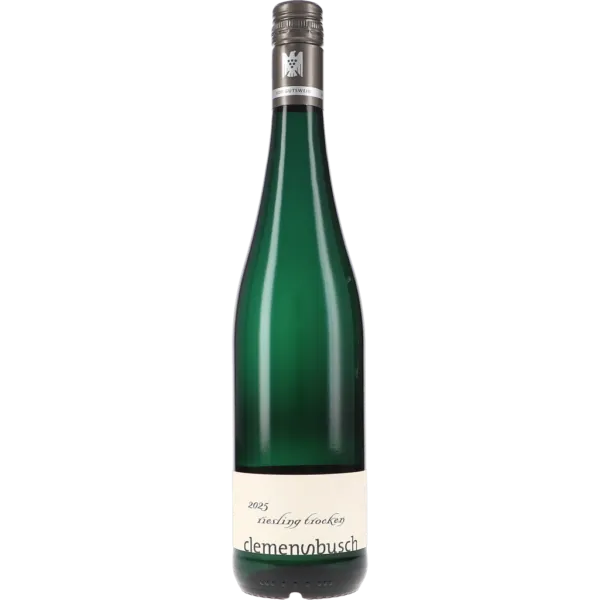
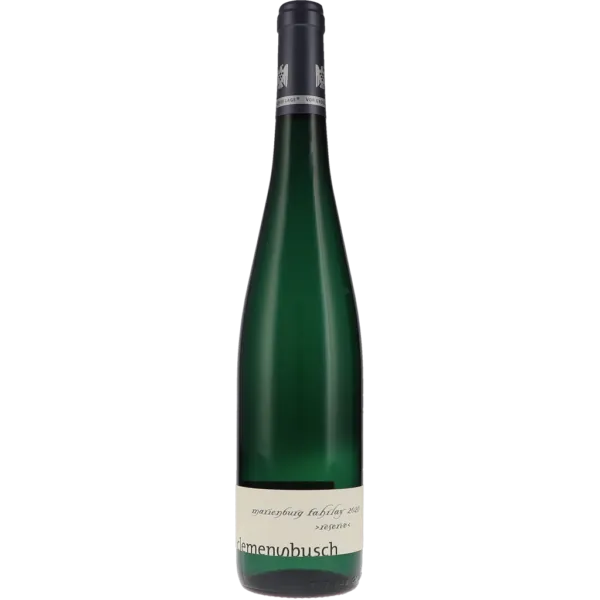
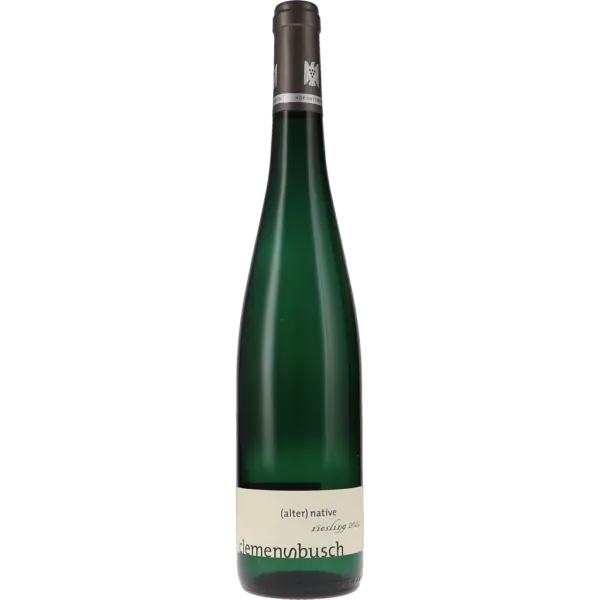
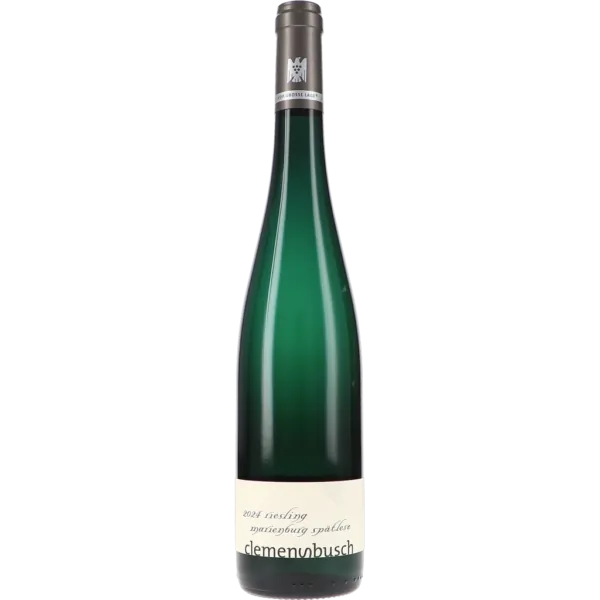
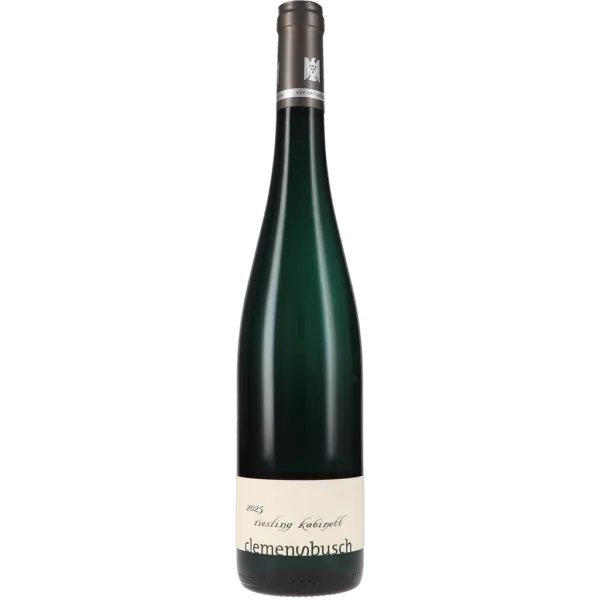
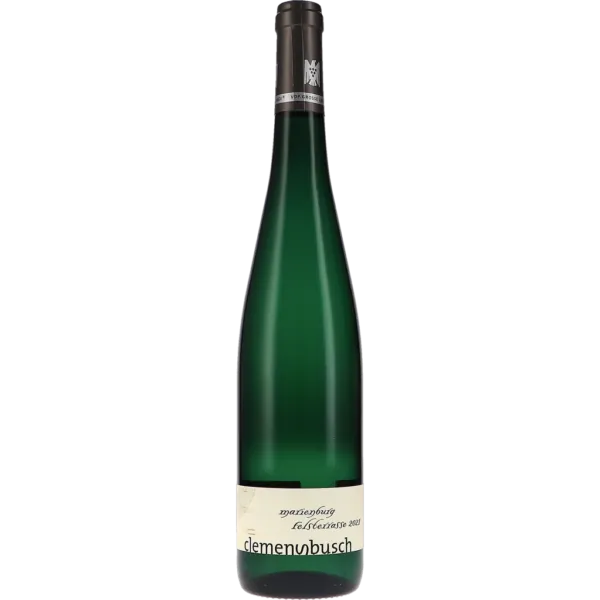
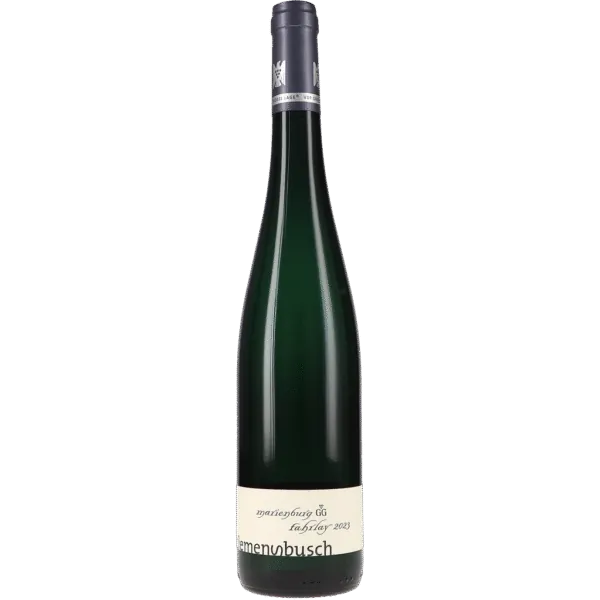
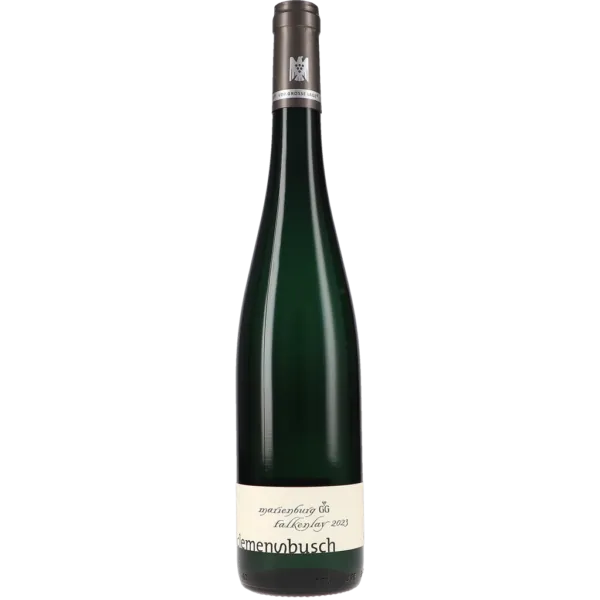
“Why can’t we live with the herbs?” That was the question young Clemens Busch asked himself in 1976, and he stopped using herbicides. In the seventh generation he bears the same first name as his forebears in Pünderich. On 20 hectares of steep slopes, 11 of them in the legendary Marienburg, he makes Rieslings of seismic minerality. Three colours of slate shape the terroir: red, grey, blue, recognisable by the coloured capsules. Biodynamic since 1986, awarded the Robert Parker Green Emblem in 2023. The wines appear on the lists of five three-star restaurants.
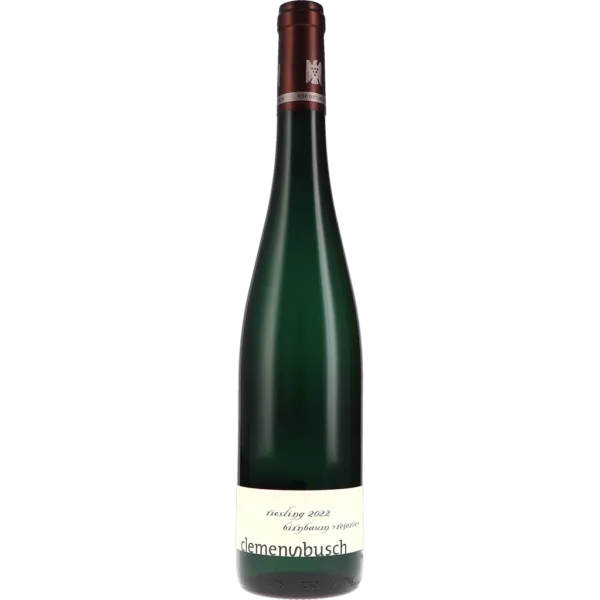
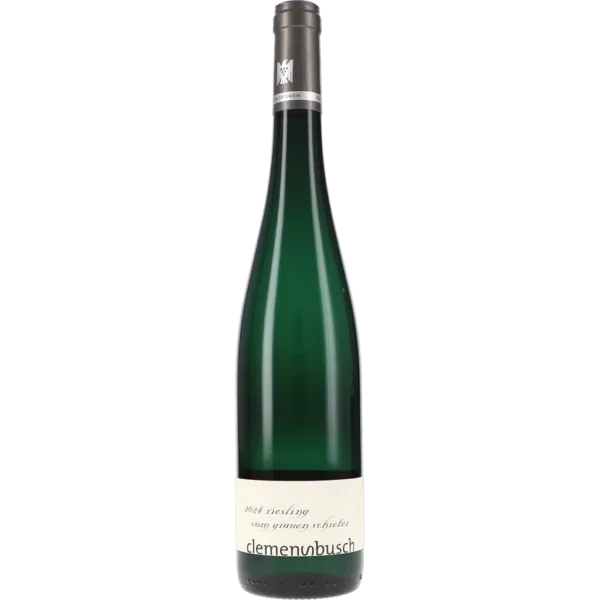
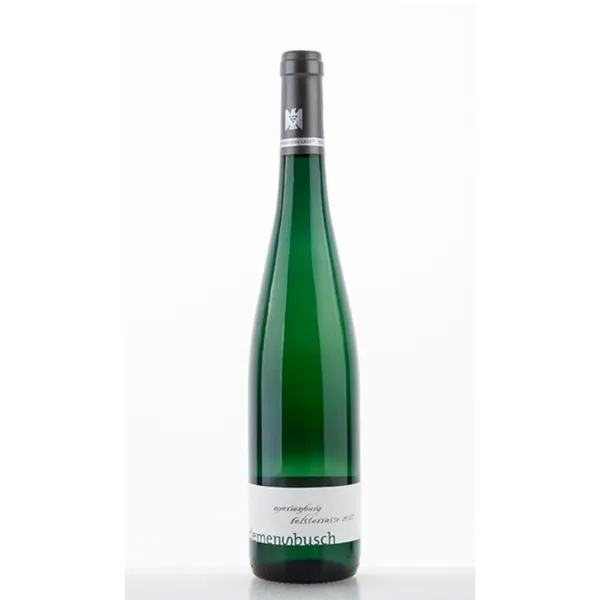
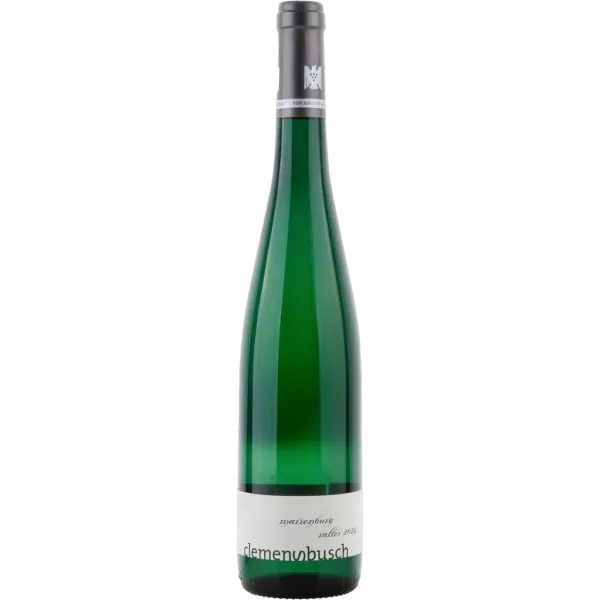
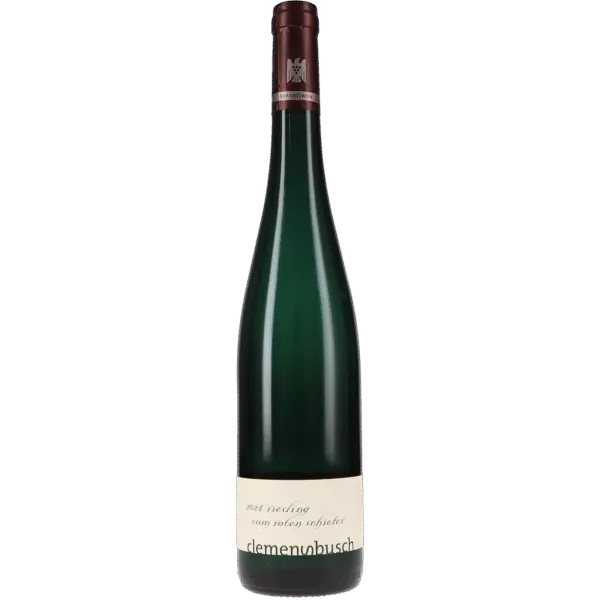
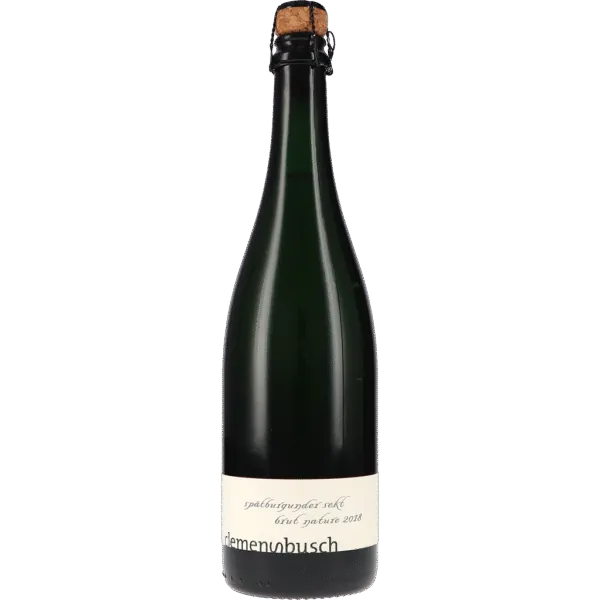
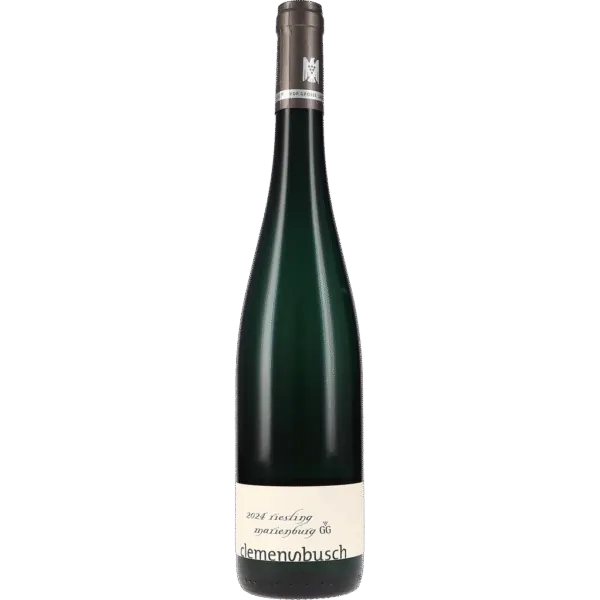
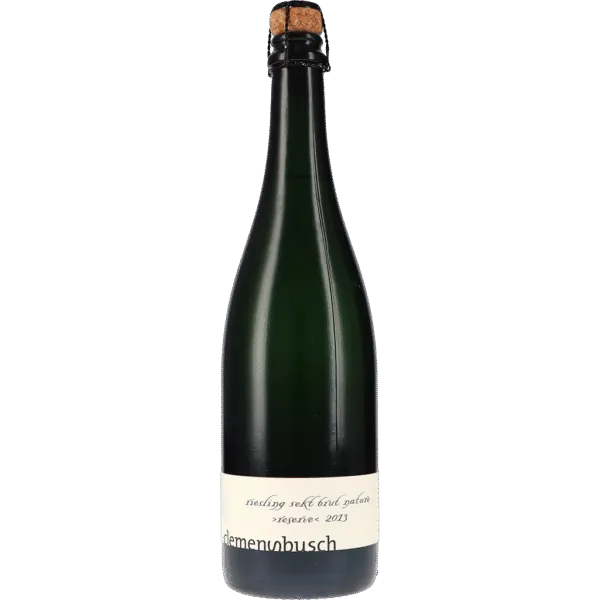
More about Clemens Busch
The colours of slate
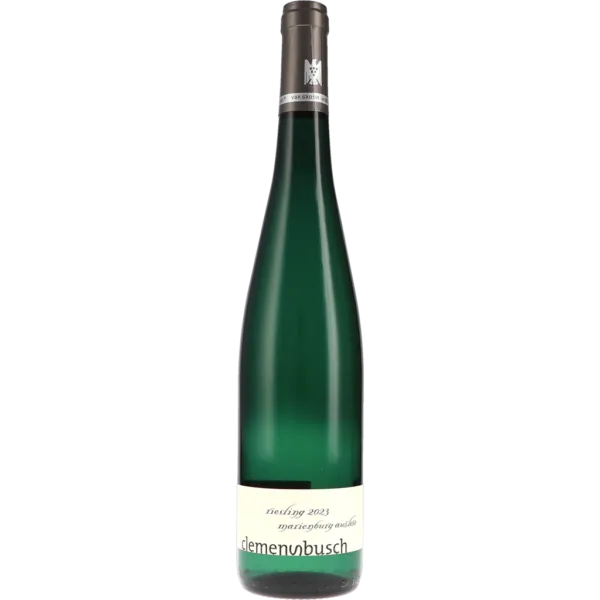
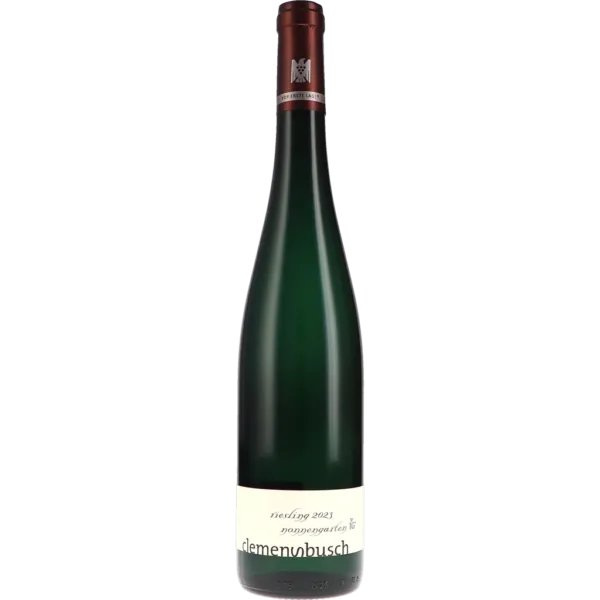
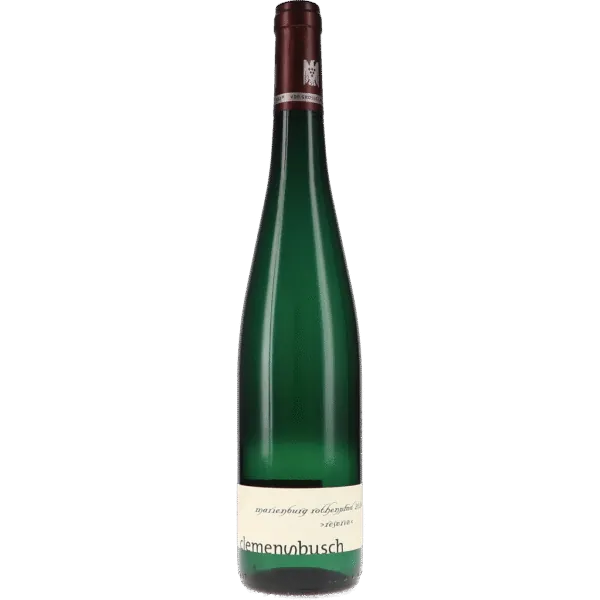
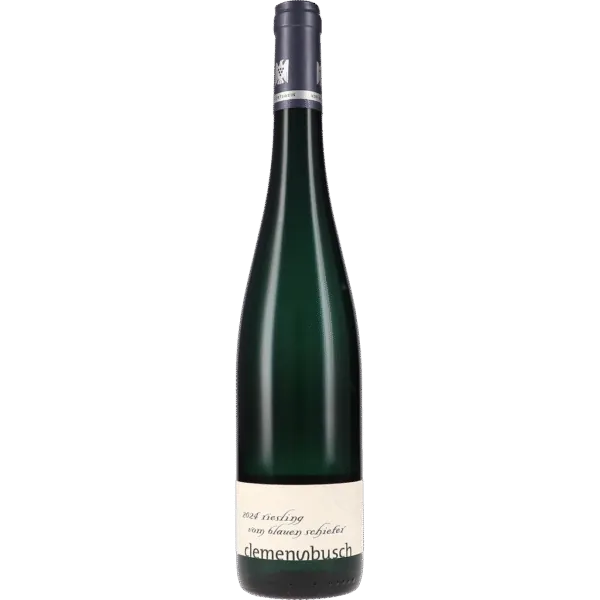
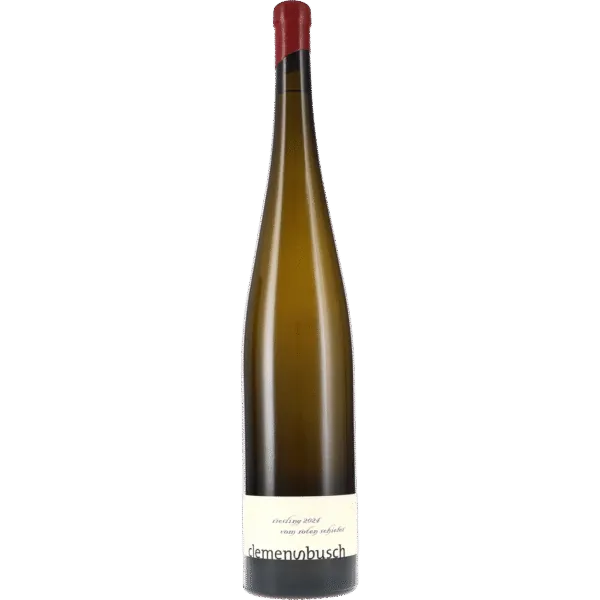
Anyone opening a bottle of Clemens Busch should look at the capsule. Red, grey or blue: the colour reveals the soil the grapes grew on. A simple idea that makes the complex terroir of the Pündericher Marienburg legible. The three types of slate yield fundamentally different wines: the rare red slate seasons the Rieslings with smoky depth. Grey slate delivers taut elegance. Blue slate gives mineral freshness. In the Riesling vom roten Schiefer you taste this volcanic origin particularly clearly.

Eight metres underground
The oldest vines root up to eight metres deep in the slate bedrock. They reach this depth only because the soil has been farmed without herbicides since 1976. Clemens Busch was 19 when he banished chemicals, smiled at then, a pioneer today. The estate has worked biodynamically certified since 1986 and has carried the Demeter seal since 2015. The ungrafted vines tap mineral layers that shallow-rooted vines never reach. A natural buffer against heat and drought, which becomes invaluable in times of climate change.
Spontaneous in old Fuder
In the cellar, patience and restraint rule. 80 per cent of the wines ferment spontaneously in centuries-old 1000-litre Fuder, some of which still come from the workshop of Rita’s father. No cultured yeasts, no enzymes, no fining. Some wines need over a year to ferment. The long maturation on the fine lees gives the Rieslings additional complexity. Even with noble sweet wines, the sulphur addition stays minimal. The result: the Riesling vom grauen Schiefer shows a crystalline precision that has few equals.

From Pünderich to the starred kitchens
Recognition came late, but all the more clearly. 98 Parker points for the 2017 Marienburg Raffes. The Robert Parker Green Emblem 2023 for outstanding sustainability. Places on the wine lists of five three-star restaurants. The Wine Advocate judges: “The Rieslings of Busch are among the best being produced in the Mosel valley today.” Clemens now works with his wife Rita and son Johannes, who has since taken over the estate as owner. The youngest son, Florian, has carried the biodynamic philosophy to the Languedoc, where his Domaine Flo Busch produces Grenache and Mourvèdre on the same principles. The Marienburg Kabinett shows by example how tradition and terroir combine into timeless elegance.
Clemens Busch price list
34 wines · as of 25 October 2026 · prices incl. VAT, excl. shipping
Download the price list (PDF)(PDF, 212 KB)