
 EN
EN  DE
DE  FR
FR  IT
IT 
In 2011, a young winemaker travelled to Georgia and returned transformed. The Johannes Zillinger winery in Velm-Götzendorf in the Weinviertel has since borne the hallmark of this encounter: wines created in Georgian Kvevri and amphorae, wild fermented, minimally sulphited. What sounds like a modern trend has roots here stretching back 350 years. As early as 1984, father Hans switched to organic viticulture – two years before the glycol scandal shook the Austrian wine world. Johannes continues this legacy, even more radically: Demeter-certified, with sheep grazing between the vines and self-cultivated herbs for vineyard treatments.
More about Johannes Zillinger
The Georgia Enlightenment
What Johannes Zillinger found in 2011 in the cellars of the Caucasus was not a technique – it was an attitude. The winemakers there filled their grapes into clay amphorae, buried them in the earth and waited. No control, no intervention, just trust. The freshness and vibrancy of these wines electrified him. Back in Velm-Götzendorf, he had Kvevri shipped from Georgia and began to experiment. Today, over 60 per cent of his wines are produced in amphorae and large wooden vessels made from oak and acacia – a radical shift, as stainless steel once dominated.
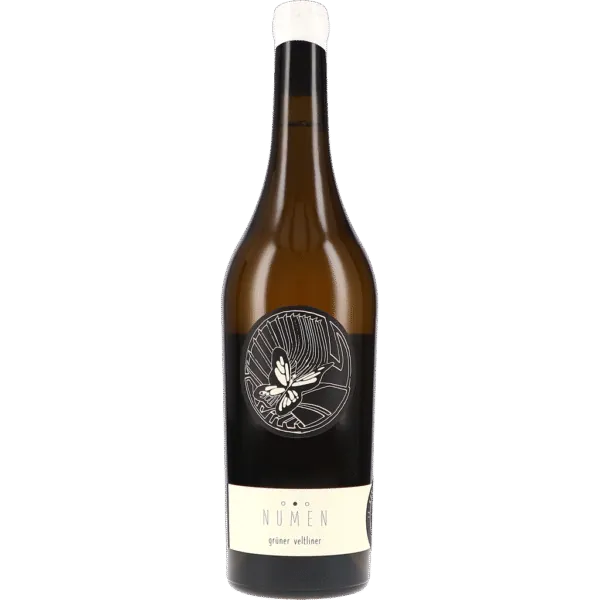
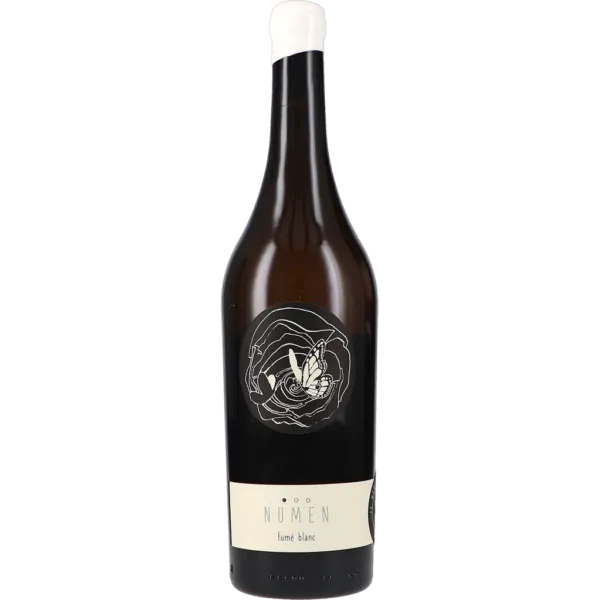
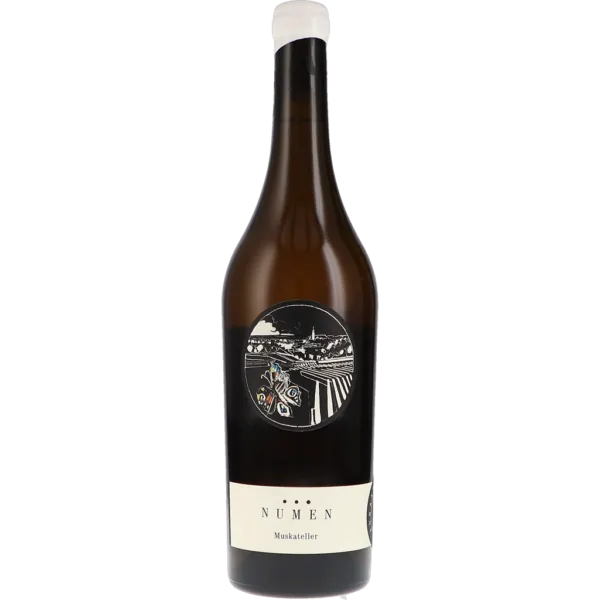
The NUMEN Grüner Veltliner, for instance, ferments entirely on the skins in a clay vessel – nine days of skin contact, then 18 months ageing on fine lees. The result: Grüner Veltliner as the Weinviertel DAC statutes do not provide for – with structure, tannins and a depth reminiscent of orange wine. The Gault&Millau jury crowned his Numen Fumé Blanc 2017 "Alternative Wine of the Year 2020". At Falstaff, the Weinviertel DAC Reserve K2 achieved an impressive 92 points.

Three Generations, One Soil
The winery has existed since 1673, founded by David Zillinger. But the real revolution came later. Hans Zillinger switched to organic farming in 1984 – at a time when Austrian wine still stood for adulterated mass-produced goods, two years before the glycol scandal that shook the industry. Johannes, who took over in 2012, continues the philosophy as the third generation: Demeter certification since his arrival, herbs between the vine rows for home-made teas and extracts, Kunekune pigs and chickens that loosen and fertilise the soil.
The 23 hectares lie on limestone-sandstone soils around the small village of Velm-Götzendorf in the south-eastern Weinviertel. 70 per cent are planted with white varieties – Grüner Veltliner, Riesling, Sauvignon Blanc, Welschriesling, Muskateller. The rest belongs to Zweigelt, Sankt Laurent and disease-resistant new varieties such as Roesler and Regent. On the east-facing sides of the vineyards, Johannes plants trees and shrubs as natural climate buffers.
Revolution in the Solera Barrel
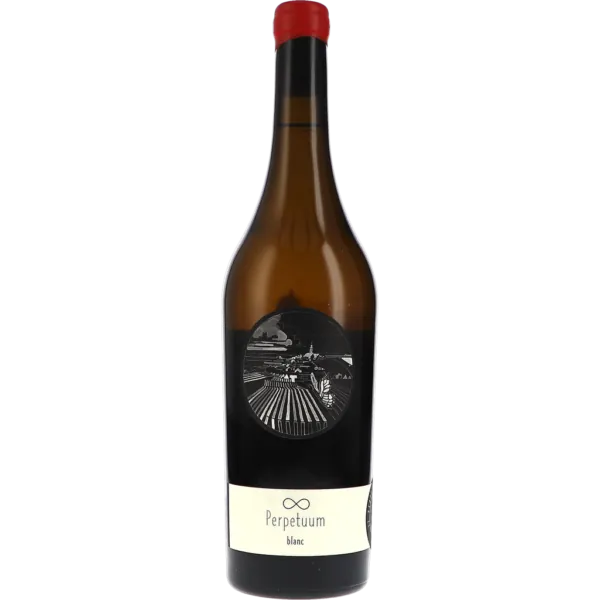
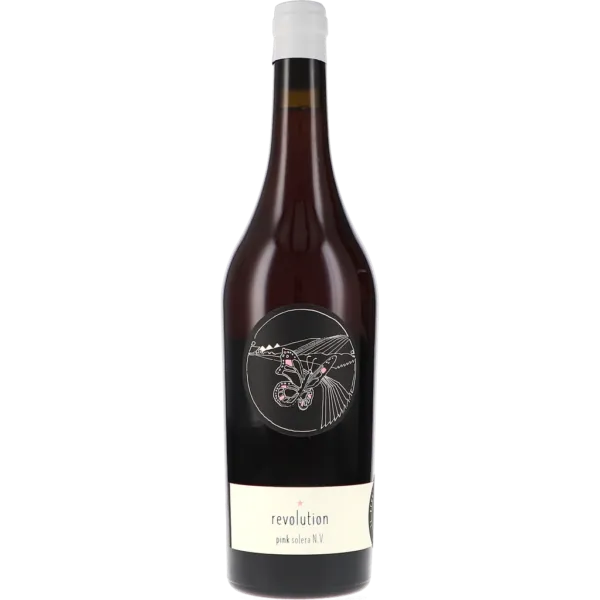
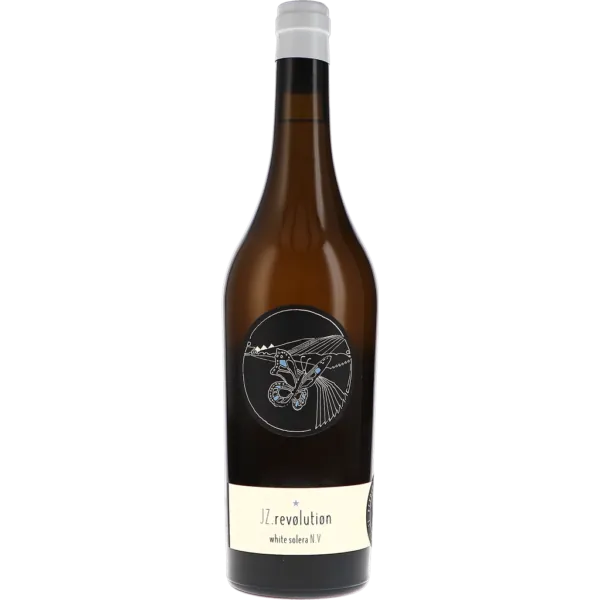
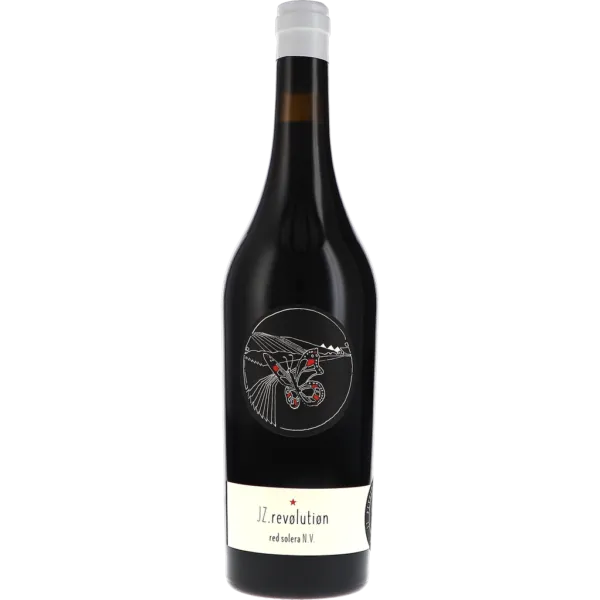
The JZ. Revolution line makes the name its programme. Instead of vintage wine, Johannes produces here according to the Solera principle, as one knows it from Sherry: each year a portion is removed and bottled, the rest topped up with new wine. Over the years, the vintages merge into a wine that shows the terroir but smooths out the weather whims of individual years. White, rosé, red – all three mature in amphorae, all unfiltered and unrefined, with minimal sulphiting below 30 mg/L.
When Hans Zillinger switched to organic farming in 1984, there were hardly any role models in Austria. The most prominent was the Nikolaihof in the Wachau, where the Saahs family had been working biodynamically since 1971 – the world's oldest Demeter winery.

From Velue to NUMEN
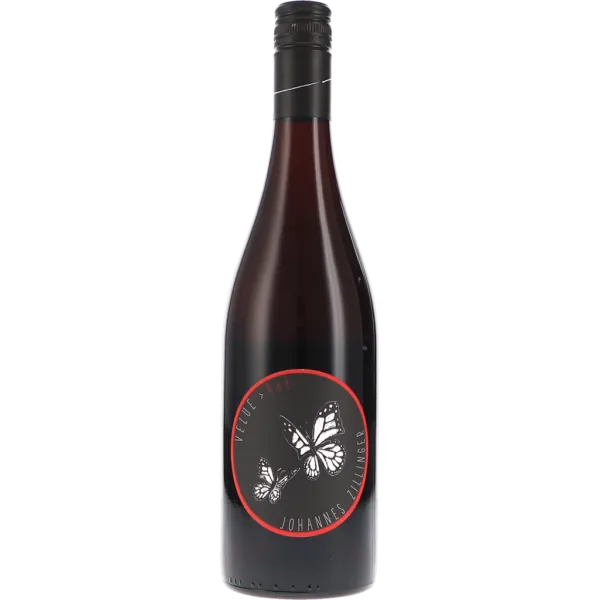
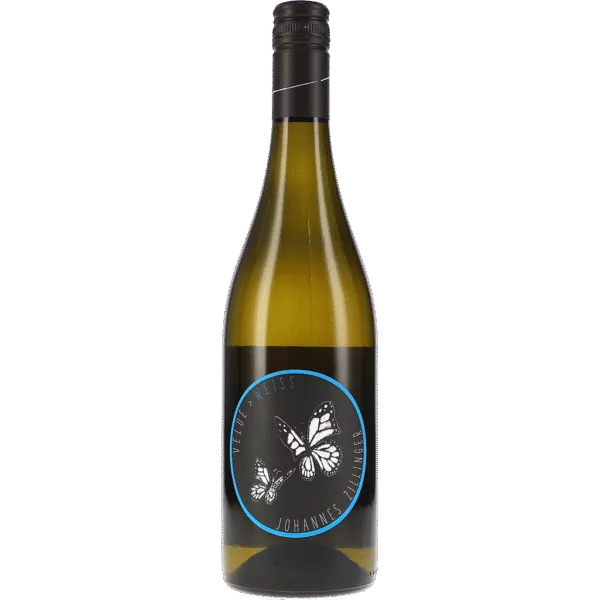
The entry-level line is called Velue – named after the old name of the village of Velm and the willows (Latin: salix) at the edge of the village. Light wines with around 11.5 per cent alcohol, short skin contact time on limestone-sandstone, the perfect introduction to the world of natural wine. They show that biodynamic does not have to mean difficult or demanding.
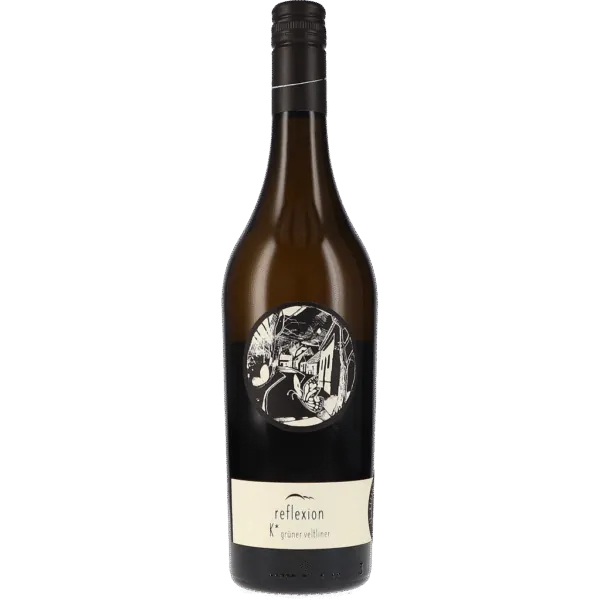
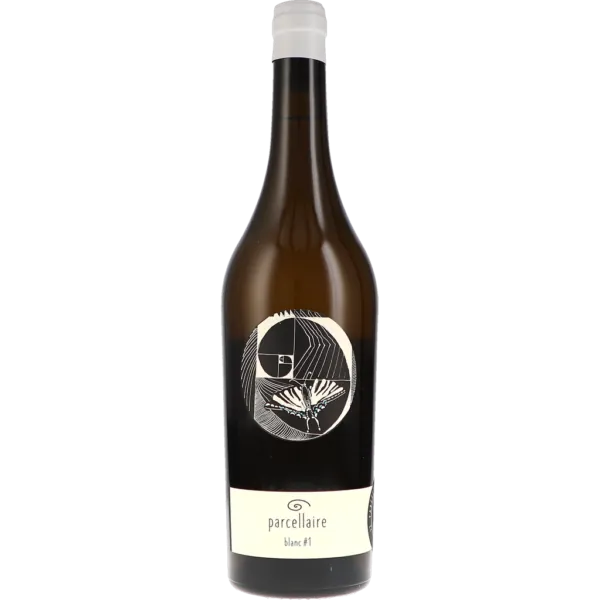
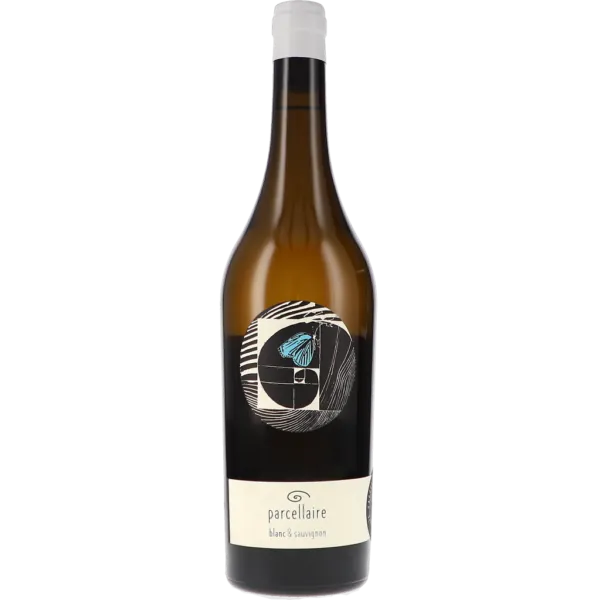
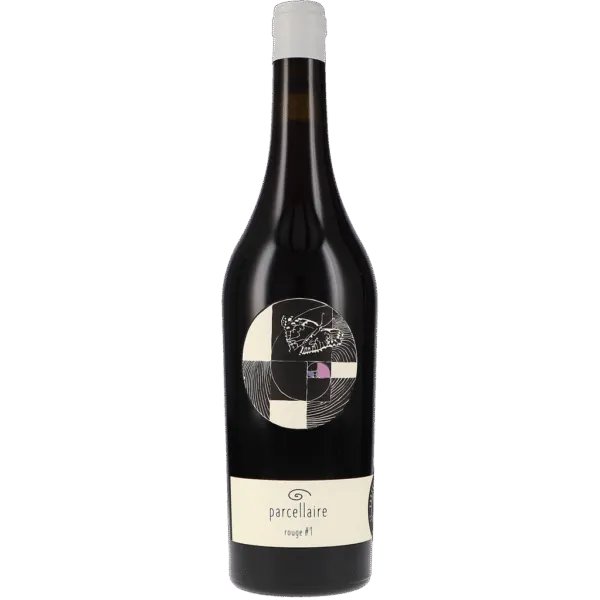
Reflexion K unites the favourite parcels of grandfather, father and Johannes into a three-generation cuvée. Each generation contributes its part, vinification is carried out using different methods – the result is more than the sum of its parts. Parcellaire comes from the coolest vineyard sites, close to forest and north-east facing, where the grapes ripen slowly and retain acidity.
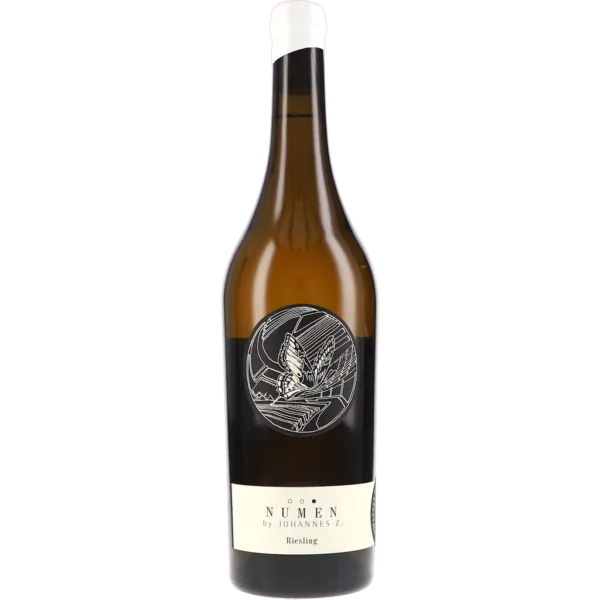
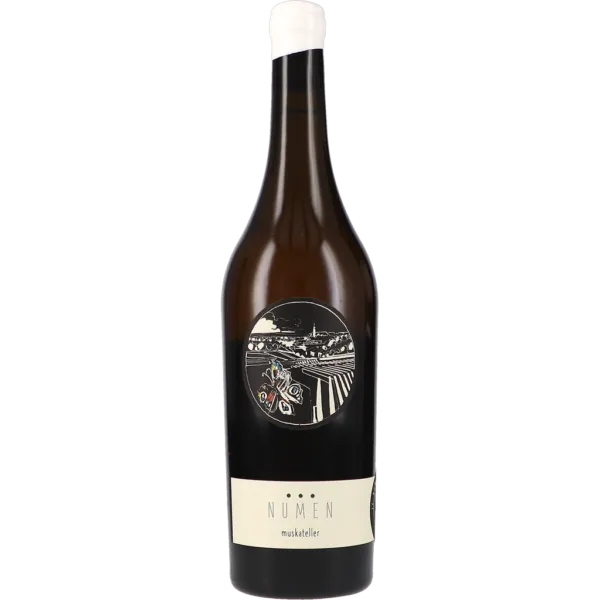
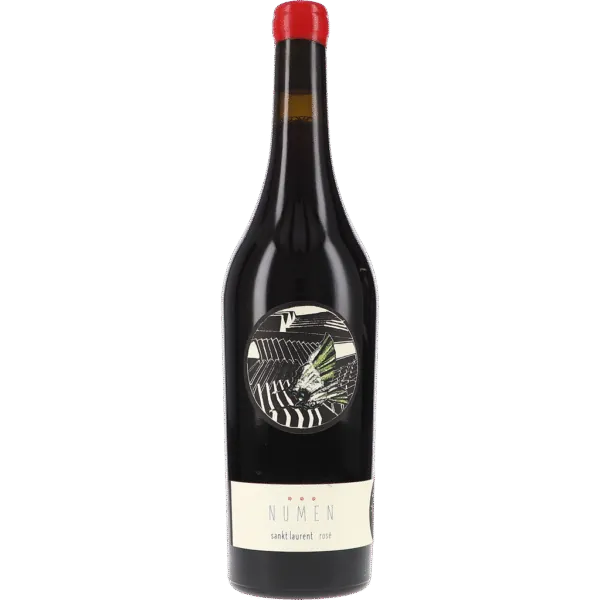
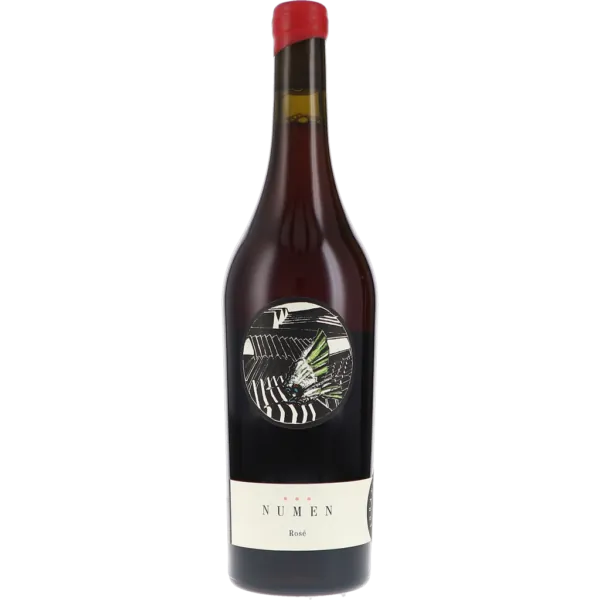
At the top stands NUMEN, Latin for the spirit or divine power of a place. These wines are created with minimal intervention: spontaneous fermentation, skin fermentation in Kvevri, months of ageing on the lees, bottled unfiltered and unrefined. Johannes describes his philosophy thus: "Nature paints the most beautiful pictures; we simply frame these works of art."