
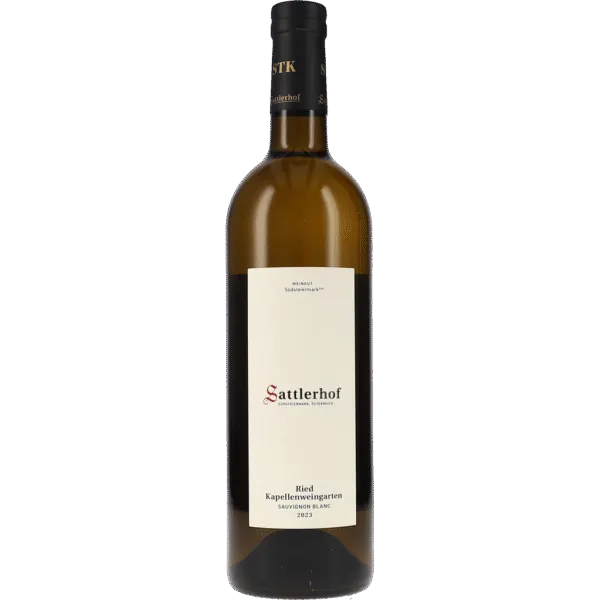
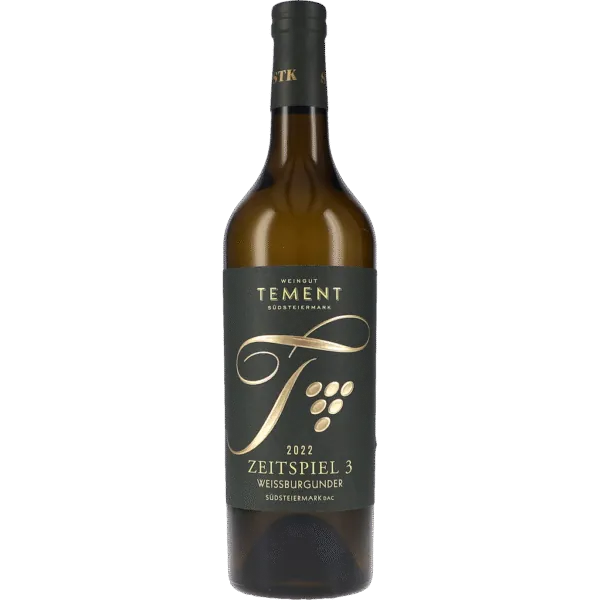
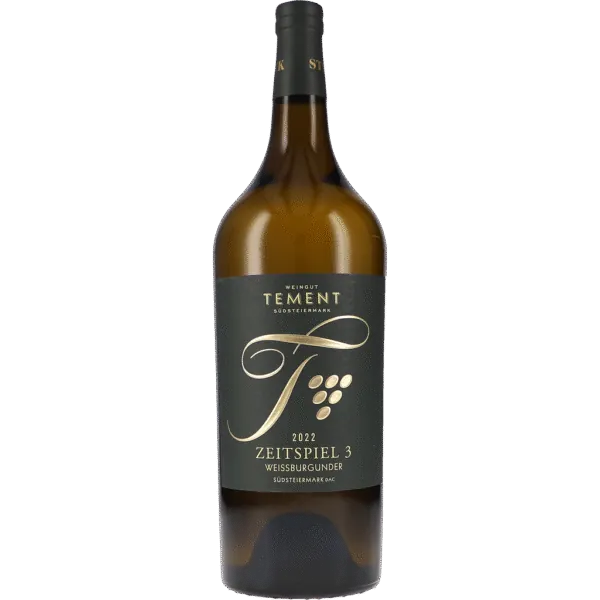
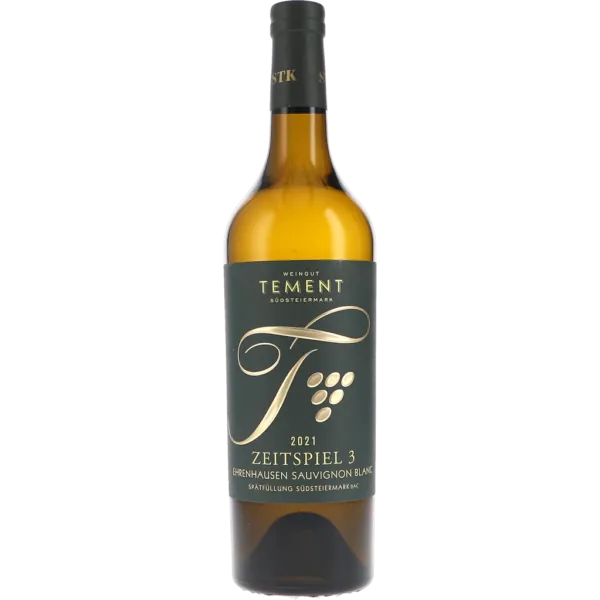
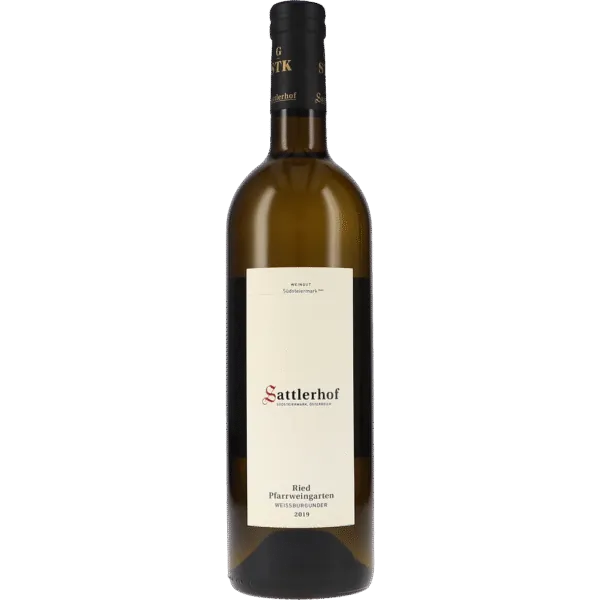
On the border with Slovenia, the vines of Südsteiermark grow on slopes so steep that almost everything in the vineyard is done by hand. Opok, limestone and sand – along with slate in Sausal – lie close together here, and the Illyrian climate, with its warm days and cool nights, lends the white wines both ripe fruit and a taut acidity. Since the 2018 vintage, the Südsteiermark DAC has classified this origin into regional, village and single-vineyard wines. Our wine from Südsteiermark comes from Tement and Sattlerhof, two organically farmed family estates whose Sauvignon Blanc, Morillon and Welschriesling range from the fresh regional tier to the top vineyard sites.
≈ Aroma: Stone fruit
In all wines: 585 Wines
More about Südsteiermark
Südsteiermark DAC: from regional wine to single vineyard
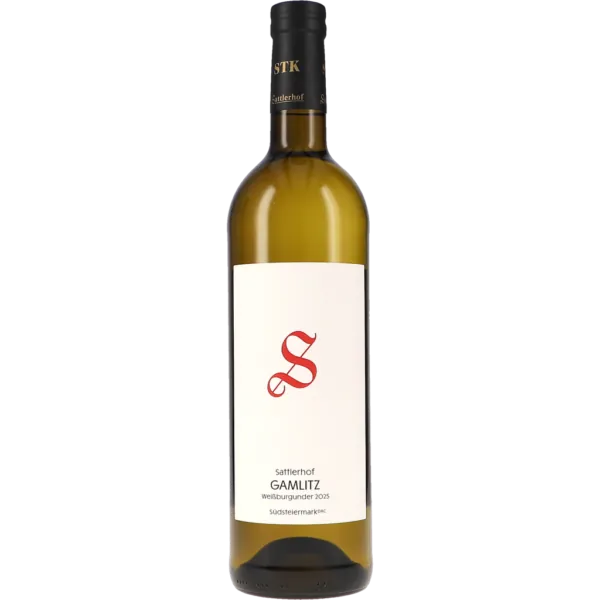
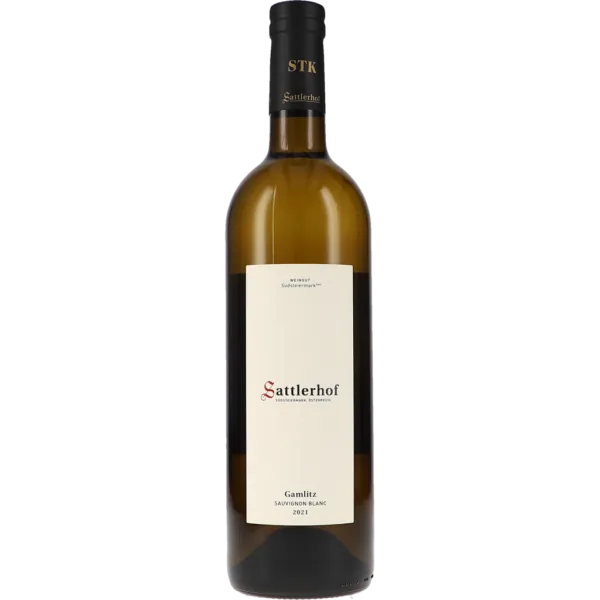
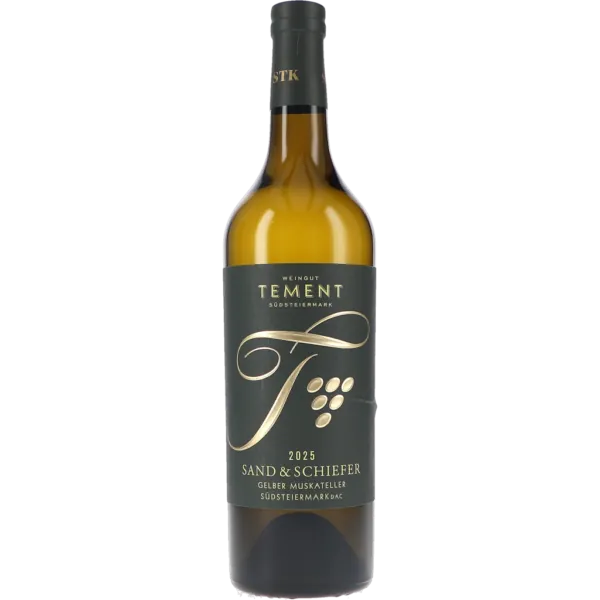
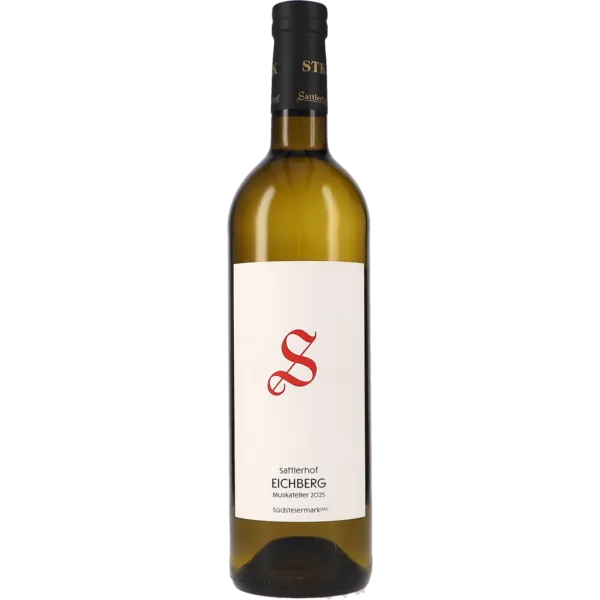
The Styrian pyramid of origin is read from the bottom up. Regional wines bear only the name Südsteiermark DAC and show the grape variety in its clear, youthful form. Village wines name a municipality such as Gamlitz, Ehrenhausen or Eichberg, while single-vineyard wines are named after an individual site. The designation Reserve, at both village and single-vineyard level, stands for wines that mature for longer before being released for sale. At Tement, the regional wines are named after their soil, such as the Welschriesling Opok or the Sauvignon Blanc Kalk & Kreide, whereas the Gamlitz Sauvignon Blanc DAC 2024 from Sattlerhof shows how a village wine tastes of elderflower, herbs and cool stone. Both estates belong to the Steirische Terroir- und Klassikweingüter (STK), whose sites are classified as Erste STK Lage and Große STK Lage.
Opok, Muschelkalk and slate on the steep slopes
The Styrians call their calcareous marl Opok, a rock formed from consolidated seabed that stores water and gives the wines a saline, dense core. Alongside it come Muschelkalk, sand and sandstone, and in the Sausal also slate, which makes the wines leaner and smokier. Sauvignon Blanc is the region’s flagship variety, ranging from gooseberry and capsicum in its youth to cassis, mandarin and flint in the finest sites. Morillon is the old Styrian name for Chardonnay, Welschriesling yields light, citric wines with bright apple, and Gelber Muskateller scents of elderflower and nutmeg yet remains dry and lean on the palate. Grauburgunder grows here too; the Burgundian side of our range is formed by Weißburgunder and Morillon.
Tement in Ehrenhausen, Sattlerhof in Gamlitz
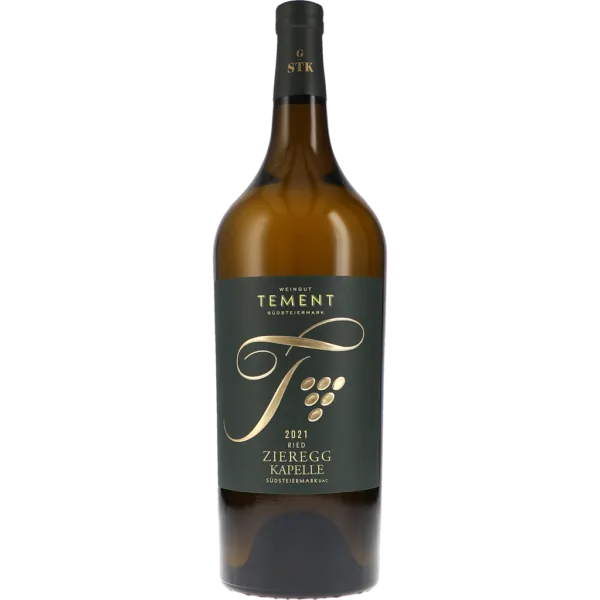
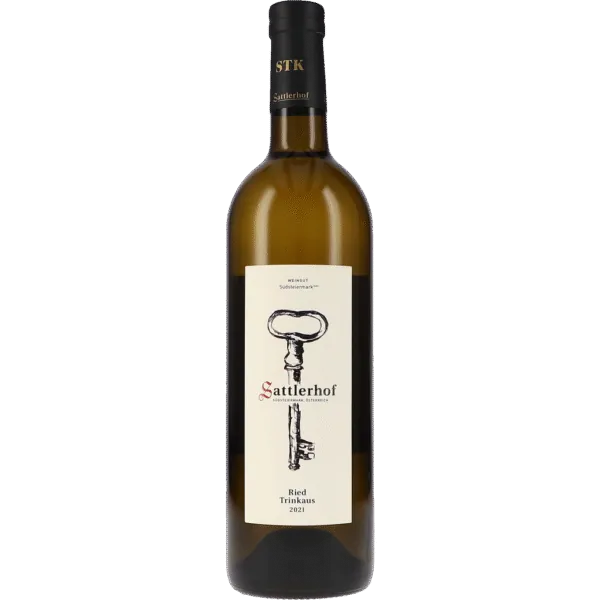
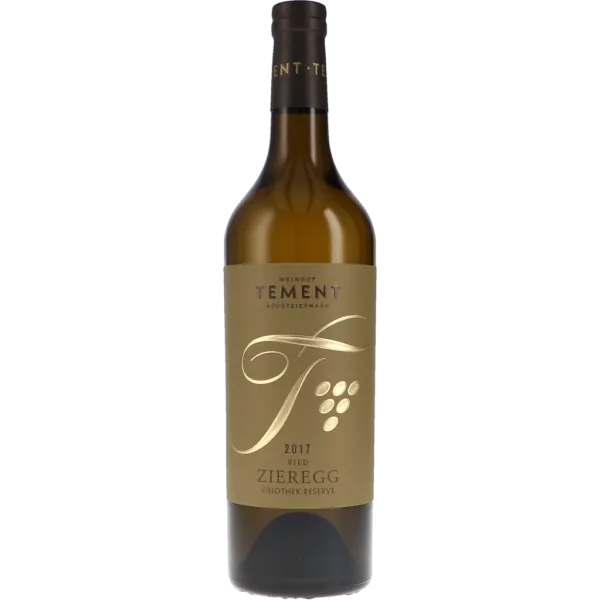
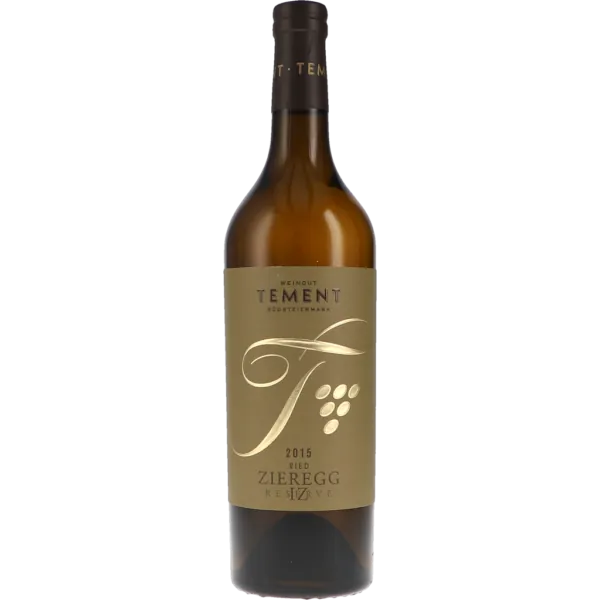
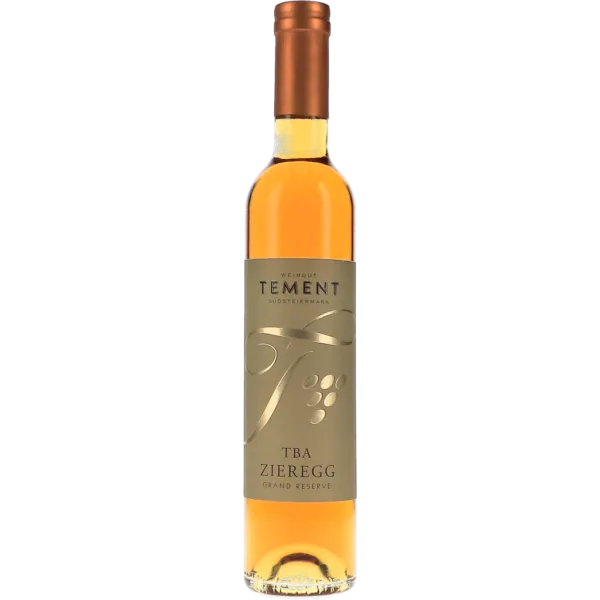
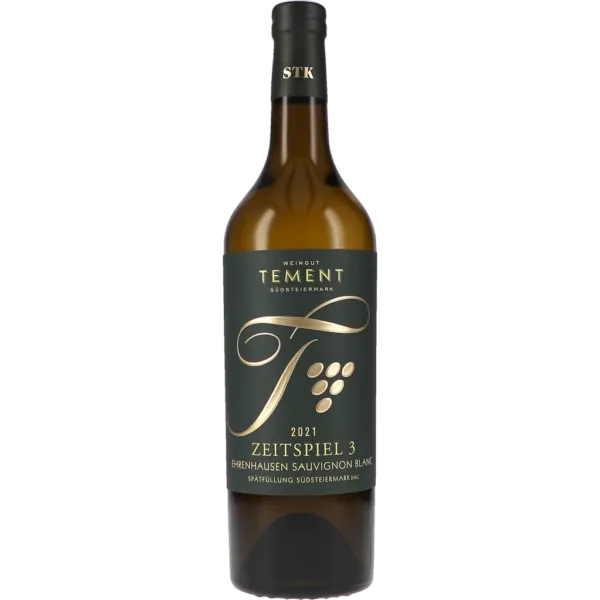
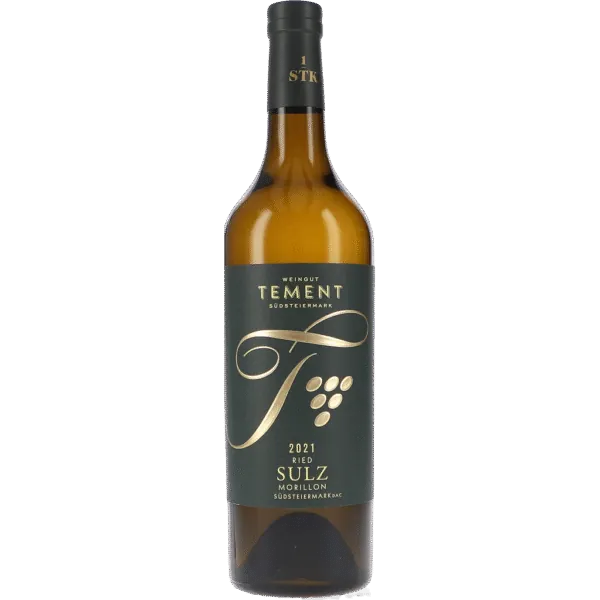
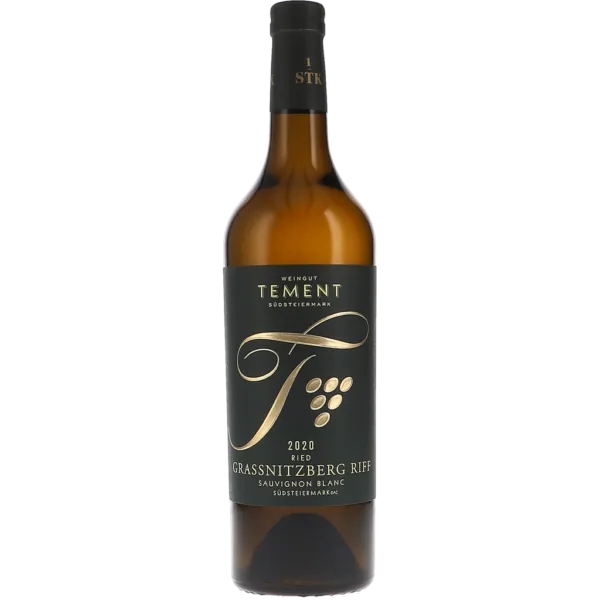
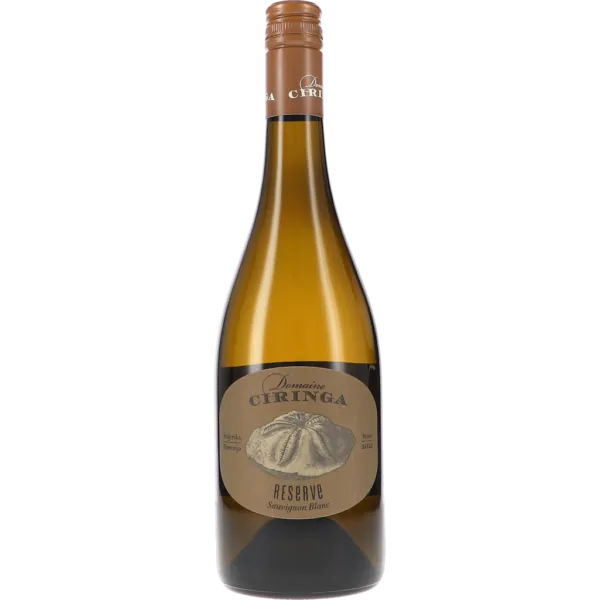
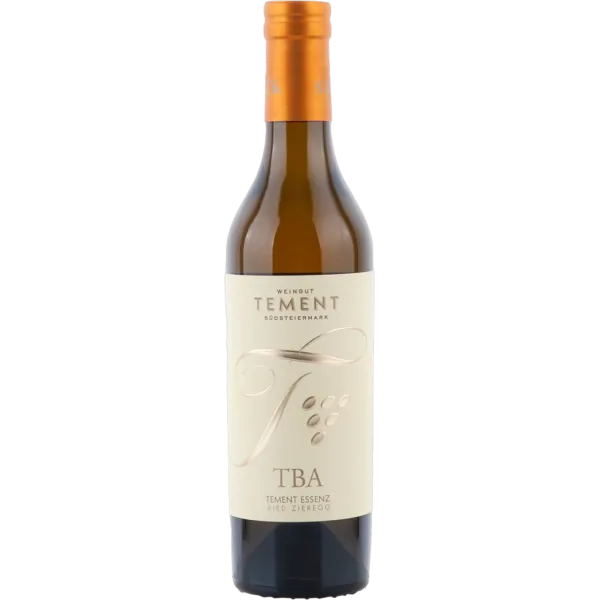
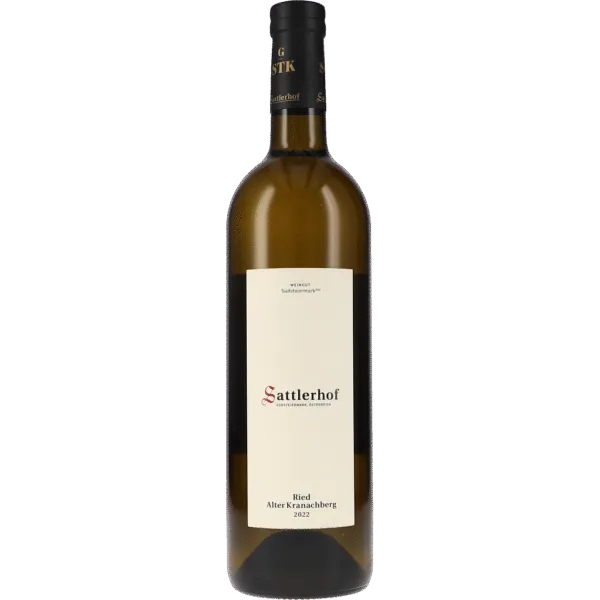
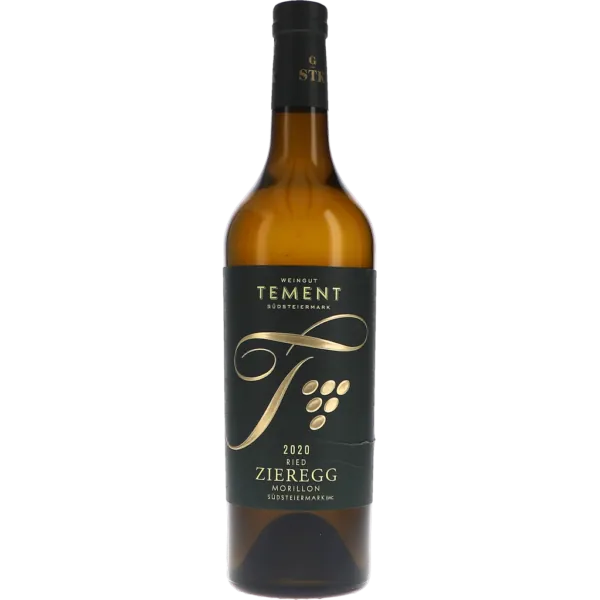
The Tement estate lies at the foot of Ried Zieregg, a site on Muschelkalk whose Sauvignon Blanc is among the most sought-after white wines in Austria. The Ried Zieregg Kapelle Sauvignon Blanc Große STK Lage 2022 is saline, deep and long; alongside it come wines from Grassnitzberg and Sulz as well as mature vintages from the vinotheque. Across the border, the family farms Domaine Ciringa in Slovenian Styria according to Demeter principles. Sattlerhof works the Rieden Kranachberg, Sernauberg, Pfarrweingarten and Trinkaus in Gamlitz, vinifying Sauvignon Blanc and Morillon from them with cool herbal spice and fine tension.
Natural wine from Styria, sparkling wine and red wine
If you are looking for natural wine from Styria, you will find wines made with spontaneous fermentation and long lees ageing at both estates. Closest to natural wine is Tement’s Ancestral Gelber Muskateller, a sparkling wine made by the Méthode rurale that completes its fermentation in bottle and is bottled without dosage. There is also a Sekt Brut Nature Große Reserve as a Blanc de Blancs from Morillon and Weißburgunder. Red wine is a rarity in Südsteiermark, but succeeds on warm slopes with Pinot Noir and Cabernet Franc from old vines at Tement and a Blauburgunder Alte Reben from Sattlerhof. You will find all available wines from both estates in the list above.