-
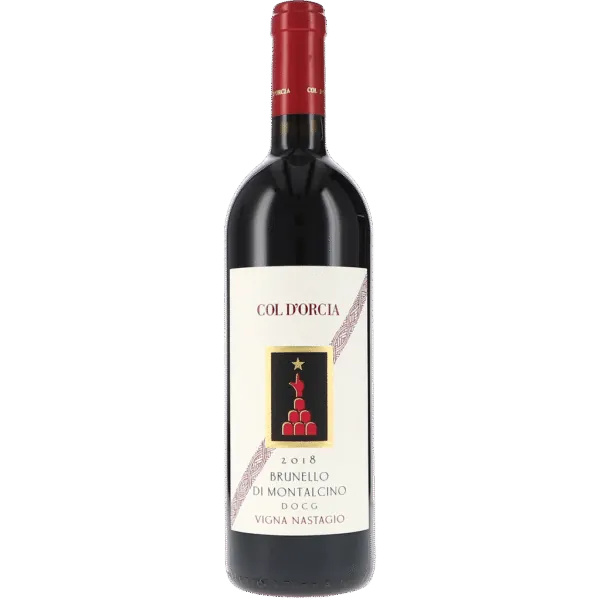
Col d'Orcia
-
Ampeleia
-
Bakkanali
-
Brizio
-
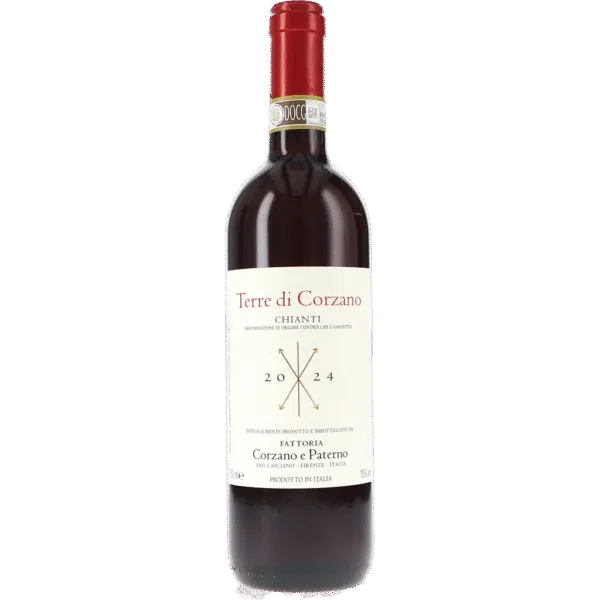
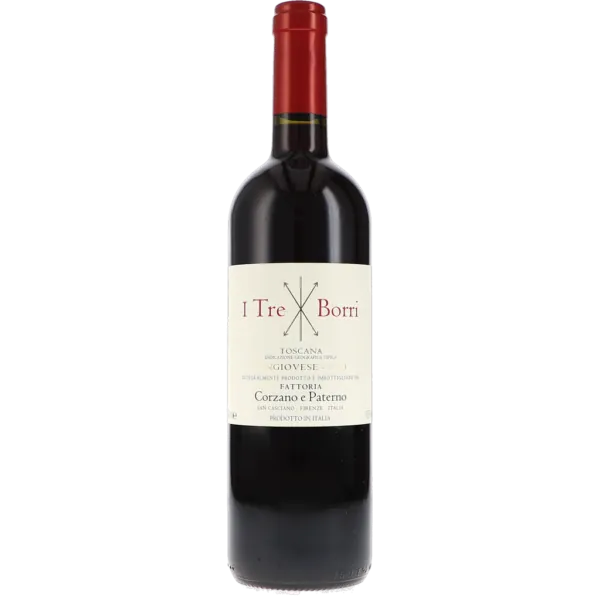
Corzano e Paterno
-
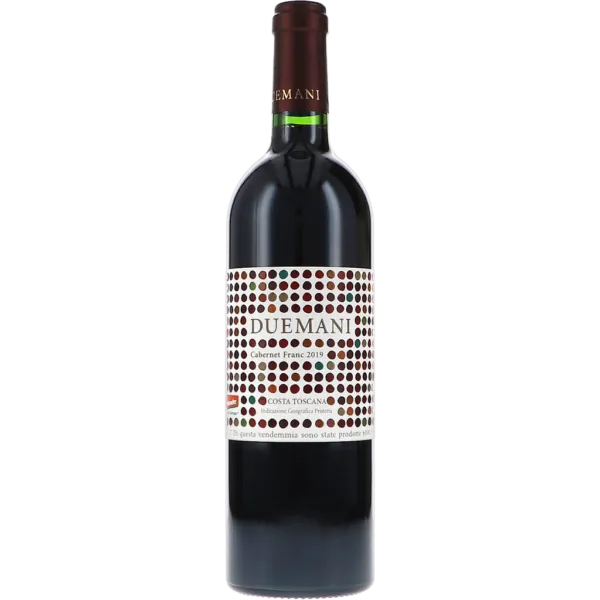
Duemani
-
Le Boncie
-
Le Chiuse
-
Le Masse
-
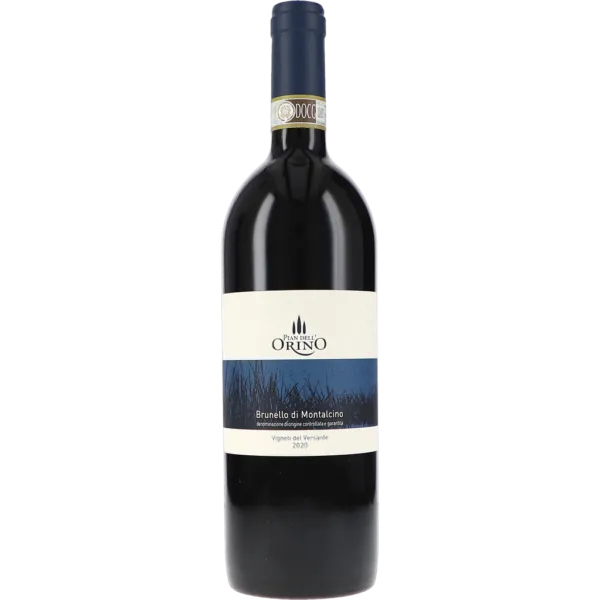
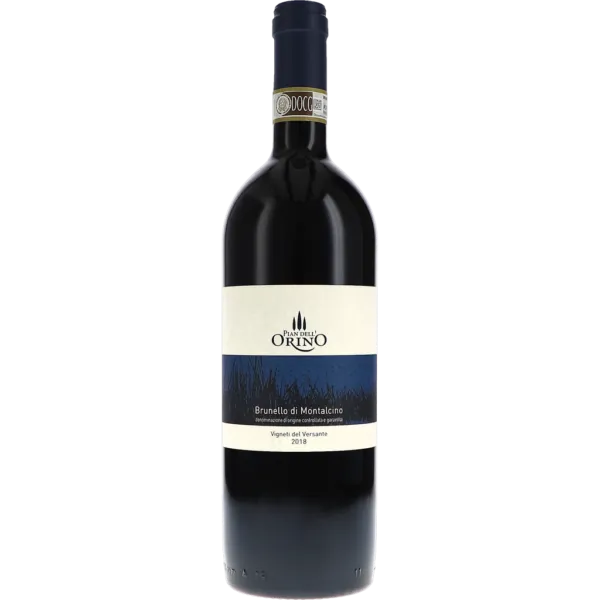
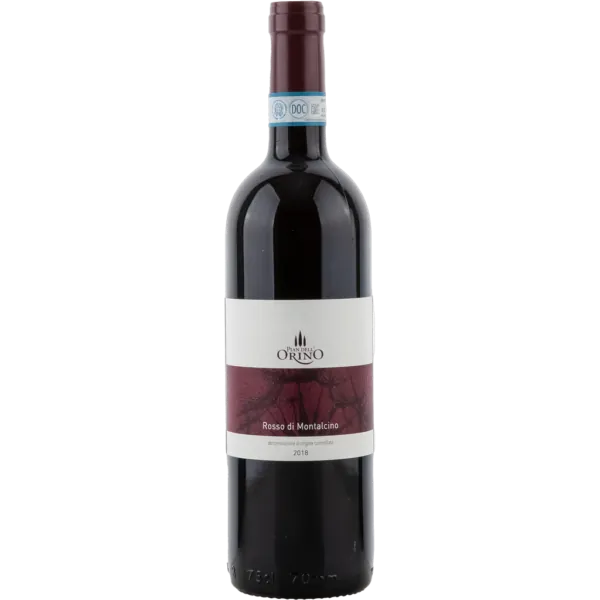
Pian Dell'Orino
-
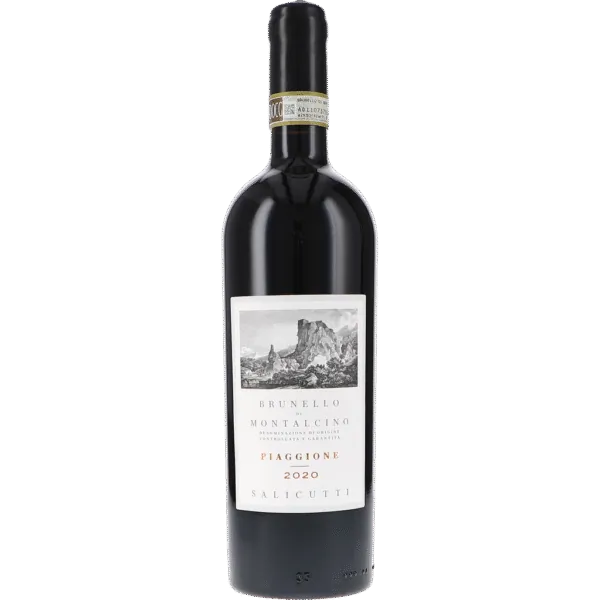
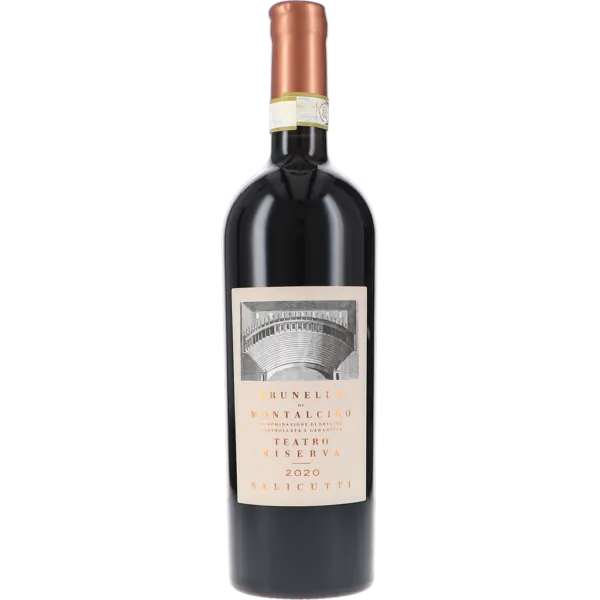
Salicutti
-
Soldera
-
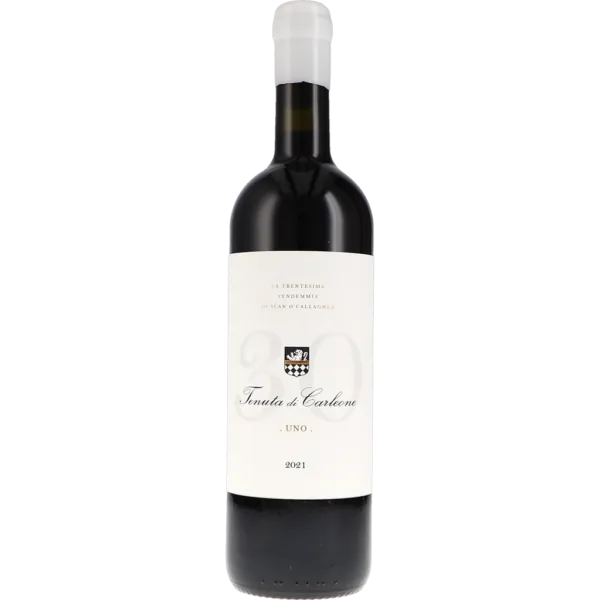
Tenuta di Carleone

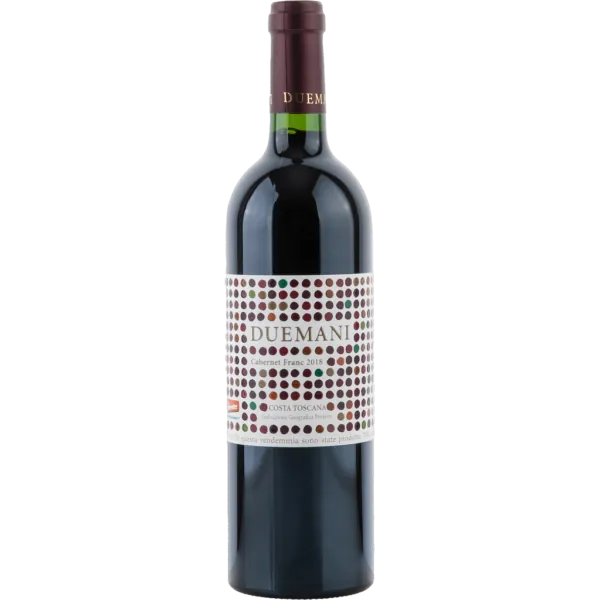
On the barren Galestro and Alberese soils between Florence and Siena grows Sangiovese, which brings cherry, violet and a racy acidity to the glass, while on the coast of the Maremma, Cabernet Franc and Syrah ripen in Mediterranean warmth. Tuscany unites these two worlds: the Chianti Classico of the hills, the Brunello from Montalcino and the free-spirited IGP wines of the coast. At Col d'Orcia in Montalcino, the largest organically certified estate in the region, Sangiovese matures in the UNESCO World Heritage Site of Val d'Orcia. Duemani near Riparbella works with Demeter certification and demonstrates the power that biodynamic Cabernet Franc can unleash. If you are looking for organic wine from Tuscany, you will find thirteen producers here, from the Maremma to Montalcino.
„limestone“
In all wines: 1,635 Wines
More about Toskana
Chianti Classico, Brunello and the free IGP wines
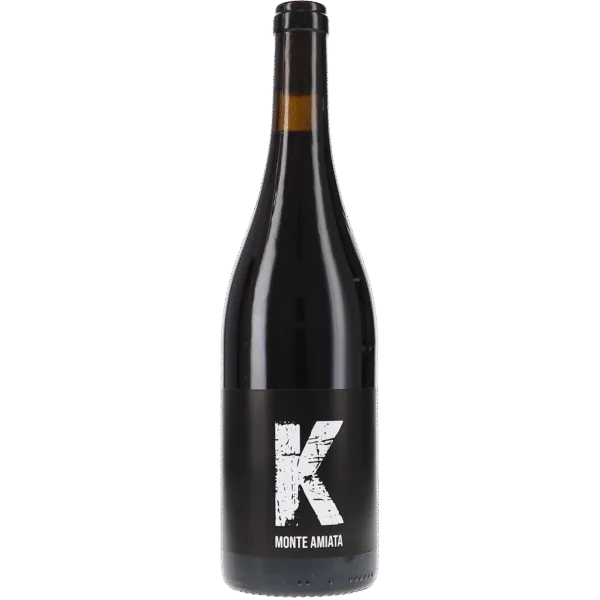
Chianti Classico lies between Florence and Siena on galestro and alberese – a crumbly schist and limestone that gives Sangiovese its firm tannin line. To the south, Montalcino presides over the Val d'Orcia; here Brunello di Montalcino may only be made from Sangiovese and matures for years in large wooden casks, while Rosso di Montalcino reveals the same pride of origin in a more approachable, earlier-drinking style. Along the Maremma coast around Riparbella, the rules of the Costa Toscana IGP apply, permitting Cabernet Franc, Syrah and Grenache. In between, on the extinct volcano Monte Amiata at altitudes of up to 850 metres, grows a Sangiovese of almost cool character.
Montalcino: Sangiovese on marl and fossils
The soils of Montalcino shift from fossil-rich marl in the south to cooler limestone sites in the north, and it is precisely these differences that can be read in the wines. Col d'Orcia farms 142 hectares with organic certification; sheep and goats graze between the vine rows, and the Riserva Poggio al Vento from the windswept single vineyard is only produced in great years. Podere Salicutti was the first organically certified estate in the appellation and crafts pure Sangiovese Brunellos of transparent ruby colour and silky tannins from its three vineyard sites Teatro, Piaggione and Sorgente. At Le Chiuse on the northern edge, the vines stem from massal selection of the very Sangiovese Grosso clone the family selected generations ago; the Brunello di Montalcino DOCG 2020 offers floral and herbal-spicy aromas with precise tannic tension. Pian Dell'Orino works strictly biodynamically right next door to Biondi-Santi, where a single vine yields just one bottle.
Chianti Classico from above and a volcano in the south
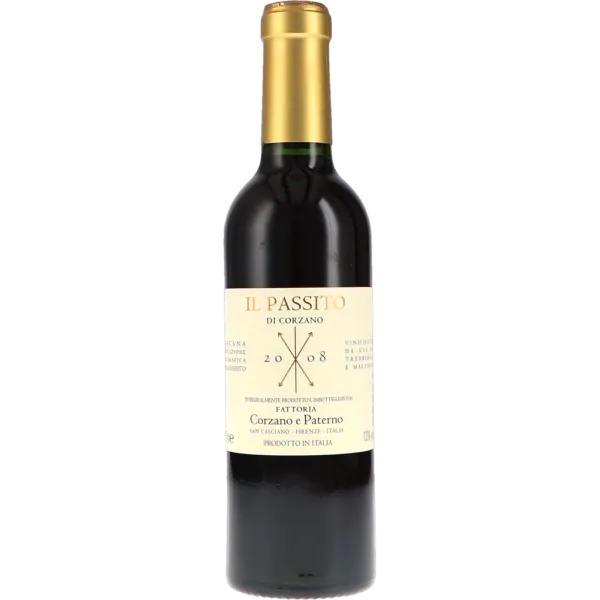
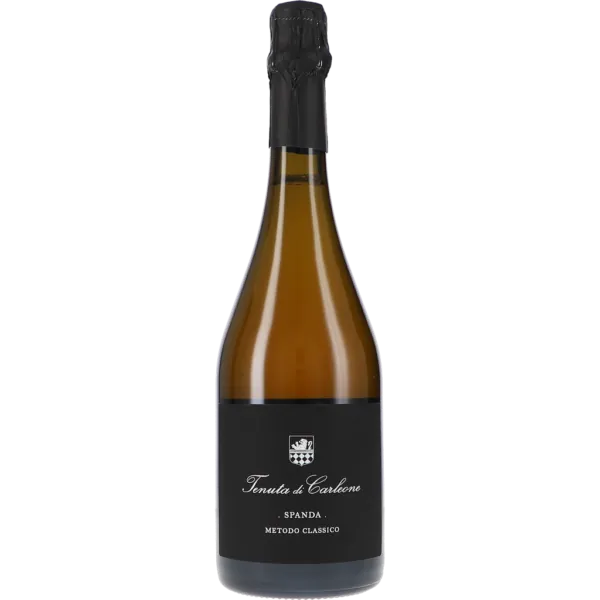
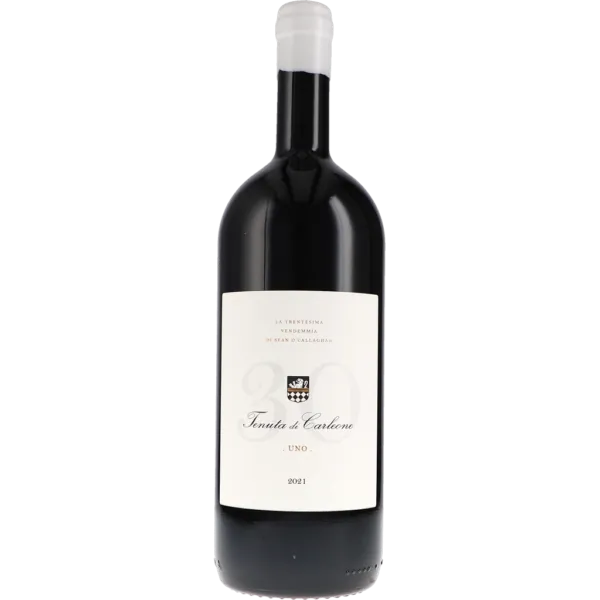
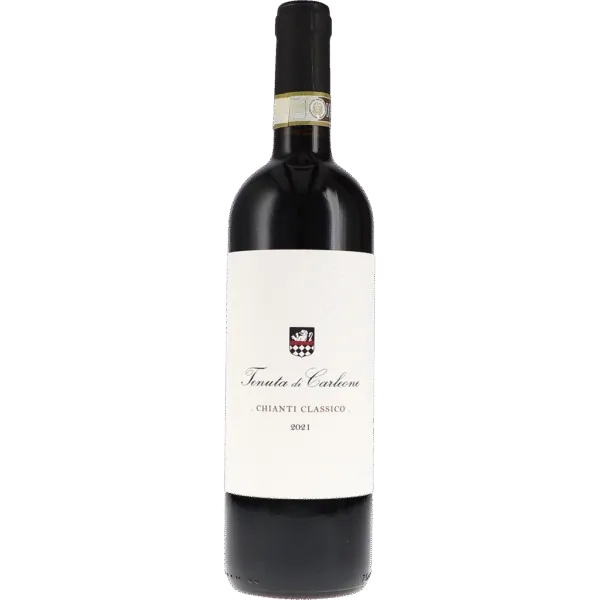
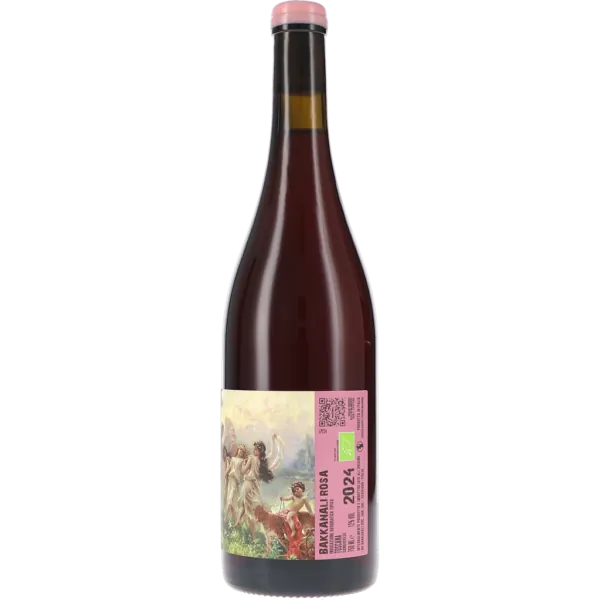
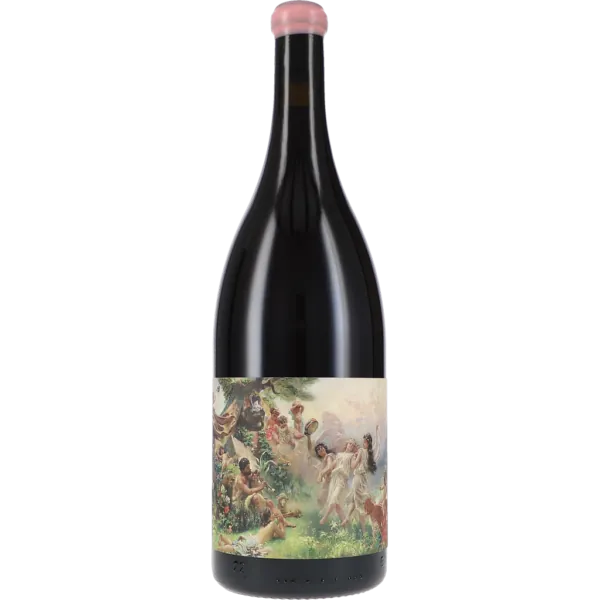
At 700 metres near Radda, Sean O'Callaghan makes Chianti Classico for Tenuta di Carleone of electrifying freshness, foot-trodden and partly fermented with whole bunches; the pure Sangiovese Il Guercio displays bright cherry fruit and velvety elegance. Fattoria Le Masse in Barberino Val d'Elsa ferments old Sangiovese vines without temperature control and lets the skin-fermented Camporella Orange mature in amphorae. Corzano e Paterno runs a mixed farm with 600 sheep which, alongside cheese and olive oil, produces the delicate Sangiovese I Tre Borri. Far to the south lies Bakkanali on Monte Amiata, on limestone, schist and volcanic silicates; the organically farmed wines carry the coolness of the altitude with vibrant acidity and an almost blood-like minerality.
Organic wine Tuscany: from the Maremma to Montalcino
What distinguishes organic wine from Tuscany is the density of estates that regard ecological viticulture not as an add-on but as a foundation. Duemani near Riparbella is Demeter-certified and, with the pure Cabernet Franc Duemani, crafts a wine of monumental power, dark berries and deep spice that redefines the Maremma. Ampeleia in the Alta Maremma presents a structured orange wine with the Bianco di Ampeleia from Trebbiano, Malvasia and Ansonica. Anyone wishing to place the vintages of these wines will find guidance in the vintage chart. All available wines from the Tuscan producers are listed above.