
 EN
 DE
 FR
 IT
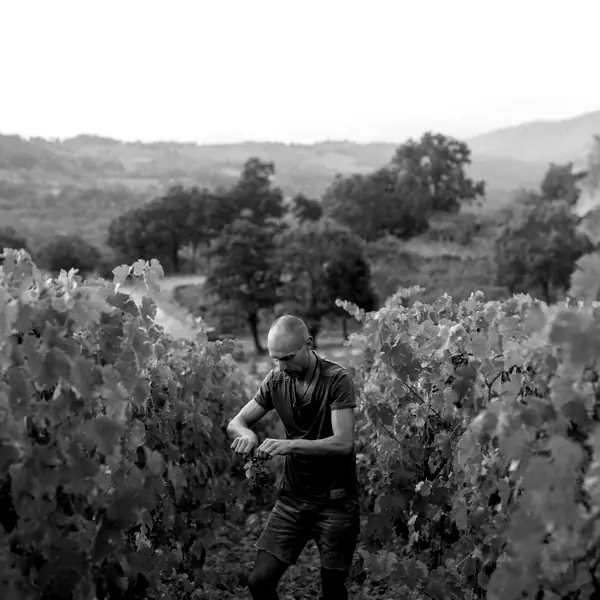
Marco Tait matures his wines exclusively in cement, and there is not a single wooden barrel in the cellar. Since 2002 the Ampeleia estate has been proving that in the Alta Maremma, Cabernet Franc can taste more Tuscan than Sangiovese. The 35 hectares have been farmed biodynamically since 2009. Elisabetta Foradori, Giovanni Podini and Thomas Widmann founded the project in 2000, after the idea was born in a mountain hut in the Dolomites, 2,153 metres up.
More about Ampeleia
A Dolomite Vision Becomes Maremma Reality
In the winter of 2000, three wine fanatics sat in the Comici mountain hut at 2,153 metres and came up with a vision: an estate committed without compromise to naturalness. Elisabetta Foradori of the eponymous Foradori estate in Trentino, the Milanese entrepreneur Giovanni Podini and Thomas Widmann spent two years searching the length of Italy before they struck lucky in Roccatederighi in 2002. The Alta Maremma offered exactly what they were after: untapped potential far from the established wine regions.
Marco Tait's Radical Cellar
Marco Tait was in charge of the cellar from the very beginning, and he revolutionised it completely. There is not a single wooden barrel on the premises; every wine matures exclusively in cement tanks. “Without make-up” is what Tait calls this philosophy, which leaves each grape variety its pure power of expression. The Trentino native trained under Elisabetta Foradori, among others, and it was with her that he came to know the biodynamic philosophy that shapes Ampeleia today. The cement tanks are untreated on the inside, so they breathe without giving off any aromas.

Cabernet Franc Instead of Sangiovese
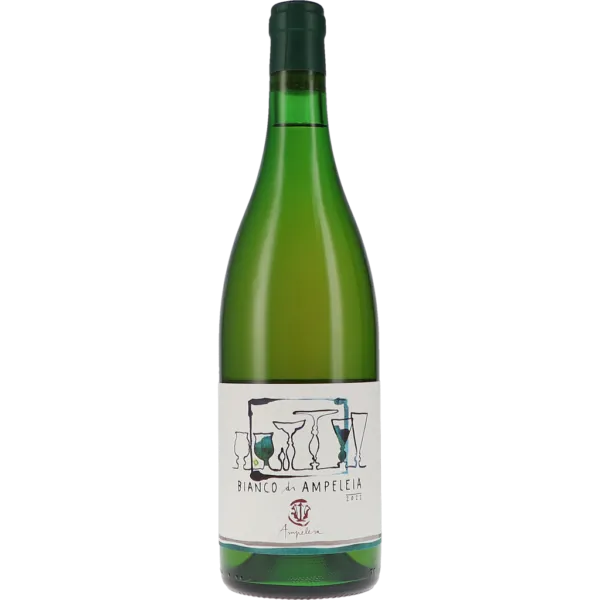
While Tuscany banks on Sangiovese, Ampeleia focuses on Cabernet Franc as its flagship variety. The second main grape is Alicante Nero, an almost forgotten indigenous variety that is flourishing anew here. Around 300,000 bottles a year come from 35 hectares of the 120-hectare estate. The sea, only 30 kilometres away, brings cooling winds that refresh the vines even in hot summers, and the altitude of 450 to 650 metres heightens the effect further. The Bianco di Ampeleia is a textbook example of this unvarnished, uncompromising style.
A Holistic Cycle Without Compromise
Ampeleia has worked biodynamically since 2009 and has made all of its own preparations since 2012. The estate is a closed cycle: alongside the vines grow olives, grain and vegetables, bees make honey, and animals supply manure for the compost. Ampeleia IGT 2019 and Bianco di Ampeleia 2022 embody this holistic philosophy in liquid form. Today the Podini family carries the project forward, while Elisabetta Foradori, as a board member, keeps the original vision alive.
