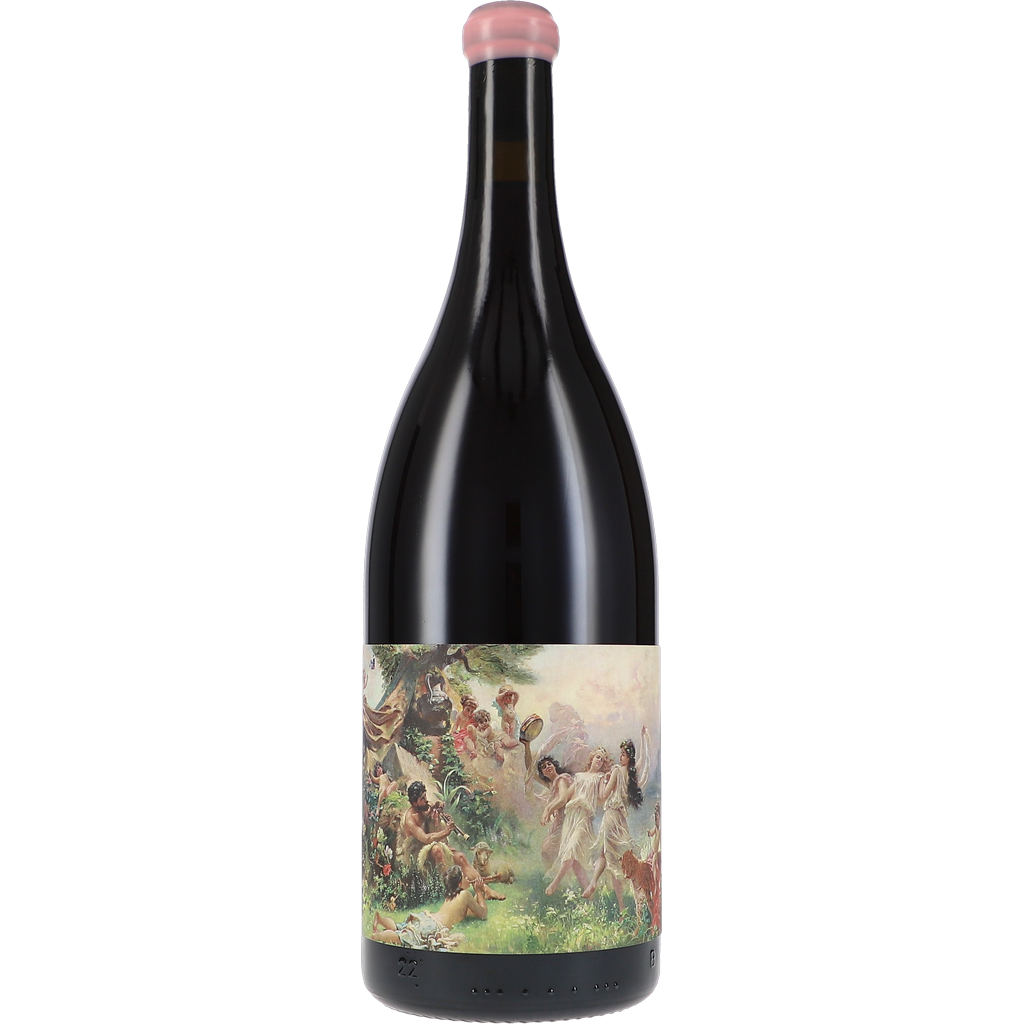
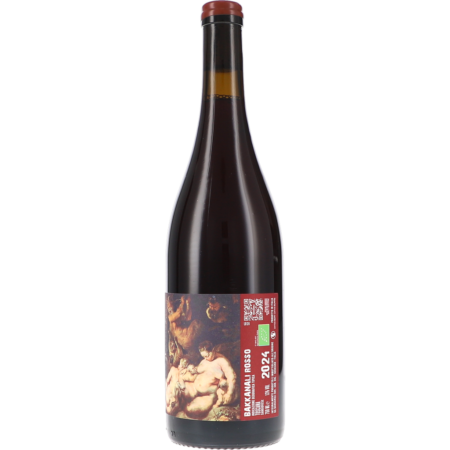
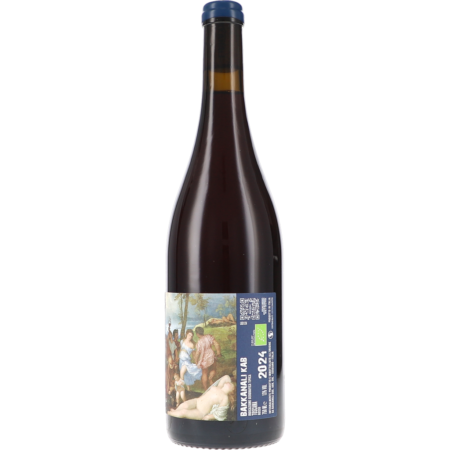
A dry Sangiovese rosé from the Bakkanali estate on Monte Amiata in Tuscany – here in the 1.5-litre magnum bottle, which preserves its freshness for particularly long.
Redcurrant, juicy cherry and grapefruit, accompanied by floral notes and a fine, almost cool minerality.
Palate
Dry and taut on the palate, with lively acidity, crisp red fruit and noticeable depth – unusually substantial for a rosé.
Character
A rosé with the depth of a red wine: cool, precise and full of energy, shaped by the altitude of 600 to 850 metres on Monte Amiata.
Pairing
Grilled fish with lemon, tomato bruschetta or light summer dishes with fresh vegetables.
Notes
The grapes come from organically certified vineyards on soils of limestone, schist and volcanic silicates; day-night temperature swings of up to 20 degrees preserve acidity and aromatics. Bottled unfined and with only minimal sulphur added.
Tasting note
Character
A rosé with the depth of a red wine – that is how the makers themselves describe their Rosa. An energetic, juicy Sangiovese rosé with taut acidity, cool fruit and that almost bloody minerality one tastes at this altitude. With just 12.0% ABV, it remains light on its feet and wonderfully drinkable. The magnum format (1500 ml) suits the estate’s name: Bakkanali refers to the ancient Bacchanalia, the festivals held in honour of Bacchus, the god of wine – this wine wants to be shared.
Terroir & Origin
The vines are rooted on Monte Amiata, a volcano in southern Tuscany that has been dormant for 180,000 years, half an hour from Montalcino. At an altitude of 600 to 850 metres, cool nights and temperature swings of up to 20 degrees between day and night ensure slow ripening and preserved aromatics. The soils of limestone, marl, schist and volcanic silicates are unique in Italy – a terroir that gives Sangiovese freshness rather than jamminess.
Grape Variety & Vinification
Pure Sangiovese, harvested from the 5.5 hectares of organically certified vineyards planted in 2021 by Sebastian Nasello – formerly cellar master at Podere Le Ripi in Montalcino – and Ugo Fabbri. Their philosophy: to free the wine of everything superfluous. Fermentation takes place in stainless steel and concrete; new barriques are taboo, and the wine is bottled unfined and only minimally sulphured. Yields are limited to a maximum of 40 hectolitres per hectare.
Food Pairings
Its tension and dry style can handle more than the usual rosé fare: grilled sardines, panzanella with tomatoes and red onions, charcuterie featuring finocchiona, or pizza with salsiccia. It is also a fine match for a wood-fired Margherita or a plate of Pecorino with fave – best poured generously from the magnum when there are plenty of glasses on the table.