

They met in a Salzburg beer garden. Gernot and Heike Heinrich have expanded their estate to around 90 hectares, owned and leased, plot by plot, often taking on the difficult vineyard sites that others had abandoned. They have been working biodynamically since 2006, Demeter-certified, and have been members of the respekt-BIODYN association since 2007. Orange wines with fourteen days of skin contact, maturation in amphorae and wooden casks from the local cooper: the Heinrichs do not do things by halves.
„limestone“
In all wines: 1,627 Wines
More about Heinrich
A beer garden, two hectares and a plan
Gernot studied oenology, even though his parents wanted to spare him the hard life of a winemaker. Heike came from fashion and PR. In 1990, they started with two hectares of their own vines in Gols, alongside the small family estate. What followed was not an inherited rise to prominence, but sheer work: they bought the steep, stony parcels that others were giving up – on the Leithagebirge with its cool limestone slopes, and on the Parndorfer Platte with its gravel and red schist. Today there are around 90 hectares, owned and leased, all farmed entirely biodynamically.
The pace of this development belies the patience behind it. The Heinrichs read Rudolf Steiner’s lectures the way others read the Bible – together, evening after evening. Meeting the biodynamics expert Andrew Lorand in 2006 provided the final impetus for the conversion. Since 2007, they have been members of the respekt-BIODYN association, which today ranks among the strictest biodynamic certifications in Austria.

Blaufränkisch and the forgotten vineyard sites
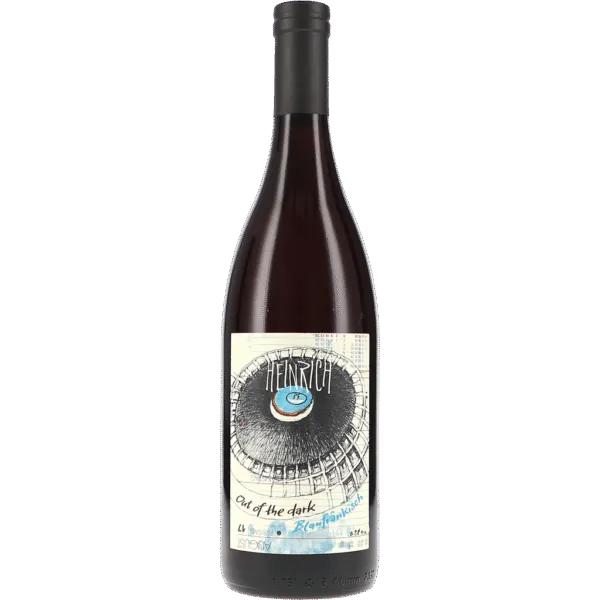
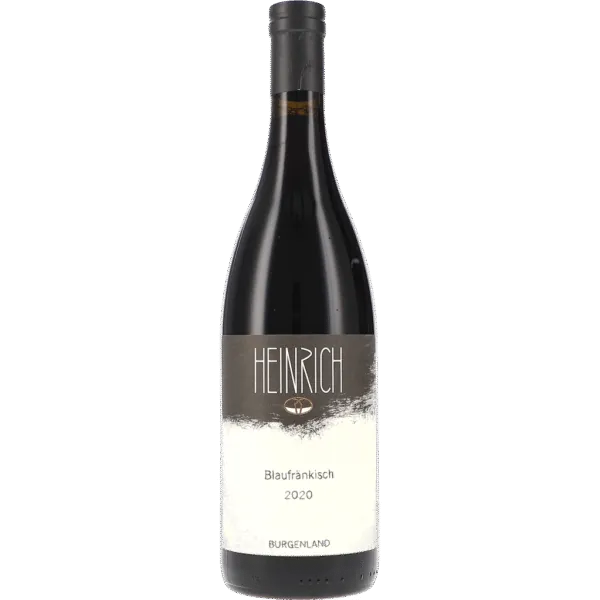
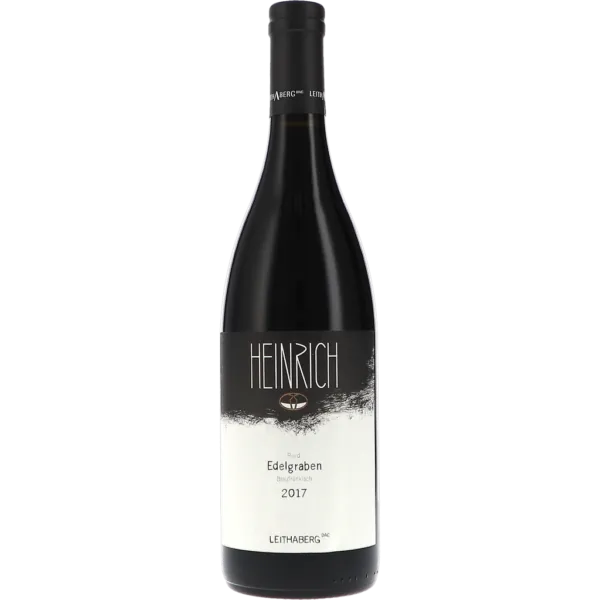
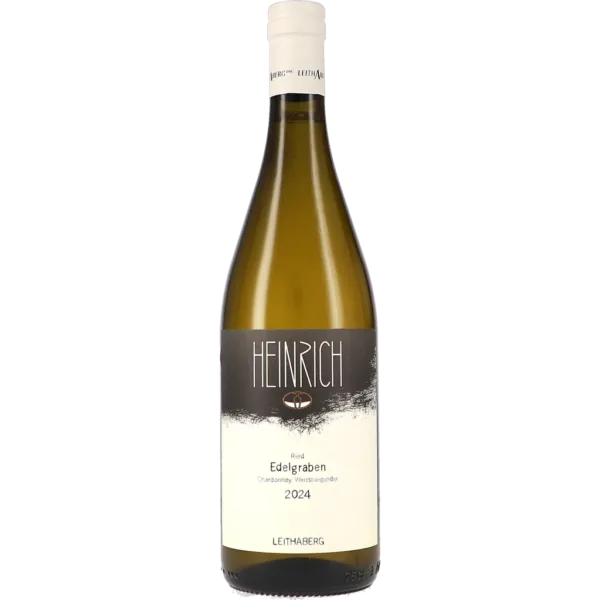
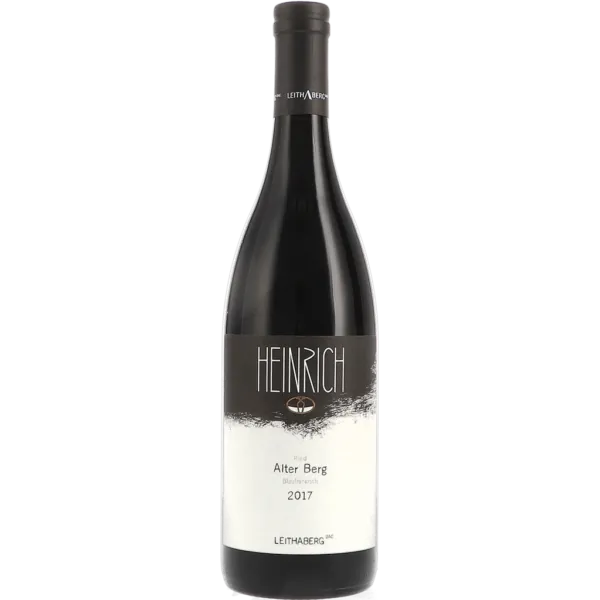
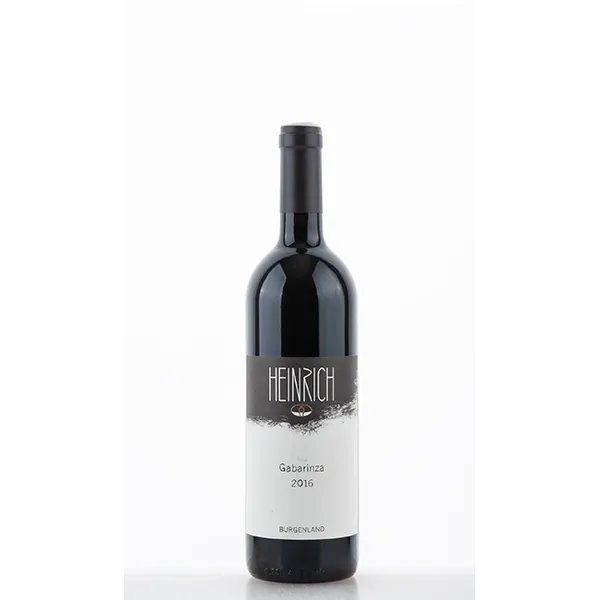
In the 1990s, Austria was about as well known for Blaufränkisch as it was for surfing beaches. The Heinrichs were among the first to export Austrian red wines – proving that this grape variety could do more than rustic everyday wine. Their single vineyards Alter Berg, Edelgraben and Gabarinza demonstrate the range: from the cool limestone of the Leithagebirge to the warmer gravel soils near Gols.
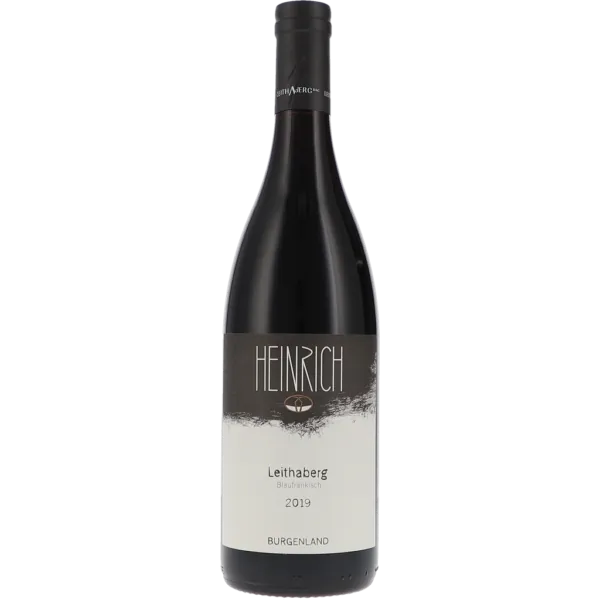
The Blaufränkisch Leithaberg DAC captures this origin precisely – taut, mineral, with spice rather than jam. Working in the immediate vicinity, Anita and Hans Nittnaus share the same conviction – they too rely on Blaufränkisch and biodynamic methods. Burgenland has produced a new generation of winemakers who take red wine seriously.
The freedom to think orange
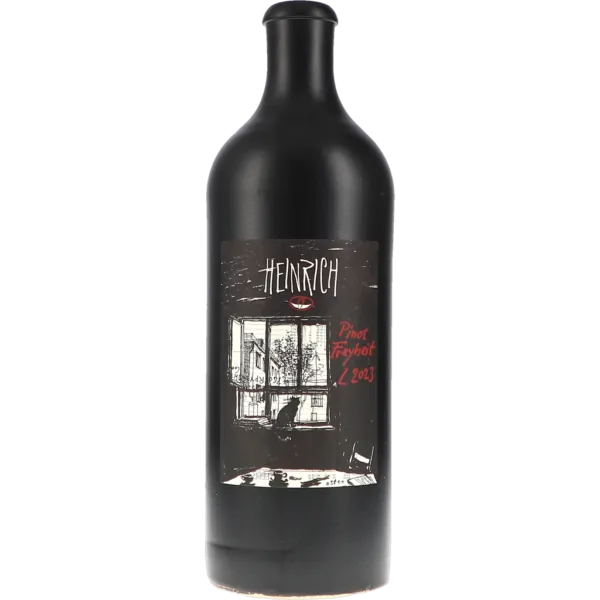
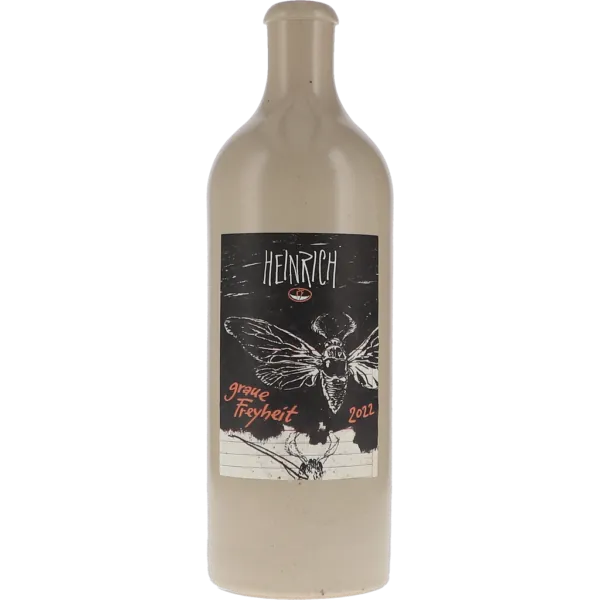
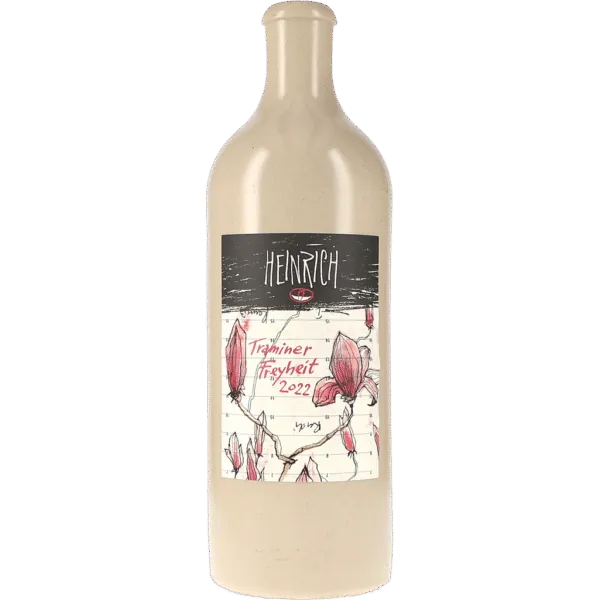
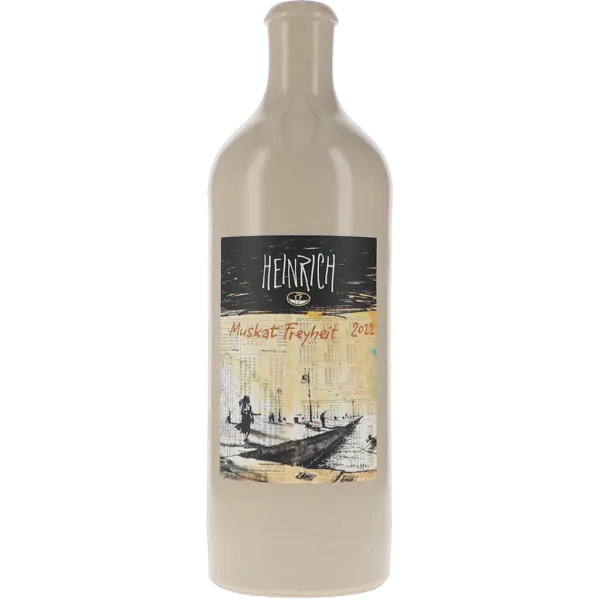
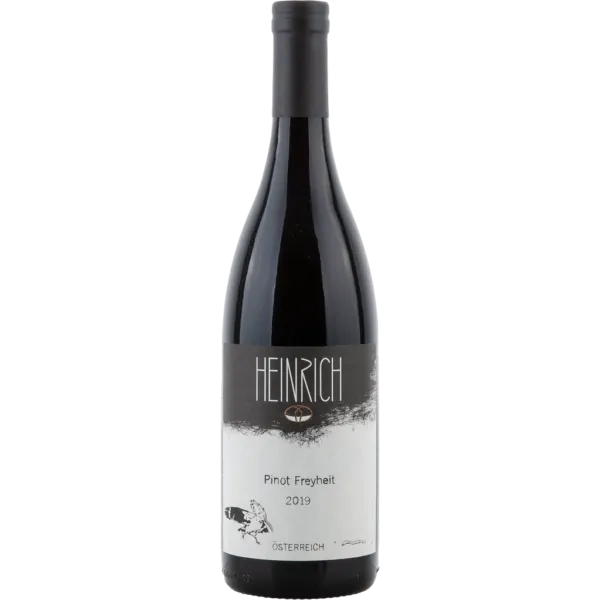
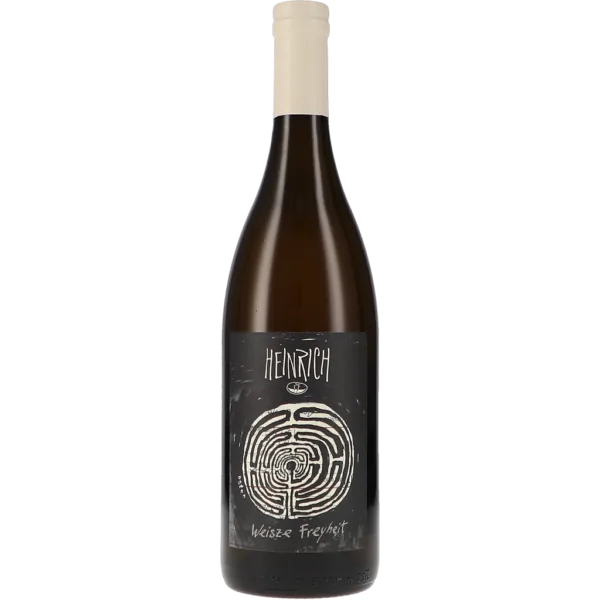
The Freyheit line is Gernot’s playground for orange wines. Fourteen days of skin contact for white wines – that sounds like an experiment, yet tastes like precision. The Graue Freyheit, made from Pinot Gris, Pinot Blanc, Neuburger and a little Chardonnay, surprises with texture and grip without tipping into oxidation. The Muskat Freyheit offers aromas of lychee and rose petals, yet remains dry and taut.
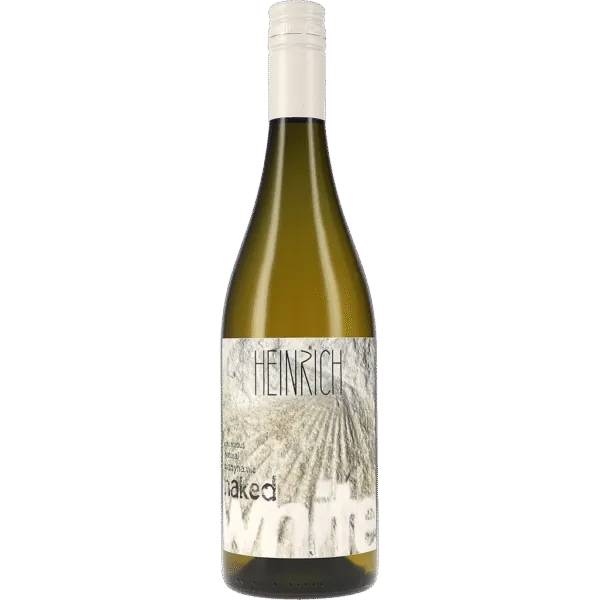
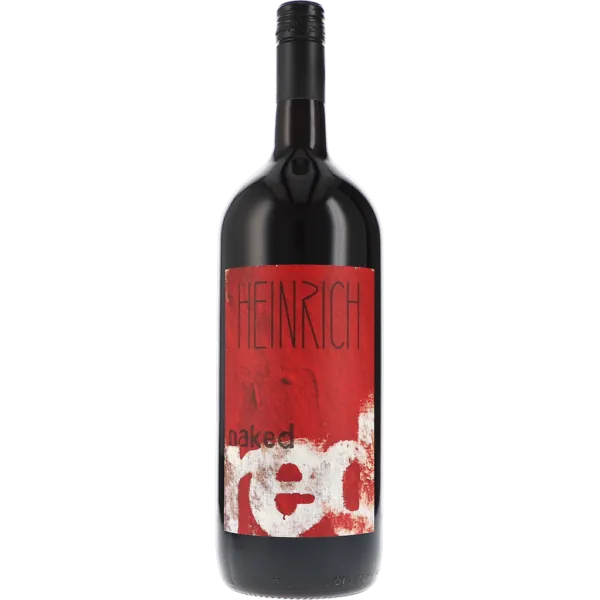
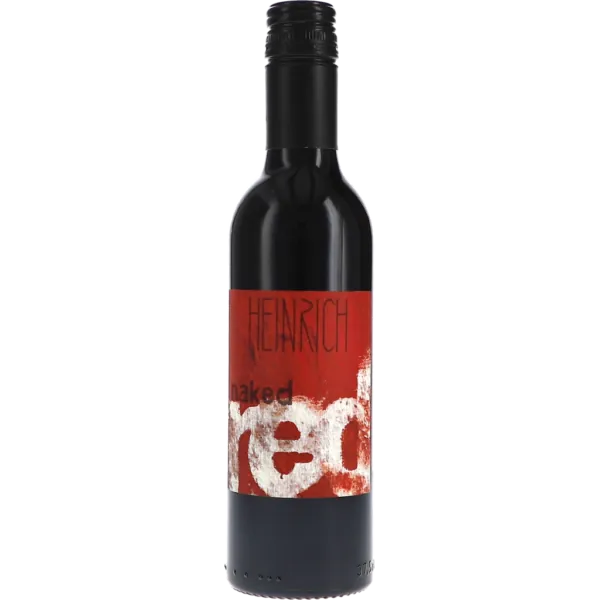
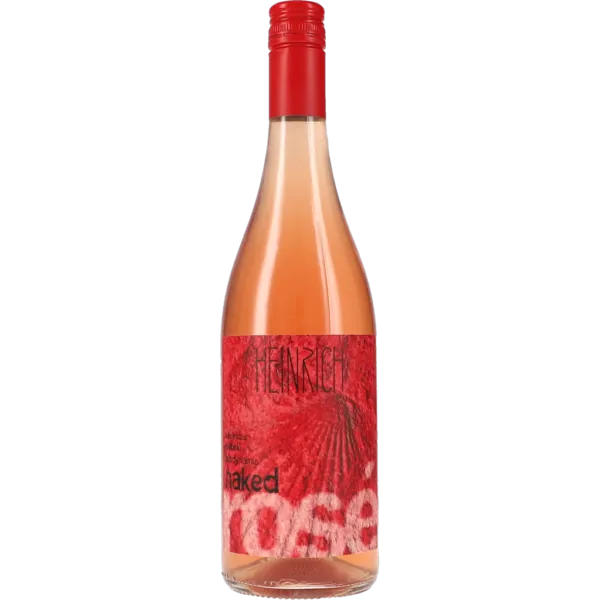
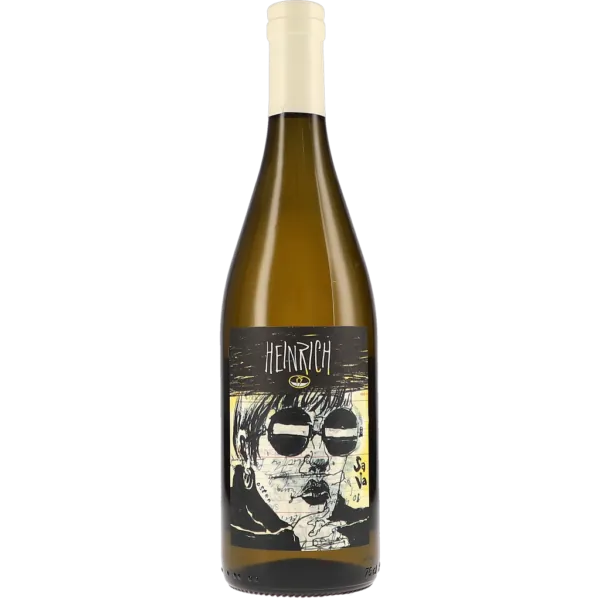
Alongside it stands the naked line as an introduction to the Heinrich universe. The naked rosé from Zweigelt and Blaufränkisch is bone dry, while the naked orange shows what skin contact can draw out of Neuburger. No filtration, no fining, spontaneously fermented – pure wine at an honest price.

Amphorae, gravity and Klaus Pauscha
In the Heinrichs’ modern cellar, gravity rules: no pumps, no stress for the wine. The clay amphorae are increasingly replacing the small wooden casks – they allow micro-oxygenation without wood flavours and bring the origin into the glass more transparently. Alongside them stand large wooden casks made by the local cooper Klaus Pauscha, crafted from used wood that lets the wine breathe rather than perfuming it.
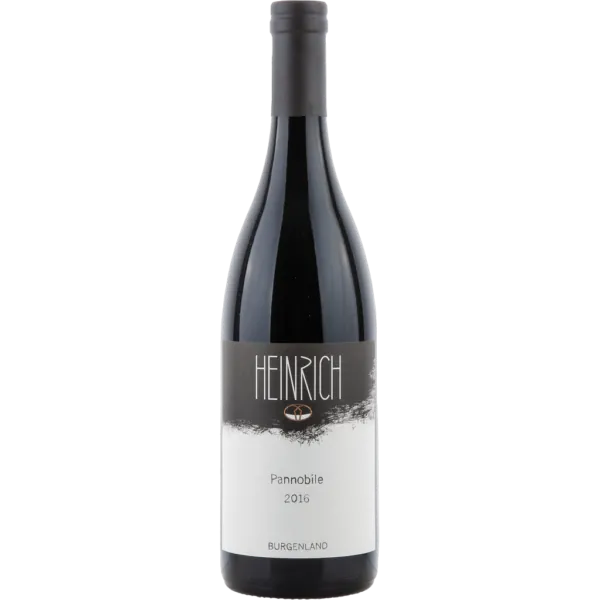
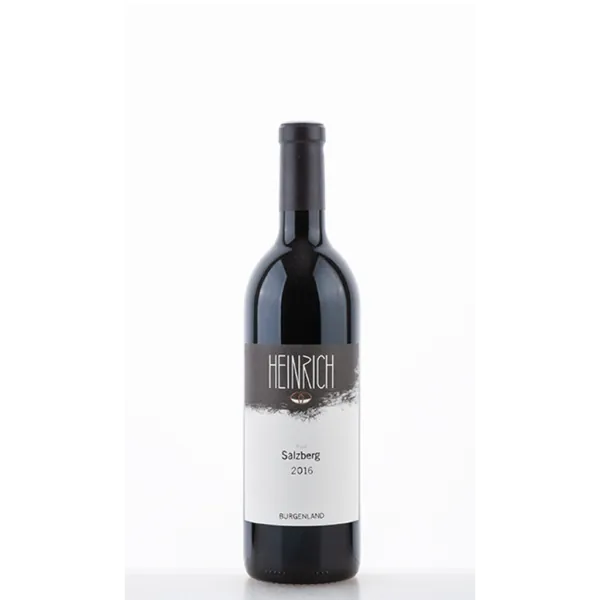
For the classics Pannobile and Salzberg, wood remains indispensable. The Pannobile 2016 – a cuvée of Blaufränkisch, Zweigelt and Sankt Laurent – only reveals after years in the cellar what time and good wood can achieve: velvety, complex, with notes of tobacco and dark cherries. This is not a natural wine for beginners, but one for a special evening.
Heinrich price list
31 wines · as of 25 November 2026 · prices incl. VAT, excl. shipping
Download the price list (PDF)(PDF, 195 KB)