
 EN
EN  DE
DE  FR
FR  IT
IT 
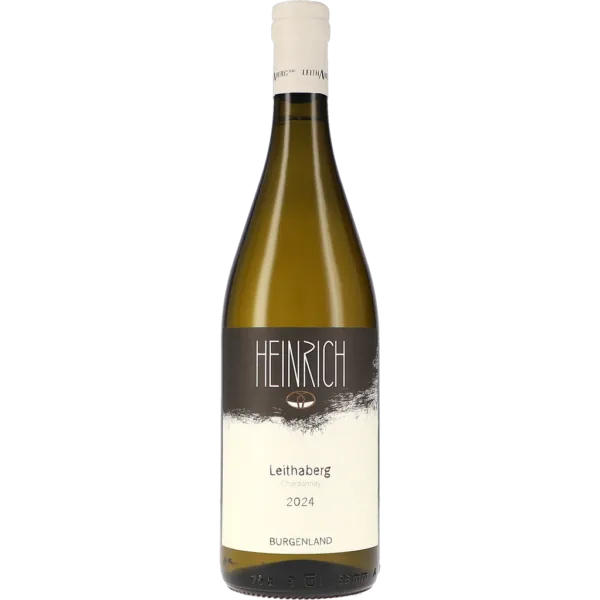
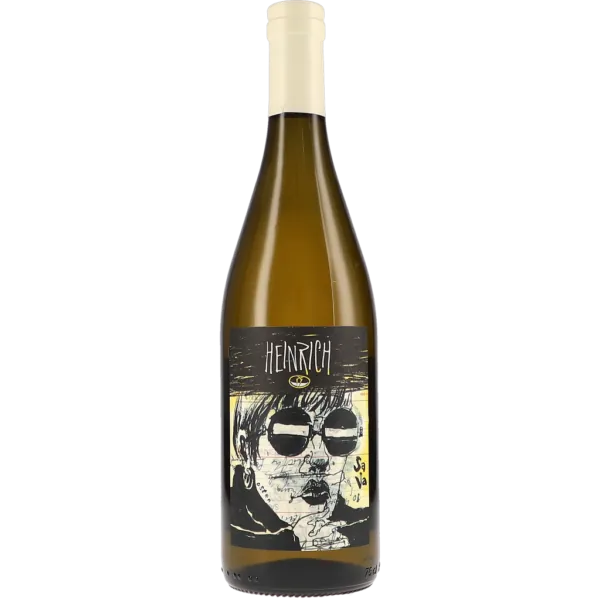
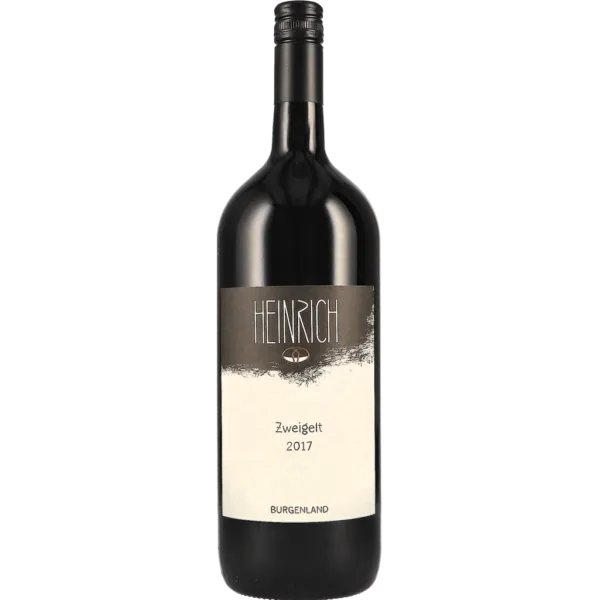
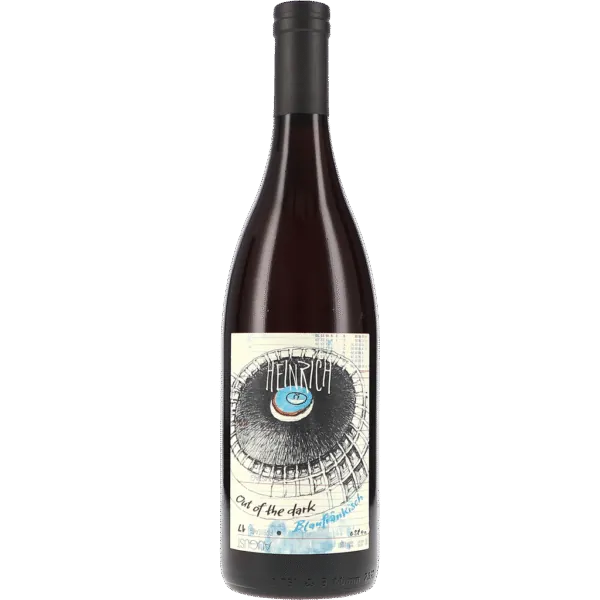
They met in a Salzburg beer garden. Gernot and Heike Heinrich have expanded their estate to around 90 hectares, owned and leased, plot by plot, often taking on the difficult vineyard sites that others had abandoned. They have been farming biodynamically since 2006, Demeter-certified, and have been members of the respekt-BIODYN association since 2007. Orange wines with fourteen days of skin contact, maturation in amphorae and wooden casks from the local cooper: the Heinrichs do not do things by halves.
More about Heinrich
A Beer Garden, Two Hectares and a Plan
Gernot studied oenology, despite his parents wanting to dissuade him from the demanding winemaking profession. Heike came from fashion and PR. In 1990, they started with two hectares of their own vines in Gols, running parallel to the small family business. What followed was no inherited rise, but hard work: they purchased the steep, stony parcels that others had abandoned – on the Leithagebirge with its cool limestone slopes, on the Parndorfer Platte with gravel and red slate. Today, they manage one hundred hectares, all farmed completely biodynamically.
The pace of this development belies the patience behind it. The Heinrichs have read Rudolf Steiner's lectures like others read the Bible – together, evening after evening. Meeting with biodynamics expert Andrew Lorand in 2006 gave them the final push towards conversion. Three years later, they founded the association respekt-BIODYN with other pioneers, which today counts among Austria's strictest biodynamic certifications.

Blaufränkisch and the Forgotten Vineyard Sites
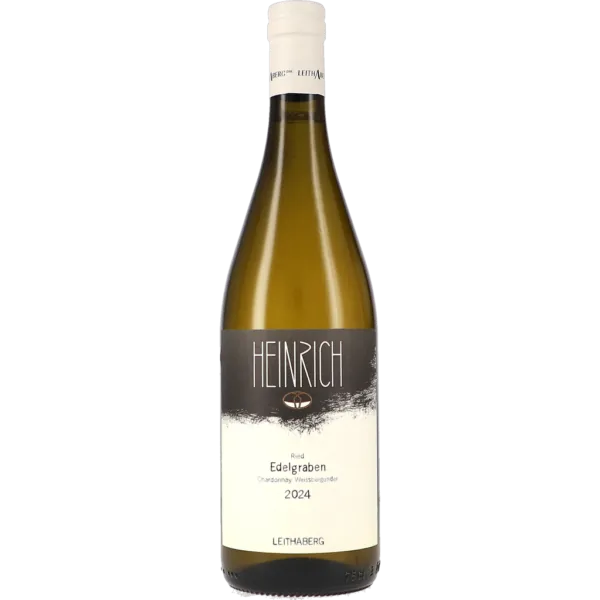
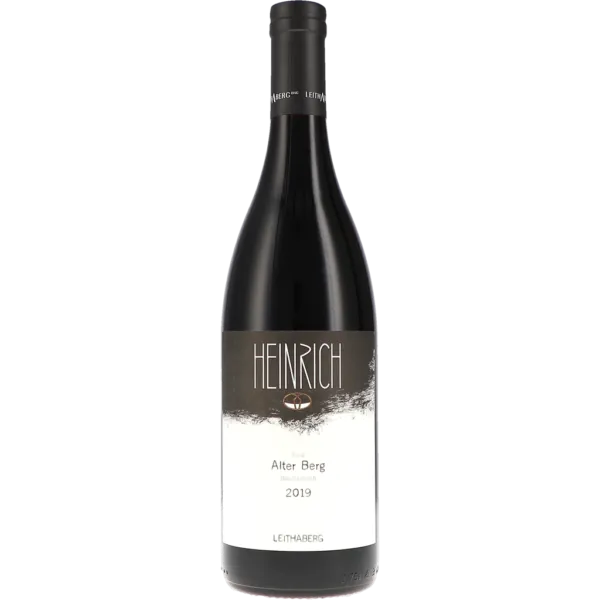
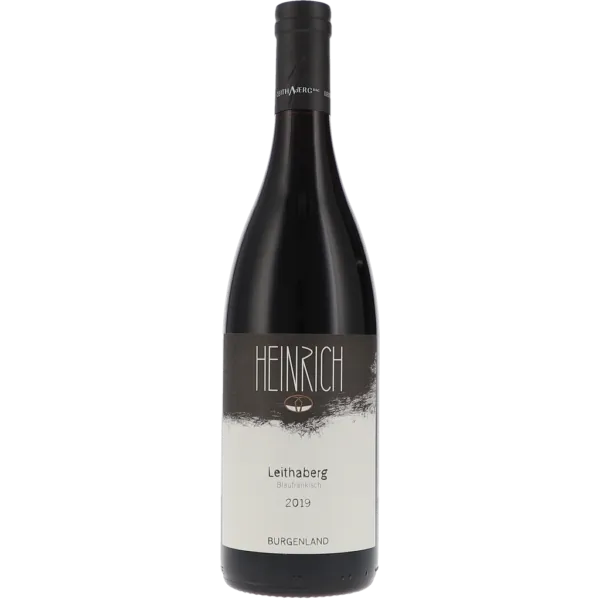
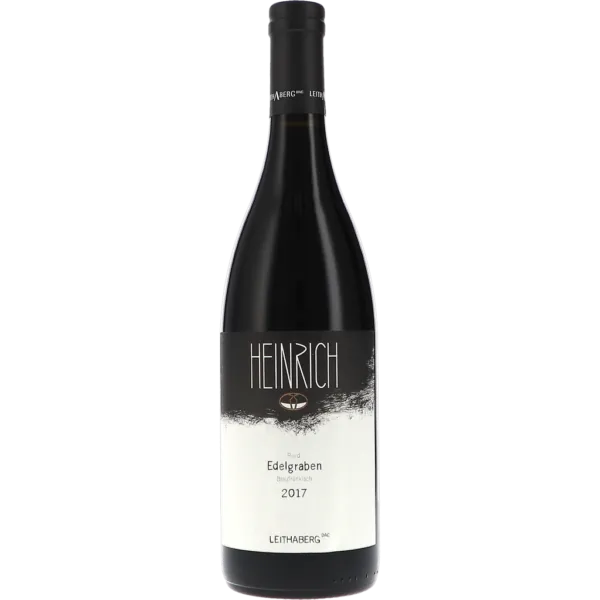
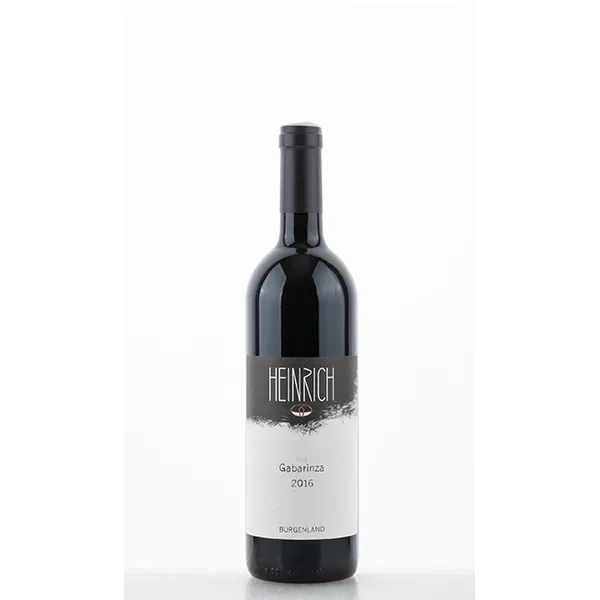
In the 1990s, Austria was about as well-known for Blaufränkisch as it was for surf beaches. The Heinrichs were among the first to export Austrian red wines – and proved that this grape variety could do more than produce rustic table wine. Their single vineyard sites Alter Berg, Edelgraben and Gabarinza showcase the range: from the cool limestone of the Leithagebirge to the warmer gravel soils near Gols.
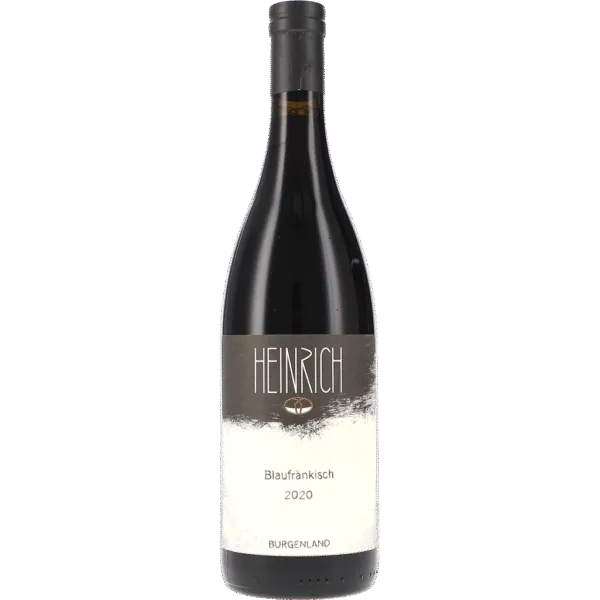
The Blaufränkisch Leithaberg DAC brings this provenance precisely to the point – taut, mineral-driven, with spice rather than jam. Working in the immediate neighbourhood are Anita and Hans Nittnaus with the same conviction – they too focus on Blaufränkisch and biodynamic methods. Burgenland has produced a new generation of winemakers who take red wine seriously.
The Freyheit, Thinking Orange
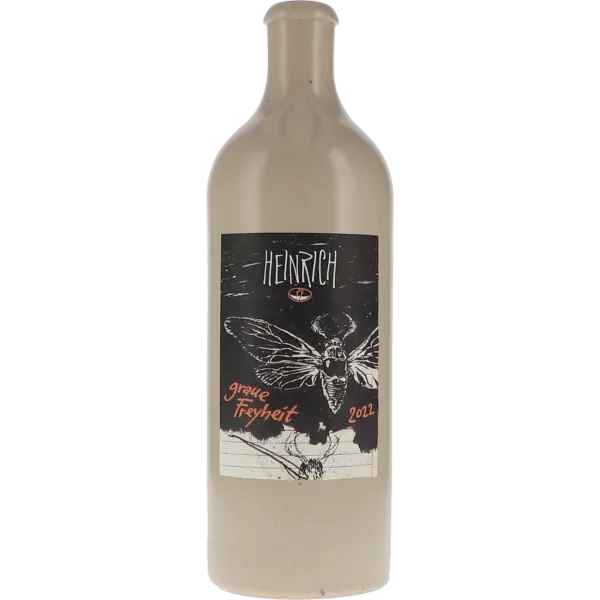
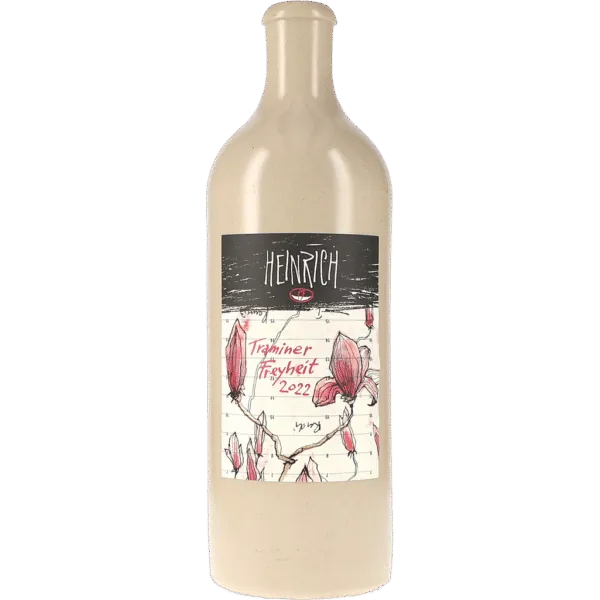
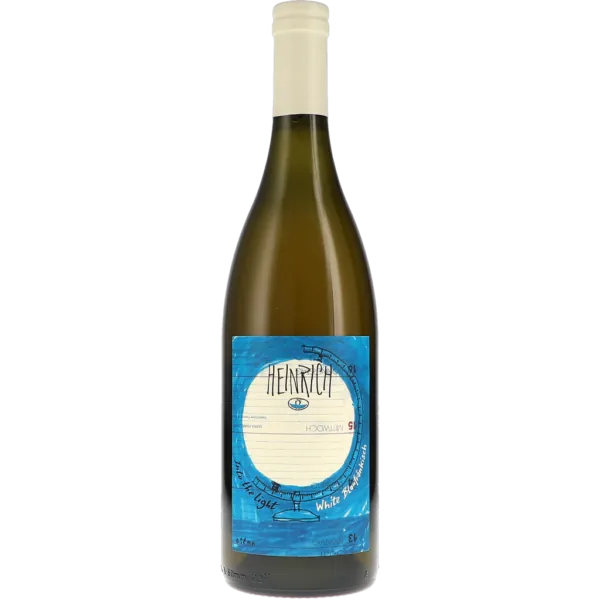
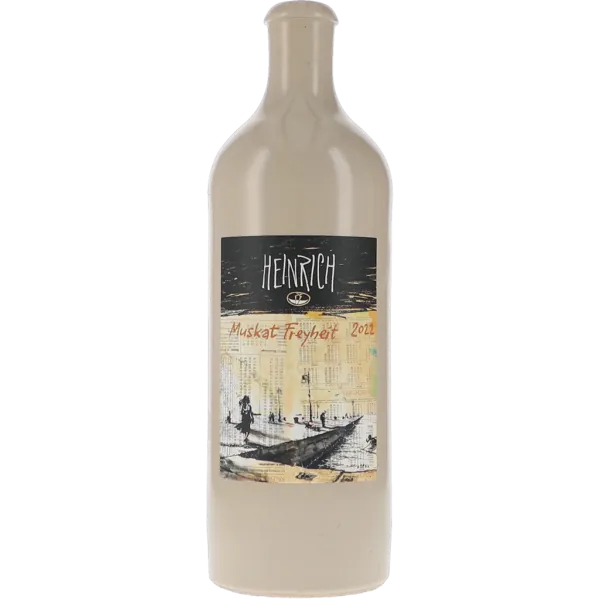
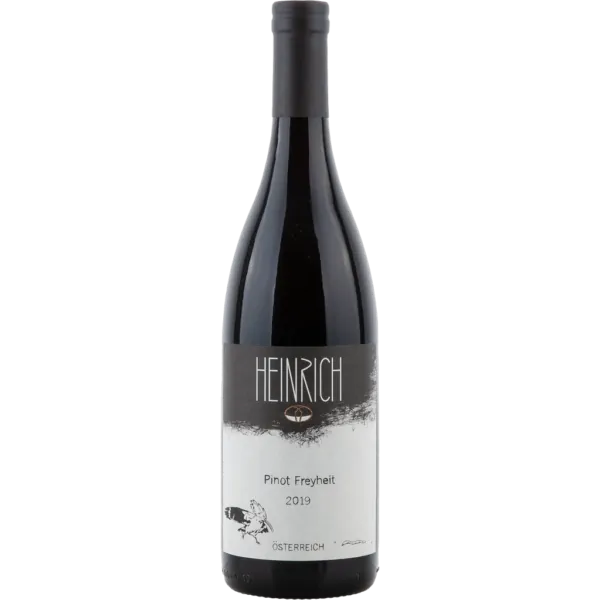
The Freyheit line is Gernot's playground for orange wines. Fourteen days of skin contact for white wines – it sounds experimental, but tastes like precision. The Graue Freyheit from Pinot Gris, Pinot Blanc and Chardonnay surprises with texture and grip, without tipping into oxidation. The Muskat Freyheit smells of lychee and rose petals, yet remains dry and taut.
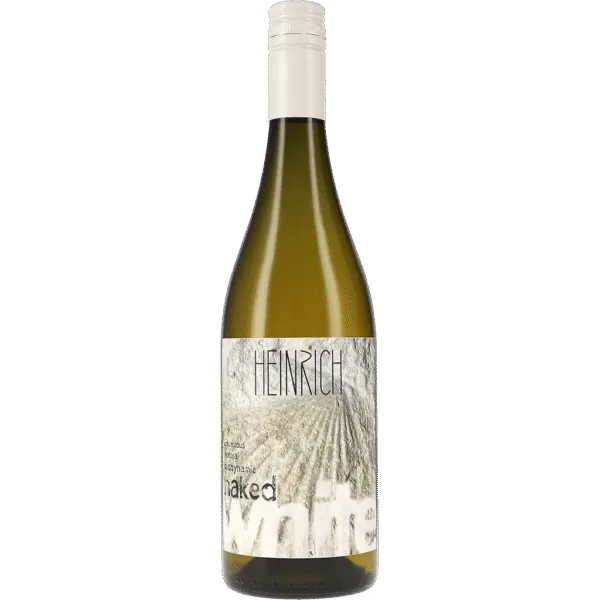
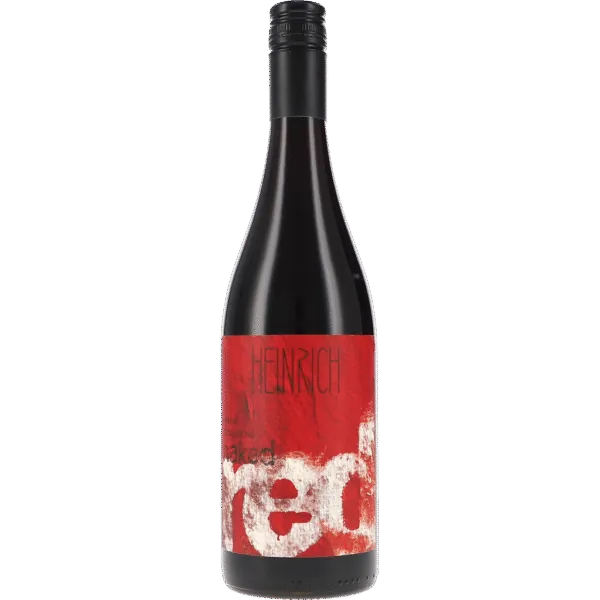
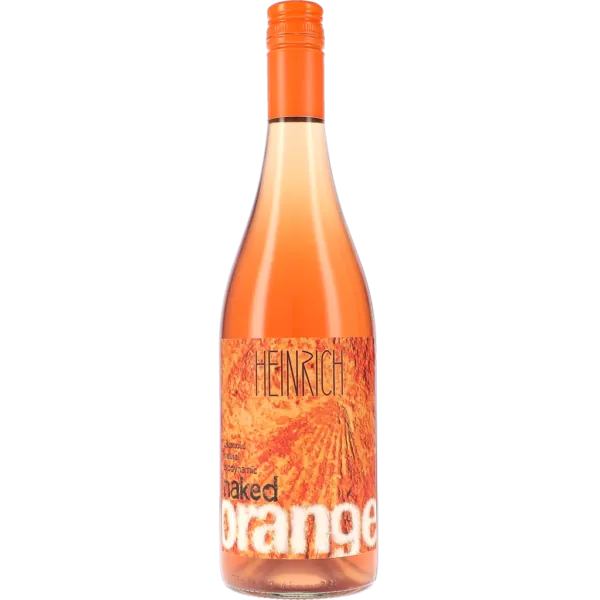
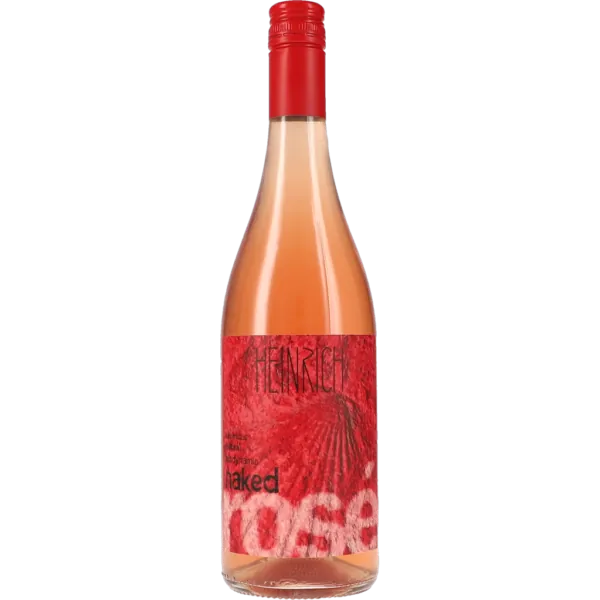
Alongside this stands the naked line as an entry point into the Heinrich universe. The naked rosé from Zweigelt and Blaufränkisch is bone-dry, the naked orange shows what skin contact can extract from Neuburger. No filtration, no fining, spontaneously fermented – pure wine at an honest price.

Amphorae, Gravity and Klaus Pauscha
In the Heinrichs' modern cellar, gravity rules: no pumps, no stress for the wine. The clay amphorae increasingly replace the small wooden barrels – they enable micro-oxidation without wood aromas and bring the provenance more transparently into the glass. Alongside them stand large wooden barrels from cooper Klaus Pauscha from the region, made from used wood that lets the wine breathe rather than perfume it.
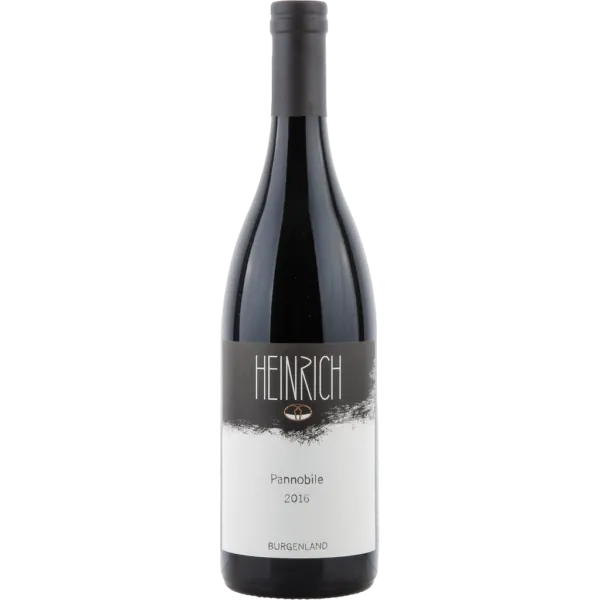
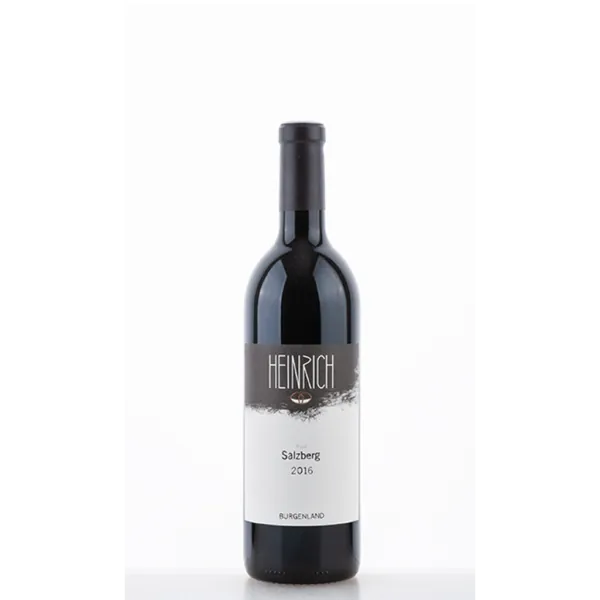
For the classics Pannobile and Salzberg, wood remains indispensable. The Pannobile 2016 – a cuvée of Blaufränkisch, Zweigelt and Sankt Laurent – only reveals after years in the cellar what time and good wood can achieve: silky, complex, with notes of tobacco and dark cherries. This is not a natural wine for beginners, but one for a special evening.
Heinrich price list
32 wines · as of 25 October 2026 · prices incl. VAT, excl. shipping
Download the price list (PDF)(PDF, 211 KB)