

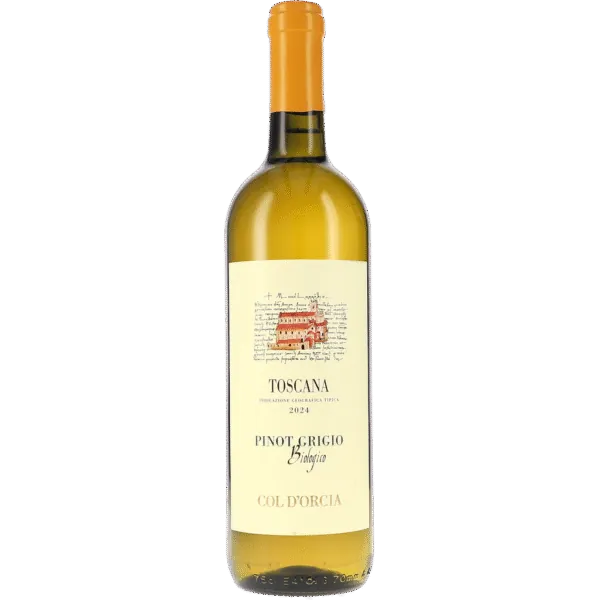
The name Santiago originated on the Camino de Santiago – where he was conceived in 1994, as its bearer likes to recount. Today, Santiago Marone Cinzano, together with his father Francesco, runs one of Italy’s most significant Brunello estates: Col d'Orcia in Montalcino. 142 hectares of vines in the UNESCO World Heritage site of Val d'Orcia, including 108 hectares of Brunello – only two estates in the region own more. Since 2010, Col d'Orcia has been the largest certified organic estate in Tuscany. Sheep and goats graze between the vine rows, and compost from the estate’s own cycle nourishes the soils. Wine Enthusiast named the estate Environmental Advocate of the Year 2025.
„tuff“
In all wines: 103 Wines
More about Col d'Orcia
From Vermouth Empire to Sangiovese
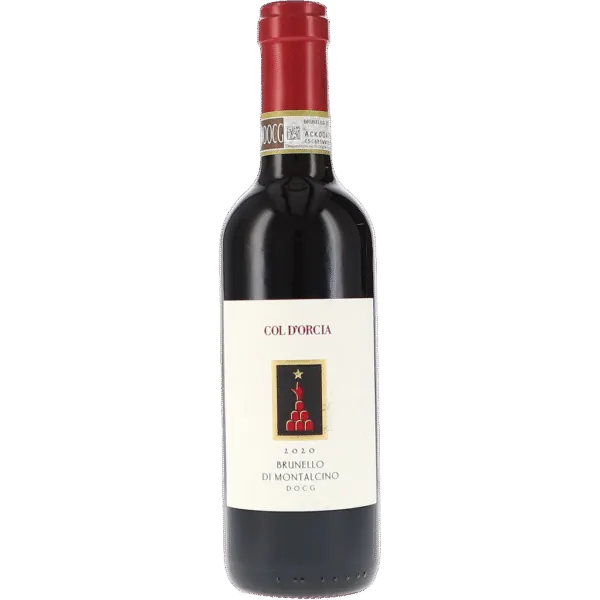
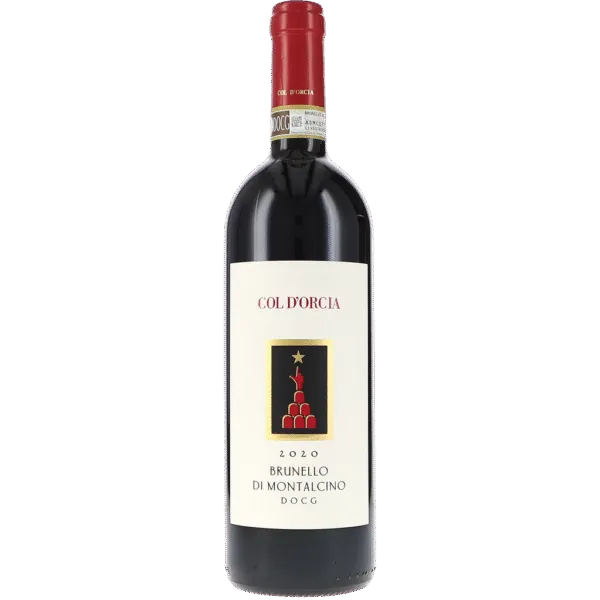
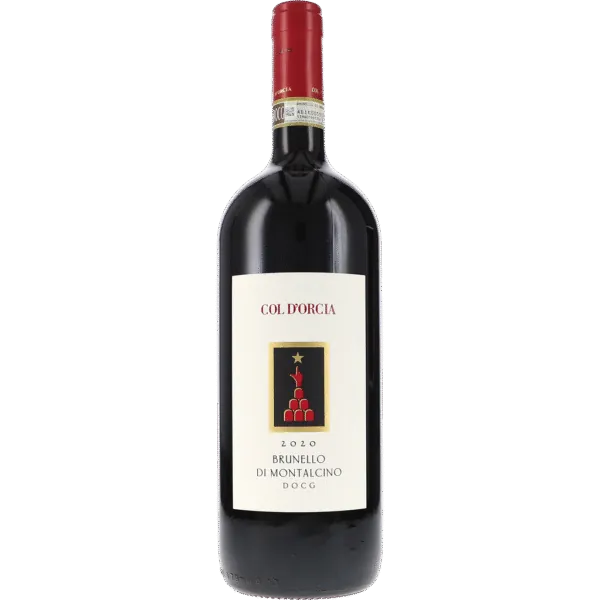
The story does not begin in Tuscany, but in Turin. The Cinzanos built a vermouth empire there from 1757 onwards, whose neon sign graced Piccadilly Circus. In 1973, Count Alberto Marone Cinzano purchased the estate that had emerged from the Fattoria di Sant'Angelo in Colle in 1958: Col d'Orcia – hill above the Orcia, the river that marks the south-western boundary of the Brunello region. At that time, only a few hectares of vines stood here. Today, the estate ranks among the top three in the region. The Brunello di Montalcino matures in large Slavonian oak barrels – traditional, not fashionable.

Poggio al Vento: When the Wind is Right
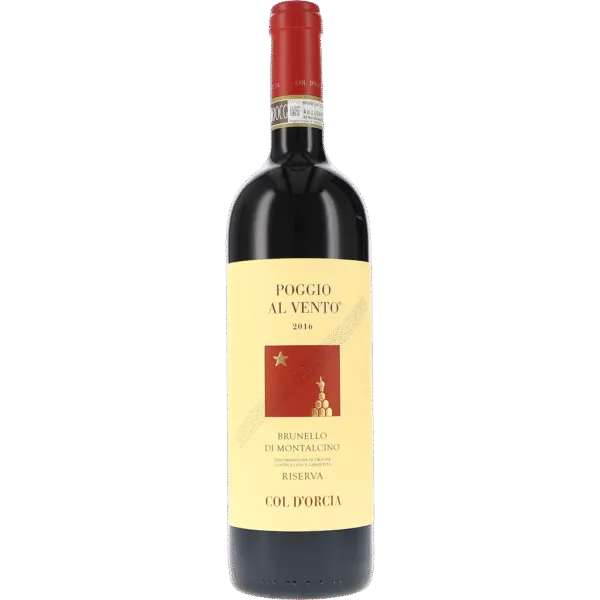
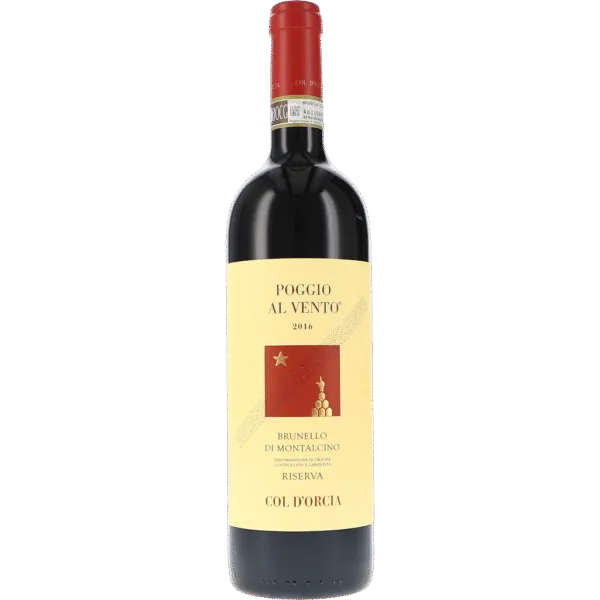
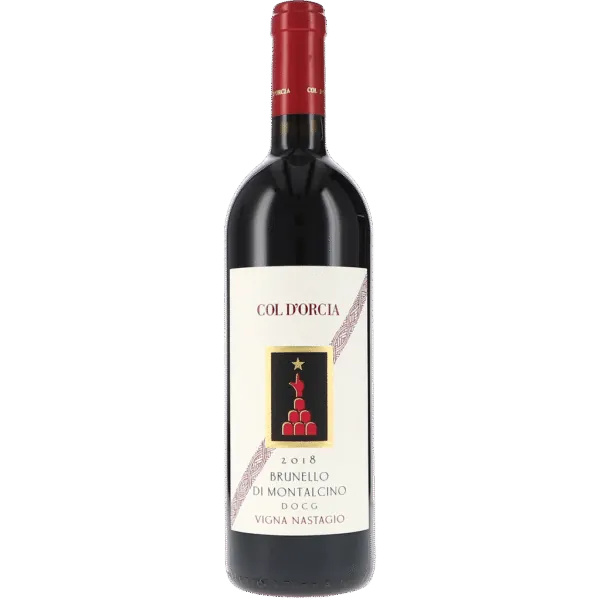
The vineyard site Poggio al Vento – the windy hill – supplies the grapes for the Poggio al Vento Riserva, Col d'Orcia's flagship. It is only produced in great vintages, but then with force: Wine Spectator, Wine Enthusiast and James Suckling regularly outdo each other with points. The Sangiovese shows its austere side here – cherry, leather, Mediterranean herbs, a tannin structure that endures for decades. Those with patience will be rewarded.
The Rosso That Founded a DOC
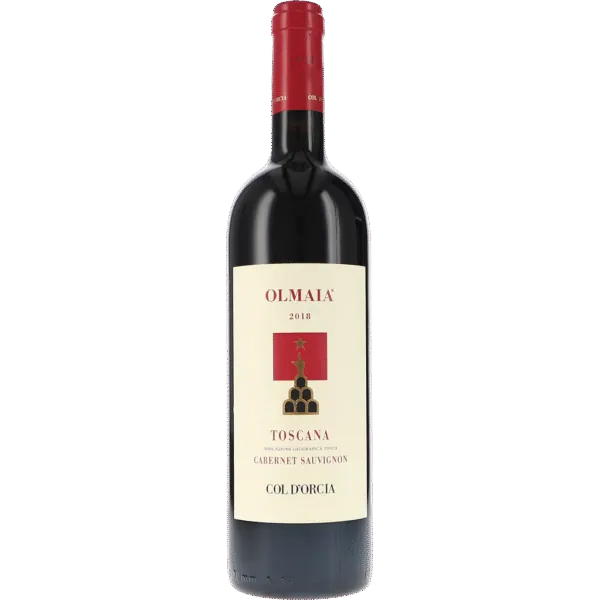
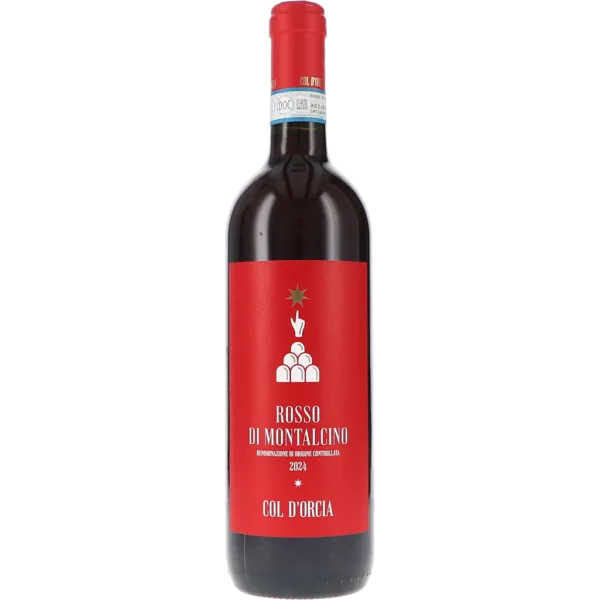
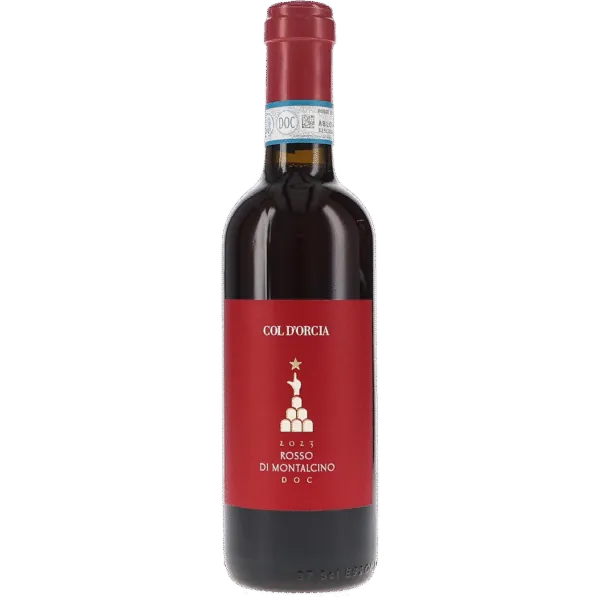
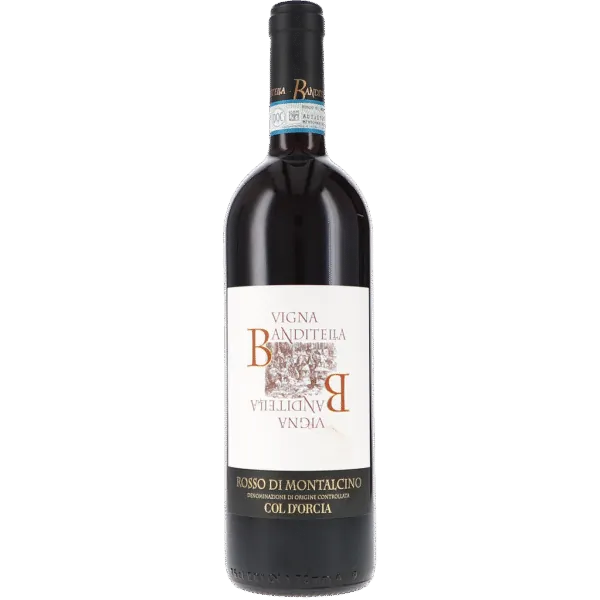
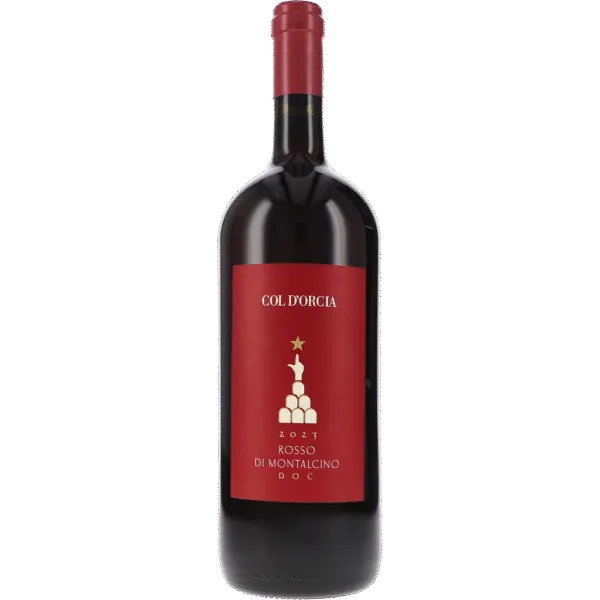
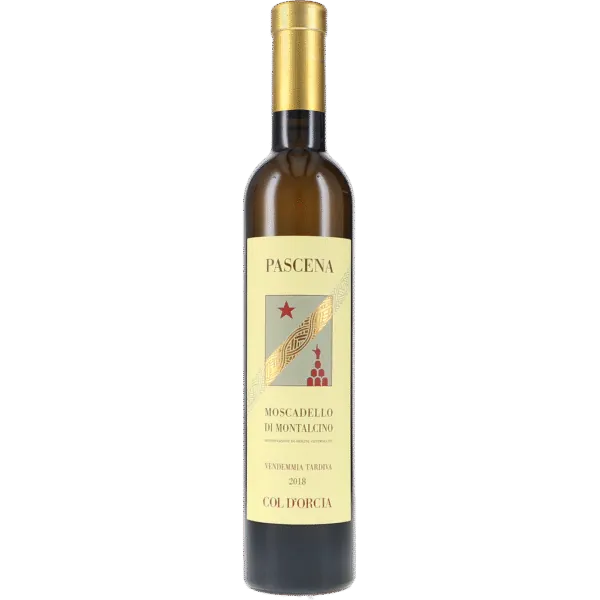
Col d'Orcia played a decisive role in establishing the Rosso di Montalcino as an independent DOC. Not a smaller Brunello, but a wine in its own right: earlier drinking, more accessible, yet with the same precision of origin. Alongside this, the estate experiments successfully with Cabernet Sauvignon (Olmaia), Merlot blends and the sweet Moscadello Pascena. Those seeking Brunello will also find the side roads here.

Heritage and New Beginnings
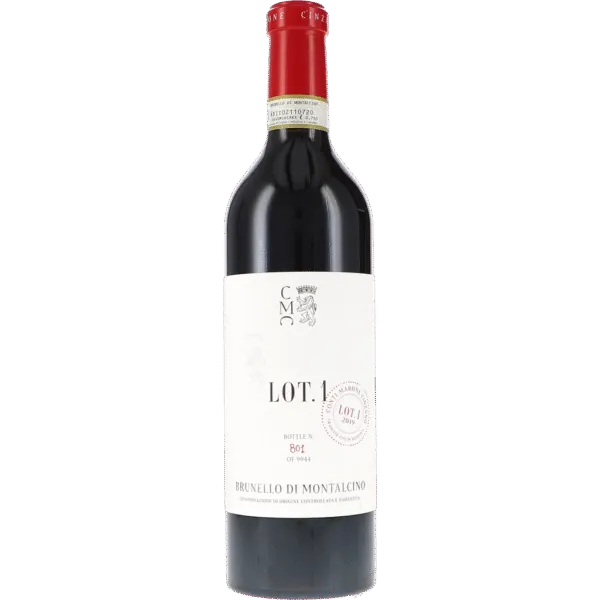
Santiago Marone Cinzano returned to the estate in 2017 and honoured the family history with a wine of his own: CMC LOT.1 Conti Marone Cinzano – a Brunello that bears the dynasty's name. The Slow Wine Guide awarded Col d'Orcia the SNAIL Award 2023 for sustainable viticulture. 530 hectares of total land, half of it forest, plus olive groves with 400-year-old trees. Similarly uncompromising is Salicutti, working just a few kilometres away in Montalcino – a neighbour in spirit who produces Brunello at the highest level.