
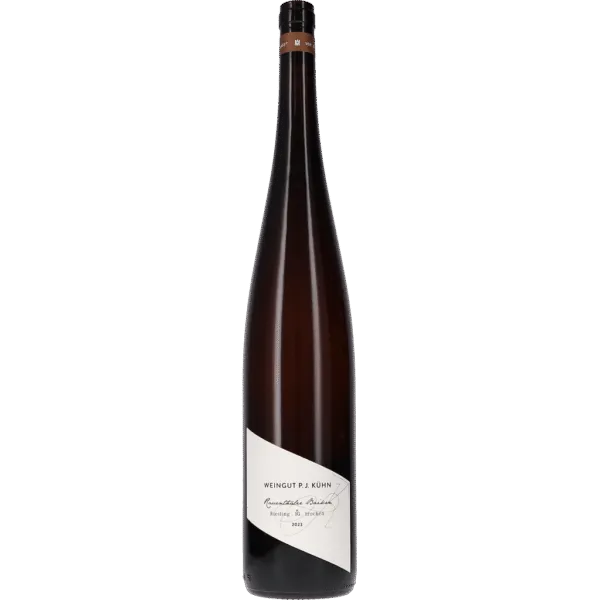
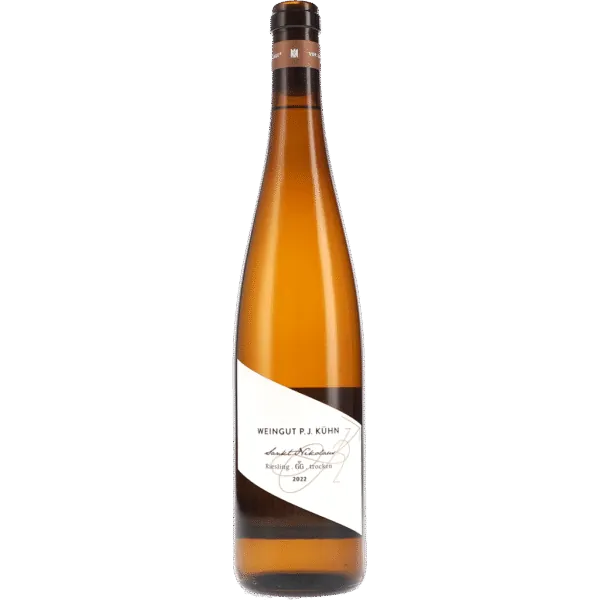
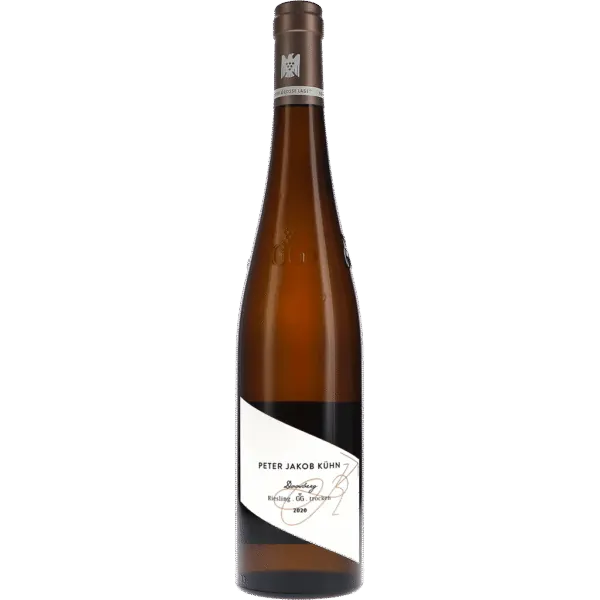
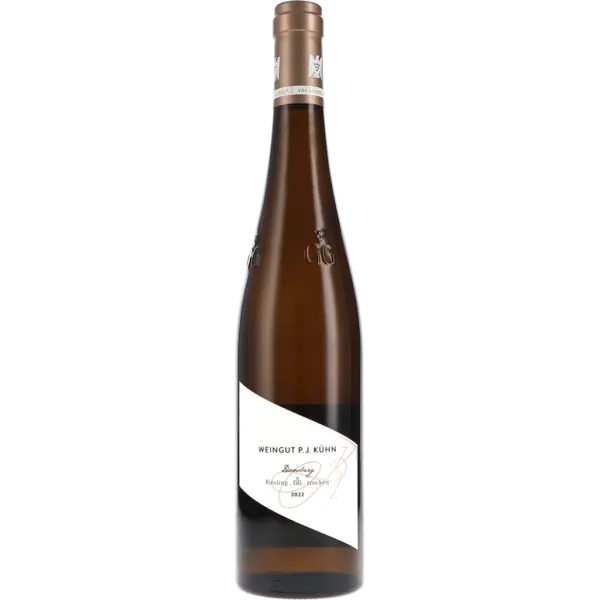
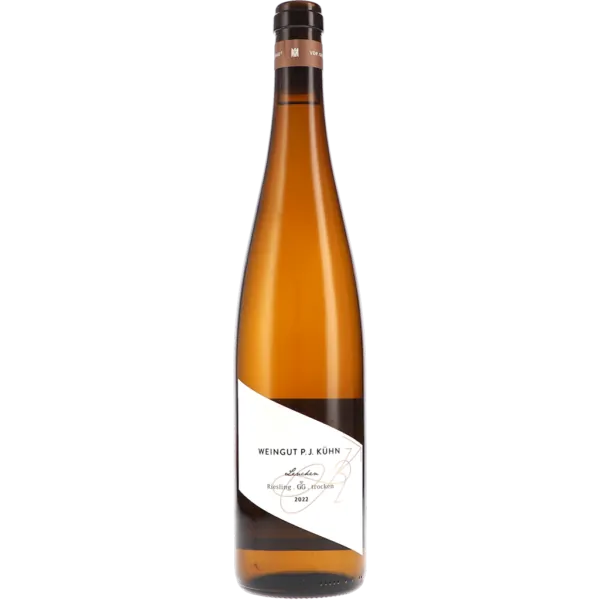
Near Wiesbaden, the Rhine bends westwards, and along this detour the vineyards of the Rheingau lie like a single south-facing slope between the Taunus hills and the river. The forests on the heights keep out the cold north winds, the broad expanse of water reflects light and warmth back, and so the Riesling here ripens slowly while retaining its taut acidity. Our wines from the Rheingau come almost entirely from Peter Jakob Kühn in Oestrich, who has been farming biodynamically according to Demeter rules since 2004 and proceeds with great restraint in the cellar. Anyone looking for natural wine in the Rheingau will find Rieslings and sparkling wines of cool clarity here, from the Kabinett from the Lenchen to the Großen Gewächsen from Doosberg and Jungfer.
≈ Aroma: Cherry
In all wines: 2,852 Wines
More about Rheingau
A south-facing slope between the Taunus and the Rhine
Up at the forest edge, towards the Taunus, the vines grow on Taunus quartzite and slate, poor soils that warm up quickly. Further down, towards the river, loess, loam and marl take over, retaining more water and giving the wines body and juice. At the western end, where the Rhine turns north again near Rüdesheim, the Rüdesheimer Berg drops steeply to the water; just behind it, in Assmannshausen, Spätburgunder has long been grown on slate. The Cistercians of Eberbach Abbey shaped these slopes over centuries, and the Prädikat designations Spätlese and Auslese have their roots in the Rheingau.
Rheingau Riesling from quartzite to loess
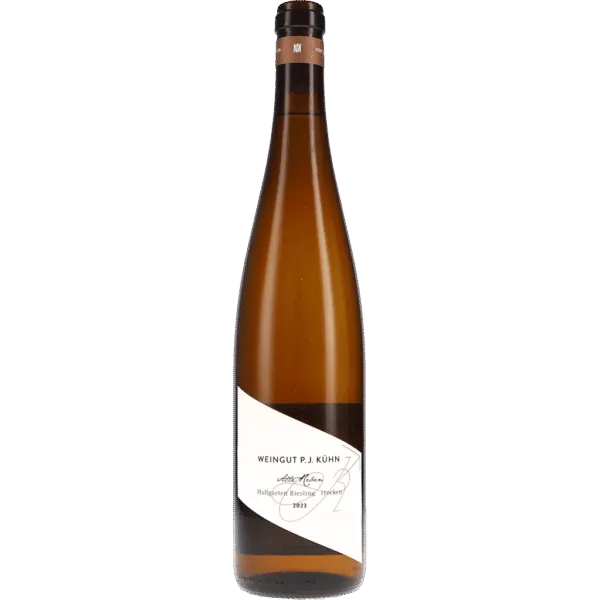
Riesling is the grape variety that carries the Rheingau. On quartzite and slate it becomes slender, smoky and cool, with citrus, white flowers and herbal spice; on the deeper loess soils it shows more yellow fruit, peach and greengage. Vinified dry it is taut and long-lived, as a Kabinett with fine residual sweetness it feels ethereally light, and from botrytised grapes come Auslesen and Trockenbeerenauslesen whose sweetness is carried by acidity. Alongside this, Spätburgunder belongs to the Rheingau, as a red wine with cherry fruit and fine tannins. If you want to get to know wine from the Rheingau, it is best to start with a village wine: the Riesling Oestrich Quarzit 2023 by Peter Jakob Kühn reveals the stony, cool character of these soils with a slightly smoky note and earthy spice.
Natural wine from the Rheingau: the work of Peter Jakob Kühn
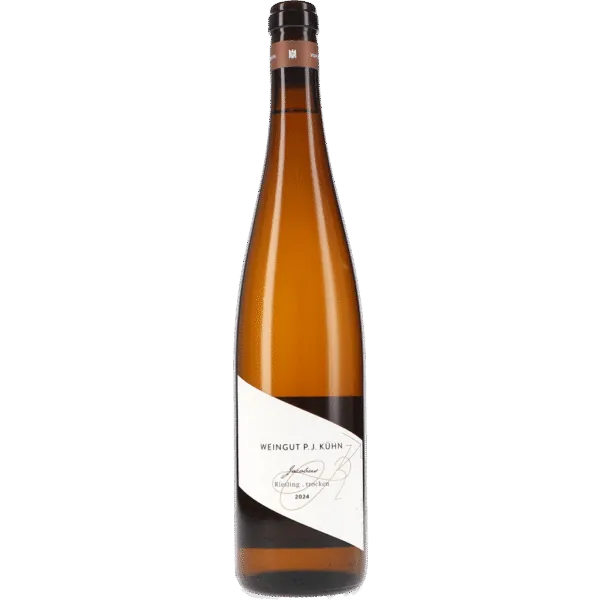
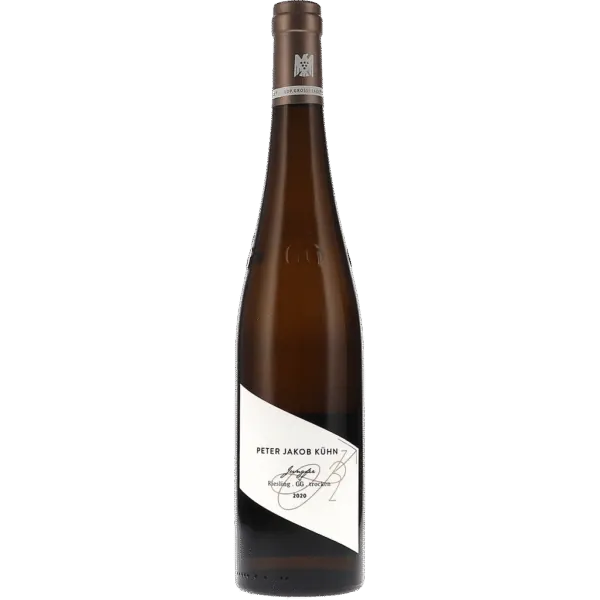
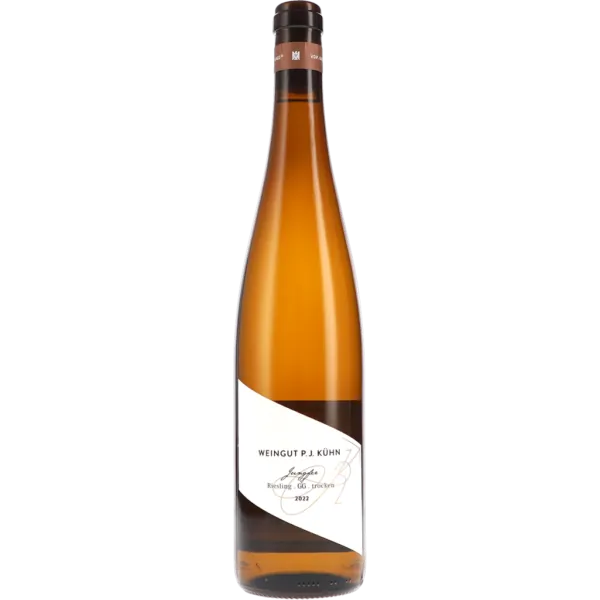
The Kühn family has been growing wine in Oestrich since 1786. Peter Jakob Kühn converted the estate to biodynamic viticulture and has been Demeter-certified since 2004. In the vineyard he works with biodynamic preparations, in the cellar he intervenes as little as possible; his Riesling from the Jungfer site, for example, ferments spontaneously with the yeasts from the vineyard. The sparkling wines mature through traditional bottle fermentation, and the Blanc de Blancs and the Blanc de Noirs are bottled as Brut Nature without dosage. This is how natural wine is made in the Rheingau: from living soils and with great patience in the cellar.
From Oestrich to Hallgarten: vineyard sites in our range
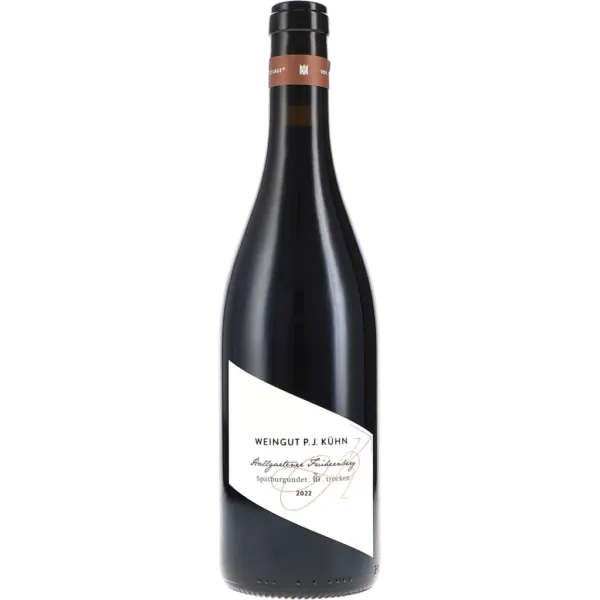
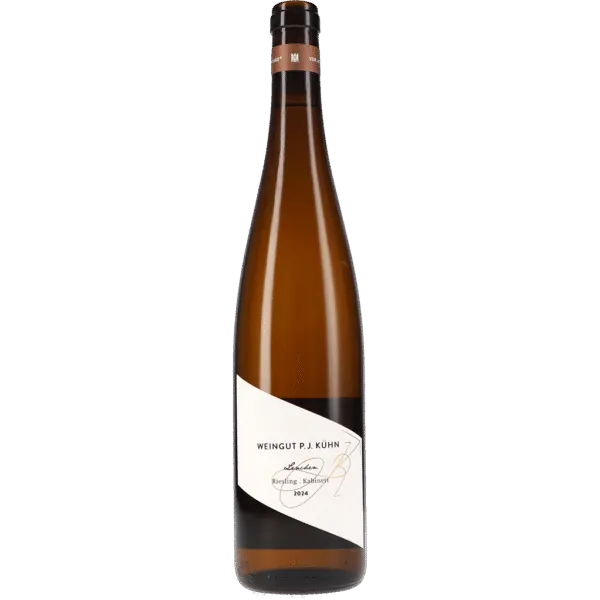
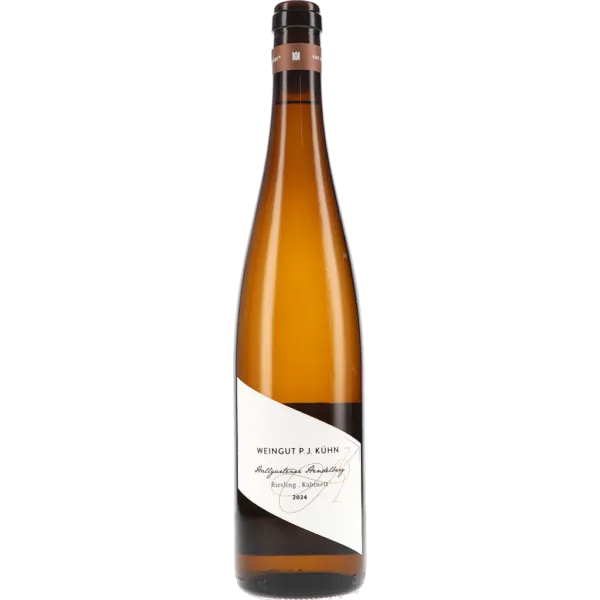
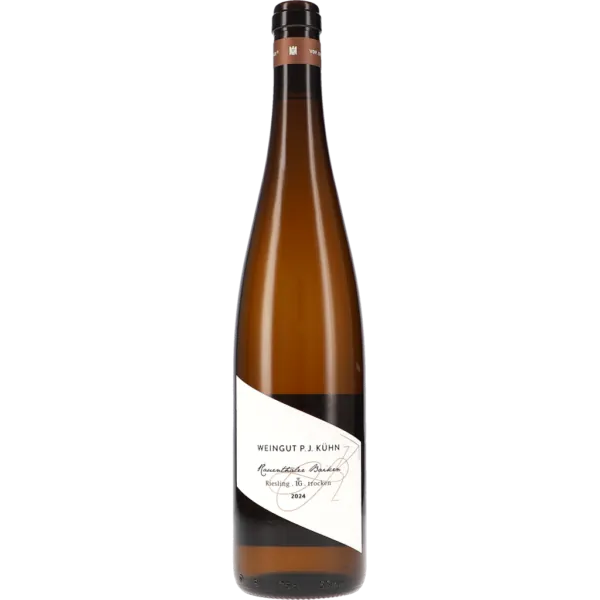
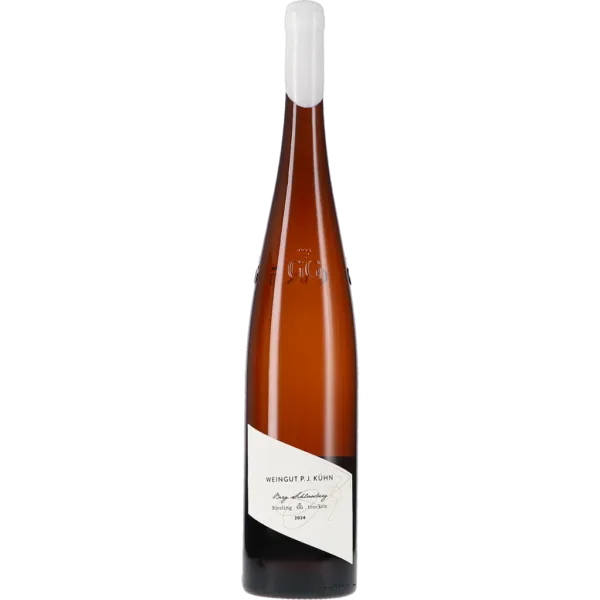
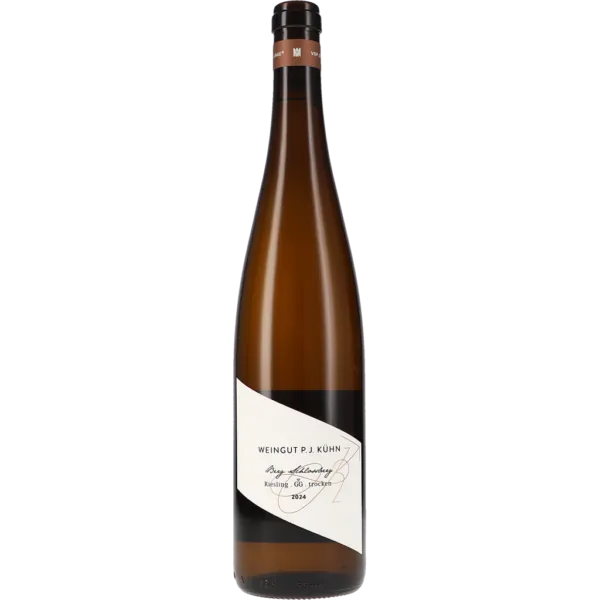
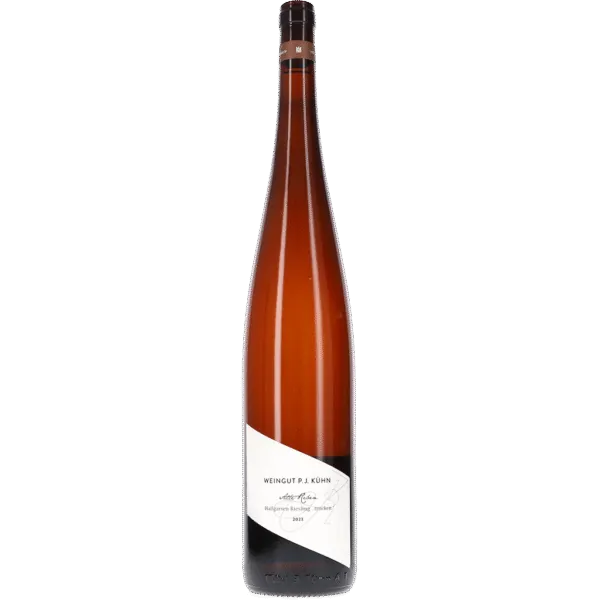
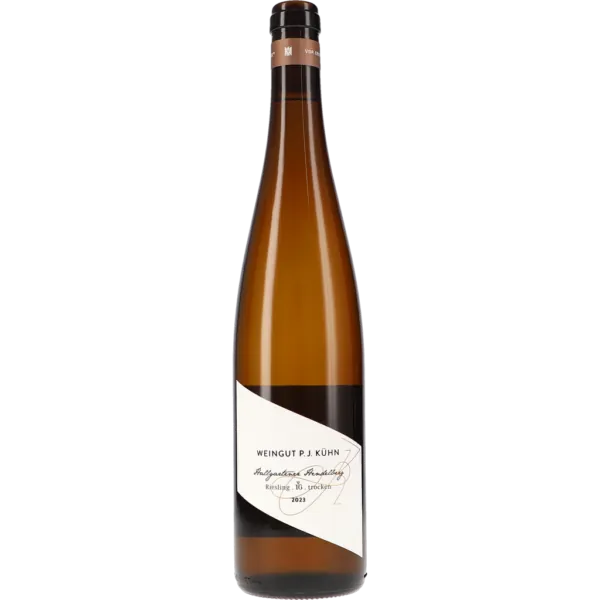
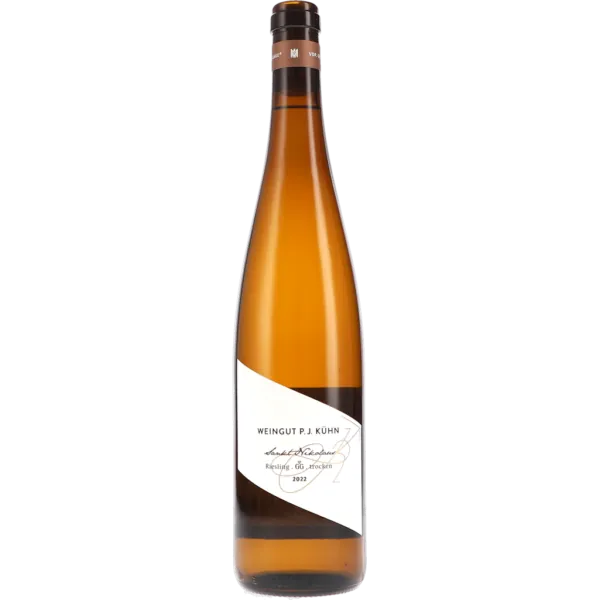
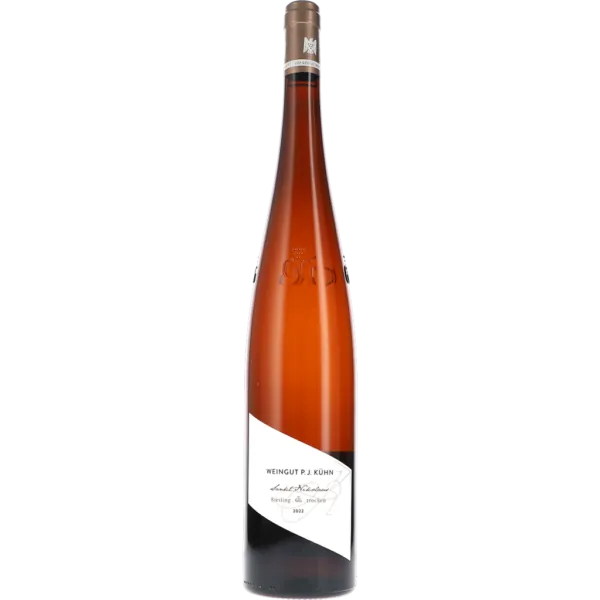
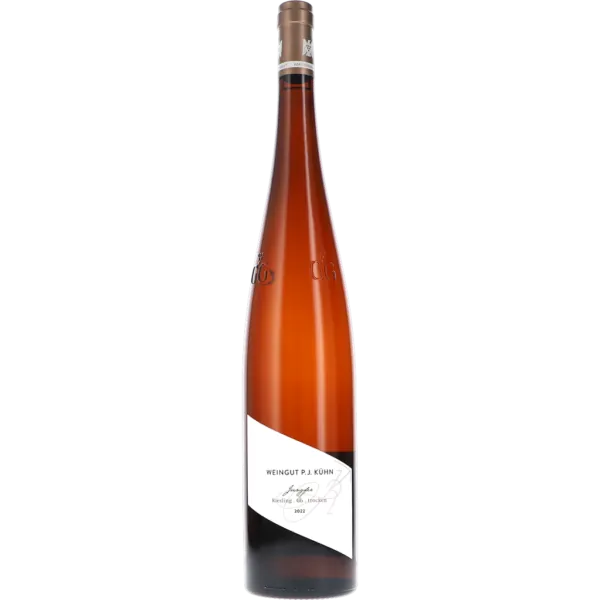
Kühn’s vineyards lie around Oestrich and stretch up towards Hallgarten. The Lenchen on the edge of Oestrich yields juicy, mineral Rieslings, such as the Riesling Lenchen Kabinett VDP Grosse Lage 2024 with fine residual sweetness, but from old vines also a dry Grosses Gewächs and sweet rarities. The Doosberg is an open hilltop in Oestrich whose Rieslings start out slender and gain power on the palate. Higher and cooler, in Hallgarten, lie the Jungfer and the Hendelberg, whose wines turn out particularly crystalline and taut; from the Frühernberg comes a Spätburgunder made from Burgundian massale selection. Then there is the Baiken in Rauenthal and the Berg Schlossberg in Rüdesheim. In our range you will find these wines from Kabinett to magnum, with several vintages available side by side.