
 EN
 DE
 FR
 IT
Between Dijon and Santenay, a narrow slope of limestone and marl stretches southwards, where often a single farm track determines whether a wine is labelled as Village, Premier Cru or Grand Cru. Wine from Burgundy therefore signifies origin on the smallest scale: Pinot Noir and Chardonnay from individual parcels, the climats, harvested by family domaines that own just a few rows of vines in many vineyard sites. Our Burgundy wines come from 25 producers who farm organically and, for the most part, biodynamically, ranging from the Kimmeridgian limestone of Chablis across the Côte de Nuits and Côte de Beaune to the limestone cliffs of the Mâconnais.
„limestone“
In all wines: 1,594 Wines
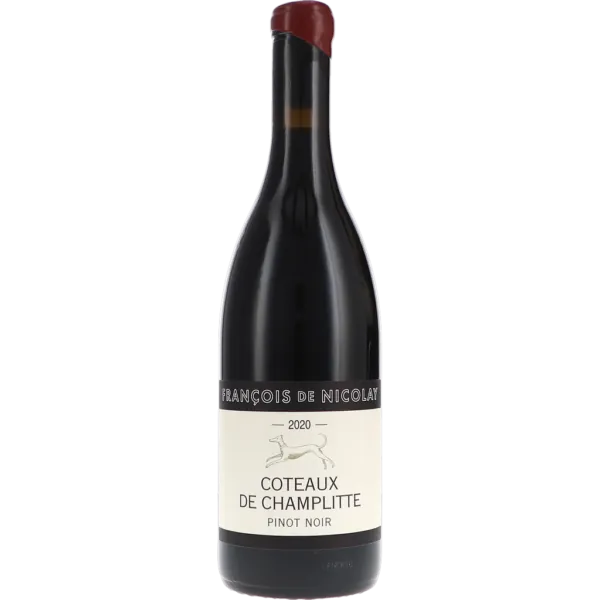
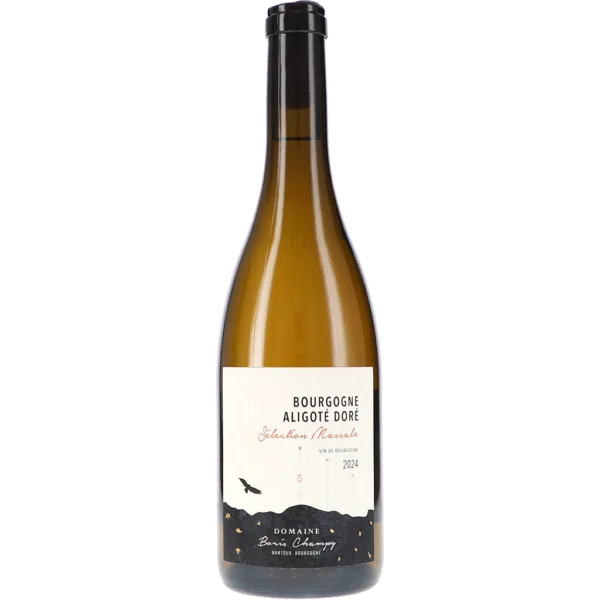
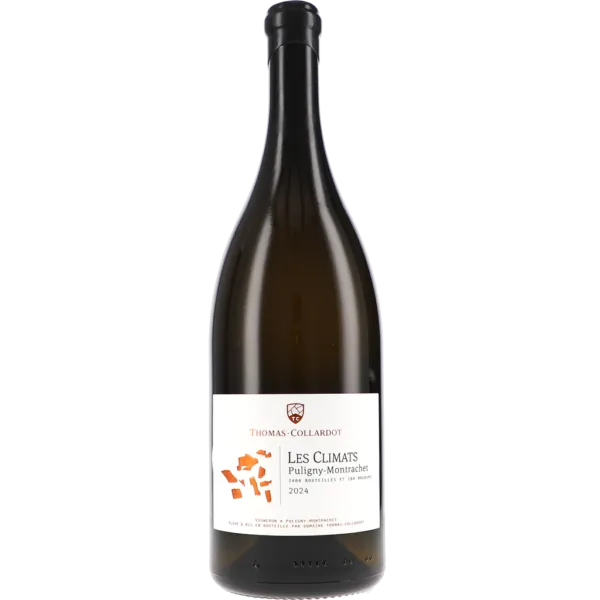
More about Burgund
Grand Cru, Premier Cru, Village: how Burgundy wine is ordered by site
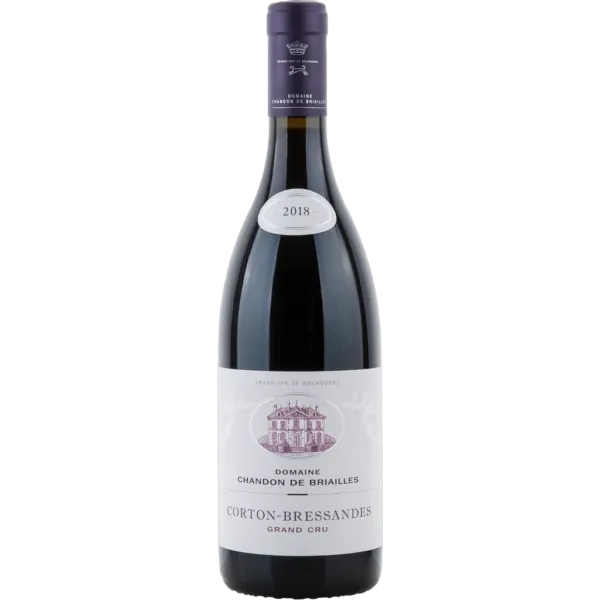
Burgundy's wines follow a four-tier pyramid: at the bottom the regional appellations such as Bourgogne, above them the village wines of a single commune, then the Premiers Crus from named individual sites, and at the top the Grands Crus, where the name of the vineyard alone suffices: Chambertin, Clos de la Roche, Corton-Charlemagne. The basis of this order is the climats, parcels delimited for centuries and a UNESCO World Heritage Site since 2015. A Grand Cru from the Côte de Nuits usually grows on the middle of the slope, where limestone scree and marl mix and water drains well. Our Grands Crus range from Clos de Vougeot to the Chambertin Grand Cru 2023 from Trapet Père & Fils.
Côte de Nuits and Côte de Beaune: Pinot Noir and Chardonnay on the bed of the Jurassic sea
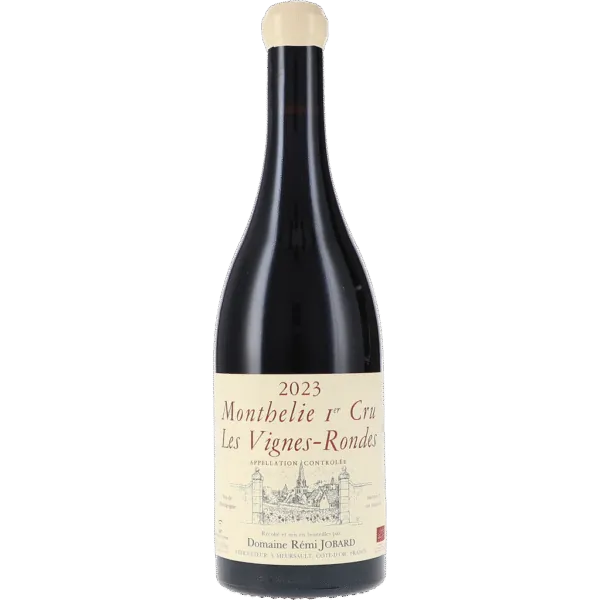
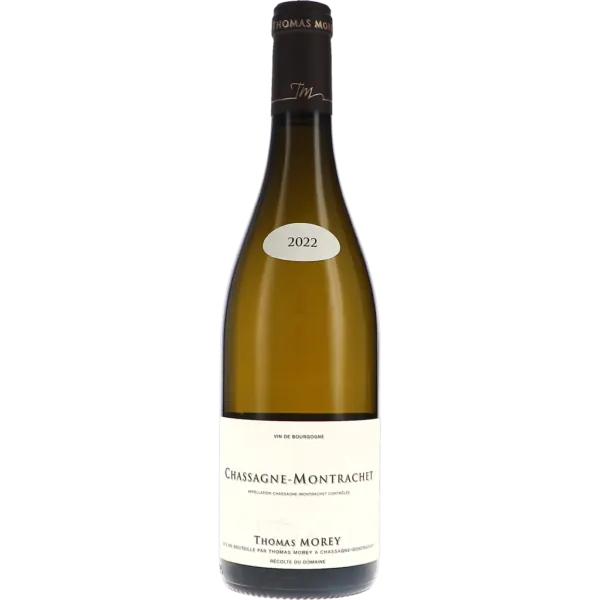
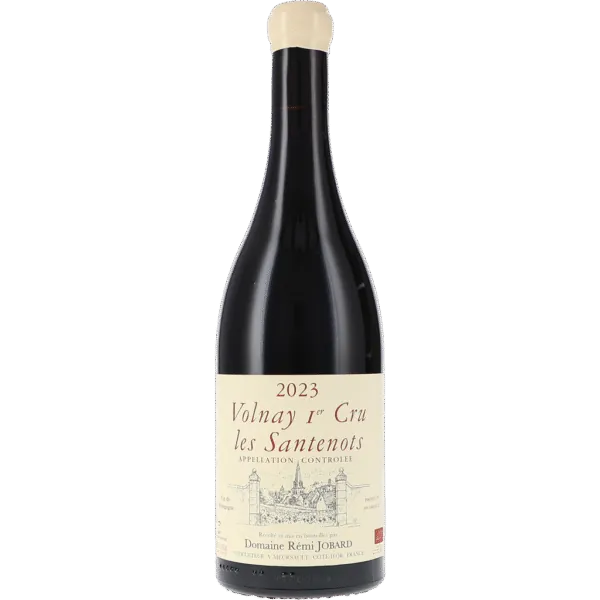
The limestone and marl of the Côte d'Or are deposits from a shallow Jurassic sea. In the Côte de Nuits almost nothing but Pinot Noir grows, combining cherry, forest floor and a taut, cool acidity. In Gevrey-Chambertin, Trapet Père & Fils make their wines biodynamically, and in Morey-Saint-Denis Hubert Lignier works with old vines in Clos de la Roche. In the Côte de Beaune, Volnay and Pommard produce fragrant, fine-grained reds, Meursault nutty Chardonnays, from Rémi Jobard for instance, and in Chassagne-Montrachet Thomas Morey makes white wines with chalky tension.
Chablis, Côte Chalonnaise, Mâconnais: the edges of Burgundy
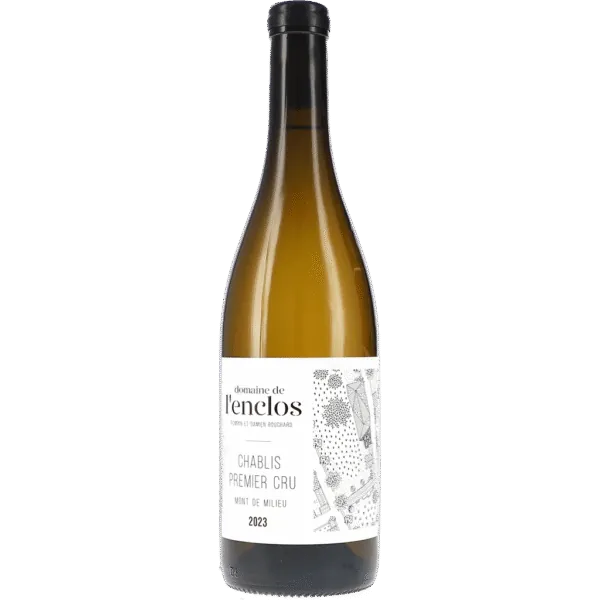
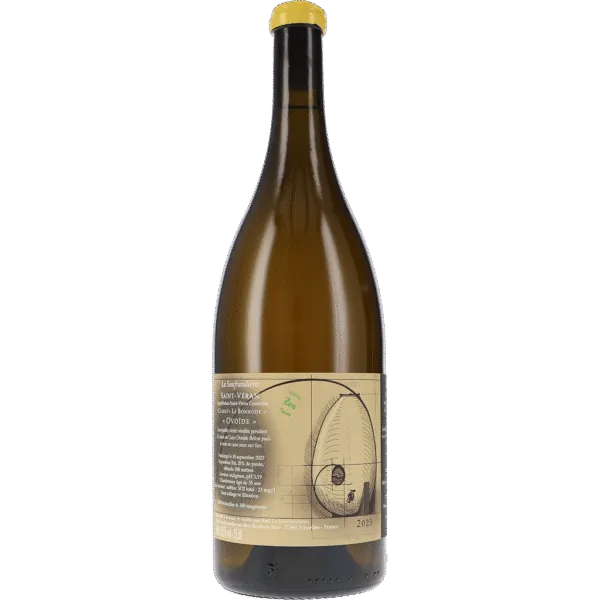
Far to the north, on the Yonne, Chablis lies on Kimmeridgian marl full of fossilised oyster shells. Chardonnay there tastes of lemon, wet stone and iodine. Domaine de l'Enclos bottles everything from Petit Chablis to the Grands Crus Blanchot and Vaudésir. South of the Côte d'Or comes the Côte Chalonnaise with Rully and Mercurey, then the Mâconnais, where the vines for Pouilly-Fuissé and Saint-Véran stand beneath the limestone cliffs of Solutré and Vergisson and give riper wines with yellow fruit. In Vinzelles, La Soufrandière farms its climats biodynamically.
Small parcels, biodynamic hands
Whoever owns a vineyard in Burgundy often owns only a few rows of it, and every task in the vineyard shows in the glass. Our domaines plough and avoid herbicides and synthetic sprays; many work with biodynamic preparations, some are Demeter-certified. The result is wines with lively acidity and a clear imprint of site, from Bourgogne Aligoté for every day to mature Grand Cru. If you want to buy Burgundy wine, you will find all available wines in the list above.