
 EN
 DE
 FR
 IT
Between the Tagus and the Guadiana lies the Dehesa, an open pastureland of holm oaks and cork oaks, where summers become scorchingly hot and nights on the high plateaus cool considerably. For a long time, wine from Extremadura came primarily from the plains of Tierra de Barros in the south, where cooperatives produced large volumes for the bulk wine trade. Around the granite city of Trujillo, however, the region reveals a different side: red wines from Tempranillo, Syrah and Cabernet Sauvignon grown on poor schist soils, dense in fruit and cool in spice. Our wines from Extremadura come from Bodegas Habla, whose best-known wine, Habla del Silencio, is a juicy cuvée of precisely these three varieties.
More about Extremadura
Wine from Extremadura: dehesa, schist and a climate of extremes
Extremadura borders Portugal to the west and is one of the most sparsely populated regions of Spain. Two great rivers cross it from east to west, the Tagus in the north and the Guadiana in the south. Between them stretches the dehesa, where pigs feed beneath the oaks on the acorns that will later become jamón ibérico. The climate is continental with a strong Atlantic influence: long, dry and very hot summers, cool nights and little rain. The soils change over short distances. In the south, the red clays of the Tierra de Barros shape viticulture, while around Trujillo and Cáceres there is granite and meagre schist, which sends the roots deep into the rock and keeps yields small. These soils give red wines with dark fruit, firm tannins and a spiciness reminiscent of thyme and rockrose.
Ribera del Guadiana and the region's country wines
The region's protected designation of origin is called Ribera del Guadiana and is divided into six subzones: Tierra de Barros, Matanegra, Ribera Baja, Ribera Alta, Montánchez and Cañamero. The traditional grape varieties are the white Pardina, also known as Cayetana Blanca, and Tempranillo and Garnacha among the reds. Alongside the DO there is the country wine designation Vino de la Tierra de Extremadura, which gives producers more freedom in their choice of grapes. As a result, Syrah, Cabernet Sauvignon, Cabernet Franc, Malbec and Petit Verdot are grown here today as well; they cope well with heat and drought and retain a surprising freshness on schist.
Bodegas Habla near Trujillo: every vintage a number
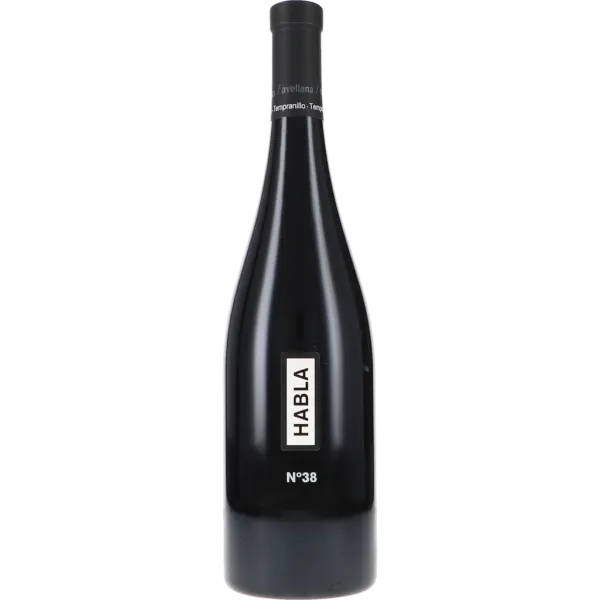
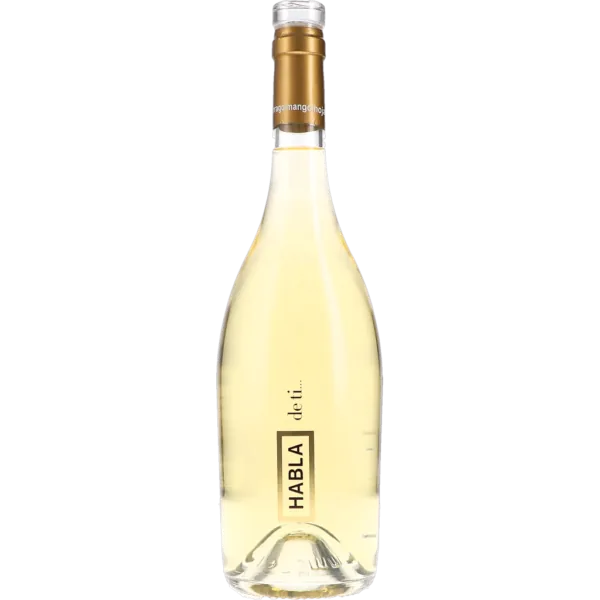
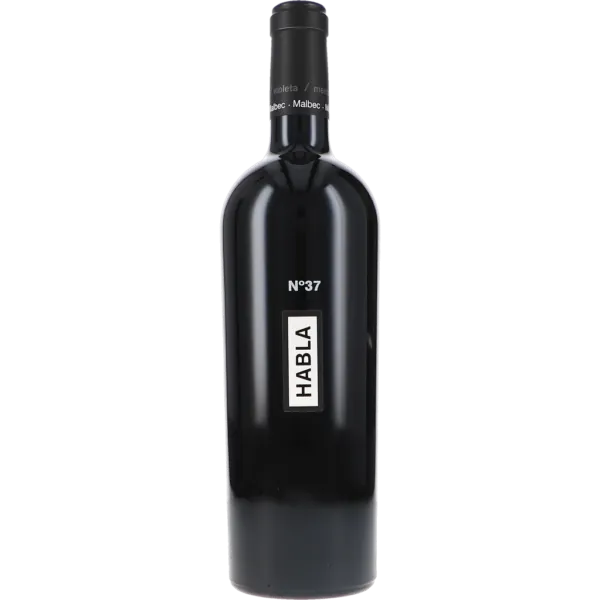
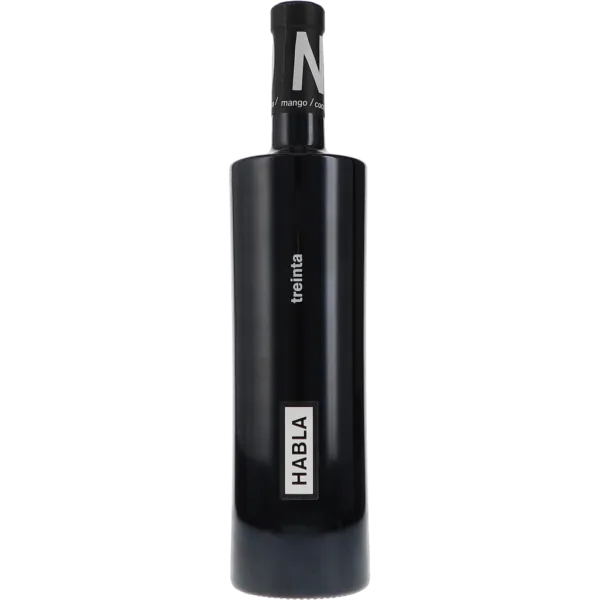
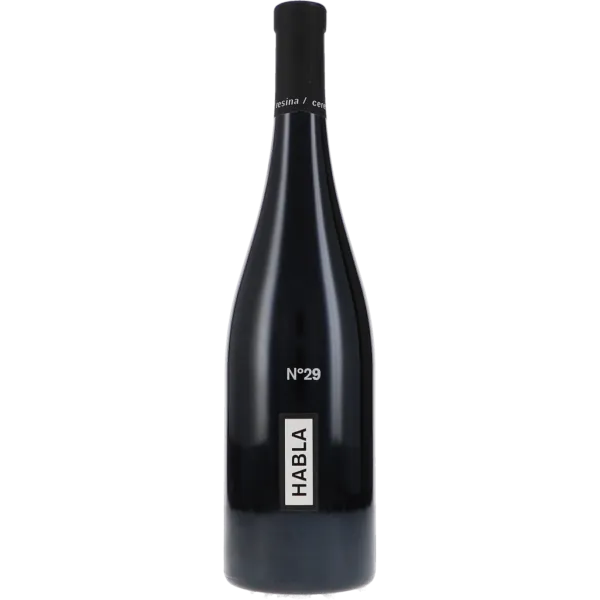
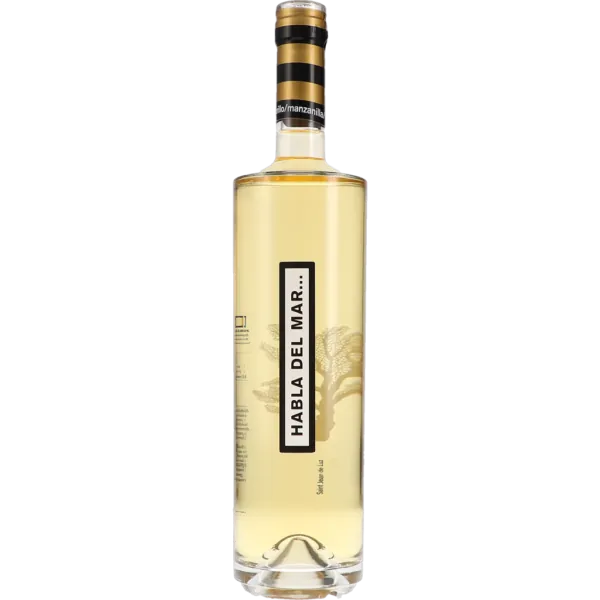
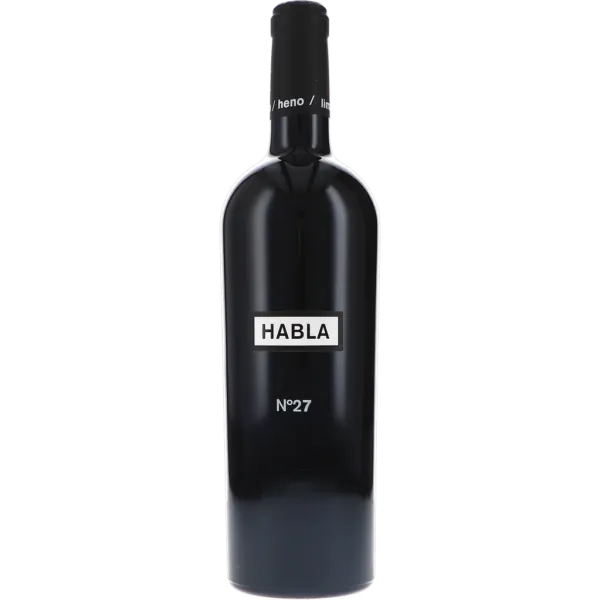
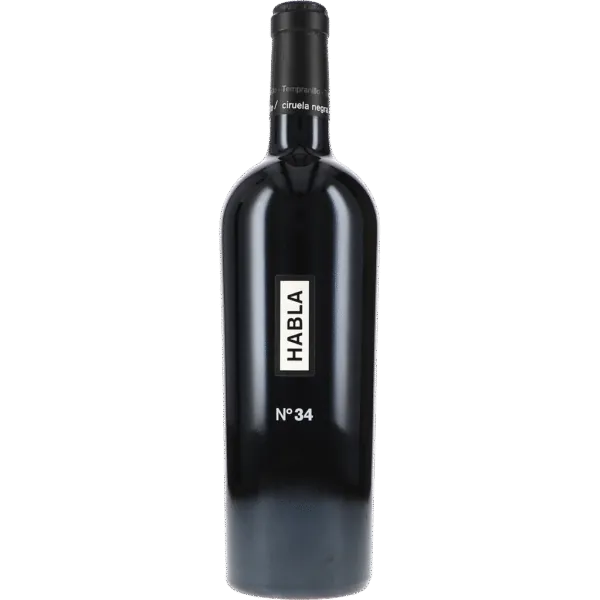
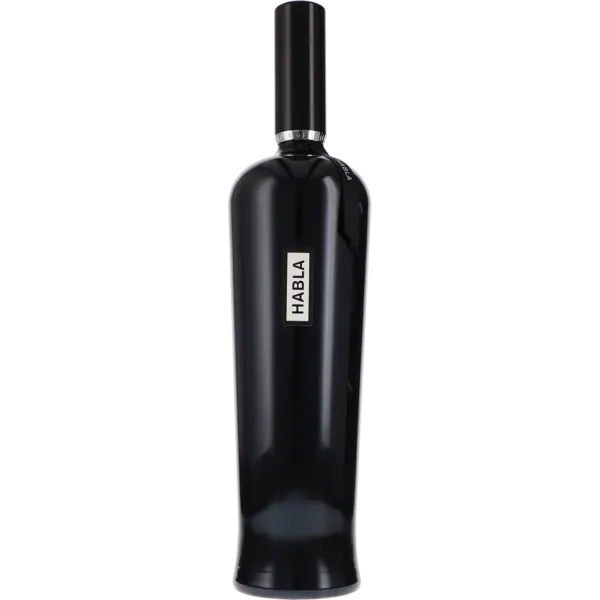
Travellers in the region will find the Habla winery on the A-5 motorway near Trujillo, home town of the conquistador Francisco Pizarro. The vines grow on schist and on clay with limestone. The heart of the range is the numbered wines: each number stands for a single wine that is never made in the same way again. Sometimes it is a varietal Malbec, sometimes a Cabernet Franc, sometimes a Tempranillo such as the Habla Nr 38 2022, with its deep cherry red and the density of its meagre site. Then there is Habla de Ti, a dry Sauvignon Blanc with greenish reflections, and the grand cuvée Esencia de Habla from Cabernet Franc, Cabernet Sauvignon and Petit Verdot.
Habla del Silencio: the best-known wine from Bodegas Habla
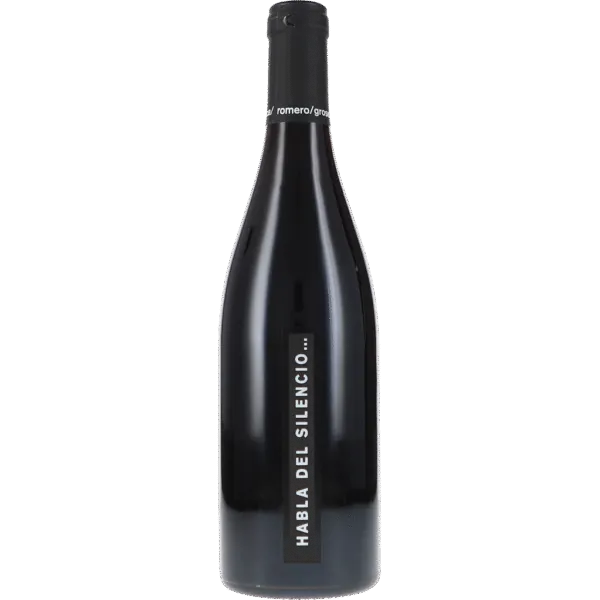
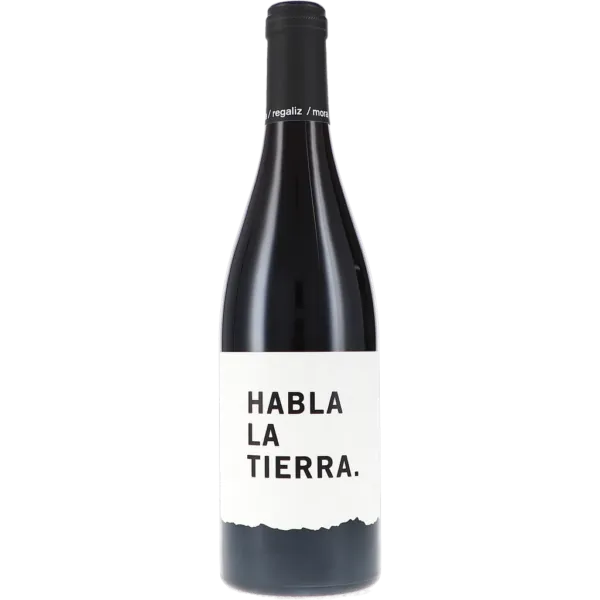
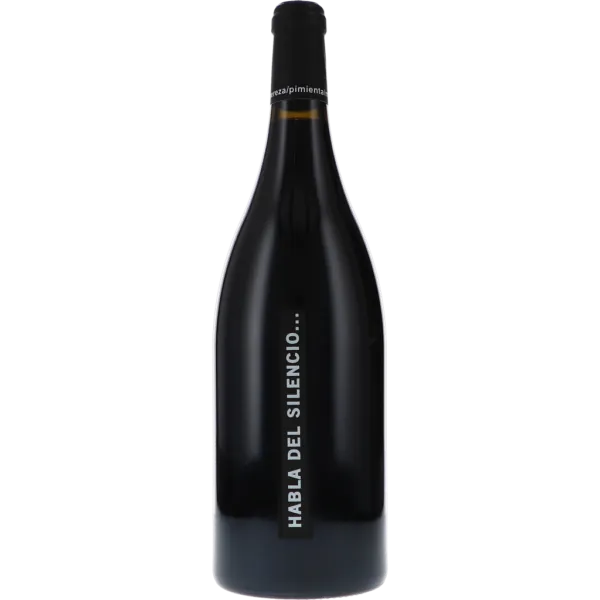
Anyone searching for Habla will come across the Habla del Silencio 2022 first. The blend of Syrah, Tempranillo and Cabernet Sauvignon shows a dense purple in the glass, dark berries, sweet cherry, peppery spice and thyme, with juicy, well-integrated tannins. It goes with grilled food, with lamb and, of course, with jamón ibérico. We also stock the 2021 vintage in magnum. The same three grapes go into Habla la Tierra, a spicy everyday red. All the wines from Extremadura currently available are listed above.