
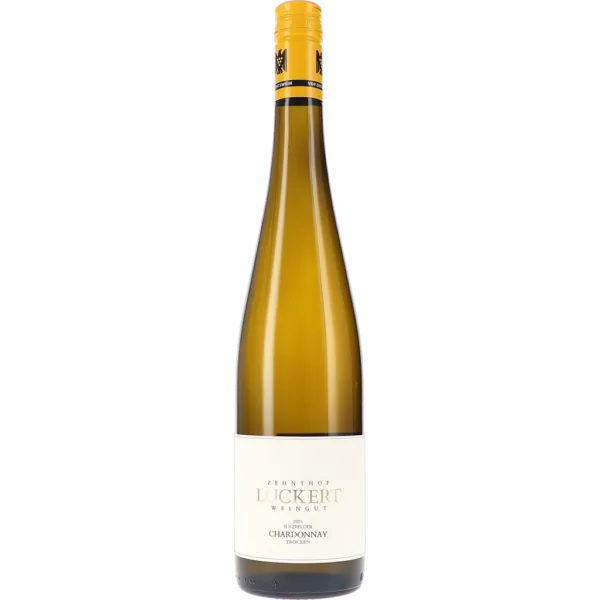
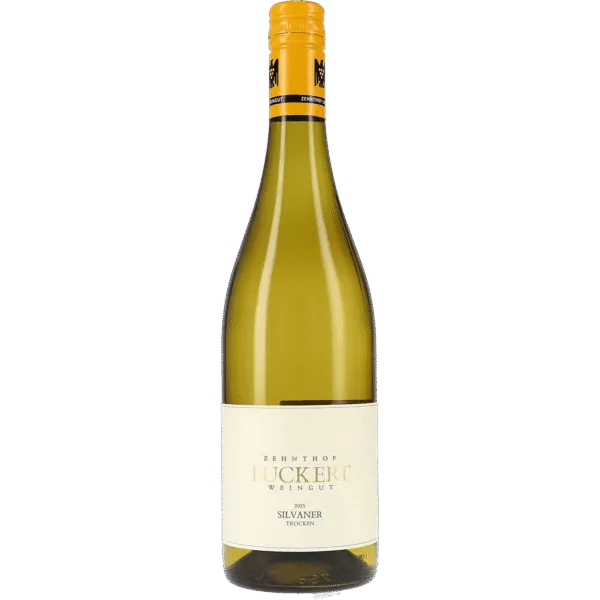
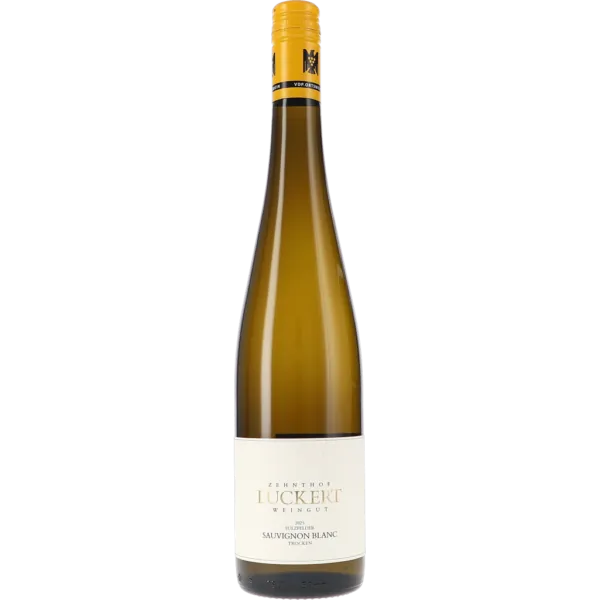
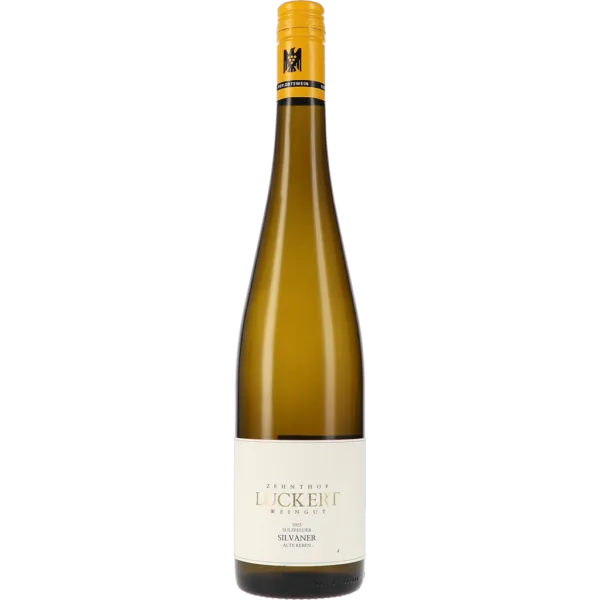
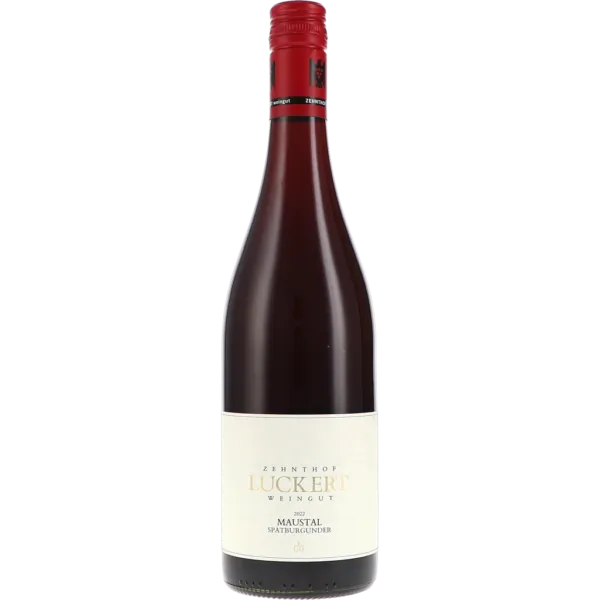
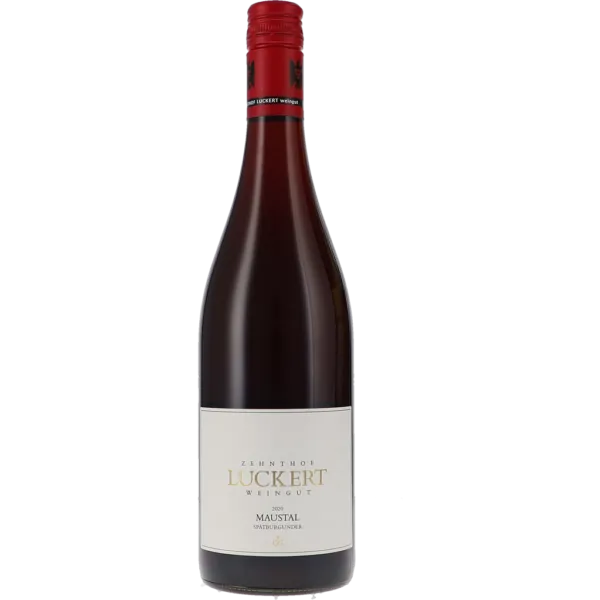
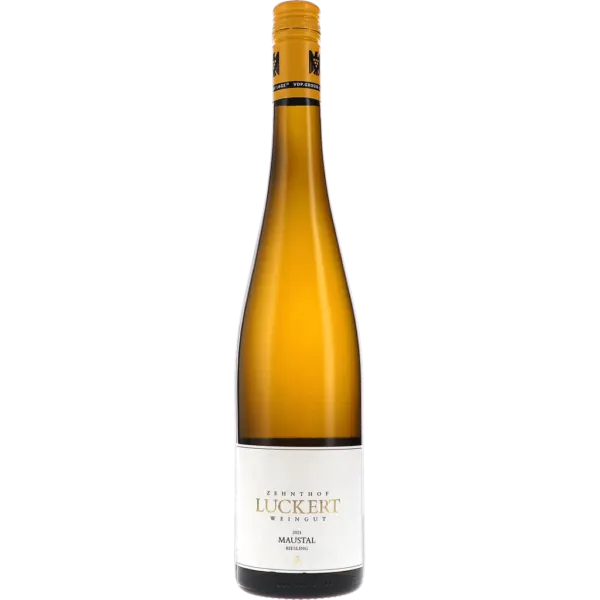
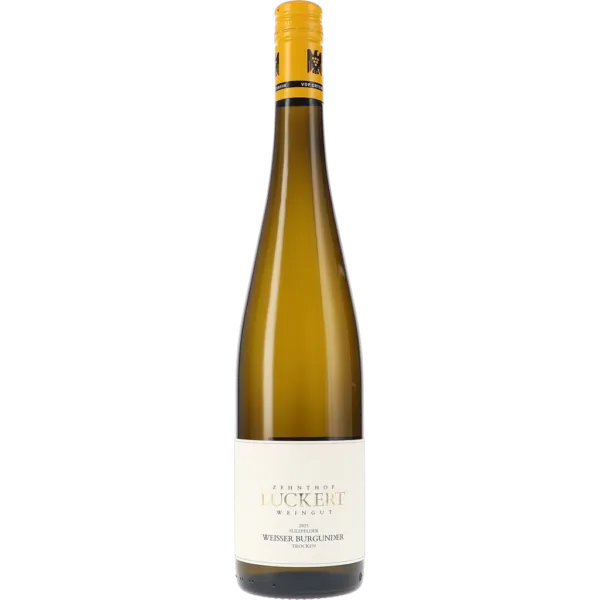
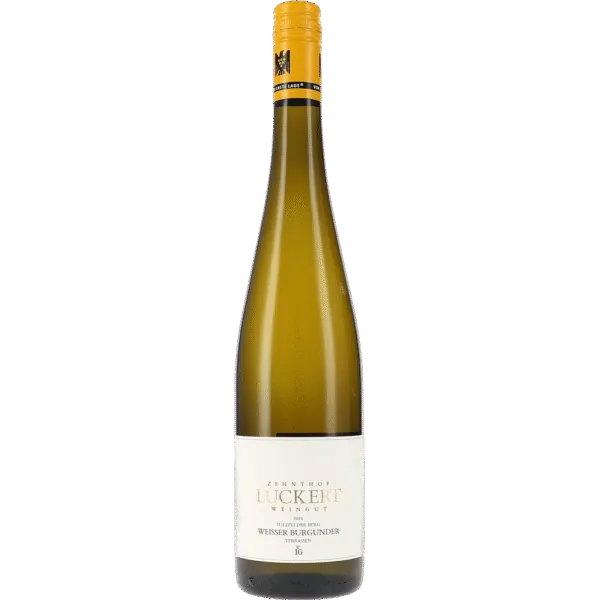
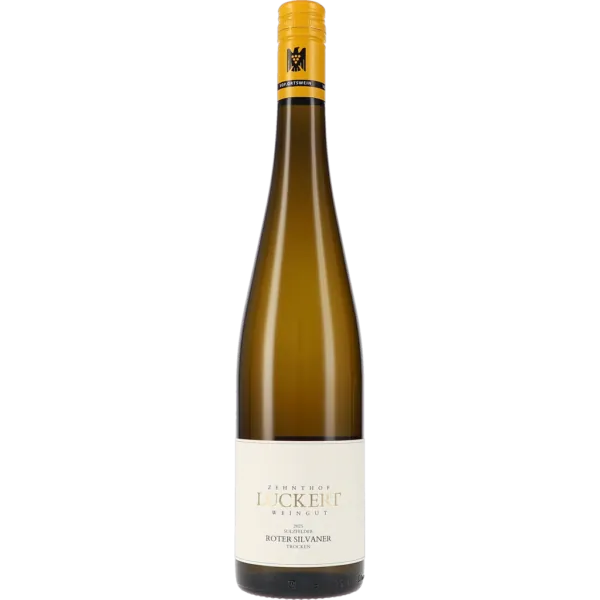
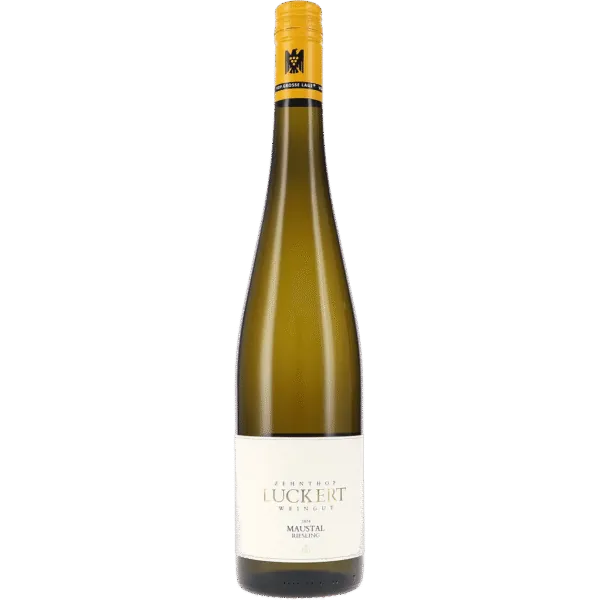
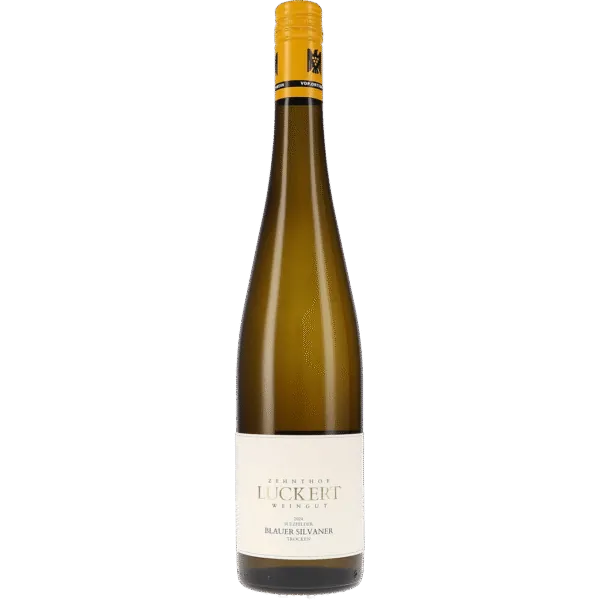
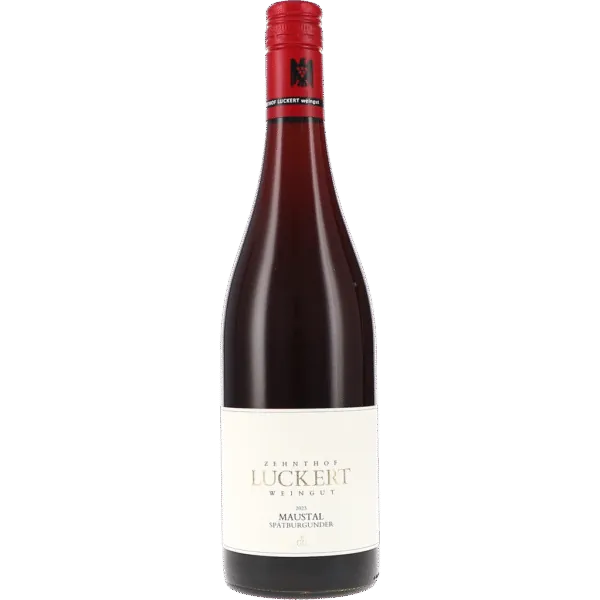
Between Würzburg and Kitzingen, the River Main has carved deeply into the Muschelkalk limestone, and on these bright, stony slopes grows a Franconian wine that tastes dry, taut and salty. Silvaner has been the leading grape variety here for over three hundred years, expressing its soil more clearly than almost any other vine. The natural wine from Franconia that we offer comes from Zehnthof Luckert in Sulzfeld, which farms its vineyards organically and, alongside the Großen Gewächsen from Maustal, bottles a Blauer Silvaner and a Gelber Muskateller in a natural wine style. In addition, there is an ungrafted Silvaner from old vines, Riesling and Spätburgunder from steep limestone sites, as well as honest everyday wines for the table.
More about Franken
Muschelkalk, Keuper and Buntsandstein: the three faces of Franconian wine
Franconia is a wine landscape along the River Main, and its wines are best understood through the soil. In the Maindreieck around Würzburg, Sommerhausen and Sulzfeld, Muschelkalk sets the tone: a pale, calcium-rich stone that lends the wines tension, salinity and a cool herbal spice. This is also home to the Würzburger Stein, one of Germany’s most famous vineyard sites. Further east, at the foot of the Steigerwald, the vines grow on Keuper, heavy soils of marl and gypsum that yield broader, more savoury wines. To the west, in the Mainviereck in Churfranken, red Buntsandstein colours the slopes, and it is here above all that Spätburgunder feels at home.
The climate is continental. Summers are warm and often dry, winters are cold, and late spring frosts pose a risk to viticulture in many years. In dry years water becomes scarce, which leads the winemakers to rely on cover crops and deep-rooted old vines.
Silvaner, Bocksbeutel and Franconia’s dry style
Silvaner has been documented in Castell since 1659, and ever since it has been the grape by which Franconian wines are measured. On Muschelkalk it shows notes of pear, hay and fresh herbs, along with restrained fruit and plenty of drive on the palate. Alongside it, Müller-Thurgau, Riesling and Weißburgunder play an important role. Franconia is traditionally a land of dry wines, and the bulbous Bocksbeutel remains the hallmark of Franconian wine to this day.
Natural wine from Franconia by Zehnthof Luckert
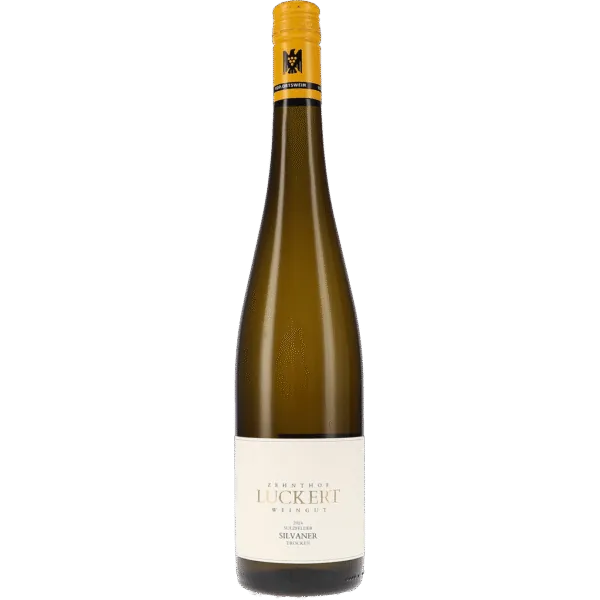
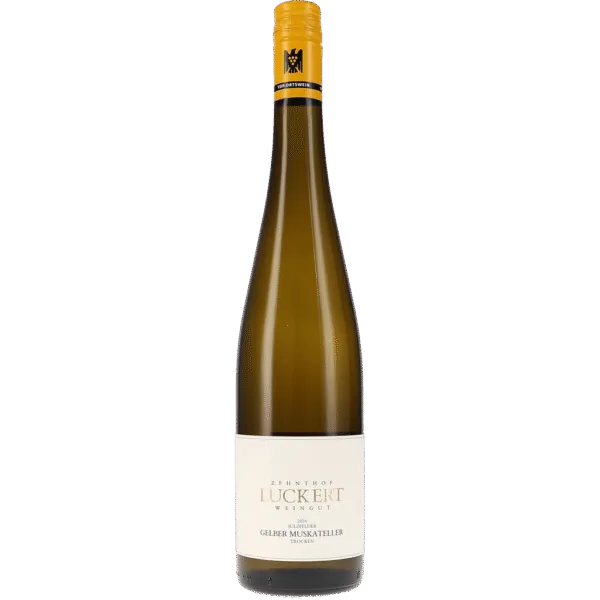
Zehnthof Luckert in Sulzfeld am Main is one of the region’s defining estates. The family farms its vineyards organically and is Naturland certified. Living, deeply rooted soils carry the character of the Muschelkalk right into the glass. Anyone looking for natural wine from Franconia will find in the Sulzfelder Blauer Silvaner trocken 2024 a rare, spicy expression of Silvaner with salty minerality. The Gelber Muskateller from the same hands is aromatic yet built in a dry, cool style.
Maustal, Sonnenberg and the ungrafted Creutz
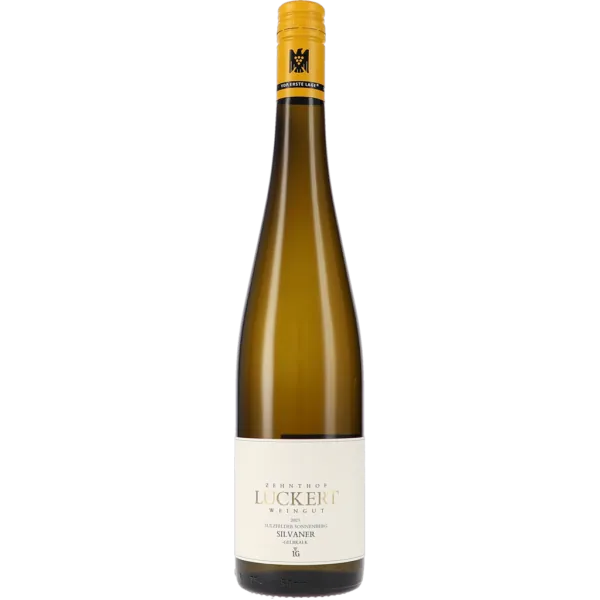
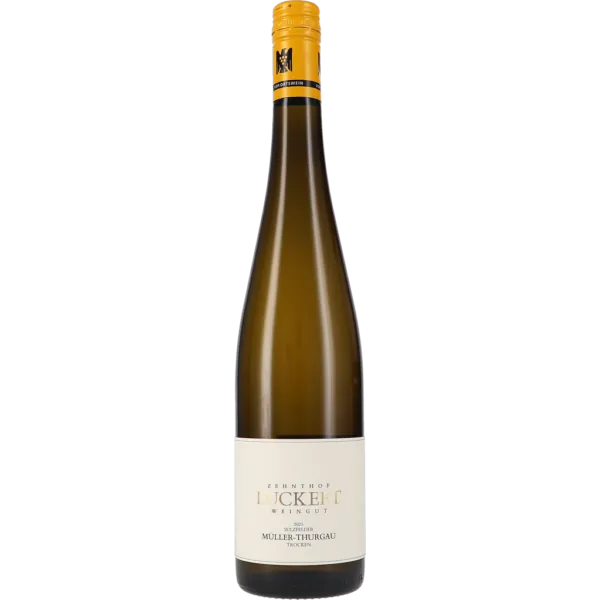
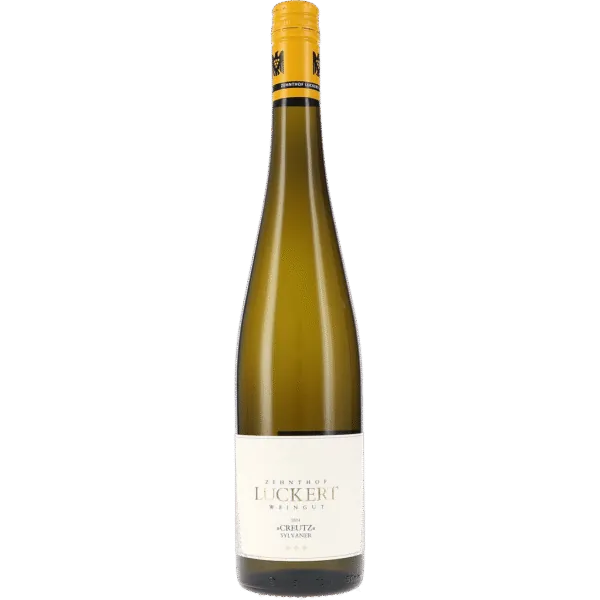
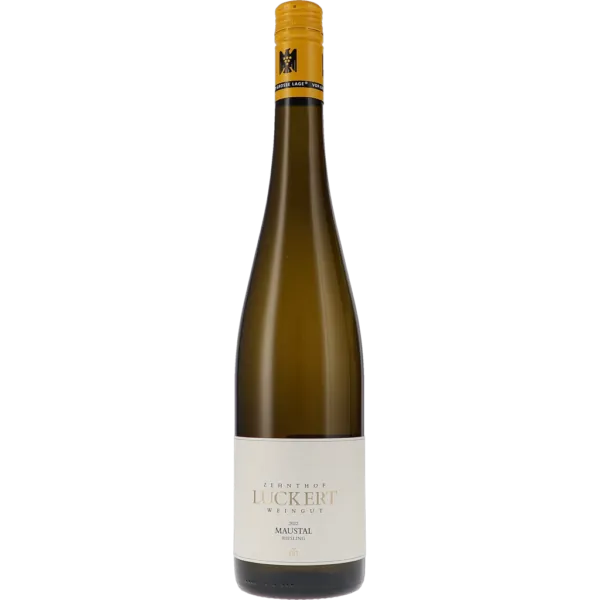
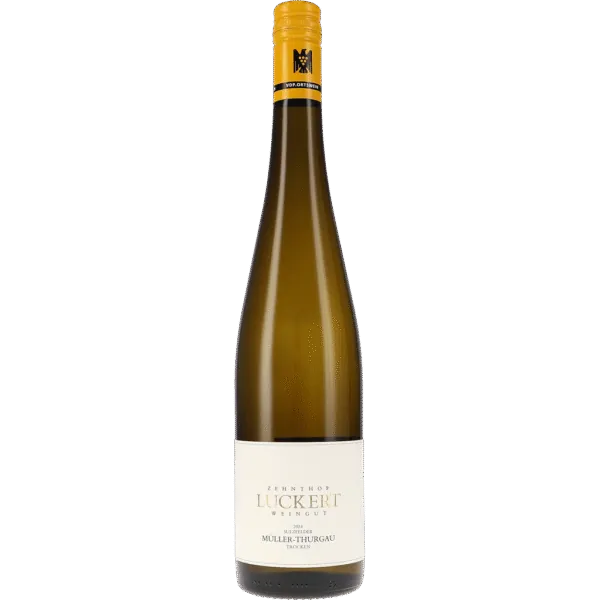
The estate’s finest wines come from the VDP.Große Lage Maustal, a steep south-facing slope above the Main, from the Erste Lage Sonnenberg and from the terraces on the Sulzfelder Berg. Maustal yields Große Gewächse of Silvaner, Riesling and Spätburgunder that possess depth and ageing potential. The Creutz Silvaner wurzelecht 2024 comes from old, ungrafted vines and shows just how concentrated and long-lived Silvaner from Franconia can be. For everyday drinking there is the Sulzfelder Silvaner and the Müller-Thurgau, which convey the estate’s style in a lighter form.
The selection above shows all the wines from Franconia that we currently have available.