
 EN
 DE
 FR
 IT
On the south-facing loess terrace north of the Danube, around 60 kilometres west of Vienna, the vines are rooted in metres-deep, calcareous loess that lends the Wagram wines their spicy depth. Grüner Veltliner is the region’s flagship variety; alongside it, the Wagram preserves Roter Veltliner, one of Austria’s rarest autochthonous varieties, while Riesling, Zweigelt and Pinot Noir also find clear-cut conditions here. Our wines from the Wagram come from Weinberghof Fritsch, which has farmed its slopes biodynamically since 2006 and relies on guidance rather than control in the cellar – from cool single-vineyard wines to unsulphured skin-contact wines.
More about Wagram
Loess above the Danube: origin and sites on the Wagram
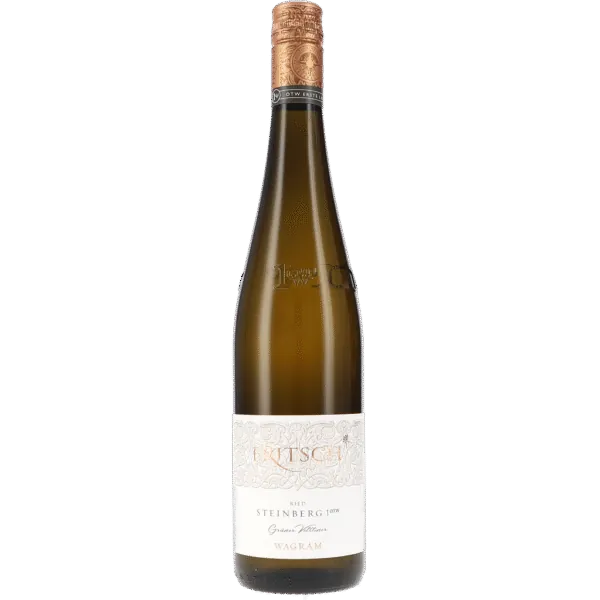
The Wagram is a loess landscape up to 40 metres thick that stretches for around 25 kilometres north of the Danube between Tulln and Krems, falling away to the south in gentle terraces. The fine-grained, lime-rich loess stores water and warmth, lets the vines root deeply and gives the wines their typical texture: full and soft on the attack, with a spiciness reminiscent of yellow herbs and nuts. For a few years now the region has carried the appellation Wagram DAC, which lists Grüner Veltliner and Roter Veltliner as its typical varieties. Following the Burgundian model, the best plots are designated Erste Lagen, marked 1.ÖTW; alongside Ried Schlossberg with its old vines there is also Ried Steinberg, whose cooler position lets the grapes ripen slowly.
Grüner Veltliner and Roter Veltliner on lime-rich loess
No wine defines the region as much as Wagram Grüner Veltliner, which tastes less peppery here than in the Wachau and wins people over instead with pear, yellow apple and a creamy fullness. Things get genuinely rare with Roter Veltliner, a variety in its own right, unrelated to Grüner, which is grown almost exclusively on the Wagram and, with its spicy, almost exotic fruit and rich extract, ranks among Austria's most distinctive white wines. On the higher, cooler limestone ridges Riesling thrives with taut minerality, and in the cooler Wagram climate Zweigelt yields red wines with fine acidity rather than plump warmth. The Pannonian climate brings warm summers, yet the nights above the Danube valley stay cool, so the grapes keep their tension; the vintage chart gives an overview of which vintages turned out particularly well.
Fritsch: biodynamic from Gutswein to Erste Lage
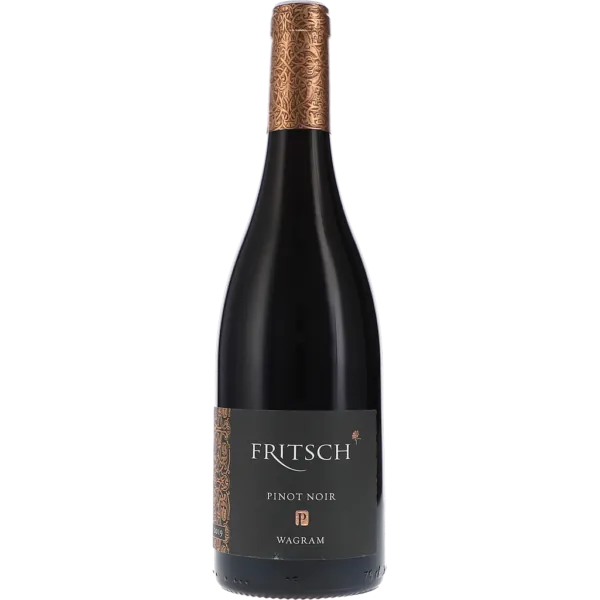
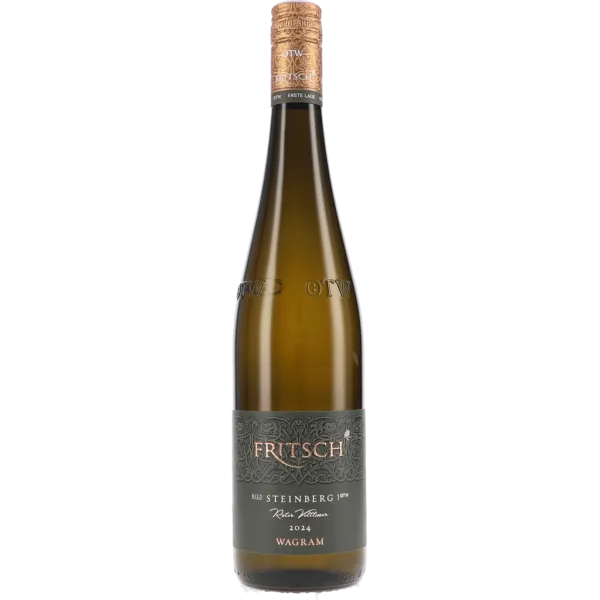
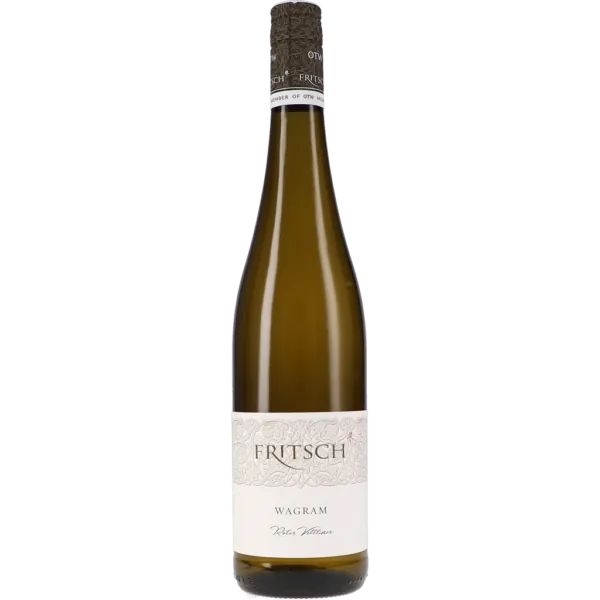
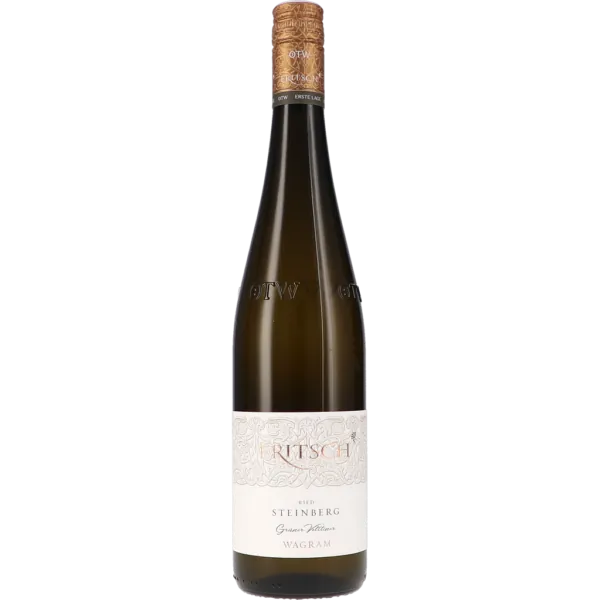
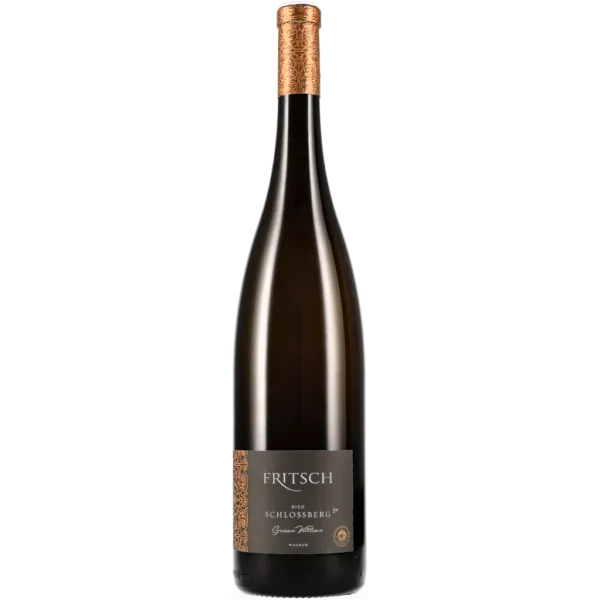
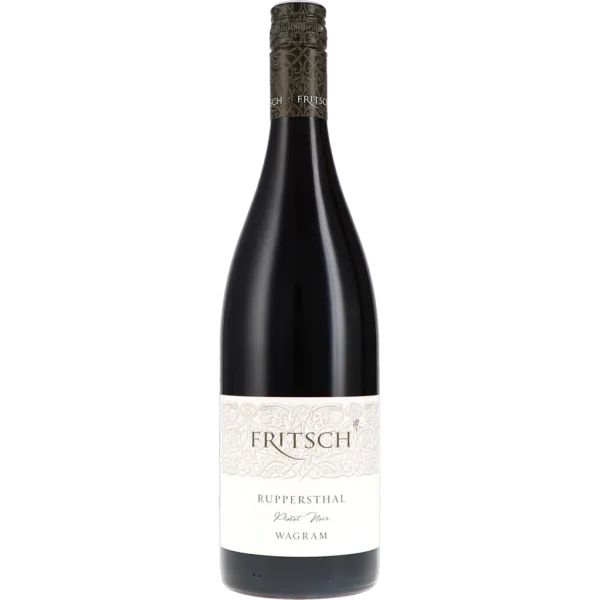
Karl Fritsch has farmed his estate in Kirchberg am Wagram biodynamically since 2006, as a founding member of the respekt-BIODYN association. His remark that he is simply not as good as nature describes his approach: compost and preparations instead of synthetic products, spontaneous fermentation in the cellar and wines that are allowed to show their site. The Grüner Veltliner Ried Schlossberg 1.ÖTW 2023 comes from old vines and shows the powerful, mineral side of the loess with great ageing potential, while the Roter Veltliner Ried Steinberg 1.ÖTW 2024 presents the rare variety on its own, with golden density. That Pinot Noir can reach real stature on the Wagram is proven by the Pinot Noir „P“ 2019, with ripe cherry fruit and Burgundian finesse. More about the estate's way of working can be found on the Fritsch page.
Organic and natural wine on the Wagram
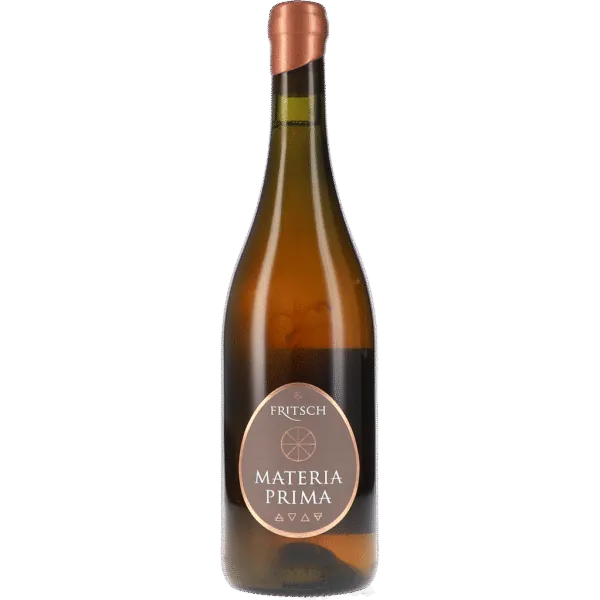
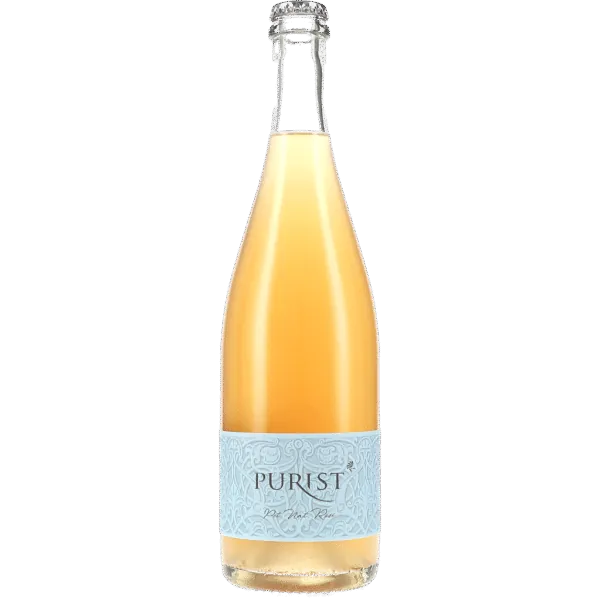
Anyone looking for organic wine from the Wagram will also find the region's experimental side at Fritsch. Materia Prima XXII 2022 is an unsulphured skin-contact wine made from Grüner Veltliner and Roter Traminer, orange in the glass, with anise, herbs and the chalky coolness of the loess soils; it shows how precise natural wine from the Wagram can be. The Purist Pétillant Naturel Rosé combines Zweigelt with Cabernet Sauvignon and Merlot in a creamy, red-berried pet nat that finds its bubbles from its own sugar alone. The range thus stretches from the uncomplicated Gutswein through the Erste Lagen to these free, spontaneous wines, all of them bearing the same biodynamic signature. All available wines are listed above.