

A black cube sits low among the vineyards of Langenlois. The architecture critic Franziska Leeb found it “strikingly inconspicuous in the way it blends into the landscape”. The building, designed by Andreas Burghardt, was completed in 2000 and stands above a historic, hand-dug loess cellar; the tasting room’s only window frames the Heiligenstein. The true diversity lies underground, in soils of gneiss, mica schist and amphibolite, of Permian sandstone, marine sediments and loess. Weingut Loimer in the Kamptal is one of Austria’s defining estates. Fred Loimer, who took over in 1998, has left his mark here both architecturally and viticulturally: in 2006 he converted to biodynamics, and in 2007 he founded respekt-BIODYN together with colleagues, whose guidelines are far stricter than EU organic law and also govern work in the cellar. His Grüner Veltliner and Riesling wines from the Erste Lagen (premier crus) Heiligenstein, Käferberg and Loiserberg demonstrate what terroir precision truly means.
≈ Food: Game
In all wines: 1,021 Wines
More about Loimer
The architect of terroir
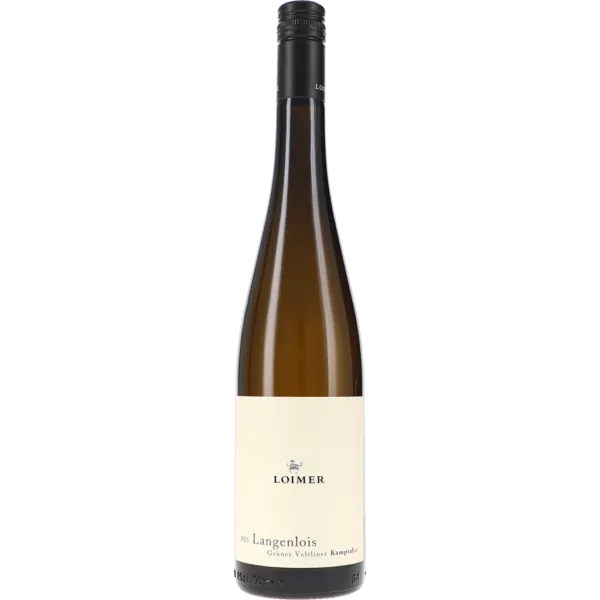
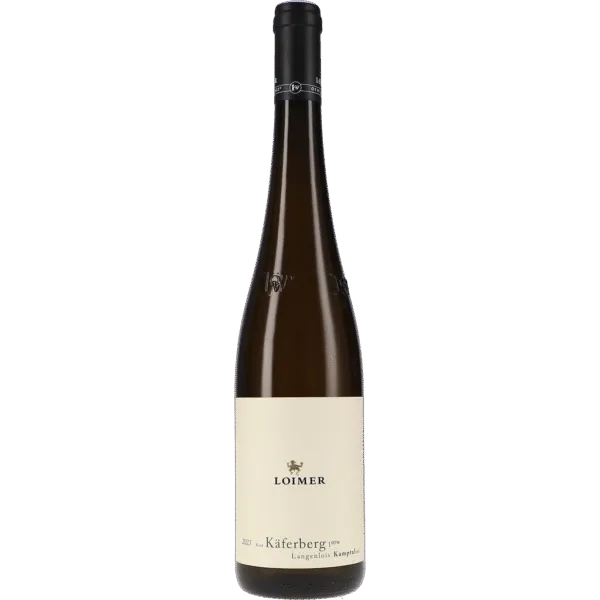
Fred Loimer really ought to be a geologist. The Kamptal he works is a patchwork of gneiss, mica schist and amphibolite, of sandstone, marine sediments and loess. Cool air from the Waldviertel streams down through the Kamp valley from the north, while Pannonian warmth presses in from the south. Fred harnesses this diversity with surgical precision. His Ried Heiligenstein Riesling grows on reddish-brown sandstone and Permian conglomerates, the Ried Käferberg Grüner Veltliner on sand, clay and marine sediments over gneiss. The same hand, entirely different wines.

Respect instead of dogma
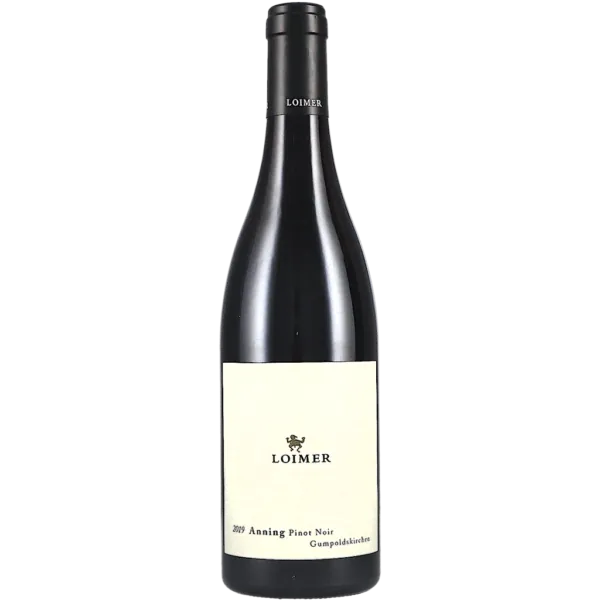
In 2006, Fred Loimer converted to biodynamics. A year later, together with colleagues, he founded respekt-BIODYN. Its guidelines are far stricter than EU organic law: they demand biodynamic work in the vineyard along with quality standards in the cellar, monitored by independent bodies. No arbitrariness, no excuses. The wines speak for themselves: precise, clear, with a minerality reminiscent of wet limestone. Here, Kamptal Grüner Veltliner reveals its most elegant side – far removed from peppery clichés.
When bubbles make history
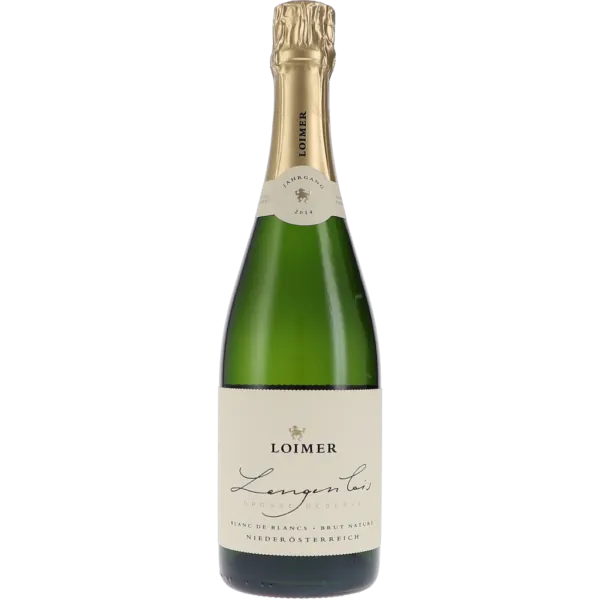
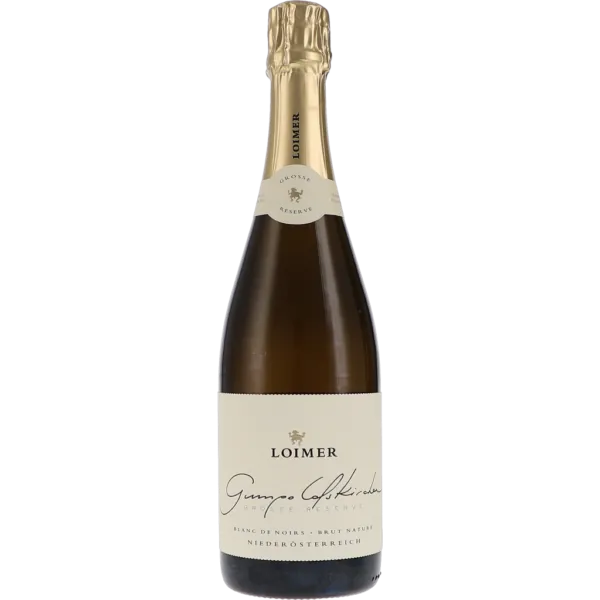
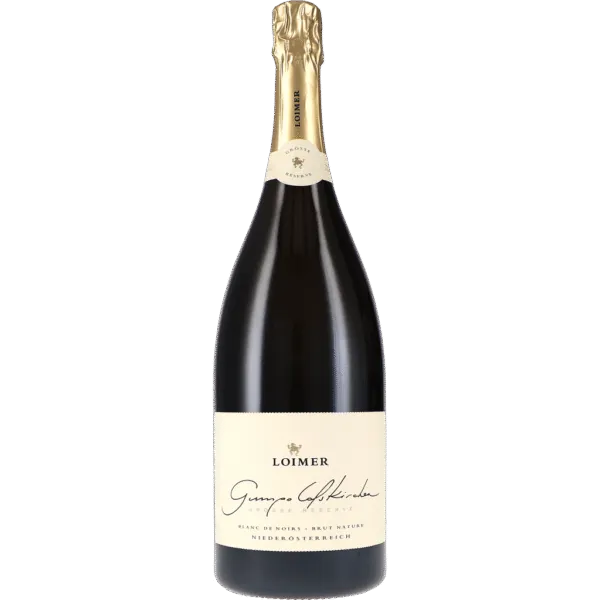
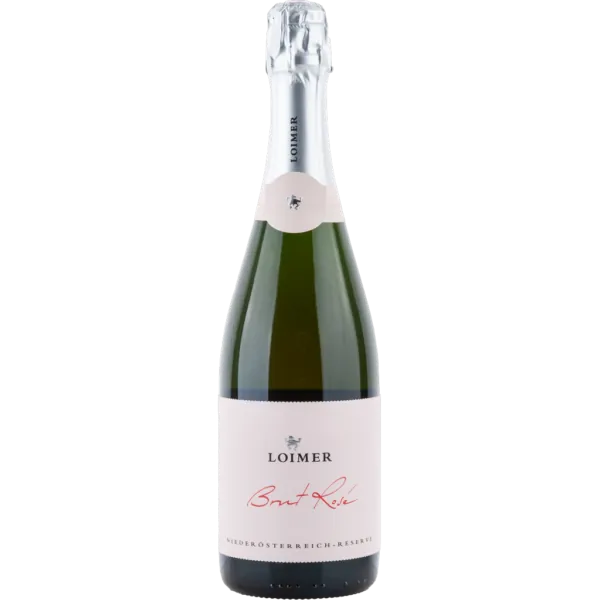
Loimer has been producing sparkling wine by the méthode traditionnelle since 2013. Success came quickly: Sparkling Wine of the Year 2023 at Gault&Millau for the Langenlois Große Reserve Blanc de Blancs Brut Nature. Long ageing on the lees, no dosage sugar – purism you can taste. In Gumpoldskirchen, where Fred leased Weingut Schellmann in 2004, he experiments with a Blanc de Noirs made from Pinot Noir, St. Laurent and Zweigelt. The Thermenregion, with its calcareous soils, reminds him of Burgundy – except that here nobody asks hundreds of thousands for a bottle. The Brut Rosé Reserve brings this Burgundian finesse into the glass with a delicate salmon hue.

Savour with respect
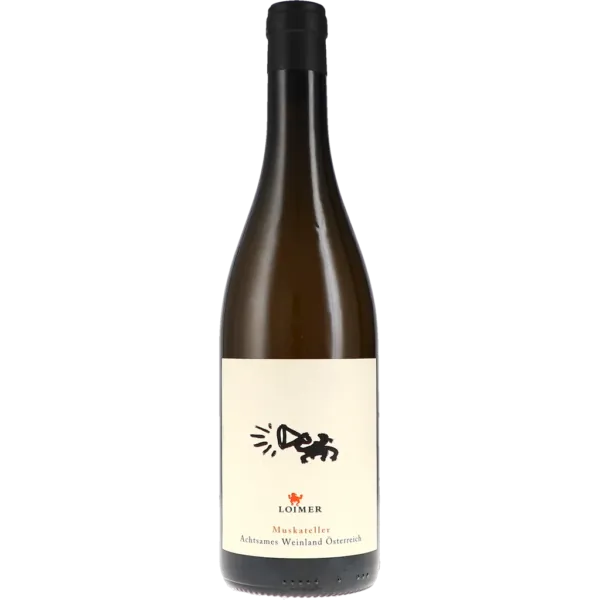
The “mit ACHTUNG” line is Loimer’s playground for natural wines: spontaneous fermentation, long skin contact, no additives. The name is half ironic, half serious – a warning to anyone who sees wine merely as a crowd-pleasing drink. If you love taking risks, you will find drops here full of character and edge. If you prefer something more classic, reach for the single-vineyard wines. Both worlds reveal the same winemaker: one who tests boundaries yet never loses his footing. Tement in southern Styria works with similar uncompromising resolve – a worthy neighbour in spirit.